
Last updated: Apr 19, 2026
This area sits in coastal North Carolina's storm belt, where tropical systems and hurricane-season wind events from June through November are a central roofing concern. Homes endure not just occasional leaks but sustained wind-driven rain that can push water laterally across roof planes and into vents, chimneys, and attic access. The risk isn't only from a direct hit; feeding bands and stalled storms can whip spray across roof edges, peeling shingles, loosening flashing, and compromising underlayment. A roof in this environment must resist paired stresses: strong uplift from passing winds and prolonged moisture from driven rain. Planning for these dynamics means prioritizing wind-resistant detailing at hips, ridges, penetrations, and transitions from roof deck to walls.
The city's roofing schedule regularly gets disrupted by hurricane-season contingency planning, with contractors needing to sequence tear-offs around incoming tropical weather. In practical terms, that means you should secure a plan with your contractor that anticipates weather windows, buffers crews for late starts, and preserves a safe staging area for material and tarpaulins. When a storm watch is issued, advanced tarping and temporary weatherproofing options should be in place within hours, not days, to minimize interior exposure. If a roof is already weathertight, the goal shifts to rapid dry-in once a storm passes: quick re-covering of flashings, vents, and dormers to halt further water intrusion while permanent repairs are scheduled.
Local homeowners often face wind-driven rain exposure rather than just isolated leaks, making post-storm tarping and rapid dry-in especially important in this market. A tarped roof isn't a permanent fix, but it buys you crucial hours to reduce interior damage, protect insulation, and safeguard personal belongings. Have a trusted tarp and fasteners ready, plus a plan for securing attic access and sealing roof penetrations temporarily. After the storm, conduct a thorough check for lifted shingles, damaged flashing along edges and chimneys, and water intrusion at soffits and vents. Document any damage with dated photos before, during, and after tarping so you can move through assessments with your insurer and contractor efficiently.
Hot, humid summers stress roofing materials differently than drier climates. Look for systems with robust uplift resistance and corrosion-resistant components for nails, fasteners, and flashing. In wind-heavy seasons, the quality of flashing joints, seam seals, and valley protection becomes critical, as these areas are common failure points under sustained rain. A properly detailed roof with continuous underlayment, reinforced drip edges, and proven wind-resistant install practices reduces the likelihood of wind-driven leaks gaining a foothold during storms. Regular inspections between storm seasons should target fastener security, shingle edge lift, and the condition of vent flashings, since these features often show the first signs of wind exposure.
Keep a ready-to-use storm kit: heavy-duty tarps, extra roofing nails, a utility knife, tarping fasteners, and a chalk line for quick edge alignment. Create a simple communication plan with a preferred local contractor who can mobilize quickly after a system-wide event. If a storm is imminent, map out the most vulnerable roof areas-chimneys, vent pipes, skylights, and transitions-and preassemble a temporary seal plan to minimize interior water entry. In this climate, rapid dry-in and staged repairs aren't luxury steps; they're essential defenses that protect the home's structure and your peace of mind.
When you're budgeting a roof in this market, you'll see asphalt shingles priced around 350 to 650 dollars per square, metal between 600 and 1000, clay tile 1000 to 1800, concrete tile 900 to 1600, wood shingles or shakes 700 to 1200, and synthetic or composite shingles 500 to 900 per square. These figures reflect Jacksonville's mix of inland-coastal exposure and the demand from a military-driven housing cycle, where fast storm response and re-roofing can swing pricing and availability. If you're comparing bids, ask each contractor to separate material cost from labor and any tear-off or disposal fees so you can see where the biggest gaps lie.
Storm seasons push replacement timing and pricing pressure more than calmer inland markets. After a tropical system, you'll often encounter tighter scheduling, with crews juggling multiple urgent leaks and expedited tear-offs. Plan ahead by identifying at least two qualified local contractors, and guard a window of several weeks around a projected storm season to avoid last-minute price spikes. If a contractor contingently commits to a start date, confirm what happens if weather slips the schedule and how that could affect the overall cost.
Hot, humid conditions and frequent rainfall in this area complicate tear-off and dry-in scheduling. Heat can slow work, glue and fastening can behave differently, and sudden showers force crews to pause mid-project, increasing crew turnover and idle time. These factors can raise project costs when crews must wait for favorable weather windows. To minimize surprises, align your project with longer dry spell forecasts, and discuss with your roofer how they handle partial-day rain, temporary containment, and tarping to keep interior spaces protected without delaying progress.
The material you choose drives not only upfront cost but also lifecycle performance in high-wind, salt-laden air and heavy rain. Clay and concrete tiles offer strong wind resistance but require precise installation and a solid deck structure; they come with higher per-square costs but longer expected lifespans. Asphalt remains the most economical upfront, yet you'll want to consider impact resistance and potential wind-driven uplift in this climate. Synthetic or composite shingles can strike a balance between cost and durability, often performing well in humid heat with easier installation. If you expect rapid replacement needs due to storm activity, discuss expedited tear-off options and the likelihood of additional crew and equipment charges during peak demand periods.
Don't let upfront costs delay a critical repair - these contractors offer payment plans to fit your budget.
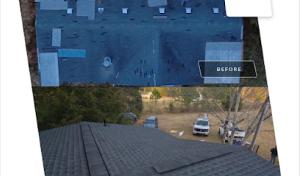
PRQ Exteriors - Jacksonville
(910) 335-2931 prqexteriors.com
1911 Gum Branch Rd, Jacksonville, North Carolina
5.0 from 27 reviews
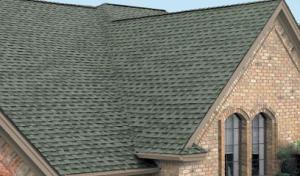
Coastal Carolina Roofing Experts
(910) 783-3660 coastalcarolinaroofingexperts.com
127 Garnet Ln, Jacksonville, North Carolina
4.5 from 131 reviews
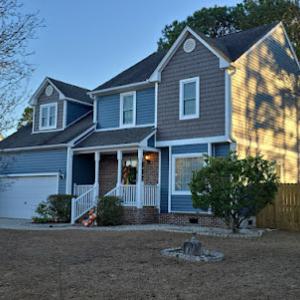
Seasoned Exteriors-Interiors
(910) 961-7284 wilmingtonroofs.biz
2440 Commerce Rd #230, Jacksonville, North Carolina
5.0 from 65 reviews
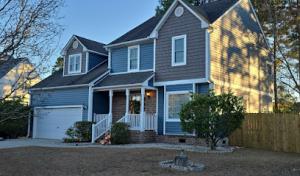
3rd generation roofer and builder, Seasoned Exteriors & Interiors proudly serves homeowners from Jacksonville to Wilmington and up the Carolina coast. We specialize in durable Fortified Roof Systems, expert roof repairs, bathroom & kitchen remodels, and professional interior & exterior painting. Family-owned and locally operated, our team brings three generations of craftsmanship to every project. Whether you need a reliable roofing contractor in Jacksonville, a kitchen remodel in Wilmington, or exterior painting along the coast, we deliver quality, integrity, and lasting results. Transform your home inside and out with Seasoned Exteriors & Interiors.
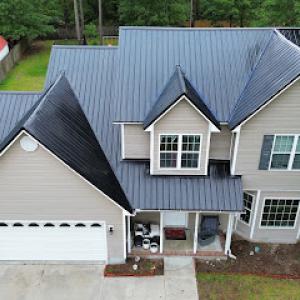
High Tide Roofing & Restoration
(910) 994-0664 hightideroof.com
305 Blue Creek School Rd Unit 4, Jacksonville, North Carolina
5.0 from 61 reviews
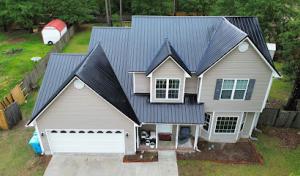
High Tide Roofing and Restoration is your trusted local expert for high-quality roofing and exterior home solutions. We specialize in roof replacements, roof repairs, and roof tune-ups, ensuring your home stays protected year-round. Our services also include professional installation and repair of gutters, siding, windows, and doors. As a veteran-owned company, we pride ourselves on integrity, craftsmanship, and customer satisfaction. Whether you’re dealing with storm damage or planning an exterior upgrade, count on High Tide Roofing and Restoration to get the job done right.
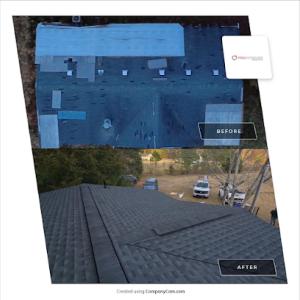
PRQ Exteriors - Jacksonville
(910) 335-2931 prqexteriors.com
1911 Gum Branch Rd, Jacksonville, North Carolina
5.0 from 27 reviews
Roofing contractor specializing in residential and commercial buildings. PRQ has a dedicated team to assist in insurance claims, to ensure your home is always protected, and your wallet is too. Known for it's exceptional service and professionalism, PRQ's family of companies has been serving it's communities for 43+ years. PRQ is also a solar panel installer, and RoofMaxx dealer.
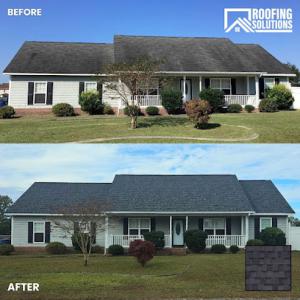
Roofing Solutions NC Jacksonville
(910) 325-2228 roofingsolutionsnc.com
200 Valencia Dr, Jacksonville, North Carolina
4.8 from 43 reviews
Local roofer specializing in Residential and Commercial roof replacement, repairs, seamless gutters, siding, windows, and insulation across Coastal NC. IBHS Certfiied FORTIFIED roofing contractors.
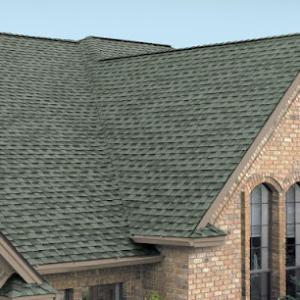
Coastal Carolina Roofing Experts
(910) 783-3660 coastalcarolinaroofingexperts.com
127 Garnet Ln, Jacksonville, North Carolina
4.5 from 131 reviews
Coastal Carolina Roofing Experts, Inc is continuously determined to put your needs first; quality workmanship, superior service, and excellent customer service are second to none. As one of the fasting growing roof installation companies in the Eastern North Carolina region, we’ve earned a solid reputation among hundreds of homeowners. Whether you’re in need of a new asphalt shingle roof or a metal roof replacement, our residential roofers are committed to delivering you with exceptional service. Our roofing contractors serve Jacksonville, New Bern, Morehead City, Havelock, Sneads Ferry, North Topsail Beach, Wilmington, Emerald Isle, Surf City, Swansboro, Hubert, Newport and all Eastern North Carolina communities in between.
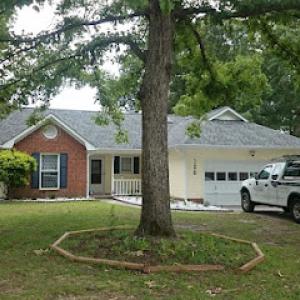
A-Team Exteriors
(910) 353-5893 www.ateamexteriorsllc.com
1061 Rocky Run Rd, Jacksonville, North Carolina
4.6 from 39 reviews
A-Team Exteriors is a family-owned and operated company with over 30 years of experience in construction. We take pride in the work we perform because we understand the importance of the job we are given. A-Team Exteriors, LLC believes that our clients needs are of the utmost importance. Both the office staff and field workers are committed to maintaining a relaxed and informative line of communication between the homeowner and our company. Our goal is to maintain an active role with our clients during the time of construction, answering any questions they may have and to inform them of our progress. Members of our team have worked in Arizona, Nevada, Texas, Tennessee, Virginia, South Carolina, and North Carolina. The owners of A-Team Ex...
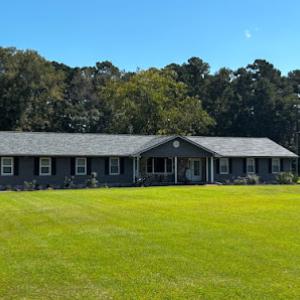
Locklear Roofing-Jacksonville
(910) 787-5619 locklearroofingnc.com
2183 Dawson Cabin Rd, Jacksonville, North Carolina
4.6 from 17 reviews
Locklear Roofing of Jacksonville, Inc. was established in 1956 by Bill Locklear. Bill was one of the first roofers in Jacksonville and was able to build a proud name and reputation with the growing city and expanding community. Since that time Locklear Roofing has maintained its status as one of Onslow Counties premier roofing companies. We have established ourselves in the community as one of the longest family run business for the last 50 years. Today the work ethics that started the company have been passed down to sons Billy Ray and Mike Locklear who operate the company to the same standards of providing quality services one customer at a time. We have a strong family tradition as roofers and are proudly serving Jacksonville, NC and Ons
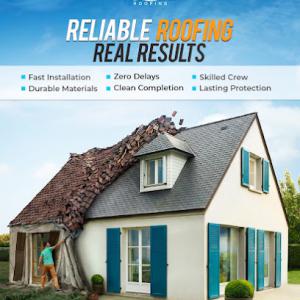
Rayze Roofing
(910) 581-3764 www.rayzeroofingllc.com
Serving
5.0 from 17 reviews
When a roof starts showing signs of wear, leaks, or storm damage, it quickly becomes more than a minor inconvenience. It affects comfort, safety, and peace of mind. That is why we focus on delivering roofing services that give homeowners and business owners a dependable path forward. At Rayze Roofing, we step in with experience, care, and craftsmanship that help customers feel confident in every decision they make. We bring over 10 years of hands-on expertise to residential roofing and commercial roofing throughout Jacksonville, NC
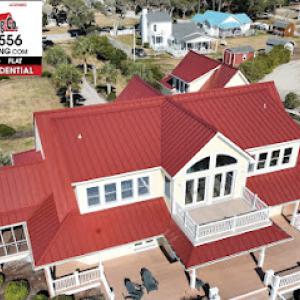
A-D's Metal Roofing
(252) 269-7556 jacksonvillencroofing.com
51 Plaza Dr, Jacksonville, North Carolina
5.0 from 1 review
Welcome to A-D’s Metal Roofing, the top Jacksonville NC roofing company. We offer expert craftsmanship, superior quality, and personalized service to every single one of our roofing customers. Feel confident you’ve hired, Fully insured roofing contractor. We are experts in all type of roof installs and highly experienced with all kind of roofing solutions. Whether it’s a new home roof installation, commercial roofing, TPO Roofing or metal roofs, we have the skills and experience to complete your roofing job with the attention and personal service our customers have come to expect. Our Professional roofing services involve much more than simply nailing down a few shingles.
Apex Roofing & Restoration
5495 Gum Branch Rd, Jacksonville, North Carolina
5.0 from 1 review
We are a roofing and restoration company serving Onslow county and surrounding areas for over 5 years. In addition to interior work such as drywall, sub flooring and flooring we also do exterior work such as siding, roof repair, new doors and windows, and even deck additions and fencing.
Kaizen Contracting & Roofing
(800) 941-7604 www.kaizen-contracting.com
201 New Bridge St, Jacksonville, North Carolina
5.0 from 1 review
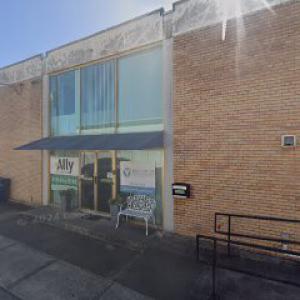
With over 20 years experience, we are prepared to help you.Our services includes: Residential or Commercial Free Inspection & Estimate Emergency/Weather Disaster Work
JW Exteriors
(910) 238-2516 www.jwexteriorsllc.com
Serving
4.9 from 73 reviews
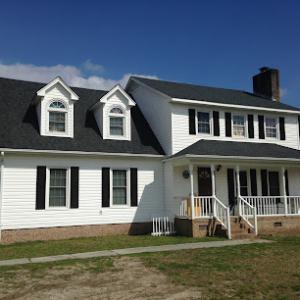
Your Home Our Reputation
Asphalt shingles remain a dominant Jacksonville choice, but the city's heat, humidity, and frequent rainfall can shorten service life compared with drier regions. In this climate, look for a high-quality shingle with good UV resistance and a robust granule coating to resist sun exposure and wind-driven debris. A shingle with a strong nailing zone and adhesive sealant will help during hurricane-season gusts. Routine inspections after heavy storms are essential: look for curling, cupping, or lifted edges that can invite leaks if left unchecked. In high-humidity months, ensure proper attic ventilation and a cool roof approach to minimize heat transfer into living spaces, which helps extend the shingle's life. If you expect rapid re-roof cycles due to storms, a trusted installer with local storm experience can identify underlayment choices and fasteners that better suit inland-coastal exposure.
Metal roofing has strong local relevance because it is a prevalent specialty among Jacksonville contractors and is often considered by homeowners focused on storm resilience and long-term performance. Metal systems typically deliver excellent wind uplift resistance and fast installation windows during storm response periods. When selecting metal, focus on panel profiles that shed wind-driven water effectively and on coatings designed to resist salt-laden air and humidity. Color choices near reflective finishes can help reduce attic heat gain, contributing to occupant comfort during hot, humid summers. A critical consideration is ensuring proper attic for ventilation and a robust underlayment strategy beneath the metal to manage condensation. Metal can be a particularly smart option for homes with shingle-over concerns or where fast storm repairs are anticipated, provided the installation team has ample local experience addressing climate-driven challenges.
Heavy materials such as clay and concrete tile are available in the market, but homeowners must weigh their cost against the area's more common re-roofing patterns and storm-repair realities. Tile roofs offer excellent longevity and impact resistance, but their weight demands a structural assessment and potentially reinforced framing. In Jacksonville's hot months, tile can stay cooler under shade but may experience faster spalling if installed over suboptimal backing or in regions with frequent freeze-thaw cycles (less common here, but still a factor in older homes). Installation quality matters greatly: improper underlayment, inadequate fasteners, or insufficient attic ventilation can trigger leaks and accelerated wear. If choosing tile, work with pros who routinely address coastal and storm-related wear, and plan for careful maintenance to catch cracked or displaced tiles after severe weather.
In areas with hurricane-season risk, a proactive maintenance plan beats reactive fixes. Schedule seasonal roof inspections, especially after storms, and keep an accessible emergency plan for quick tarp or temporary sealing if a leak develops during heavy rain. Document damage promptly for insurance readiness, and maintain clear records of contractor visits to streamline any wind-related repair claims. A well-chosen roof system-balanced with reliable local support-offers the best path to resilience in Onslow Weather.
Spring and fall are the best re-roof windows in this area because midsummer heat and humidity can slow installation pace and affect adhesive performance. If you're aiming for a clean, durable job, start planning for a season where temperatures are mild and humidity isn't at its peak. Short windows, clear schedules, and steady crews matter, especially when trying to avoid peak heat during roof-raising phases.
Frequent summer thunderstorms create weather-delay risk even when a project kicks off during a favorable week. If a storm rolls in mid-project, tarping and temporary protection become necessary to prevent leaks and interior damage. In Jacksonville, it's smart to align crews with multi-day stretches of dry forecasts and to keep a contingency plan in place for sudden showers.
Replacement planning has to account for the overlap between peak heat and the June-to-November hurricane season, which narrows ideal scheduling windows. The most reliable execution tends to occur when a window opens after the worst heat of late summer but before the most active storm period peaks. Allow for daylight hours that extend into cooler evenings, which helps with adhesive curing and shingle handling, especially for certain materials.
If you notice widespread shingle curling, granule loss, or repeated leaks after a storm, treat it as an urgent signal to inspect and possibly re-roof sooner rather than later. A fast response, particularly after wind-driven events, can prevent interior damage and save additional disruption later in the season. When evaluating a project, balance the risk of another storm against the benefits of a cooler, calmer installation period.
Choose crews that can mobilize quickly, with ready tarps, temporary coverings, and stock of common shingle types. In a market shaped by military housing turnover and fast response expectations, confirmed start dates and reliable on-site coordination help minimize delays tied to weather or access constraints.
A full re-roof in this area typically requires a building permit handled through the City of Jacksonville or Onslow County process after the contractor files. Before any shingle tear-off begins, confirm who administers the permit for your address-the city or the county-and get a copy of the permit application. The contractor should provide you with the permit number and contact information for the inspector assigned to your project. In this environment, the permit acts as a formal notice to the county or city that a trustworthy, code-compliant roof replacement is underway, and it helps ensure the work aligns with local wind-resistance and HOA considerations if applicable.
Local inspections are commonly scheduled at milestone points such as after underlayment or installation stages and again after completion. Plan ahead for these checks: the first inspection typically happens once the underlayment and roof ventilation are in place but before the final shingles are applied, giving the inspector a clear view of spacing, nailing patterns, and moisture barriers. A mid-point or "rough-in" inspection can catch missteps early, especially in houses with complex venting or attic access. The final inspection confirms that the roof is fully installed, flashing around vents and chimneys is solid, and the overall system meets the applicable wind uplift and fire ratings.
The local department may require site access for inspection and permit closure. That means during scheduled inspection windows you should have clear access to the roof, attic, and any crawl spaces near the roofline. Prepare to have the contractor or a designated supervisor present to answer questions and demonstrate installation details, such as fastener counts and leak barriers. If advanced roof systems are chosen, such as high-performance underlayments or integrated ventilation solutions, expect added review requirements. In those cases, the inspector may request specification sheets or installation manuals to verify compliance with local wind load provisions.
Coordinate the permit timeline with weather windows, since Jacksonville's hurricane season can drive faster schedules and tighter inspection turns. Make sure the contractor submits all required documentation-blueprints or product data for any specialty components, proof of material approvals, and any wind-resistance endorsements. After each inspection, address any notes promptly to avoid delays in permit closure. If a schedule slip occurs, contact the inspector or permitting office to confirm the next available inspection slot and what documentation is needed to proceed.
You operate in a coastal North Carolina insurance environment where wind and storm losses drive a lot of claim activity. Carriers here routinely review roof age, material type, and any prior claims when underwriting or during renewals. That review isn't theoretical: it shapes premium discussions, coverage limits, and how quickly a claim gets a response after a leak or a storm event. A roof that's older or shows wear can become a focal point for what the insurer views as ongoing risk.
When a storm leaves its mark, solid documentation matters more than ever. Do you have photos showing when the damage occurred, the extent of wind-driven effects, and any subsequent repairs? Keep notes of the date and severity of events, especially after tropical systems that bring heavy rain and gusty winds. Wind-mitigation features, like properly installed straps or upgraded underlayment, should be documented with receipts or manufacturer specs. This kind of record can materially affect how a claim is handled and how premiums are discussed at renewal.
In this market, demonstrating proactive mitigation pays off in the long run. If a roof had retrofits or upgrades aimed at wind resistance, gather the proof and present it with your claim package. Insurers tend to view a roof that has credible wind-mitigation improvements more favorably during approval, settlement timelines, and when considering policy renewals. Conversely, gaps in documentation or a lack of maintenance history can slow the process and complicate discussions about future coverage. Being prepared with a clear damage timeline and feature highlights helps set realistic expectations when storm season ramps up.
Connect with contractors who help homeowners navigate the claims process from damage assessment to final approval.
Seasoned Exteriors-Interiors
(910) 961-7284 wilmingtonroofs.biz
2440 Commerce Rd #230, Jacksonville, North Carolina
5.0 from 65 reviews
High Tide Roofing & Restoration
(910) 994-0664 hightideroof.com
305 Blue Creek School Rd Unit 4, Jacksonville, North Carolina
5.0 from 61 reviews
PRQ Exteriors - Jacksonville
(910) 335-2931 prqexteriors.com
1911 Gum Branch Rd, Jacksonville, North Carolina
5.0 from 27 reviews
In this market, local contractor signals show homeowners heavily prioritize quick response after storms and active leaks. When a damaged roof is letting in rain or wind-driven debris, speed matters as much as quality. Look for a roofer who clearly tracks and communicates responsiveness-estimated response times, on-site assessments within 24 hours after a major you-know-what, and documented staging plans to prevent further interior damage.
Re-roofing and thorough site cleanup are unusually prominent service signals. Residents expect not just a solid roof but a neat yard and safe drive path for the crew and equipment. Ask for a written cleanup plan: tarps down, protect landscaping, disposal of old materials, and final cleanup walk-through. A contractor with a track record of efficient replacement work will schedule in logical, weather-smart blocks and leave the site spotless at the end of each day.
The contractor mix includes long-established, family-owned operators, often offering trustworthy, personal service along with affordable options. Trust becomes a major factor, so seek referrals from neighbors who faced similar storms. Compare not only price but also communication style, reliability, and the ability to coordinate with insurance adjustments, if needed. A proven local team will balance speed with careful workmanship, minimizing callbacks and rework.
Start with a nearby portfolio of Jacksonville-area projects, especially those tied to recent wind events. Verify solid clean-up records, a written plan for storm-season contingencies, and a transparent communication routine. Ask for a dedicated point of contact who can be reached during an active leak or post-storm surge. In this market, choosing a roofer means prioritizing responsiveness, reliable cleanup, and a trusted local footprint.
Get a clear picture of your project costs upfront - no commitment required.
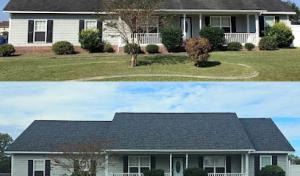
Roofing Solutions NC Jacksonville
(910) 325-2228 roofingsolutionsnc.com
200 Valencia Dr, Jacksonville, North Carolina
4.8 from 43 reviews
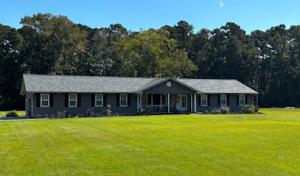
Locklear Roofing-Jacksonville
(910) 787-5619 locklearroofingnc.com
2183 Dawson Cabin Rd, Jacksonville, North Carolina
4.6 from 17 reviews
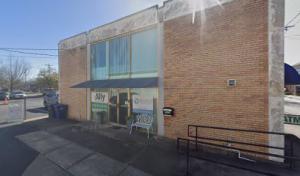
Kaizen Contracting & Roofing
(800) 941-7604 www.kaizen-contracting.com
201 New Bridge St, Jacksonville, North Carolina
5.0 from 1 review