
Last updated: Apr 19, 2026
During the heart of hurricane season, the calendar in Wilson is ruled by storms that can push through inland farther than you'd expect. August and September bring the greatest roofing disruption, with tropical systems capable of delivering strong wind and heavy rain inland from the Atlantic. If you are aiming for a reroof during this window, you must plan with a high degree of realism: crews can be redirected, materials delayed, and weather windows compressed to barely a day or two. Your best defense is to build in a buffer, schedule with the earliest possible start date, and maintain a back-up plan if a storm forecast tightens up. This is not a guesswork scenario-it is a timeline that can flip in a heartbeat once a tropical system forms.
Although the coast is out of arm's reach, Wilson roofs still contend with wind-driven rain and shingle uplift concerns whenever a storm tracks nearby. A weakening system can still bring gusty bands that slam against the eaves and ridge lines, lifting loose shingles and driving water under flashing. The inland exposure makes temporary coverings and fast, secure temporary protection essential during any late-summer rain event. If your roof is already showing edge wear, any additional wind-horn pressure can turn a minor leak into significant interior damage in a matter of hours. Do not wait for clear skies to address vulnerable sections; reinforce where you know wind channels commonly hit your roof.
Replacement scheduling in Wilson is heavily influenced by late-summer storm tracking, with homeowners often trying to complete reroofs before peak tropical activity. The pressure is real: you want enough dry days to set deck, underlayment, and shingles without weekend rain showers turning into longer delays. Practical action includes coordinating with a trusted local crew as soon as a reliable weather window appears, pre-ordering critical materials, and confirming tarp and protection plans for any interim days. If a storm projection shifts, be prepared to adapt quickly-delay may be safer than rushing a job that leaves your roof exposed to subsequent squalls or a secondary pass of high winds.
You should create a short storm-readiness checklist that aligns with August-September risk. Confirm that your fascia and drip edge are secure, inspect for loose or damaged shingles that could become projectiles in a wind gust, and verify attic ventilation and moisture barriers before a face-to-face reroof appointment. If you anticipate a reroof during the late-summer surge, arrange for rapid material staging at the job site and discuss wind-rated fasteners and sealants with your contractor. In Wilson, the clock owners feel is real: you want a plan that reduces the chance of a rework caused by a late-season storm and keeps the crew moving in a narrow weather corridor rather than waiting out a tropical system that refuses to clear.
In this city's hurricane-prone Coastal Plain climate, a roof isn't finished just to look good. The storm season pushes you toward wind-resistance details that go beyond curb appeal. When a full reroof is reviewed, the focus is on scope, materials, and wind-resistance details rather than just the finish surface. That means your decisions should start with performance-how the roof will hold up under high winds, driving rain, and rapidly changing conditions. You'll want the plan to show how each layer works together to resist uplift, blow-off, and water intrusion during the worst storms.
Asphalt shingles dominate many homes in this area, so you'll likely be working with them again. In Wilson, the storm exposure makes fastening patterns crucial, and underlayment choices matter just as much as the shingle itself. Choose a high-quality underlayment rated for by-the-book wind resistance, and specify fasteners that meet or exceed local expectations for wind zones. Pay special attention to edge securement along eaves and rakes; improper edge fastening is a common weak point in thunderstorm winds. For a practical approach, ensure the starter course aligns tightly and remains tucked under the first row of field shingles, reducing the chance of uplift at the eave and rake edges during a fast-moving squall. If you use any hip or ridge vent strategies, confirm that fasteners penetrate into solid framing and that vented areas are sealed with wind-rated, water-resistant flashing.
Metal roofing is popular in this region because it handles heavy rain well, but panel attachment and trim detailing matter in Wilson's wind environment. When planning panel layout, specify a fastener pattern that secures each panel to structural deck framing, not just the through-fastened surface. Sealant and sealant accessories should be corrosion-resistant and compatible with both the metal panels and the surrounding flashing. Pay attention to trims around chimneys, skylights, and transitions to walls; improper trim detailing can create vulnerable seams where wind-driven rain penetrates. For reroof projects, confirm that ridges and hips have continuous fastening and that any standing-seam systems are installed with correct seam sealing to withstand gusts without seam separation.
Edge securement is where wind exposure meets water control. In Wilson, ensure all eaves, rakes, and corner edges receive reinforced fastening and weatherproofing. Flashing should be continuous and properly sealed at transitions to walls, vents, and chimneys. Drainage paths must stay clear, and any valley or seam intersections should be treated with wind-rated flashing and sealants designed for coastal humidity. The goal is to keep wind from lifting edges and directing rain under the roof cover.
Begin by confirming the roof plan's wind-resistance details with the contractor, focusing on fastening patterns, underlayment type, and edge securement. Inspect the selection of materials to ensure they meet the expected exposure during Atlantic storms and tropical systems. For any metal option, request detailed trim and flashing specifications that prevent wind-driven water entry at complex intersections. In the end, the roof should read as a single, continuous system where fasteners, flashing, and underlayment work together to resist the gusty winds and heavy rains that define the Wilson storm season.
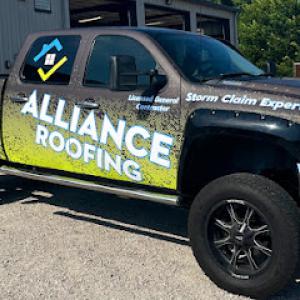
Alliance Roofing
(252) 289-0672 www.allianceroofing.org
505 Clyde Ave NW, Wilson, North Carolina
5.0 from 41 reviews
Alliance Roofing is a family-owned licensed roofing company that provides a full range of roofing services in Wilson, NC, and the surrounding counties. It offers both residential and commercial roofing installation, repair, maintenance, and replacement services. Alliance offers free, no-obligation roof inspections, which can be scheduled same-day or the next day. Clients deal with the owners directly, ensuring a close working relationship and prompt service. With over 20 years of providing roofing services, Alliance Roofing is equipped to handle all your roofing issues. They are roof experts with HAAG certification, A+BBB accreditation, and 5-star Google reviews.
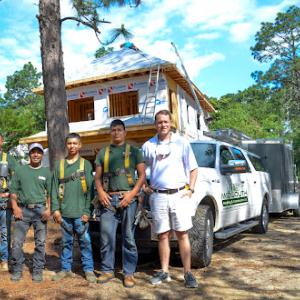
MidSouth Roofing & Construction
126 Goldsboro St S, Wilson, North Carolina
4.9 from 63 reviews
MidSouth Roofing and Construction is a top-tier full-service turnkey construction, roofing, siding and exterior materials and finishing contractor with several specialist crews operating in the areas surrounding Wilson, RDU, Southern Pines, and Wilmington. We serve both residential and commercial roofing and siding customers. Our team and project efficiency allows us to deliver satisfaction guaranteed quality work at rates that will surprise you.
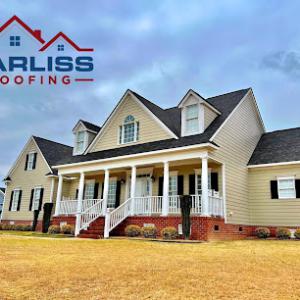
Garliss Roofing
3195 Airport Blvd NW Suite B, Wilson, North Carolina
4.7 from 90 reviews
Garliss Roofing is dedicated to serving the residential, multi-family, and commercial roofing needs of Wilson, North Carolina, and the surrounding areas. Our goal is to make one's experience the best in the industry by offering outstanding customer service and excellent workmanship. We provide the following services: Roof Replacement; Gutters; Siding. Quality Materials + Superior Workmanship = Satisfied Customers!
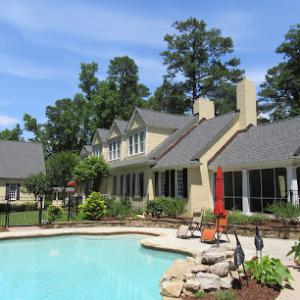
StaDry Roofing
(252) 991-5152 stadryroofingnc.com
405 Nash St # 207, Wilson, North Carolina
4.5 from 84 reviews
We are a full service Roofing, Window and Siding Installation and Repair Company. Your roof endures a lot of abuse. Even the sturdiest roofing system can be affected by extreme rain, hail, and winds from severe storms. When the worst does happen, you will need a dependable partner to aid you in swiftly repairing your roof so it can continue to shield you. Sta-Dry Roofing proudly assists residential and commercial property owners with insurance and storm damage repairs. We can help you with any roof repair project you have, whether it’s a roof replacement or a roof inspection.

City Roofing Company
Wilson, North Carolina
3.7 from 6 reviews
Whether you own a residential or commercial property in the Rocky Mount, NC; Wilson, NC; Nashville, NC; Tarboro, NC; Greenville, NC; and Goldsboro, NC areas, City Roofing Company is the roofer to trust. We’ll get the job done in a reasonable amount of time without infringing upon your daily routine too much, and we’ll be sure to clean up after ourselves. Contact us today to schedule an appointment for a roof inspection, roof repairs, or a roof replacement.
Brett Miller
4009 Hart Ave NW, Wilson, North Carolina
5.0 from 1 review
My name is Brett Miller and I'm the best roofer in the world I care more about my customers than I do anything. I don't have a family so roofing is all I have I'm honest and I do good work I don't lie cheat or still I believe in doing the right thing you won't regret going with me if you choose me to fix your roof or replace your roof God bless
Brian Creech Roofing
(919) 269-8599 briancreechroofing.com
Serving
4.6 from 67 reviews
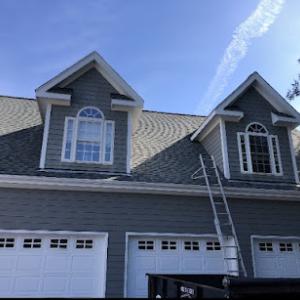
For over 30 years, Brian Creech Roofing has been providing quality roofing services to the greater Triangle area. As a locally owned and operated company, we are proud to be a fully insured roofing company serving residential and commercial clients. Our commitment to customer satisfaction has made us the top roofing company in the area. With certified Certainteed master installers, we are dedicated to providing our customers the very best roofing services by using only high-quality materials and superior craftsmanship. We specialize in all roofing types and offer a 100% satisfaction guarantee on all the work we do. If you're looking for a roofer you can count on to get the job done the right way, the first time, give us a call today.
Picture Perfect Roofing
(984) 900-6611 www.pictureperfectroofing.com
Serving
5.0 from 16 reviews
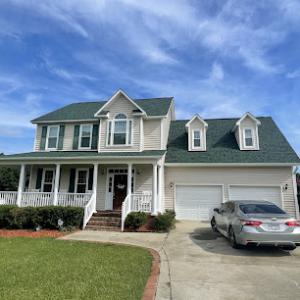
"Picture Perfect is a local roofing & water restoration company. We service North Carolina. We specialize in roof repairs, replacements and water damage restoration. PPR offers a FREE property inspection with a detailed report that contains a 360 degree view of your home. PPR takes pride in leaving your property in Picture Perfect condition.
Carolina Trophy Roofs
(252) 302-2003 www.carolinatrophyroofs.com
Serving
4.8 from 202 reviews
Listed in the National Roofing Directory as the #1-rated roofing company in Rocky Mount, Wilson, & Greenville, NC: CAROLINA TROPHY ROOFS specializes in residential and commercial roofing, gutters, siding, and steeples. GAF, Owens Corning, CertainTeed, Atlas, and IKO certified, ensuring top-tier quality and manufacturer-backed warranties. As the only manufacturer-trained Ames Roof Coating expert in the region, we provide cutting-edge commercial roofing solutions. Hundreds of 5-star reviews, A+ BBB rating, features in BreakingNewsCorp and Chamber of Commerce, were trusted for storm damage repairs, roof replacements, and free inspections. Call us today for fast, professional service! #BestRooferNearMe #NorthCarolina #MasterCertification
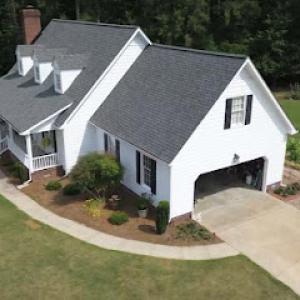
Valley Pro Roofing
(919) 221-2024 valleypro-roofing.com
Serving
5.0 from 57 reviews
Valley Pro Roofing is a trusted Local Roofer serving Pikeville, NC, delivering professional roofing solutions for homes and businesses. As an experienced residential and commercial roofing contractor, we install and maintain durable roofing systems built for long-term performance. We also provide fast emergency roofing services to handle storm damage and urgent repairs with efficiency. Our team is known for skilled workmanship, clear communication, organized project management, and reliable timelines. Property owners choose us for honest evaluations, quality materials, and consistent results that protect their investment. Contact us today to schedule your roofing consultation.
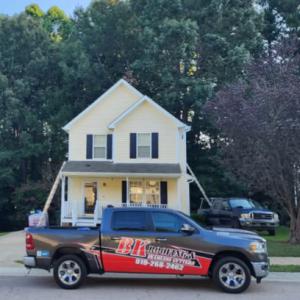
BK Roofing & Seamless Gutters
(919) 268-2462 www.bkroofingandgutters.com
Serving
4.7 from 111 reviews
We over custom made on site 5 or 6 inch seamless gutters, made with a seamless Gutters machine, with hidden hangers every 2 feet with screws to add strength and stability to your gutters, if you have any wood issues from fascia to windows and siding we have you covered with in house trained professionals, we offer shingles as well as metal roofing with all trained employees and only top quality products. Fully insured and ready to serve you.
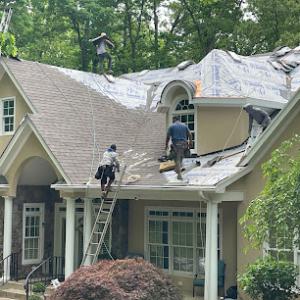
Golden Roofing
(984) 207-1118 www.goldenroofingnc.com
Serving
5.0 from 25 reviews
Here at Golden Roofing we model the Golden Rule - we treat everyone as we want to be treated. In a crowded market, we focus on what is best for our customers, employees and their families. Just like Bash, our Golden Retriever - we value loyalty, integrity, and honesty in every job we take on. Our family would be honored to keep your family COVERED!
A full reroof in Wilson usually requires a building permit. The city's workflow expects the permit application to clearly spell out the roofing scope, the material type, and wind-resistance information. When assembling the application, you or your contractor should specify whether the project is a complete tear-off or a reroof over existing material, the chosen roofing system, and how the installation will meet local wind-load expectations for this hurricane-prone area. This is not a "check a box" step; the permit review hinges on concrete details about the roof's design, including penetrations, flashing, and any venting or attic modifications tied to wind resilience.
For the review, gather a concise description of the roofing scope, the exact material being installed, and documentation that demonstrates wind resistance compatible with Wilson's climate. In practice, this means noting the roof deck condition, underlayment choice, nail pattern, and fastener type, along with any valley and step-flashing details. If the project involves upgrades to ventilation or soffit systems to improve performance during humid summers and hurricane season, include those specifications as well. The city appreciates clear references to wind-rated components and any staged inspection milestones tied to underlayment and flashing readiness.
Inspections in this area are typically staged rather than clustered in a single closeout visit. After the roof deck and underlayment are in place, an inspection is commonly conducted to verify proper attachment, underlayment coverage, drip edge, ventilation provisions, and flashing at penetrations. This early check helps catch any wind-related vulnerabilities before shingles or panels are installed over them. A second, final inspection is usually performed after the roof finish is complete and all penetrations, vents, and flashing are correctly integrated with the chosen material system. This staged approach aligns with Wilson's emphasis on wind-resistance details and ensures the installation stands up to seasonal stresses and staged city reviews.
To keep the process smooth, coordinate with a licensed roofing contractor who understands local wind-resistance criteria and the staged inspection sequence. Ensure the contractor includes a clear plan for underlayment type, fastener schedule, and flashing details in the permit paperwork. When possible, request advance scheduling for the inspections so that the mid-project review does not become a bottleneck. Having on-site documentation-installation manuals, manufacturer wind ratings, and a labeled drawing of the roof layout-streamlines the review and reduces delays related to compliance questions during the wind-prone season.
In this hot, humid climate, shingles and their sticky adhesives can behave differently than in milder parts of the state. Elevated roof-surface temperatures during peak summer weeks can soften asphalt shingle glue, potentially delaying a proper seal and increasing the risk of lift in a wind event if weather shifts quickly. This means you should plan for longer cure windows and avoid pushing a deck-adhesive phase on the hottest afternoons. If a contractor notes the adhesive is soft or tacky, rescheduling the seal-up to the cooler morning hours may prevent future wind-driven issues. For metal and synthetic products, heat can affect fastening dynamics and panel alignment, so confirm that fasteners are set without overdriving and that laps are sealed when they're still within a workable temperature range.
Frequent summer thunderstorms in Wilson can force same-day dry-in decisions and make tear-off timing riskier than in drier parts of the state. A sudden shower can prematurely end a workday, leaving exposed underlayment or a partially installed roof deck. This increases the chance of moisture intrusion or compromised roof integrity if rain sits on exposed materials. Agree on a clear plan with the crew: if a thunderstorm is forecast, determine whether to tarp, stage, or accelerate tear-off so the interior stays protected and the underlayment remains dry. If a dry-in cannot be completed before a shower, reschedule rather than gamble with rapid, last-minute flips of tarps and weathered deck boards. The goal is to avoid creased, water-stained underlayment or rushed, improper sealant applications that could fail when rain returns.
High humidity in eastern North Carolina can slow drying of roof decks and underlayment areas after rain events, affecting when work can safely proceed. Wet or damp plywood, sheathing, or felt beneath shingles takes longer to reach a stable, dry condition, delaying subsequent steps such as installation of starter courses and the first course. In practice, expect longer intervals between rain and the next phase of work, especially after a stray shower that lingers. Operators should use moisture meters or standard dry-back checks before moving from underlayment to shingle installation, and they should avoid stacking materials on damp surfaces. If a jobsite shows persistent dampness, delaying certain tasks reduces the risk of adhesive failure and accelerated wear later on.
In this coastal plain climate, the first signs of trouble often show up where the roof meets the rest of the house. Wind-driven rain tends to expose weaknesses at ridges, eaves, valleys, and flashing transitions before it reveals itself across open field sections. Small gaps at a vent boot, a loose step flashing, or a misaligned valley liner can become channels for water during a heavy shower or tropical-storm gust. You may notice a damp spot on the ceiling below a valley after a thunderstorm, or a breeze that sounds louder near the roof edge. Those are red flags that moisture is finding its way where the roof bends and turns, not where the shingles are laid flat.
Asphalt shingle roofs in this climate face specific wear from repeated thunderstorm and tropical-storm exposure. Granule loss accelerates near the high-wind events, leaving patches of bare substrate that absorb heat and age unevenly. Seal-strip failures can occur where shingles butt up against vents, chimneys, and transitions, allowing wind-driven rain to lift edges or slip underneath. Over time, uplift can loosen shingles at the corners of the roof or near protrusions, and a single failure can cascade into a broader leakage problem if neglected. The takeaway is simple: keep a close eye on the edges and around any penetrations, especially after storms, and address early signs before a leak travels into attic spaces.
Wood shingles and shakes are a popular choice in this area, but they demand more attention in a humid environment. Moisture cycling-swinging between wet and dry conditions-can shorten service life compared with drier inland climates. Warping, cupping, and moss or rot buildup can take hold faster here, particularly on southern or shaded exposures where air movement is limited. Warped or split pieces create gaps that trap moisture and invite leaks, while decay near fasteners can loosen hold and threaten broader panel integrity. Regular inspections for soft spots, raised fibers, or dark staining help keep a wood roof functional rather than corrective after a big rain.
After a heavy rain or wind event, turn attention to the roof's transitions: edging around chimneys, vent collars, skylights, and dormers. If a rapid inspection reveals lifted shingle tabs, torn flashing, or loosened ridge caps, address them promptly to stave off attic leaks and interior damage. In this area, ongoing maintenance is the prudent choice-catching trouble early saves larger repairs down the line and preserves the roof's resilience against the next impulse of wind and rain.
Typical Wilson-area pricing runs about $350 to $700 per square for asphalt shingles. In practice, you'll see closer to the lower end if the roof is straightforward and the flashing is minimal, but the price can creep higher if the job includes extra wind-resistance detailing or more complex roof lines. You'll notice a seasonal bump after tropical storms, when crews are in high demand across eastern North Carolina and schedules tighten. If you're budgeting, plan for weather-related delays that push material handling and crew mobilization into crowded windows, especially in spring and late summer.
Metal roofing sits in a $600 to $1100 per square range. In Wilson, the benefit of metal-strong wind resistance and a faster install-is often worth the extra upfront. Expect costs to rise if your roof has irregular geometry, multiple dormers, or heavy insulation upgrades, all of which can complicate panel layout and flashing. After tropical storms, prices and lead times can swing upward as crews shift from new installs to storm recovery work. The improved wind performance can pay off in insurance considerations and long-term durability.
Clay tile typically lands from $900 to $1800 per square. In our climate, clay tile is prized for its durability and heat management, but it's heavy and requires precise framing and underlayment. Expect higher labor costs if your attic or ceiling framing needs reinforcement. Wilson-area projects often see price steps up during storm season when specialty crews are in high demand. Weather delays are common if rain interrupts tile setting or grout curing windows.
Concrete tile runs about $800 to $1400 per square. It shares many clay tile advantages and challenges: weight, careful installation, and meticulous flashing. In Wilson, concrete tile can be a practical compromise between cost and performance, with spikes when storms push demand upward. Delays from spring showers or late-summer storms can extend project timelines and affect both labor pricing and material handling.
Wood shingles or shakes come in roughly $600 to $1100 per square. The aesthetic and the natural wind-shedding behavior matter, but wood requires maintenance and ventilation checks. In Wilson, storm-season demand can push costs higher as crews are pulled into recovery work. Expect potential weather-related scheduling shifts that influence both cost and completion time.
Synthetic or composite shingles are about $400 to $750 per square. They offer good wind resistance and a lighter install compared to tile options, which can keep labor costs reasonable even when storms tighten the schedule. In peak season, you may see modest cost increases as supply chains and crew availability tighten, but typically they're a steadier option during Wilson's hurricane-prone months.
In this area, wind and hail seasons drive more roof claims than many homeowners expect. North Carolina carriers serving this region often want precise roof measurements and a clear picture of what existed before the storm versus after. After major regional storms, some insurers may tighten underwriting or coverage terms, so having solid documentation and a well-maintained history becomes part of how confidently a claim can be processed.
Carriers commonly request detailed measurements of roof area, pitch, number of layers, and specific material types when adjusting storm-related claims. Before-and-after photos tied to dates and weather events help inspectors see the scope of damage and any preexisting issues. In Wilson, it helps to have a recent, professional assessment that notes attic ventilation, flashing integrity, and fascia conditions. Consistent documentation reduces back-and-forth and supports fair settlement decisions.
As soon as safe, create a photo log that captures roof surfaces from multiple angles, plus close-ups of damaged shingles, vents, and flashing. If a contractor or roofer performs a temporary tarping or plywood patch, keep receipts and take dated photos of the work. Maintain a written record of any leaks, water intrusion, or interior staining and note times when rain resumes or worsens the problem. When meeting an adjuster, provide the measurements, the photographs, and the storm date clearly to avoid delays.
Keep a file of annual maintenance, including gutter cleaning, shingle replacements, and any prior repairs that affect wind resistance. In a climate where wind-driven rain is common, showing a pattern of proactive upkeep can influence depreciation calculations and confidence in the roof's overall condition.
Know that adjusters may request staged inspections, especially after a strong event. Have a ready set of documentation organized by section-structure, shingles, flashing, and attic conditions-and share the file promptly if requested. A neighborly, methodical approach helps the process stay focused and reduces the risk of coverage surprises later.
Spring in Wilson can bring frequent rain interruptions, so a calendar opening does not always mean uninterrupted production days. If you schedule work right after a dry spell, you'll still want a buffer for sudden downpours that can push tarping and shingle work off a day. A practical approach is to target windows that follow a stretch of several sunny days and align with the weekly forecast rather than a fixed date. Smart crews will stage materials indoors when showers loom and protect vulnerable edges to minimize wind-driven water intrusion.
Late summer is risky because August and September overlap with the region's highest tropical-storm concern. The coast may send bands of wind and rain that threaten roof work progress and safety. For best results, coordinate with the crew to set flexible milestones and plan for potential interruptions. If a storm watch is issued, lifting nails and securing loose materials becomes essential, and decisions about delay versus continuing work should be guided by local wind thresholds and rain forecasts.
Winter roofing is possible in Wilson, but cold snaps and occasional freezing rain can slow installation and inspection timing. Freezing temperatures affect adhesive and sealant performance, while ice can create hazardous conditions on pitched roofs. In colder spells, crews often adjust by focusing on fasteners, underlayment, and flashing tasks that remain productive without compromising safety. When temperatures hover around freezing, expect shorter days and tighter inspection windows, making midwinter projects more about careful sequencing than rapid completion.
For wind-resistance and durability, the best months blend manageable weather with steady daylight. Aim for periods when humidity is lower and storms are less volatile, and build contingency time into the schedule for possible weather-driven delays. In Wilson, the seasonal rhythm matters: planning with the hurricane-season window in mind helps you weather the months when conditions are most challenging while still keeping your roof upgrade on track.