
Last updated: Apr 19, 2026
Hurricane season runs June through November, and in this corner of eastern North Carolina that means a continuous swing between high humidity, tropical moisture, and sudden, wind-driven rains. The danger isn't just the wind lifting shingles-it's a cascade of flashing leaks and water intrusion from imperfect seals, undersized gutters, and aging underlayment. When a storm hits, trees, fences, and loose debris become projectiles, and a rapid diagnosis matters more than ever. A quick, accurate assessment after every event protects the interior and prevents a minor issue from turning into a full roof replacement later in the season.
Greenville's typical storms don't always bring coastal surge, but they deliver enough wind-driven rain to hammer shingle edges and vent seals. That means uplift and water intrusion can surface even on roofs that looked fine after last season's repair. The hottest and wettest stretch of the year often coincides with the busiest scheduling period for replacements, causing delays and cramped timelines. When a storm hits in July or August, crews are booked, weather windows shorten, and the clock starts ticking on when a full replacement becomes the practical choice rather than a patchwork fix. Plan for competing priorities-your home, neighboring homes, and multiple projects share the same trusted crews in peak months.
Spring thunderstorms and tropical remnants create repeat repair cycles. Each event can affect different sections of the roof; a single leak might travel along a seam or down into a wall cavity with moisture signatures that aren't obvious from the attic. After every event, photograph the roof and interior impacts, note dates, and keep a consistent log of what was observed-and where. If a leak is intermittent, track its behavior with weather conditions and rainfall amounts. This documentation becomes crucial when a full replacement is evaluated, because it anchors the timeline and demonstrates how the roof performed under successive stresses.
In this climate, a repair may buy time after a minor storm, but repeated cycles or pervasive moisture intrusion across multiple bays is a strong signal that a full replacement should be considered. If the attic shows widespread staining, there's consistent leakage around flashing, or roof decking shows signs of rot, the safer path tends toward replacement rather than continuing with patchwork repairs. Storm events often expose vulnerabilities you didn't notice during dry periods, so revisiting the roof's overall integrity after each major rain or wind burst helps prevent cascading failures.
Create a post-storm checklist that begins with safety first: avoid walking on a wet roof, protect valuables from potential leaks, and document leaks with timestamped photos. Schedule a same-week roof assessment by a reputable contractor who can distinguish between temporary fixes and underlying failures. If a replacement becomes necessary, align the timing with favorable weather windows and factor in the typical demand surge during hurricane season, so the project proceeds with minimal weather-related setbacks. In this market, proactive monitoring and timely decisions reduce the risk of escalating damage and help preserve the home's shield against Greenville's humid, wind-driven storms.
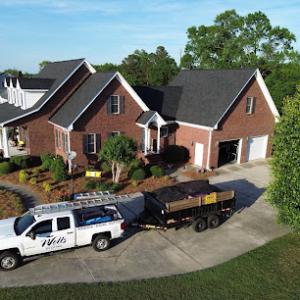
Wells Roofing & Seamless Gutters
(252) 227-8403 wellsroofingandseamlessgutters.com
3730 Charles Blvd, Greenville, North Carolina
5.0 from 382 reviews
Wells Roofing and Seamless Gutters is an award-winning residential exterior home company, proudly offering top-quality roofing services and gutter solutions. We specialize in shingles, metal roofing, and seamless gutters, delivering craftsmanship you can count on. Our selection of gutter profiles is the largest in eastern NC, including 5” K style, 6” K style, 6” 1/2 round, and 6” European box gutters—all fabricated onsite at your residence for a perfect fit. Most of our roofing and gutter installations are completed in just one business day, ensuring a smooth, hassle-free experience. With offices in Greenville, Washington, and Wilmington, we are always close by to serve you. For a job “Wells” done, contact us today!
Roofing Solutions NC
(252) 702-3395 roofingsolutionsnc.com
3121A Bismarck St, Greenville, North Carolina
4.9 from 344 reviews
Roofing Solutions NC is one of North Carolina’s most trusted and fully insured roofing contractors, proudly serving Greenville and Eastern NC. As a NC Licensed General Contractor, we specialize in residential and commercial roofing, including roof replacements, metal roofing, TPO, EPDM, standing seam, and fortified systems. We also provide gutters, siding, windows, insulation, and preventative maintenance contracts. As an Owens Corning Platinum Contractor, we deliver proven quality. Recently voted Greenville’s Best Roofer, we’re the trusted choice for roofing and storm restoration..
Advanced Building & Roofing
(252) 717-7176 advancedbuildingroofs.com
806 Rivit St, Greenville, North Carolina
5.0 from 159 reviews
Advanced Building & Roofing, we specialize in repairing storm-damaged roofs commercial & residential. Being a local owned company, we can give the utmost attention to each client and make sure that they are completely satisfied with the quality of our work. 24/7 Emergency Services
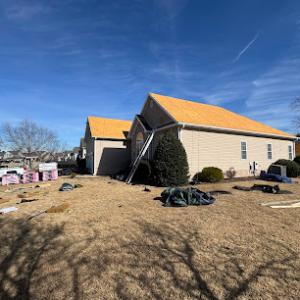
Hunter Roofing & Construction
204 E Arlington Blvd Ste C, Greenville, North Carolina
5.0 from 57 reviews
We specialize in Roofing, Siding, Windows, Exterior Doors & Gutters. Residential, Multi-Family, Commercial & New Construction Licensed & Insured Hunter Roofing & Construction hunterroofingandconstruction@gmail.com
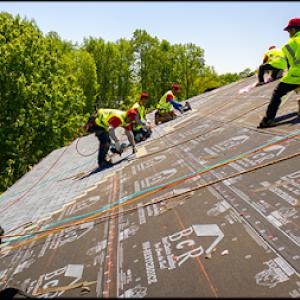
Best Choice Roofing
(252) 648-6246 bestchoiceroofing.com
1528 Evans St Suite I, Greenville, North Carolina
4.8 from 363 reviews
Best Choice Roofing is your trusted roofing expert and the Best Choice when it comes to choosing a roofing company with a commitment to impeccable customer service in Greenville, NC. In business since 2009, Best Choice Roofing’s industry-leading contributions to the roofing industry include a customer-first mentality, a dedication to top-quality products and a leadership team focused on the growth of its people. Because of this framework, we have created a loyal base of customers all over the United States.
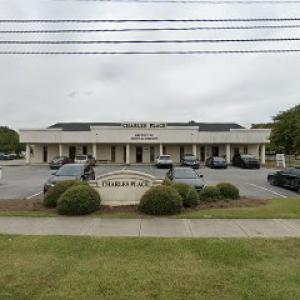
Atwell Exterior Services
(252) 304-6229 atwellextservices.com
2430-B Charles Blvd, Greenville, North Carolina
5.0 from 32 reviews
Residential, exterior home improvements.
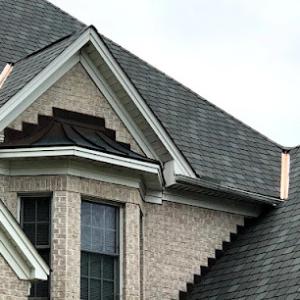
Langley Contracting Roof Specialists
(252) 214-7663 langleycontractingllc.com
3006 E 10th St, Greenville, North Carolina
4.7 from 101 reviews
Langley Contracting Roof Specialists, based in Greenville, NC and serving all of Eastern North Carolina, is your trusted local roofing contractor for residential and commercial roofing needs. Our experienced, licensed, and insured team provides expert roof repair, metal roofing, shingle roofing, roof replacement, emergency roof repair, and commercial roofing solutions. We proudly serve Greenville, Wilson, Raleigh, Goldsboro, Kinston, Washington, Rocky Mount, Winterville, Jacksonville, Tarboro, Fayetteville, Elizabeth City, Chocowinity, Nash County, Greene County, and all nearby communities. Whether you need a reliable roofing company for storm damage repair, insurance claims, leak repair, or routine maintenance, we deliver fast service.
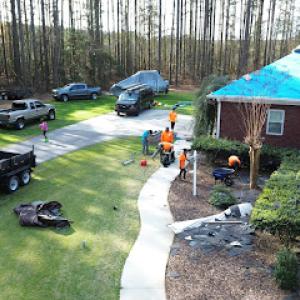
W.J. Smith Construction Roofers
(252) 304-3115 www.roofersgreenvillenc.com
1035 Director Ct, Greenville, North Carolina
5.0 from 12 reviews
At WJ Smith Construction Roofers, we are proud to be the leading roofing company in Greenville, NC, providing top-tier roof repair, installation, and replacement services for both residential and commercial properties. Located at 1035 Director Ct, we specialize in using the highest quality roofing materials like metal and shingles to ensure your roof stands strong against extreme weather, including storms. Whether you need a minor repair or a complete roof replacement, we’re committed to delivering reliable, durable, and long-lasting solutions. Trust WJ Smith Construction Roofers to keep your home or business safe and secure, no matter the condition
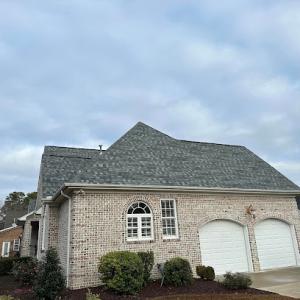
E. R Roofing Professionals
(252) 675-2941 www.erroofingcontractors.com
509 Evans St, Greenville, North Carolina
5.0 from 4 reviews
Experienced roofing team, united by the passion and dream of offering quality services. We created a company that combines the great ideas of our owner Ricardo Estrada with customer satisfaction, producing high quality services at competitive prices. Our full services list include: roof repair, roof replacement, reroofing, and other home improvements. Business Info: Greenville, NC Service area: 100 miles surrounding Greenville, NC Monday to Sundays: 7:00 am - 7:00 pm 10 Years of Experience Payment Methods: Cash, Check, CashApp, Zelle
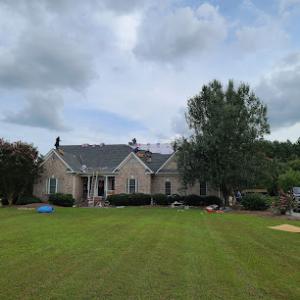
Highland Residential & Commercial Roofing
(888) 557-6633 highlandresidentialandcommercialroofing.com
829 W Star St, Greenville, North Carolina
3.5 from 16 reviews
We have been in business for 33 years, providing high quality roofing services to both home and business owners. Our dedication to our craft alongside guaranteed quality products set us apart from our competitors. Our experience combined with science-based methods create long lasting roof systems that perform better than any other in the market! We install many types of roofing from residential to commercial, composite shingle, metal, flat, and tile roof systems. Let us be your first choice, and rest assured–we never cut corners!
Chimo & Sons Construction
(252) 481-3755 chimoandsonsconstruction.com
1024 Ellery Dr, Greenville, North Carolina
3.6 from 8 reviews
We are a fully insured company ready and well equipped to perform any residential and commercial job. Our goal as a BBB accredited business is to provide our customers with the best construction services available today. That's why the entire company practices the core values of safety, integrity, social responsibility, quality and production daily. Put us to the test and contact Chimo & Sons Construction for your next project. Customer financing available.
Walker Company
(252) 355-8111 www.walkercompanyinc.com
2153 Wilson Farm Ln, Greenville, North Carolina
5.0 from 1 review
For over 25 years, Walker Company, Inc., has been providing the residential and commercial clients of Greenville, NC, with impeccable service. Our home improvement techniques are second-to-none. Feel free to call us today for more specific information and for a free estimate. We are looking forward to serving you.
As storms roll through and the humidity stays high, your roof has to handle both wind and water in a way that fits the area's typical home shapes and climate. In this market, the most practical choice remains asphalt shingles because they align with common residential roof forms and the local demand spikes after storms. They're widely stocked, familiar to local adjustments after hail or wind, and they balance performance with a realistic replacement profile for most neighborhoods.
Asphalt remains the go-to for most re-roofs in this area due to flexible installation on standard rafters and a wide selection suited to local storm cycles. If a hail event or tropical wind gusts damage a roof, asphalt can be a straightforward, repeatable repair or replacement option that neighbors recognize and insurers accept without a prolonged claim process. For best performance in humid heat, choose a laminated (architectural) design with a high-quality, algae-resistant coating to resist the frequent humidity-driven discoloration. When you're planning replacement after a storm, verify that the underlayment and ventilation are upgraded in step with the new shingles so moisture does not accumulate in gaps during the hot months.
Metal has a meaningful local presence and is used by homeowners who want to improve wind resilience and shed heavy rain quickly during tropical weather. In this climate, a well-installed metal roof can outlast the life of many shingles and resist wind-driven debris that often accompanies hurricanes. If you're weighing metal, focus on a properly installed fastener pattern and panel seams designed for the region's wind loads. You'll also want to ensure that attic ventilation remains adequate because metal roofs can reflect heat into the attic, intensifying humidity buildup if the space isn't vented. For storm responses, metal often offers quicker-evaluating repairs and less risk of interior moisture intrusion when the installation is sound.
Clay and concrete tile appear in the market but are less typical for these homes, where structure, budget, and neighborhood housing stock often make lighter systems more realistic than tile. If a tile roof is already in place or if a home has the appropriate roof deck and structural support, tile can offer durable weather resistance and a distinct look. In practice, tile systems require careful inspection after storms for broken tiles and potential underlayment damage, and they demand precise matching when replacement sections are needed. For most upcoming replacements after severe weather, tile remains a specialty choice rather than the default, given the weight and cost considerations.
After a wind or hail event, start with a careful visual inspection from the ground, then a roof-level check. Look for missing or cracked shingles, lifted edges, dented metal panels, or displaced tiles. If damage is uneven or widespread, you'll want a professional assessment that can determine whether a full replacement is warranted or if targeted repairs will suffice. Prioritize a system that sustains performance in heat and humidity and provides reliable moisture control across the attic space.
When a big tropical system or a widespread thunderstorm batch sweeps through, re-roof demand spikes across the Pitt County area. Homes that didn't expect to replace a roof suddenly need new coverings, and crews can be booked up for weeks. In this climate, with inland hurricane rain and high summer humidity, delays can push material and labor costs higher for a short window after a storm. Planning ahead helps you avoid market-peak surcharges and keeps the project on a steadier timeline, which matters in a fast-growing neighborhood where many roofs age in parallel.
Asphalt shingles in Greenville generally run from 350 to 700 USD per square. This range reflects a wide spectrum of local labor markets, shingle quality, and roof configurations typical to the area. In humid, storm-prone conditions, they offer straightforward installation, decent wind resistance with proper underlayment and ventilation, and relatively predictable maintenance. If your goal is balanced performance and cost, this material often serves as the reliable workhorse for re-roofs, especially on homes with standard attic ventilation and straightforward pitches.
Metal roofing generally runs from 850 to 1250 USD per square here. The higher installed cost is offset by durability in a storm-heavy climate and can provide excellent long-term resistance to wind-driven debris and humidity-related deterioration. For homes that saw hail or frequent wind events, metal's faster install times and potential energy savings can help justify the premium. In Greenville, metal is a practical choice when you plan to stay in the home long term or expect multiple severe weather events, but it's still a larger upfront decision compared to asphalt.
Tile and specialty systems are available, but they carry higher installed costs partly because they are less common in local housing stock and may require more specialized crews or structural review. Clay tile ranges from 1500 to 2800 USD per square, while concrete tile typically runs 1200 to 2200 USD per square. In addition to the material cost, expect enhanced considerations for roof structure, underlayment, and potential adjustments to meet wind and load requirements common in storm-prone seasons. If your home has existing structural constraints or a history of high wind exposure, consult early with a contractor who understands local load-bearing nuances to avoid surprises.
Get a clear picture of your project costs upfront - no commitment required.
Walker Company
(252) 355-8111 www.walkercompanyinc.com
2153 Wilson Farm Ln, Greenville, North Carolina
5.0 from 1 review
In this market, a full roof replacement generally requires a building permit through the city's building department rather than being treated as a no-paperwork job. The city's permitting system is designed to track significant work and ensure proper safety standards, especially after a storm when rapid replacements can surge. The homeowner should anticipate that the project will be reviewed for code compliance, ventilation, attic insulation, and roofing material selections alongside weather-related considerations. Understanding this up front helps prevent mid-project delays and keeps the replacement on track with local requirements.
Local practice is for the contractor to submit plans, pay the permit fee, and coordinate required inspections. This means much of the paperwork flow happens on the contractor's side, but you should stay informed about what plans are being filed and what inspections are scheduled. Typical submissions cover roof sizing, underlayment details, attic ventilation, and the selected roofing system. If the project involves any structural work or retrofit elements (such as updated fasteners or drip edge enhancements), these items will also be part of the permit package. Clear communication with the contractor about these documents helps avoid surprises at the city counter or on inspection day.
Because replacements often follow storm events, permit timing and inspection scheduling can become part of the project timeline homeowners need to ask about up front. Weather-related scheduling matters in Greenville, where high humidity and hurricane-driven rain can compress or stretch timelines. When storms are involved, expect potential short notice changes to inspection windows, and plan for contingencies if weather delays push the project into a tight window before the next storm season. Your contractor should provide a realistic schedule that includes lead time for plan review, permit issuance, and all required inspections.
Common inspections include rough-in and final stages, with the rough-in focusing on the basic installation framework, underlayment, and eave details, and the final confirming complete installation and code compliance. The rough-in typically happens after roof decking and underlayment are in place and prior to shingles or panels being installed, while the final ensures that interfaces with vents, flashings, and penetrations meet storm-ready standards. Because Greenville builds are often in rapidly changing neighborhoods with evolving infrastructure, inspectors may request specific documentation or material certifications. Coordinating closely with the contractor can help ensure all required items are ready for each inspection window, reducing the risk of re-inspection delays.
In this coastal-inland corridor, insurers remain active in Greenville, but storm years can change underwriting pace and claim handling, especially for older roofs or homes with limited documentation. When a season of quick downpours, high winds, and repeated hits rolls through, adjusters may scrutinize the roof's history more closely. If a roof has seen several events, expect longer response times and a tighter evaluation window for damage, substitutions, or repairs. A homeowner should keep expectations reasonable and be prepared for back-and-forth on the scope of work as aging materials reveal themselves after each season.
Greenville homeowners may be asked for roof age, current photos, and wind-uplift-related information when filing claims or renewing coverage after storm seasons. The more you can show-date-stamped photos from multiple angles, a record of repairs, and any professional assessments-the smoother the process can be. If a storm rattles shingles or loosens fasteners, snap photos from the ground and from the attic to capture both surface wear and potential water intrusion. When your insurer requests documentation, having it ready in a organized folder can prevent delays that push you into temporary coverage gaps or unexpected out-of-pocket expenses.
Because this area often sees repeated thunderstorm and tropical-rain events rather than one single catastrophic event, keeping dated photos and repair records is especially important for claim clarity. Each season can introduce new concerns that complicate a claim filed months later. For example, a small leak after a summer storm might not have been treated as a full replacement trigger, but combined with prior wear, it can influence the final determination. Regular maintenance checks after storms help you distinguish between ordinary wear and storm-driven damage that deserves formal repair or replacement.
Clear, specific language matters when discussing a storm-damaged roof. Note wind speeds at the time of suspected damage if known, and describe any missing or curled shingles, lifted edges, or granule loss. If a roof shows signs of water intrusion, outline where the interior evidence appeared-ceiling stains, attic staining, or mold growth-and timestamp these observations with dates. Insurers appreciate a coherent narrative that ties age, weather events, and observed damage together, especially in a market where underwriting rhythms shift with the severity and frequency of storms.
Keep every repair receipt, contractor evaluation, and temporary patch note. If a claim is settled and work begins, request a written statement detailing the scope of work and the reasoning behind any denials or changes. A well-documented history becomes a valuable ally during renewal periods or when a claim is revisited after additional storms, reducing the chance of miscommunication and ensuring that the roofing story is understood clearly by the next adjuster.
Connect with contractors who help homeowners navigate the claims process from damage assessment to final approval.
Wells Roofing & Seamless Gutters
(252) 227-8403 wellsroofingandseamlessgutters.com
3730 Charles Blvd, Greenville, North Carolina
5.0 from 382 reviews

Advanced Building & Roofing
(252) 717-7176 advancedbuildingroofs.com
806 Rivit St, Greenville, North Carolina
5.0 from 159 reviews
Hunter Roofing & Construction
204 E Arlington Blvd Ste C, Greenville, North Carolina
5.0 from 57 reviews
In this humid climate, you'll often see trouble begin where roof plane meets flashing. Moisture can sneak in around step and counter flashing at dormers, chimneys, and vents long before you notice stains inside. Look for paint peeling, rust on metal flashings, or dark, damp patches along the upper interior walls near ceilings that touch exterior walls. When you're inspecting after heavy rains, check the areas where shingles meet vertical surfaces closely-the smallest gap there can act like a drain, letting rain seep in and creep behind the underlayment. If you spot a damp patch near a flashing seam, address it promptly; letting it ride can push water further into sheathing and rafters, especially with the inland hurricane rain pattern this area endures.
Valleys are high-risk zones in Greenville's wet months, and repeated wetting here can reveal weaknesses that aren't obvious at first glance. Pay attention to darkened shingles along valleys, where granules may wash away and allow moisture to linger. Transitions around vent pipes and skylights often collect debris and permit slow leaks if the seal is compromised. A quick seasonal check should include clearing debris from valley gutters and inspecting sealant at vent collars for cracking or shrinkage. If you notice any moisture staining around these points after a storm, expect that the underlying deck or underlayment could be compromised and plan for a targeted repair before it compounds into a larger leak.
The local contractor signal mix shows emergency repair is common, indicating homeowners frequently seek help only after active leaks or storm-created openings appear. That pattern means a small, stubborn drip can escalate quickly after a strong storm or hurricane rain event. If a leak emerges while storms still threaten the area, isolate the affected zone if safe to do so, tarp promptly, and arrange a temporary fix to slow water intrusion. Keep a log of visible leaks and storm dates; when the weather clears, schedule a thorough inspection of flashing, valleys, and penetrations to catch hidden damage before it worsens.
Find contractors experienced in skylight installation, flashing, and leak repairs to bring natural light into your home.
Atwell Exterior Services
(252) 304-6229 atwellextservices.com
2430-B Charles Blvd, Greenville, North Carolina
5.0 from 32 reviews
High rainfall and summer storm patterns make drainage performance on low-slope sections a top concern. Porches, additions, and mixed-use buildings visible in Greenville can accumulate standing water after a downpour, so verify that the roof deck and flashing are pitched correctly and that scuppers or downspouts move water away from foundations. Look for proper slope, unobstructed drains, and no signs of ponding after a heavy rain. Pay attention to any gradual sags that may indicate membrane stretching or edge failures near parapets.
Even though low-slope roofs are not the dominant homeowner roof type locally, a meaningful mix of residential and commercial activity keeps flat or near-flat systems in frequent rotation. When selecting materials, prioritize membranes with proven performance in hot, humid summers and sudden deluges. In mixed-use areas, you may encounter reinforced bitumen, TPO, or modified bitumen; confirm that the chosen system has compatible insulation and withstands Greenville humidity without excessive thermal movement. Some flat sections feed into gutters or parapets, so compatibility with edge details matters for long-term performance.
Only a small share of local contractors signal flat-roof specialization, so homeowners with low-slope sections should verify experience directly. Ask for photos of completed flat projects in similar climate zones, request a written warranty for seam and membrane integrity, and confirm a site-specific maintenance plan that includes periodic drain testing and edge-to-edge membrane checks. If a contractor suggests rapid fixes, push for a clearly defined scope that addresses flashing, edge metal, and substrate readiness to reduce future call-backs.
Greenville's humidity accelerates algae and moss growth on exposed flat surfaces, which can compromise drainage and membrane life. Schedule seasonal inspections focusing on seam integrity, debris buildup in drains, and edge flashing. Clean gutters and downspouts before hurricane season to prevent water backup. Keep an eye on parapet caps and local transitions where moisture tends to intrude.
Find specialists in TPO, EPDM, and built-up flat roofing systems for residential and commercial properties.
Roofing Solutions NC
(252) 702-3395 roofingsolutionsnc.com
3121A Bismarck St, Greenville, North Carolina
4.9 from 344 reviews
In this area, the contractor landscape leans toward re-roofing rather than new construction. You should ask specifically about tear-off logistics, cleanup plans, and storm-response capacity. A crew that handles full tear-offs and meticulous debris removal can prevent lingering nails and shingle fragments that cause future leaks. Look for a firm that demonstrates clear procedures for protecting landscaping, gutters, and parked vehicles during a replacement.
Quick response is a strong local hiring signal. Homeowners often need fast tarping, leak control, or post-storm inspections. When you call for an estimate or after a storm, evaluate how promptly the contractor schedules a site visit, communicates weather-related delays, and outlines what will be done immediately to mitigate further damage. A schedule that accommodates urgent repairs without sacrificing quality is a practical advantage.
Established and family-run firms have a visible footprint, with crews you can recognize and names you can trust. In this market, follow-through matters as much as the initial install. Ask for a local contact who will handle inspection follow-ups, warranty service, and cleanup days after the crew finishes. Check references from neighbors with similar homes and roofs, and verify how the company handles warranty work and post-install inspections.
Greenville homes span asphalt, metal, and various tile options, often with humid-hurricane-influenced wear. Ensure the contractor can competently assess existing underlayment, ventilation needs, and potential moisture intrusion. Request a written plan detailing tear-off steps, replacement sequence, and temporary protection during any rain-prone periods.
Clarify what the warranty covers, who performs inspections, and the frequency of post-install follow-ups. A dependable roofer will outline a concise maintenance plan and provide a straightforward process for addressing any concerns after installation. In a tight-knit market, reliable warranty service is as telling as the initial install.