
Last updated: Apr 19, 2026
June through September bring the fiercest roofing disruption window for homeowners. Thunderstorms, high winds, and hail become a daily risk, and the upside is that quick action can limit interior damage and prevent further roof deterioration. In this peak period, a small leak can turn into widespread ceiling staining or mold faster than you might expect, especially after back-to-back storms. If there's visible damage after a storm, treat it as urgent: faster evaluations, temporary protection, and a planned approach for tear-off and replacement can dramatically reduce the chance of moisture intrusion and secondary damage. Expect weather to complicate scheduling, but don't let the delay stall the repair-coordinate protective steps now and press for an efficient sequencing plan with your contractor.
North Carolina's storm-claim environment is precise and demanding. Adjusters commonly ask for detailed photo documentation, material specifications, and proof that underlayment and ventilation were installed correctly. Start gathering before-and-after photos of damage, including the attic if you have signs of water intrusion, shots of damaged shingles, granule loss, and downed gutters. Note the date and severity of each storm, and keep a simple log of what was observed on the roof and in the attic after each event. Your contractor should provide a clear materials list and installation notes that show proper underlayment, ventilation, and roof edge detailing. When you hand off your claim, include a concise narrative that connects the storm event to observed damage and to the improvements you're requesting. This isn't just evidence; it's a roadmap for the adjuster to verify scope and quality.
Because permits and inspections can be delayed by weather and the department's workload, storm-related projects often need tighter sequencing between temporary protection, tear-off, and final inspection. Your contractor should implement a plan that keeps the structure protected from rain at all times, even during short breaks in storms. This means temporary tarping, edge protection, and rapid removal of damaged layers when conditions allow. The goal is to minimize open exposures during the hot, humid months while still aligning with inspection requirements. Understand that a delayed inspection doesn to a busy schedule can stretch timelines; set realistic milestones and keep a contingency path for weather interruptions so the project does not derail entirely.
Protection is not optional during June through September. Have disposable tarps ready and a plan for quick deployment after a heavy event. Clearing debris and securing landscaping reduces the chance of damage that could complicate claims or create additional liability if a storm drives debris into vulnerable spots. Ensure attic ventilation remains functional after tear-off; a poor balance of intake and exhaust can trap heat and moisture, accelerating potential interior damage and complicating both the job and the claim. Communicate with the contractor about temporary sheltering of sensitive interior spaces, especially during forecasted high-wind days.
Prepare for a collaborative conversation that centers on evidence, compliance, and clear scope. Your adjuster will want a concise, organized packet: damage photos, a materials spec, ventilation and underlayment confirmation, and a proposed work plan that prioritizes critical areas first. The contractor should accompany the adjuster on walkthroughs when possible, articulating the rationale behind tear-off sequencing, protection measures, and ventilation restoration. If there's any discrepancy between what was observed and what's documented, address it promptly with a written amendment that includes dates and supporting photographs. In the end, you want a transparent, tightly documented path from storm impact to completed, to-code roof replacement and a final inspection that clears the project with confidence.
Find local contractors experienced in assessing and restoring roofs after hail, wind, and severe weather events.
Mighty Dog Roofing of South Raleigh
(919) 849-3491 www.mightydogroofing.com
116 Rand Park Dr, Garner, North Carolina
5.0 from 98 reviews
Red Letter Roofing
(919) 977-5318 redletterroofing.com
1316 Bobbitt Dr, Garner, North Carolina
5.0 from 76 reviews
Guardian Roofing Of North Carolina
(919) 438-2664 www.yourguardianroofer.com
305 Shipwash Dr Ste 101, Garner, North Carolina
4.9 from 176 reviews
Mighty Dog Roofing of South Raleigh
(919) 849-3491 www.mightydogroofing.com
116 Rand Park Dr, Garner, North Carolina
5.0 from 98 reviews
When it comes to your home’s exterior, Mighty Dog Roofing delivers top-of-the-line services matched with the neighborly customer care our clients have come to love. Our team of skilled experts will conduct a free, detailed inspection of your home, treating it as our own. Whether your home needs a simple repair or a full roof replacement, expect to receive the transparent guidance you deserve. Whatever the case, our team will work to meet your safety and budget needs. We take pride in operating with quality materials, hiring skilled roofers, and providing our customers with a high-quality experience. See for yourself; our reviews say it all. Schedule your free, home inspection today!
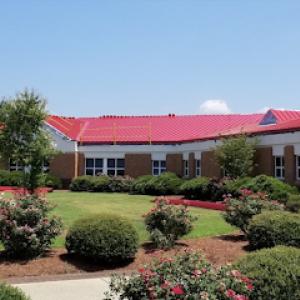
Red Letter Roofing
(919) 977-5318 redletterroofing.com
1316 Bobbitt Dr, Garner, North Carolina
5.0 from 76 reviews
From residential to commercial, we offer a wide range of roofing services in many industries. Located in Garner, NC. We are honored to serve our long-term clients and dedicated to creating lasting customer relationships with each new project we take on.
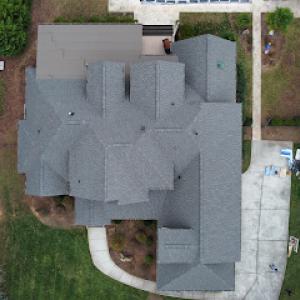
Guardian Roofing Of North Carolina
(919) 438-2664 www.yourguardianroofer.com
305 Shipwash Dr Ste 101, Garner, North Carolina
4.9 from 176 reviews
We offer exceptional service with reliable work to protect your home, and most importantly your family. Our team of Guardian roofing professionals can easily walk you through the entire process of a new roof with a free non-obligatory estimate. As a preferred vendor, we offer services for residential property owners. Whether you have a small leak, need a new roof, or a repair we can offer you peace of mind at competitive prices. We offer quick turnaround times on many different roofing services including repairs, upgrades, and installations. We are rated CertainTeed's highest level of installer, ShingleMaster SELECT as of 2023.
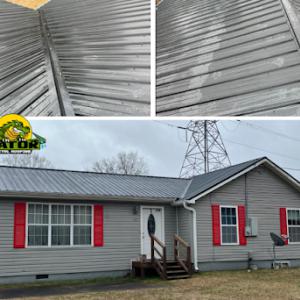
Gator Metal Roofing
(888) 202-2711 www.gatormetalroofing.com
140 Spaceway Ct #125, Garner, North Carolina
4.8 from 404 reviews
Gator Metal Roofing has been in business since 1994. We understand the unique roofing needs of North Carolina homeowners from the coast to the Triangle area. Your roof has to protect your home and family from hurricane-force winds, hail, and heavy sleet. As a roofing company, we could offer any type of roofing material to install, but we choose metal roofing because it gives homeowners the best value. A metal roofing system has a long life-cycle – up to 100 years according to the Army Corps of Engineers. Please reach out to us with any questions you may have and we are happy to help you learn more. Our website also has tons of great information on it for you!
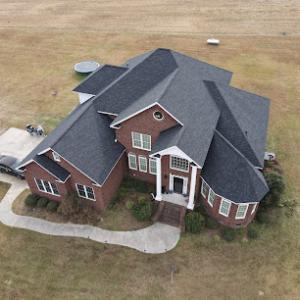
Local Quality Roofing
(919) 348-6803 localqualityroofing.com
307 Fieldtrial Cir, Garner, North Carolina
4.8 from 68 reviews
Local Quality Roofing, LLC is a veteran-owned and operated roofing company in Garner, NC. We take pride in our quality roofing services and treat every client like family. We have years of experience providing roof replacements, roof repairs, siding repairs, gutter installation and painting services to ensure your home's exterior is in pristine condition. OUR NEW ROOFING SYSTEMS OFFER THE OPTION FOR A 50 YEAR MATERIAL AND 25 WORKMANSHIP WARRANTY! Ask for details.
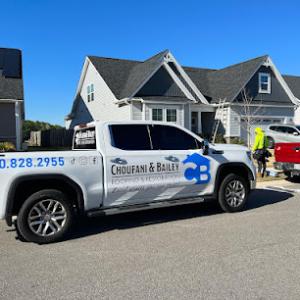
Choufani & Bailey Roofing & Restoration — Raleigh Metro
(919) 267-3089 choufaniandbailey.com
6140 Veteran's Parkway STE 140, Garner, North Carolina
4.8 from 36 reviews
We provide residential & commercial roofing services, including roof inspections, repairs, & replacements. Our team of roofing experts works with metal, tile, asphalt, & other shingle materials. Contact us today to receive a free inspection & quote. We are fully licensed & insured roofers dedicated to helping home & business owners dealing with roof damage caused by storm, wind, hail, & other forms of damage. We ensure that each roof we touch is not just repaired or restored properly, but is also fortified to withstand the tests of time. We offer roof financing & product warranties that guarantee our work will be durable & reliable for years to come.
Old Colony Roofing & Construction
(919) 302-4402 oldcolonyroofing.com
104 Breckenridge Dr, Garner, North Carolina
4.9 from 24 reviews
Old Colony Roofing & Construction has the expertise and experience to help you feel confident in your roofer. Our communication and fair pricing will ensure a great experience during your project. Our services include: -Roof Installation (Asphalt, Slate, Metal, Flat, etc) -Roofing Diagnostic Reports -Roofing/Attic Insulation -Decking -Concrete -Windows -Siding -Skylights -Chimneys -Gutter Guards -and more! Old Colony Roofing & Construction believes in true customer service, this means proactive communication with our clients. Michael and Old Colony have eliminated unnecessary overhead which allows us to provide extraordinary service keeping in mind fair pricing to our customers.
Integrity Roofing & Restoration
(919) 327-0553 www.integrityroofingofnc.com
603 Butler Dr, Garner, North Carolina
4.8 from 22 reviews
Protect your largest investment with our reliable roofing services. We are a locally owned and operated roofing company currently serving Garner, NC and surrounding communities. If you want to make your roof last as long as possible, it is vital that you never put off a roof repair. Small issues with roofing become big issues in a hurry. No matter how major or minor the repair you need, we are here to help. We offer shingle repair, residential roofing, and commercial roofing.
Peak Roofing Solution
(984) 330-4162 peakroofingsolutionllc.com
Garner, North Carolina
5.0 from 13 reviews
Peak Roofing Solution specializes in all things asphalt shingles! Whether you need roof repair, roof replacement, or roof damage repair after a storm, we have you covered. We can even work with your insurance company when it comes to making a claim following a storm.
Highland Roofing Company
(919) 977-9114 www.highlandroofingcompany.com
1455 Mechanical Blvd, Garner, North Carolina
5.0 from 6 reviews
Highland Roofing Company provides comprehensive commercial roofing across the Carolinas. We’ve been successful by doing good work and focusing on your best interest, not the bottom line. As a result, our clients recommend us, which to us is the ultimate compliment.
Carolina Sunset Construction
(984) 349-9085 www.carolinasunsetconstruct.com
1100 Wickerleaf Way, Garner, North Carolina
5.0 from 4 reviews
We are a trusted general contractor in Raleigh NC specializing in roofing and window installation, providing reliable residential and commercial services. Our team offers roof replacement, roof repairs, new roof installation, and storm damage repair using high-quality materials designed to protect your Raleigh home and withstand the elements. We also install energy-efficient replacement windows that improve insulation, comfort, and curb appeal. From inspections to project completion, we focus on honest pricing, clear communication, and quality workmanship. If you need a dependable roofing and window contractor, contact us today to schedule a consultation and learn how we can help protect and improve your property. Proudly serving Raleigh NC
Coats Roofing
(919) 291-7078 coatsroofingnc.com
531 Pierce Rd, Garner, North Carolina
4.2 from 11 reviews
We are an experienced roofing company based in Garner, NC. We have been serving the triangle with our roof construction service since 1982! We have developed the necessary skills and experience to get the job done right! Whether it is residential roofs, metal roofing, gutter work, copper work or roofing repairs and roofing replacements, you can count on us. If you are looking for a trustworthy company that focuses on the quality of work, look no further! Call us today and receive 100 Feet of free gutter with your roof replacement!
Spring and fall are the windows to target for a reroof when the weather and the town's routine inspections align with safety and quality. In Garner, those seasons offer milder temperatures and fewer prolonged storms, which helps crews work efficiently and installers to pace the tear-off and installation without the heat pushing materials to their limits. Scheduling within these windows minimizes adhesive issues and helps ensure shingles seat properly as the days lengthen or cool off. If a late-season project must start, aim for early March or late October to keep the work within comfortable temperatures and stable humidity.
Hot, humid summer conditions in Garner can affect adhesive performance and make installation conditions tougher on crews and materials. Sticky afternoons slow up underlayment adjustments and can increase the chance of pasting or lapping problems on asphalt or synthetic shingles. When planning, avoid peak heat weeks and heavy humidity spells; plan a start when morning temperatures are cooler and daily highs stay within a manageable range. Thunderstorm activity is common in the season, so set a start date with built-in buffer days for potential shifts due to storms and related rain delays.
Spring thunderstorms can slow tear-off and drying times, while fall leaf drop and cooler temperatures shift attention to roof-edge drainage and ventilation balance. If a storm disrupts a tear-off, expect a pause to protect interior spaces and keep roof deck dry. In fall, fallen leaves near eaves and gutters can complicate drainage assessments and ventilation checks, so the crew should allocate time for thorough cleaning and extra attention to edge vents, drip edges, and fascia.
After a storm, a careful immediate evaluation is essential. Inspect the roof for damaged or missing shingles, lifted tabs, and granule loss, then document all findings with clear photos that show the extent of exposure and the condition of the ventilation system, soffits, and attic intake. This documentation becomes the backbone of insurance discussions and helps set expectations for repair sequencing. If damage is confirmed, coordinate with the insurer promptly to establish a claim file and a preferred timeline that aligns with the spring or fall replacement windows when possible.
A reroof done in spring or fall allows better control of attic ventilation balance and roof-edge drainage. Before tearing off, verify that soffit vents and ridge or turbine vents are clear and capable of functioning during and after installation. During the fall, ensure gutter reattachment and downspout flow can handle leaf loads without creating backflow or standing water near the eaves. A well-timed reroof pairs the new material with a tested ventilation plan, reducing moisture buildup and ensuring the roof deck dries quickly after installation.
1) Align a start date with favorable spring or fall weather windows, and build in a two-to-three-day buffer for weather variability. 2) Schedule a pre-job inspection to verify deck integrity, ventilation balance, and drainage readiness. 3) Prepare a thorough storm-damage documentation packet for insurance discussion, including dated photos and an itemized condition report. 4) Plan for post-installation inspection to confirm attic ventilation performance and proper edge drainage with the new roofing system. 5) Keep communication open with the crew about potential weather-driven delays and ensure a clear backup plan for discharge and protection of interior spaces.
Get a clear picture of your project costs upfront - no commitment required.
Guardian Roofing Of North Carolina
(919) 438-2664 www.yourguardianroofer.com
305 Shipwash Dr Ste 101, Garner, North Carolina
4.9 from 176 reviews
Gator Metal Roofing
(888) 202-2711 www.gatormetalroofing.com
140 Spaceway Ct #125, Garner, North Carolina
4.8 from 404 reviews
Choufani & Bailey Roofing & Restoration — Raleigh Metro
(919) 267-3089 choufaniandbailey.com
6140 Veteran's Parkway STE 140, Garner, North Carolina
4.8 from 36 reviews
Asphalt shingles remain the dominant practical choice in this market, but local performance hinges on two details: correct nailing and proper ventilation. In the Piedmont's hot, humid summers, attic airflow matters just as much as the shingle itself. If the attic is under-ventilated, heat and moisture build-up accelerates deck and shingle wear, curling and accelerated granule loss. When choosing a color and granule thickness, consider how long heat exposure lasts through the season and how close the attic sits to living spaces. A well-ventilated roof assembly helps maximize the shingles' lifespan, especially after storm-driven impacts that may loosen or crack edges.
Metal roofing has a strong niche for homeowners who want resilience against repeated thunderstorm exposure and sustained heat resistance. In this climate, metal panels pair well with effective underlayment and a carefully designed ventilation strategy to manage condensation and ice dams in shoulder seasons. Metal's resistance to impact and its tendency to shed water quickly can reduce attic moisture loads when paired with continuous ridge and soffit vents. If a roof undergoes frequent thunderstorm cycles, metal can offer ongoing performance, but metal systems still require accurate installation details-panel laps, fastener patterns, and sealant integrity-to prevent leaks after heavy downpours.
Tile options and wood products exist in Garner, yet their suitability hinges on structural load capacity and moisture behavior in a humid Piedmont climate. Clay and concrete tiles bring long life and exterior beauty, but they demand a solid deck and careful detailing to avoid prematurely failing under wind-driven rain and thermal expansion. Wood shingles or shakes carry a classic look but can be more sensitive to humidity, mold, and rapid drying cycles; maintenance through routine cleaning and inspections is essential. Synthetic or composite shingles offer versatility with moisture resistance and easier maintenance, yet still rely on a properly vented attic and consistent fastening to prevent moisture intrusion during storm events. In each case, consider how the chosen material behaves under heavy humidity and how well the roof system can tolerate the attic environment and the occasional surge of storms typical to this area.
Whatever material is selected, the underlying performance comes down to how the system breathes and how well it is fastened. A roof assembly in this market benefits from balanced intake and exhaust venting, a well-sealed attic bypass, and careful attention to attic insulation. Thunderstorm season can introduce rapid temperature swings and moisture loads; ensuring that ventilation pathways remain clear and unobstructed helps preserve shingle integrity, metal panel seals, or tile underlayment. When installing or reroofing, emphasize a continuous ventilation strategy and verify that the chosen material's installation details align with local weather patterns and the typical moisture profile of the humid Piedmont climate.
The most popular roofing material in the US. Find pros who install, repair, and replace asphalt shingles.
Guardian Roofing Of North Carolina
(919) 438-2664 www.yourguardianroofer.com
305 Shipwash Dr Ste 101, Garner, North Carolina
4.9 from 176 reviews
Choufani & Bailey Roofing & Restoration — Raleigh Metro
(919) 267-3089 choufaniandbailey.com
6140 Veteran's Parkway STE 140, Garner, North Carolina
4.8 from 36 reviews
Old Colony Roofing & Construction
(919) 302-4402 oldcolonyroofing.com
104 Breckenridge Dr, Garner, North Carolina
4.9 from 24 reviews
A full reroof in Garner requires a permit through the Town of Garner rather than being treated as informal maintenance. The permit process is part of the town's effort to ensure tear-off work, ventilation, and final installation meet local standards. Before any shingles come off, confirm you have an active permit and the project scope documented with your contractor. Missing the permit window can stall a dry-in and complicate insurance steps after a storm.
Garner Building Inspections typically performs a tear-off inspection and a final roof inspection, with attention to ventilation, nailing, and underlayment. The tear-off inspection checks that the roof deck is inspected, any damaged sheathing is addressed, and that underlayment and ventilation components are ready for the new layer. The final inspection verifies that the roof system is installed to code, including proper nailing patterns, venting, and attic airflow, along with flashing and penetrations sealing against the humid Piedmont summers.
Inspection scheduling in Garner can shift with weather and department workload, which matters when homeowners are trying to dry-in quickly after tear-off or storm damage. If a thunderstorm or heat spike hits, the town's inspectors may adjust space in their calendar, so coordinate with your contractor to avoid a long dry-in window. Have a clear plan for temporary weather protection if the tear-off precedes a install window, and keep communication open with both the contractor and the building department.
Begin by confirming your project is within the permit requirements and that your contractor submits the permit adequately before starting any tear-off. Schedule the tear-off inspection as soon as the deck and underlayment are prepped, and keep the site tidy to show compliance with ventilation and underlayment standards. After installation, align the final inspection date with the contractor so the roof is fully ready for the town's review, especially during peak summer months when storms and heat can complicate the sequence. Always have documentation ready for the inspector, including material specs and ventilation details, to smooth the process in a climate that emphasizes airflow and moisture control.
Garner cost expectations start with local material ranges: asphalt shingles about 350 to 700 USD per square, metal 700 to 1200, clay tile 900 to 1700, concrete tile 800 to 1500, wood shingles or shakes 600 to 1000, and synthetic or composite shingles 500 to 900. These figures reflect the common housing stock around town and the familiar Carolina sun and storm cycles. When selecting a material, the curb appeal of your home matters as much as the long-term performance against heat, humidity, and wind-driven damage. A seasoned local contractor can translate these ranges into an apples-to-apples comparison for your exact roof footprint.
In the aftermath of major storms, reroof projects in Garner tend to surge. That surge can push lead times for materials and labor into longer windows, especially during the hot part of summer when thunderstorms are frequent. If a contractor can secure sooner timelines, the ability to complete a tear-off, flashing, and ventilation upgrades before the next storm season can save headaches later. Plan for potential tight windows and discuss phased work with the contractor if the roof is large or complex. If a roof is near the higher end of the material range, quick scheduling becomes more valuable, but it may also come at a premium during peak demand.
Beyond base material pricing, several Garner-specific factors commonly influence the final number. Inspections and detailed tests of ventilation and underlayment can surface during the process, particularly after storm damage. Any corrections identified-such as upgrading attic ventilation, addressing decking issues, or replacing compromised underlayment-will add to the bill. Shoulder-season work may offer better value, but summer heat and thunderstorm activity can trigger higher labor costs or expedited scheduling fees if crews are in high demand. A transparent estimate should break out labor, waste disposal, and any accessory components (drainage, vent boots, river flashing) so the final figure is easy to compare.
Starting with the local material ranges provides a solid framework for budgeting. When storm season looms, consider locking in a reputable contractor with a clear schedule and a detailed line-item estimate. That plan helps ensure the tear-off, ventilation updates, and final installation align with Garner's inspection expectations while keeping the project on track and within a practical cost range.
Don't let upfront costs delay a critical repair - these contractors offer payment plans to fit your budget.
Gator Metal Roofing
(888) 202-2711 www.gatormetalroofing.com
140 Spaceway Ct #125, Garner, North Carolina
4.8 from 404 reviews
Choufani & Bailey Roofing & Restoration — Raleigh Metro
(919) 267-3089 choufaniandbailey.com
6140 Veteran's Parkway STE 140, Garner, North Carolina
4.8 from 36 reviews
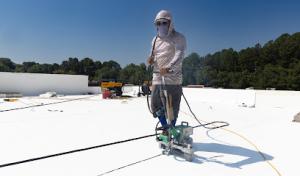
In Garner, wind and hail claims are common enough that roof documentation is reviewed closely after severe weather. When a thunderstorm rattles neighborhood roofs, an adjuster will look for evidence that the roof was in good condition prior to the event and that the repair or replacement matches the actual damage. Skipping photos or relying on memory invites disputes that slow or derail a claim. Keep a weather-app timestamp on photos and note exact date and observed damage. Photograph from multiple angles with surrounding landmarks.
Homeowners benefit from keeping date-stamped storm photos, shingle or panel product information, and records showing proper underlayment and ventilation because those details are often scrutinized during claims. Store photos of the attic ventilation, ridge lines, and any visible damage right after a storm. Retain packaging or labels from roofing materials installed in the last few years, plus any warranty cards. If a contractor recommends a tear-off, document the existing underlayment, vent locations, and attic insulation level with simple sketches and notes you can share with an adjuster. Organize a simple year-by-year folder and share access with your agent.
State and regional insurance market shifts in North Carolina can affect coverage availability and premium changes over time, making roof condition and documentation more important when renewing or filing claims. The late spring through summer thunderstorm pattern in this area increases the chance of multiple hail events; having orderly records can prevent gaps in coverage if a claim is needed mid-season. Keep digital copies of all correspondence, receipts for repairs, and a clear chronology of events to help the adjuster verify what happened and when. Note shifting storm patterns and keep a log of pre-storm maintenance to show ongoing care. That detail helps when claims are reviewed after a busy season.
Thunderstorms roll through this area fast, and humid conditions mean water can push under shingles and through penetrations in minutes after wind-driven rain begins. If you notice active dripping, take quick, careful steps to stop the flow: place a tarp or heavy plastic over the affected area and secure it with roofing nails or sturdy boards to seal against further wind lift. The goal is to keep interior spaces dry while you arrange a temporary stabilizing plan that won't fail in the next storm. Do not crawl onto a saturated roof in high winds; call for help if the slope is slick or the ladder setup feels unstable. Quick stabilization buys critical time until a professional can evaluate roof structure, ventilation needs, and visible damage after a storm.
Local inspections often require tearing off damaged material and passing final signoff, so emergency responses in Garner start with tarping and stabilizing all visible leaks before any permanent reroof work proceeds. While you wait for a contractor, photograph the damage from multiple angles, especially around any skylight flashes, penetrations, and the valley. Document the time and weather conditions, because insurers and adjusters will want a clear storm narrative. Keep tarps secured during subsequent gusts and check that the temporary cover remains in place after heavy rain or hail. This approach minimizes interior damage and preserves the roof deck while the full repair plan is developed.
Skylight-related leaks show up regularly after repeated storm cycles in this market. Inspect skylight flashing, shingle overlap around the base, and the sealant joints after each thunderstorm. If you notice moisture near a skylight, focus on resealing the perimeter and ensuring the flashing lies flat against the skylight curb. If there's any doubt about flashing integrity, treat it as a priority area for temporary protection and a targeted repair when the weather allows. Prompt attention to these penetrations reduces the risk of widespread interior water intrusion during the next round of storms.
Find contractors experienced in skylight installation, flashing, and leak repairs to bring natural light into your home.
Mighty Dog Roofing of South Raleigh
(919) 849-3491 www.mightydogroofing.com
116 Rand Park Dr, Garner, North Carolina
5.0 from 98 reviews
Old Colony Roofing & Construction
(919) 302-4402 oldcolonyroofing.com
104 Breckenridge Dr, Garner, North Carolina
4.9 from 24 reviews
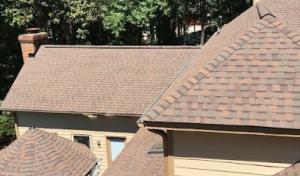
Garner homeowners are hiring primarily for reroofing rather than niche roof systems, so contractor selection tends to center on replacement experience, storm responsiveness, and cleanup reliability. Look for firms with a clear track record of completing full roof replacements-especially after storm events-and with a plan to minimize debris and disturbance during tear-off. The typical local rhythm is fast response after a hail or wind event, followed by a thorough cleanup that keeps suburban properties tidy through finish work and insulation updates.
The local market shows strong demand for quick response and cleanup-included service, which fits Garner's storm-driven repair cycles. When you call, note how quickly the roofer can schedule an inspection and provide a written scope. Ask how they prioritize storm-related jobs, how they handle leak detections during rain delays, and what communication channels they use during project weather interruptions. A responsible contractor will set expectations for weather windows, mobilization, and daily site updates so you're never left guessing.
Established, family-owned, and locally owned firms have a visible presence in Garner, but homeowners also encounter manufacturer-certified crews and inspection-oriented services such as drone-based roof reviews. Verify the crew's credentials, including any manufacturer certifications that match the shingle or panel you choose. If they offer drone or aerial reviews, request a preliminary assessment and a final walk-around with you after completion to confirm details meet inspection-oriented standards.
A reliable roofer provides cleanup-included service and clear post-teardown recovery steps. Confirm they cover dumpster rental, tarping, debris containment, and final wind-blown debris checks. Local conditions-hot humid summers and frequent thunderstorms-mean you should expect daily cleanup during tear-off and meticulous waste handling to minimize HOA or neighbor disruption.