
Last updated: Apr 19, 2026
Where the Neuse and Trent rivers meet creates a doorway for wind-driven rain and tropical systems to slam you from the riverfront and beyond. Even though inland from the Outer Banks, this city sits in a coastal-influenced wind environment where roof edge securement and flashing details matter more than in the Piedmont. That means every ridge line, eave, and seam deserves careful attention, because a storm's eye can pass inland fast, while the rain and wind continue to threaten from the sides and below.
In a riverfront climate, roof edges bear the brunt of storm gusts that funnel off the water. Secure eaves with fasteners driven to the recommended thickness of the decking and into solid framing, not just into sheathing. Ridge lines should be continuously secured to prevent uplift, with hurricane-rated clips or straps where applicable, and with ridge venting that does not create a pathway for wind-driven rain. Flashing around chimneys, roof penetrations, and skylights must be continuous, corrosion-resistant, and set with sealants that stay flexible through heat and humidity. If a roof shows signs of recurring water infiltration on the edges after a storm, the flashing configuration likely needs upgrading to a higher wind-resistance standard.
Attachment detail matters more than you might expect in high-wind, high-rain conditions. Look for exponential load paths: fasteners that tie the roof deck to sturdy framing, with ties that respond to both uplift and negative pressure. In riverfront neighborhoods, consider additional exterior lateral ties where the wall meets the roof, especially on gable ends that catch side winds. A robust, code-conscious attachment plan reduces the risk of roof lift and helps keep gutters and soffits intact during debris-laden storms.
New Bern experiences storm debris from mature coastal trees, which can threaten openings and create moisture entry paths. Ensure gutters and downspouts are securely fastened and capable of channeling heavy rain without overflowing onto the fascia. Downspouts should route water away from the foundation, directing it to safe dispersal zones. Leaf screens and gutter guards need to be sturdy enough to resist wind-blown projectiles; flexible materials that tear or detach under pressure are not an option here. Roof drainage plays a crucial role in preventing ponding water on flat or low-slope sections, which can exacerbate leaks during prolonged downpours.
In storm season, a quick post-event inspection is essential. Look for lifted shingles or flashing gaps along the edges, loose fasteners, and any new signs of water intrusion near penetrations. Debris impact can create micro-damage that, if left unchecked, expands with the next wind-driven rain event. Early detection helps prioritize repairs before the next system arrives and reduces the chance of interior damage and wood rot seeping in behind siding.
Prioritize a roof system that emphasizes wind resistance at the edges, robust flashing around all penetrations, and secure attachment to the structural frame. If a roof recently endured a big storm or if the riverfront exposure has intensified, consider reinforcing with hurricane-rated components and consult a local contractor who understands coastal construction nuances here. The goal is to minimize water intrusion pathways and prevent uplift, especially along the overhanging eaves and exposed ridges that take the brunt of riverfront winds.
In a riverfront climate where tropical systems push wind-driven rain, the area where the roof meets the wall is a stubborn trouble spot. Leak complaints frequently center on roof-to-wall flashing after storms, sometimes long after shingles on the main field seem fine. Small gaps or degraded sealant at these edges can let moisture migrate down the wall line, travel into attic cavities, and show up as staining or damp decking even when the rest of the roof looks solid. You're not imagining it if a tiny irregularity in flashing becomes a noticeable problem weeks later; the humid months and frequent rain magnify those defects. The takeaway is simple: inspect and maintain flashing where the roof meets the top of the wall with the same seriousness you give to the visible shingles. Recaulking or resealing at the ledger and kick-out details, and confirming proper step flashing at every change in roof plane, buys you time between storms.
Valleys are a frequent stress point in this climate. When wind-driven rain pours at the angle typical of late-summer storms, valleys become the "backdoor" that channels water down into the interior of the roof system if they're not properly constructed or are showing signs of wear. It's not only missing shingles that cause trouble; even seemingly minor issues like loose metal pans, inadequate drainage, or clogged valley linings can trap moisture. Over long humid periods, that trapped moisture can contribute to attic humidity and decking moisture issues that don't appear as quickly as a missing shingle but still erode roof life. The practical implication is to treat valley condition as a safety-critical detail: ensure proper slope with a continuous water barrier, verify the integrity of metal valley liners, and confirm secure fasteners with corrosion-resistant materials. If you notice staining along a valley after a heavy rain, don't wait for a dramatic leak to develop-investigate the flashing, liners, and fastener pattern.
The eaves and soffit lines bear the brunt of heavy rain and blowing wind. A small defect here can allow wind-driven moisture to creep into soffit spaces, leading to wood rot or insulation moisture in attic bays. Long humid periods can reveal themselves as subtle staining on ceilings or unexpected attic humidity, even with the rest of the roof seemingly intact. Drip edges and fascia need to be continuous and properly sealed; gaps or damaged drip edges fail when rain hits at high angles, letting water sneak behind the gutter line or into decking above the eave. Treat these edges as a first-line defense: confirm a tight drip edge, proper sealant at joints, and a continuous moisture barrier from the fascia to the roof deck.
Any penetrations through the roof-pipes, chimneys, plumbing vents, or attic venting-become focal points when storms arrive. After tropical weather, it's common to hear about moisture around penetrations even if the surrounding field is intact. Small gaps around flashing collars and transition boots can progressively invite humidity into the attic and lead to staining or elevated moisture readings on decking and insulation. Prioritize meticulous flashing around every penetration, select wind-rated boots, and verify sealants and step flashing don't get compromised by expansion and contraction with humidity cycles. The result is fewer surprise leaks when the next hurricane season hits.
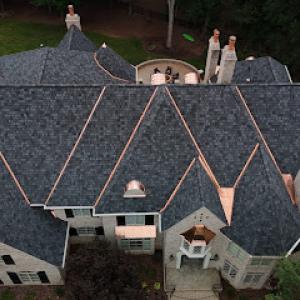
Hermetic Roofing
(252) 888-7663 hermeticroofing.com
104 Market St, New Bern, North Carolina
5.0 from 75 reviews
“The Difference is in the Detail” Eastern NC 1st Choice Roofing Specialist Shingles, Metal, TPO, Cedar, Slate, Tile We also do Gutters and Leaf Guards.
Maven Roofing
(910) 507-2116 www.mavenroof.com
New Bern, North Carolina
5.0 from 61 reviews
Maven Roofing is a roofing and solar company that is owned and run by veterans. It serves the North Carolina cities of Jacksonville, Hampstead, New Bern, Wilmington, and Fayetteville. We provide both residential and commercial clients with high-quality roofing, solar, roof restoration, and roof rejuvenation services.. Our team of highly skilled "Mavens" is dedicated to providing excellent contractor services. We offer a variety of roofing materials, such as metal, F-Wave Revia synthetic, TPO, EPDM, flat roofing, and asphalt shingles. We are highly proficient in repairing or replacing roofs that have been damaged by hail and wind. If you need professional roofing services or help with your insurance claim, Maven is the company to trust.
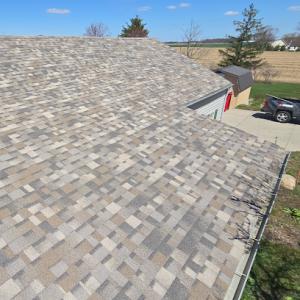
Freedom Roofing, Windows & Siding
44 Shoreline Dr, New Bern, North Carolina
4.9 from 36 reviews
Freedom Roofing, Window and Siding is proud to announce its second location in Jacksonville, North Carolina. With our veteran-owned and operated background, New Bern felt like a natural area for Freedom Roofing, Window and Siding to expand into. While we have been operating in North Carolina for close to 10 years, 200 Williamsburg Pkwy is our first North Carolina office. Customers are welcome to stop in and learn more about our products and offerings. At Freedom Roofing, Windows, and Siding, we are committed to delivering unparalleled workmanship at affordable prices. Our company is built on three core values: Respect, Integrity & Loyalty. We look forward to servicing New Bern and its surrounding locations.
Storm Guard of New Bern
(252) 881-1821 www.stormguardrc.com
1301 Kimberly Rd, New Bern, North Carolina
4.7 from 53 reviews
Storm Guard has been a trusted name in the roofing and construction field for over a decade in the United States. Our team of experts specializes in exterior projects including roofing, siding, windows, gutters, and emergency tarping services. Whether you’re looking to make a small upgrade or complete a major home renovation, Storm Guard is there to provide high-quality work for residential and commercial properties.
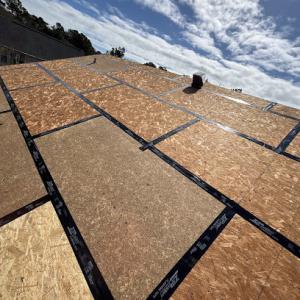
Patriots Roofing
(910) 386-4518 patriotsroofing.com
New Bern, NC
5.0 from 14 reviews
Welcome to Patriots’ Roofing, your trusted roofing contractor for all your roofing needs. With our expertise and commitment to quality, we are proud to be a GAF Master Elite Roofing Company, delivering exceptional services to homeowners in the North Carolina communities of Raleigh, Durham, Fayetteville, Jacksonville, Wilmington and the Outer Banks and more!
A-D's Metal Roofing
(252) 725-5797 admetalroofingnewbern.com
2800 Neuse Blvd, New Bern, North Carolina
4.9 from 8 reviews
A-D’s Metal Roofing is a roofing contractor dedicated to deliver quality roofing installation, replacement or repairs on residential and commercial buildings in New Bern, NC.
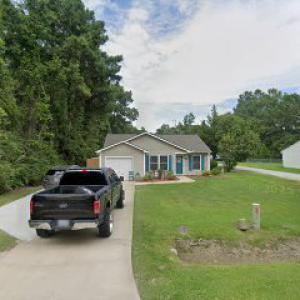
United Veterans Roofing
(252) 772-9572 unitedveteransroofing.com
4502 Old Cherry Point Rd A, New Bern, North Carolina
4.3 from 12 reviews
At United Veterans Roofing - New Bern, we install, replace, and repair roofs, skylights, gutters, sidings, attic venting, etc for both residential and commercial clients. We specialize in many different types of roofs like flat roofs, metal, tile, asphalt shingles, slate, etc. In addition, we also perform emergency, roof leak, and storm damage roof repairs. Our repair services include the removal and disposal of damaged parts. You can even hire our team for tune-ups to make sure that your roof is in perfect condition. So what are you waiting for? We are the last roofers you’ll ever need! Call us now for your FREE estimate!
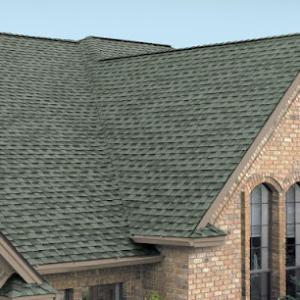
Coastal Carolina Roofing Experts
(910) 783-3660 coastalcarolinaroofingexperts.com
Serving
4.5 from 131 reviews
Coastal Carolina Roofing Experts, Inc is continuously determined to put your needs first; quality workmanship, superior service, and excellent customer service are second to none. As one of the fasting growing roof installation companies in the Eastern North Carolina region, we’ve earned a solid reputation among hundreds of homeowners. Whether you’re in need of a new asphalt shingle roof or a metal roof replacement, our residential roofers are committed to delivering you with exceptional service. Our roofing contractors serve Jacksonville, New Bern, Morehead City, Havelock, Sneads Ferry, North Topsail Beach, Wilmington, Emerald Isle, Surf City, Swansboro, Hubert, Newport and all Eastern North Carolina communities in between.
Collier Roofing
1105 Broad Creek Rd, New Bern, North Carolina
This multigenerational company has been perfecting rods for over 52 years serving the community and ensuring each roof is completed just as requested.
New Bern's mix of river humidity, hot summers, and frequent thunderstorms means roofs live with long humid spells and driving rain. Wind-driven rain from hurricane seasons pushes water up under edges and into joints if detailing isn't tight. Algae and staining are common on shaded or south-facing slopes, and heat accelerates aging of finishes. The roof system needs to shed water quickly, resist uplift, and tolerate constant moisture in the air without warping or degradation.
For most homes along the riverfront, your best bets balance wind resistance, water management, and weight on existing structures. Asphalt shingles are common, but their appearance life can be shortened by heat and algae in this climate. Metal roofing stands out for fast rain shedding and lower maintenance, and its versatility makes it a strong choice for wind resistance. Clay and concrete tile appear on higher-end or stylistically specific homes, but weight and installation complexity can be a bigger issue on older coastal plain housing stock. Consider the roof's structural capacity and the home's architectural language when weighing tile against lighter options.
If asphalt is already on the house, focus on sealant integrity at hips, valleys, and around penetrations. Hot, humid summers encourage faster granule loss and algae staining, so choose algae-resistant shingles and ensure proper underlayment and ventilation. In coastal areas, ensure the shingles are rated for wind resistance adequate to your area's uplift risk. A good, sealed drip edge and continuous overhangs help water shed away from the fascia and soffits.
Metal roofs perform well in this climate because metal sheds rain quickly and offers robust wind resistance when installed with matched fasteners and proper sealing at joints. For coastal use, look for corrosion-resistant aluminum or coated steel with a kitchen-grade seal around flashings. A standing-seam profile reduces water intrusion points, and a mechanically fastened system with proper attic ventilation minimizes condensation issues in humid conditions. Metal also tends to require less routine maintenance than some roof types, which is valuable during humid seasons with frequent storms.
Clay and concrete tile bring a distinctive look but require a strong, well-prepared substructure. Their weight can stress older coastal plain framing, especially if retrofit or rehabilitation is needed. Tile installation must account for high wind uplift with appropriate battening, underlayment, and larger fasteners. If choosing tile, confirm structural compatibility and ensure the envelope is prepared for potential moisture beneath the tile to prevent hidden rot.
Regardless of material, prioritize a robust underlayment, coordinated ventilation, and a reliable drip edge to keep water from wicking into the roof deck. Regular inspections after hurricane season help catch wind-driven damage early. Clean gutters and downspouts to prevent water backup and ensure proper drainage away from the fascia. For algae-prone walls, consider a fungicidal wash or anti-algae coating as part of a maintenance plan to preserve curb appeal and finish quality.
Spring in New Bern can bring storm-related scheduling delays, so homeowners trying to reroof before peak summer humidity often need to book earlier than expected. The confluence of the Neuse and Trent rivers means sudden squalls and gusty days can push tear-off and material delivery back by a day or two, which cascades into the whole project timeline. Expect extra time for tarp-out and temporary weatherproofing as any lingering spring showers roll through. If your roof has multiple slopes or complex detailing, plan for a longer window and choose a crew that can stage work efficiently between passing storms.
Summer work is affected by high humidity, heat, and frequent thunderstorms, which can interrupt tear-off and dry-in windows. In high-humidity coastal air, roof deck drying periods matter; a short delay can affect shingle adhesion and underlayment sealing. Schedule critical phases-tear-off, deck inspection, underlayment, and shingle laydown-during cooler parts of the day when possible, and coordinate with suppliers for early-morning deliveries to avoid heat-delayed compressions or warping in materials. If a storm front approaches, have a clear plan for secure tarping and temporary cover so that a sudden downpour doesn't undo recent progress.
Fall can be attractive for installation conditions, but hurricane risk remains a real timing factor in eastern North Carolina and can disrupt crews and material supply. Dry, mild days are ideal for completing the dry-in, but the Atlantic season can shift schedules with little warning. Build a buffer into the plan for potential supply delays or crew shifts caused by late-season storms. Choose valves and fasteners rated for coastal wind zones, and ensure crews verify flashing and step-and-rows compatibility before sealing.
Start with a flexible start date that aligns with favorable windows after fronts pass. Prioritize roofs with hurricane wind-driven rain protection features: reinforced underlayment, properly sealed flashing, and coastal-grade fasteners. Confirm that the chosen crew can adapt to abrupt weather changes, move between attic and exterior tasks without delaying critical stages, and coordinate with material suppliers to minimize on-site storage time. If the project spans multiple seasons, communicate contingency plans in writing so everyone knows what triggers a hold or resume.
Asphalt shingles remain the most common choice for homes in this riverfront climate due to affordable upfront cost and decent wind resistance when installed with proper underlayment and hip-and-ridge detailing. The provided local range is 350 to 700 USD per square. In practice, expect the higher end if the roof has complex geometry or a tall peak, which is common on older houses with dormers or wraparound porches. After tropical storms, supply and labor demand can push pricing upward quickly, so lock in a trusted installer early and verify they use wind-rated shingles and appropriate attic ventilation.
Metal can shine in hurricane wind-driven rain scenarios, offering long life and good wind uplift performance. The local range is 700 to 1200 USD per square. In New Bern, metal often pairs well with coastal aesthetics and can shed wind-driven spray better than some other materials. Costs rise with a standing-seam system and longer runs, and with added coatings for salt mist resistance. If the roof has multiple edges, skylights, or a standing seam lengthening, budget for precise flashing at chimneys and transitions to porches.
Clay tile delivers strong, long-lasting performance but carries a premium price and weight. The range here is 800 to 1500 USD per square. In a riverfront climate, tile must be paired with a reinforced deck and proper underlayment to handle wind-driven rain and potential surge-related moisture. Historic homes with irregular roof lines may require more complex tile layouts and extra trimming, increasing labor time and total cost.
Concrete tile sits between clay and composite in cost, typically 750 to 1400 USD per square. It provides solid wind resistance when properly installed but weighs more than other options, so structural checks and deck preparation matter. Expect higher labor costs where the roof plane shifts around chimneys, verandas, or second-story additions common on older neighborhoods.
Wood shingles and shakes range from 450 to 900 USD per square. They offer a classic look but require careful maintenance in humid, coastal air to prevent rot and mold. In New Bern, tropical-storm periods accelerate deterioration and may demand more frequent inspections, underlayment upgrades, and protective treatments. Labor can spike on roofs with complex geometry or extensive soffits and porches.
Synthetic options provide versatility and easier maintenance, typically 550 to 950 USD per square. They handle moisture and wind well when installed with correct underlayment and ventilation. For riverfront homes with unique roof shapes, expect some additional trimming and detailing work, which can push the total toward the higher end of the range.
A full roof replacement in New Bern requires a building permit through the City of New Bern Building Department. This isn't a step to skip or rush, especially when handling coastal wind and rain conditions that shape the way roofs are tied to walls, vents, and water drainage. Before any shingle or tile work starts, make sure the project scope clearly states the planned roofing materials and the intended roof shape and ventilation strategy. The permit process exists to ensure the roof system will perform under hurricane-driven wind and long, humid seasons, with attention to drainage and wind-driven rain considerations common along the riverfront.
Applicants are expected to submit the project scope and planned roofing materials for review. The timing of plan review can vary depending on workload at the Building Department and the specifics of the proposed materials, fasteners, underlayment, and flashings. It helps to provide product data and installation details that align with NC Building Code amendments for coastal areas, including any local amendments that address wind uplift resistance and moisture management in roofs exposed to spray and high humidity. If the project uses less common materials or a nonstandard layout, expect a longer review period and possible requests for clarifications or additional drawings.
City inspections occur during and after installation. A final inspection verifies compliance with the NC Building Code, including underlayment, ventilation, flashing, and any applicable coastal wind provisions. The inspector will check that the roof deck, fasteners, edge restraints, and all penetrations are correctly flashed and sealed, and that ventilation meets code-specified ratios for attic moisture control in a humid climate. It helps to coordinate the inspection schedule with the contractor so that critical components like ridge vents, eave protection, and drip edge are visible and accessible. If a deficiency is found, address it before proceeding to final approval to avoid a delay in obtaining the final certificate of occupancy or use.
New Bern homeowners are in a higher wind-claim part of North Carolina, so roof decisions are often shaped by wind deductibles, mitigation concerns, and carrier scrutiny after storms. The combination of riverfront exposure, persistent humidity, and hurricane season means insurers pay close attention to how a roof handles wind-driven rain and how quickly the interior stays dry after a hit. A careful, well-documented roof with robust details can soften post-storm surprises.
Insurers in coastal North Carolina commonly request detailed photos and installation documentation, including deck condition, underlayment, and nailing patterns during claims review. Clear images of forensics around ridge lines, penetrations, and eaves help establish how the roof performed under wind and rain. If a claim arises, organized records reduce back-and-forth and support a fair adjustment, particularly when fasteners, flashing, and valley details are under scrutiny.
Because regional claim activity affects premiums and deductibles, New Bern owners benefit from documenting pre-loss roof condition before hurricane season and again immediately after storms. Simple measures-timestamped photos of shingles, flashing, and attic ventilation, plus a quick note on deck health and attic moisture-can pay dividends if a claim is needed. Staying on top of this routine helps you present a clear story to adjusters when weather stress tests the roof.
In the town's storied neighborhoods, homes carry years of changes, additions, and ad hoc modifications that influence roof performance. Irregular framing and patched eaves can hide deck surfaces or weakened supports, complicating reroofing projects. Hidden rot or termite-related damage may lurk behind chimneys, dormer walls, or old wing connections, so a careful, methodical inspection is essential. In New Bern, that combination of historic fabric and riverfront humidity demands extra care. Start with an exterior-only assessment to map load paths, identify sagging sections, and locate mismatched roof planes that could trap moisture.
Older rooflines often feature dormers, porch tie-ins, and masonry interfaces that require more meticulous flashing than newer tract homes. Dormer valleys and stepped transitions between roof planes can create moisture pockets if not properly counter-flashed and sealed. Masonry interfaces-brick chimneys, knee walls, and parapet walls-need coordinated flashings that extend under coping and integrate with water barriers. Porches with shallow overhangs or decorative fascia can channel wind-driven rain into joints that look innocuous but leak under pressure. A careful sequence of shingle-to-flash transitions, kick-out flashing at walls, and continuous underlayment coverage is essential for durable performance in a coastal climate.
Historic areas often demand material choices that preserve the architectural language while delivering modern performance. Shingle profiles, color palettes, and edge treatments should align with surrounding structures to maintain streetscape cohesiveness. When selecting materials, consider how roof color, texture, and fastener systems interact with river humidity, salt spray, and frequent wind events. In areas with multiple roof levels and visible tie-ins, select products with proven edge and seam integrity, and plan for enhanced ventilation to prevent condensation under reflective heat. A thoughtful approach to materials reduces long-term maintenance while honoring the home's historic character.