
Last updated: Apr 19, 2026
Lumberton sits on the Lumber River in Robeson County, so homeowners face a combination of inland wind damage and prolonged rain exposure rather than purely coastal salt-air conditions. The terrain and drainage patterns in this southeastern North Carolina pocket mean a storm can stall just enough to flood low spots and push wind under edges and vents. Tropical systems can arrive with damaging wind and heavy rain even after weakening from the coast, so a lull in the radar does not equal safety. Your roof endures repeated cycles of gusty wind, blowing rain, and relentless moisture intrusion that targets weak seams, flashing, and aged shingles. That means a roof that seemed fine after last season's storm can suddenly start showing leaks when a new system lurches through town.
In this climate, you'll see failures that aren't purely about shingles sliding off. Vulnerable flashing around chimneys, vents, and skylights is a common early failure. Ridge caps can lift if the seal underneath softens from sustained wetting, and older shingle seals often lose bite after repeated storms. Low-slope sections and transitions between roof planes are especially prone to driving rain penetration becomes evident only after a storm passes. If gutters and downspouts clog, flood-prone eaves hold water against the fascia, accelerating rot and edge leaks. Even sturdy-looking roofs can hide a creeping moisture problem if attic ventilation isn't moving air effectively during the peak of a storm and the aftermath.
A homeowner in this city needs a proactive rhythm: inspect after every significant rain, after every wind event, and before the next storm season ramps up. Look for lifted shingles, granule loss in high-traffic roof areas, and any staining or soft spots on ceilings and walls inside the attic or upper rooms. Outside, pay attention to roof valleys, step flashing at corners, and the condition of ridge caps. In flood-prone zones, ensure exterior penetrations-vents, plumbing stacks, and satellite dishes-are sealed and flashed correctly to shed water rather than trap it. If condensation or damp smell lingers in the attic after rain, that's a red flag you cannot ignore. The combination of Inland wind and heavy rain requires you to treat every leak as urgent and address it before the next system arrives.
When a storm starts bearing down, secure the obvious: prevent water from entering through accessible vents, skylights, or loose flashing by bracing or temporary sealing with water-resistant coverings. After a storm, perform a rapid exterior check from the ground: look for lifted shingles, torn flashing, or displaced ridge caps. If you discover active leaks or visible damage, call for a professional roof evaluation promptly-delays can turn into widespread water intrusion and larger repairs. In the event of flooding, do not delay addressing interior signs of moisture-water can migrate across areas you don't expect and degrade structural components. Prioritize addressing vulnerable flashing and ridge line integrity before the next storm arrives, because in this environment a single weak point becomes the tipping point under another wind-driven rain event.
In this region, the combination of hot, humid summers and frequent storms takes a toll on asphalt shingles, their sealants, and any roof penetrations like vents and skylights. The sustained heat pushes asphalt into faster aging: shingle granules shed more quickly, the asphalt saturates and softens, and edge protection can start to curl or crack. The heat also stresses sealants around vents, plumbing stacks, and flashing, making them more prone to failure over time. The result is shorter effective life for a roof that isn't kept cool and dry, even when the roof is built sturdy to begin with. Keep an eye on edges and hips for curling, and check around flashings after heat spikes or long dry spells followed by storms.
Lumberton's frequent summer rainfall means roofs stay damp longer than in drier climates. That lingering moisture accelerates breakdown of underlayers and accelerates moss or algae growth on shaded sections. A roof that reaches high heat while remaining damp creates a cycle: heat accelerates aging, dampness promotes staining and decay, and that combination weakens shingle performance sooner than expected. Attic ventilation becomes the frontline defense. If the attic is poorly vented, warm, moist air gets trapped, condenses on sheathing, and invites mold and wood rot. In practice, ensure soffit vents, b venting, or powered exhausts work in harmony to push moist air out during and after storms. A well-ventilated attic dries out faster after rain, helping to preserve shingles, sealants, and flashing.
Common signs in this climate include accelerated granule loss, dark streaks from algae, buckling or curling shingles, and frequent re-sealing needs around penetrations. Small leaks or damp spots on the ceiling after heavy rains can point to compromised sealants or flashing. In a flood-prone setting along a river corridor, attic and roof deck moisture monitoring matters even more: look for soft spots or spongy feel when walking on the attic floor, and check interior ceilings for early water staining after rain events. Early intervention-cleaning debris from gutters, clearing vent paths, and resealing flashing-prevents minor issues from escalating during the next storm season.
Seasonal checks should happen in the spring and fall when temperatures are moderate and storm risk is lower, aligning with typical re-roofing windows. Start with attic health: verify that insulation isn't blocking vents, confirm that baffles are in place to keep airflow uninterrupted, and remove any insulation dust from around soffits that could impede ventilation. On the roof, inspect for missing or damaged granules, loose or lifted edges, and exposed fasteners around vents and flashings after heavy summer downpours or tropical storm showers. Clean gutters and downspouts to prevent water backing up against the fascia, and ensure splash zones around the foundation remain clear to reduce downstream moisture intrusion into soffit areas. If heat exposure shows up as accelerated aging in one section, consider targeted patching or flashing upgrades to preserve the remaining life of the roof deck. Locals know that a steady rhythm of inspection, ventilation, and timely minor repairs buys real resilience against the region's heat-driven aging and moisture cycles.

United Roofing Solutions
11592 North Carolina Hwy 72 E, Lumberton, North Carolina
5.0 from 12 reviews
We are pleased to now be offering financing for your next project. United Roofing Solutions is your roofing specialist. Give us a call today to learn about our low monthly rates! Since 1955 we have proudly helped many clients choose the right roof to suite their needs. Whether you are in the market for TPO, Steep Asphalt (Hot Mop), Shingles or SA CAP- our team has the ability to deliver. No job is too big or small for our team to tackle.
Karcher Roofing & Construction
(910) 568-2861 www.karcherroofingandconstruction.com
Serving
4.9 from 155 reviews
Hope Mills' #1 roofing and construction company — Karcher Roofing & Construction is a licensed, insured contractor serving Hope Mills, Fayetteville, and all of Cumberland County, NC. We specialize in storm damage repair, roof replacement, roof repair, and wind & hail restoration. Our full-service construction team also handles remodeling, bathroom renovations, deck installation, fence building, gutter repairs, painting, and home improvements. Owens Corning Preferred Contractor. Free estimates. Insurance claims welcome.
The Roof Mentors
(910) 987-2727 theroofmentors.com
Serving
4.9 from 205 reviews
Protect your home with trusted roofing experts at The Roof Mentors. We are a locally owned and operated roofing company proudly serving Hope Mills, NC, and the surrounding communities. Our team specializes in roof repairs, full roof replacements, and professional roof inspections for residential properties. From minor leaks and storm damage to complete roof systems, we deliver high-quality workmanship, honest guidance, and reliable service every step of the way. At The Roof Mentors, we believe proactive maintenance prevents costly repairs. That’s why we focus on identifying issues early and providing clear solutions designed to extend the life of your roof. When you need dependable roofing done right, our experienced team is ready to help
Pope Metals
Serving
5.0 from 23 reviews
Pope Metals & Roofing is Southeastern North Carolina’s trusted choice for all types of roofing—metal, shingle, and commercial flat systems. With over 20 years of experience, we serve homeowners, business owners, and farm properties with roof replacements, repairs, and honest advice. From Fayetteville to the coast, we deliver dependable work, fair pricing, and real peace of mind.
Danny Odom Roofing Company
(910) 484-2988 www.dannyodomroofingnc.com
Serving
4.5 from 73 reviews
Welcome to Cumberland Roofing. Cumberland Roofing Of Fayetteville is a roofing contractor serving Fayetteville, Ft Bragg, Spring Lake, Hope Mills, Steadman, Lumberton, Sanford, Southern Pines and most of North Carolina. With Cumberland, you
Robust Roofing
(910) 600-1050 www.robustroofingcarolinas.com
Serving
5.0 from 67 reviews
Robust Roofing is your premier residential roofing contractor in the Carolinas. We are passionate about providing quality work in a timely manner. It is our mission to provide clear communication, an accurate estimate and excellent project management throughout your roof replacement.

At Ease Roofing
(910) 670-5988 chooseatease.com
Serving
4.7 from 13 reviews
Combining years of experience with a dedication to client satisfaction, At Ease Roofing has established itself as the local leader in Roofing Company, Roofing Contractor, Roofer.
Diversity
Serving
5.0 from 1 review
Diversity offers top quality work from professionals with years of experience, are goal is too please are customers and offer the best service possible.
B & B Metal Roofing
Serving
5.0 from 2 reviews
B & B Metal Roofing has been family owned and operated out of North Carolina providing roofing across the country for over 15 years. Our team is part of the MetalPro Roofing Contractors, specializing in installing Union Corrugating Metal. If you are looking for professionals who can do the job right the first time give us a call.
Ray Bullock Roofing
Serving
4.4 from 13 reviews
Your roof is your home's first line of defense. If it's leaky, you could end up with costly water damage and mold growth. Thankfully, Ray Bullock Roofing can help you keep your roof in good working order. Our local roofer provides a variety of services to home and business owners in the Hope Mills, NC area, from minor roofing repairs to full replacements.
John Hyatt Contractor Services
Serving
5.0 from 2 reviews
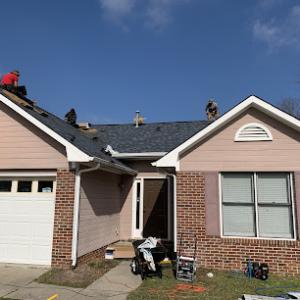
John Hyatt Contractor Services should be your first call in residential and commercial roof replacement, replacement windows and siding We have over 30 years experience in the contracting industry We are licensed and insured We are a family owned business located right here in the heart of Fayetteville We represent all major roofing brands such as Owens Corning , GAF, IKO
Carolina Crown Roofing
Serving
3.0 from 2 reviews
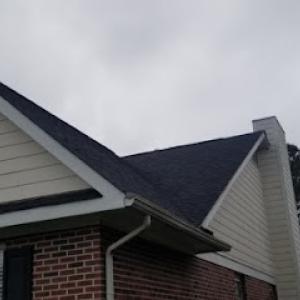
Shingle & Metal Roof *All around roof repair* ~New Roof ~Tear off & Re-roof ~Leak Repair Gauartee Qauilty Work *Insured*
Asphalt shingles are familiar on many Lumberton homes, but the tropical rain and humid summers can shorten their service life if ventilation and underlayment are weak. In heat and humidity, soffit vents, ridge vents, and a breathable attic setup help regulate moisture before it climbs into the deck and sheathing. If an existing roof shows curling, blistering, or frequent leaks after a heavy storm, check the underlayment-synthetic blankets with proper nailing patterns often outperform old paper underlayments in humid climates. Sealing around penetrations is crucial; in storm-driven rainfall, even small gaps invite water intrusion. For an upgrade, ensure the shingle bundle is compatible with a high-ventilation strategy and that the roof deck is dry and solid before re-covering. In flood-prone areas, consider adding vectorized attic fans or a dedicated exhaust path to pull humidity out of the attic rather than pushing it into the attic space during a heavy downpour.
Metal roofing shines when a tropical downpour hits, thanks to rapid water shedding and a robust track record in wet weather. The key practical detail is how fasteners and flashing are installed and integrated with the walls and penetrations. In high-wind events, improper sealing around edge trims, chimney flashing, and transitions can become weak spots. Choose panels with a continuous sealant approach or through-fastened systems paired with corrosion-resistant coatings. Pay attention to the underlayment beneath the metal, as moisture can accumulate at eave edges or overhangs if drainage isn't well designed. A properly vented attic remains important, because even a drip-fast roof can trap moisture in hot, humid air, causing condensation on underside surfaces. If you live in a flood-prone zone, ensure that the metal's confinement around crawl spaces and roof-to-wall intersections is designed to resist wind-driven water infiltration and that any low spots are prioritized for proper drainage.
Clay and concrete tile stand out for their longevity and distinctive look, but they demand attention to structural load and storm fastening. In older homes or those not originally designed for tile, the added weight can stress framing and require reinforcement. Tile edges and fasteners must be secured to resist high-wind events, and proper battens or a solid deck are essential to prevent crack propagation from movement during storms. Moisture management matters here too: tile can give a false sense of security if the underlayment is insufficient or if roofing penetrations aren't detail-specified for heavy rains and humidity. Ensure the substrate is dry and sturdy before installing tile, and verify that frost-proof and wind-rated installation details are followed. For homes facing frequent downpours, tile systems should be paired with a well-sealed moisture barrier and a clear path for water to shed away from the eaves, directing it toward established drainage rather than pooling on the roof plane.
In all cases, a well-ventilated attic, a robust moisture barrier, and meticulous flashing detail are the backbone of a roof that resists the twin challenges of humidity and storm-driven moisture in this market.
In Lumberton area, a full roof replacement generally requires a permit through Robeson County's building department rather than being treated as a no-paperwork job. The permit review is tied to compliance with the North Carolina State Building Code and any local amendments used by the county. This isn't a formality to skip; it keeps storm-damaged roofs from falling into disrepair and ensures materials and methods meet the region's moisture, wind, and flood-facing realities.
Begin by contacting the Robeson County Building Department to confirm permit requirements for your specific project and property type. Provide standard details: project scope, roof type, existing conditions, and any known damage from recent storms. The county may require structural notes, a contractor's license information, and proof of storm-related work if applicable. Plan for a brief waiting period while the review is completed, especially during busy storm seasons when inspections are in high demand.
Homeowners should expect inspections at key stages, including after tear-off and after completion, with final approval dependent on passing the required inspection sequence. In Lumberton-area projects, the first inspection typically happens once the roof deck and underlayment are in place but before shingles or other coverings are installed. The final inspection confirms that all components-ventilation, flashing, and drainage-are properly installed and that the roof aligns with code and county amendments. If any discrepancies arise, a re-inspection will be scheduled after corrective work is finished.
Keep a running file of all permit documents, inspection notices, and contractor communications. If a storm-damaged section is being replaced, document the damage with photos and notes to support the permit scope and inspection expectations. Schedule work to align with inspection availability and county office hours to minimize delays. Remember, final approval hinges on meeting the inspection sequence in full.
When a tropical system or spring storm outbreak rolls through the Lumber River valley, your roof cost can spike quickly. Local roofing demand surges across southeastern North Carolina, and crews, materials, and disposal capacity shift to meet surge needs. After a big event, you may see higher bids not just for labor but for shingles, underlayment, and flashing as suppliers catch up. If you're facing a late-season leak or wind damage, set expectations that prices may deviate from calm-season norms for a short window while repairs are staged and completed.
In this market, material choice matters widely. Asphalt shingles sit around 350 to 550 USD per square, offering a balance of cost and performance for flood-prone areas where wind resistance and quick repairability count. Metal roofing ranges from 700 to 1100 USD per square, delivering high wind resilience and longer life, which can be worthwhile in storm-prone months. Clay tile runs 1000 to 1800 USD per square, providing excellent longevity but heavier weight and higher installation complexity. Concrete tile sits roughly 900 to 1400 USD per square, combining durability with a heavier installation. Wood shingles or shakes range from 600 to 1100 USD per square, offering aesthetics with potential moisture challenges if not properly maintained. Synthetic or composite shingles span 550 to 1100 USD per square, delivering moisture resistance with flexible styling options. The exact mix you choose will influence both upfront cost and long-term maintenance in a flood-prone climate.
Project timing affects pricing in spring and fall, when replacement work is most feasible and weather patterns align with roof life cycles. In summer, heat and active storm periods can complicate scheduling and labor efficiency. If a storm has damaged your roof, plan for a staged approach rather than a single all-at-once replacement. Staging helps manage heat stress for crews, avoids supply bottlenecks, and can keep material costs closer to baseline during calmer windows. For replacements, coordinating with a contractor on a fall schedule often yields steadier pricing and smoother execution.
When assessing post-storm needs, prioritize quick tarping and drainage assessment to prevent secondary moisture damage before a full repair. Compare bids from reputable local crews who understand how flood-prone roofs shed water and handle wind uplift. If you're choosing material, weigh added weight and wind performance against initial cost to decide whether a longer-lived option (like metal or concrete tile) justifies the upfront premium in this climate. Keep an eye on seasonal price shifts and expect some variance around storm events, but aim for a clear plan that balances short-term protection with long-term durability.
In Lumberton, homeowners operate in a North Carolina insurance environment with elevated claim activity after wind and severe storm events, which can affect premiums and deductible decisions. That reality isn't a scare tactic-it's a practical detail that changes how you prepare and respond once a storm passes. The more your file shows a well-documented roof history and a clear record of what happened, the smoother the process tends to be, even when the weather has to do the talking for you.
After storms in the Lumberton area, insurers commonly want roof age records, prior repair history, and clear photos before and after temporary mitigation. Those requests aren't random-they reflect how adjusting teams triage a wide field of claims and separate preexisting wear from storm impact. Keeping orderly documents now makes a real difference when a claim lands on the desk, and it helps keep the conversation focused on the actual damage rather than guesswork.
Because adjusters may inspect on site for wind and hail damage, homeowners benefit from documenting missing shingles, lifted tabs, flashing damage, and interior leaks immediately after a storm. Photos taken the same day can prevent later disputes about timing or scope. If you can safely capture these details before making temporary repairs, you preserve an accurate picture for the adjuster and reduce back-and-forth once a claim starts moving.
Maintain a simple storm diary: date, what happened, repairs attempted, and key outcomes. Store repair receipts and before/after photos in a durable, organized place. When a storm hits, act quickly to mitigate further damage, then compile the documentation you'll need for the adjustment process. In a flood-prone area along the Lumber River, proactive record-keeping translates to a clearer path through the insurance process and a more precise restoration plan.
In the Lumberton region, repeated wetting and drying cycles commonly expose weaknesses at pipe boots, valley metal, chimney flashing, and roof-to-wall transitions. When moisture seeps around penetrations and saddles, cycles of expansion and contraction can pry flashing loose, allowing hidden leaks to sneak in during the next storm. You may notice damp spots in the attic or dark stains along the ceiling stair-step near penetrations, often long before a full roof failure becomes obvious. A simple check after heavy rains is to inspect for dampness near these areas and to feel for any soft, spongy spots along the ceiling edges that could indicate hidden rot or moisture intrusion.
Wind events in southeastern NC often reveal installation defects through lifted shingle edges, ridge cap loss, and water entry at poorly sealed penetrations. If a storm rolls through with sustained gusts, you can expect edges to peel up where nails or fasteners weren't driven to the correct depth or where sealant has aged. Ridge caps may loosen, allowing wind-driven rain to intrude at the peak. Poorly sealed penetrations-satellite dishes, vent pipes, and chimney details-leave small openings that quickly become pathways for water when the wind pushes rain under the laps. After a strong wind event, run a careful exterior sweep along the ridges and valleys and inside the attic for any new staining or musty odors.
Occasional winter freezes in Lumberton can stress older bitumen-based shingles and vulnerable roof penetrations even though the city is not known for prolonged snow loads. Freeze-thaw cycles can cause hairline cracks in shingles and loosened sealing around flashings. Vulnerable penetrations-pipes, vents, and chimneys-are often the first to show leakage signs after a hard freeze followed by a thaw. If you notice tiny drips during warm spells after a cold night, that's a cue to re-seal or rebalance vent flashings and inspect surrounding shingles for cracking or seating failures. Regular checks help catch creeping damage before it escalates.