
Last updated: Apr 19, 2026
Choctaw sits in the high-claim central Oklahoma hail and wind corridor, so spring thunderstorms are a primary trigger for roof replacement decisions. The open plains and semi-rural pockets around town expose homes to fast-moving storm cells that hammer roofs from angles you don't see in milder climates. When a storm rolls in, the risk isn't just a few dented shingles; it's a complex mix of edge lift, damaged flashing, and accelerated wear on ridge components. This is why many homeowners find themselves needing claim support after severe weather, not just elective upgrades. The goal is to catch damage early, before minor issues cascade into interior leaks or accelerated deck rot.
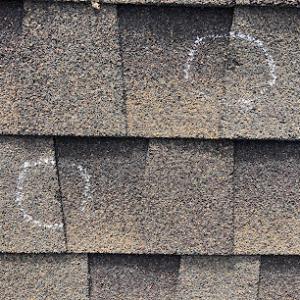
Wind events across open suburban and semi-rural exposures around Choctaw can lift shingle edges, loosen ridge components, and damage flashing even when leaks do not appear immediately. After a hailstorm or a fast-moving thunderstorm, inspect your roof with care. Look for bruising on impact points, missing shingle granules, lifted tabs, or dark streaks along seams that could indicate moisture infiltration. Check the gutters and gutters' hangers for sudden, unusual shedding of shingle fragments. If any irregularity shows up on or near the roof line, treat it as a warning sign rather than a cosmetic issue. Immediate action helps prevent small problems from becoming large, costly repairs down the line.
Documenting damage promptly after a storm is essential. Start with high-resolution photos from multiple angles, including the rooftop edge, attic ventilation, and any signs of moisture intrusion on ceilings or walls inside the home. Keep a storm log with date, time, and wind velocities if available from weather sources. Make note of tree limbs or debris on the roof, as they often accompany hail or wind events. Save all communication with insurers and contractors, and organize repair estimates in a clear, itemized format. The objective is to produce a concise damage narrative that supports the claim's need for evaluation and remediation.
In Choctaw, local contractor signals strongly cluster around insurance claims and storm damage, showing that homeowners commonly need claim support after severe weather. When selecting help, prioritize roofers who are familiar with impact patterns typical to this corridor and who can provide thorough, independent assessments. Request the contractor's assessment in writing, including a proposed scope of work and supporting photos. If an adjuster visits, accompany them on the roof, pointing out observed damage and sharing your storm log. Clear, fact-based communication reduces follow-up cycles and improves the chance of a fair settlement.
After filing, protect the roof from further exposure by temporary measures if advised by a professional-cover vulnerable valleys or flashing with tarps where safe to do so, and avoid heavy loads on the roof until inspected. Schedule timely inspections and prioritize rapid, proper mitigation to stabilize the roof system. Storm resilience isn't a one-off fix; it's a plan that keeps exposed homes safer through repeated, dynamic spring events.
Find local contractors experienced in assessing and restoring roofs after hail, wind, and severe weather events.
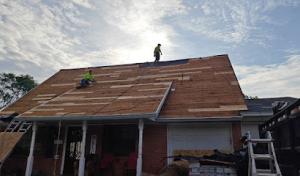
Eclipse Roofing & Construction
(405) 605-0805 www.eclipse-roofing.com
11225 NE 23rd St, Choctaw, Oklahoma
5.0 from 41 reviews
CCC Roofing & Construction
(405) 473-2942 cccroofingandconstruction.com
14445 NE 23rd St, Choctaw, Oklahoma
4.9 from 43 reviews
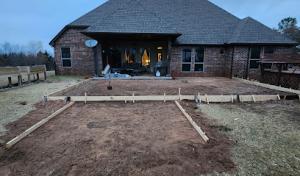
Sooner construction by Rick James
(405) 819-6980 soonerconstructionbyrickjames.com
17980 SE 29th St, Choctaw, Oklahoma
5.0 from 14 reviews
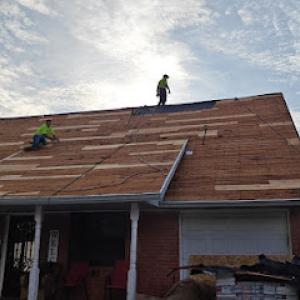
Eclipse Roofing & Construction
(405) 605-0805 www.eclipse-roofing.com
11225 NE 23rd St, Choctaw, Oklahoma
5.0 from 41 reviews
Eclipse Roofing was first founded in 2012, though we have over 10 years of industry experience under our belts. We serve Oklahoma City, Yukon, Moore, Edmond, Norman, Midwest City, and all surrounding areas within 100 miles! Our team of roofing contractors is highly experienced, and are more than qualified to tackle any roofing job – from painting, re-roofing, and roofing repair to installation, siding, and shingle roofing. We boast extensive experience in both commercial and residential roofing and have been given an A+ rating by the Better Business Bureau. We at Eclipse Roofing are a team of qualified and hard-working individuals, who are willing and able to assist you with all of your roofing-related needs.
CCC Roofing & Construction
(405) 473-2942 cccroofingandconstruction.com
14445 NE 23rd St, Choctaw, Oklahoma
4.9 from 43 reviews
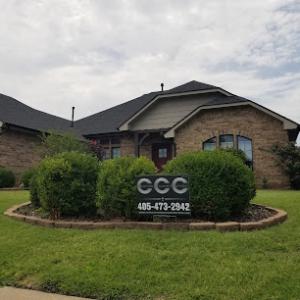
We are a locally family-owned and operated roofing company, proudly serving Oklahoma since 2005, and we’re proud to serve our Oklahoma communities with honest, reliable roofing services. Based in Choctaw, CCC Roofing & Construction provides expert roof replacement, roof repair, and storm damage restoration across Oklahoma City, Edmond, Yukon, Norman, Moore, El Reno, Choctaw, Mustang, and nearby areas. Whether you’re dealing with hail damage, roof leaks, or need a full roof replacement, our team delivers quality work and clear communication. We also assist with insurance claims and offer free roof inspections after storms. If you're looking for trusted roofing services near you, we’re here to help protect your home.
Sooner construction by Rick James
(405) 819-6980 soonerconstructionbyrickjames.com
17980 SE 29th St, Choctaw, Oklahoma
5.0 from 14 reviews
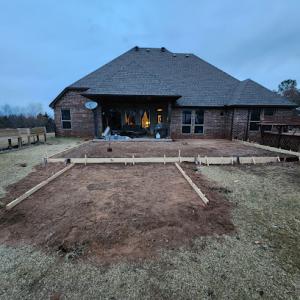
Sooner Construction by Rick James From Roofing to Flooring, my family has been doing business in construction in and around the Oklahoma City area since 1949. We welcome the opportunity to assist you in your construction needs. A+ BBB rating, Oklahoma State roofing license # 80001503, and member of ORCA (Oklahoma Roofing Contractors Association). Specialist in most all exterior construction, roofing, gutters, carports, decks, fencing, siding, patios opened and enclosed to mention a few. Remember, don’t go it alone. Get with the pros at SOONER CONSTRUCTION and let us get it done.
Prodigy Roofing & Construction
456 N Peebly Rd, Choctaw, Oklahoma
5.0 from 6 reviews
We are a locally owned business with over 20 years of combined experience. We take pride in every job that we do and our #1 goal is to make sure that every customer is satisfied. We are the new generation in storm restoration.

Leal Construction
(405) 316-0899 lealconstructionllc.com
15026 E Reno Ave, Choctaw, Oklahoma
4.5 from 8 reviews
Family owned and operated, we are your source for roofing, remodeling, and home repairs. Your go to source for roof replacement and repairs. Ready to help you through your insurance claim.
Hawk Roofing & Construction
(405) 315-4126 www.facebook.com
12927 SE 54th St, Choctaw, Oklahoma
5.0 from 4 reviews
"Top-Quality Roofing, Every Time!" Dedicated to providing outstanding roofing solutions with a focus on durability and client satisfaction. Let us handle your roofing needs with expertise.
Sycamore Roofing
(405) 390-1500 sycamoreroofing.net
2404 Main St, Choctaw, Oklahoma
4.4 from 8 reviews
Sycamore Roofing provides roofing services to the Choctaw, OK area.
Lira Roofing & Construction
(405) 738-4955 liraroofingok.com
Serving
5.0 from 54 reviews
In 2000, Carlos began working in the Oklahoma Roofing Industry. He looked at roofing as a way that he could express his artistic ability. He takes pride in each project being unique from another. The longevity of this artistry is a legacy for Lira Roofing & Construction, Carlos believes very strongly in the concept of “quality above quantity”.
RedBud Roofing & Contracting
Serving
5.0 from 25 reviews
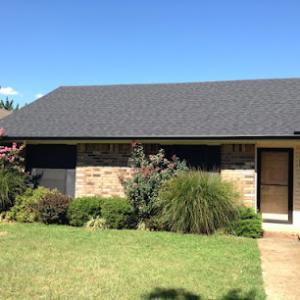
We have been serving the Greater Oklahoma City area for more than 10 years now. Our group has gained the necessary knowledge and skills to provide outstanding roofing services to many homeowners. Everyone in our team also strives to uphold professionalism to ensure client satisfaction.
Acts 29 Roofing
(405) 443-0991 acts29roofing.com
Serving
5.0 from 101 reviews
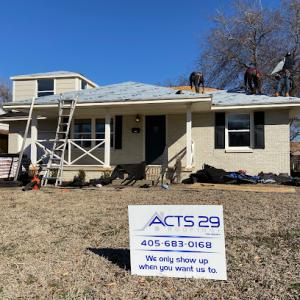
Offering roofing and construction services throughout the state of Oklahoma while offering a top notch customer service that puts the client first.
Top Side Roofing
(405) 446-5364 www.topsideroofingokc.com
Serving
4.9 from 91 reviews
Welcome to Top Side Roofing | Roofer Oklahoma City, your go-to roofing contractor! We are a local, family owned roofing company in Oklahoma City, dedicated to providing top-notch roofing services to our community. From roof repairs to complete installations, we've got you covered! Our team takes great pride in delivering excellent customer service and quality workman Honest, reliable, and customer-centric roofer. Top Side Roofing is proudly partnered with our second branch of J.R.B. Enterprises, Inc a 3 generation family owned, local business. We provide roof, gutter, and paint needs. Our Mission: To glorify God by being a faithful steward of all that is entrusted to us. To demonstrate the love of Christ Jesus to everyone we encounter.

Whitlock Roofing & Construction
(405) 391-7773 harrahroofing.com
Serving
4.8 from 39 reviews
Our family business has been in operation for 79 years in Oklahoma. (Since 1946). We rely on return customers and word of mouth, so we work hard to make you happy. Roofing is a way of life for us and we love it. Quality is in everything we do. Our name is proven and trusted. We thrive to make every customer feel like family. Trust us to visit your home or business and talk about your roof! *During storm season we offer 24 HR emergency repairs. 405-391-7773
In Choctaw, roofs face a combination of hot summers, severe convective storms, and periodic winter freezes. That triad beats on shingles, underlayment, and fasteners in a way that doesn't resemble coastal or snowy regions. The sunbeat amplifies asphalt and synthetic shingles, causing faster granule loss and more frequent thermal expansion cycles. The result is a roof that ages not just by years but by the number of storms and temperature swings it endures. You'll notice the earliest signs where heat-related drying and shrinking stress the seals around penetrations, vents, and skylights. Here in Choctaw, that stress compounds when spring hail arrives, pushing you to look beyond cosmetic wear and toward the underlying protection layers that keep water out.
The city's position in the Oklahoma City metro weather pattern means roofs can see hail, high wind, and sharp temperature swings within the same year. Hail can abrade shingle surfaces, loosen granules, and nick edges, while high winds can lift tabs or strip fasteners. When a major wind event follows a hailstorm, moisture can find micro gaps created by mechanical damage or aging sealants, then freeze in winter, expanding the problem. Even a season without a full replacement can slip into a cycle where multiple storms stress the same roof area, accelerating wear on both shingles and the underlying underlayment. The takeaway is practical: after any significant hail or wind event, you should inspect the most vulnerable zones-edges, hips, valleys, around chimneys, and around vents-because hidden damage compounds quickly in this climate.
Replacement timing in Choctaw often favors spring or fall because summer heat can complicate installation conditions and winter freezes can affect seal-down and repair scheduling. Mild shoulder-season weather helps asphalt, metal, or tile systems cure correctly and reduces the risk of heat-related installation gaps or cold-seamed joints. Scheduling during these seasons also aligns with typical post-storm inspection and claim windows, making it easier to document prior damage and coordinate any needed underlayment or roof deck work before temperatures swing again. If a late-season hail event occurs, planning a thorough inspection into the next available spring window gives you the best chance for a complete, durable fix rather than quick, reactive patchwork that doesn't hold up through the next hot summer.
Look for granule loss in gutters and downspouts, especially after a hail event or an unusually windy period. Inspect around the eaves and rake edges for lifted or curled shingles, and check valley regions where debris tends to accumulate and moisture sits longer. Pink flags of deeper trouble include exposed underlayment, dark spots indicating moisture intrusion, and shingles that curl away from the deck. If you notice a shingle tab lifting or a sudden uptick in wind-driven leaks after a storm, treat it as a diagnostic cue rather than a cosmetic issue. In Choctaw, timely attention to these cues helps protect against accelerated aging and keeps the roof performing through the next round of spring storms.
Asphalt shingles dominate residential roofing in this area, and for good reason. They offer a straightforward, repair-friendly option when hail or wind leaves dents or loose tabs. In spring, you want a system that can absorb impact and still shed heat reasonably well as Oklahoma sun climbs. Look for impact-resistant classifications and a thicker, dual-layer mineral surface if possible. A locally installed asphalt roof is easier to inspect after storms, and contractor familiarity with typical Choctaw hail patterns translates into faster repairs and fewer missteps during the insurance-driven workflow that follows severe weather.
Metal is a meaningful local option for homeowners who want wind performance and resistance to rapid weather shifts. In regions with fast-moving storm lines, metal's seamless or well-seamed design reduces potential entry points for wind-driven debris. If choosing metal, pay attention to standing-seam or interlock designs and a finish that reflects heat rather than absorbing it. A metal roof can outlast many other materials in this climate, but the initial installation must be meticulous to prevent leaks around penetrations and chimneys, which commonly become trouble spots after hail.
Clay and concrete tiles appear in the market, but they stay less prevalent and often require a contractor with niche experience. Tile systems can handle hail when properly rated and installed, yet they demand careful assessment of attachment methods and the roof's substrate. If a tile roof exists on a home, expect longer lead times for repairs and a narrower pool of local specialists who can address cracked tiles, frame damage, or underlayment issues after a hail event. Homeowners should weigh the risk of punctures and the potential for heavier debris impact when deciding on a tile approach.
Wood systems offer a classic look, but exposure to hail and heat in this region can accelerate wear. Wood shingles may require more frequent maintenance, including attention to surface splitting, cupping, or moisture-related aging. If wood is already in place, prepare for targeted inspections after severe spring weather, especially around eaves, valleys, and overhangs where moisture can concentrate. Local repair options exist, but the contractor pool for specialized wood work tends to be smaller, so plan ahead for scheduling and matching tones and textures during replacements.
When evaluating options after a storm, start with identifying the primary concerns: wind resistance, hail tolerance, and heat aging. In this market, asphalt provides a robust baseline for most homes, with metal offering the strongest wind performance. Tile and wood can be viable for specific aesthetics or historic homes, but require preparedness for a smaller local contractor pool. In all cases, ensure the chosen system has a sound underlayment, proper ventilation, and a trusted local installer who understands how Choctaw's spring hail cycles interact with your roof's design.
The most popular roofing material in the US. Find pros who install, repair, and replace asphalt shingles.

In this market, storm demand swings drive pricing as surely as spring hail drives insurance activity. When a major hail event hits the Oklahoma City metro fringe, crews, material suppliers, and trucks bunch up, and scheduling stretches out. That means two houses in the same neighborhood can end up with noticeably different timelines and final numbers simply due to how quickly labor and materials flow back into town after a storm. The result is a practical rule: expect prices to move with the weather, not just with the chosen product. Base pricing for common materials shifts in response to that demand, which is a real factor for Choctaw homeowners.
Material choice matters sharply around here. Asphalt shingles typically run from 350 to 700 USD per square, while clay tile can push up to 1000 to 2000 USD per square. Metal roofs, concrete tiles, and wood or synthetic options sit between these bookends, but the exact figure depends on the supplier's stock and the local crew availability when the project starts. A quick rule of thumb: the more resilient and hail-tolerant the product, the more the material a square will cost, especially after a storm-driven surge. Your decision should weigh long-term impact against the immediate replacement budget, knowing that the local price spectrum can bend when the next hail event tightens supply chains.
Insurance scope can lift the project above base material pricing in several practical ways. If decking repairs are found after tear-off, that adds labor and material costs beyond the shingle or tile price. Ventilation boxes, ridge vents, and wind-related upgrades flagged during the plan review can also push totals higher. In Choctaw, those upgrades are common after storm damage because insurers often require endorsements that address wind uplift and attic ventilation improvements. Keep a close eye on what your adjuster includes for decking, ventilation, and any temporary protections during the claim process, because those line items tend to widen the bottom line above starting material costs.
When a severe spring hail event hits the area, the best planning strategy is to build a buffer for scheduling. Expect some delay between claim approval and crew availability if you're mapping around multiple houses in the same subdivision. Use that window to lock in a preferred contractor, confirm shingle or tile availability, and review ventilation and wind-upgrade options before the permit review pushes the project forward. This approach helps you avoid the worst of the price spikes that accompany ongoing storm recovery in this market.
Get a clear picture of your project costs upfront - no commitment required.

Residential full roof replacements in Choctaw typically require a building permit through the City of Choctaw Building Department. Before any shingle or panel comes off, you should verify your permit status and timeline with the department, because approvals can hinge on current zoning, setbacks, and fire code considerations. A simple online inquiry can reveal whether you need plan review or just a permit, and whether your replacement must meet newer wind and ventilation expectations. Do not assume last year's documents transfer automatically; the city often requires updated drawings or endorsements for the new roof assembly. If contractors promise instant permit release, pause and confirm in writing, because delays bite when storm cleanup accelerates.
Choctaw inspections are commonly scheduled at underlayment or installation stages and again at final, so homeowners should expect more than a single closeout visit. The inspector will check nailing patterns, underlayment classes, and attic ventilation to verify compliance with current standards. Missing a scheduled inspection can trigger rework and reinspection fees, and can slow insurance claim processes after hail or wind events. Do not rely on a rushed cleanup to substitute for proper review; coordinate your contractor's timeline with the building department's inspection calendar to avoid stackups during peak storm season.
Local permit review may include attention to wind mitigation and ventilation details, which can affect scope if an older roof assembly does not meet current expectations. If your roof is from a prior era, expect questions about attic baffles, soffit intake, and ridge venting, and be prepared to install upgrades that reduce future claim risk. Clear documentation from the roofer about materials, fastening, and attic conditions helps the review go smoother and reduces post-inspection back-and-forth.
Doing this helps protect your claim.
This area sits in Oklahoma's high hail and wind insurance environment, where roof age, material type, and underlayment details can affect coverage terms. When a storm hits, you are dealing with insurers who expect solid documentation to back every claim. Keep a dated photo trail from all angles of the roof, gutters, and any interior signs of leaks. Collect installation records, color and type of shingles, and any prior repairs. If the roof is older, note visible wear that could influence how a damage claim is evaluated.
Insurers serving this area often want strong, timestamped evidence because roof claims are common after severe weather. Quick action matters: as soon as safely possible, document damage before temporary fixes or subsequent storms obscure or alter the evidence. Be careful with DIY "band-aid" repairs that could be viewed as preemptive mitigation rather than protective measures. If you must tarp, photograph the setup and the tarp's placement date. Any missed window can complicate coverage terms later, especially if the claim crosses multiple storm events.
Claim handling is closely tied to storm timing, so your narrative should align with the weather timeline. Provide concise notes on when damage was first noticed, how it progressed, and any interior signs of water intrusion. Request a written scope of repairs from the adjuster and compare it with third-party inspection reports if you hire a roofer for a professional evaluation. Clear, organized records reduce back-and-forth and help prevent disputes once the claim moves from inspection to settlement.
In this town, severe spring storms are a real local rhythm, and emergency tarping and fast leak response are a real local need rather than a rare service. When hail is followed by gusty winds, wind-driven rain can whip under weakened flashing and along ridge lines, turning a small drip into a ceiling stain before a contractor can grid out the roof. The risk isn't limited to the moment of impact-the next storm cycle can reveal leaks that weren't obvious the night of the damage. The urgency is clear: rapid assessment and protection are essential to limit interior damage and mold exposure.
If water is actively entering, place a temporary tarp or heavy plastic over the most exposed areas to reduce rain entry until a crew arrives. Secure tarps with screws and boards, not nails, and avoid walking on damaged sections during wind gusts. Document what you see with photos from multiple angles, including the interior ceiling and attic access. Note wind direction and hail size if possible; this information helps a contractor prioritize urgent repairs and plan a proper tarp setup. Do not wait for a calendar day to pass-these storms come in fast and can reopen leaks repeatedly.
The local contractor market shows meaningful prevalence of quick-response and emergency repair positioning, reflecting homeowner demand after overnight thunderstorms. Look for a crew with 24/7 availability, a clear plan for shoring and tarping, and a track record of secure temporary fixes that hold under subsequent weather. Ask for visible credentials, current contact methods, and a written outage brief that outlines immediate steps and expected timelines. A grounded, prompt approach minimizes interior damage and accelerates final roof repairs.
When you can't wait, these contractors offer fast response times to stop leaks and prevent further damage.

Altru Roofing & Construction
(405) 896-0475 altruroofingandconstruction.com
Serving
4.9 from 55 reviews
In this east-Oklahoma County fringe, the contractor market is dominated by re-roofing rather than new construction. Homeowners commonly face aging roofs and storm replacements after spring hail and quick, damaging winds. Projects tend to center on restoring a roof's protective role quickly, not on building from scratch. The kinds of jobs you'll see most often involve replacing worn shingles or upgrading to more storm-resilient materials, with crews ready to adapt to roofs that are already in place rather than starting from a blank slate.
Quick response and thorough cleanup are prominent hiring signals for Choctaw homeowners. After a severe storm, a contractor's ability to assess damage fast, start work promptly, and keep the jobsite clean matters nearly as much as the price. Look for companies that commit to same-day or next-day damage evaluations, clear project timelines, and wrap-up routines that leave driveways and yards free of nails and debris. Families in this market favor vendors who treat the home like a long-term neighbor, not a one-off project.
Family-owned, long-established, and residential-focused firms are well represented. These operators tend to offer hands-on communication, flexible scheduling, and dependable warranty support. While manufacturer-certified and highly specialized outfits exist, they are less common than the steady, locally rooted teams that handle Choctaw storms year after year. When interviewing, ask about local storm experience, typical post-storm response times, and how crews manage cleanup and debris removal to protect your property.
Start with referrals from neighbors who recently navigated hail or wind claims. Verify a contractor's ability to document storm damage clearly, provide a phased plan for replacement or repair, and coordinate with any insurance process you're pursuing. Prioritize a team that demonstrates consistent post-storm reliability, transparent communication, and a respectful approach to working around your home life.