Last updated: Apr 19, 2026
Mustang sits in the Central Oklahoma hail and severe thunderstorm corridor, so spring storm seasons can create sudden neighborhood-wide roof replacement demand. When a storm hits, shingles crack, granules wash away, and decking can take on moisture quickly. The timing tension isn't just about your roof; it's about the pace of the market, the availability of crews, and the readiness of your insurer to process a claim. If your neighbors are calling in a rush, you're up against a queue and a schedule that can shift by days, then weeks, especially when tornado season or heavy rain adds more weather-related delays. Plan for a fast-moving window that can close as storms roll back in.
The local contractor signal mix is dominated by storm damage and insurance claims work, showing that homeowners here commonly replace roofs after weather events rather than only from age. Build your file early: take clear pictures of hail impact, document any interior signs of water intrusion, and secure a copy of your policy's dwelling coverage terms. When the adjuster arrives, you'll want to show recent storm dates and results from a roof inspection. If an adjuster reschedules due to weather, you'll need to be ready with a firm follow-up date. Delays in documenting damage can stall approvals, so keep everything organized in a dedicated storm file you can share with your contractor and insurer.
Tornado season, hail, and heavy rain can delay inspections, material delivery, and installation scheduling in Mustang even after a homeowner is ready to proceed. Expect inspection holds if lines are long or if a storm brings back-to-back closures. Better planning means securing a concrete start date once your claim settles, and then locking in a weather contingency. If a critical delivery window is missed due to a spring storm, maintain open lines with your contractor for a rapid reschedule. Communicate early about potential delays caused by wind advisories, road closures, or site access restrictions.
As soon as you suspect hail or see visible damage, contact your contractor to initiate an early, document-heavy assessment. Ask for a clearly defined timeline based on current weather forecasts and inspection lead times, not just on an ideal calendar. Confirm the sequence: demolition, deck inspection, underlayment and flashing updates, and final inspections. Keep a single point of contact at the contractor who can push back on scheduling bottlenecks and coordinate with the insurer. Prepare for possible weather-induced gaps by planning temporary protection for exposed areas and ensuring you have access to secure an off-site storage plan for material arrivals.
If a spring storm hits your neighborhood, start the process without delay. Gather photos, contact your insurer for a claims reference, and line up a qualified local contractor who understands Mustang's climate realities. Have your insurance adjuster's contact handy, and request a written scope of work and phased schedule so you can stay aligned with the crew, the insurer, and the city's typical inspection cadence. Stay vigilant about weather forecasts and be ready to shift dates if a new storm hits. Timely coordination in this corridor is the fastest path to a clean, compliant re-roof that stands up to the next round of severe weather.
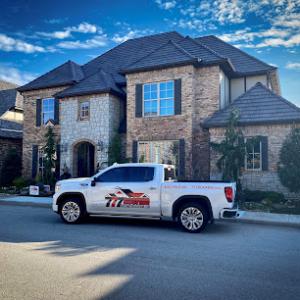
777 Roofing & Construction
(405) 256-5100 www.777roofing.com
1452 N Mustang Rd Suite 107, Mustang, Oklahoma
5.0 from 400 reviews
777 Roofing & Construction, LLC is a family business that is locally owned and operated by Larry & Kim Andrews in the great state of Oklahoma. With over 30 years' experience in the insurance, roofing, and construction industry, we are a quality roofing contractor and construction company specializing in all types of residential and commercial roof repair and replacement throughout the Oklahoma City metro area. 777 Roofing & Construction, LLC has elevated itself within the industry due to our high degree of professionalism, experience, and hands on service, while at the same time maintaining our focus - which is "Impacting Lives, One Roof at a Time."
5Coat Roofing & Construction
721 W SW 89th St, Mustang, Oklahoma
5.0 from 71 reviews
5Coat Roofing & Construction is a locally owned contractor based in Mustang, serving homeowners across the OKC metro. Built on the core values of Integrity, Transparency, and Quality, we specialize in roof repair, replacement, and storm restoration designed for Oklahoma’s extreme weather. As a GAF Certified Plus™ contractor, we offer exclusive enhanced warranties, yet our expertise extends to all major premium roofing brands to ensure the right fit for your home. We prioritize clear communication and honest assessments from the initial inspection to final cleanup. Whether you need a minor repair or a full roof replacement, count on 5Coat for dependable service, professional workmanship, and local accountability.
Robbins Roofing
(405) 376-4466 robbinsroofinginc.com
1201 W State Hwy 152, Mustang, Oklahoma
4.8 from 149 reviews
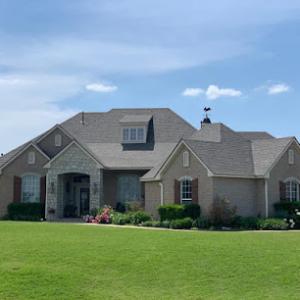
Robbins Roofing is a locally-owned, family-run roofing contractor based in Mustang, Oklahoma, proudly serving home and business owners across the Oklahoma City metro and surrounding communities—including Yukon, Norman, Edmond, Moore and beyond. With decades of experience in residential and commercial roofing, we specialize in roof inspections, repairs, full roof replacements, storm-damage restoration and new roof installations using high-quality shingles, metal roofing systems and premium materials. You can trust us for honest estimates, efficient workmanship and personalized service built on our core values of Integrity, Honesty, Respect and Perseverance. Whether you’re dealing with a leaky roof in Mustang or planning a roof upgrade in Okl
America's Heartland Roofing
(405) 308-0774 americasheartlandroofing.com
405 S Woodland Dr, Mustang, Oklahoma
4.9 from 47 reviews
America’s Heartland Roofing and Construction America’s Heartland Roofing and Construction is a trusted name in roofing companies, serving Mustang and the Oklahoma City metro area for over 8 years. Our expert roofing contractors specialize in residential roofing, including roof installation, residential roof repair, and custom roofing plans. With skilled roofing specialists and roofing installers, we deliver quality craftsmanship and reliable solutions to protect your home. Whether you need storm damage repair or a full roof replacement, your dedicated roof contractors are here to help. Contact us today for top-notch roofing services you can trust!
Tier 1 Contracting
(833) 843-7146 www.tier1gc.com
1201 Highline Ln, Mustang, Oklahoma
4.8 from 26 reviews
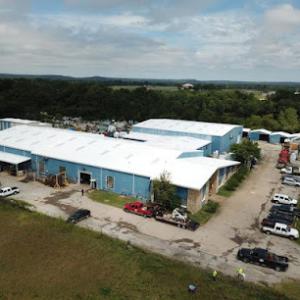
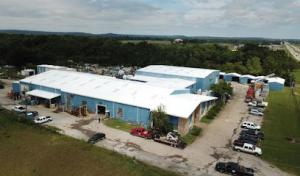
Tier 1 Contracting specializes in commercial and industrial roofing, storm damage assessment, roof restorations, and energy efficient roofing systems. Locally owned and family operated, our company was built on honesty and integrity with a focus on quality workmanship and client relations. We have over 40 years of experience and are licensed and commercially endorsed in Oklahoma, Kansas, Arkansas, Missouri and Texas.
Black Ops Roofing
(405) 514-9772 blackopsroofing.com
5100 Cemetery Rd, Mustang, Oklahoma
5.0 from 11 reviews
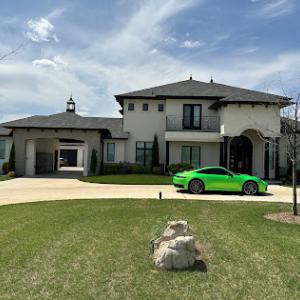
Roofing Contractor that specializes in residential and commercial roofing, gutters, siding, and storm restoration.
Oklahoma Roofing Associates
(405) 464-8680 oklahomaroofingassociates.com
629 N Mustang Rd, Mustang, Oklahoma
5.0 from 11 reviews
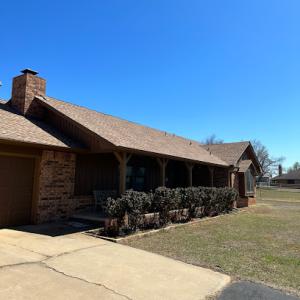
Rooted in more than 14 years of experience, Oklahoma Roofing Associates keeps the exterior of your home or business at its best. We understand the unique challenges of Oklahoma’s sometimes extreme weather conditions, and we’re genuinely privileged to be your year-round solution. Hail damage, wind damage, or just years of wear — we assess the situation, communicate our findings to you, and provide a world-class solution. If we get the green light, you can depend on us to get the job done right the first time.
Allen Bontrager Carpentry - Oklahoma's Roofing & Exterior Specialists
(405) 222-8655 www.abontrager.com
236 Chisholm Trail Way Suite #304, Mustang, Oklahoma
5.0 from 9 reviews
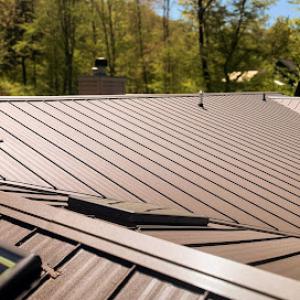
Discover excellence with Allen Bontrager Carpentry, your premier roofing contractor in Minco, Oklahoma. Our specialization spans roofing, siding, carpentry, and construction, including expertise in standing seam metal roofs. With a rich legacy of over 20 years, we deliver top-notch residential and commercial services, featuring quality craftsmanship, complimentary estimates, and courteous customer service. Fully insured, we distinguish ourselves among local construction contractors, ensuring your satisfaction in every project.
Whitney Roofing & Guttering
(405) 229-3551 www.whitneyroofingguttering.com
Serving
5.0 from 124 reviews
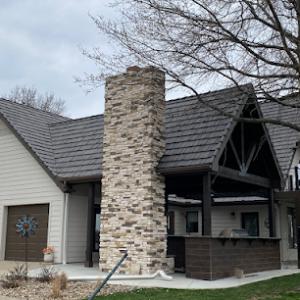
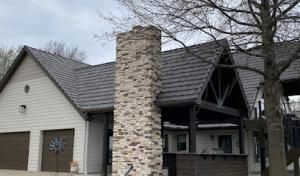
Whitney Roofing and Guttering, LLC’s mission is to be recognized as a leader and preferred provider of roofing services in Oklahoma City and surrounding areas. From the initial call until the job is complete, Whitney Roofing and Guttering's number one objective is our customers and obtaining their 100% satisfaction from start to finish.
Karaco Roofing
(405) 464-1395 karacoroofing.com
Serving
5.0 from 54 reviews
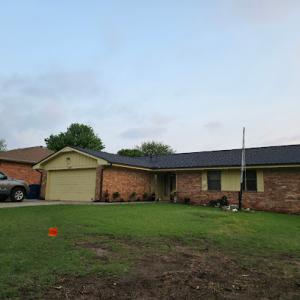
Roofing Contractor. Certified GAF Lifetime Roofing contractor. 5 Star Google rated roofing company. Okc metro lifetime roofing contractor. Yukon roofing contractor. El Reno roofing services. Piedmont roofing services. Mustang roofing services. Roof repair. Roof replacement. Storm damage repair. Hail storm repair. Insurance claims specialist. Insurance roofing estimate. Insurance catastrophe claims specialist.
Lakeside Roofing & Construction
(405) 956-2905 www.lakesideokc.com
Serving
4.8 from 117 reviews
Experience exceptional roofing services with our locally-owned company, proudly serving Mustang, Yukon, Tuttle, Newcastle, Blanchard, Moore, and Norman, Oklahoma. With over 40 years of combined expertise, we specialize in residential and commercial roofing, gutter repair and installation, storm damage repair, and more. Our family-run business has been a trusted name since 2018, offering same-day services and manufacturer warranties for your peace of mind. Whether you need siding, windows, doors, painting, detached garages, decks, or interior remodeling, we've got you covered. Choose quality and reliability—reach out today for your home or business needs!
Super Roofs
(405) 604-8040 superroofsinc.com
Serving
4.9 from 45 reviews
Super Roofs Provides Commercial Roofing, Restoration and Roof Repair Services to the Oklahoma City, OK area.
The central Oklahoma climate that shapes Mustang roofs means hail resistance and summer heat handling sit at the top of the decision tree. When storms roll through, granule loss on asphalt shingles becomes a persistent local concern, especially after repeated hail exposure. The heat of New Jersey-like summers, tempered by Oklahoma sunshine, also stresses colorfastness and solar reflectivity. For a homeowner, the priority is to pick a surface that won't degrade quickly from hail impact and will maintain reflective properties enough to slow heat buildup in attic spaces. In practical terms, that means evaluating impact resistance ratings on shingles and panels, and checking how well colors and coatings hold up under long mid-summer sun.
The dominant materials in Mustang span asphalt shingles, metal, clay tile, concrete tile, wood shakes, and synthetic/composite products, so material choice here is heavily tied to hail resistance and summer heat performance. Asphalt remains common, offering straightforward replacement and proven performance with a broad repair ecosystem. But repeated hail exposure makes impact performance and granule retention a major local concern when comparing replacement options. Metal roofing can shine in hail-prone areas if installed with proper fastening and reinforced seams, yet it responds differently to heat and attic ventilation than shingles. Tile systems-especially clay and concrete-deliver long life and strong impact performance in some cases, but the weight and specialized installation add complexity. Wood shakes bring a distinct look and solid impact resistance when well-maintained, yet they demand more upkeep and can have higher fire-rating considerations in certain homes. Synthetic or composite shingles attempt to blend durability with lower maintenance, but their long-term behavior under severe Oklahoma sun varies by product line.
Because tile and wood systems are present but less common in the contractor signal mix than storm and asphalt work, repair matching can become a hurdle. If the original roof is clay or concrete tile, expect specialty crews and potential breakage risk during removal and replacement. Matching shingles or panels for color and profile is more straightforward with asphalt and many synthetic options, which helps reduce noticeable mismatches after storm work. When choosing a roof type, plan for the likelihood of needing replacement pieces that match the original profile-or at least a close alternative that blends with the neighbor-grade homes. If you anticipate hail-driven replacements after spring storms, discuss with the contractor how they handle granule loss, seam integrity, and fastener corrosion to ensure the system remains water-tight for years in the local climate.
Hail-driven replacements in Mustang often hinge on solid insurance documentation. Gather photos of hail damage, dated video, and a clear ledger of affected areas before work starts. Your contractor should provide a detailed scope of work, including the planned material type, number of squares, and a weather-protected installation plan that minimizes exposure to seasonal storms. Ensure the insurer has a copy of the proof-of-loss and the contractor's anticipated timeline, along with a project sequence that aligns with min-max weather windows. After install, your final inspections should reflect both the finished roof and the accompanying ventilation, attic insulation, and underlayment checks to prevent later issues from heat or moisture.
When you look at quotes after a spring hail crush, you'll see numbers that line up with Mustang's typical ranges. For asphalt shingles, expect roughly 300 to 650 USD per square. Metal roofs range from about 700 to 1200 USD per square. Clay tile targets fall between 900 and 1800 USD per square, concrete tile between 950 and 1700 USD per square, wood shakes from 480 to 900 USD per square, and synthetic or composite shingles from 550 to 1000 USD per square. These ranges reflect the local mix of older suburban homes and newer builds that populate the fast-growing neighborhoods after a storm season. The real story isn't just what product you pick, but how demand after hail drives scheduling and availability in town.
Storm-driven surges in demand push scheduling pressure higher after major hail events. In Mustang, you'll frequently see crews booked weeks out as crews shuttle between storm-damaged homes. That pressure translates into calendar risk: the sooner you decide, the better your chances of locking a trusted crew and avoiding last-minute price bumps for expedited work. If a hail event hits your area, expect some days to be devoted to securing materials, staging equipment, and coordinating with your insurer and contractor. A practical approach is to keep your preferred material type in mind but stay flexible on color and exact profile to reduce lead times without sacrificing your core protection.
Begin with a clear, itemized comparison of material options against your home style and long-term maintenance goals. Use the local price anchors to sanity-check quotes and prevent sticker shock. If you're leaning toward asphalt or synthetic shingles, you'll typically have the quickest path to replacement, while tiles and metal demand a longer lead time and stricter on-site logistics. For any option, build a two-part budget: material costs plus the inevitable contingency for scheduling shifts and temporary protective measures in case the weather turns before work is complete. In Mustang, a well-documented plan that aligns material choice with the anticipated timing after a hail event can save headaches when crews are in high demand.
Asphalt shingles provide the most budget-friendly entry and fastest install in busy windows. Metal roofing offers durable performance with higher upfront costs but strong resale value. Clay and concrete tiles bring distinctive looks and long lifespans but carry the heaviest weight and slower installation. Wood shakes deliver a rustic aesthetic with moderate cost and maintenance considerations. Synthetic or composite shingles blend a balance of price, weight, and ease of install that can fit many storm-repaired homes. In Mustang, expect the local surge in demand to influence scheduling more than base material pricing alone, so plan with a cushion for time and protection if spring storms have already unsettled roofs.
Get a clear picture of your project costs upfront - no commitment required.
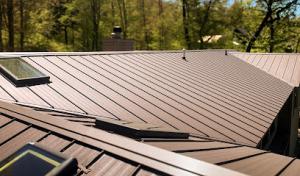
Allen Bontrager Carpentry - Oklahoma's Roofing & Exterior Specialists
(405) 222-8655 www.abontrager.com
236 Chisholm Trail Way Suite #304, Mustang, Oklahoma
5.0 from 9 reviews
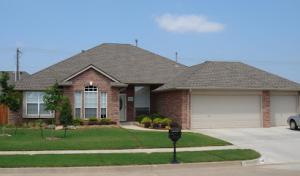
A full roof replacement in Mustang typically requires a building permit before work begins. The local building department expects a clear plan and permit in hand prior to any hammer swinging. In practice, this means coordinating with your contractor to submit the necessary drawings and specifications, then waiting for approval. The standard turnaround tends to run about 1 to 2 weeks, depending on workload and any back-and-forth questions from the plan reviewers. Expect that peak after-spring activity can stretch that timeline, so factoring a small cushion into your project schedule helps keep replacement on track.
Before the first nail is driven, plan review focuses on more than just the roof replacement. Review typically covers decking integrity, flashing transitions around chimneys and vents, underlayment choices, and fastening methods chosen for the new covering. In Mustang, where hail-driven damage is common after spring storms, the reviewers look for documentation that confirms a wind- and impact-resistant approach appropriate for Central Oklahoma exposure. Your contractor should align the proposed materials and installation details with local code expectations and the specific roof layout on your home. Clear, complete submittals help avoid delays and keep the project moving smoothly through the permit process.
Once the roof is installed, the Mustang inspections verify that the decking is sound, underlayment is properly laid, flashing at penetrations is correctly installed, and fasteners meet the required standards. The aim is to ensure the replacement stands up to local weather patterns and that all components are secured per code and wind zone requirements. Inspections are not a mere formality; they confirm that the installation is compliant and that the finish will perform as intended under spring hail and Oklahoma winds. If any item fails to meet specifications, a clear reinspection plan will be needed to close out the project.
Keep a copy of the permit and plan review feedback handy during the replacement. Communicate with the contractor about any changes in material or method that could affect compliance. Schedule work to minimize the risk of weather interruptions, knowing that Mustang springs bring sudden wind and hail risk. After the crew completes the installation, coordinate with the inspector to arrange the final walkthrough promptly. Understanding that inspections focus on decking, underlayment, flashing, and fastening helps set expectations and reduces the chance of call-backs. Clear documentation and proactive communication with the permitting office and contractor create a smoother path from permit issuance to final approval.
Central Oklahoma's frequent hail and wind losses create a high-claim insurance environment that directly affects Mustang roofing decisions. After spring storms, many homes face rapid wear and potential hail damage that triggers a surge in claims. The local pattern means insurers are vigilant about the integrity of the roof before and after replacement, and choices made now can influence future coverage. This is not a generic scenario; the blend of rapid new housing alongside older, adapting neighborhoods means carriers watch for both visible damage and underlying roof age. Understanding this dynamic helps you approach a replacement with realism about how adjusters may review the work.
Insurers in this market often require thorough pre-installation and post-installation documentation, making photo records and scope details especially important for Mustang homeowners. Before any work begins, capture clear shots of every elevation, including flashings, penetrations, and edge details. Note the roof's age, previous repairs, and any lingering hail scars. After installation, assemble a complete dossier: product specs, underlayment type, ice and water shield placement, and an itemized scope that matches the final install. When hurricane-season-like storms visit in spring, adjusters will compare pre- and post-storm conditions against the completed roof, so a meticulous, chronological photo trail can keep the claim on track and help prevent gaps that could stall final inspection or payment.
Some carriers have tightened coverage on older roofs or certain higher-risk roof types in this region, so replacement timing in Mustang can be influenced by policy renewal terms as much as by visible wear. If a renewal is imminent and the roof shows age or moderate damage, expect insurers to scrutinize whether replacement is more prudent than repair. The consequence is that decisions about when to replace aren't only about the immediate hail event; they hinge on how the policy year aligns with risk assessments, aging material, and the forecast of future storms. Being prepared with solid documentation and a clear plan helps navigate those renewal-driven expectations without surprises.
Connect with contractors who help homeowners navigate the claims process from damage assessment to final approval.
777 Roofing & Construction
(405) 256-5100 www.777roofing.com
1452 N Mustang Rd Suite 107, Mustang, Oklahoma
5.0 from 400 reviews
5Coat Roofing & Construction
721 W SW 89th St, Mustang, Oklahoma
5.0 from 71 reviews
Chance Roofing Solutions
(405) 408-0557 www.chanceroofingsolutions.com
647 W Perry Dr, Mustang, Oklahoma
5.0 from 40 reviews
Mustang's severe weather pattern means leak response often starts with temporary dry-in after hail, wind, or wind-driven rain rather than immediate full replacement. Heavy rainfall during storm season can turn small impact damage into interior water intrusion quickly, especially when replacement demand is already backed up across the area. Acknowledge the pressure: tarping and fast response become a local specialty signal you recognize in neighbors and contractors alike.
When a leak appears, act fast to protect valuables and living space. Place tarps over obvious entry points, secure loose shingles or edging, and move furniture away from damp walls. If you notice water dripping from ceilings, place a bucket and create a dry path to vent rooms while you arrange temporary containment. Document the scene with photos, including weather conditions and any hail or wind marks on the roof, to speed up insurance conversations.
Temporary dry-ins rely on rapid, controlled closure of the most vulnerable areas. Focus on securing attic access, sealing exposed penetrations, and reinforcing around chimney, vent stacks, and skylights. Avoid delaying while waiting for adjusters; a properly applied tarp and swift cover can buy critical days in Mustang's spring window, reducing interior damage until a full replacement is possible.
Emergency repair is a strong local specialty signal, reflecting how often homeowners here need tarping and fast response while awaiting adjusters, weather windows, or a suitable day to proceed. Coordinate with a trusted contractor who understands the neighborhood's wind-driven patterns and can communicate timelines clearly to avoid backlogs during peak storm season.
When you can't wait, these contractors offer fast response times to stop leaks and prevent further damage.
Chance Roofing Solutions
(405) 408-0557 www.chanceroofingsolutions.com
647 W Perry Dr, Mustang, Oklahoma
5.0 from 40 reviews
America's Heartland Roofing
(405) 308-0774 americasheartlandroofing.com
405 S Woodland Dr, Mustang, Oklahoma
4.9 from 47 reviews
Whitney Roofing & Guttering
(405) 229-3551 www.whitneyroofingguttering.com
Serving
5.0 from 124 reviews
Flat-roof work shows up in the Mustang market, but not as the default route for most homes. It matters mainly for select properties, additions, porches, and commercial roofs rather than as the standard replacement. If your project includes a flat segment, expect more precision around edge detailing, waterproofing membranes, and drainage transitions. The risk is not just a single leak, but a stubborn, seasonal pattern that can reappear after heavy Oklahoma hail and wind. Plan for a careful interface between flat sections and any adjoining shingle or tile systems, especially where parapets meet roof fields.
Skylight repair is a recognized secondary specialty locally, and that tells you something about where leaks tend to start after a storm. Skylights and other penetrations are common weak points once the wind shear and hail do their work. After a severe weather event, inspect every penetrant, boot, and curb edge with extra scrutiny. A robust seal around these features is not a luxury-it's a practical safeguard against recurrent leaks that can follow high-velocity gusts. Expect that repairs here will influence overall performance more than many homeowners anticipate.
Because inspections emphasize flashing and underlayment after a replacement, detail work around transitions carries more local importance than a simple shingle-only view would suggest. Look closely at where a roof meets walls, chimneys, vents, and skylights. The better the corner work-drip edges, kickouts, counterflashing-the more you reduce the chance of wind-driven water intrusion. In Mustang, you'll rarely escape the need for meticulous surface prep and accurate flashing during every roof refresh, not just during a full-tilt reframe of the roof deck.
Find specialists in TPO, EPDM, and built-up flat roofing systems for residential and commercial properties.
Tier 1 Contracting
(833) 843-7146 www.tier1gc.com
1201 Highline Ln, Mustang, Oklahoma
4.8 from 26 reviews