
Last updated: Apr 19, 2026
Spring storms in this part of north-central Oklahoma bring a persistent mix of hail and high winds that redefine how roofs are used and when replacements happen. In Ponca City, a roof commonly endures repeated hit-or-miss hail events that leave shallow dents, bruising, and unseen shingle damage, especially on southern and western exposures. Wind-driven impacts can peel edges, loosen fasteners, and push moisture under flashing where it sits near peak angles and attic joints. For a homeowner, this means a roof that might appear sound under casual inspection can carry hidden wear that escalates after the season's strongest gusts. Because a storm sequence often drives replacement demand, the timing you choose matters as much as the damage itself. Be prepared to act quickly after a severe event, but with a careful eye toward roof age, overall condition, and the insurer's assessment timeline.
Insurance decisions in Ponca City commonly hinge on showable storm damage rather than age alone. After major spring events, carriers scrutinize the roof for hail impact patterns, lifted granules, and wind-induced boundary failures. A clean slate of patches or patches plus mismatched surface texture may prompt a full replacement rather than a small repair. If the claim is approved, the scope of work is often shaped by the adjuster's notes about the roof's pre-loss condition and its documented health prior to the storm. The insurance-driven pathway can feel urgent because delays risk claim denial or reduced coverage, yet rushing into a replacement without a solid, inspected baseline can invite over- or under-scoping. Your best position is a detailed, early assessment that translates clearly into the claim language your insurer expects.
After a significant Oklahoma storm, the carrier's appetite for proof is high. Photo-heavy documentation helps you tell the story of what happened and when. Start with a high-resolution, timestamped photo series from multiple angles: close-ups of hail strikes on shingles, exposed underlayment when visible, and any attic moisture or staining evident through ceilings. Keep notes on the roof's age, previous repairs, and any pre-loss conditions that could influence the scope. Document gutters, vent flashing, and chimney lines where damage commonly travels. If you work with an insurer-approved contractor, coordinate a mutual list of observed issues before any removal begins. A well-organized packet of evidence reduces back-and-forth with adjusters and speeds the path toward a clear, supported scope.
The spring storm calendar in Ponca City is a loop: hail, wind, inspection, claim, approval, and replacement, sometimes compressed into weeks. The moment a storm passes, plan a prompt roof inspection by a qualified professional who is familiar with hail patterns in this area. Actively track weather advisories and insurer deadlines, staying in touch with your adjuster about any new findings or changes in the roof's condition. If you receive a denial or a reduced settlement, you'll want a second opinion that references the same documented evidence and a clear narrative about pre-loss condition. Coordination between your roofer, your insurer, and you personally should emphasize a conservative, well-documented approach rather than a rushed retrofit that might not fully address hidden damage. In Ponca City, the season doesn't wait, and preparedness paired with precise documentation can determine whether a roof replacement restores long-term protection or leaves gaps that invite future harm.
Ponca City's weather swings create tight timing for a full roof replacement. The ideal window is narrow: you want dry days with moderate temperatures, ideally avoiding the hottest stretch of summer and the coldest days of winter. Spring storms bring both hail risk and the likelihood of rain delays, while early fall can offer cooler, drier conditions that help crews finish before the next round of cold snaps. Plan on targeting a window when a string of dry, sunny days is forecast for at least a week, with lower rainfall chances than typical spring fronts. If a severe storm arrives, expect a temporary pause in tear-off and installation while the roof is assessed and secured.
Spring fronts can bring heavy rain and gusty winds that interrupt tear-off schedules, forcing crews to pause and tarps to be rearranged. When a front stalls and rain lingers, underlayment needs a dry surface to lay smoothly, and flashing work benefits from stable temperatures. Summer heat can slow productivity as asphalt shingles lose flexibility and heat rafters and scaffolding. Heat also increases the risk of worker fatigue, so early starts become practical. In winter, freeze-thaw cycles complicate underlayment and flashing work, and prolonged cold can delay adhesive and sealant cures. These patterns mean you may not get back-to-back dry days, so a well-planned, steady pace beats rushing to finish in a single hot afternoon or a cold week.
Start by aligning the project with a forecast that promises a solid 5-7 day stretch of dry weather. If a storm system is forecast near the replacement window, consider delaying or protecting the job until a clearer stretch arrives. When scheduling, set a hard plan for a clean tear-off early in the week, followed by a staged installation that can wrap up before a heat wave or a cold snap hits. Communicate clearly with the roofing crew about a preferred arrival time that avoids the peak heat of the day, and ensure adequate shade and hydration for workers during hot spells. Have a contingency plan for rain: tarps, edge protection, and a safe place to store materials reduce the risk of moisture-related damage or delays.
Local homes vary from modest ranches to two-story builds, often with existing venting and attic access that influences how the roof is torn down and rebuilt. In hot months, plan to keep shingles and underlayment out of direct sun as much as possible, and bring a covered workspace to prevent heat damage to sensitive materials. In cooler periods, verify that sealants and mastic are kept at workable temperatures to ensure proper adhesion. For wind-prone days, secure all loose materials and debris to prevent shingle roll-ups or project setbacks. The goal is a steady workflow that respects Ponca City's climate realities while maintaining quality-neither rushing through heat nor stalling in intermittent spring showers.
Asphalt shingles remain the dominant local choice because they fit the typical residential roof profiles across Ponca City. However, during spring storm season they bear the full brunt of hail bruising, granule loss, and wind-lift. If you already have asphalt, you'll want to pay attention to edge protection, overhangs, and attic ventilation that affect how the shingle layer behaves after a storm. In areas with frequent hail, a close inspection plan after every significant storm helps catch bruising early, when resealing or patching is still practical. When considering replacement, you'll often find modern asphalt options that emphasize impact resistance and improved granule retention, which can help reduce visible signs of damage after the next hail event.
Metal roofing is common locally because homeowners in hail-prone Oklahoma often weigh impact resistance and long-term durability against higher upfront cost. A metal roof tends to shed hail better than many other types and can resist wind uplift more effectively, which matters when strong spring gusts roll through. The trade-off is the initial investment and the need to ensure proper underlayment and fastener choices for freeze-thaw cycles. If your home already features a lower-slope or more exposed bank of eaves, metal can also help with snow and rain shedding, reducing the likelihood of standing water that exacerbates storm-related wear. A careful assessment of attic ventilation and roof-to-wall connections will pay dividends when choosing a metal system.
Clay tile and concrete tile bring a distinctive look and strong durability challenges in this climate. They are heavier systems, so their installation must be matched to the roof structure and local freeze-thaw patterns. After hail events, tiles can crack or spall, and the surrounding underlayment needs thorough evaluation to prevent leaks. Wood shakes offer aesthetic appeal but can be more vulnerable to hail damage and weathering if not properly maintained; they require regular inspection and potential refinishing to keep the fibers strong through seasonal cycles. Synthetic and composite shingles attempt to combine flexibility with impact resistance and easier repair, but long-term performance depends on product quality and how well the system is integrated with flashing and ventilation. For any of these options, the heavier or more brittle materials demand careful evaluation after hail and during freeze-thaw cycles to avoid costly surprises.
In storm-prone neighborhoods, the best choice balances material behavior under hail, wind, and freeze-thaw stress with the existing roof structure. Consider how fast a roof can shed water after a heavy rain front and how well the system resists wind uplift from sudden gusts. Look for products with proven impact resistance ratings, compatible underlayment, and a robust installation approach that minimizes loose seams or nail pops. Beyond material strength, the success of any roof in spring hail season hinges on proper attic ventilation, adequate attic insulation, and a well-sealed roof-to-wall interface to reduce the chance of water intrusion after a hail event.
For asphalt shingles, expect a per-square cost in the 350 to 700 USD range. Metal roofing lands between 700 and 1500 per square. Clay tile sits between 900 and 1800 per square, while concrete tile runs 800 to 1700 per square. If wood shingles or shakes are chosen, pricing generally falls from 600 to 1100 per square. Synthetic or composite shingles come in around 450 to 850 per square. These ranges reflect typical installations on common Ponca City homes and take into account the mix of old stock in neighborhoods along with newer, upgrade-focused projects. When you're budgeting, the "per square" metric equals 100 square feet, which is a standard unit insurers and installers quote, so translation is straightforward if you're converting from the square footage you already have.
Storm-driven surges in demand after hail events can push scheduling pressure and labor pricing higher than in calmer periods. In Ponca City, severe spring storms tend to tighten contractor calendars quickly. That pressure can translate to longer wait times for evaluation, expedited material orders, and, in some cases, higher labor quotes to cover surge demand. If your roof shows obvious hail damage or wear after a storm, you'll likely benefit from getting on a contractor's radar early in the season, even if you're not yet sure about the final material choice.
Choosing material isn't only about the sticker price. Asphalt is cheapest upfront, but metal, clay tile, and concrete tile each offer distinct durability profiles that matter in wind-prone, hail-prone environments. In Ponca City, where wind and hail can be persistent, metal and certain tile options may reduce long-term maintenance costs even if their initial per-square price is higher. Wood shingles, while charming, can be more vulnerable to weathering unless properly maintained. Synthetic or composite shingles often balance cost and durability, appealing to homes that need a mid-range option with decent hail resistance.
Costs can also shift based on whether the project is a simple replacement or an insurance-related rebuild requiring more documentation, inspection coordination, and replacement of storm-damaged accessories. Insurance-driven rebuilds tend to extend the timeline and add complexity, so you'll want to align your project with the insurer's confirmation windows and have a clear record of damaged components. Expect extra time and potential permit coordination included in the process, with the overall cost reflecting the additional labor for verifying damage, matching shingles, and replacing ancillary components like vents and flashings.
Start with your preferred material and get at least three quotes that itemize asphalt, metal, tile, and any underlayment or flashing upgrades. Ask contractors to show a sample color and a brief durability note relevant to Ponca City's hail and wind exposure. If you're pursuing an insurance route, request a documented scope of work and a materials list to compare against the insurer's wind and hail coverage language. Finally, map your calendar to the spring storm window so you're not caught waiting weeks during peak demand.

Greenwell Roofing
(580) 765-9570 www.greenwellroofing.com
803 N Union St, Ponca City, Oklahoma
4.8 from 28 reviews
Commercial and residential roofing. Decks, carports, awnings, kitchen remodel, bathroom remodel , plank vinyl, additions, painting, siding, and much more. *********************************************
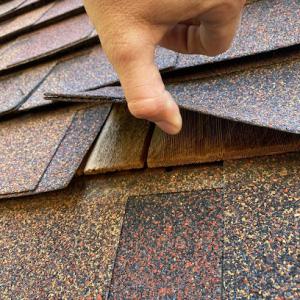
Anytime Roofing
(580) 304-1940 anytimehomeinc.com
601 E Hartford Ave #607, Ponca City, Oklahoma
5.0 from 16 reviews
Whether it is large project storm damage replacement or small maintenance and repair details, Anytime Roofing serves Oklahoma state-wide in taking care of these facilities. In Ponca City we're local and ready to serve you. Give us a call!

American Roofing & Construction
(888) 762-7702 americanroofingok.com
735 N Union St, Ponca City, Oklahoma
3.6 from 18 reviews
American Roofing & Construction, LLC is a family owned business dedicated to providing top-quality commercial roofing services across Oklahoma.
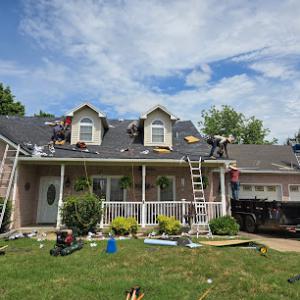
McCallick roofing
(580) 491-2976 cachemac.wixstudio.com
334 S Palm St, Ponca City, Oklahoma
4.2 from 5 reviews
Family-owned roofing company serving Ponca City for over 50 years, skilled in every trick of the trade and ready to serve you today!
HRI Roofing
(580) 789-2742 www.hriroofing.com
3006 Turner St, Ponca City, Oklahoma
2.0 from 1 review
HRI Roofing, based in Ponca City, Oklahoma, specializes in providing top-quality roofing solutions. They offer a range of services including residential and commercial roofing, roof repair, and custom building projects. Known for their commitment to excellence and treating clients like family, HRI Roofing prides itself on its professional team and superior project outcomes. The company also assists with insurance processes for roofing projects, ensuring a smooth and efficient experience for their customers.
In this community, the process around roofing work follows the city's permit and inspection system rather than treating reroofing as simple maintenance. A typical reroof project is guided by a permit requirement that helps ensure the new roof is installed to code and can withstand the spring hail and wind that define Ponca City's weather pattern. The practical effect is that timelines, contractor coordination, and material choices often hinge on obtaining and approving a permit package before the first nail goes in.
Ponca City generally requires a roofing permit for full roof replacements. The City Building Department handles the intake, plan review, and inspection scheduling for roofing work. Start by confirming that your contractor has submitted the plan and the necessary details, including roof dimensions, venting considerations, and underlayment type. If the project involves any structural work or changes to existing penetrations, expect a slightly longer review window. Be prepared to respond quickly to any requests for additional information, so the schedule doesn't slip into severe spring weather windows.
A rough inspection is common, often occurring during tear-off or early installation. This check looks at the deck condition, ventilation, underlayment, and fastener patterns before the new roofing layers are finalized. A final inspection follows completion, confirming that all components meet code, that sealants and flashing are correctly installed, and that penetrations are properly flashed. Scheduling the inspections through the Building Department keeps the project moving; missing an inspection can pause work and complicate coordination with insurers and contractors.
Coordinate with your contractor to align the permit timing with the anticipated storm and insurer review cycles in spring. Keep all receipts and a concise record of changes in case the inspector asks for documentation. If a rough inspection flags a concern, address it promptly to avoid last-minute delays before the final inspection.
Oklahoma is a high hail-and-wind claim environment, so homeowners in this market should expect more documentation than in low-claim regions. When storms sweep through the north-central corridor, insurers tend to scrutinize roof age and current condition more closely. This isn't about alarmism, it's about being prepared so a claim or renewal doesn't get hung up on vague impressions of damage. Strong documentation can clearly show which areas were impacted and how a roof responded to last year's severe spring weather.
Carriers serving this market may adjust coverage options after major hail events, making roof age and condition especially important at renewal time. If a roof has slicked-off granules, lifted shingles, or new patches, those details matter when an underwriter reviews the file. Renewal decisions can hinge on whether the roof has reached a point where a full replacement might become more likely than a repair, or whether additional wind-load considerations are warranted. Being proactive about documenting existing conditions can influence the trajectory of a renewal.
Homeowners should keep date-stamped photos, prior repair records, and notes on visible storm impacts because insurers commonly ask for condition evidence before and after loss. Store the originals in a weather-protected location and back them up digitally with clear file names. When a storm strikes, create a simple log: the date, the weather event, areas affected, and any temporary weatherproofing steps taken. If a contractor performs work, request before-and-after notes and keep receipts and warranties organized.
Take wide-angle exterior shots that show the roof's overall condition and close-ups of hail-damaged sections. Include photos of gutters, fascia, vent pipes, and any skylights. Use a recognizable reference point for scale, and timestamp each image. Keep a running folder of images from each season so there is a clear before-and-after narrative for insurer review. This disciplined approach reduces ambiguity when a claim or renewal is considered.
In Ponca City, the most locally relevant failure pattern comes from spring storms. Hail can leave hundreds of tiny dents or obvious impact points that weaken shingles and underlayment over time. Wind lifts shingles, especially along edges and ridges, creating gaps that invite moisture intrusion during the next rain. When a storm pushes through, the immediate concern is water finding its way under the protective layers, potentially causing hidden rot in sheathing or attic insulation. The consequence is not always visible at first glance, but repeated hits increase the likelihood of leaks and accelerated material deterioration. You should inspect after every significant hail or wind event and watch for discoloration, curled edges, or soft spots along eaves and flashing lines.
Winters in this market reinforce existing weak points exposed by previous storm damage. Freezing and thawing can push water into small gaps around penetrations, flashing, and fasteners. As ice forms and expands, it can pry apart seals that were already stressed by hail or wind. The consequence is a cascade: compromised flashing invites more moisture, which can then undermine underlayment and sheathing. If you notice basement or attic condensation after a thaw, or see new staining that follows a freeze-thaw period, the underlying issue is often a staging of small failures that escalated from a single storm event.
Many homeowners mistake cosmetic hail marks for true damage. In practice, a dented appearance on shingles may mask lifted tabs, compromised seals, or damaged granules that reduce UV protection. The distinction affects both repair strategy and claim outcome, because cosmetic work without addressing flashing, underlayment, or primary seals can lead to recurring leaks. In Ponca City, a careful assessment after a hail event should separate superficial marks from areas where lifting, tearing, or moisture entry is evident. If uncertainty remains, assume functional damage and pursue a thorough evaluation rather than a quick patch.