
Last updated: Apr 19, 2026
In this town, the long Willamette Valley rains don't take weekends off, and that matters for a full tear-off reroof. When the wet season stretches from fall into spring, dry windows become precious and scarce. If you try to stack a complete tear-off during a string of wet days, you're courting moisture intrusion, compromised underlayment, and a cascade of knock-on issues that can derail the project and extend the exposure of the roof deck. The clock on a reroof runs differently here: every dry spell is a hard-won window that needs to be booked and used. Delaying until spring often means fighting more frequent rain events, higher humidity, and the potential for wind-driven leaks that can reach into attic spaces or ceiling lines before a crew can finish.
Spring and early summer in this climate can still bring wind and showers, so homeowners often face schedule shifts even outside winter. The practical takeaway is simple: plan your tear-off for a stretch of consecutive dry days, ideally with a forecast for low rainfall and moderate wind. If a forecast promises 3-5 days without substantial rain, treat that as a green light to lock in the crew and push through the removal and reinstall before the next system moves in. In neighborhoods shaded by trees, where moss thrives, the dry spell must be even longer to ensure the roof deck is not damp or porous when new underlayment goes down. Short gaps between storms invite moisture intrusion that can compromise flashing, drip edges, and ventilation intakes-exactly the details inspectors and installers scrutinize most during full reroofs.
Moisture exposure during Salem reroofs matters because the local permit and inspection process emphasizes underlayment and flashing performance. Even a single rainy day during tear-off can saturate sheathing and compromise sealant bonds on flashing termination points. If underlayment sits damp for more than a day, you risk curl, blistering, or mold growth beneath the new surface. That is not merely cosmetic: it's a structural and longevity concern that translates into higher likelihood of leaks once rain returns. A tightly scheduled dry window reduces the chance of re-wetting critical components, keeps the vented roof system healthy, and smooths the path to a clean inspection outcome.
Talk with your contractor about a contingency plan that prioritizes a continuous tear-off-and-install sequence during a dry period of at least several days. If a storm system threatens, have a plan to temporarily tarp vulnerable areas and protectInterior attic spaces, while the roof deck is prepped and the underlayment is stationed for rapid deployment. Coordinate with family calendars and busy seasons-fall, school transitions, and busy work travel-to avoid last-minute pullouts that widen the exposure window. Ask about staggered crews who can begin with roof removal in safer weather segments and push through the reinstallation as soon as conditions permit, rather than letting a project stall mid-progress.
As winter weather eases, keep a close eye on forecast trends for two weeks ahead. If you see a sustained stretch of dry days with minimal wind, prioritize finalizing details: flashing corners, vent penetrations, valley protection, and drip-edge connections. A well-executed sequence during Salem's dry windows not only minimizes moisture risk but also aligns with the judgment of inspectors who scrutinize the performance of underlayment and flashing after extensive exposure to wet weather. The goal is a completed, weather-tight roof before the next typical fall downpour begins, so plan decisively and act quickly when the forecast cooperates.
In Salem's Willamette Valley climate, prolonged damp periods increase moss and algae pressure on shaded roof slopes. Moss thrives where eaves, trees, and north-facing pitches keep the surface cooler and damper longer. When you notice green film or dark staining persisting after a rain, plan ahead for a roof refresh that focuses on underlayment and proper mechanical ventilation to keep the deck dry. On moss-prone sections, consider a thorough cleaning and a upgrade to a more durable underlayment or a coating that discourages regrowth. Keep attic vents clear and balanced so moisture does not condense on the underside of the decking during those damp stretches.
Repeated winter rainfall in this area makes flashing transitions, valleys, and roof penetrations common leak concern areas for homeowners. Valleys collect runoff from multiple slopes and are highly susceptible to ice dams when temperatures swing. Flashing at chimneys, vents, and skylights can deteriorate under persistent wet cycles, allowing slow seepage that weakens sheathing over time. If a leak shows up around a chimney or vent during a cold rain, inspect the flashing gaps and seal with appropriate metal flashings and sealants designed for long-term outdoor exposure. Regular checks after heavy rainstorms help catch tiny leaks before they spread.
Contractor demand for emergency leak response is notably active in Salem, reflecting how quickly small water-entry issues become urgent during the rainy season. If a drip appears during a storm, prepare for a rapid assessment window-often a few days-to prevent widespread mold growth or decking rot. Maintain a list of trusted local roofers who can respond promptly, and keep temporary measures on hand, such as tarps or plastic sheeting, to bridge the time between discovery and repair. Document the location of any active leaks with photos, so a contractor can prioritize the fix and bring the right flashing components and sealants to the site.
Timing matters for reroofing projects when the forecast shows a longer dry spell. Schedule by aiming for several consecutive dry days to complete underlayment and flashing installations without water intrusion. If a full reroof is unavoidable in late fall, prepare the site to keep decking dry and protect interior spaces with tarps and nails-only scaffold anchors. Prioritize ventilation considerations during install-adequate soffit and ridge venting reduce condensation risk, especially on shaded, moss-prone slopes. Confirm that the chosen underlayment, flashing, and drip edge are compatible with the local climate's moisture load and with the roof's pitch to minimize future seepage.
Post-storm inspections should focus on valleys, flashing connections, and protrusions where water tends to gather or seep. In shaded areas, schedule semiannual moss management and consider a preventive treatment plan that does not rely solely on physical removal. Keep gutters clear so runoff flows freely and does not back up into eaves or fascia. A well-timed refresh that addresses moisture pathways now reduces the chance of accelerated deterioration during the next wet season.
When you can't wait, these contractors offer fast response times to stop leaks and prevent further damage.
A&L Roofing
(503) 371-0179 www.alroofingsalem.com
4692 Lancaster Dr NE, Salem, Oregon
5.0 from 166 reviews
Dakota Roofing & Construction
(503) 394-2615 www.dakotaroofingnw.com
1191 Capitol St NE, Salem, Oregon
5.0 from 151 reviews
Recommendable Roofing
(503) 400-0510 www.recommendableroofing.com
4742 Liberty Rd S, Salem, Oregon
5.0 from 61 reviews
Asphalt shingles are a dominant choice in this market because they fit the large re-roofing volume and moderate cost expectations found across many neighborhoods. In practice, this material pairs well with the region's varied home styles, from traditional front-porch bungalows to more contemporary structures. When you're planning a reroof, asphalt shingles provide reliable performance in wet springs and damp falls, and they're relatively forgiving if a roof needs partial upgrades for ventilation or underlayment. If a roof is being replaced after long-term exposure, the asphalt option allows you to address binding issues such as flashing details, ridge vent alignment, and attic ventilation without a steep learning curve. For many homeowners, asphalt shingles strike a balanced balance between ease of installation and long-term roof life, making them a practical default in a climate that sees steady moisture.
Metal roofs offer a distinct advantage when the goal is long-term wet-weather resilience and minimal maintenance in a climate that leans toward frequent moisture. In this market, metal can be a meaningful segment for homeowners who intend to stay in a home for decades or who anticipate heavy moss-prone conditions in shaded areas. Metal panels shed moisture quickly, resist deformations, and tolerate incidental hail or wind events with less risk of cracks compared to some other materials. A metal roof also tends to pair well with modern or mid-century homes that have clean lines or industrial accents, but it remains flexible enough to fit traditional siding if the substrate and fascia are prepared properly. If moisture management and a longer service life are priority considerations, metal becomes a compelling option worthy of evaluation alongside asphalt.
Clay tile and concrete tile appear in Salem's market with strong presence on homes that feature Mediterranean-inspired lines, terracotta accents, or heavier rafter tails. Clay tile offers aesthetic appeal and a long service life in dry periods, but its weight and insulation characteristics require careful structural assessment before installation. Concrete tile brings similar benefits with a broader range of textures and profiles, and it sometimes offers a lighter footprint with compatible roof decks. Wood shakes and shingles remain a recognizable choice for craftsman and bungalow styles where a textured, natural look is desired, yet they demand regular maintenance in moss-prone, shaded areas to prevent moisture retention and rot. Synthetic or composite roofs appear across a spectrum of homeowners who want low maintenance while preserving visual variety; these options can mimic the appearance of wood, slate, or tile without the same upkeep demands. The best material choice often hinges on matching the home's existing style and ensuring the structure can support the roof's weight and ventilation needs, rather than chasing a single default standard in this market.
In Salem, material pricing varies by type but tends to follow a clear pattern. Asphalt shingles sit in the core range of about $350 to $650 per square. Metal roofing typically starts higher, around $600 to $1,100 per square, reflecting its durability and longer service life. Clay and concrete tiles push the price up, with clay tiles commonly in the $900 to $1,700 per square range and concrete tiles in roughly $850 to $1,500 per square. Wood shingles or shakes are usually in the $650 to $1,100 per square band, while synthetic or composite shingles sit around $480 to $900 per square. These numbers reflect typical Salem projects with standard underlayment, flashing, and ventilation. If a roof is particularly long, steep, or uses premium profiles, costs can tilt toward the higher end of these ranges.
The wet season in the Willamette Valley creates a practical constraint for reroofs. When the typical dry-weather window compresses due to heavy fall rains and persistent winter storms, crews book up, and that demand can push prices higher. If your project timing overlaps peak demand periods, you may see both higher material handling fees and tighter scheduling, which translates to longer project timelines and, in some cases, expedited labor costs to meet a tight window. Planning for a July-to-September slot can help avoid spillover into the wet season, but that window itself can be busy, so early coordination with a local contractor helps lock in a more favorable rate. In short, Salem costs can rise when wet-season scheduling compresses dry-weather demand and crews are booked around the city's preferred summer reroof window.
A roof with complex geometry-multiple valleys, dormers, or unusual pitch-tends to raise both material waste and labor time. Each added plane or intersecting feature requires careful detailing of underlayment and flashing, which costs more in both materials and labor. Attic ventilation plans also influence cost: tighter, more elaborate venting schemes can demand additional components and precise installation to keep attic moisture and condensation in check. In Salem, where moss and shading can intensify moisture concerns, these details aren't optional-they're a practical investment in long-term performance. Expect higher project costs for complex shapes and enhanced ventilation compared to straightforward gable roofs.

A&L Roofing
(503) 371-0179 www.alroofingsalem.com
4692 Lancaster Dr NE, Salem, Oregon
5.0 from 166 reviews
A&L Roofing - Servicing Salem, Keizer, and all of the Willamette Valley. Call to schedule a new roof estimate today.
Dakota Roofing & Construction
(503) 394-2615 www.dakotaroofingnw.com
1191 Capitol St NE, Salem, Oregon
5.0 from 151 reviews
Established in 1994, Dakota is your local, state-licensed, and insured contractor, offering a wide range of exceptional residential and commercial construction services in Salem, OR. From full roof replacements and repairs to professional gutter and siding installation, we have you covered. We're the contractor you can trust to keep your home or business protected. Contact us today for a free estimate! Dakota - Covering What Matters Most OR CCB: 209048 WA CCB: DAKOTCS843J1
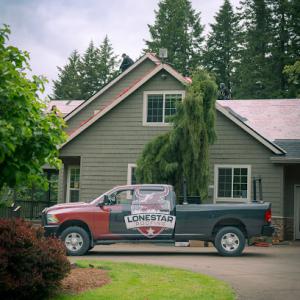
Lonestar Roofing & Exteriors
(971) 453-3401 www.lonestarroofing-or.com
4910 Turner Rd SE STE 500, Salem, Oregon
5.0 from 64 reviews
Lonestar Roofing & Exteriors is one of the best roofing companies in Salem, Oregon providing full roof replacements, roof repair, metal roofing and commercial roofing. We are OR Roofing contractors dedicated to serve our community with the highest level of integrity and customer service. Lonestar, roofers you can trust!
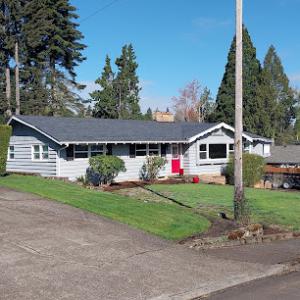
Recommendable Roofing
(503) 400-0510 www.recommendableroofing.com
4742 Liberty Rd S, Salem, Oregon
5.0 from 61 reviews
Willamette Valley roofing contractor. We do new construction, residential, replacements, repairs, moss removal, and we also do flat roofs.
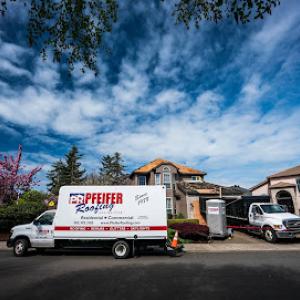
Pfeifer Roofing
(503) 393-3185 www.pfeiferroofing.com
4835 Ridge Dr NE, Salem, Oregon
4.8 from 503 reviews
Pfeifer Roofing is a family-owned roofing business operating in the greater Willamette Valley since 1978. As certified roofing contractors, we work with all types of buildings, including residential homes and commercial buildings. Our expert crews are ready to install, replace, or repair your roof today!
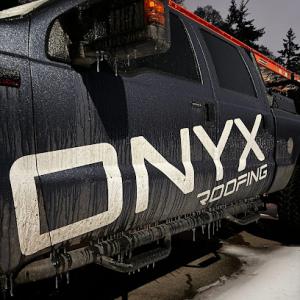
Onyx Roofing
(971) 600-8502 www.onyxroofingllc.com
Salem, Oregon
5.0 from 60 reviews
Onyx Roofing is a local roofing company serving the Greater Willamette Valley area with a full range of roofing services. From complete tear off and roof installation to smaller roof repairs, cleaning and maintenance. Contact for an honest opinion, recommended action (if any) and free estimate for your roof.

Valley Roofing
(503) 383-1406 www.valleyroofing.org
4910 Turner Rd SE, Salem, Oregon
4.9 from 232 reviews
Founded in 2012 as a family-owned and operated business, we’re a quality-focused roofing company proudly serving the greater Willamette Valley. We specialize in roofing, skylights, and a range of exterior services, always prioritizing craftsmanship and customer care. Our team is factory-certified in composite shingle roofs, metal roofing systems, and skylight installation. More than anything, we’re committed to creating a safe, positive, and rewarding workplace where our people can thrive—because great teams deliver great results. We look forward to earning your trust and helping protect what matters most to you.
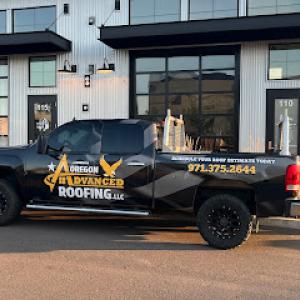
OR Advanced Roofing
(971) 375-2644 oradvancedroofing.com
4763 Lancaster Dr NE Ste 110, Salem, Oregon
4.9 from 75 reviews
With a commitment to excellence and unwavering attention to detail, OR Advanced Roofing, a family-owned roofing contractor, proudly serves Salem, Portland, and Vancouver, WA. Their skilled team specializes in tailored residential roof replacement, repair, and new gutter installation or replacement. As certified Owens Corning Preferred and IKO RoofPro contractors, they ensure every project meets the highest standards of craftsmanship and durability. Their mission is to provide top-quality roofing solutions to protect your home or business with lasting confidence.

The Roofers Salem
(971) 298-7323 therooferssalem.com
3432 Commercial St SE, Salem, Oregon
5.0 from 32 reviews
At The Roofers Salem, we provide professional and dependable roof repair services for homeowners and businesses throughout Salem, OR. A strong and well-maintained roof is essential to protect your property from leaks, storm damage, and our experienced roofing team is dedicated to restoring both safety and value to your home or commercial building. We handle a wide range of roof issues, from shingle replacements and leak detection to emergency storm repairs and ongoing maintenance, always using high-quality materials and proven repair techniques. Our process includes careful inspections to identify hidden concerns, ensuring every repair extends the life of your roof and prevents costly future damage.
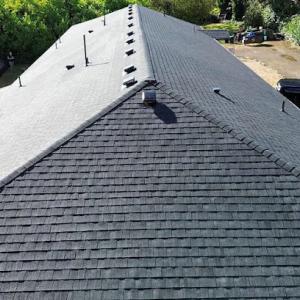
Moser Roofing
(503) 755-5312 www.moserroof.com
2435 Claxter Rd NE, Salem, Oregon
4.8 from 123 reviews
Moser Roofing, based in Salem, OR, provides professional roof replacement services designed to protect homes from the Pacific Northwest’s heavy rain, moss growth, and seasonal storms. Established in 1987, our locally owned and operated team combines decades of expertise with a commitment to quality craftsmanship and clear communication. We handle complete tear-offs, precise installations, and thorough inspections to ensure long-lasting results. Known for our integrity, service, and attention to detail, Moser Roofing continues to be the choice for homeowners seeking experienced roofers who value safety, professionalism, and customer satisfaction on every project
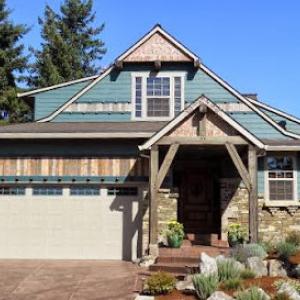
Bonn Roof Care Salem
(503) 363-0005 bonnroofcare.com
1620 Salem Industrial Dr NE, Salem, Oregon
4.7 from 167 reviews
Bonn Roof Care Salem is a roofing contractor located in Salem, Oregon providing Certified Roof Inspection, Cleaning & Moss Barrier, Re-roofs, A Maintenance Program, and More. Check out our reviews and give us a call today.
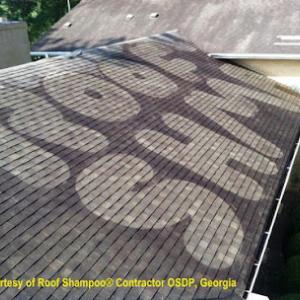
First Aid Roof Care
(503) 749-1081 firstaidroofcare.org
8487 Bronco Dr SE, Salem, Oregon
5.0 from 21 reviews
Hello! My name is Mark Sanders and I am the owner of First Aid Roof Care. I have been in the roof care business for 30 years and to this day still perform my own work, which is a rarity these days. In doing so I am not only able to ensure the quality of work but I am also able to keep insurance costs down, allowing me to pass those savings on to you. In my 30 years in this business I have never received a complaint, something I am very proud of. I am also licensed, bonded, and insured.We provide free estimates and, because of our very reasonable pricing, most of my clients choose to not even bother with other bids.
A full reroof in this area typically requires a building permit through the City of Salem Building Division. Before hammer hits the first shingle, you should submit project details, elevations, and a plan of ventilation and flashing. If the review finds gaps or questions, expect delays that push work into the wettest weeks, which increases moisture risk on exposed roofing deck and underlayment. The permit process is not a barrier to quality, it's a safeguard; a careful submission helps avoid last-minute changes when weather is moving in.
Salem inspections commonly include a rough underlayment stage and a final inspection after installation. The rough underlayment check happens after roof deck work and underlayment is laid, ensuring the vapor barrier and moisture control are correctly installed and integrated with existing ventilation. The final inspection verifies that flashing, venting, and drip edges are properly completed and that the roof system overall meets code expectations before release for occupancy or home use.
City review in Salem focuses on wind uplift, underlayment, flashing details, and may ask for a plan when the roof geometry is complex or attic vents are being added. Wind uplift checks are specific to Oregon's windy days, so edging and fastener patterns must align with engineers' expectations. If the roof geometry includes hips, valleys, or skylights, a clear plan showing flashing transitions makes the review smoother. When attic vents are part of the upgrade, the plan should document airflow pathways to avoid moisture buildup in shaded, moss-prone neighborhoods.
Coordinating with the permit office and your contractor avoids rushed decisions during a narrow weather window. In practice, start the permit process well before the forecasted wet season, and factor in potential back-and-forth that can stretch into multi-day inspection cycles. A well-timed schedule reduces moisture exposure and minimizes the chance of inspection delays that stall the project mid-roof. Having all drawings, vent specs, and product data ready speeds the review.
Salem homeowners may need roof inspections timed around regional hail events, which can affect both repair urgency and claim filing. During the wet months, hail can be intermittent, but a sharp strike often exposes underlying deck damage, loose fasteners, or compromised underlayment. If a storm hits and you notice granule loss, skinning on shingles, or exposed flashing, schedule an inspection promptly to avoid claim delays or disputed damage later. Waiting for clear skies can lead to moisture intrusion unseen until the next downpour, complicating both repairs and documentation.
Oregon insurers commonly expect documented estimates, photos, and itemized invoices for roof claims, including before-and-after evidence when available. Take wide shots of the entire roof and close-ups of damaged areas, vent flashings, and skylights. Keep a dated log of storm dates and wind speeds if you can access public weather data. When a contractor provides an estimate, ensure the scope clearly states underlayment, flashing, and ventilation checks, since those items are scrutinized during the claim review.
In Salem, wind and hail claim outcomes can vary by carrier, so homeowners should document storm dates, visible damage, and temporary mitigation steps promptly. Photograph ladders, tarps, or temporary coverings used to protect the interior after a hail event. File reports quickly and maintain copies of every communication with the insurer. If a denial or dispute arises, you'll have a solid trail of damage progression, contractor recommendations, and timely mitigation actions to reference in follow-up discussions. Stay proactive to reduce the chance of moisture problems and repair delays.
Find local contractors experienced in assessing and restoring roofs after hail, wind, and severe weather events.
A&L Roofing
(503) 371-0179 www.alroofingsalem.com
4692 Lancaster Dr NE, Salem, Oregon
5.0 from 166 reviews


Valley Roofing
(503) 383-1406 www.valleyroofing.org
4910 Turner Rd SE, Salem, Oregon
4.9 from 232 reviews
Skylight service is a notably active specialty in Salem, pointing to homeowner concern about leak-prone glazing and flashing details during rainy months. When you plan a reroof, map every skylight, vent stack, and chimney transition first. Inspect the flashing around each unit from multiple angles, and confirm that the underlayment wraps fully behind the flashing and over the curb where applicable. In practice, carry extra sealant and spare flange washers in case the flashing joints show mature dryness or hairline cracking after a wet season.
Flat and low-slope roofing is also a meaningful Salem specialty even though pitched residential reroofing dominates the market. Pay close attention to drainage boards, drip edges at transitions, and any payoff between deck material and underlayment. These areas tend to trap moisture if edge details aren't continuous. During reroof planning, profile the fall away from skylights and around vents to avoid ponding that can compromise underlayment as soon as the first heavy rain arrives.
Salem inspections place attention on flashing and underlayment, making detail-heavy roof areas especially important on homes with multiple transitions or penetrations. Focus on where a low-slope porch roof meets a steeper main roof, where dormers meet the main plane, and where intersecting valleys align with ventilation. Ensure continuous underlayment under all flashing pans and that end laps are offset to shed water rather than trap it.
In shaded neighborhoods, moss-prone surfaces hold moisture longer. Check shingle-to-shingle and shingle-to-flashing joints for any micro-movements after storms, and verify vent boots stay secure against wind-driven rain. If a valley or seam shows early wear, address it before the next wet season to reduce moisture migration into attic spaces.
A practical habit is to recheck all transitions after the wettest months pass. In practice, document any sealant degradation or flashing movement and address promptly. This is where the local weather patterns really test the roof, and timely repairs prevent larger leaks during the next rain cycle.
Find contractors experienced in skylight installation, flashing, and leak repairs to bring natural light into your home.
A&L Roofing
(503) 371-0179 www.alroofingsalem.com
4692 Lancaster Dr NE, Salem, Oregon
5.0 from 166 reviews
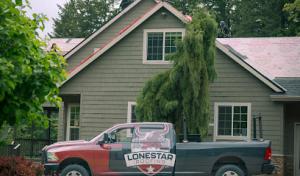
Lonestar Roofing & Exteriors
(971) 453-3401 www.lonestarroofing-or.com
4910 Turner Rd SE STE 500, Salem, Oregon
5.0 from 64 reviews
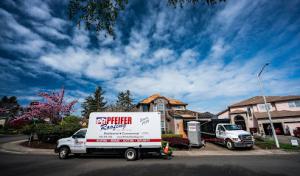
Pfeifer Roofing
(503) 393-3185 www.pfeiferroofing.com
4835 Ridge Dr NE, Salem, Oregon
4.8 from 503 reviews