
Last updated: Apr 19, 2026
In this neighborhood, roofs soak through extended periods of winter rain, not just quick storms. A roof that's intermittently wet for weeks to months creates a higher risk of hidden moisture damage, rot, and membrane failure. When the cycle repeats year after year, small edge leaks can become big problems between repairs or replacements. The Columbia River Gorge wind corridor compounds that risk in autumn and during seasonal wind events, lifting shingles at edges, loosening flashing, and shifting fasteners. In this climate, you're not just patching a leak; you're managing a repeating cycle where moisture plus wind stress repeatedly stress the same vulnerable details.
Autumn winds sweeping off the river corridor slam against roof edges, penetrations, and transitions. Shingles lift, tarps and sealants fail, and valley and chimney flashings take the brunt of uplift. If edge fasteners aren't secured, or if flashing is corroded or misfit, wind-driven rain can sneak in under the underlayment even when the main roof deck looks sound. Your goal is to lock down every edge, seam, and transition so wind cannot pry open a seam that's already compromised by recent rain saturation.
What to look for now:
Long, wet winters demand a moisture-control plan that survives the full season, not just a patch that dries out by spring. Start with a thorough dry-in before the first real cold wave: confirm the roof deck is dry, the underlayment is properly installed, and there's a clear drainage path from gutters to downspouts. Improper venting or blocked soffits let attic moisture linger and condense on decking, which accelerates rot once the rains resume. Ventilation should be balanced to avoid creating a cold-soaked attic that sneaks moisture into rafters.
During a wet season, temporary mitigation can buy years of service. Seal minor gaps with compatible sealants that resist UV and moisture cycling, and protect flashing joints with corrosion-resistant materials. If a section of underlayment shows signs of saturation, treat it as a high-priority repair item; do not rely on the surrounding area to stay dry indefinitely.
The region's replacement timing often shifts to late spring through early fall because wet winters and intermittent spring rain interrupt tear-off, drying, and inspection scheduling. That means you're more likely to confront a prolonged exposure window in the months when winds and rain are both present. If you see an aggressive autumn wind event forecast, plan ahead: secure loose shingles, reinforce vulnerable edge details, and schedule professional evaluation before the worst weather hits. Trust in a cautious, proactive approach; letting bulk wet-season conditions carry on with minor fixes invites cascading damage to deck, underlayment, and interior spaces.
In this climate, the risk of a leak grows with each wet-day cycle and each gust along the Gorge. Treat edge and flashing details as the critical defense, and keep moisture control front and center as winter approaches.
The preferred replacement season in Vancouver is late spring through early fall to reduce weather interruptions and improve material installation conditions. That window lines up with drier spells and flatter chances of heavy rain, which helps crews complete the job without back-to-back weather delays. In practice, this means your project aims for a start after the last of the winter storms, with a finish before the late autumn cold fronts roll in. Planning with a clear target date helps align supplier delivery, crew scheduling, and any on-site staging required for underlayment and ventilation work.
Spring and fall in Vancouver can still bring wind and intermittent rain, so project calendars often remain weather-sensitive even outside winter. A smart approach is to set a primary target month but stay flexible for a few weeks on either end. If a mid-May stretch looks windy or shows a forecast of steady rain, shifting a start date by a week or two can prevent underlayment degradation and shingle lifting from gusts. Weather monitoring during the week leading up to a start helps avoid last-minute changes that cut into the dry-season momentum.
Summer dryness helps scheduling, but local hot spells can accelerate aging in some underlayments and shingles, making ventilation and product choice part of timing decisions. If the forecast is for multiple hot, sun-drenched days in a row, roofers may stage work to avoid long exposure of underlayment to peak heat or direct sun, especially on roofs with limited shade. Ventilation considerations become practical: higher attic airflow and ridge venting help manage heat buildup during installation and in the months afterward. If a choice exists between shingle types or underlayment tolerances, timing decisions should weigh how well the product behaves under heat stress and how quickly crews can install with adequate ventilation in place.
A weather-forward plan keeps you from chasing perfect conditions. In this climate, the goal is to secure a window where rain is unlikely for consecutive days, but there is a realistic expectation of short, passing showers rather than prolonged downpours. Contractors often build a buffer into the schedule to accommodate wind-driven days, especially during Columbia River Gorge exposures that can shake loose of lap seams or create edge lift in marginal sheathing. This buffer helps protect the integrity of the deck, underlayment, and starter courses during installation and the initial weeks after completion.
Coordinate timing with the crew's availability and the local delivery cadence for shingles, underlayment, and ventilation components. In practice, early-season orders reduce the risk of backorder bottlenecks, while late-season starts may invite tighter schedules as the dry-season window narrows. Communicate clearly about expected temperatures, wind conditions, and any anticipated rain events so the crew can stage materials, protect exposed edges, and maintain continuous workmanship from first cut to final sealant. A well-structured schedule that respects Vancouver's wet-season cycle helps ensure a resilient roof that stands up to wind and moisture year after year.
Get a clear picture of your project costs upfront - no commitment required.
4 A Roofing
9120 NE Vancouver Mall Loop STE 230, Vancouver, Washington
5.0 from 123 reviews
AE&I Roofing & Construction
(360) 209-6818 aeiconstruction.net
9013 NE Hwy 99 # O, Vancouver, Washington
4.9 from 61 reviews
Weather Built Homes- Residential Roofing Services
(360) 258-0936 weatherbuilthomes.com
12606 NE 95th St C160, Vancouver, Washington
4.7 from 234 reviews
Cherry Roofing
(360) 823-0127 www.cherryroofing.com
5709 NE 88th St, Vancouver, Washington
4.9 from 262 reviews
At Cherry Roofing, we excel in the art of roof construction and repair, but our true focus lies in serving people. When undertaking any new project, our team adopts a homeowner's perspective, striving to deliver the finest solutions as if it were their own property. We meticulously select top-tier installers who are compensated fairly for their expertise, ensuring that every job is executed with utmost precision and quality.
J&J Roofing & Construction
7811 NE 88th St, Vancouver, Washington
5.0 from 110 reviews
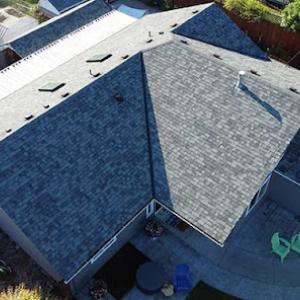
We have been a family owned roofing company in Vancouver Washington since 1984. We value you and your Home and look forward to providing you with the most outstanding new roof replacement, roof repair, or roof cleaning in Vancouver WA. From minor roof repairs to a full roof replacements, our roofers are here to help you. Trust us for the best roof service and care! We have an unrivaled 50 Year roofing warranty because we are GAF master elite certified roofing contractors in Vancouver Washington serving all of Clark County. We want to help you make your property the best it can be. Give J&J Roofing a call today.
Soto & Brothers Roofing
(360) 241-5024 www.sotobrothersroofing.com
15612 NE Union Rd, Vancouver, Washington
5.0 from 138 reviews
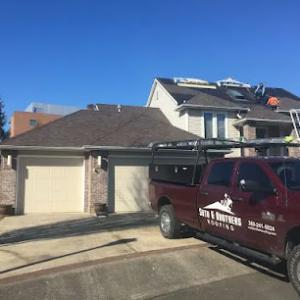
Soto and brothers Roofing is a locally owned business here to serve and protect your home this business started in 2014 we strive our best to bring you the best service with honesty and loyalty.
SafeCover Roofing
(360) 869-8179 www.safecoverroofing.com
1201 W Fourth Plain Blvd, Vancouver, Washington
5.0 from 86 reviews
Roofing Business
Gold Shield Exteriors
(360) 947-7119 goldshieldexteriors.com
7909 NE St Johns Rd, Vancouver, Washington
5.0 from 84 reviews
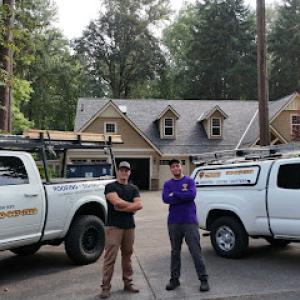
Gold Shield Exteriors takes pride in protecting homes across Vancouver, WA, & surrounding areas. We specialize in roofing, siding, & gutter solutions that are built to withstand the Pacific Northwest’s unique weather. Whether you need a roof replacement, repair, siding replacement, or seamless gutters, our experienced team ensures it’s done right. We’re licensed, bonded, insured, & proud to be an Emerald Premium Certified Installer with Malarkey Roofing, giving our clients access to the strongest manufacturer warranties available. Backed by our Gold Shield Guarantee, we promise the best price for comparable work & a personal, locally rooted experience focused on trust, quality, & care. Contact us today to experience the Gold Shield Standard
Northwest Roof Maintenance
(360) 910-8938 northwestroof.com
PMB, 13023 NE Hwy 99 Ste 7 Unit #286, Vancouver, Washington
4.9 from 586 reviews
Founded in 2004, Northwest Roof Maintenance is the trusted roofing company for Vancouver, Camas, Portland, and surrounding Southwest Washington and Northwest Oregon communities. We specialize in roof repairs, moss treatment, cleanings, and expert replacement of cement tile and asphalt shingle roofs. Our consultants provide detailed, personalized inspections, while our certified technicians arrive in uniform, document every step with photos, and ensure clear communication from start to finish. Whether it’s a small repair in Camas, a full roof replacement in Vancouver, or preventative maintenance in Portland, we deliver quality workmanship and customer satisfaction every time.
RedBird Roofing
(360) 207-6059 www.redbirdroofs.com
7902 NE St Johns Rd SUITE 111, Vancouver, Washington
5.0 from 68 reviews
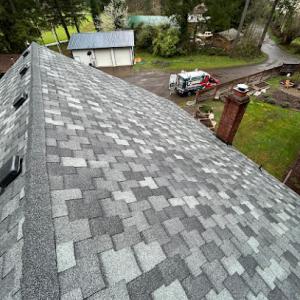
RedBird Roofing is a family-owned company proudly serving Vancouver, Ridgefield, WA, Portland, OR and the surrounding communities. With years of hands-on experience, we specialize in roofing, siding, and gutter services, including reroofing, repairs, and ongoing maintenance for both residential and commercial properties. To help you get started, we offer online instant estimates, providing clarity on your project without any delay. Our team combines local expertise with quality workmanship, honest pricing, and exceptional customer service. When you work with RedBird Roofing, you can expect reliable service, transparent communication, and results built to last.
4 A Roofing
9120 NE Vancouver Mall Loop STE 230, Vancouver, Washington
5.0 from 123 reviews
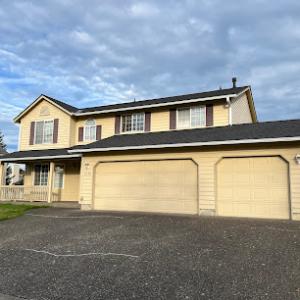
Here at 4 A Roofing, Inc. we pay attention to your concerns and offer our customers peace of mind throughout the construction process. We provide free written estimates, and offer quality workmanship. Following all local building codes and standard practices. We don't cut corners; we do roofing right. We are clean, organized, and efficient.
IBEX Roof
(360) 467-9400 www.ibexroof.com
5800 NE 88th St STE 101, Vancouver, Washington
4.9 from 249 reviews
IBEX Roof proudly serves the communities of Vancouver and Ridgefield with exceptional roofing solutions. Our dedicated team specializes in a wide range of roofing services, including repairs, replacements, gutter services, and Skylight for residential properties. At IBEX Roof, we prioritize quality craftsmanship and use premium materials to ensure long-lasting, durable, and visually appealing roofing solutions. Trust our experienced professionals to protect and enhance your property with top-tier roofing services in the Vancouver and Ridgefield areas.
Stanley Roof & Solar
(800) 433-4633 stanleyroofandsolar.com
7202 NE Hwy 99 SUITE 106-210, Vancouver, Washington
5.0 from 54 reviews
Stanley Roof and Solar, a family-owned shingle roofing company in Vancouver, WA, has been protecting homes and businesses for over 19 years since its founding in 2005. We specialize in roof repair, roof replacement, roof installation, maintenance, inspections, roof leak repair, and 24/7 emergency roofing for both residential and commercial shingle roofing. We are Malarkey Premium and Tesla Certified Installer, we deliver exceptional quality. We proudly serve Vancouver, WA, Portland, OR, Camas, WA and beyond areas. At Stanley Roof, we understand that the roof is the most integral part of your home, protecting your family, possessions, and structure. For dependable roofing in Vancouver, WA trust our licensed Vancouver roofing contractors.
Valiant Roofing
(360) 345-3546 www.valiantroofing.com
108 SE 124th Ave Suite 8, Vancouver, Washington
4.9 from 211 reviews
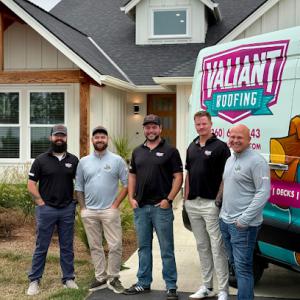
Valiant Roofing is a family-owned, licensed roofing contractor built on craftsmanship, integrity, and customer care. We specialize in residential and commercial roofing, roof repair, roof replacement, emergency roof leak repair, and professional roof inspections. Our certified roofing crews install complete roof systems using premium materials including asphalt shingles, architectural shingles, metal roofing, TPO, and PVC. We provide free roof inspections, honest evaluations, and fair pricing with no pressure. From storm damage repairs to full tear-offs and one-day roof replacements, we deliver clean job sites, clear communication, and results that last. When you need a trusted local roofing company, choose Valiant Roofing.
Matrix Roof & Home
8100 NE St Johns Rd A-104, Vancouver, Washington
4.9 from 163 reviews
Your Home. Our Promise. Your Peace of Mind. After investing in your roof with Vancouver's local and family owned Matrix Roof & Home, you smile, knowing you finally chose a good contractor and a trusted professional. You chat with neighbors about how amazing your home looks now that all that moss is gone. They ask about your contractor and you rave about the communication and integrity. Gone are the stress-filled nights wondering if that ceiling spot will grow. Gone is the anxiety of hoping your roof holds up just a little longer. You chose quality. You chose dependability. You chose someone you can trust. Free inspections. Honest estimates. Smart investments. Cleaning • Maintenance • Repairs • Replacements Call Matrix Roof & Home today.
Asphalt shingles are the dominant practical choice in this market, fitting a broad range of residential styles and a large re-roofing activity that homeowners often chase during the dry window. In this climate, you'll notice they pair well with existing underlayment plans and flashing details that are easier to retrofit. The key in a Vancouver cycle is moisture management: ensure the roof deck is dry before re-shingling, use adhesives and starter courses appropriate for high rainfall, and select shingles with good granule adhesion to resist wind-driven rain. For most neighborhoods with standard trusses, asphalt remains the go-to option that balances performance, repairability, and speed.
Metal roofing offers a meaningful local upgrade path for homeowners focused on rain shedding and lower maintenance against Vancouver's wet climate. The fast shedding of moisture and the robustness of standing-seam designs help reduce moisture entrapment at seams, a concern during the long rainy season. Look for panels with reinforced edge details and properly tucked underlayment at junctions and penetrations. Wind exposure from the Columbia Gorge can stress flashing, so pay special attention to integrating metal roofs with high-quality sealants at hips, ridges, and transitions to walls. If your home features a complex roofline, a contractor experienced with metal systems can translate aesthetic goals into weather-resilient detailing.
Tile, cedar shake, and slate exist in the market, but they require closer structural and moisture-detail review. Vancouver's long rainy season punishes weak flashing and underlayment details, so any tile or shake project must include a thorough evaluation of roof deck rigidity, ventilation, and proper drainage. Clay and concrete tile demand solid substrate and careful fastener planning to avoid crack propagation under temperature swing and wind gusts. Cedar shake can offer a natural look, yet moisture management is crucial: ensure adequate drying rooms and a moisture-tensing underlayment, with a reliable ridge and side-wall flashing strategy. Slate delivers longevity, but its weight necessitates structural confirmation and precise sealing at every interface.
Your home's style guides which material choices make sense beyond performance. Ranch and Craftsman designs often align well with asphalt or metal, where association with a low-maintenance look matters as much as resilience to wind. Colonial-inspired homes can sometimes suit slate or concrete tiles if the structure supports them and detailing is meticulously executed to handle a rainy season's pressure on joints. Modern lines may embrace metal for clean lines and a high rain-shedding profile. In all cases, the transition details-eaves, skylights, vent stacks, and chimneys-need a moisture-aware approach that respects Vancouver's wet-season cycle and the wind patterns coming off the Gorge.
A full roof replacement in Vancouver typically requires a building permit reviewed by the City of Vancouver Building Department. The permit process ensures the work aligns with current code, neighborhood covenants, and utility clearances. This section helps you align expectations with the department's workflow, not the contractor's timetable. The permit will tie to your project drawings, scope of work, and the actual materials chosen, so have those details ready before applying.
Vancouver's process includes a final inspection after project completion, and timing can vary with departmental backlog, project scope, and weather delays. The building inspector will verify that structural work, ventilation, underlayment, and flashing meet code, and that any penetrations through fire-rated assemblies are properly handled. You should plan for an inspection mark after the roof is installed, after underlayment is in place, and a final walk-through when the job is done. Weather delays can push inspection dates if surfaces are not safely accessible or if rain makes any testing impractical.
Because weather can interrupt both work progress and inspection readiness, Vancouver homeowners should expect permit timelines to interact with seasonal scheduling. The wet season often compresses the windows for dry-in work, so crews may prefer late spring through early fall for major replacements. If a dry stretch coincides with a permit milestone, coordinate a buffer day or two to accommodate inspection readiness. Have a contingency plan for wind and rain days, since wind exposure on Columbia River Gorge can stress temporary coverings and fastening sequences.
Start with the permit application package that includes project address, contractor information, structural scope, roof type, and any electrical or venting changes. You'll need a site plan or sketch showing the roof layout and eave details, plus material specifications and manufacturer installation instructions. Expect plan review to identify any zoning or setback considerations. If you're replacing a damaged area or altering eave lines, be prepared for additional reviews.
Ensure all contractors are registered and have current City of Vancouver credentials to avoid delays at the counter. Submittals must be consistent with actual work; discrepancies between the plan and field conditions can trigger back-and-forth reviews. Maintain clear communication with your contractor about inspection readiness dates and required access points, so the final inspection can occur promptly after completion.
Typical Vancouver pricing runs about $360 to $560 per square for asphalt shingles, $700 to $1100 for metal, $900 to $1500 for clay or concrete tile, $650 to $1000 for wood shingles or shakes, and $1300 to $2100 for slate. Those ranges reflect both material performance and installer familiarity with our damp climate. When you're budgeting, compare quotes on a per-square basis (100 square feet) and check what each bid includes-underlayment, flashing upgrades, fasteners, and labor time for weather exposure. In this market, subtle differences add up fast.
In Vancouver, costs can rise when wet-season scheduling compresses demand into the drier months and when weather delays extend labor time. If your project is squeezed into late spring or early fall windows, expect premiums for expedited ordering, overtime, and protective measures to keep crews rolling. A longer-than-expected setup or a few extra storm days can push total costs above the initial estimate. Plan with a buffer and choose a contractor who can stabilize shingles and edge details quickly without sacrificing quality.
Material choice matters more here because prolonged moisture exposure and wind events can make upgraded flashing, underlayment, and edge details more important than base material price alone. For example, metal often holds up well in wind and rain, but requires precise flashings at valleys and chimneys. Clay or concrete tile delivers durability in dry spells but demands strong roof framing and careful installation over Seattle-Puget Sound-style winters to resist edge lift. Asphalt remains a flexible, affordable option, yet the moisture cycle can expose weak edging or insufficient underlayment in older roofs.
When budgeting, ask for a detailed breakdown that separates product cost from labor, weatherproofing upgrades, and edge detailing. If your roof is near or over 20 years old, prioritize improved underlayment and flashing; these upgrades can extend life more than chasing a premium material in a marginal climate. Finally, request a written schedule with weather contingency so you know how the wet season will affect both timing and price in your specific neighborhood.
Don't let upfront costs delay a critical repair - these contractors offer payment plans to fit your budget.
J&J Roofing & Construction
7811 NE 88th St, Vancouver, Washington
5.0 from 110 reviews
Gold Shield Exteriors
(360) 947-7119 goldshieldexteriors.com
7909 NE St Johns Rd, Vancouver, Washington
5.0 from 84 reviews

Stanley Roof & Solar
(800) 433-4633 stanleyroofandsolar.com
7202 NE Hwy 99 SUITE 106-210, Vancouver, Washington
5.0 from 54 reviews
In Washington, roof claims commonly require documentation of pre-existing damage, which matters in this city where long-term moisture wear can be mistaken for sudden storm loss. A homeowner who has lived through several wet seasons knows that what looks like storm damage may actually be the cumulative effect of years of damp air and frequent drizzle. When a claim is filed after a heavy rain or a windy blow, adjusters will look for signs that damage existed before the recent weather event. Being honest about prior wear can prevent a claim from being denied on a technicality later.
Carriers may request photos, material receipts, and post-installation inspection details, so homeowners should document leaks, lifted shingles, and interior staining early. Before filing, take clear pictures of any suspicious spots, including peeling enamel around vent flashing, granule loss on shingles, and attic condensation or staining. Gather receipts for recent repairs or replacements, and note when colors or materials changed, which can help establish moisture history. If a roof has already seen multiple wet seasons, keep a simple log of rainfall, wind events, and any new leaks as they appear.
Detailed adjuster review is common, and weather-related claims can affect evaluation patterns and settlement timelines for roof replacements. Expect questions about the condition of underlayment, the effectiveness of flashing, and the integrity of attic insulation after a moisture event. Scattered wind damage on ridges or eaves can complicate the assessment, making thorough documentation even more critical. In practice, patience and meticulous records can influence how smoothly the claim progresses and what the final scope looks like.
Connect with contractors who help homeowners navigate the claims process from damage assessment to final approval.
Gold Shield Exteriors
(360) 947-7119 goldshieldexteriors.com
7909 NE St Johns Rd, Vancouver, Washington
5.0 from 84 reviews
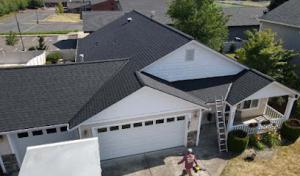
In Vancouver's rainy climate, leak complaints often center on penetrations and transitions rather than field shingles alone. Skylights, by their nature, create a handful of potential weak spots: the curb or flange, the step flashing where it meets the roof plane, and the seal around the glass. Skylight work is a meaningful local specialty, reflecting how common these details are in the area's roofing service market. Choose skylight models with robust flashing, and insist on properly integrated curb flashings. During the wet season, repeated cycles of rain and sun stress seals; a small drip through a stock skylight becomes a steady leak if neglected. Ask for tests that mimic wind-driven rain and confirm there are no air gaps around the unit.
Chimney details also show up frequently in the local contractor landscape, making flashing quality a practical concern for older homes. A crumbling counter-flashing, a missing shingle-to-flash transition, or a wind-displaced sealant can push water around the chimney line. Have the flashing inspected with the same vigilance used for the roof deck, and treat any fracture lines or gaps as early leaks waiting to happen. The chimney-to-roof junction should reveal a continuous, corrosion-resistant flashing layer that sheds water both up and down the slope, not just cosmetic shingles hiding deeper failures. Remember that wind exposure can lift flashing over time, so a proactive update beats reactive repair.
Transitions around dormers, vent stacks, and pipe jacks require careful detailing. In older builds, these areas are often the first to shed water after a heavy rain, especially where the roof plane narrows or meets a vertical wall. Ensure step flashing is properly lapped, and that the sealant membrane extends well onto both sides. Where metal flashings meet other materials, look for compatible corrosion-resistant coatings and continuous drip edges to guide water away from the interior. In a damp climate, small irregularities become bigger problems quickly if left unchecked.
Regular checks after storms are worth the effort. Look for staining, peeling paint near the chimney or skylight, and any dampness along interior ceilings near penetrations. In a wet cycle, timely resealing and flashing reselection save bigger repairs later, even if the surface shingles still look intact. After a heavy stretch of rain, inspect the most vulnerable points first, and don't assume a clean surface means a perfect seal. Also verify that material choices tolerate Vancouver's damp cycles.
When hiring, expect crews to document flashing details and to show a track record with skylight and chimney work. Local roofs live with wind-driven spray and frequent temperature swings, so a contractor who prioritizes wind resilience and moisture management will treat penetrations with a little extra respect. Look for references from neighbors with similar house styles and ask to tour completed skylight and chimney projects to observe how flashing has aged over several winters.
Find contractors experienced in skylight installation, flashing, and leak repairs to bring natural light into your home.
Cherry Roofing
(360) 823-0127 www.cherryroofing.com
5709 NE 88th St, Vancouver, Washington
4.9 from 262 reviews
J&J Roofing & Construction
7811 NE 88th St, Vancouver, Washington
5.0 from 110 reviews
Soto & Brothers Roofing
(360) 241-5024 www.sotobrothersroofing.com
15612 NE Union Rd, Vancouver, Washington
5.0 from 138 reviews
Flat and low-slope roofing is an active specialty in Vancouver even though the city is largely residential and re-roofing driven. The extended wet periods mean drainage performance and ponding control are not cosmetic concerns-they're core to long-term performance. When water sits on a low-slope section, it can migrate to edges or vents, accelerating membrane wear and flashing failures. Prioritize a roof plan that vents water quickly toward downspouts and scuppers, with cross-slope or positive drainage designed into new work. In practice, this means avoiding long, flat drainage tiles or subtle gradients that only shed water toward a single corner. A well-sealed, slope-appropriate membrane system paired with continuous insulation reduces heat-driven edge deterioration and helps mitigate ice dam risks when temperatures swing.
Homeowners with additions, porches, garages, or mixed-slope rooflines should evaluate low-slope areas separately from the main pitched roof. Additions often connect to older roof sections where flashing details were never upgraded to modern membranes. Porches and covered walkways can trap moisture if their drainage was never integrated with the primary system. For these areas, plan a dedicated drainage plan, distinct flashing assemblies, and compatible edge details that align with existing materials. A mismatched transition-say, a low-slope membrane meeting a steep shingle seam-becomes a wind-driven leak pathway during storms. Pay particular attention to solvent- or solvent-free adhesives, seam tapes, and edge metal that can endure Vancouver's wet season without curling or lifting.
Columbia River Gorge winds can push spray under low-slope edges and around penetrations, so all penetrations-flare connections, skylights, and vent pipes-need robust sealing and mechanical protection. In Vancouver, wind exposure isn't a hypothetical risk; it translates into higher demands on edge detailing, flashing quality, and proper fastening patterns. When selecting a system, look for membranes rated for wind-driven rain and membranes with reinforced joints in corners and transitions. Routine inspections after heavy wet-season events should focus on edge tapes, seam lines, and flashings where wind pressure can repeatedly test the seal. Regular maintenance and timely resealing keep low-slope sections from becoming recurring problem areas.
Find specialists in TPO, EPDM, and built-up flat roofing systems for residential and commercial properties.
Valiant Roofing
(360) 345-3546 www.valiantroofing.com
108 SE 124th Ave Suite 8, Vancouver, Washington
4.9 from 211 reviews
2 Brothers Contracting
(360) 909-2265 2brotherscontractingllc.com
7017 NE 124th Ave, Vancouver, Washington
5.0 from 26 reviews
Matador Exteriors
(360) 836-0369 www.matadorexteriors.com
10401 NE 29th Ave, Vancouver, Washington
4.9 from 38 reviews
You want a warranty that covers both materials and workmanship for a solid period, with clear language about what is and isn't covered in a wet-season cycle. Look for explicit coverage of wind-driven leaks and moisture-related failures that can happen when the Columbia Gorge air is unsettled. Make sure the warranty acknowledges vapor barriers and underlayment performance, since those layers matter most during heavy rains and prolonged exposure to moisture. Read the fine print on what conditions void coverage, such as improper attic ventilation or failed fasteners, and ask for examples of how issues were resolved on similar local roofs.
Vancouver homeowners are shopping in a market where long-established, family-owned, and quick-response re-roofing contractors are common. Prioritize firms with a track record in weather-sensitive, occupancy-visible projects rather than new-construction crews. Ask for a résumé of recent Vancouver-area jobs, including how they handled stormy intervals and short scheduling windows in late spring through early fall. Confirm they assign a dedicated project supervisor who will answer calls during storms and post-storm cleanup efforts, not just a salesman who moves on after signing.
Cleanup is a strong local expectation, which matters on occupied residential properties during tear-off and replacement. Request a written plan for debris containment, daily cleanup during a tear-off, and a final sweep to remove nails and shingle fragments from driveways and landscaping. Verify that the crew will shield landscaping and irrigation lines, protect gutters, and manage waste reduction to minimize tracked mud inside the house.
During bids, push for specific timelines that consider Vancouver's wetter months. Inquire about response speed for calls or leaks in the first 48 hours after heavy rain, and whether the contractor has a 24/7 on-call option for wind-driven events. Seek references from nearby homes with similar roof pitches and exposure, and call them to confirm how the contractor handled moisture challenges and cleanup under real weather stress.