
Last updated: Apr 19, 2026
Hillsboro homeowners typically get the best replacement window from late spring through early fall because the city's Pacific Northwest pattern brings wet winters and lingering spring moisture. That means planning a roof replacement for May through September helps you avoid the most persistent rainfall and gives crews a solid stretch of dry days to complete tear-off, dry-in, and final inspection without weather-driven delays. If a project runs into late spring showers, stabilize expectations: heavy spring drizzle can extend the dry-in period and push back the final inspection onto a clearer week. Your best bet is to target a window when the forecast shows multiple consecutive dry days but still leaves room for any unexpected storms without clashing with peak wet-season weather.
Winter storms, heavy rainfall, and fall drizzle in Hillsboro can delay tear-off, dry-in, and final inspection scheduling more than heat-related shutdowns. When planning, build in a buffer for those late-year wet spells. Dry-in quality matters more than speed in a damp climate: shingles need a clean, dry substrate and proper flashing to hold up through the rest of the year's damp conditions. If a project is pushed into late fall, ensure the crew has a plan for securing materials and protecting the interior during any sudden rain. A practical approach is to align critical milestones with the driest forecast blocks possible, even if it means shifting the start date by a few weeks. In practice, having a contingency window within your target replacement season reduces the risk of weather-induced setbacks.
Because roofs in Hillsboro stay damp for long stretches, small drainage or flashing defects often show up first as persistent leaks and moss growth rather than dramatic storm blow-offs. This means high priority should be given to identifying and addressing moisture patterns early in the project timeline. If moss is present, treat and remove it prior to or during the initial stages of tear-off to prevent accelerated moisture intrusion. Check eaves, valley flashing, and step flashing along dormers or vents for corrosion or loose segments-these areas tend to harbor slower leaks that become more obvious after the initial dry-in period. A proactive approach-addressing minor drainage or flashing issues while the roof is still exposed-can prevent extended dry-in times and keeps the schedule on track through Hillsboro's damp season.
Coordinate with contractors around typical local weather rhythms. Start with a plan that targets a late-spring to early-fall block of dry days, but build in flexibility for the occasional cold-fronted week or heavy rain spell. Communication matters: confirm which phases can be paused without compromising the roof system, and clarify how long materials can safely remain exposed if a dry-in must be interrupted by weather. Ensure gutters and downspouts are on a maintenance-friendly schedule during the project, since persistent moisture can reveal drainage bottlenecks quickly. When the forecast looks uncertain, consider a staggered approach: complete tear-off in favorable weather, then perform dry-in and inspection when a true dry period appears, rather than forcing a rush through questionable skies. This local timing mindset-prioritizing dry windows and early moss management-helps keep Hillsboro roofs performing through the long, damp season.
In this valley climate, extended damp periods invite a green-turred reminder that moss isn't just a cosmetic issue-it can quietly shorten a roof's life. On aging asphalt, wood, or shaded sections that dry slowly after rain, moss takes hold where moisture lingers. These patches act like tiny sponges, holding dampness against the shingles long enough to promote granule loss, surface erosion, and premature aging. The consequence isn't dramatic in a single storm, but over seasons the deterioration compounds, hiding beneath a green veneer until leaks or curled edges finally reveal the trouble.
Moss loves the nook-and-cranny geometry of many Hillsboro-area homes, especially where roof plane junctions create shade or poor drainage. Valleys, penetrations, and roof-to-wall transitions are the trouble zones that bear repeated wetting. Sealants and flashing that once kept water at bay can falter when wetting cycles become the norm rather than the exception. Over time, that repeated wetting wears away at underlayment and flashing, increasing the chance of slow drips or hidden rot. In practical terms, you'll notice more staining near vent pipes, chimneys, and skylights, where dampness lingers longer than on open slopes.
Addressing moisture problems promptly matters because delayed treatment allows moss to root deeper and moisture to migrate through areas that aren't visibly compromised yet. When shingles stay damp, the chances of early granule loss and surface roughening rise, which in turn reduces energy efficiency and protective function. The cumulative effect is not just cosmetic-it's a real drain on long-term roof performance. If the roof is already showing curled edges, lifted tabs, or stubborn moss growth that returns after cleaning, that is a signal to reassess the roof's moisture management approach rather than treating surface symptoms alone.
A practical approach centers on keeping moisture from taking up residence where it does the most harm. Prioritize moss control on shaded slopes and around penetrations, especially if the roof is older or if there is visible moss regrowth after seasonal cleanings. Cleaning should be paired with a check of gutter performance and downspout routing to prevent pooling near the eaves. Because the valley climate favors slow drying, ensure drainage paths stay clear and that the roof's edge details aren't trapping water. When inspection finds recurring moss growth in together with subtle edge lifting or flashing wear, it's a sign that moisture management needs a closer look before the next wet season begins in earnest.
Replacement timing in this region is tightly linked to how well moisture issues have been managed over prior seasons. A roof that has seen repeated damp cycles, moss colonization, and compromised flashing will not last as long as one that has been kept drier and better sealed. Track the history of moss control, surface wear, and flashing integrity as you evaluate replacement timelines. If repeated maintenance is required to keep water from seeping in at valleys or joints, that pattern can shorten the effective life of the roof system more than a single severe storm ever would.
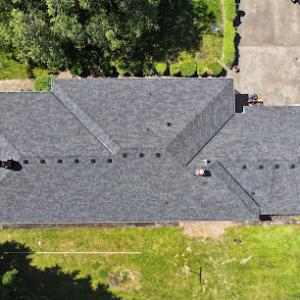
JLV Construction
(503) 615-0660 www.jlvconstructionllc.com
778 W Main St, Hillsboro, Oregon
4.9 from 235 reviews
JLV Construction is a local, family owned and operated roofing business that serves Hillsboro, OR and the surrounding areas. Our owner, Jorge, established the business in 2016. He used to work with a roofing company before he started his business. He loves what he does and wanted to expand his own roofing business. Jorge takes pride in the quality of the work he provides for his customers and makes sure they are 100% satisfied.
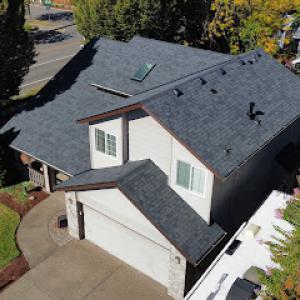
NCRoofing
2913 E Main St, Hillsboro, Oregon
5.0 from 71 reviews
Here at NC Roofing we are a family owned and operated roofing company dedicated to providing top-quality residential roofing services. Our team of experienced professionals tackles projects of all sizes, from minor repairs to complete roof replacements, ensuring customer satisfaction throughout the process. Our goal is to build long term relationships with all of our customers!
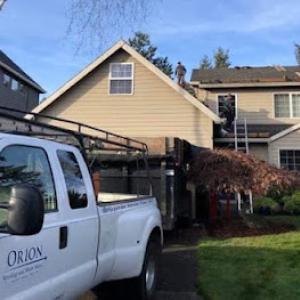
Orion Roofing
(503) 690-1807 www.orion-nw.com
9620 Northeast Tanasbourne Dr Suite 300, Hillsboro, Oregon
4.9 from 137 reviews
We have been your local roofer for 30 years! We are a family business that takes care of people and their homes. We take pride in the work we do and the service we provide to our clients in our community. We offer our clients a roof consultation, from an industry expert, and stay away from high pressure sales. We are family operated and locally owned right here in Hillsboro, Oregon - serving the Portland Metro Area. J. Vaughan Roofing, doing business as Orion Roofing, is a roofing company and division of J. Vaughan, Inc. used to market roof replacements, roof recovers, roof tear-offs, and roof inspections provided by the company. Founded: January 1993 Parent Organization: J. Vaughan
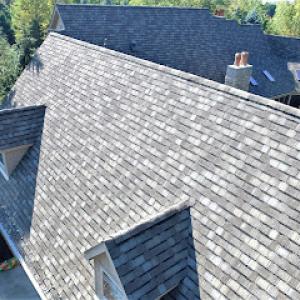
Hillsboro Roofing Company
(971) 297-3583 hillsbororoofingcompany.click
862 SE Oak St, Hillsboro, Oregon
5.0 from 19 reviews
In search of a roofing contractor you can depend on in Hillsboro, OR? Look no further than Hillsboro Roofing Company. We specialize in residential and commercial roofing services. Backed by years of experience we offer complimentary roof inspections to identify any potential issues before they escalate. Whether it's a minor repair or a complete roof replacement, our skilled roofers are ready to handle it all with precision and expertise. In the unfortunate event of storm damage, we're your trusted partner for swift and reliable repairs. We understand such situations and strive to provide prompt assistance to restore your home, including insurance assistance. Trust Hillsboro Roofing Company over other roofing companies to protect your home.
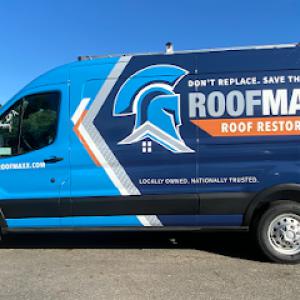
Roof Maxx of Tualatin
Hillsboro, Oregon
5.0 from 16 reviews
Roof Maxx® is a scientifically formulated and 100% safe, plant-based roof rejuvenating spray treatment that was developed by renowned scientists from the world’s largest private research and development company. Roof Maxx of Tualatin also provides flexible financing options through Wisetack and Advancial Credit Union.
SA Roofing
(503) 837-3556 keepitsimpleroofing.com
1414 SE 18th Ave # 100, Hillsboro, Oregon
4.8 from 24 reviews
We are Simply Affordable Roofing. We are a local family owned residential and commercial roofing company. We have over 30+ years of experience and are on a mission to deliver affordable roofing with no gimmicks, only quality, to your home. We know roofs, it's that simple! We exist to provide security for the lives and families in our community. We are passionate about people, roofing, and demonstrating honesty and integrity in everything we do. Our goal is to be known as the go-to company for roofing needs in the Pacific Northwest. Contact us today for a free estimate on your next roofing or gutter project. Let our family help protect yours and keep things simple by bringing affordable roofing to your home or business.
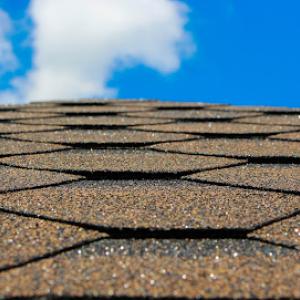
Hasskamp Roofing
(503) 645-0215 www.hasskamproofing.com
2074 NE Aloclek Dr Ste 418, Hillsboro, Oregon
4.7 from 38 reviews
As a roofing contractor in Portland, Oregon, we pride ourselves with quality residential roof replacement, maintenance and repairs. We have been installing quality residential roofing in the Portland area since 1992. We understand the Northwest climate and the challenges it brings to roofs in this area. As a leading Portland Roofing Contractor, we look forward to providing you with outstanding craftsmanship, quality materials and honest customer service. Submit a FREE Estimate today!
Aylwin Construction
(503) 998-7663 www.aylwinconstruction.com
3144 SE Tualatin Valley Hwy, Hillsboro, Oregon
4.3 from 42 reviews
Aylwin Construction proudly serves Washington, Multnomah, Clackamas, and Clark counties, as well as several surrounding areas. Over the years, Aylwin Construction has completed thousands of roofing projects throughout the greater Portland area, consistently maintaining the highest standards of quality and craftsmanship on every job. Our expertise extends far beyond — Aylwin Construction has installed and repaired roofs across Oregon, Washington, and Idaho. Based in Hillsboro, USA, we remain dedicated to delivering excellence, reliability, and long-lasting results in every project we take on.
Cedarcare
Hillsboro, Oregon
5.0 from 6 reviews
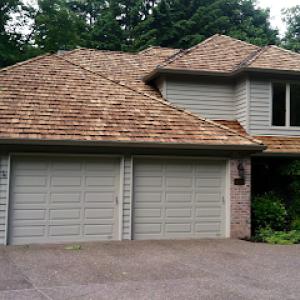
Welcome to Cedarcare! Cedarcare was founded in 1997 and is family-owned and operated to this day. We have over 20 years of experience in cedar-only roof repair, roof cleaning, roof oiling and treatment, maintenance, and installation. Our highly-skilled technicians specialize in cedar roofing, so we are experienced and knowledgeable in all things cedar. Our team gets the job done right the first time! We are licensed (CCB # 121316), bonded, and insured. Our team is also A+ accredited with the Better Business Bureau. For the best cedar roof care and repair, contact Cedarcare today!
G&G Roof & Construction
(971) 207-0743 roofnconstruction.com
5355 SW River Rd, Hillsboro, Oregon
5.0 from 1 review
Roofing Services in Hillsboro, Portland, Vancouver, Ridgefield, Sand, Oregon, Washington Roofing, Siding, Windows, Industrial balcony coatings in Hillsboro, Oregon. Welcome to G AND G ROOF AND CONSTRUCTION Your Premier Roofing and Construction Experts Your Premier Roofing and Construction Experts. Looking for top-quality roofing and construction services? Look no further than G AND G ROOF AND CONSTRUCTION With our years of experience and dedication to excellence, we are your trusted partner for all your roofing and construction needs.
Nw Solutions
(971) 507-2587 www.nwsolutionsllc.com
Serving
5.0 from 21 reviews
NW Solutions is a reputable company that offers comprehensive services in the areas of junk hauling and gutter cleaning. The company prides itself on providing efficient, reliable, and environmentally-conscious services to homeowners and businesses throughout the Pacific Northwest. With years of experience in the industry, NW Solutions has developed a team of skilled professionals who are equipped with the latest tools and techniques to ensure that each job is completed to the highest standards. Whether you need junk removal services for a single room or an entire property, or gutter cleaning services to prevent water damage, NW Solutions has got you covered. We prioritize customer satisfaction and offer flexible scheduling.
Raven Roofing Beaverton
(503) 783-8855 ravenroofingpdx.com
Serving
4.9 from 70 reviews
At Raven Roofing Beaverton, we’re your trusted partner for re-roofing in Beaverton, Oregon. Our skilled team delivers top-quality roof replacements, using premium materials like asphalt, composite, and metal to ensure durability and energy efficiency. Whether your roof is aging, damaged, or needs an upgrade, we provide seamless installations with a focus on customer satisfaction. Serving Beaverton and nearby areas, we offer free inspections, transparent pricing, and warranties for peace of mind. Protect your home with Raven Roofing’s expert craftsmanship. Contact us today for a no-obligation estimate and experience reliable, local roofing solutions tailored to your needs!
Asphalt shingles remain a dominant choice due to the city's large re-roofing market and moderate replacement budgets. In this climate, ventilation and moisture management are critical. A well-ventilated attic helps reduce roof deck swelling from damp air and slows moss-friendly warmth along the rafters. When selecting asphalt shingles, prioritize those with good moisture resistance and a saturated/laminate design that resists curling in long wet seasons. Pay particular attention to underlayment quality and proper drip edge to keep water from seeping into vulnerable eaves during the frequent drizzles. A thoughtful choice here balances cost, ease of installation, and long-term protection against the damp valley environment.
Metal roofs perform well in Hillsboro's rainy conditions because they shed water efficiently and can outlast many other options with proper maintenance. The key in this market is detailing around penetrations-vents, chimneys, and skylights-where leaks are most likely to start if seams aren't carefully sealed. Metal's reflective properties can help manage attic heat during shoulder seasons, but condensation control inside the attic matters just as much as exterior performance. Choose panels with a robust coating system to resist staining from moss spores and to minimize hail-related denting in years with tougher weather. A well-sealed curb, proper flashing, and a thoughtfully designed attic ventilation plan work together to keep this option performing for decades.
Clay tile and concrete tile appear in the Hillsboro market as durable, long-lasting options, but their suitability depends heavily on structural capacity and the roof's ability to handle weight. In a damp climate with moss exposure, tile installations must include a solid substrate and an effective underlayment that can manage moisture between tiles. Moss can lift tiles over time, so routine cleaning and moss-control measures protect the roof's integrity and drainage pathways. If a home is not already built to carry significant tile weights, a careful engineering assessment is essential. Proper drainage and regular maintenance help ensure these tiles dry out adequately after wet spells, reducing chances of moisture-related issues inside the attic.
Wood shakes offer a traditional look but require close attention to moisture history and moss exposure. In consistently damp falls and winters, regular moss control and timely treatment help prevent rot and distortion. If choosing wood, ensure an appropriate insect and moisture sealant system and a ventilation plan that promotes drying between storms. Synthetic shingles bring a lower maintenance path while still delivering the look of natural products. They often resist moss buildup better than untreated wood, but the roof assembly must still promote drying, and proper installation around penetrations remains essential to moisture management in the local climate.
Typical Hillsboro pricing runs about $350 to $650 per square for asphalt shingles, $600 to $1100 for metal, $1000 to $1600 for clay tile, $900 to $1400 for concrete tile, $450 to $800 for wood shingles or shakes, and $500 to $900 for synthetic or composite shingles. In practice, the final number hinges on access, roof pitch, and the number of penetrations or vents that need attention during a replacement. When a project is scheduled around Hillsboro's damp season, crews may allocate additional days for weather protection and material staging, which can nudge the total upward by a few percent.
In this town, the wet season means protection of exposed decking matters as rain risk increases. Contractors often sequence work to avoid long rain interruptions, which can lengthen the schedule and require temporary coverings or tarps. If a roof deck has already absorbed moisture, crews may delay certain steps to prevent moisture-related deterioration, potentially pushing costs higher due to staging, weather gaps, or extra tarping and dehumidification measures. Expect small, incremental bumps when weather forces delays or when specialty fasteners and sealants must be kept dry until use.
Moss and persistent dampness are common in this valley climate, and they influence replacement decisions. A roof with moss colonies or degraded underlayment may need more thorough cleaning and potential decking replacement or reinforcement. If underlying decking shows signs of rot from prolonged moisture exposure, the replacement scope expands, and so does the price per square. Choose a system with good ventilation and underlayment suited to damp conditions to minimize future moss-driven maintenance.
Since Hillsboro's active re-roofing demand can affect scheduling, aim for shoulder seasons with relatively predictable weather. Ordering materials ahead of time and aligning with a crew's available windows helps lock in lower labor windows and avoids premium rush pricing. If a plan requires venting upgrades or minor structural tweaks to handle a different roof profile, factor in additional days and potential mid-project revisions that can influence the overall cost trajectory.
When estimating, factor in the material costs already outlined and add a buffer for weather-related delays and moisture-related decking concerns. If a contractor recommends replacing underlayment, ridge vents, or additional moisture barriers, include those items in the baseline budget rather than treating them as add-ons. For Hillsboro homes, the combination of long wet seasons and moss pressure makes a well-sequenced, moisture-conscious replacement plan the most cost-effective path.
Get a clear picture of your project costs upfront - no commitment required.
SA Roofing
(503) 837-3556 keepitsimpleroofing.com
1414 SE 18th Ave # 100, Hillsboro, Oregon
4.8 from 24 reviews
Hasskamp Roofing
(503) 645-0215 www.hasskamproofing.com
2074 NE Aloclek Dr Ste 418, Hillsboro, Oregon
4.7 from 38 reviews
In Hillsboro, a building permit is typically required for a full roof replacement through the City of Hillsboro Building Division. This process protects the long-term moisture management that you're counting on in the wet season, and it helps ensure the new roof and its underlayment integrate with existing drainage and venting. A permit signals that plans align with local codes and that any required inspections will be scheduled and documented. It's not something to skip or rush, especially when the roof is nearing the lifecycle limits and moisture exposure is a constant consideration.
The permit is generally issued after plan review, and inspections are scheduled during and after the roofing project rather than handled informally. That means you should plan for an orderly sequence: submit your roof plans, receive approval, then coordinate inspection dates that align with key milestones-roof deck accessibility, underlayment installation, flashing around vents and chimneys, and final ventilation checks. In practice, this helps catch moisture-trap or drainage issues before shingles go down, which is particularly helpful in the damp, extended seasons typical to the Tualatin Valley.
If a Hillsboro project includes structural changes or additional venting, homeowners may need added permits or plan updates before work can proceed. Blocking or modifying a roof's structure or altering attic air flow can affect load paths, moisture control, and overall roof longevity. Plan changes-such as adding more soffit vents, ridge venting, or increasing attic ventilation-should be reflected in updated drawings and submitted for review. Similarly, any framing alterations, changes to roof slope, or modifications to skylights require careful coordination with the Building Division to preserve fire separation, drainage, and wind-resistance requirements.
Begin by gathering existing roof plans, any prior permit documents, and a clear description of the intended replacement materials and ventilation strategy. Contact the Hillsboro Building Division early to confirm whether your project qualifies as a full replacement or if phased work is possible. Maintain a file of inspection approvals and any corrective actions noted by inspectors. If inspections reveal moisture or drainage misalignments, address them promptly to avoid delays that clash with the region's wet-season timing. Keeping the permit path clear helps ensure your replacement aligns with Hillsboro's moisture management priorities and the community's housing standards.
Find specialists in TPO, EPDM, and built-up flat roofing systems for residential and commercial properties.
Orion Roofing
(503) 690-1807 www.orion-nw.com
9620 Northeast Tanasbourne Dr Suite 300, Hillsboro, Oregon
4.9 from 137 reviews
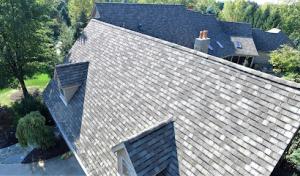
Hillsboro Roofing Company
(971) 297-3583 hillsbororoofingcompany.click
862 SE Oak St, Hillsboro, Oregon
5.0 from 19 reviews
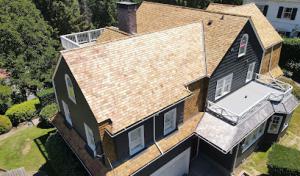
The long damp seasons in the Tualatin Valley shape how roof damage appears and how claims move through the system. Wind, hail, and storm-related damage drive claim activity more than coastal or wildfire loss patterns. In a typical Hillsboro roof, moisture intrusion from wind-driven rain and moss-related wear can escalate quickly after a storm, so timely inspection matters. When a storm hits, expect insurers to scrutinize the pattern of damage across the entire roof, not just the most visible issue.
In Hillsboro and the broader Oregon insurance environment, you should gather strong documentation before filing. Photos that show both the roof surface and interior signs of water intrusion help validate your claim. Before-and-after estimates build a credible narrative of the loss and needed repairs. Obtain contractor quotes that detail material, scope, and work timelines. Present these documents clearly to your insurer, and keep a dated record of weather events that coincide with the damage. If moss or moisture has already impacted decking or underlayment, document that condition as well, since it can influence repair versus replacement decisions.
Coverage endorsements for roof systems can influence whether you repair, replace with the same material, or upgrade after a storm loss. If your policy includes options for upgrading materials or enhanced underlayment, understand how those endorsements affect your choices after a claim. In practice, insurers may favor repairs for smaller damage and replacements when widespread moisture or moss has compromised the roof's integrity. Coordinate with your adjuster to align the repair path with your longer-term durability and the Oregon climate realities, so you're not stuck with recurring issues after the next wet season.
Find local contractors experienced in assessing and restoring roofs after hail, wind, and severe weather events.
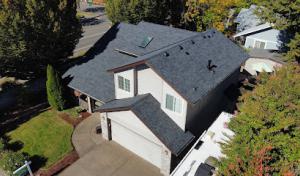
Hillsboro Roofing Company
(971) 297-3583 hillsbororoofingcompany.click
862 SE Oak St, Hillsboro, Oregon
5.0 from 19 reviews
Aylwin Construction
(503) 998-7663 www.aylwinconstruction.com
3144 SE Tualatin Valley Hwy, Hillsboro, Oregon
4.3 from 42 reviews