
Last updated: Apr 19, 2026
Snow accumulation followed by daytime melt and overnight refreeze is the pattern that drives ice dam formation at eaves. This is not a distant threat; it happens year after year and can quietly push a roof toward failure long before you notice missing shingles or interior staining. The high-desert climate delivers heavy, wet snowfall when sun angle is low, then harsh freeze-thaw cycles as nights drop below freezing. If a roof isn't prepared to shed that meltwater quickly, damming at the eaves becomes a living risk-roof deck moisture becomes trapped, ice pushes under shingles, and gutters can misbehave under the weight. You need to treat this as a recurring weather pattern, not a rare event.
Homes in this area face two simultaneous forces: the weight of snow and repeated freeze-thaw cycling. Prolonged wet-season exposure is less common than relentless cycle stress, so damage is more about repeated thawing and refreezing than one long rainy season. That means small failures can snowball quickly: a loose step flashing, a missing ridge vent, or missing drip edge can become a channel for meltwater to back up under layers. Ice damming often starts at the outer edge, where every sunlit day creates a melt that refreezes at night. If you've noticed dark streaks, curled shingles at the eaves, or frost on the underside of roof sheathing in the morning, you're already at risk.
Preventing ice dams starts at the top and along the edge. Inspect attic insulation and air sealing. In Bend's winter pattern, you want a warm attic that reduces the heat leaking into the roof deck. An unsealed attic allows heat to rise, thawing snow from the top while the eaves stay cold, which promotes dam formation as meltwater flows toward the colder edge and refreezes. Ensure soffit vents, ridge vents, and baffles are intact and unobstructed so air can circulate and keep both the attic and eaves closer to a uniform temperature. A tight perimeter seal around attic hatches, penetrations, and light fixtures matters just as much as insulation thickness.
During winter, check for unusual icicles forming in lines along fascia boards, damp patches on interior ceilings near exterior walls, and any peeling or bubbled paint at the eaves. After storms, don't wait for spring to inspect. A close-up look at the eaves and flashing after a heavy snow event can reveal shingles that have lifted, damaged step flashing, or gutters that have pulled away from the fascia. If you see granule loss on shingles near the edges or a halo of moisture along interior walls, plan a roof check before melt cycles return.
Replacement timing in Bend is commonly pushed into late spring through early fall because winter conditions interfere with tear-off, dry-in, and inspection scheduling. Use this on-ramp to align your maintenance calendar with the melt-free window. Prioritize re-sealing and re-flashing vulnerable edge details before the next winter arrives. When flashing needs replacement, address it promptly; weak flashing is a prime dam creator. If multiple seasons of freeze-thaw wear have already taken a toll, treat the roof as a system: ensure ventilation, insulation, and edge details are all upgraded together to curb further damming and expedite drying after storms.
Walk the roof only if it's safe; use binoculars from the ground if needed. Clear gutters of debris to allow free drainage, but avoid dumping ice into landscaping. Tighten loose fasteners and secure any protrusions along the eaves. Inspect the drip edge and flashing at valleys; if you see gaps or lifted pieces, schedule a professional adjustment or replacement. Finally, map out a simple maintenance plan for the next window of dry weather-alignment of insulation, ventilation, and edge flashing now reduces the risk of costly water intrusion when storms return.
Find local contractors experienced in assessing and restoring roofs after hail, wind, and severe weather events.
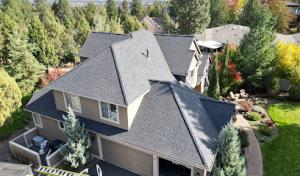
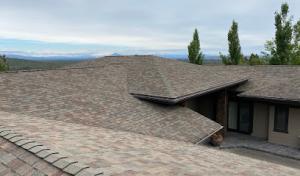
541 Roofing & Heat Coil
20720 NE High Desert Ln #4, Bend, Oregon
4.9 from 91 reviews
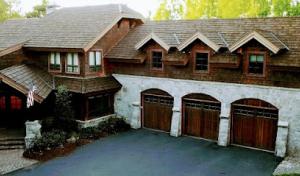
Deschutes Roofing
(541) 241-5720 www.deschutesroofing.com
1289 NE 2nd St #3, Bend, Oregon
4.7 from 565 reviews
Asphalt shingles and metal roofing are the dominant choices in Bend, reflecting the need to balance snow shedding, UV resistance, and cost. In a high-desert winter, a light- to mid-slope profile on asphalt shingles helps snow slide without creating excessive ice dam risk, while reflective granules cut heat buildup during long summer days. Metal roofs shine here for their superior snow shedding and long life, especially on mid- to high-slope roofs where wind-driven snow is common. If you live in an area with wildfire concerns, look for metal options with Class A fire rating and appropriate finishes that resist charring and ember intrusion. For both materials, a properly designed drip edge and secure fasteners are essential to withstand freeze-thaw cycles without leaks.
Clay and concrete tile are present in the market but require attention to structural load and freeze-thaw durability in Central Oregon conditions. Tile adds distinctive curb appeal but adds significant weight; a former roof may need reinforcement to carry the load of high-desert snow events. Concrete tiles tend to perform well in UV exposure, but freeze-thaw cycles can cause cracking if the installation isn't ventilated and drained properly. If you're considering tile, ensure the underlying structure is rated for the extra weight, and specify tiles with good freeze-thaw resistance and adequate spacing for drainage to prevent ice buildup along eaves. Keep in mind that tile edges are prone to chipping from wind-driven snow and debris, so select a profile and color that hides minor wear.
Wood shakes and synthetic/shingle options appear in Bend's mix, but homeowners must weigh appearance against wildfire exposure, dry summers, and maintenance demands. Real wood offers a rustic look but requires regular treatment to resist sun and water damage, and it's more susceptible to ember exposure during wildfire season. Synthetic shingles can mimic the aesthetic while offering enhanced fire resistance and lower maintenance, but still need periodic inspection for cupping or curling after freeze-thaw cycles. If choosing wood or synthetic, consider a high-contrast fascia and proper sealing at eaves to minimize condensation and mildew during the shoulder seasons.
In this climate, prioritize roofs that balance snow shedding with durability under freeze-thaw stress. Look closely at how the roof plane and attic venting interact: ample venting reduces ice dam risk and structural moisture buildup. Consider colors and finishes that resist UV degradation for the long Bend summers, while ensuring the chosen material has a proven track record in wildfire-prone environments. Finally, verify that the installed system includes a robust underlayment or waterproofing layer to guard against late-season melt rations and cold snaps.
Explore specialists in steel, aluminum, and standing seam metal roofs built to last 50 years or more.
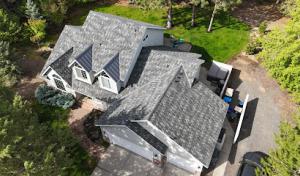
Scott's Roofing
1020 Paiute Way #100, Bend, Oregon
4.9 from 251 reviews
Tactical Roofing & Construction | Bend OR
(541) 507-8187 tacticalroofingconstruction.com
720 SE Business Way, Bend, Oregon
4.9 from 104 reviews
Bend's hot, dry summers accelerate UV-related aging, especially on exposed asphalt roofs that bear the full sun from late spring through early fall. The sun bakes surfaces, causing shingles to dry out, curl, and crack faster than you might expect. If a roof is aging or has small, unseen gaps, the heat can push those weaknesses into full-blown leaks come late summer or early fall. In practical terms, check for granule loss after the hottest weeks and look for slight gloss changes or darkened patches that betray surface wear. Even when a roof looks fine from the ground, UV-driven brittleness can have already set in on the underside and in seals around vents and flashing. If a home features long roof planes with little shade, consider close visual checks after peak heat and before fall storms, and be mindful of any sudden leaks when afternoon thundershowers roll in.
Fall wind storms in Bend can loosen shingles and expose flashing weaknesses before winter weather arrives. Seasonal gusts rake across ridge caps and edges, prying up loose tabs on aging asphalt or lifting metal overhangs just enough to stress fasteners. The result is often subtle: a corner of shingles lifting slightly, a small gap at a vent boot, or fluttering underlayment that tips you off only after a stiff wind. The danger becomes clearer after leaves accumulate and debris clogs eaves, amplifying wind-driven water intrusion. A practical pattern is to inspect roof faces that face prevailing autumn winds, especially on homes with shallow pitches or extended eaves. If sunlight reveals lifted edges or you hear a faint whistle on windy days, it's wise to address the issue before a winter storm amplifies the damage.
The city's dry climate means roofs may look intact from the ground while suffering from brittleness, sealant breakdown, and sun-driven surface wear. Flashings around dormers, skylights, and chimneys can become brittle and lose elasticity, letting minute water paths form that only show up after a freeze-thaw cycle. Sealants used in vent connections and perimeters can dry and crack, creating hidden channels for wind-driven rain. Take a proactive stance: do spot checks for hairline cracks in sealants, run a flashlight along chimney and vent joints to catch micro-cracks, and feel for cold spots after a chilly morning-these can signal moisture that has penetrated beyond the surface. In Bend, sun exposure compounds these issues quickly, so addressing small flaws now prevents bigger, costlier repairs later on.
Find local contractors experienced in assessing and restoring roofs after hail, wind, and severe weather events.
541 Roofing & Heat Coil
20720 NE High Desert Ln #4, Bend, Oregon
4.9 from 91 reviews
Deschutes Roofing
(541) 241-5720 www.deschutesroofing.com
1289 NE 2nd St #3, Bend, Oregon
4.7 from 565 reviews
Bend cost planning should account for the city's dominant material mix: asphalt shingles, metal roofing, tile, wood shakes, and synthetic/composite products. In this high-desert climate, you'll balance initial material price with long-term performance under snow load, freeze-thaw cycles, and strong summer sun. Each option carries its own installation quirks that affect labor time and cadence, especially when crews are squeezed by a short warm-weather roofing window.
Asphalt shingles are the most common starting point for many homes here. The low end typically runs around 350 USD per square, with the high end near 800 USD per square, depending on slope, attic ventilation, and shingle class. This option generally installs quickly and offers solid wind and hail performance for Bend's shoulder seasons, though you'll want a compatible underlayment and venting plan to manage ice dam risk in winter.
Metal roofing commands a higher upfront price but pays off in durability and rapid installation. Expect roughly 800 to 1,600 USD per square, depending on metal type, panel profile, and any insulation or retrofit needs. Metal performs well against snow slide, reduces heat gain, and resists damage from hail and falling debris. Careful flashing details and attic venting still matter to minimize ice damming at eaves.
Clay and concrete tile present a premium route with impressive longevity and UV resistance, but they demand a strong roof deck and precise framing. Clay typically runs 1,200 to 2,500 USD per square, while concrete tiles range from about 1,000 to 2,000 USD per square. Both are heavier and may require structural reinforcement, especially on older houses or with seismic considerations. In late winter or early spring, quick turnover can be challenging if crews are backlogged from longer-than-expected freezes.
Wood shingles or shakes sit between cost and maintenance, usually 450 to 1,100 USD per square. They offer natural aesthetics and decent insulating value, but in Bend's dry climate they require vigilant maintenance against sun exposure, cracking, and potential wildfire-related concerns if allowed to degrade.
Synthetic/composite shingles blend affordability with durability, typically 650 to 1,400 USD per square. They handle freeze-thaw cycles and burning concerns well and may ship faster than some tile jobs, but installation tolerances and venting compatibility still affect total time and cost.
Costs in Bend can rise when short warm-weather roofing windows compress contractor schedules between late spring and early fall. If a crew is juggling multiple installations, you'll see peak pricing or downtime between stages. Coordination of venting upgrades, attic insulation tweaks, and potential deck reinforcement can add time and cost even if the material price stays within expected bands. A thorough initial inspection helps keep surprises to a minimum and ensures the chosen material aligns with snow load, ice dam mitigation, and long-term performance needs.
Don't let upfront costs delay a critical repair - these contractors offer payment plans to fit your budget.
Mova Construction
(541) 316-0946 www.movaconstruction.com
61562 American Ln #110, Bend, Oregon
5.0 from 11 reviews
Superior Gutter & Roofing
(458) 224-3606 superiorguttercompany.com
19046 Shoshone Rd, Bend, Oregon
5.0 from 9 reviews
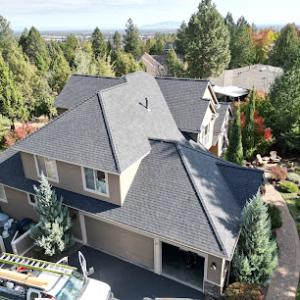
Greenlee Roofing
(541) 316-9567 greenleeroofing.com
19835 4th St, Bend, Oregon
4.9 from 245 reviews
Greenlee Roofing is a Roofing Contractor located in Bend, OR. From residential and commercial roofing to snow removal, Greenlee Roofing has a long track record in Central Oregon for supplying high-quality services for a fair price. We are committed to delivering high-quality design and exceptional craftsmanship with every project.
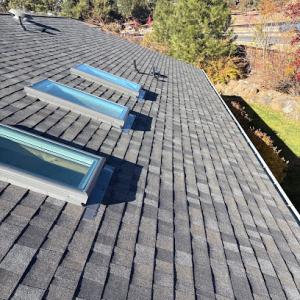
Ascent Roofing & Exteriors
(541) 527-7495 www.ascent-roofing.com
527 NE Bellevue Dr Ste 211, Bend, Oregon
5.0 from 65 reviews
At Ascent Roofing and Exteriors, we take pride in serving the Bend, Oregon area with top-notch roofing and siding services. With our skilled team of professionals, we aim to deliver high-quality craftsmanship and exceptional customer service. Trust us to protect and enhance your home with our expertise and dedication.
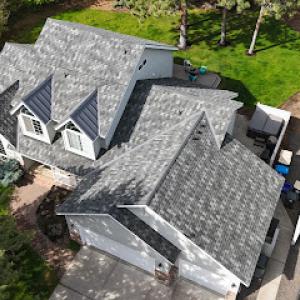
Scott's Roofing
1020 Paiute Way #100, Bend, Oregon
4.9 from 251 reviews
Scott's Roofing prides itself on being the best roofing contractor in Central Oregon. We offer every type of roofing service, including roof repair, roof replacement, and more; backed by our 30 years of industry experience. As we stride forward, we invite you to experience roofing excellence unlike any other. Our journey through the decades has solidified our expertise, and we're ready to embark on the next venture, with you by our side. We are a licensed, bonded, and insured local Central Oregon company. We specialize in residential and commercial tear-offs, re-roofs, and new construction. Our customer service is second to none! We have impeccable references. Our crew comes prepared to complete your project large or small.
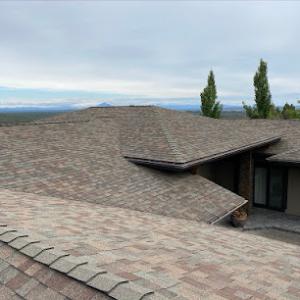
541 Roofing & Heat Coil
20720 NE High Desert Ln #4, Bend, Oregon
4.9 from 91 reviews
541 Roofing & Heat Coil is a veteran owned and operated business that provides reliable roofing services for owners of residential and commercial properties in Bend, OR and the surrounding areas. We have 14 years of experience in roofing. Showing much value to the customer is very important to us. We offer repairs to our customers with a 10 year warranty on our workmanship. If it makes sense financially or otherwise to repair your roof, we would rather accomplish this for you. There is no job too small for us when it comes to the customer’s roofing system. We are licensed and insured for your protection.
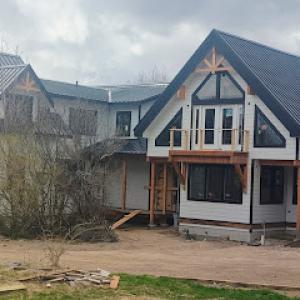
Tactical Roofing & Construction | Bend OR
(541) 507-8187 tacticalroofingconstruction.com
720 SE Business Way, Bend, Oregon
4.9 from 104 reviews
Searching for "trusted roofer near me"? Tactical Roofing & Construction is one of the leading roofers in Bend, OR, and the surrounding areas. Specializing in shingle, metal, TPO, and commercial roofing, we cater to all roofing Bend OR needs with unmatched professionalism. With 30 years of expertise, our services extend beyond roofing to include gutters, siding, and decks, providing a comprehensive solution for both residential and commercial properties. Our company prides itself on integrity and quality work, earning the trust and satisfaction of countless clients throughout Central Oregon. We are dedicated to building strong, lasting relationships with every project, ensuring that each client receives the highest level of service.
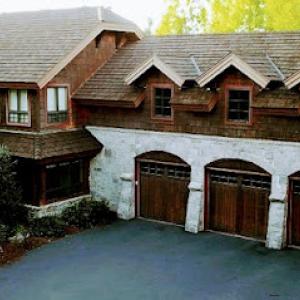
Deschutes Roofing
(541) 241-5720 www.deschutesroofing.com
1289 NE 2nd St #3, Bend, Oregon
4.7 from 565 reviews
Deschutes Roofing is a family and veteran-owned roofing contractor proudly serving Bend, OR and communities across Central Oregon. We know how important your home or business is, which is why we treat every roof like it’s our own. Most residential re-roofs can be finished in just one day, making the process simple and stress-free. Our team specializes in asphalt shingle roof replacement, metal roofing, flat membrane systems, and other specialty roof installations. Every project is backed by a 10-year workmanship guarantee along with manufacturer warranties of up to 50 years. With a focus on craftsmanship, reliability, and customer care, we deliver roofing solutions you can count on for years to come.

Northwest Quality Roofing
(541) 647-1060 nwqualityroofing.com
105 SE Bridgeford Blvd, Bend, Oregon
4.9 from 82 reviews
Central Oregon's leading Roofing and Gutter Contractor serving all of Central Oregon since 2009
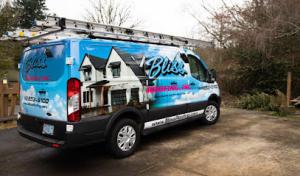
Bliss Roofing
(541) 703-3363 blissroofing.com
930 SE Textron Dr STE D, Bend, Oregon
4.9 from 70 reviews
For over 56 years, Bliss Roofing has provided trusted, high-quality roofing repairs and replacements to Oregon and Southwest Washington communities. We are a third generation family-operated business that truly cares about each and every one of our customers. We support both residential and commercial roofing projects which includes repairs, replacements, inspections, new construction, and more! We offer free estimates and always guarantee our work with warranties. We have developed an exceptional reputation through years of committed work and a passion for delivering customer satisfaction.
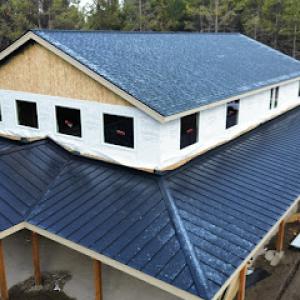
CH Roofing & Construction
(541) 666-8751 www.chroofingbend.com
2754 NE Hope Dr, Bend, Oregon
5.0 from 31 reviews
Protect your largest investment with our reliable roofing services. We are a locally owned and operated roofing company currently serving Bend, OR and surrounding communities. If you want to make your roof last as long as possible, it is vital that you never put off a roof repair. Small issues with roofing become big issues in a hurry. No matter how major or minor the repair you need, we are here to help. We offer roofing contracting, roof installation, and roofing repair.
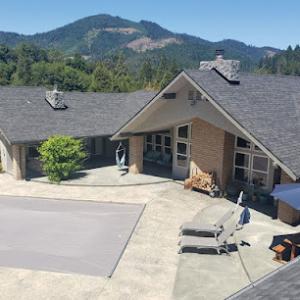
High Ridge Roofing & Gutters
(541) 357-4953 www.highridgepro.com
63025 O. B. Riley Rd #7, Bend, Oregon
5.0 from 31 reviews
High Ridge has been installing, replacing and repairing residential and commercial roofs, gutters, skylights, and siding for decades. Our experience has taught us a lot about the unique roofing requirements in Central Oregon. We’re certified Malarkey residential roof installers. That means qualified installers, quality materials, and protection for our clients. Our success corresponds directly to the long term satisfaction of our clients. Period. That is why we go the extra mile to keep you happy from the free estimate to follow-up maintenance, and everything in between. Give us a call today and let's get started on your project!
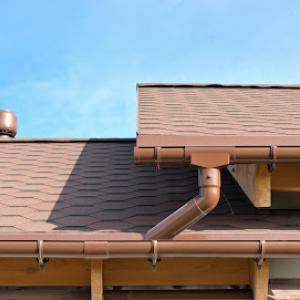
Columbia Basin Exteriors
2900 NW Clearwater Dr Suite 200, Bend, Oregon
4.8 from 52 reviews
CBX Roofs specializes in all types of roof replacements. Our highly trained project managers can not only provide free personable advice, they can help educate you on product details, storm damage, and produce competitive estimates. You can trust the professionals at CBX Roofing to handle your home. With our immaculate customer base and track record, we have replaced the roofs of over five thousand roofs of happy customers.
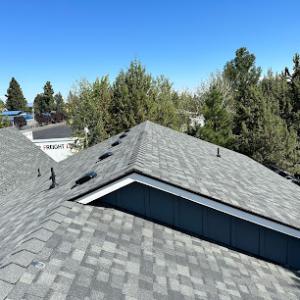
Satre Roofs
20355 Murphy Rd, Bend, Oregon
5.0 from 15 reviews
Roofing specialist, composition shingles, metal, TPO, and wood shakes. New construction & reroofs—25+ years in business and over 30 years of experience. As the owner of Satre Roofs, I am dedicated to providing my customers with the highest level of service and quality workmanship. I moved to Bend in 1989 & started my roofing career shortly after. It made sense to ride from roof to roof, gazing at the snow-capped mountains since my love for snowboarding at MT Bachelor brought me to the area! My business has always been based on reputation, which remains important to me and my family. I live here with my wife, Dakotah, & our two daughters, Berlyn & Sonoma, while our oldest daughter, Kadence, is in the Dental Hygiene Program at PCC of Oregon.
When planning a roof project, the permit landscape in this high-desert climate centers on ensuring snow load handling, proper ventilation, and durable underlayment for freeze-thaw cycles. A full roof replacement in Bend typically requires a permit issued by the City of Bend Building Division. Before starting, verify that your contractor has pulled the appropriate permit and that all required plans and specifications are on file with the Building Division. Expect the permit to cover structural considerations, drainage, and any changes to roof pitch, venting, or attic access that could affect performance in snow and temperature swings.
Begin by submitting a detailed scope of work, including roof type, underlayment, flashing details, ventilation strategy, and any changes to rafters or trusses. The Building Division often requests roof drawings, load calculations, and product data for underlayment and ventilation products. If the project includes venting or minor structural changes, gather notes from the contractor indicating how these changes will influence attic temperature, moisture control, and snow shedding. A complete submission helps prevent delays from additional review steps once the permit is issued.
Inspections commonly occur at key milestones: underlayment installation, flashing and ventilation details, and final completion. The underlayment inspection checks that the chosen material remains securely fastened and weather-tight prior to shingle application, a critical step for withstanding Bend's winter freezes and spring thaws. The flashing inspection focuses on roof-to-wall transitions, chimney and skylight interfaces, and penetrations that could become ice-dams or leak points during heavy snow years. Ventilation inspection confirms a balanced attic system to prevent condensation and heat buildup that accelerates wear on decking and shingles. The final inspection verifies overall roof integrity, drainage, and compliance with wind and fire-resistance standards relevant to local codes and wildfire-conscious material choices at the edge of the Cascades.
Minor changes to roof structure or venting in Bend may trigger additional review beyond a straightforward re-roof permit. Even seemingly small modifications-such as altering vent locations, adding a turbine vent, or adjusting attic insulation details-can prompt the Building Division to reassess how the roof will perform under freeze-thaw cycles and snow load. If this happens, expect a brief re-submittal process or a supplemental inspection step. Coordinate closely with the contractor to anticipate potential review points, gather updated calculations or product data, and keep the project moving without surprises.
Keep a clear line of communication with the Building Division and your contractor, and request checklists early in the process. Have product data ready for underlayment, ice-and-water shield, and flashing materials, along with venting schematics and attic temperature control plans. On the day of inspections, ensure access is safe and that any roof penetrations or attic openings are visible and accessible. A well-documented, proactive approach helps align with Bend's climate realities and reduces the risk of delays tied to permit reviews or re-inspections.
In Oregon, insurers commonly ask Bend homeowners for photos, storm-date documentation, and sometimes an independent roof report before approving roof claims. When a storm hits, gather dated photos that show wind shingles, hail dents, and any visible fascia or flashing damage. If a storm-date isn't clear from local records, keep a weather log or notes from neighbors who observed the event. A concise timeline helps the adjuster see when the damage likely occurred and supports the claim.
Adjusters reviewing Bend claims typically consider roof age and pre-loss condition alongside evidence of wind, hail, or storm damage. Have records of prior repairs or known wear ready, since age and maintenance history can influence settlement decisions. Insurers may request an independent roof report to verify conditions that aren't obvious from photos alone. If an inspection is needed, arrange access for the adjuster and ensure attic and interior ceilings aren't concealing signs of moisture or hidden damage.
Regional underwriting patterns in Oregon can affect how quickly Bend roof claims are reviewed and settled. Clear, organized submissions reduce back-and-forth time. Provide a concise problem description: what failed, where on the roof, and when you first noticed it. Reply promptly to requests for additional photos or documentation, and keep digital copies organized by date and location on the roof. If a claim stalls, ask for a written reason tied to policy language and, if needed, request a second opinion or phased inspections to avoid delays.
Keep a current photo record of the entire roof and any critical components (valleys, ridges, flashing). After qualifying wind or hail events, perform a careful exterior check from ground level and note any new concerns. Maintain a simple storm-damage log so future claims have a ready reference, matching damage observations with dates and weather reports for easy review by the adjuster.
Connect with contractors who help homeowners navigate the claims process from damage assessment to final approval.
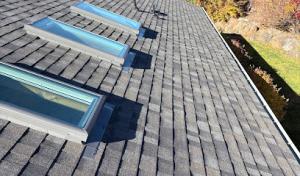
Ascent Roofing & Exteriors
(541) 527-7495 www.ascent-roofing.com
527 NE Bellevue Dr Ste 211, Bend, Oregon
5.0 from 65 reviews
541 Roofing & Heat Coil
20720 NE High Desert Ln #4, Bend, Oregon
4.9 from 91 reviews
Bend's winter rhythm-heavy snow, repeated freeze-thaw cycles, and sudden temperature swings-puts extra demand on skylight flashing and curb details. The combination can push seams, fasteners, and sealants beyond their typical wear, especially where the roof meets the skylight itself. If the curb wasn't flashed with a thoughtful margin for cold cycles, you'll see cracking, ice dam leakage, and noticeable degradation along the perimeter long before other roof areas fail. Plan for materials and workmanship that stay flexible as temperatures swing rather than brittle in a single late-winter freeze.
Low-slope sections in a Bend home demand careful attention to drainage and waterproofing. Spring rains frequently reveal ponding and seam weaknesses that had been hiding under a light winter load. Skylight surrounds, transitions to dormers, and rakes that run near these flatter zones are the first spots to show standing water, which accelerates underlayment wear and loosens sealants. If a low-slope area isn't draining toward discrete, well-sealed outlets, you'll accumulate moisture that creates subtle leaks that feel manageable until a heavy melt occurs.
When inspecting, place extra emphasis on flashing and underlayment around skylights and roof transitions. Look for lifted shingles near the skylight, degraded flashing joints, and any signs of moisture tracking under the counterflash or curb. Check for consistency in sealant thickness and evidence of ice buildup at the base of the skylight. In Bend's climate, you'll often find that the weakest link is a seemingly minor seam-or a minor lull in coverage-that becomes a leak path after a thaw. Regular, targeted checks around these features are essential to catching problems before they cascade.
Find contractors experienced in skylight installation, flashing, and leak repairs to bring natural light into your home.
Ascent Roofing & Exteriors
(541) 527-7495 www.ascent-roofing.com
527 NE Bellevue Dr Ste 211, Bend, Oregon
5.0 from 65 reviews
Scott's Roofing
1020 Paiute Way #100, Bend, Oregon
4.9 from 251 reviews
When you're choosing a local crew, look for teams that specialize in re-roofing rather than those whose primary focus is new construction. The market here is dominated by re-roof projects, so a contractor's ability to perform a clean tear-off, a solid dry-in, and thorough site cleanup matters more than flashy new-construction credentials. A practical yardstick is whether the crew brings dedicated vehicles, tarps, and mobile ventilation to protect attic spaces during the process, and if they leave the site looking ready for the next weather window.
Quick response is a major local hiring factor. Bend weather swings quickly, so contractors who answer calls promptly and can stage temporary protection before full replacement season are highly valued. Ask about how they triage urgent leaks after a storm, how they secure temporary tarps, and how fast they can mobilize to protect your home if winter fronts move in with wind-driven snow.
Bend's contractor market features many long-established, family-owned operators. Homeowners often compare responsiveness, site cleanup, and residential re-roofing focus more than niche luxury offerings. Seek crews with a proven track record of handling typical Bend homes-arid-sloped roofs, older sheathing, and wildfire-conscious material choices-without sacrificing cleanup thoroughness. Request recent local references, photos from comparable Bend projects, and a clear plan for staged protection, rain-safe dry-in, and meticulous debris removal. This combination tends to yield a smoother experience when winter snow returns and the freeze-thaw cycle resumes.
Get a clear picture of your project costs upfront - no commitment required.
Bliss Roofing
(541) 703-3363 blissroofing.com
930 SE Textron Dr STE D, Bend, Oregon
4.9 from 70 reviews
High Ridge Roofing & Gutters
(541) 357-4953 www.highridgepro.com
63025 O. B. Riley Rd #7, Bend, Oregon
5.0 from 31 reviews
Mova Construction
(541) 316-0946 www.movaconstruction.com
61562 American Ln #110, Bend, Oregon
5.0 from 11 reviews