Last updated: Apr 19, 2026
Lake Oswego's wet winters and cool, damp springs create long periods of roof surface moisture that accelerate moss growth on aging roofs. In neighborhoods with mature trees around Oswego Lake and the surrounding hillsides, that moisture lingers in shaded areas and along eaves, keeping shingles damp well into late spring. The recurring moisture cycle means moss can establish on shingles before most homeowners realize it, especially on roofs with southern or eastern exposures where shade is persistent beneath the canopy. Expect moss growth to respond to both humidity and debris retention, with finer organic matter acting as a seedbed in damp microclimates.
The heavily treed residential setting amplifies shade and debris retention, which in turn sustains moisture on roof surfaces longer than in open-yard neighborhoods. Leaves, needles, and small branches accumulate in valleys, near chimney flashings, and along drip edges, providing nutrients and shelter for moss and algae. In these conditions, moss isn't just an aesthetic issue; it can lift shingles, trap moisture against underlayment, and accelerate wear in valley and ridge zones. The best practical response is a proactive routine that pairs gentle cleanup with targeted treatment, focusing on shaded, high-debris zones first.
Dry summer months are the most reliable replacement window locally because winter storms and shoulder-season rain reduce workable installation days. When planning to replace or reseal aging roofs in shaded neighborhoods, aim for late summer to early fall, after the dry spell begins but before the first heavy autumn rain. This timing helps ensure bedding, sealants, and underlayment can cure properly without competing moisture from the season's typical wet pattern. In homes with overhanging branches, consider trimming where safe and feasible to reduce shade on the new roof surface and improve long-term performance.
Before any major replacement decision, address moss and surface moisture as a first line of defense. Use a roof-safe moss treatment and careful brushing to remove growth from shingles and flashing lines. Avoid aggressive pressure washing that can lift granules or damage underlayment; instead, work from the eave upward with a soft-bristle brush and a product designed for roof use. After moss reduction, visually inspect shingles for signs of lifting, curling, or granule loss, and note valleys, ridges, and penetrations where water flow concentrates. If drainage paths are compromised by debris, clear them promptly to restore effective water shedding.
Establish a seasonal maintenance cadence that aligns with Lake Oswego's climate pattern. In late winter or early spring, perform a clean sweep of gutters and overhanging limbs to minimize debris that holds moisture against the roof surface. In early summer, recheck for any moss regrowth in persistently shaded zones and address it before the next wet season begins. Keep an eye on the condition of flashings around chimneys, skylights, and vent pipes, as these areas are especially susceptible to moss-driven moisture retention and membrane wear. A well-timed, shade-aware maintenance plan helps you extend the life of an aging roof and reduces the likelihood of costly replacements later on.
The local climate shapes every replacement plan. Persistent winter rain can stretch tear-off and underlayment inspection windows into days that feel like a test of patience. In this setting, moisture isn't just an inconvenience-it can dictate squarely whether crews can safely remove old roofing, inspect decking, and lay new underlayments without compromising the structure. The outcome hinges on timing, not just material choice. If a job charges ahead in a wet spell, latent water issues or missed inspection milestones can cascade into rework, delays, and elevated risk to the roof assembly.
Winter in this region brings layers of damp, gray days that dull the best-laid schedules. Tear-off work stalls when rain is persistent, and even small delays compound as crews wait for dry stretches to recheck decking and confirm substrate integrity. Underlayment inspection timing becomes a bottleneck because moisture can obscure defects and invite remediation that wasn't planned. The takeaway: expect pauses, and build them into the plan. If you're coordinating with a contractor, secure a buffer period around the typical wet season and avoid assuming two consecutive dry weeks will appear exactly when needed.
Spring and fall offer the most likely windows for full replacements, yet they're notoriously brief in this area. Short dry spells can vanish with a sudden shower, turning a single-week project into a multi-week saga. On a shaded property, moss thrives in the early dry-downs, which can complicate surface prep and adherence of new underlayment. Scheduling a replacement during these shoulder seasons requires a disciplined sequence: confirm dry days well in advance, align decking inspection to the first dry morning, and protect the crew with shaded work zones and dew mitigation. If the forecast shows a slim dry gap, phase the work so critical steps-tear-off, deck inspection, and underlayment-happen during the best available window with contingency playtime built in.
Summer offers the longest installation window locally, providing extended days to complete work. However, heat spells and drying winds demand careful handling of heat-sensitive materials, particularly if asphalt, shingles, or certain synthetics are involved. Plan for hydration, shade, and early-start strategies to keep materials within their installation tolerances. Even with a long window, a sudden heat spike or an abrupt smoke-free day can shift the schedule. The result is a need for precise sequencing-pre-dry stripping, controlled staging, and timely material deliveries aligned to forecasted high-velocity heat days.
Coordinate with a contractor to draft a replacement plan that builds in weather contingencies for winter, spring, and fall. Establish a triage approach: determine essential sections first (high-risk areas, moss-heavy zones, and known moisture pathways), then schedule secondary areas around available dry spells. Pre-install moss control and surface cleaning during the dry phase to reduce moisture retention before tear-off. Ensure moisture barriers and decking are inspected promptly after the first dry window to avoid accumulating hidden rot. Finally, set up a flexible timeline with explicit milestone checks and clear communication channels, so you're not left guessing when the next window may open.
Get a clear picture of your project costs upfront - no commitment required.

Oswego Roofing
(503) 636-7663 oswegoroofing.com
5200 Meadows Rd Suite 500, Lake Oswego, Oregon
4.6 from 162 reviews
Oswego Roofing is a family owned, full-service roofing company. We've been serving the Pacific Northwest for over 35 years. We are licensed, bonded and insured in both Oregon and Washington for clientele ranging from residential and commercial, to property management companies. We provide comprehensive services from start to finish, including new installations, repairs, replacements, and maintenance.
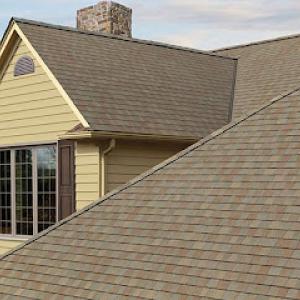
Lake Oswego Roofing Company
(971) 297-3715 lakeoswegoroofingcompany.homes
4800 Meadows Rd, Lake Oswego, Oregon
5.0 from 17 reviews
In search of a roofing contractor you can depend on in Lake Oswego, OR? Look no further than Lake Oswego Roofing Company. We specialize in residential and commercial roofing services. Backed by years of experience we offer complimentary roof inspections to identify any potential issues before they escalate. Whether it's a minor repair or a complete roof replacement, our skilled roofers are ready to handle it all with precision and expertise. In the unfortunate event of storm damage, we're your trusted partner for swift and reliable repairs. We understand such situations and strive to provide prompt assistance to restore your home, including insurance assistance. Trust your home to Lake Oswego Roofing Company over other roofing companies.
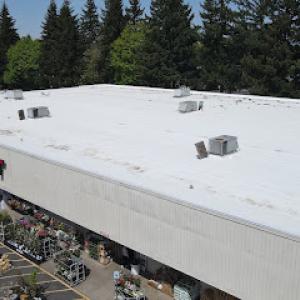
Skyline Roofing
(503) 927-8912 www.skylineroofing.org
Serving
4.9 from 28 reviews
Skyline Roofing is a trusted roofing contractor serving both commercial and residential clients. With over 15 years of experience, we are committed to delivering top-quality roofing solutions tailored to meet your specific needs. Our skilled team of professionals is equipped to handle all aspects of roof installation, repair, and maintenance, ensuring the utmost precision and durability. We take pride in our attention to detail, using only the highest quality materials and employing industry-leading techniques. Whether you need a new roof for your commercial property or repairs for your residential roof, you can rely on Skyline Roofing for reliable, efficient, and long-lasting results. Contact us today for a free consultation and ex

Interstate Roofing
(503) 755-5183 www.interstateroofing.com
Serving
4.8 from 718 reviews
Established in 1988, Interstate Roofing has grown into a distinguished, award-winning company, catering to the Portland-Vancouver metro area's roofing needs. Interstate Roofing prides itself on a strong community commitment, treating customers and staff like family, and aligning closely with customer needs to ensure exceptional service and project outcomes. They’ve also earned a reputation as the go-to commercial roofing contractor in the Portland-Vancouver metro area, specializing in both steep-slope and low-slope large-scale projects, from churches to schools, multi-family apartment complexes, and more. Interstate Roofing emphasizes environmental sustainability, recycling roofing debris from their projects, instead of adding to landfills.
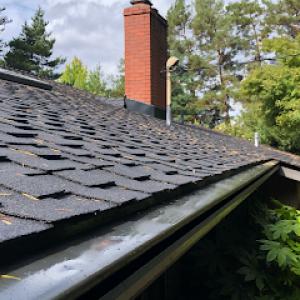
Reliance Roof Pros
(503) 303-7180 relianceroofpros.com
Serving
4.9 from 80 reviews
A ROOFING COMPANY DESIGNED BY HOMEOWNERS FOR HOMEOWNERS. Based on interactions and feedback from hundreds of homeowners like you, you told us that you oftentimes felt uncomfortable dealing with salespeople. You didn’t really know if you could trust the salesperson you were dealing with because of the inherent conflict of interest that occurs when the salesperson gets paid based on how much you buy. You also told us that you were uncomfortable with much of the hidden agendas and the lack of transparency. We have designed systems to ensure transparency and give you the process you described to us-- with friendliness, professionalism and quality.
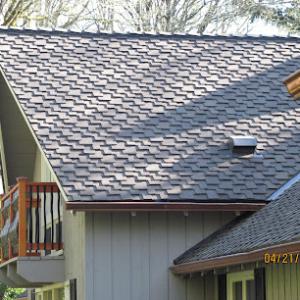
Cascade Roofing Portland
(503) 620-2711 www.cascaderoofingportland.com
Serving
4.7 from 75 reviews
At Cascade Roofing, we provide top-quality residential roofing services throughout Portland, Oregon. With decades of experience, our skilled team specializes in residential and commercial roof installations, repairs, and maintenance. We are committed to delivering durable, energy-efficient solutions tailored to your specific needs. Whether you need a new roof or prompt repairs, we prioritize customer satisfaction with every project, ensuring long-lasting protection for your home or business. Give us a call today for a free estimate.
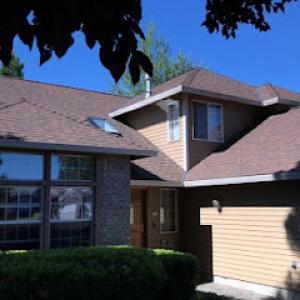
Precision Roofing & Gutters
Serving
4.9 from 310 reviews
Homeowners in Portland know that living in the Pacific Northwest means that their house, and more importantly their roof, will see an average of about 36 inches of rain each year. While other roofing contractors may offer a variety of roofing and gutter services, we set ourselves apart with installations and repairs that come with a lifetime warranty. At Precision Services, we value the source of our products as much as our workmanship with every project. We care about sustaining both our local economy and American industry by using building materials manufactured by local businesses. Call us today!
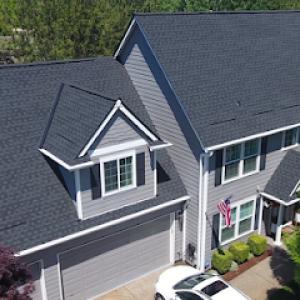
Prime Exteriors NW
(503) 679-8915 primeexteriorsnw.com
Serving
4.7 from 150 reviews
Prime Exteriors NW is the leading Oregon roofing company, servicing the Tigard OR and surrounding Portland Metro Area regions; our company reaches Tigard, Tualatin, Beaverton, Hillsboro, Lake Oswego, West Linn, Oregon City, Gladstone, Milwaukie, SW Portland, NW Portland and SW Washington neighborhoods. Prime Exteriors NW roofers specialize in roof repair, installing architectural, presidential, flat, and metal roofing systems; however, our team of contractors also perform exceptional siding, window, and gutter replacements. Our company strives to provide the finest experience possible through exceptional quality of products and customer service.
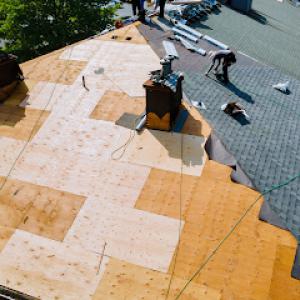
Affordable Roofing & Gutter Company
(503) 575-7267 affordableroofingandguttercompany.com
Serving
4.7 from 121 reviews
Affordable Roofing and Gutter Company in Tualatin provides professional roofing and gutter services. We specialize in roof installation, new roofing, gutter installation, and leaf guard systems to keep your home well-protected and looking great. Our team also offers thorough gutter cleaning and repair services to prevent water damage and ensure your gutters work efficiently year-round. With a focus on quality and reliability, we’re dedicated to delivering excellent results that enhance your home’s durability. Whether you’re in need of a new roof or routine gutter maintenance, we’re ready to help. Contact us today for professional care you can count on!

HOMEMASTERS - West PDX
(503) 506-6536 homemasters.com
Serving
4.6 from 126 reviews
With decades of experience, HOMEMASTERS West PDX provides expert craftsmanship and comprehensive home exterior solutions. Our team specializes in roofing, siding, and skylight installations, along with gutter cleaning, pressure washing, and window services. Since 1990, we have been a trusted partner for homeowners throughout the greater Portland area, offering durable and energy-efficient solutions to protect and enhance your home. We are dedicated to delivering exceptional quality and care on every project, ensuring your home remains beautiful and safe for years to come.
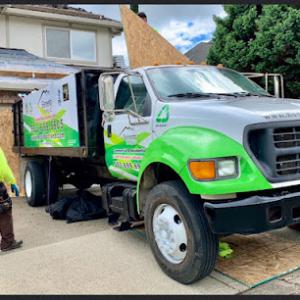
Elements Roofing
(503) 699-6905 www.roofportland.com
Serving
4.5 from 43 reviews
Elements Contracting specializes in Residential and Commercial Roofing Repair and Replacement, 24 Hour Emergency Leak Repair, Skylight, Gutter and Siding repair and installation. We serve Greater Portland Area and the Oregon Coastal Communities.

Exterior Care Pdx
(503) 925-3907 www.exteriorcarepdx.com
Serving
5.0 from 91 reviews
Exterior Care Pdx provides roof replacement, repair and maintenance, deck services, concrete services and pressure cleaning and 24-hour emergency service to the Tualatin, OR area.
Roofing in this area reflects a varied, higher-end residential character. Asphalt shingles, metal, clay tile, concrete tile, wood shakes, and synthetic composites all share the skyline, each chosen to pair with architectural details and mature landscape. The result is a palette that rewards thoughtful maintenance, because texture and color interact with shade from tall trees and with Oswego Lake's persistent winter moisture. The standout point for homeowners is that material choice isn't just about curb appeal; it shapes how water moves on the roof, how moss might take hold, and how replacement timelines must be planned around local climate patterns.
Damp, shaded conditions create a hospitable environment for moss and algae, especially on wood shingles and shakes. In this area, moss isn't merely cosmetic; it holds moisture against the roof deck and can accelerate decay if left unmanaged. For wood shingles and shakes, routine inspection after wet winters is essential, focusing on areas under overhanging branches and near mature deciduous canopy gaps where sun exposure is uneven. On concrete and clay tiles, moss can still find footholds in shaded valleys, so routine cleaning and selective removal help preserve both appearance and function. The goal is to keep moisture from lingering in crevices and under fasteners, where rot and fastener corrosion can begin.
Tile and metal systems are especially relevant in this setting because many homes feature steeper, more dramatic rooflines. Those slopes create beautiful silhouettes but also introduce installation challenges and a longer lead time for replacements. Clay and concrete tiles resist weathering when properly installed, yet their weight and the precision of underlayment and batten work demand careful assessment before any replacement. Metal roofs, with their clean lines and long service life, benefit from dedicated maintenance to prevent corrosion at seams and penetrations in shaded, moss-prone zones. In both cases, the replacement plan should reflect the unique geometry of the roof and the continuity of the drainage plan across complex contours.
Asphalt remains a common choice across varied architectural styles, offering a balance of performance and versatility. In a wooded setting, choosing a shingle with algae resistance and a darker tone can help manage heat absorption and moss growth, though the shade of the canopy still governs how quickly soiling appears. Synthetic or composite shingles bring lightweight performance with design flexibility, often mimicking heavier materials while reducing roof-load considerations on steeper designs. For homeowners, these options can align with both aesthetics and the practical demands of moss-prone, damp winters without requiring the same level of maintenance as natural wood in dense shade.
Wood remains a classic choice for a natural, textured look that complements mature landscaping. However, wood shingles and shakes demand proactive upkeep in this climate. Regular inspections for moisture intrusion, splitting, cupping, and moss encroachment help extend service life. When moss begins to cover the surface, it can trap more moisture and create a cycle of accelerated degradation. Cleaning should be done with care, using methods that remove growth without damaging the wood's surface, and repairs should be planned at the first sign of widespread wear, especially where fasteners show signs of corrosion or wood around them begins to decay.
Skylights are a common feature in this market, where many local contractors actively advertise skylight roofing experience. You'll notice that reputable crews emphasize not just the pane itself but the entire roofing assembly around it-flashing, sealants, and the drainage path around skylights. Because forests and shade contribute to persistent moisture, choosing a skylight system that couples well with a vented curb or curbless option can matter as much as the glass. If you plan new skylights or retrofit, expect the installation to hinge on careful integration with the surrounding roof plane, not just a box cut and a sealant bead. The risk of leaks is often tied to how well the flashing transitions between the skylight and adjacent shingles or tiles, especially on gable and dormer combinations that are common in this area's upscale homes.
Lake Oswego's custom residential stock features multiple roof penetrations and frequent architectural transitions, which makes flashing quality a major leak-prevention issue. In practice, this means you should scrutinize vent stacks, skylight curbs, solar arrays, and exhaust terminations as a coordinated system rather than isolated add-ons. The more complex the roof geometry-distinct ridges, valleys, and step-through transitions-the greater the opportunity for moisture to creep in at seams if flashing is overlooked. A conservative approach is to treat every penetration as a potential leak source, demanding integrated flashing details that tie into the upper roofing plane, with attention to direction of drainage and snow-load considerations. When a contractor lays out the plan, you should see a continuous, well-sequenced flashing strategy that minimizes abrupt transitions and grouted joints.
Chimney-related roof intersections are a recurring local service category, matching the prevalence of chimney work among area contractors. The top concern around chimneys in this climate is the junction where brick or stone meets roofing materials, plus the cap and flashing that shepherd water away from the stack. In homes with brick chimneys, counter-flashing under shingles and proper kick-out details at the chimney base are essential to prevent slow leaks that can travel along rafter tails and into attic spaces. For tile or shake roofs, the chimney flashing must accommodate seasonal moisture swings and shade-driven moss growth that can widen gaps over time. A seasoned crew will inspect not just the visible edge of flashing but the full run from the chimney base outward, ensuring compression and seal longevity under wet winters.
Find contractors experienced in skylight installation, flashing, and leak repairs to bring natural light into your home.

Oswego Roofing
(503) 636-7663 oswegoroofing.com
5200 Meadows Rd Suite 500, Lake Oswego, Oregon
4.6 from 162 reviews
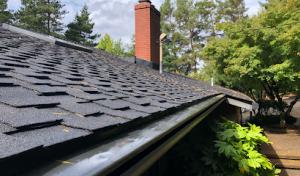
In Lake Oswego, a building permit is typically required for a full roof replacement through the city's Building Services division. The permit process helps ensure proper installation, ventilation, and drainage details in a neighborhood with mature trees and shade-driven moss. Before any work starts, verify that the chosen contractor handles the permit submission and pulls the permit in advance, rather than assuming automatic permit handling. The Building Services office can confirm whether any site-specific factors-like hillside access, setback constraints, or encroachments-affect the permit scope. Have the permit number and the contractor's name readily accessible on the job site so neighbors and inspectors can verify compliance at a glance.
The local inspection sequence commonly includes an inspection at tear-off or underlayment stage and a final inspection at completion. Plan for access during the tear-off/underlayment check, since inspectors will look at deck-covered sections, roof-to-wall connections, and proper underlayment choice for wet winter conditions. A moss-prone climate and shaded roofs in this area mean inspections closely examine ventilation gaps, drip edge continuity, and flashing around chimneys and skylights. The final inspection confirms that the new roof meets code requirements for wind resistance and moisture handling, and that any venting or attic insulation enhancements align with current standards. Keep the site tidy and free of obstructions so inspectors can move around safely, particularly on steeper sections where winter moisture can linger.
Homeowners should expect the contractor to coordinate directly with Building Services to schedule inspections and to supply required documentation, including roof tear-off details and warranty information. Before work begins, obtain a written notice that the permit is pulled, the contractor's license status is current, and that any necessary structural or ventilation upgrades are listed in the permit package. If a concern arises during tear-off-such as unexpected rot or sheathing damage-document it and discuss it with the contractor promptly, ensuring any changes are reflected in the permit amendments. A well-coordinated permit process reduces delays and keeps the project on track through the wetter seasons.
In this market, asphalt shingles typically run from about $350 to $650 per square, while metal roofing sits around $600 to $1100 per square. For more architectural options, clay tile projects come in at roughly $900 to $1800 per square and concrete tile from about $900 to $1700 per square. If wood shingles or shakes are chosen, expect $550 to $1000 per square, and synthetic or composite shingles from $450 to $800 per square. These figures reflect the local finish expectations, including premium detailing that many older, tree-shaded homes require.
Costs in Lake Oswego are often pushed upward by complex residential roof designs, premium material choices, and detail-heavy work around skylights, chimneys, and multi-plane rooflines. The wooded setting around Oswego Lake means additional surface prep for moss control and moisture-related edgework, plus careful flashing around mature trees and potential shade-impacted areas. Expect higher labor time for precise integration with existing chimneys and skylights, and for roof lines that step, valley, or overhang in multiple planes.
Scheduling pressure during the dry-season replacement window can affect labor availability because many homeowners try to avoid wet-weather installation periods. If a contractor's backlog is heavy in late summer, you might see tighter crew availability or slight price pressure to secure a slot. Plan ahead for a window where gutters and moss mitigation align with minimal disruption to surrounding landscape and outdoor living spaces.
If your roof is near the upper end of the life cycle, prioritize a phased plan that accounts for winter moisture and persistent shade-driven moss. A staged approach can reduce exposure risk, keep interiors drier during replacement, and help manage costs tied to complex install sequences around skylights and chimneys. Replacements in this climate benefit from material choices that balance moisture resistance with long-term durability.
Don't let upfront costs delay a critical repair - these contractors offer payment plans to fit your budget.
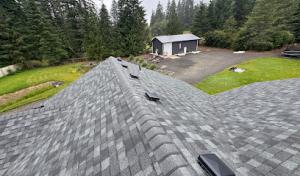
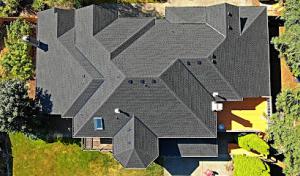
In this area, you typically deal with standard Oregon roof-claim handling, including documentation, adjuster site visits, and weather-related damage review rather than a uniquely restrictive insurance market. The process moves more smoothly when you understand how photos, notes, and timelines fit into the adjuster's assessment. Start with a clear contemporaneous record of what happened, especially if you notice moisture intrusion, missing shingles, or lifted edges after a storm.
Before-and-after photos are your strongest evidence, showing both the pre-storm condition and the post-event reality. Document visible wind or hail impact, including attic or interior signs of leaks. Keep permit documentation tied to the roof work if you have already pursued repairs or replacement. Tape recordings or written notes describing when you first noticed a leak, how it progressed, and any temporary fixes can help corroborate the timeline during the claim review.
Because winter storms and heavy rain are the main local weather stressors, leak documentation matters more than ever during the wet season. If you discover active leaks, set up temporary protection to limit interior damage-tarps anchored securely, buckets for pooling water, and careful interior tarping to prevent further moisture intrusion. Photograph these temporary measures and note the date you implemented them. Communicate promptly with your insurer about the steps you've taken to mitigate further damage, since delays can complicate claims.
When the adjuster arrives, point to the most telling evidence first: the before/after photos, impact signs, and the condition of the roof's flashings and valleys. Answer questions succinctly and stick to observed facts. If you disagree with findings, provide additional documentation and request a re-inspection after any identified defective areas are addressed. In more complex cases, keep a running log of communications and decisions to avoid confusion as the claim progresses.
Find local contractors experienced in assessing and restoring roofs after hail, wind, and severe weather events.
Oswego Roofing
(503) 636-7663 oswegoroofing.com
5200 Meadows Rd Suite 500, Lake Oswego, Oregon
4.6 from 162 reviews
Lake Oswego Roofing Company
(971) 297-3715 lakeoswegoroofingcompany.homes
4800 Meadows Rd, Lake Oswego, Oregon
5.0 from 17 reviews
Flat and low-slope roofing is a meaningful local specialty even though the city remains predominantly residential, signaling a steady demand for additions, attached structures, and some modern home designs. The shady, tree-dotted neighborhoods around Oswego Lake create a damp microclimate where even small water intrusions on low-slope sections can echo through fascia and ceilings. In this setting, low-slope performance matters as much as appearances, and a roof that looks fine from the ground may hide slow-mo leaks at the membranes. Treat low-slope areas as distinct parts of the home's envelope, not afterthought appendages.
During Lake Oswego's wet season, drainage-driven moisture problems hit low-slope sections more readily than steeper main roof planes. Clogged or undersized scuppers, gutters, and drain lines can back up water onto membranes, creating blisters, pooled moisture, or edge rots that progress behind trim work before being noticed. Shaded roof zones tend to stay wetter longer, amplifying moss growth and membrane wear. A cautious approach is to regularly inspect for hairline ponding, edge detachment, and organic buildup that can compromise the waterproof layer.
Homes with mixed roof types require a careful, segmented replacement mindset. Treat low-slope membranes and steep-slope coverings as separate systems with their own life cycles and maintenance needs. When planning replacements, ensure the membrane can shed water properly while the steep-slope materials stay shielded from the same moisture load. Priority should go to ensuring a continuous, well-sealed transition between the two systems, so one failure doesn't compromise the other.
Establish a practical inspection cadence focused on the low-slope areas: look for ponding, edge capping gaps, fastener corrosion, and micro-cracks in the membrane. After heavy rain, pay attention to attic vents and ceiling spots beneath low-slope zones, where early signs of moisture intrusion often appear before exterior damage is obvious. In shaded neighborhoods, seasonal moss management on the membrane edge becomes part of a proactive maintenance plan.
Find specialists in TPO, EPDM, and built-up flat roofing systems for residential and commercial properties.