
Last updated: Apr 19, 2026
The Willamette Valley pattern brings wet winters and dry, temperate summers, and those seasonal shifts directly shape when you schedule a tear-off and dry-in. In this region, you don't want to chase a perfect dry day and end up with a mid-winter project partly exposed to rain. The goal is to align the project so you have a solid, dry-in period before the next cold snap or storm train moves in. In Dallas, you'll notice the seasonal rhythm shows up as longer wet spells in late fall and early spring, with a hard turn toward reliability in the heat of late summer. That rhythm should inform when your crew can safely remove old material, inspect decking, and install underlayment and new shingles without repeated weather interruptions.
Spring in the central valley often stays damp long enough to slow drying times after tear-off. If you're planning a replacement, aim for early to mid-spring when you've already seen the last of the heavy winter rains but before the July heat settles in. Start with a pre-job inspection for moss, lichen, and any decking issues that moisture may have highlighted over the winter. Tackle those concerns now so the actual roof replacement can proceed without delays. Keep a close eye on a run of wet days, because two or three days of steady drizzle can push a tear-off into a longer-than-expected schedule. If you find surface moisture on the decking as you begin, pause and monitor temperatures and humidity to avoid trapping moisture under underlayment.
The hotter, drier summer stretch is typically the most efficient replacement window before fall storms return. In practice, this means scheduling tear-off and dry-in during the peak of summer, when you can reasonably push through dry-out times and complete the job before rain returns. Take advantage of long daylight hours to move efficiently, but still keep a careful eye on heat-sensitive materials and worker safety. Prioritize a clean tear-off with minimal debris exposure, and coordinate closely with the crew to ensure decking is dry and free of moisture if an earlier shower interrupts progress. A mid-summer window often allows for uninterrupted installation, which reduces the risk of mid-project moisture intrusion and minimizes the chance of moss reestablishing on damp, unprotected surfaces as fall approaches.
Fall storms can arrive quickly as the season shifts, so you want a completed, properly sealed roof before the first significant rain event. Use late summer to wrap up any remaining tasks and confirm drainage details, flashing integrity, and venting checks. If a late summer dry spell is followed by a wet spell, your crew should be prepared to respond with a flexible plan that protects newly installed underlayment and shingles. In this window, emphasize full clearance of the old roof and a meticulous dry-in with weather-rated underlayment, so you're not caught with moisture on decking when rain returns.
Winter rain and freezing temperatures in this part of western Oregon can delay tear-off or installation and increase the risk of exposed decking staying wet. If you must schedule during colder, wetter months, build in contingency time for rain days and consider moisture-management strategies, such as staged tear-off and a quick, robust dry-in plan that minimizes exposure. You may also shorten any gap between removal and shingle installation by focusing on roof areas that are most vulnerable to water intrusion first. In practice, that means prioritizing critical valleys, chimneys, and hips early in the project so the rest of the roof can be completed as temperatures permit.
Prolonged seasonal moisture exposure in this area bites deeper than heat stress. Collected rains and the damp Willamette air push moisture into every seam, vulnerable flashing, and edge detail. A dry-weather mindset won't cut it when the slate of long, steady rain runs through fall and into winter. The priority is water shedding that keeps leaks off ceilings and keeps attic framing from soaking up moisture. If any portion of the roof sits flat or with slow drainage, that area becomes a pipeline for leaks once storms roll in. Expect that the roof's most critical decision point is reliable, continuous shedding, not just how glossy the shingles look in sun.
Homeowners should expect leak trouble to cluster around three features: penetrations, skylights, and edge flashing. In Dallas, penetrations become fault lines when flashing loses its seal after repeated freeze-thaw cycles and heavy rain. Skylights are a frequent hot spot; improper flashing or worn sealants invite water to track along valleys and down interior walls. Don't wait for a visible drip to act-inspect the flashing around every skylight during dry days and after each major storm. For valleys and rakes, look for loose or missing shingles, lifted tabs, and rusted or failed metal edge details. Immediate action beats a slow drip that stains ceilings and rots sheathing. If water is actively entering, address the exact penetration and re-seal with roof-grade flashing material designed for wet climates.
The local contractor signal mix shows emergency repair activity is highly active, which fits a market where homeowners need fast response during the rainy season rather than only full planned replacements. If rain starts sleeking through a seam or a flashing corner, call for a temporary tarping or quick seal until a full fix can be scheduled. Priority is to stop the water from reaching insulation and interior finishes. Create a rapid-response plan with a trusted contractor: identify the highest-risk sections-skylights, chimneys, and long, low-slope transitions-and arrange for immediate temporary leaks stops while you pin down a longer-term repair or replacement plan.
During wet spells, perform a quick, proactive inspection after every heavy rain. Check around skylights and vent stacks for fresh sealant gaps, check gutters and downspouts for clogs, and confirm that water is shedding properly from eaves and hips. Keep moss under control with careful, dry removal and ensure flashing remains well-sealed at every seam. If you notice persistent damp spots in the attic or on the ceiling, don't delay-early intervention with targeted flashing and sealant fixes can prevent larger, costlier damage when the next storm hits.
Find contractors experienced in skylight installation, flashing, and leak repairs to bring natural light into your home.
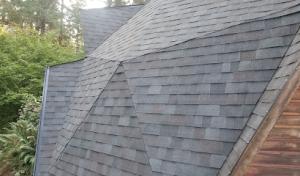
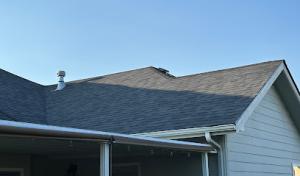
In this part of the Willamette Valley, homes face extended wet stretches that demand reliable leak prevention and solid shedding in wet weather. Asphalt shingles and metal roofing are among the dominant materials, reflecting a balance between affordability, durability in damp conditions, and practical turnover when a roof reaches the end of its useful life. The rhythm of wet seasons means many homeowners time replacements to avoid heavy storms and prolonged moisture exposure, prioritizing systems that install quickly with dependable underlayment and flashing. The choice you make should align with the local climate pattern: a roof that sheds water efficiently, resists moss growth, and tolerates repeated freeze-thaw cycles without compromising a dry interior.
Asphalt shingles remain a common, workhorse choice, especially for a neighborhood built around steady, manageable maintenance. They're familiar to local crews, install efficiently, and pair well with proven underlayment systems that handle damp winters. Metal roofing, on the other hand, is valued for its rapid shedding of rain and its durable performance through long, wet seasons. In a market that wants value and longevity, metal often translates to fewer interruptions from moisture-related concerns and easier future replacements, since panels can sometimes be replaced individually. For homeowners watching damp-season timelines, metal and asphalt present a practical pairing-each option offers predictable performance during the region's damp months, with distinct maintenance profiles to match.
Clay tile, concrete tile, synthetic/composite shingles, and slate are present in this market, but their higher installed cost makes structure, underlayment, and replacement logistics more consequential in a rainy climate. Tile systems can offer great durability in dry periods and strong solar resistance, yet they require careful underlayment and roof-to-wall detailing to prevent moisture intrusion in wet seasons. Slate and concrete tiles bring a premium feel and longevity, but their added weight demands robust framing and precise installation to avoid subtle moisture and drainage issues over time. Synthetic or composite shingles aim to strike a balance: they imitate the look of higher-end materials while delivering lighter weight and simpler installation, which can help during a wet-season tear-off. A thoughtful assessment of your roof geometry, attic ventilation, and the existing underlayment will determine whether these options align with your home's structure and the region's rain-heavy months.
The local contractor base shows active specialties in asphalt shingles, metal roofing, tile roofing, cedar shake, flat roofing, and skylights, so homeowners in Dallas can find targeted help for these systems rather than relying only on generalists. When planning a replacement around the wet season, seek a crew with demonstrated experience in roof tear-off and reinstallation in damp weather, plus a focus on proper drainage planes and moss-prevention tactics. Ask about moss-control measures, attic ventilation plans, and rapid-drying processes for exposed underlayment during winter-ready projects. A well-aligned team will tailor a replacement schedule to minimize rain exposure, ensure thorough moisture management, and complete clean tear-off work before cold, wet fronts set in.
Typical Dallas-area pricing ranges from about $350 to $700 per square for asphalt shingles, $700 to $1100 for metal, $1000 to $2000 for clay tile, $900 to $1700 for concrete tile, $450 to $900 for synthetic/composite, and $1500 to $2600 for slate. When you're choosing material, the up-front cost is only part of the picture. Heavier systems such as clay, concrete, and slate can drive a larger labor load because crews must manage heavier tear-off, decking review, and weather-tight scheduling. In practice, that translates to longer project windows and more staging needs if the Willamette Valley's damp stretches continue into the fall. Asphalt remains the most flexible option if you're watching for a shorter dry-season window.
In Dallas, costs are strongly affected by whether crews can work during the drier summer window, since wet-season delays in the Willamette Valley can extend labor time and staging needs. If a project spillovers into late fall or even early winter, you may face added costs for dehumidification, temporary protection, and additional tarps or heated enclosures. A timely start in late spring or early summer helps keep the project within a predictable schedule and budget. If you're weighing a heavier system, you should plan for a longer dry-run of materials, equipment, and crew time to ensure weatherproofing stays consistent as the rains return.
Material choice matters more here because heavier systems such as clay, concrete, and slate can add complexity to tear-off, decking review, and weather-tight scheduling during a region known for long damp periods. If the existing roof deck has hidden rot or requires reinforcement, expect additional costs and scheduling challenges. Synthetic/composite offers a middle ground: better performance in damp seasons than asphalt alone, while generally easing some of the heavy-lift concerns of tile or slate. For a typical home, weigh the long-term durability against upfront price and the likelihood of lingering rain delays.
Start planning before the wet season intensifies, aiming for a dry-span window when possible. Build in a contingency of 5-10 percent for weather-related delays, and consider staggered material orders to avoid price spikes. If you're between materials, favor options with robust weather protection and faster installation timelines, especially if your roof has complex penetrations or multiple angles that complicate tear-off.
Get a clear picture of your project costs upfront - no commitment required.

James Roofing
(503) 302-1908 www.jamesroofingoregon.com
Serving
4.9 from 144 reviews
As a family-owned-and-operated business, we’re dedicated to helping local home and business owners in the Willamette Valley. With more than 30 years of combined industry experience, our team of expert roofers has the knowledge and skills to offer impressive workmanship, quick response times, and the finest customer service, whether you need roof replacement or roof repair and maintenance. Here at James Roofing, LLC, customer satisfaction is our ultimate goal. We look forward to working with you soon.
Swedenborg&Finch
(503) 853-1396 swedenborgandfinch.org
Serving
5.0 from 11 reviews
Roofing Contractor: CCB 232674 General Contractor: Professional Installation of: Asphalt Architectural Shingles Metal Roofing Membrane Flat Roofing Tile Roofing Structural Roofing Repairs Perform or hire most portions construction work; roofing, framing, electrical, plumbing, concrete, drywall, siding, etc. AutoCAD software: Develop construction drawings (drafting services) for interior residential or commercial remodeling. Priority One: safety on the job site. Our Best Customers? Our Employees. Strong Relationships, Collaboration, Design, Build.
Three Eagles Construction
(971) 716-2962 www.threeeaglesconstruction.org
Serving
5.0 from 11 reviews
Welcome to our family-owned roofing and siding business! With over 28 years of combined experience, we take pride in delivering exceptional workmanship and unparalleled service. Our family’s dedication to quality means you receive nothing short of excellence for your home. We understand that your home is your sanctuary, and it deserves the best care and expertise—something only a family can provide.
Victory Roofing
(503) 949-4165 www.victoryroofing.online
Serving
5.0 from 14 reviews
Victory Roofing is a leading roofing contractor in Dallas and Keizer, Oregon, specializing in roof repair, installation, and maintenance. We provide FREE ROOF ESTIMATES in the Willamette valley, Monmouth, Independence, Dallas, Keizer and Salem OR. Our roofing expertise includes residential and commercial roofs, skylight installations, TPO roofs and moss removal. Outside of normal hours we offer 24/7 emergency roof repairs and inspections. For eight years we have worked in Dallas as a fully licensed (CCB# 223993), bonded, and insured roofing company. Committed to using high-quality materials for long-lasting, reliable roofing solutions you can trust us as your dedicated roofing service in the willamette valley
Moss Boss Roofing
(503) 770-0233 www.mossbossor.com
Serving
4.9 from 31 reviews
Moss Boss Roofing is a local and family-owned roofing contractor specializing in installation of new roofs, roof replacements, roof repairs, and roof cleanings. Servicing the Willamette Valley and surrounding communities.
J&R Roofing & Construction
(503) 583-1651 jrroofingconstructionllc.com
Serving
4.9 from 52 reviews
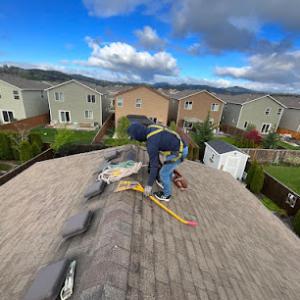
How We Got Started We started in this industry in 21. We’r Commited To Provide Roofing & Construction Services J&R Roofing and Contruction are Committed to providing customers with quality service on all roofing and Construction projects, from full roof replacement to repairing damaged or missing shingles. Experience And Quality We have qualified and experienced roofers with excellent workmanship and competitive fair prices. Residential Roofing Using high-quality materials, we offer each client a unique approach tailored to best meet their needs and ensure that the job is done to their full satisfaction. We are insured General Liability and Bonded CCB#239958
Onyx Roofing
(971) 600-8502 www.onyxroofingllc.com
Serving
5.0 from 60 reviews
Onyx Roofing is a local roofing company serving the Greater Willamette Valley area with a full range of roofing services. From complete tear off and roof installation to smaller roof repairs, cleaning and maintenance. Contact for an honest opinion, recommended action (if any) and free estimate for your roof.
Recommendable Roofing
(503) 400-0510 www.recommendableroofing.com
Serving
5.0 from 61 reviews
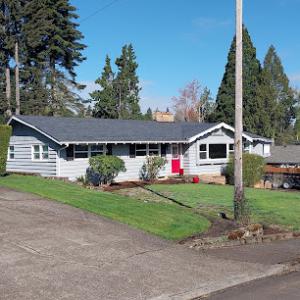
Willamette Valley roofing contractor. We do new construction, residential, replacements, repairs, moss removal, and we also do flat roofs.
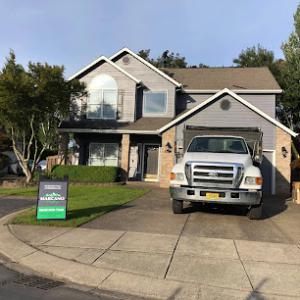
Marcano Roofing
(503) 583-5448 www.marcanoroofing.com
Serving
4.6 from 26 reviews
Marcano Roofing provides trusted residential and commercial roofing in Salem and the surrounding cities of Keizer, Woodburn, Dallas, Monmouth, Independence, Silverton, Stayton, and Lebanon. Our team focuses on clear estimates, steady communication, and honest guidance. Every inspection includes a roof and attic video so you can see issues before we repair or replace anything. We handle roof repair, full replacements, moss cleaning, ventilation work, and annual maintenance. Flexible financing is available. If you want a roof built to last through Oregon weather, contact Marcano Roofing today.
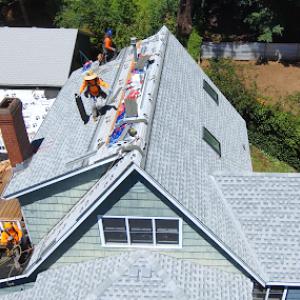
Dakota Roofing & Construction
(503) 394-2615 www.dakotaroofingnw.com
Serving
5.0 from 151 reviews
Established in 1994, Dakota is your local, state-licensed, and insured contractor, offering a wide range of exceptional residential and commercial construction services in Salem, OR. From full roof replacements and repairs to professional gutter and siding installation, we have you covered. We're the contractor you can trust to keep your home or business protected. Contact us today for a free estimate! Dakota - Covering What Matters Most OR CCB: 209048 WA CCB: DAKOTCS843J1

The Roofers Salem
(971) 298-7323 therooferssalem.com
Serving
5.0 from 32 reviews
At The Roofers Salem, we provide professional and dependable roof repair services for homeowners and businesses throughout Salem, OR. A strong and well-maintained roof is essential to protect your property from leaks, storm damage, and our experienced roofing team is dedicated to restoring both safety and value to your home or commercial building. We handle a wide range of roof issues, from shingle replacements and leak detection to emergency storm repairs and ongoing maintenance, always using high-quality materials and proven repair techniques. Our process includes careful inspections to identify hidden concerns, ensuring every repair extends the life of your roof and prevents costly future damage.

Jensen Exteriors Roofing & Siding Contractor
(503) 383-4176 www.jensenexterior.com
Serving
4.6 from 122 reviews
Jensen Exteriors is a Salem roofing company with over 40 years of experience. We provide quality residential and commercial roofing, windows, and siding services in the Willamette Valley. Comprehensive Roofing Solutions: Specializing in new roof installations and full-scale roof replacements, we cater to the needs of Salem's diverse architectural landscape. Deluxe Siding and Windows: Our team of local, highly-experienced contractors is dedicated to providing you with the most beautiful and long-lasting siding and energy-efficient window solutions. We offer stress-free financing. For a no-obligation, free quote, and to learn more about our 5-star, high-quality, and personal service, give us a call today.
For a full roof replacement, a building permit is typically required, and the City of Dallas Building Department handles the process. This isn't a paperwork extra you can skip when the project is looming post-storm; it governs safety, workmanship standards, and wind-driven debris rules that matter for your neighborhood. Expect documentation on the roof's scope, materials, and tear-off method to be reviewed before work starts.
Local inspections are staged to catch problems early. Common review points include the tear-off or installation phase, where the inspector checks that deck conditions, flashing, and underlayment meet code, as well as the final inspection after completion to confirm the job is finished properly and weatherproof. If any adjustments are required, they become a wait-and-fix moment rather than a discovery after leaks begin.
Processing in Dallas commonly takes about 1 to 2 weeks depending on department workload, so homeowners should not wait until the rainy season is already underway to start paperwork. A rushed timeline increases the risk of delays and pressure to improvise, which can lead to incomplete permits or missed inspection windows. Planning ahead keeps you out of a weather-driven bind.
Coordinate timing with dry weather and the typical Willamette Valley damp spells. Have your chosen contractor prepare the permit packet in advance, including structural notes, sample materials, and a clear tear-off plan. Keep a backup schedule for weather setbacks, and arrange access for inspections so crews aren't stalled by a missed appointment or rescheduled slot.
On inspection days, communication is key. Have the permit number, contractor license, and any corrective action items ready. A smooth inspection cycle minimizes the chance of rework and helps ensure the new roof, once installed, is better protected against the region's wet-season moisture and moss-prone conditions. In Dallas, timely paperwork and disciplined inspection adherence save you a rainy-day headache.
In this region, weather-related claims follow standard documentation practices: take clear photos of damage from multiple angles, include close-ups of curled shingles, granule loss, and any visible decking issues, and attach contractor estimates that break out tear-off, underlayment, and replacement details. Insurance adjusters in Oregon expect a straightforward record, and Dallas is not described as a uniquely escalated roof-claim market.
Because prolonged moisture is common here, track leakage progression in interior spaces and exterior roof edge conditions over days and weeks. Photograph stains on ceilings and walls, note any mold spots, and keep a dated log. If a temporary tarping or patch is needed, document the area that is temporarily sealed, and preserve original materials for the adjuster's review. This careful documentation helps establish the sequence of damage and supports the eventual replacement plan rather than a bandaid fix.
Wind and hail claims do occur, but carriers may ask for confirmation of decking condition and wind-rated underlayment where applicable. Focus on the state of the decking after a wind event, and note any prior repairs that could affect coverage. Do not assume a claim is automatically approved; provide the evidence necessary to support timing and scope. In practice, a well-documented file can streamline negotiations during damp seasons when moisture-driven damage evolves.
Start with a call to the insurer and then secure a reputable contractor to provide an itemized estimate. Submit photos, the estimate, and a written description of leaks and exterior conditions. Keep all correspondence, and coordinate your contractor's inspection date with the adjuster whenever possible to avoid delays. Stay proactive about follow-ups and keep a clear record of every contact.
Choose a local roofer who understands Willamette Valley moisture patterns, moss control needs, and clean tear-off work before winter. Their familiarity with Dallas exposure helps ensure the claim supports proper replacement and long-term performance rather than a quick, temporary fix. This local insight matters when navigating the wet season's impact on shingle aging and deck integrity.
Connect with contractors who help homeowners navigate the claims process from damage assessment to final approval.
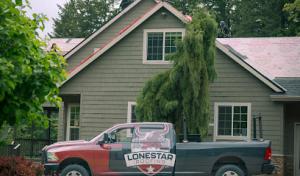
The local contractor market leans heavily into re-roofing because many homes in this wet climate have aging roofs that show wear after years of damp seasons. Homeowners typically look for crews who can strip old material, inspect sheathing for moisture damage, and install a durable roof that will stand up to Oregon's wet springs and falls. You'll notice that the best-fit teams plan tear-off work with weather windows in mind, aiming to finish cleanly before heavy rains return.
Cleanup included is one of the strongest signals in Dallas, with homeowners paying close attention to how debris is handled and where waste is staged. Expect crews to bill a thorough cleanup as part of the package, including removal of nails, shingle fragments, and disturbed underlayment. A well-managed crew will seal off the area to protect landscaping, gutters, and driveways, and will leave the yard and entryways free of debris at day's end.
Quick response, affordability, and residential service all rank strongly in signals from local contractors. You'll often find that homeowners prioritize fast leak help and practical replacement service over premium branding. Look for teams that offer flexible scheduling to capture those short dry spells, and that can provide a straightforward plan: prompt leak mitigation, efficient tear-off, and reliable installation with clear hand-offs between demolition and reroof.
When interviewing, request specific talk tracks about weather planning, tarp-and-protect strategies, and cleanup protocols. Ask how they manage damp-season constraints, including temporary coverings, interior protection, and coordinated inspections to verify roof integrity before the first big winter rain. A Dallas-friendly crew will articulate a cantilevered timeline that respects your home's roofline, your yard, and your daily routines.
Get a clear picture of your project costs upfront - no commitment required.