Last updated: Apr 19, 2026
Seasonal timing matters more than any other factor when you're protecting a roof in this climate. The long wet season shapes every decision, from when to replace the roof to how you plan the first drying days after installation. Replacement projects are most reliably completed from late spring through early fall, when underlayment and decking can stay drier during installation. If a replacement must happen outside that window, expect additional drying time and more meticulous moisture management to compensate for the Portland wetness. The calendar isn't just about avoiding rain; it's about ensuring the new underlayment has a clean, dry base and that crews can seal flashing without rushing through a storm front. Missing that window can leave you with more moisture retention, higher risk of mold growth behind siding, and accelerated wear on new materials.
Moss and shade demand constant vigilance. In neighborhoods where mature trees cast dense shade, moss anchors into shingles, ridges, and the transitions around dormers. The city's frequent rainfall meets a mild temperature range, providing ideal conditions for moss to flourish year after year. That growth isn't cosmetic; it invites moisture retention, capillary action against fasteners, and eventual lifting of shingles at the edges. Start with a proactive plan: treat high-risk roof sections before the rain returns in full force, and prioritize removing moss from valleys, around plumbing stacks, and along the drip edge. Use a soft bristle brush or non-metallic scraping tool to avoid gouging the surface; harsh blowers or metal tools can nick shingles and create micro-cracks that invite leaks. After moss removal, apply a moss-inhibiting treatment designed for the chosen roofing material, and keep a regular schedule during the peak moss season. If you're selecting a new roof, consider lighter colors and materials with proven moss resistance, but never sacrifice drainage and flashing reliability for aesthetics.
Moisture and drainage are the core fault lines in a Portland winter. Trapped moisture, clogged gutters, and compromised flashing after prolonged wet weather set up a dangerous cycle: water sits, flashing corrodes or lifts, and leaks migrate to where you least expect them. The most vulnerable areas are around roof-to-wall penetrations, skylights, chimney transitions, and at the lower edge where runoff pools. Installations should prioritize a continuous, corrosion-resistant flashing system with properly formed step and counter-flashing, and a roof deck that shows no standing moisture after a heavy rain. Ventilation matters too: insufficient attic venting can trap humidity that migrates into the roof plane and accelerates deck decay, especially under aging underlayment. Regular gutter maintenance is non-negotiable in this climate; clogs force water to back up under shingles and into the eaves, widening the risk of ice damming when chilly nights follow wet days.
Maintenance is ongoing, not a one-and-done task. Create a seasonal sweep list that targets debris buildup, moss hotspots, and drainage efficiency. After each heavy rain, inspect for loose shingles, lifted flashing, and signs of edge rot at eaves. If any moisture stains appear on ceilings inside the living spaces, treat them as urgent signals to re-check attic insulation, ventilation, and the roof deck. In shaded zones, plan for more frequent professional inspections-trees that shadow a home can cast down branches after storms, bringing sharp punctures or punctured underlayment. A modest, consistent approach to upkeep-clean gutters, trim overhanging branches, monitor moss, and verify flashing integrity-can stop small issues from escalating into major water damage during Portland's wetter years.
In this city's wet, mild climate, the roof must handle frequent rain, moss growth, and shading from mature trees. The dominant asphalt shingle landscape keeps initial costs reasonable, while metal, clay tile, concrete tile, wood shakes, and synthetic shingles are common options that neighbors compare for moisture performance, moss resistance, and long-term durability rather than heat resistance alone. This is the practical baseline: choose a type that sheds moisture reliably, holds up to moss, and works with proper detailing around flashing, ventilation, and drainage.
Asphalt shingles are a familiar sight on many Portland homes and typically offer a straightforward installation that treats the rain as a first-class citizen rather than an afterthought. When properly installed, they perform well in the city's wet seasons, with membranes and underlayment sized to resist surface moisture while allowing for a dry, breathable roof system. The key installation details are about sealing at hips and valleys, ensuring nail lines penetrate into solid framing, and maintaining a clean ridge line to promote rapid drainage. For shade-dense streets, a light-colored option can help reduce surface moss growth by limiting hot, dried-out patches that encourage biological growth elsewhere on the roof.
Metal roofing can push service life longer than many other types if installed with attention to flashing, fasteners, and ventilation. In this climate, metal's low weight and rapid runoff help, but the rain-heavy exposure makes solvent-resistant seams and properly terminated edge details essential. Choose a profile that matches the existing roof geometry and allows for clean transitions at chimneys and skylights. Take advantage of metal's natural moisture shedding by pairing it with a well-ventilated attic and a robust drip edge to prevent water from wicking back into the eave. Moss tends to accumulate where moisture lingers; a reflective finish can also mitigate microclimate pockets under dense canopies.
Tile options offer longer service life in Portland, but the city's moisture exposure demands precision in installation. Focus on ridge and hip ventilation, proper underlayment, and strict attention to flashing around penetrations. Clay and concrete tiles need a solid substrate and careful spacing to avoid capillary moisture wicking between tiles. In shady, moss-prone neighborhoods, consider coatings or maintenance plans that reduce surface moisture retention. Drainage path is crucial: ensure gutters and downspouts align with the tile's drainage pattern so water exits promptly without backing up.
Wood shakes bring a traditional look, but the damp climate accelerates moisture-related issues such as decay and moss. If choosing shakes, ensure a durable sealant schedule and automatic venting around roof-to-wall transitions. Synthetic shingles mimic the appearance of wood while offering improved moisture resistance and easier maintenance in shaded areas. The main practical benefit here is reduced moss-harboring niches, provided installation uses a solid underlayment and correct nailing patterns to prevent wind-driven moisture intrusion.
Ultimately, the choice comes down to how moisture moves across the roof and how well the system handles moss growth. Tile and metal can offer longer service life in Portland, but the city's moisture exposure makes installation details such as flashing, ventilation, and drainage especially important. A well-vented attic, continuous underlayment, and thorough valley flashing are the unsung elements that keep any roof type performing through the rain and shade.
Flow Roofing & Gutters
555 SE Martin Luther King Jr Blvd Suite 105, Portland, Oregon
4.9 from 420 reviews
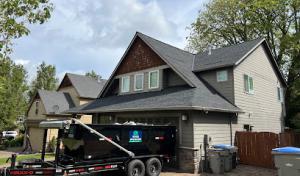
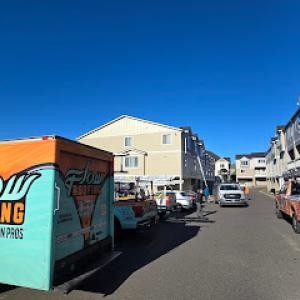
Now offering after-hours and weekend emergency tarping services! At Flow, we’re actually family-owned—and proud of it. We believe the best roofs are built from the inside out, with a focus on lasting performance and ventilation. We specialize in roofing and gutters—the masters of 1.5—working exclusively with TPO/PVC, metal, asphalt shingles, and American aluminum. Not every roof needs replacement. With proper maintenance and expert repairs, you can extend your roof’s life and maximize ROI. Trust Flow to be your roofing consultants—protecting your property from the top down and the inside out. Go Beavs!
KVN Portland Roofing
(503) 438-7767 www.kvnconstruction.com
5832 SE 85th Ave, Portland, Oregon
5.0 from 174 reviews
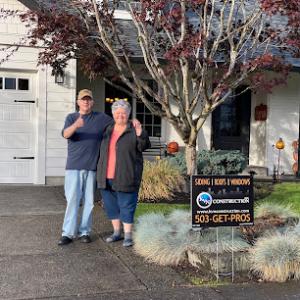
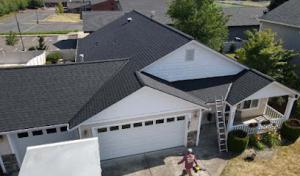
KVN Portland Roofing are top roofers in Portland, OR specializing in roof repair, replacement, and installation services. As Portland roofing contractors, our licensed, insured team is a certified Malarkey contractor exclusively using premium Malarkey roofing products & shingles that protect your home year after year. We specialize in residential roofing services, skylights, and storm damage repairs. Experience the KVN difference with honest, family-owned services with personalized attention for every roof we touch. From roof inspection to cleanup, we deliver superior craftsmanship for Portland area homes backed by 20+ years of experience. Free estimates. Contact Portland's most trusted roofing company.
USA Roofing & Waterproofing
(503) 836-5016 www.usaroofingpdx.com
6423 NW St Helens Rd, Portland, Oregon
4.9 from 192 reviews
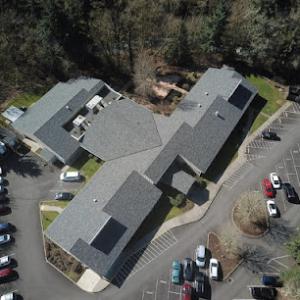
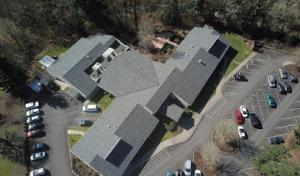
USA Roofing & Waterproofing provides residential and commercial flat roofing and gutters to Portland, OR and surrounding areas.
IBEX Roof
(503) 744-6468 www.ibexroof.com
3701 SE Milwaukie Ave suite d, Portland, Oregon
4.9 from 418 reviews
IBEX Roof, conveniently located in the heart of Portland, specializes in comprehensive roofing services. Our dedicated team brings expertise in residential solutions, from repairs, replacements, gutter services and Skylight. With a focus on quality craftsmanship and using premium materials, IBEX Roof in Portland ensures durable, functional, and visually appealing roofing for every project. Count on our skilled professionals to protect your property and elevate its aesthetic with top-notch roofing services in the Portland area.
Mountaintop Metal Roofing
(503) 902-7924 www.mountaintopmetalroofing.com
2175 NW Raleigh St Suite 2038, Portland, Oregon
5.0 from 112 reviews
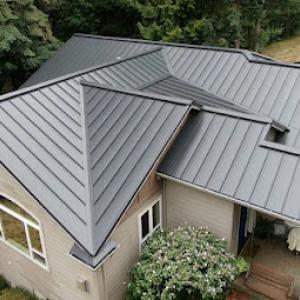
Mountaintop Metal Roofing specializes in premium metal roof installation across Portland, Eugene, the Oregon Coast, and Hood River. Our mission is simple: to give you a roof you’ll never have to worry about again. We install both metal shingles and panels, all backed by a lifetime, transferable, non-prorated warranty. Our roofs are: • Made with 95% recycled materials • Maintenance-free and Energy Star® rated • Designed for safety with a Class A fire rating With our factory-certified installers, you can expect craftsmanship, efficiency, and a spotless job site from start to finish. Ready to protect your home for life? Call us today or request a free quote to see what Mountaintop Metal Roofing can do for you.
River City Roofing Portland
(503) 970-5005 roofrivercity.com
6641 SE Lake Rd, Portland, Oregon
4.9 from 185 reviews
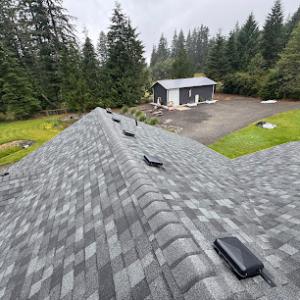
River City Roofing is a residential and commercial roofing contractor in Portland, Oregon. We install residential, multi-family and commercial flat roofing membranes, coatings, shake, shingles and metal roofing systems.
Interstate Roofing
(503) 755-5183 www.interstateroofing.com
15065 SW 74th Ave, Portland, Oregon
4.8 from 718 reviews
Established in 1988, Interstate Roofing has grown into a distinguished, award-winning company, catering to the Portland-Vancouver metro area's roofing needs. Interstate Roofing prides itself on a strong community commitment, treating customers and staff like family, and aligning closely with customer needs to ensure exceptional service and project outcomes. They’ve also earned a reputation as the go-to commercial roofing contractor in the Portland-Vancouver metro area, specializing in both steep-slope and low-slope large-scale projects, from churches to schools, multi-family apartment complexes, and more. Interstate Roofing emphasizes environmental sustainability, recycling roofing debris from their projects, instead of adding to landfills.
Vitan Construction
(503) 575-7663 www.vitanconstruction.com
9327 NE Glisan St, Portland, Oregon
5.0 from 60 reviews
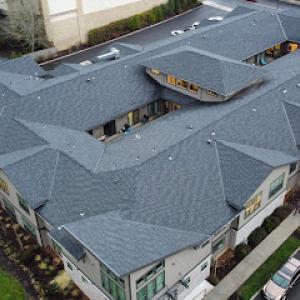
Vitan Construction – Residential Asphalt Roofing Experts in Portland Metro & Vancouver 🏠 Since 2013, Vitan Construction has been a trusted family-owned roofing company serving Portland, Vancouver, Clackamas, Milwaukie, Gresham, Lake Oswego, Oregon City, Happy Valley, and surrounding areas. We specialize in residential asphalt shingle roofing, full roof replacements, and exterior services, using premium Malarkey shingles installed for long-lasting durability and curb appeal. Malarkey Certified Roofing Contractors, licensed, bonded & insured, we provide transparent pricing, expert guidance, and reliable emergency roofing services. 📞 Call or text: 503-575-ROOF (7663) CCB #201632
Reliance Roof Pros
(503) 303-7180 relianceroofpros.com
7490 SW Bridgeport Rd, Portland, Oregon
4.9 from 80 reviews
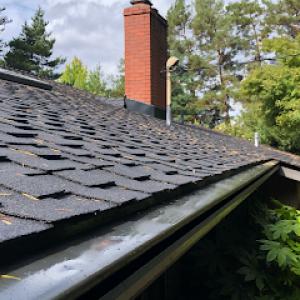
A ROOFING COMPANY DESIGNED BY HOMEOWNERS FOR HOMEOWNERS. Based on interactions and feedback from hundreds of homeowners like you, you told us that you oftentimes felt uncomfortable dealing with salespeople. You didn’t really know if you could trust the salesperson you were dealing with because of the inherent conflict of interest that occurs when the salesperson gets paid based on how much you buy. You also told us that you were uncomfortable with much of the hidden agendas and the lack of transparency. We have designed systems to ensure transparency and give you the process you described to us-- with friendliness, professionalism and quality.
Certified Roofing Services | Roofing Contractor Portland
(503) 760-9000 certifiedroofingservicesportland.com
11918 SE Division St #218, Portland, Oregon
4.9 from 73 reviews
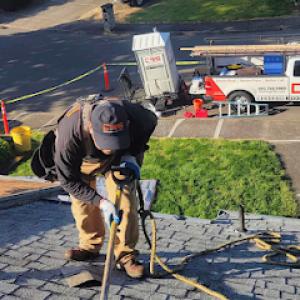
Roofing Contractor Portland. Certified Roofing Services are a well-established, family-owned and operated Portland Roofing Contractor Company. We provide guaranteed, top-notch Roofing Portland and Commercial Roofing Contractor Portland solutions. We go the extra mile to understand what your needs and requirements are and then provide you solutions that work. We have the knowledge, experience, skills, certification and the resources to exceed customer expectations for all your Portland Roofing Contractor needs. Our team of Portland Roofers are proud of the fact that a large percentage of our business comes through referrals. Call the Best Roofing Contractor Portland Today.
Tonys Roofing
(503) 415-0438 tonysroofingllc.com
4450 SE 125th Ave, Portland, Oregon
4.9 from 127 reviews
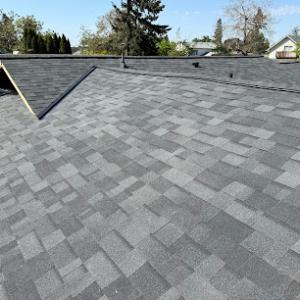
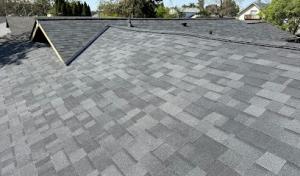
Tonys Roofing is the leading Portland roofing contractors servicing residential roofing. Roof repairs, roof replacements, roof cleaning, re-roofs, roof inspections, moss removal, roof installations, and all residential roofing. Get a free quote today.
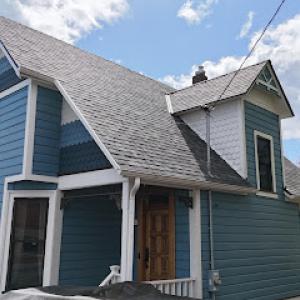
West Coast Roofing & Painting
(503) 477-7792 wcroofingportland.com
10836 NE Marx St, Portland, Oregon
4.8 from 276 reviews
West Coast Roofing & Painting is dedicated to providing superior value to our customers through quality workmanship, high safety standards, and consistent outperformance in roofing and painting services.
Heavy autumn and winter rain in Portland can slow tear-off and dry-in work, increasing the risk of moisture exposure if a project is started during a wet stretch. That moisture exposure isn't just a nuisance; it can extend the time crews need to keep materials dry and can complicate installation details. If a roof is opened in a prolonged downpour, decking and underlayment may stay damp, which can affect fastening and the overall quality of the finish. The practical takeaway is to align the bulk of the work with clearer days, when possible, while recognizing that the calendar here often forces a balance between weather and contractor availability.
Fall wind events in the Portland area can lift or crease aging shingles, so many homeowners discover replacement needs just before the least convenient weather window. When shingles flex or peel at their edges, it creates a ripple effect on the rest of the roof line, and a rushed tear-off can leave gaps that are hard to seal properly. The consequence is more callbacks or rework. Planning a project to finish before the strongest gusts-not after-helps avoid unnecessary stress and keeps the new roof performing through the wet months that follow.
Because summers are comparatively dry, contractor schedules often tighten in the preferred replacement season and homeowners who wait until active leaks appear may face longer lead times. The dry stretch is when crews are maximizing installs, so a rain-averse homeowner may see longer waits if timing slips into late summer. If an active leak exists in late spring or early summer, moving quickly can still be prudent to prevent interior moisture intrusion, but the risk of crowded calendars remains a factor.
Coordinate with a local contractor to assess the forecast in 2-4 week blocks rather than chasing perfect weather. If a tear-off must occur during a wet spell, expect protections like carefully staged plastic, tarps, and moisture barriers to be part of the plan, with contingency timelines for dry-in. When planning ahead, earmark a window that aims for minimal exposure to sustained rain, but remain flexible for opportunistic dry spells between fronts. Finally, document visible wear early, so timing decisions can consider both the risk of moisture exposure and the likelihood of rapid weather changes during the shoulder seasons.
Get a clear picture of your project costs upfront - no commitment required.

KVN Portland Roofing
(503) 438-7767 www.kvnconstruction.com
5832 SE 85th Ave, Portland, Oregon
5.0 from 174 reviews
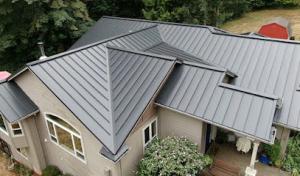
Mountaintop Metal Roofing
(503) 902-7924 www.mountaintopmetalroofing.com
2175 NW Raleigh St Suite 2038, Portland, Oregon
5.0 from 112 reviews
Certified Roofing Services | Roofing Contractor Portland
(503) 760-9000 certifiedroofingservicesportland.com
11918 SE Division St #218, Portland, Oregon
4.9 from 73 reviews
Typical Portland pricing by material runs about $350 to $550 per square for asphalt shingles, $600 to $1000 for metal, $1100 to $2000 for clay tile, $800 to $1500 for concrete tile, $700 to $1200 for wood shingles or shakes, and $450 to $700 for synthetic or composite shingles. In practice, a straight replacement with asphalt shingles is the most common starting point, while clay or concrete tile drives the budget up quickly due to weight, roof framing demands, and fastener requirements. When choosing, consider long-term performance in damp conditions, as heavier materials can add both weight and labor complexity. The numbers above reflect typical Portland pricing, not nationwide averages, and can shift with supplier costs and crew availability.
Costs in Portland can rise when prolonged wet weather forces tighter scheduling, extra protection of exposed roof areas, or replacement of moisture-damaged decking discovered during tear-off. If the roof faces repeated rain during teardown, crews may need tarps, temporary coverings, or staged work-each adds days and labor. Expect higher margins if decking shows rot or moisture damage, since that work requires careful drying and possibly additional framing. Budget contingencies for weather-related delays can help prevent project gaps that stall progress and push labor costs higher.
The city's common mix of older housing stock, tree debris, moss buildup, skylights, and venting corrections can make Portland re-roofs more labor-intensive than a straightforward dry-climate replacement. Moss and shade complicate surface cleaning, fastener engagement, and membrane installation, so crews often dedicate extra care to ensure flashing and underlayment seat properly. Heavier materials like clay or concrete tile require structural checks and may necessitate roof framing adjustments, particularly on older homes. Plan for thorough debris containment and protected work zones to minimize damage to surrounding landscaping.
Find contractors experienced in skylight installation, flashing, and leak repairs to bring natural light into your home.
Geek Roofing
(971) 377-9950 geekroofingpdx.com
500 SW 116th Ave suite #66, Portland, Oregon
5.0 from 361 reviews
KVN Portland Roofing
(503) 438-7767 www.kvnconstruction.com
5832 SE 85th Ave, Portland, Oregon
5.0 from 174 reviews
IBEX Roof
(503) 744-6468 www.ibexroof.com
3701 SE Milwaukie Ave suite d, Portland, Oregon
4.9 from 418 reviews
In this market, a full roof replacement is not something you should treat as a simple, no-paperwork maintenance item. In Portland, a full roof replacement typically requires a permit rather than being handled with no paperwork. Failing to secure the proper permit can lead to delays, rework, or even fines during later inspections or when selling the home. The city's review process is designed to catch structural or venting issues that aren't obvious at first glance, so approaching the project without a permit can compound problems or extend timelines.
The City of Portland Bureau of Development Services (BDS) is the gatekeeper for roof projects that trigger review. They manage roof permit review, inspection scheduling, and any additional review tied to structural or venting concerns. Because roofing touches the attic, ceiling joists, and ventilation systems, BDS may request details on truss spacing, anchor points, or roof venting pathing. Engagement with BDS early-before ordering materials or finalizing a plan-helps prevent surprises and keeps the project moving.
Portland inspections commonly occur during the underlayment or installation stage and again after completion for final verification. Expect a staged approach: one inquiry while the roof is being laid, another after shingles or the chosen covering is installed, and a final walkthrough to confirm everything aligns with approved plans. If the project changes scope midstream-such as altering roof ventilation layout or deck ties-additional reviews may be needed. Delays can happen if the inspector finds ventilation or moisture-control details that were not adequately addressed in the permit package.
Misunderstanding the permit requirements can stall a project for days or weeks, especially in storm-prone seasons when timing matters. Materials delivered can sit idle if the permit status is unclear, and a late inspection can interrupt progress and window in a weather-dependent climate. Keep a dedicated line of communication with the contractor and ensure all structural and venting details are documented and available for review. If a past project on the home exists, verify there are no lingering permits or open items that could complicate a new roof job.
Portland is not a constant catastrophe-claim market, but homeowners do file wind and occasional hail claims after regional storms. That reality shapes how risks are handled and how fast a claim moves from first notice to settlement. A weather pattern that includes heavy rain and gusty fronts can leave shingles curled, edges lifted, or flashing compromised, even on roofs that otherwise looked fine after years of service. Understanding this nuance helps you approach a claim without assuming every dent is a total loss.
Insurers serving Portland commonly want photo documentation, contractor quotes, and may send independent adjusters to verify whether damage is storm-related or tied to age and wear. Clear, timestamped photos of the entire roof, gutters, and any interior signs of moisture strengthen your position. Have quotes from at least one licensed contractor ready, with notes on observed issues like moss intrusion or vent flashing failure. Independent adjusters can be thorough, so be prepared to provide access to the roof and your attic or crawlspace if requested.
Coverage outcomes in Portland often turn on roof age, pre-loss condition, and whether replacement work must be brought into alignment with current code requirements. A roof nearing the end of its expected life might be treated differently than one with several more durable seasons ahead. If replacement is needed, the insurer may evaluate material compatibility, underlayment, and flashing in terms of modern code expectations. This is not a blanket denial scenario, but the determination can hinge on how well the roof has aged and how the damage is documented.
After a wind event, document promptly and thoroughly: photograph damage from multiple angles, note date stamps, and keep a simple log of when you first noticed issues. Contact your agent or company quickly to report the claim, then arrange a contractor-drafted estimate that details observed conditions and proposed mitigation. Protect the interior by drying any active leaks and tarping vulnerable areas if safe to do so. Honest, organized documentation helps steer the process toward a fair assessment without unnecessary delays.
Find local contractors experienced in assessing and restoring roofs after hail, wind, and severe weather events.
KVN Portland Roofing
(503) 438-7767 www.kvnconstruction.com
5832 SE 85th Ave, Portland, Oregon
5.0 from 174 reviews
Tonys Roofing
(503) 415-0438 tonysroofingllc.com
4450 SE 125th Ave, Portland, Oregon
4.9 from 127 reviews
Skylights in this climate can act like a magnet for trouble once the rain stays long. Long periods of rain expose weak flashing details quickly, especially where the skylight curb meets the roof surface. Start with a careful inspection of flashing around the skylight flange: look for hairline cracks, loose sealant, or gaps at corners. In Portland's damp months, even small shortcomings become slow drips. Examine interior ceiling spots directly beneath skylights for staining or damp spots after a heavy rain, and test by pouring a little water along the skylight edge from the outside to identify slow leaks. When resealing, use high-quality UV-stable sealant and ensure the flashing is properly integrated with adjacent roofing material. If the curb is wood, treat for rot and replace any softened sections before resealing.
Flat and low-slope sections matter in this market because drainage management keeps roofs dry longer. Prioritize ensuring proper slope toward drainage outlets and confirm there are no standing puddles after a rain. Check membrane overlaps for integrity and confirm fasteners are secure without tearing the membrane edge. In mixed weather, plant debris can block scuppers and gutters quickly; establish a routine to clear leaves and moss that can trap moisture near transitions. Use a roof rake from safe ground level to reduce traction risk on slick surfaces, and schedule routine resealing or reproofing of low-slope areas where asphalt or synthetic membranes are installed.
On homes with mixed rooflines, transitions between steep-slope roofing and low-slope sections are common trouble spots when moisture management details are poor. Inspect joints where two roof types meet, paying close attention to step flashing, end dams, and kickouts. Ensure that intersection points shed water away from vertical surfaces and that any moss-prone gaps are addressed with appropriate flashing and a moss-resistant finish. In rainy periods, keep a close eye on these junctions for early signs of seepage, and address issues promptly to prevent widespread moisture damage.
Find specialists in TPO, EPDM, and built-up flat roofing systems for residential and commercial properties.
USA Roofing & Waterproofing
(503) 836-5016 www.usaroofingpdx.com
6423 NW St Helens Rd, Portland, Oregon
4.9 from 192 reviews
River City Roofing Portland
(503) 970-5005 roofrivercity.com
6641 SE Lake Rd, Portland, Oregon
4.9 from 185 reviews
In a market where re-roofing is the dominant service, many firms are set up for replacement work rather than only small repairs. For Portland homes, that means crews tend to offer rapid response, organized cleanup, and coordinated staging when weather shifts from drizzle to downpours. Homeowners from long-established, family-owned contractors often rate responsiveness and jobsite cleanliness as highly as price, especially during wet seasons when emergency leaks and debris management are top concerns.
You want a team with proven experience handling moss, moisture, and long-habitat roofs common to the area. Look for fleets that can respond quickly to an active leak and can set up tarps and containment to protect landscaping and hardscapes during rain events. Ask about crew size, project staging plans, and how they manage moss removal on roof surfaces and in valleys without harming existing structures. A strong crew will walk through the work plan, including temporary protection for sensitive exterior walls and gutters, and will outline how weather windows influence the schedule.
Begin with local references who can speak to reliability during wet months. Verify insurance coverage and licensing, and request recent project photos showing similar roof lines and materials. Assess communication styles: can the contractor provide timely updates, a clear construction timeline, and a clean, organized jobsite at the end of each day? When talking through options, prioritize firms that explain their moss-management approach, drainage protection, and waste removal plans in plain terms. In a city where staged inspections can come into play, choose a crew that offers transparent progress reporting and a visible cleanup protocol as part of the service agreement.
Sun exposure and tree canopy shade shape solar readiness in this city, where moss-friendly damp seasons and frequent overhangs create unique roof challenges. Solar roofing appears in Portland's contractor mix but is still a niche specialty compared with mainstream re-roofing and leak repair work. For homeowners replacing a roof, this means the window to coordinate solar penetrations, flashing, and the remaining roof life is narrow but highly beneficial when handled upfront.
In Portland, planning begins long before any panels go on the roof. The most practical approach is to pair solar considerations with the re-roofing timeline so the roof deck, underlayment, and flashing are designed around potential panel layout and wiring routes. Have your roofer and solar contractor review the roof plane, attic ventilation, and chimney or vent locations to confirm that the chosen solar system's mounting rails and penetrations won't conflict with vents, skylights, or moss-prone shade edges. A clear sequencing plan reduces the risk of repeat penetrations or retrofits after the roof is installed. If the job will involve Bureau of Development Services review, use that same window to align solar and roofing scopes so inspections run smoothly.
High-quality flashing around rafter tails, skylights, and vents matters as much as the panels themselves. In Portland's climate, any penetrations for racking systems must be integrated with the roof's moisture barrier, ensuring that flashing transitions are compatible with the existing underlayment and moss-control strategy. Consider fastener choices and sealants rated for long-term exposure to wet seasons and seasonal dew. Since moss and shade can hide slow leaks, plan for enhanced inspection access and a maintenance path that prioritizes early detection of moisture around any penetrations.
Wiring for solar should follow routes that minimize exposure to standing water and moss-rich surfaces. Roof penetrations for conduit should be kept above the drip edge and integrated with a watertight bulkhead when crossing from exterior to interior spaces. If a roof-to-attic pass-through is necessary, ensure the route preserves insulation and discourages condensation in colder months. Coordination with the solar installer helps align panel orientation with prevailing sun angles while preserving drainage and moss control strategies on shaded sections.
A solar-ready roof in this climate benefits from proactive moss control and regular inspection. Coordinate a maintenance plan that includes annual or semiannual checks of flashing, conduit entries, and racking mounts. Keep an eye on moss growth near penetrations, since shade can accelerate moisture retention and hidden leaks. By integrating solar planning with ongoing roof care, a long-lived system stays reliable through Portland's wet seasons without compromising ventilation or deck integrity.
Find contractors who integrate solar panels or solar shingles into your roof for long-term energy savings.
Geek Roofing
(971) 377-9950 geekroofingpdx.com
500 SW 116th Ave suite #66, Portland, Oregon
5.0 from 361 reviews
Hawthorne General Construction
(971) 500-5190 hawthornegeneralconstruction.com
4862 SW Scholls Ferry Rd, Portland, Oregon
4.9 from 93 reviews