
Last updated: Apr 19, 2026
Cold winters bring repeated freeze-thaw cycles that fight with your roof, and snow adds weight that tests flashing details. When water soaks into small gaps and then freezes, it expands and pries at shingle seals, flashing corners, and drip edges. This is especially true on steeper pitches along the ridge and in valleys where snow tends to linger and melt unevenly. If your shingles are older or have kept granules unevenly distributed, those aging seals become easy points of failure. The result is premature curling, loose edges, and occasional leaks that show up after a thaw or a heavy melt. In this climate, the simplest fix today can become a bigger problem tomorrow if moisture is allowed to linger around valleys and flashing for too long.
Late spring through early fall is the typical re-roof window because winter conditions and spring storms can interrupt tear-offs and dry-in schedules. In practice, that means you should plan your major roof work for a consecutive stretch when temps stay above freezing, winds are calmer, and there is minimal precipitation. Waiting through a stubborn freeze can push moisture deeper into the decking, complicating installation and increasing the risk of fasteners pulling out or underlayment tearing during installation. If a leak becomes obvious in the depths of winter, the temporary patch may protect against rain-but it won't fix the root problems created by those relentless freeze-thaw cycles until a full or partial roof replacement is completed in the proper season. Timing matters, and staged projects are a practical response to the area's volatile shoulder seasons.
Homes in and around wooded ridge-and-valley neighborhoods can hold snow and then trap moisture again in autumn when leaf buildup collects in roof valleys and around flashing. When leaves clog downspouts, gutters, and valley channels, meltwater pools and sits longer against flashing membranes. That moisture sits against underlayment and decking, accelerating rot and encouraging mold growth in the attic. If valleys aren't kept clear, the natural drainage pattern becomes a perched basin, inviting water intrusion even during cold, dry spells. This makes flashings-especially along transitions from one plane to another-more vulnerable to leaks after freeze-thaw events, when the expansion and contraction cycle becomes more aggressive due to inconsistent temperatures and trapped moisture.
Inspect after the last heavy snowfall to spot any obvious ice dams near eaves or along flashing seams, and remove any ice buildup carefully with approved tools to avoid damaging shingles. Schedule a professional roof inspection before the spring melt begins; pay close attention to flashing details around chimneys, vents, and dormers, where sealant deterioration often starts. In wooded neighborhoods, clean leaves from valleys and around flashing at least twice in the autumn to minimize moisture retention. If you notice granular loss on shingles or signs of edge lift after a thaw, treat those areas as urgent alerts rather than cosmetic issues. A proactive approach now reduces the risk of winter moisture finding its way into the attic through compromised seals.
Develop a seasonal rhythm: pre-winter preventive checks that address flashing, vent seals, and gutter flow; a mid-winter quick inspection following thaws; and a thorough spring inspection to plan any re-roofing or major repair work. In this climate, preventative care is not optional-it's the shield that keeps attic temperatures steadier and reduces the chance of freeze-thaw damage turning into costly interior water intrusion. Keeping a close eye on leaf buildup in autumn and ensuring valleys stay clear will save you repeated distress each year as the mountains tilt toward winter again.
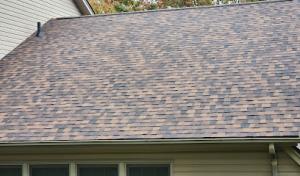
In Altoona, the housing stock leans toward asphalt shingles and metal roofing, with smaller but real use of clay tile, concrete tile, wood shakes, and synthetic/composite products. The ridge-and-valley terrain combined with snowy winters and humid summers makes certain choices more reliable when you're balancing long-term performance with ease of maintenance. The dominant materials should be evaluated not just for initial appearance, but for how they handle freeze-thaw cycles, moisture movement, and leaf debris in the fall.
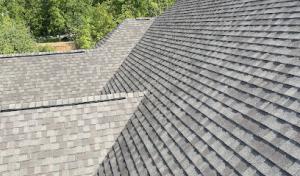
Asphalt systems are the most common budget-conscious option in this market. The critical performance drivers here are ventilation and underlayment. In winter, snowpack and ice can back up under shingles if attic ventilation is weak, creating moisture pockets that promote ice damming and roof deck wear. Choose an asphalt configuration with a continuous, well-sealed underlayment and a vented attic or roof plan that encourages air to flow from soffits to the ridge. In practice, that means ensuring soffit vents, ridge ventilation, and properly sealed penetrations are in place, plus a quality underlayment rated for freezing conditions. The local climate's freeze-thaw swings can stress flashing around chimneys, skylights, and vent pipes, so plan for extra attention to sealants and flashing integration. Regular inspection after severe storms and mid-winter checks help spot micro-cracks before moisture finds its way into the deck.
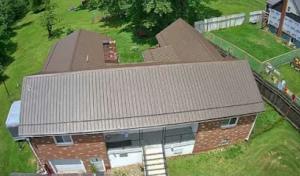
Metal roofing has strong local contractor presence in Altoona, reflecting homeowner interest in durability under snow, temperature swings, and long-term re-roof cycles. Metal's resistance to ice buildup and its quick shedding of snow can be a big advantage during heavy winters. When selecting metal, prioritize a system with a robust underlayment, proper insulation beneath the panels, and an airtight, watertight seam design. Pay attention to penetrating details around vents, chimneys, and skylights; these are common failure points in freeze-thaw conditions if not properly flashed and sealed. Because metal roofs can be noisier in heavy snowfall, consider insulation and sound-dampening options in the attic space. A ventilated roof assembly remains important to avoid condensation inside the roof cavity.
Clay tile, concrete tile, wood shakes, and synthetic/composite shingles offer specific aesthetics and performance traits. Clay and concrete tiles can handle dry, cold days well but may require a stronger structural support and careful flashing to manage freeze-thaw cycles. Wood shakes provide a traditional look but need proactive maintenance to prevent moisture intrusion and rot in damp springs. Synthetic/composite materials offer variety and often good moisture resistance, though their real-world performance depends on the specific product and installation details. For any non-traditional option, ensure the attic is properly vented and the underlayment chosen is compatible with the roof deck and local humidity conditions.
Across all options, the emphasis in this climate is reliable ventilation and moisture control. Regular inspections for flashing integrity, ice dam protection at eaves, and debris removal from gutters help maintain performance through the harsh winter and humid summer months. In practice, an informed decision aligns with the roof's pitch, the home's exposure to prevailing winter winds, and how the attic space is conditioned.
When you price a roof replacement, your numbers will sit in a familiar Altoona range. Asphalt shingles typically run from about 350 to 650 dollars per square, while metal roofing sits around 700 to 1,100 dollars per square. Tile products push well above those, often substantially higher. If your house has a lot of complex angles, steep slopes, or unusual penetrations for vents and skylights, those base ranges can shift upward quickly. For a typical mid-sized home with standard detailing, plan on using the asphalt or metal figures as your baseline, then add a cushion for any extras you discover after roof removal and inspection.
The main replacement season stretches from late spring into early fall, which is when crews are busiest and demand is highest. Spring storms can cause delays, compressing schedules and sometimes nudging prices upward if crews are in high demand or materials need to be rushed. If you try to replace during a peak window, you should expect slightly higher bids and shorter windows for choosing materials. Conversely, off-season work can be more flexible on dates, but you may face longer lead times for materials or weather-related scheduling shifts. In Altoona, planning ahead for late spring to early fall helps lock in subcontractor availability and reduces the risk of price creep due to rush-demand.
Costs can shift based on whether the project needs extra flashing, ventilation corrections, or moisture-related deck repairs after winter stress and fall debris retention. Freeze-thaw cycles in this climate stress flashing and seals, so many replacements require more comprehensive flashing packages around valleys, chimneys, vents, and dormers. Ventilation upgrades-adding or adjusting soffit and ridge vents, or correcting attic baffles-prevent stale moisture from seeping into the deck and shingles, and those improvements add to the bottom line. If winter damage reveals soft or wet deck boards, anticipate material and labor for deck repairs as part of the project. These contingencies are common here and can push an otherwise straightforward job into the next tier of price.
For most Altoona homes, asphalt shingles remain the most economical entry point, with costs staying in the lower to mid part of the spectrum unless the roof is very large or complex. Metal roofing, while pricier upfront, can offer longer service life and better performance in freeze-thaw cycles and snow retention, which may reduce long-term maintenance costs. Tile options-both clay and concrete-are markedly more expensive but can be appealing for specific architectural styles or durability goals; anticipate both higher material costs and heavier structural considerations. If the design includes multiple peaks, valleys, or retrofits on dormers, that complexity tends to tilt the estimate toward the higher end of the ranges for any material class. Budget for the possibility of additional flashing and ventilation upgrades in the final scope to keep moisture under control after a harsh winter.
Don't let upfront costs delay a critical repair - these contractors offer payment plans to fit your budget.
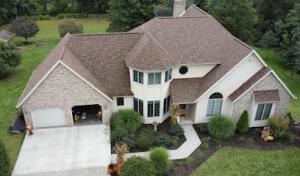
Champion Roofing USA
(814) 414-8183 championroofing-usa.com
2123 6th Ave, Altoona, Pennsylvania
4.8 from 260 reviews
Solarshield Metal Roofing
(814) 944-7878 www.solarshieldinc.com
1701 3rd Ave, Altoona, Pennsylvania
4.5 from 220 reviews
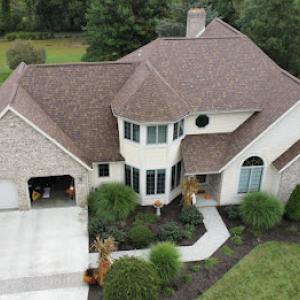
Champion Roofing USA
(814) 414-8183 championroofing-usa.com
2123 6th Ave, Altoona, Pennsylvania
4.8 from 260 reviews
Licensed Roofing Contractor in Pennsylvania, West Virginia, South Carolina, North Carolina, and Ohio. We offer all roofing types of installation and repairs with free in person or satellite estimates. We accept all forms of payment and multiple financing options. Rated Nationwide in the top 1 percent category by Owens Corning, GAF, Atlas, and Certainnteed. Voted Blair Counties Hometown Favorite Contractor 7 years in a row. Over 20 awards and counting! We offer Lifetime warranties with roof replacements. Certified by over 10 roofing manufacturers for all types of Homes and Buildings. Installation offers range from Metal, Asphalt Shingle, EPDM, TPO, and PVC flat roofs, as well as Mod bit low slope roofs.
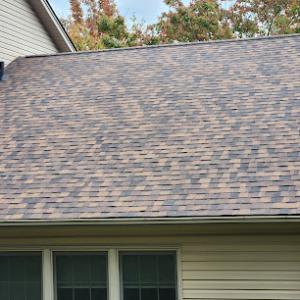
Spartan Roofing Services
(814) 215-8604 www.facebook.com
1146 59th St, Altoona, Pennsylvania
4.9 from 64 reviews
Serving all of Blair County. At Spartan Roofing we provide the best workmanship you could ask out of a roofing company. We take pride in our work and work ethic. The work done is done by the owner himself. Licensed and Fully Insured

Home Genius Exteriors
(814) 527-2181 homegeniusexteriors.com
119 Union Ave, Altoona, Pennsylvania
4.7 from 258 reviews
Elevate your home with Home Genius Exteriors, setting the standard in Altoona by offering full-service solutions for roofing, siding, windows, doors, gutters and insulation. We support our veterans and communities by supporting local and national charitable organizations through our Home Genius Cares initiative. With an Owens Corning® Platinum Preferred designation, we also offer flexible payment options, industry leading warranties and a wide range of premium products tailored for your home. It’s time for a different experience, entrust your next home project to a genius and schedule your free inspection today!
Residential Construction Services (RCS) Metal Roofing Specialists
610 N 2nd St, Altoona, Pennsylvania
5.0 from 30 reviews
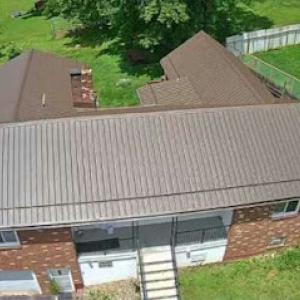
RCS is a family run and operated business that has been servicing the Altoona, PA and surrounding areas for over 20 years. RCS of Altoona specializes in metal roof installations! Aligning with our Supplier to fabricate all of our roofing metal needs in-house, provides our customers with top quality metal roofing at very affordable pricing. We value honesty above all and will never lead costumers into something that is not absolutely right for them. One of our best attributes is our straightforward bidding. There are never any hidden fees or changes. We also offer a lifetime Leak and installation warranty on all our metal roofing installs.
Solarshield Metal Roofing
(814) 944-7878 www.solarshieldinc.com
1701 3rd Ave, Altoona, Pennsylvania
4.5 from 220 reviews
Proudly serving Pennsylvania for over four decades, Solarshield Metal Roofing has been a trusted choice for residential and commercial roofing solutions. With a portfolio boasting traditional metal roofing and exquisite designs resembling asphalt shingles, cedar shakes, and even slate or tile, they have transformed over 20,000 properties into exceptional masterpieces. As an A+ rated contractor by the Better Business Bureau, Solarshield Metal Roofing promises quality craftsmanship, exceptional customer service, and unparalleled expertise, guaranteeing the perfect roof for every home or business.
Buccos Roofing
(814) 801-3876 www.buccosroofing.com
5580 Goods Ln Space K002, Altoona, Pennsylvania
5.0 from 7 reviews
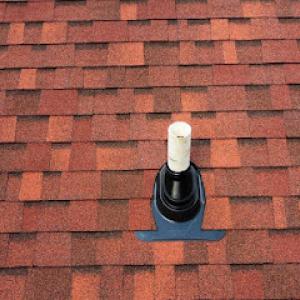
Buccos Roofing was founded in 2012 by Dan Easton, Mark Easton and Ernie Comfort. Together, the three Peters Township natives set out to serve the greater Pittsburgh community and never looked back. What once was a three-man, one truck crew, working out of a garage, is now an enterprise spanning the greater Pittsburgh area. They attribute their success to hard work, good friends, and family. Today, Buccos Roofing is home to over 25 roofing contractors and additional staff. Together, our team of experts work hard to provide our customers with the best roofing and exterior renovation experience possible. Our mission is to deliver reliable and enjoyable services to each of our clients, prioritizing their needs first.
Roof Works USA
(814) 502-5253 roofworksusa.com
Serving
4.8 from 218 reviews
DEPENDABLE ROOFING CONTRACTORS IN ALTOONA & SURROUNDING AREAS
Marshall Roofing
(814) 309-2229 marshallroofingllc.com
Serving
5.0 from 15 reviews
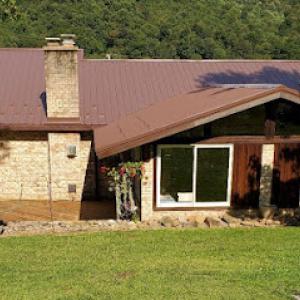
Marshall Roofing specializes in metal roofing services for home and business owners in Altoona, State College, Ebensburg, PA; and surrounding areas. In fact, we have installed over 200 roofs since our establishment in 2017. When you combine our experienced team, our knowledge, and dedication to your satisfaction, you get brilliant results and a roof that is built to last. We're a family owned and operated company, and we understand how crucial the condition of your roof is to the overall safety and visual appeal of your home or business. We work hard to provide you with a metal roof that is reliable and affordable. Marshall Roofing never depends on subcontractors; we do all the work ourselves to keep costs low and quality high.
Sinking Valley Construction
(814) 329-8833 topusabrowse.top
Serving
5.0 from 6 reviews
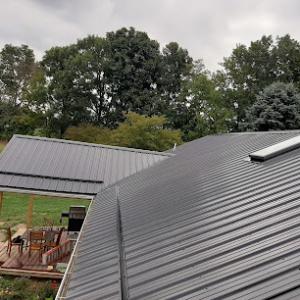
We install quality metal roofs for an affordable price
I.B. Roofing & Construction
(814) 329-2848 ibroofingandconstruction.com
Serving
4.0 from 4 reviews
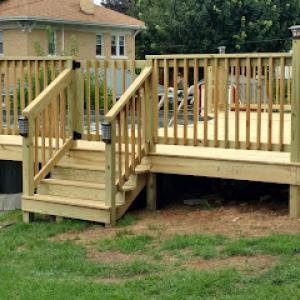
DESIGN A HOUSE YOU'LL LOVE COMING HOME TO GET COMPLETE CONSTRUCTION SERVICES IN ROARING SPRING, PA Install the custom interior features you've always wanted in your home. Spruce up your home's exterior with new siding. The sky's the limit when you hire I.B. Roofing and Construction for construction services. We've been providing roofing, addition construction and other home improvement services to residents of the Roaring Spring, PA area for years. Schedule an appointment with I.B. Roofing and Construction right away.
Home Pride Builders
(814) 495-5080 homepridebuildersllc.com
Serving
1.3 from 6 reviews
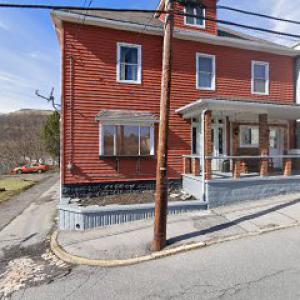
Home Pride Builders, LLC is your local area home improvement contractor serving Greater Johnstown, Cambria and surrounding Counties including Somerset, Bedford, Blair, Indiana, and Westmoreland since 1977. No matter what your home improvement needs are, we can help find a solution just right for you!
A full roof replacement in Altoona typically requires a permit through the City of Altoona Building Department. The permit process exists to ensure heavy winter conditions, rapid freeze-thaw cycles, and snow-season moisture management are properly accounted for in each installation. The permit application is generally submitted by either the contractor or the homeowner, so homeowners should confirm before work starts who is handling the filing. If the contractor handles it, ask for a copy of the submitted plans and the permit number; if you file, keep your receipts and confirmation numbers organized in case questions arise later.
Permits in this climate aren't merely a formality. They verify that the roof structure, ventilation strategy, flashing details around chimneys and vents, and attic moisture controls meet current code requirements. During a long Altoona winter, a small lapse in flashing or venting can become a real headache as snow sits on the roof and freeze-thaw cycles stress seals and joints. Expect the permit review to look closely at how soffit vents and ridge ventilation are integrated with the entire attic enclosure, because proper ventilation helps control condensation and reduces ice dam risk.
City inspections occur during and after the job to verify installation details including ventilation, flashing, and overall code compliance. A field inspector will typically confirm that the underlayment, drip edge, and properly installed fasteners are consistent with the approved plan. They will also check that ventilation outlets remain clear and that the ridge and soffit systems work in harmony with the chosen roof assembly. If any discrepancy is found, work may need to pause until corrections are made, which can extend timelines and add stress during winter planning.
After completion, a final inspection ensures the roof is sealed up to weather and meets energy and moisture-control standards. In a snow-prone climate, the inspector may focus on how the flashing around penetrations handles snow loads and whether ice barriers were installed where required by code. Keeping records of all permits, inspection approvals, and any amendments helps avoid surprises if you sell the home or later assess roof performance after a harsh season.
Pennsylvania remains a standard-coverage insurance market overall, but after hail events some carriers serving Altoona may ask for prior damage documentation, photos, and receipts. That means your baseline matters. If you keep dated photos of your roof from seasons past and maintain receipts for past repairs, you'll stand a clearer, easier-to-verify picture when a claim is filed. Start with a simple quarterly photo log: snapshots of the ridge line, vents, flashing seams, and any visible wear. Store those images in a cloud album with dates and short notes about what was addressed and when. If a repair was done, keep the work ticket, material receipts, and a brief description of the repair method. This isn't about accusing a policy of weak performance; it's about ensuring you can prove pre-storm condition if a carrier questions what happened during a storm.
Spring storms in Altoona bring heavy rain and gusty winds, which can create leak events even when full replacement is not immediately approved by insurance. The combination of freeze-thaw cycles and leaf-heavy falls means that some roof joints and flashing can seem fine at a glance, yet moisture quietly penetrates at joints, valleys, and vent penetrations after a hard downpour. That is why having updated images and repair records is so valuable: you may identify a leak source that was already developing but appeared minor before a storm. After a damaging event, avoid assuming all issues are new; compare current leaks to known pre-existing vulnerabilities. If you notice water staining far from obvious damage, inspect attic ventilation, insulation, and any condensate drift as potential contributors alongside the roof surface itself.
When a claim is contemplated or filed, provide your insurer with a concise timeline: what happened during a specific storm, what changes you observed afterward, and any prior maintenance that could influence the assessment. Be prepared for adjusters to request access to your roof for inspection; having your pre-storm documentation ready makes the process smoother and reduces ambiguity. In Altoona, where weather patterns can stress flashing and moisture control, the difference between a partial fix and a larger restoration often hinges on precise documentation. Keeping your files organized helps protect your home from lingering moisture problems and supports informed decisions about repairs or replacements after a storm event.
Find local contractors experienced in assessing and restoring roofs after hail, wind, and severe weather events.
Champion Roofing USA
(814) 414-8183 championroofing-usa.com
2123 6th Ave, Altoona, Pennsylvania
4.8 from 260 reviews
Spartan Roofing Services
(814) 215-8604 www.facebook.com
1146 59th St, Altoona, Pennsylvania
4.9 from 64 reviews
In this climate, flashing and sealants are repeatedly stressed by winter freezing followed by warmer periods, making transition points more failure-prone over time. Check around chimneys, vents, and roof-to-wall joints after the first thaw of spring and again after heavy frosts. Look for hairline cracks in sealant bead, loose step flashing, or gaps where metal flashing meets the roof deck. If you spot a thin line of daylight or feel moisture behind the flashing during a warm spell, address it promptly before it refreezes. Pay attention to valleys where two roof planes meet, as even small gaps can channel meltwater into the underlayment.
Autumn leaf buildup is a local maintenance issue because retained debris can hold moisture at valleys, wall intersections, and other flashing-heavy areas. Inspect gutters and downspouts for blockages, and remove leaves from valleys and around vent pipes. In the Valley and ridge areas common to the local roof profiles, debris can form perched pockets that freeze and thaw, aggravating edge and seam failures. Clear these areas after peak leaf drop and before the first freeze, then keep debris from accumulating again by trimming nearby branches and installing gentle-flow gutter guards if appropriate.
Where homes have skylights or other roof penetrations, Altoona's freeze-thaw pattern increases the importance of checking curb flashing and surrounding seal details. Examine skylight flashing at the curb for lifted metal, deteriorated sealant, or gaps where water could intrude during rapid warming. Inspect joint corners and fasteners around vents, plumbing stacks, and chimneys for corrosion or loosening. If you notice dampness or spongy decking near penetrations after a thaw, consider resealing the curb with compatible sealant and re-fastening flashing as needed.
Find contractors experienced in skylight installation, flashing, and leak repairs to bring natural light into your home.

Home Genius Exteriors
(814) 527-2181 homegeniusexteriors.com
119 Union Ave, Altoona, Pennsylvania
4.7 from 258 reviews
In Altoona, debris control isn't a luxury-it's a practical necessity when storms churn and leaves pile up in the fall. Local contractors commonly signal that cleanup is included as part of the project, and homeowners frequently weigh this as a core selling point. You'll notice crews that cordon off the work zone, seal trash bags, and haul away nails and shingles at day's end. When choosing a roofer, ask how they handle cleanup, whether they sweep for nails after installation, and if they leave a debris-free yard ready for winter snows. A clean jobsite reduces the chance of post-storm punctures or trips on hidden nails, and it speeds up springtime inspections.
Fast response matters in this region's swing between heavy spring storms and sudden winter leaks. Market signals show that homeowners value rapid leak stabilization when moisture finds its way under flashing or along eaves, especially after freeze-thaw cycles. Look for a contractor who can reliably schedule a temporary fix to halt ongoing damage, then follow with a more durable solution. In practical terms, this means 24/7 or near-24-hour callouts after a storm and crews that can mobilize quickly after hail or wind events. Quick response protects interior spaces and reduces the chance of ice dam buildup along the gutter line.
The Altoona market blends residential-focused re-roofers, family-owned firms, and long-established companies. That mix means homeowners often weigh responsiveness and local reputation alongside price. Ask neighbors about recent experiences and check how a roofer communicates-timely updates, transparent timelines, and predictable follow-through matter when winter weather looms. Favor firms that demonstrate consistent communication, punctual arrivals, and a local track record of handling both snow-season moisture and freeze-thaw stress on flashing and ventilation.
Snow-season moisture management is a distinct priority. Emphasis falls on robust ventilation, proper attic moisture control, and corrosion-resistant flashing that can withstand repeated freeze-thaw cycles. Homeowners look for contractors who inspect for sagging gutters, ice dam risk, and any shingle exposure that could trap meltwater. A thoughtful approach combines preventive measures with responsive service, ensuring roofs hold up through Altoona's mountain climate year after year.
Get a clear picture of your project costs upfront - no commitment required.
Champion Roofing USA
(814) 414-8183 championroofing-usa.com
2123 6th Ave, Altoona, Pennsylvania
4.8 from 260 reviews
Residential Construction Services (RCS) Metal Roofing Specialists
610 N 2nd St, Altoona, Pennsylvania
5.0 from 30 reviews
Appalachia Roofing
(814) 505-5455 www.facebook.com
515 E Southey Ave, Altoona, Pennsylvania
5.0 from 16 reviews