Roofing in Pennsylvania
Last updated: Feb 28, 2026
In Pennsylvania, a roof isn't just a shelter—it's a sturdy shield from cold winters, heavy snow, spring rain, and the occasional heat wave that makes shingles sweat. Our state's mix of urban, suburban, and rural settings means roof problems can show up in different ways—from ice damming on steep Pittsburgh eaves to blistering sun on a Philadelphia rowhome. You'll often be balancing robust protection with sensible costs, seasonal maintenance with the ever-changing weather, and local permit rules that can vary by town. You're not alone in this—neighbors and local pros alike understand how PA's climate and building culture shape every roof decision.
What this page covers, at a glance:
- Local Climate and seasonal demands you'll actually feel on the roof
- Recommended roofing materials and cost considerations specific to Pennsylvania
- Popular roof styles and architectural trends you'll see across the state
- Average roofing costs you'll encounter in PA markets
- Permits, codes, and local regulations you'll need to navigate
- Common roofing problems in Pennsylvania and practical solutions
- Maintenance and repair tips tailored to our conditions
- Guidelines on when to repair versus when to replace
- When and how to hire a professional you can trust
Our advice is grounded in Pennsylvania conditions and reinforced by local resources—from building departments and code references to neighborhood supplier networks and experienced local contractors. You'll find guidance that reflects how PA winters, humidity, and storm patterns influence everything from asphalt shingle life to underlayment choices, venting, and ice dam prevention. This isn't generic theory—it's practical, neighborly know-how that keeps your roof performing year after year without surprises.
Think of this page as a conversation with a trusted local roofer who understands the quirks of PA homes, the cost realities of our markets, and the importance of safety and reliability. We'll help you see the big picture and still have a clear, doable plan you can take to your toolbox or to your next contractor.
Now, let's start with how Pennsylvania's seasons shape your roof's needs.
Local Climate & Its Impact on Roofs
Seasonal climate realities in Pennsylvania
Pennsylvania's climate swings across four distinct seasons, with notable regional variation. Western Pennsylvania tends to see heavier snowfall and colder winters, while the southeastern part (around Philadelphia) experiences hot, humid summers and milder winters. Mountain areas push the freeze-thaw cycle even more. This mix affects how roofs age, fail, or hold up year-round. Be mindful that what matters most is how snow, ice, heat, and storms interact with your roof and attic.
Winter challenges you should plan for
- Ice dams and water intrusion: warm attic air can melt snow near the top of the roof, which refreezes at the eaves and forces water under shingles.
- Snow load and structural stress: PA code assumes certain loads; heavier snow in some regions means roofs should be rated accordingly and kept free of weight buildup.
- Freeze-thaw damage: water that seeps into small cracks freezes, widening gaps in shingles, flashing, and joints.
- Wind and ice-covered decks: wind-driven snow can create concentrated uplift on exposed edges and overhangs.
Spring thaw and storm season
- Heavy rain and localized flooding: gutters and downspouts must move water away from the foundation to prevent seepage and leaks.
- Severe storms and hail: strong winds can lift shingles, rip flashing, and damage vents.
- Residual moisture and moss: shady, damp PA valleys can foster algae or moss growth on roofs, accelerating wear if left untreated.
Summer heat, humidity, and UV exposure
- UV degradation: prolonged sun exposure can soften and fade asphalt shingles and reduce their lifespan.
- Humidity and condensation risk: high humidity can affect attic air quality and promote moisture-related issues if ventilation is poor.
- Thunderstorms and wind gusts: summer storms can cause denting, loose flashing, or blown-off vents in weaker areas.
Fall leaf load and wind
- Leaf accumulation: clogged gutters back up water and add weight near the roof edge.
- Wind-driven damage: seasonal winds can loosen loose flashing and shingles, creating entry points for moisture.
Maintenance priorities for PA roofs
1) Inspect twice a year and after major storms; look for lifted shingles, damaged flashing, and obvious leaks.
2) Clear gutters and downspouts; ensure water is directed at least 3–4 feet away from the foundation.
3) Boost attic insulation and ventilation to minimize heat buildup and ice dam risk.
4) Trim overhanging branches; remove dead limbs to reduce debris and impact risk during storms.
5) Use a roof rake to remove light snow from shallow-pitched roofs; avoid climbing on icy surfaces.
Material considerations for the PA climate
- Asphalt shingles: widely used and affordable; choose 30-year or architectural varieties with good wind resistance; ensure correct nailing patterns for PA winds.
- Metal roofs: excellent for snow shedding and durability; consider snow guards and proper attic ventilation to control condensation and noise.
- Slate and tile: very durable in freeze-thaw cycles but heavier; require a solid substrate and professional installation to prevent cracking in PA winters.
Official resources and references
- National Weather Service Philadelphia/Mt. Holly climate data and winter outlook:
- NWS storm risk alerts and PA winter weather safety:
- Pennsylvania Emergency Management Agency (PEMA) severe weather and winter safety:
- Roofing guidance and best practices from NRCA:
Recommended Roofing Materials for Pennsylvania
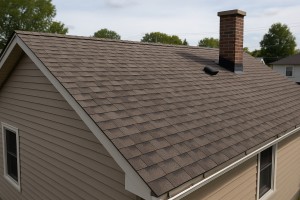
- Why PA homeowners pick them: versatile, affordable, and widely available. Architectural (dimensional) shingles mimic the look of more expensive options while offering better durability for snowy winters.
- What to look for: 30–50 year warranties, wind resistance of 110–130 mph, and thick underlayment. In PA, a good underlayment and proper ventilation are key to preventing ice dams.
- Pros: easy installation, broad color choices, easy to repair, good value over time.
- Cons: lifespan is shorter than metal, slate, or tile; can be damaged by heavy hail or extreme heat; moss or algae may grow in damp seasons.
- Quick tip: pair with an ice-and-water shield along eaves and valleys to reduce ice dam risk.
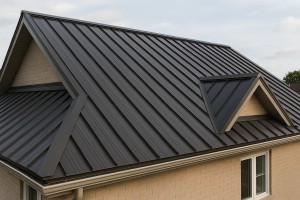
- Why PA homeowners choose metal: extreme durability, superb snow shedding, and excellent wind resistance. Steel or aluminum panels with protective coatings stand up well to PA's freeze–thaw cycles.
- Pros: 40–70+ year lifespan, low maintenance, energy savings (reflects solar heat), fire resistant, lightweight compared with tile or slate.
- Cons: higher upfront cost, color fading or chalking over decades, potential rain/footstep noise without proper insulation or attic quieting.
- Quick tip: install with a solid underlayment and proper ventilation to prevent condensation and ice dam formation.
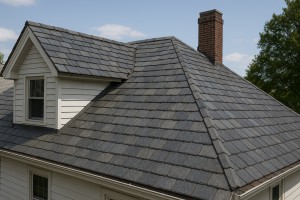
- Why it's appealing in PA: historic homes and rolling PA landscapes pair beautifully with slate's classic look and exceptional longevity.
- Pros: can last well over a century with proper care, highly durable, excellent fire resistance.
- Cons: very high upfront cost, heavy weight that may require structural reinforcement, specialized installation needed; repair can be costly.
- Quick tip: verify roof structure and load capacity before choosing slate; ensure you have a qualified slate roofer for installation and repairs.
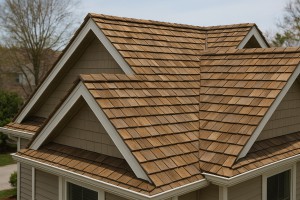
- Why PA homeowners consider cedar: rustic, natural beauty that suits wooded PA neighborhoods and historic properties.
- Pros: good insulation, natural resistance to temperature swings, easy to customize appearance.
- Cons: higher maintenance, susceptible to rot, mold, and insect damage in damp climates; fire risk unless treated or code-compliant; not ideal in areas with heavy snowfall if not maintained.
- Quick tip: choose pressure-treated or fire-retardant options and plan for regular cleaning and resealing every 3–5 years.
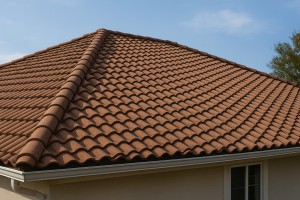
- Why they're used in PA: long lifespan and distinctive styling that fits certain architectural flavors.
- Pros: excellent durability, fire resistance, and energy efficiency in summer.
- Cons: heavy weight requires structural checks, higher cost, potential cracking in freeze–thaw cycles if installation isn't precise.
- Quick tip: confirm your attic's structure can handle the weight and ensure proper drainage to avoid standing water.
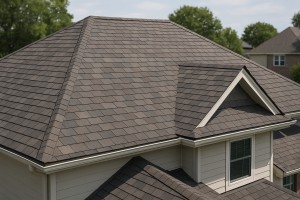
- Why PA homeowners like it: designed to imitate natural materials while offering better performance in cold and wet weather.
- Pros: lightweight, resistant to rot and insect damage, lower maintenance than wood; wide range of styles.
- Cons: variable long-term performance data, some products may show wear in extreme PA sunlight over many decades.
- Quick tip: choose products with proven performance in cold climates and a solid warranty.
Flat or Low-Slope Roof Options (where applicable)
- For garages or porch roofs common in some PA homes: EPDM, TPO, or bitumen membranes.
- Pros: good water resistance when installed with proper drainage and flashing.
- Cons: drainage is critical; repairs can be more complex than steep-slope roofs.
- Quick tip: ensure adequate slope and an expertly sealed perimeter to minimize leaks during snowmelt.
PA-specific installation and maintenance notes
- Ensure proper attic ventilation and insulation to minimize ice dams and condensation.
- Use an ice-and-water shield along eaves and valleys in cold months.
- Schedule regular inspections in spring and after major storms to address wind uplift, loose shingles, or lifted edges.
- Keep gutters clean and free of debris to maintain drainage during heavy snow and rain.
Choosing the right material for your PA home comes down to climate, budget, and architecture. Consider long-term maintenance, local building codes, and the availability of qualified installers in your area.
Popular Roof Styles & Architectural Trends in Pennsylvania
Traditional PA roof styles
Pennsylvania's roofs mirror its mix of urban charm and rural heritage. Load-bearing shapes balance snow, wind, and aesthetic continuity with historic streetscapes.
- Gable roofs: The workhorse of PA homes. Easy to build, excellent attic ventilation, and strong snow shedding. Great for adding usable attic space and straightforward repairs.
- Hip roofs: Stable in storms, with uniform slopes on all sides. Less prone to uplift in high winds, a practical choice for exposed hillsides and river valleys.
- Gambrel/Dutch Colonial: Barn-inspired charm that maximizes attic headroom. Common on older farmhouses and some historic districts, pairing nicely with brick or weathered wood siding.
- Flat/low-slope roofs: Frequent in city rows and renovations. Modern look, but require meticulous drainage, quality underlayment, and regular maintenance to prevent leaks.
Material choices in Pennsylvania must contend with cold winters, freeze-thaw cycles, and moisture. The right combo keeps you dry and stylish for decades.
- Asphalt architectural shingles: Budget-friendly with good life expectancy and a broad range of textures that imitate slate or wood.
- Metal roofing: Steel or aluminum, often standing-seam. Excellent longevity, superb snow shedding, and energy efficiency—especially in exposed PA exposures.
- Slate: A historic favorite on older or higher-end homes. Durable and elegant, but heavy, costly, and typically requires a skilled installer.
- Cedar shakes: Rustic, warm curb appeal; higher maintenance to prevent rot and insect issues, but beloved on many craftsman and colonial-inspired homes.
Regional trends and architectural influences
Regional flavor shows up in roof lines, materials, and curb appeal across PA's counties.
- Southeastern PA (Philadelphia metro): Row houses and brick facades dominate. Many roofs are modest in pitch or feature dormers to add light and space to narrow interiors.
- Central PA: Colonial revival and craftsman vibes are common. Gabled or hipped roofs with mixed materials—shingles, metal accents, or brick-adjacent detailing—fit the period look.
- Western PA (Pittsburgh area): Hillside and masonry homes push steeper pitches and robust rooflines. Slate and metal remain prominent on historic properties, with solar adoption growing in newer builds.
Snow, ice, and climate considerations
PA winters demand practical design choices to minimize ice dams and water penetration.
- Steeper pitches (6:12 or steeper) help snow slide off and reduce damming, especially in northern or western PA.
- Proper underlayment and ventilation: Synthetic underlayment, soffit venting, and ridge vents support dry, energy-efficient attics.
- Ice barriers at eaves: Many PA codes encourage or require ice dams barriers to protect roof edges and gutters.
Trend-forward features homeowners are adopting
Emerging practices blend PA character with modern efficiency.
- Solar-ready roofs: Roofs designed for easy panel installation with minimal penetrations and clear shading considerations.
- Mixed materials: Combining wood shakes, metal accents, and asphalt shingles to honor historic aesthetics while modernizing performance.
- Energy-efficient upgrades: Reflective or cool roofing options, plus thorough attic sealing and insulation to curb heat loss in winter.
Maintenance and inspection tips for PA homeowners
- 1) Inspect after heavy snow, ice, or wind events for missing shingles and flashing damage.
- 2) Clean gutters and downspouts; ensure unobstructed drainage to prevent ice dams.
- 3) Schedule a professional roof inspection every 3–5 years (older homes more often) to catch wear early.
- 4) For historic or slate roofs, use specialists when repair is needed to preserve integrity and appearance.
Average Roofing Costs in Pennsylvania
What affects price in PA
- Roof size and slope: Larger roofs cost more; steeper pitches require more labor and safety measures.
- Material choice: Premium materials raise upfront costs but can improve longevity and energy performance.
- Tear-off and disposal: Removing an old roof adds a notable line item.
- Local labor costs: PA counties with higher demand or urban markets tend to bill more per hour.
- Roof complexity: Chimneys, skylights, dormers, or multiple levels add flashing, insulation, and labor.
- Access and height: Hard-to-reach roofs or limited staging areas increase time and risk.
Typical cost ranges by material
- Asphalt shingles (standard 3-tab): $3.50–$5.50 per sq ft installed.
- Architectural asphalt shingles: $5.00–$8.00 per sq ft installed.
- Metal roofing: $8.50–$12.50 per sq ft installed.
- Cedar shakes/shingles: $7.50–$12.50 per sq ft installed.
- Clay or concrete tile: $10.00–$18.00 per sq ft installed.
- Slate: $15.00–$35.00 per sq ft installed.
- Flat roofing (EPDM or TPO): $5.50–$10.50 per sq ft installed.
- Note: prices assume typical roof conditions (no major damage). Add 10–20% for tear-off and disposal if an old roof must be removed, and more for specialized detailing or historic properties.
Regional variations across Pennsylvania
- East PA (Philadelphia metro and surrounding counties): Generally higher labor costs and permit activity can push prices toward the upper end of ranges.
- Central PA: Mid-range costs, with a balance of urban subcontractors and smaller towns.
- Western PA (Pittsburgh area and rural): Often slightly lower labor rates, but weather-driven adjustments (snow and ice planning) can add value during colder months.
- Historic districts and brick/stone homes: Extra flashing, mortar considerations, and code-compliant historic repairs can raise totals.
Local considerations affecting PA roofs
- Ice dam and snow readiness: Pennsylvania winters demand extra ice/water shield along eaves and critical valleys; this adds materials and labor.
- Brick and stone exteriors: Counterflashing and brick chimney work are common in PA and can require specialty flashing.
- Ventilation and insulation needs: Proper attic ventilation helps with energy efficiency and long-term performance, influencing upfront cost.
- Historic properties: Some towns require specific materials or preserved appearances; this can limit contractor options and raise prices.
- Permitting and inspections: Many PA municipalities require permits and inspections, which carry fees and scheduling implications.
How to estimate your PA roof cost (steps you can take)
1. Determine roof area in squares: Count the number of 10x10 foot areas (a “square” is 100 sq ft).
2. Pick a material: Choose from the ranges above based on desired durability and curb appeal.
3. Assess tear-off needs: Decide if you'll remove the old roof or overlay; factor in disposal costs.
4. Check local permitting: Look up permit fees and inspection requirements for your town.
5. Get bids from 3–4 local contractors: Ask for itemized estimates that separate labor, materials, tear-off, and flashing.
6. Plan for weather and contingencies: Set aside 10–20% of the project total for surprises or upgrades.
Quick considerations when comparing PA bids
- Material warranties and contractor workmanship guarantees.
- Details of ice/water shield installation and attic ventilation strategy.
- How each bid handles brick/chimney work and any historic restoration needs.
- Timeline expectations and crew accessibility to your home.
Common PA-specific scenarios
- A two-story suburban home with asphalt architectural shingles and a standard tear-off might land in the mid-range of PA costs.
- A brick rowhouse in a city center with a steep pitch and multiple dormers will push toward the higher end.
- A rural farmhouse with a metal roof and a modest tear-off can land in the mid-to-upper mid-range, depending on access.
Permits & Local Regulations
Do you need a permit?
- In Pennsylvania, roofing work that involves removing or replacing roofing materials and any structural changes generally requires a building permit from your city or county building department. Some municipalities require a permit for any re-roof project, while others allow small repairs without one. Because rules vary, always check with your local jurisdiction before starting.
- Even when a permit isn't strictly required, inspections or approvals may still be advised or required by your HOA or historic district.
Local variations and codes
- Codes and rules are set locally. Many Pennsylvania jurisdictions adopt the International Residential Code (IRC) as part of the Uniform Construction Code (UCC) framework, with local amendments.
- Some towns use earlier code editions or add their own tweaks. Always confirm the edition and any amendments with your municipal building office.
How to start the permit process
1. Contact your local building department (in person, by phone, or online) to confirm permit requirements for roofing work.
2. Gather key information:
- Property address and parcel or tax ID
- Scope of work (replacement like-for-like vs. structural changes, attic venting, skylights, gutters)
- Planned roofing materials and underlayment
- Contractor details (license, insurance)
- Any required drawings or photos of the existing roof
3. Submit the permit application. Some places want a simple scope; others may require plan drawings or a small set of specifications.
4. Pay fees and schedule inspections. Plan review times vary; allow extra time for reviews if structural changes or energy-code considerations are involved.
5. Once approved, display the permit on site and keep permit cards accessible for inspectors.
Inspections you'll likely encounter
- Common inspection milestones:
- Before installation: verify permitted scope and safety measures
- During installation: deck/underlayment, flashing, and venting checks
- After completion: final verification of flashing, roof penetration details, venting, and drainage
- Some jurisdictions require an insulation or ventilation check to ensure energy-code compliance. Always follow your inspector's notes and any added local requirements.
Contractor licensing and homeowner work
- Most Pennsylvania municipalities require roofing contractors to be licensed or registered; some areas also require proof of liability insurance and a contractor's license number on permits.
- Homeowners performing the work themselves can be allowed in some places, but may still need a permit and must follow code requirements; many areas discourage or restrict certain trades for DIY projects.
- If you hire a contractor, ensure they pull the permit, are licensed/insured, and provide a clear contract with inspection responsibilities and timelines.
Special cases and extras to watch
- Historic districts or properties: may need approval from a historic preservation board or planning commission.
- HOA rules: covenants can add permit or material restrictions; align your project with those rules before starting.
- Lead paint and asbestos: if the home is built before 1978, consider potential lead-based paint; if older roofing materials contain asbestos, use licensed abatement professionals and follow disposal rules.
- Drainage and water management: proper flashing, skylights, and gutter connections matter for stormwater management and may trigger additional permitting or inspections.
Fees, timelines, and planning
- Permit fees vary by municipality and project scope; expect a base fee plus potential plan review or inspection charges.
- Typical timelines range from a few days to a few weeks for approval, with additional time for inspections during and after installation.
- Plan ahead for weather windows; delays in permitting can push back start dates and project schedules.
Quick checklist
- Confirm permit requirements with your local building department.
- Prepare scope of work, material specs, and contractor details.
- Verify licensing, insurance, and that the contractor will pull the permit.
- Do not start work until the permit is issued and inspections are scheduled.
- Have access to the permit card and inspector contact information on-site.
Common Roofing Problems in Pennsylvania & Solutions
Ice dams and moisture intrusion
In Pennsylvania winters, heat escaping from the attic can melt a layer of snow on the roof, which refreezes at the eaves and creates ice dams. The resulting water can back up under shingles and into the attic or ceilings.
- What to look for: icicles along the eaves, stained ceiling spots, damp insulation in the attic.
- How to fix it:
1) Clear snow from the eaves with a plastic roof rake (from the ground, avoid the roof).
2) Improve attic insulation and air sealing to keep heat where it belongs.
3) Ensure proper ventilation (soffit intake and ridge exhaust); install baffles if airflow is blocked.
4) If dams persist, consult a pro about heat-reduction methods or de-icing strategies and fix the underlying leak.
Damaged or missing shingles
Shingles can crack, curl, blister, or blow off due to wind, sun, and aging. Missing or damaged shingles leave underlayment exposed and vulnerable to leaks.
- What to look for: curling edges, exposed asphalt, granule loss in gutters.
- How to fix it:
1) Replace damaged shingles with matching ones, aligning with the existing pattern.
2) Use the right nails and number per shingle (often 4 nails per shingle in high-wind PA conditions).
3) Check the underlayment; replace if torn or buckled.
4) If many shingles are affected, assess whether a full roof replacement is warranted.
Flashing leaks around chimneys, vents, and skylights
Flashing seals around penetrations are common leak points when worn, cracked, or improperly installed.
- What to look for: water stains near chimneys or vents, damp areas along flashing seams.
- How to fix it:
1) Remove old sealant and replace with non-sag, exterior-grade sealant.
2) Re-flash with proper metal flashing (step flashing on joints, counter-flashing where applicable).
3) Replace damaged vent boots or skylight flashing.
4) Ensure there is a continuous waterproof seal at every penetration.
Gutter and downspout problems
Clogged or poorly sloped gutters cause water to back up and spill over, contributing to fascia damage and leaks at the soffit.
- What to look for: overflowing gutters, stained fascia, water around foundation after storms.
- How to fix it:
1) Clean gutters and downspouts regularly; remove leaves and debris.
2) Confirm a slight slope (about 1/4 inch per 10 feet) toward downspouts.
3) Extend downspouts away from the house; add guards as needed.
4) Seal leaks in gutters and replace severely corroded sections.
Moss, algae, and organic growth
Shade and moisture encourage growth on PA roofs, which can trap moisture and degrade shingles over time.
- What to look for: dark streaks or green patches, slippery roof surface.
- How to fix it:
1) Gently remove growth with a non-metallic scraper; avoid high-pressure washing.
2) Treat with a zinc/copper-based roof cleaner or an approved algaecide per label.
3) Trim overhanging branches to increase sun and airflow.
4) Improve ventilation and roof dryness to slow regrowth.
Poor attic ventilation and condensation
Inadequate ventilation leads to condensation, damp insulation, and potential mold in the attic.
- What to look for: frost on the underside of the roof deck, musty attic odors, damp insulation.
- How to fix it:
1) Check and repair soffit vents, ridge vents, and any baffles.
2) Add supplemental vents if necessary to balance intake and exhaust.
3) Seal attic air leaks around access doors and light fixtures to control moisture-laden air.
4) Consider a professional assessment if humidity remains high.
Roof deck rot and structural concerns
A continually leaking roof can rot the deck and weaken the structure, risking more extensive damage.
- What to look for: soft, spongy spots on the roof surface, squeaks or sagging in the attic ceiling.
- How to fix it:
1) Locate and stop the source of water intrusion.
2) Replace rotted decking and any compromised framing.
3) Treat for mold and improve ventilation to prevent recurrence.
4) If widespread, evaluate the entire roof system and structural integrity; replacement may be needed.
Maintenance & Repair Tips for Pennsylvania
Seasonal maintenance checklist
Pennsylvania's mix of cold winters and humid summers means roofs face freeze-thaw cycles and rapid weather shifts. A simple, regular maintenance routine helps prevent leaks and staves off costly repairs.
- Inspect twice a year, after winter and after summer storms.
- Look for: loose, curled, or missing shingles; granules in gutters; flashing gaps around chimneys, vents, and skylights.
- Clean gutters and downspouts: remove leaves and debris, test for proper flow, and ensure downspouts drain at least 3–4 feet from the foundation.
- Trim back overhanging branches to reduce debris and airborne damage.
- Check attic insulation and ventilation: verify warm attic spots that could melt roof ice while keeping roof cold.
Ice dams, ventilation, and insulation
Ice dams are common in PA and can cause interior leaks and ceiling damage. The easiest fix is to keep the attic cold and the roof dry.
- Improve insulation and seal air leaks in the attic: seal gaps around attic hatches, wiring, and pipes with caulk or foam; aim for a continuous barrier between living spaces and the attic.
- Establish proper ventilation: combine soffit vents with a ridge or gable vent to promote cross-ventilation; use roof vents or baffles so insulation doesn't block airflow.
- Use a roof rake safely: in winter, remove snow from the eave edge to prevent damming without stepping on the roof.
- If ice dams form: carefully melt them from the edge with a de-icer product or a calcium chloride solution, avoiding hot water on the shingles; never use improper tools that could damage the roof.
- Permanent option for persistent dams: consider heated cables along the eave as a last resort and have a pro install them to code.
Shingle and flashing repairs you can tackle
Small repairs save money and extend roof life, but always prioritize safety and proper technique.
- Identify damage: curling, blistering, or missing shingles usually signal replacement needs; exposed nails or damaged flashing indicate leaks ahead.
- Replacing a damaged asphalt shingle (step-by-step):
1) Protect the area and lift the shingle above the damaged one.
2) Remove the nails with a flat bar.
3) Slide a new shingle into place, aligning with surrounding shingles.
4) Nail with 4 nails, two near each end; seal with a water-resistant sealant if directed by manufacturer.
5) Re-secure surrounding shingles as needed.
- Flashing around chimneys and vents: inspect for gaps or corrosion.
1) Remove old sealant and clean the flashing edge.
2) Re-nail or re-flash with metal flashing, overlapping joints properly.
3) Seal with high-quality exterior roofing sealant, ensuring a watertight lap.
4) Check for moisture behind the flashing after rain.
Gutter, fascia, and drainage upkeep
Proper drainage protects the roof and foundation.
- Clean gutters and downspouts regularly; ensure no sagging sections.
- Check fascia boards for rot; replace damaged sections to maintain support for the gutter system.
- Ensure downspouts direct water away from the foundation; add extensions or splash blocks if needed.
- Install gutter guards if seasonal debris is a constant issue, but plan for periodic maintenance to prevent clog buildup.
Ventilation, decking, and insulation improvements
PA homes benefit from better ventilation and insulation to minimize ice dams and heat loss.
- Add/upgrade attic insulation to reduce heat transfer to the roof deck; aim for a breathable, continuous layer without gaps.
- Verify roof decking is sound: look for signs of moisture, soft spots, or mold in the attic or ceiling, and address any leaks promptly.
- Consider upgrading attic ventilation if you notice condensation on the underside of the roof or icy patches along the eave in winter.
When to call a professional
Some tasks require license or specialized equipment. Call a pro if:
- You see widespread curling, widespread leaks, or water intrusion behind walls.
- The flashing around chimneys or penetrations is damaged or corroded.
- You're unsure about safely accessing the roof or repairing structural components.
- There's visible sagging fascia or significant roof deck deterioration.
Safety reminders: always use a stable ladder, wear slip-resistant footwear, and never work on a wet or icy roof. If in doubt, pause and consult a local roofing professional who understands Pennsylvania's climate and building codes.
When to Repair vs. Replace
Signs you should repair
- Damage is localized: a handful of damaged shingles, flashing around a vent, or a small leak that can be addressed without touching the entire roof.
- No widespread decking issues: the underlayment and roof deck look solid, with no sagging or soft spots.
- You're within the mid-life window: the roof material hasn't reached the end of its expected life yet, so a targeted repair can buy several more years.
- Repairable water intrusion: a single leak area can be sealed and protected with proper flashing and sealant without reopening large sections.
- Quick fix costs are reasonable: patching, resealing flashing, or replacing a small section is substantially cheaper than a full replacement.
Signs you should replace
- Widespread damage: extensive shingle loss, curling, missing patches, and moss or algae that indicate underlying deck problems.
- Structural concerns: sagging decking, soft spots, or visible rot point to compromised support that repairs won't remedy.
- Recurring leaks after multiple repairs: if leaks keep returning in the same areas or after several patch jobs, replacement is typically more cost-effective long term.
- Roof age beyond material life: asphalt shingles often reach age 20–25 (in PA's climate), metal roofs 40–70, and tile 50+ with wear from freeze–thaw cycles.
- Ice dam and insulation issues persist: chronic ice damming, despite prior fixes, often signals insulation/ventilation problems that require a full replacement strategy and better attic conditions.
- Significant storm or hail damage: extensive damage across large sections usually warrants a full replacement rather than piecemeal repairs.
Pennsylvania considerations
- Climate impact: Pennsylvania winters bring snow, ice dams, and freeze–thaw cycles that stress roofing seams and flashing. A roof in PA should have good attic ventilation and adequate insulation to minimize ice dam risk.
- Ice/water shield expectations: many PA codes encourage or require an ice/water shield along eaves and in valleys for cold climates. Your roofer should follow local code and manufacturer guidelines.
- Wind and hail variability: western and central PA can see stronger storms and hail that damage shingles and flashing; consider upgrades like impact-resistant materials if you're in hail-prone areas.
- Tree and debris pressure: PA roofs often contend with overhanging branches; regular cleaning reduces mechanical damage and moisture retention that accelerates deterioration.
- Maintenance window: because PA seasons swing from cold to hot, seasonal inspections (especially after heavy storms) help distinguish repairs from replacement needs early.
Step-by-step decision process
1. Inspect exterior damage: look for curled/missing shingles, damaged flashing, and signs of water intrusion.
2. Check the attic: identify moisture stains, mold, or condensation; assess insulation and ventilation.
3. Get a professional evaluation: request a written report with photos and a deck assessment; ask about remaining life and potential hidden damage.
4. Compare costs and life expectancy: weigh the short-term repair cost against long-term replacement costs and future maintenance.
5. Review warranties and insurance: verify material warranties and whether storm or hail damage is a claims-covered event; understand deductibles and what a claim would cover.
Practical repair strategies that buy time
- Targeted shingle and flashing replacements: swap out damaged shingles and reseal around penetrations.
- Improve drainage and seal gaps: repair gutters and downspouts to reduce water backup near the eaves.
- Address ventilation and insulation: upgrade attic insulation and ensure proper venting to reduce ice dam risk.
- Clean and protect: remove debris, moss, and algae with roof-safe cleaners to prevent moisture retention.
- Use proper flashing: ensure vent pipes, valleys, and transitions have correctly installed flashing to prevent leaks.
Quick reference: lifespan outlook (PA context)
- Asphalt shingles: repairable for several years if damage is isolated; replacement more likely as damage grows or with age.
- Metal and tile: typically longer-lived but may still require full replacement if widespread corrosion or cracking occurs.
- Bigger decisions: if you're unsure whether a repair is a long-term fix in PA's climate, get a second opinion from a licensed roofer who serves your area.
When to Hire a Professional
- If you notice active leaks inside after a rain, warped or sagging decking, or visible structural damage, stop any DIY steps and call a pro.
- After a severe storm, if shingles are torn off, granules are accumulating in gutters, or you find exposed underlayment, bring in an expert to assess and tarp temporarily if needed.
- Ice damming, heavy snow buildup, or rapid temperature swings can cause concealed damage; professionals have the equipment and experience to handle it safely.
Pennsylvania-specific considerations
- Permits and inspections: Most Pennsylvania towns require building permits for roof work, and a licensed contractor should pull those permits and schedule inspections as the project progresses. Your contractor should handle the permit process for you.
- Licensing and local rules: Pennsylvania does not have a single statewide roofing license; many municipalities require contractors to be licensed or registered locally. Prior to starting, verify your roofer's status with your city or county building department and ask for evidence of current licenses or registrations.
- Insurance and payroll protections: Always obtain current certificates of general liability and workers' compensation. In PA, projects involving employees must be covered, and you want to protect yourself from liens or uncovered accidents.
- Scheduling around PA winters: The freeze-thaw cycle and potential ice dams in Pennsylvania winters mean certain projects are best handled in milder months. If winter is approaching, plan for a temporary fix and a faster completion window when temperatures are higher.
- Philly and beyond: If you're in Philadelphia or other large cities, there may be additional licensing or permit nuances. Check with your local L&I or building department to confirm what's required and ensure your contractor will obtain the correct permits and pass inspections.
- Written contracts and state consumer protections: Pennsylvania consumers have protections under state consumer laws for home improvements. Work with a contractor who provides a detailed written contract, clearly stating materials, scope, timeline, payment schedule, and any warranties.
How to decide to hire vs. DIY
- Roof complexity: If your roof has multiple planes, extensive flashing, skylights, vents, or unusual angles, a pro will deliver proper flashing, ventilation, and drainage details.
- Safety and access: Steep pitches, tall structures, or limited ladder access increase the risk of injury. In such cases, professional equipment and training are essential.
- Materials and warranties: A pro can advise on shingles, underlayment, and ventilation that meet PA climate demands and ensure you receive manufacturer warranties.
- Time and guarantees: Pro roofers typically complete work faster and offer workmanship warranties, which DIY projects usually cannot match.
How to evaluate a roofing contractor (step-by-step)
1) Gather at least 3 written estimates with itemized scopes of work.
2) Verify licenses or registrations with your local city/county building department.
3) Confirm current liability insurance and workers' compensation coverage; request certificates.
4) Check references and review recent PA projects similar to yours; ask about on-site professionalism and timeliness.
5) Review warranties: material warranties from shingle manufacturers and a workmanship warranty from the contractor.
6) Read the contract carefully: include material specs, start/completion dates, payment terms, cleanup, permit handling, and lien waivers.
Red flags to watch for
- No written estimate or vague scope of work.
- Pressure to sign immediately or upfront cash-only terms.
- Refusal to provide proof of insurance or to pull permits.
- Poor communication, evasive answers about timelines, or a lack of local references.
- Extremely low bids that undercut all others—risk of low-quality materials or corner-cutting.
Questions to ask during an estimate
- Do you pull all required building permits and schedule inspections?
- Can you show proof of insurance and workers' comp?
- What is the exact scope of work and who supplies materials?
- What are the timelines and milestones? What happens if there's weather delay?
- How do you handle debris removal, site safety, and roof ventilation?
- What warranties do you offer on labor and materials, and how long do they last?
Pennsylvania-specific tips for contracts and warranties
- Require a detailed, signed contract with all material specs, number of layers or underlayment, nail types, and warranty information.
- Ensure any weather-related delay clauses are reasonable and include a plan for protecting your home if unexpected weather occurs.
- Request a final lien waiver upon receipt of each payment to protect yourself from potential subcontractor liens.
Putting A Lid On It: Roof Maintenance, Repair, and Replacement in Pennsylvania
Pennsylvania's climate throws a full seasonal curveball: hot, humid summers, rapid temperature swings, and in winter, freezing temperatures with heavy snow and ice. That mix makes roofs work hard—expansion and contraction, ice damming, wind-driven rain, and the occasional fallen branch. Regular maintenance helps you spot small issues before they become big leaks, protect insulation, and extend the life of your roof without drama.
Think of roof care as a simple, ongoing habit. Regular checks, timely small repairs, and proper attic ventilation and insulation create a strong, weather-ready shield for your home. With a little planning and the right guidance, you can reduce ice dam risk in winter, minimize moisture problems, and keep your roof looking good and performing well for years to come.
Quick maintenance you can schedule now
- Inspect after winter storms and again in spring and fall; look for missing or damaged shingles, curling edges, and loose flashing.
- Clean gutters and downspouts; remove leaves, sticks, and moss that can clog drainage.
- Check roof valleys and flashings around chimneys, vents, and skylights; reseal or repair as needed.
- Trim overhanging branches to minimize impact from storms and limit debris on the roof.
- Ensure attic ventilation is adequate and insulation is up to snuff to reduce condensation and ice dam risk.
- Look for signs of moisture in the attic or ceilings after wetter months; address penetrations or leaks promptly.
- If you're doing any climbing, practice ladder safety and avoid stepping on fragile areas; consider a pro for difficult spots.
- Consider safe moss and algae control and avoid high-pressure washing that can lift shingles.
Seasonal considerations for Pennsylvania homeowners
Our state's varied terrain means different zones face different pressures—from heavy snow in the northern counties to humid summers in the southeast. Keeping gutters clear, ensuring good ventilation, and insulating properly are universal helps, but tailor maintenance to what you've seen in your neighborhood: stronger wind zones, more shade and moss growth in damp microclimates, or higher moisture in basements and attics.
Know when to call a professional
- Persistent leaks or a sagging roof deck.
- Large areas of missing shingles or damaged flashing that don't respond to simple fixes.
- Violent storm damage, hail impact, or signs of structural movement.
- Complex issues like chimney flashing, skylight seals, or vent replacements that require safety gear and permits.
Replacement considerations
- Common asphalt shingles: 15–30 year lifespan with proper maintenance.
- Metal roofing: 40–70 years, often a good long-term investment in damp, windy PA areas.
- Material choice should factor in climate, attic ventilation, and budget; a professional can help you size the project and select products that shed snow and resist ice dams.
- Ensure proper underlayment, ventilation, and installation details to maximize the life of any new roof.
Closing thought
You're not alone in this—neighbors across Pennsylvania share the same weather, the same need for a reliable roof, and the same pride in a home that stands strong. With a proactive routine, a little know-how, and trusted local professionals when needed, you can enjoy a beautiful roof that lasts—and a home that feels safe and welcoming for years to come. Here's to sturdy shingles, clear skies, and a warm, enduring community.
