
Last updated: Apr 19, 2026
Chambersburg experiences four distinct seasons, and repeated winter freeze-thaw cycling is a primary local driver of shingle cracking, flashing movement, and premature roof aging. When temperatures swing from bitter cold to milder days, the surface of asphalt shingles and underlayment expand and contract. Over time, this cycling creates micro-cracks in the shingle granules, loosens fasteners, and invites small leaks that slide under flashing and into soffit areas. Homes with older vented roofs or plants growing near eaves can feel the impact sooner, as material fatigue accelerates and small breaches become bigger threats with each season change. The result is not only a steeper path to interior stains but also a higher risk of ice damming during thaw cycles.
Winter snow followed by daytime thaw can contribute to ice damming at eaves in homes, especially where attic ventilation or insulation is uneven. When warm indoor air rides up through the attic and melts roof snow, refreezing at the colder eaves creates an ice barrier that stops meltwater from draining properly. That backed-up water can push under shingles and along flashing seams, leading to interior staining, ceiling bulges, and mold growth if left unaddressed. The most vulnerable setups are roofs with inadequate insulation, soffit vents blocked by insulation, or outdated ventilation layouts that trap heat in one corner of the attic. Immediate attention is warranted when you notice ice buildup at eave lines, icicles that extend far from the roof edge, or damp spots inside the attic after a thaw.
Spring thaw in Chambersburg often overlaps with heavy rainfall, which can expose leaks quickly if winter damage went unnoticed. A wet season after a dry spell can reveal slow drips and hidden moisture that quietly deteriorates sheathing and deck boards. If winter damage exists-lifted shingles, loose flashing, or small punctures-the spring deluge will magnify those problems as water finds every available path. Look for drips near vents, chimneys, and transitions; check attic insulation for damp spots and dark staining on rafters; and inspect interior ceilings for new stains that appear after a warm rain. Treat any new signs as urgent, because delayed repair compounds the risk of structural rot and more extensive roof replacement needs.
Storms can introduce wind-driven hail and accelerated wear in a short window, so timing matters. After a heavy storm, document visible damage with photos from ground level and from the attic if safe to access. Make temporary protections-cover exposed vent openings, stopgap tarps over compromised areas-while arranging a professional assessment. Engage a roofer who can verify shingle integrity, flashing alignment, and ventilation adequacy, then prioritize repairs before the next freeze-thaw cycle or substantial rainfall. Quick inspections prevent small breaches from becoming costly, widespread damage and help keep the roof system functional through the remainder of the season.
In this part of Pennsylvania, seasonal storms can drop hail and whip up sharp winds that leave shingles curled, edges lifted, and flashing compromised long before you notice it inside the attic. When a storm hits, the window for minimizing internal damage shrinks quickly. The most urgent risk is water intrusion that quietly travels along roof lines into walls and ceilings. If you suspect wind or hail damage, treat it as an active emergency: get tarping in place to prevent more rainfall from entering, then secure a prompt assessment plan for the rest of the roof. Weather in this county can swing from clear to severe fast, and a delayed response increases the chance of attic mold, deck rot, and structural vulnerability.
In the Chambersburg market, wind and hail are the most relevant insurance-related roof loss events homeowners typically document and claim. That makes timely, organized documentation essential. After a storm, take clear photos from multiple angles, including any shingles missing, granule loss, exposed underlayment, and visible gaps around chimneys and vents. Keep a dated log of the storm timeline and any interior signs of water intrusion, such as brown stains on ceilings or damp insulation. When you contact your insurer, expect to schedule an adjuster visit; having your photo dossier ready speeds the process and reduces back-and-forth. Insurers in Pennsylvania generally require photo documentation and an adjuster inspection before approving roof claims, so your proactive record helps you move from filing to actual repairs without unnecessary delays.
If you're facing a storm aftermath, arrange a rapid tarping to cover any exposed sections and prevent further leaks. This buys critical time while you gather documentation and coordinate with a roofer. Choose a local contractor who understands the typical Chambersburg attic ventilation patterns and the way snow and ice load interact with the roof deck. A storm-damaged roof often triggers a chain of follow-up needs: leak control, temporary protection, and a carefully staged replacement plan that aligns with insurance timelines. When you schedule replacement, expect peak demand after major events; planning ahead with a trusted contractor helps you secure a more predictable timeline and reduce the strain of urgent decisions.
Persistent leaks that recur after temporary fixes, extensive granule loss, curling edges, or widespread wind uplift across multiple sections strongly point toward replacement rather than patching. In freeze-thaw cycles, small weaknesses become large problems as moisture infiltrates and freezes, expanding structural gaps. If inspection reveals decking soft spots, substantial flashing failure, or compromised ventilation paths that hinder attic moisture control, replacement becomes the safer long-term option. The goal is to prevent mold growth, prevent ice dam formation, and restore the roof's full protective function before another winter load tests the system.
Find local contractors experienced in assessing and restoring roofs after hail, wind, and severe weather events.
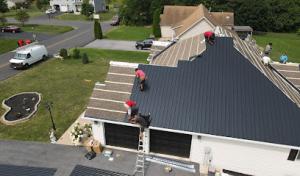
Teflon Roofing
(717) 830-8454 www.teflonroofing.com
372 Grant St, Chambersburg, Pennsylvania
5.0 from 300 reviews
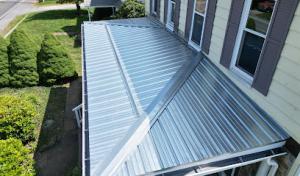
Done Right Exteriors
(717) 455-0353 donerightexteriors.net
715 Dickeys Dr 2nd floor, Chambersburg, Pennsylvania
5.0 from 123 reviews
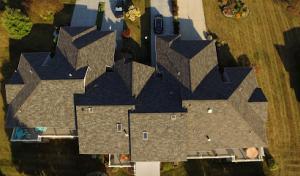
Tip Top Roofing & Siding
(717) 552-4900 tiptoproofingandsiding.com
1930 Philadelphia Ave, Chambersburg, Pennsylvania
4.9 from 218 reviews
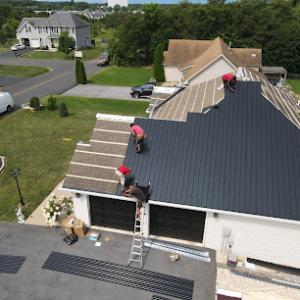
Teflon Roofing
(717) 830-8454 www.teflonroofing.com
372 Grant St, Chambersburg, Pennsylvania
5.0 from 300 reviews
Teflon Roofing is licensed and insured roofing company in Chambersburg, PA, we specialize in providing top-quality roofing solutions for homeowners in the area. Specializing in all roofing systems, we're committed to exceeding the expectations of Chambersburg residents. Our team works closely with each client to ensure their roofing project meets their specific needs for each individual roof installation. With our dedication to craftsmanship on every roofing project and customer satisfaction, Teflon Roofing is the #1 trusted choice for all your roofing needs in Chambersburg, PA and surrounding areas bring transparency, trust and leading the next generation of roofing. With 300 google reviews its clear why we are the top choice for roofing!
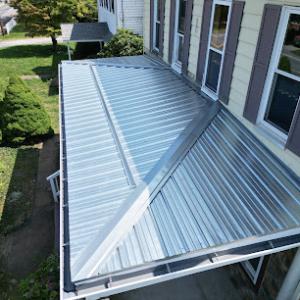
Done Right Exteriors
(717) 455-0353 donerightexteriors.net
715 Dickeys Dr 2nd floor, Chambersburg, Pennsylvania
5.0 from 123 reviews
Done Right Exteriors is a trusted residential and commercial contractor proudly serving Pennsylvania communities such as Chambersburg, Gettysburg, Carlisle, Waynesboro, Shippensburg, Greencastle, and more. We specialize in roofing, siding, windows, and doors, offering comprehensive services including replacements, repairs, and inspections. Many of our products come with limited lifetime warranties, providing lasting protection for your home or business. As an Owens Corning-certified contractor, we deliver expert craftsmanship, durable materials, and superior service. With flexible financing through Acorn Finance, we make upgrades more affordable. Contact Done Right Exteriors today for reliable, professional service near you!
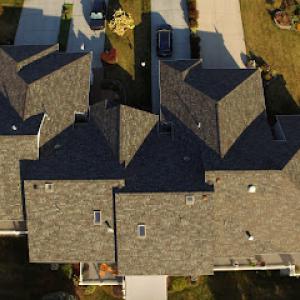
Tip Top Roofing & Siding
(717) 552-4900 tiptoproofingandsiding.com
1930 Philadelphia Ave, Chambersburg, Pennsylvania
4.9 from 218 reviews
Tip Top Roofing & Siding is your trusted partner for all your roofing and siding needs in Pennsylvania. With a commitment to quality and customer satisfaction, we offer a comprehensive range of services including roofing, roof replacement, roof inspection, and roof repair. Our expertise extends to shingle, metal, and flat rubber roofing, ensuring we can meet any roofing requirement. We also specialize in siding installation, providing options such as vinyl and board and batten siding to enhance the exterior of your home. Additionally, we offer storm damage repair and 24/7 emergency services to ensure your home is protected at all times. Choose Tip Top Roofing & Siding for reliable, professional, and high-quality service.
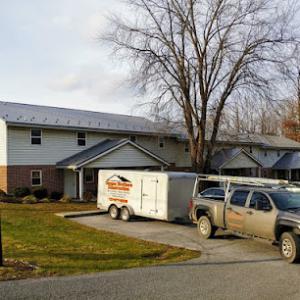
Cooper Brothers Construction
1624 Shatzer Rd, Chambersburg, Pennsylvania
5.0 from 11 reviews
Specializing in: METAL ROOFING, New Roofing, Re-roofs, Roof Repairs, Shingle and Rubber Roofing. Pole Buildings, New Construction, Home Additions, Framing, Siding and more. No project too big or too small. Life Time Warranty on all Metal Roofs. Reliable & Honest. Fully Licensed & Insured. PA# 124494
C &J Roofing
(717) 267-0059 candjroofing.com
452 S 3rd St, Chambersburg, Pennsylvania
4.2 from 26 reviews
Family owned and operated! Quality leaves no regret! Local!
Mighty Dog Roofing of Waynesboro
(717) 420-1454 www.mightydogroofing.com
Serving
5.0 from 169 reviews
When it comes to your home’s exterior, Mighty Dog Roofing delivers top-of-the-line services matched with the neighborly customer care our clients have come to love. Our team of skilled experts will conduct a free, detailed inspection of your home, treating it as our own. Whether your home needs a simple repair or a full roof replacement, expect to receive the transparent guidance you deserve. Whatever the case, our team will work to meet your safety and budget needs. We take pride in operating with quality materials, hiring skilled roofers, and providing our customers with a high-quality experience. See for yourself; our reviews say it all. Schedule your free, home inspection today!
Martin's Roofing
(717) 532-3460 martinsmetalroofing.com
Serving
4.9 from 82 reviews
For over 25 years, Martin’s Roofing, LLC has been manufacturing and distributing the Everlast Roofing products right here in Shippensburg, Pennsylvania. Our family’s commitment to you and the products we produce hasn’t changed.Because we form and cut our metal right here in Shippensburg, Pennsylvania, we have full control over the quality of our manufacturing and we can also provide custom lengths and cuts with ease.
Varner Roofing
(717) 491-0550 varnerroofing.com
Serving
4.9 from 48 reviews
Varner Roofing is a local family-owned business specializing in roof replacements. Your peace of mind and protecting your home are our top priorities. Give us a call to talk about how we can help you.
R & R Roofing/Rubber/Metal/Shingle Roofing
(717) 532-2053 www.rrroofingpa.com
Serving
4.9 from 51 reviews
Metal Roofs, Rubber Roofs Shingle Roofing Certified Carlisle Rubber Applicators Certified GAF Shingle Applicators All types of metal roofing In business since 1988 Free estimates 717 532 2053
Happy Home
(833) 384-2779 happyhomeroofs.com
Serving
5.0 from 191 reviews
Happy Home Roofing was born out of the belief that a contractor should deliver world class client service. We put you first and respect the trust you have given us to work on your home. To do this, we install only the highest quality roofing systems and help guide you down the process of selecting the perfect roof for your home. We've been blessed to work with amazing clients, and this passion is reflected in our mission, Happy Client - Happy Home. We are a fully licensed and insured Hagerstown roofing company that never cuts any corners and provides full transparency to all clients. You can expect clear and open lines of communication, readily available customer service and complete professionalism. Please contact us today to get started.
Shumaker Roofing Company
(301) 662-0533 shumakerroofing.com
Serving
5.0 from 51 reviews
Shumaker Roofing is Hagerstown's most trusted veteran-owned roofing contractor, proudly serving Hagerstown, Washington County, and all of Western Maryland since 1946. With over 75 years of proven expertise, we specialize in residential and commercial roof replacement, roof repair, emergency roofing, siding installation, gutter services, solar panel installation, and skylight installation. As licensed Maryland roofing professionals, we use premium weather-resistant materials designed for Maryland's climate. From storm damage repair to complete roof replacements in Hagerstown, MD, we deliver exceptional quality and lasting protection. Contact us today for your free roofing estimate in Hagerstown!
First Choice Exteriors
(717) 321-0596 firstchoiceexteriorsllc.com
Serving
4.8 from 92 reviews
Storm damage specialist offering all of your exterior needs.
Cold winter conditions in Chambersburg can make emergency repairs necessary but are less forgiving for full replacement scheduling than milder periods. That means when a roof shows signs of freeze-thaw stress, you may be tempted to delay a full roof job, but the window to properly dry-in and vent a replacement is narrow once bitter cold settles in. Planning ahead for seasonal constraints helps you avoid months of lingering leaks and a fragile roof in biting winds.
Spring in Chambersburg brings higher leak risk during active replacement because thaw conditions and heavier rainfall can interrupt tear-off and dry-in timing. If you need a full re-roof, target the early to mid-spring lull after the worst of the snowmelt but before the heavy spring storms. Work with a contractor who can stage properly, protect the interior, and maintain ventilation during a tear-off to prevent moisture from seeping into the attic during a rain spell.
Summer heat and humidity in Chambersburg can stress underlayment and adhesive performance, while fall leaf buildup can interfere with attic moisture control if debris is not cleared. If a re-roof must occur in summer, insist on breathable underlayment and a crew schedule that avoids peak heat hours. Clear gutters and roof lines of leaves before work begins to reduce moisture traps and to facilitate a clean dry-in so shingles seal properly in the heat.
Fall brings both cooler nights and persisting leaf litter. Debris buildup can create hidden moisture traps that compromise attic ventilation and increase the risk of ice damming once winter returns. Coordinate a fall replacement only after you've completed a thorough cleanup of eaves, valleys, and roof edges. A well-ventilated attic and clean roof deck are essential to prevent moisture buildup as temperatures swing toward freezing.
Begin with a cold-season assessment to identify edge damage, ice dam risk, and potential soft spots that could worsen with a freeze. If winter repairs are necessary, schedule a temporary fix only if a full replacement cannot be staged promptly, and plan the main replacement for a window with milder temperatures. For spring, prioritize a project that can be completed before late-season rains begin in earnest, and coordinate a dry-in phase to minimize exposure. In summer, verify that underlayment choices tolerate humidity and that sealing adhesives have suitable curing conditions, while keeping the attic well-ventilated and free of overhanging debris. As fall approaches, align the timeline with leaf cleanup and ensure proper attic moisture control to guard against ice dam risk once the first frost arrives.
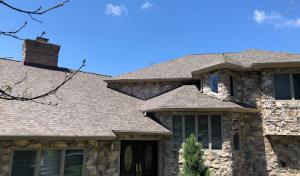
Asphalt shingles stand out as the most practical fit for many homes in this market because they balance straightforward installation with reliable performance under freeze-thaw cycles and periodic wind and hail events. In this region, where freezing conditions can push moisture into attic spaces and evoke rapid thawing, asphalt's flexibility and coating systems help control expansion and contraction without demanding specialized framing. They're compatible with a wide range of roof pitches common on local bungalows, colonials, and two-story colonial revival styles, and you'll find a broad pool of local installers who can handle venting and flashing specifics to avoid common failure points around chimneys, skylights, and dormers. For homeowners who want a predictable, widely supported option that plays well with existing insulation and ventilation plans, asphalt remains the go-to choice.
Metal roofing has strong local relevance in this area because it sheds snow efficiently and can reduce the risk of ice buildup along eaves after heavy storms. A metal system can also resist wind-driven debris more effectively than many other types, which matters during the frequent gusts and hail events that can occur in this part of the state. Local contractors often promote metal for homes facing long stretches of winter weather or for those who want a roof that comes with a longer service life and minimal maintenance in the years ahead. When considering metal, pay attention to panel profile, underlayment compatibility, and proper attic ventilation so condensation does not undermine the roof deck during thaw cycles. A well-installed metal roof with properly sealed valleys and flashing can be a durable, high-performance option in our climate.
Clay tile, concrete tile, wood shakes, and synthetic or composite shingles are available in this market, but heavier or specialty systems require closer attention to structure, flashing details, and installer experience. Clay and concrete tiles add distinctive curb appeal and excellent longevity, but they demand a reinforced structural deck and accurate weight calculations. Wood shakes provide a classic look but can be vulnerable to moisture and require meticulous maintenance to prevent rot and splitting in freeze-thaw conditions. Synthetic or composite options offer versatility and sometimes lighter weights than traditional tiles, yet still require skilled installation to ensure tight flashing and wind resistance. In all cases, ensure the chosen system complements existing attic ventilation and the geometry around penetrations and skylights, so performance remains steady across seasonal shifts.
Explore specialists in steel, aluminum, and standing seam metal roofs built to last 50 years or more.
Teflon Roofing
(717) 830-8454 www.teflonroofing.com
372 Grant St, Chambersburg, Pennsylvania
5.0 from 300 reviews
Tip Top Roofing & Siding
(717) 552-4900 tiptoproofingandsiding.com
1930 Philadelphia Ave, Chambersburg, Pennsylvania
4.9 from 218 reviews
Cooper Brothers Construction
1624 Shatzer Rd, Chambersburg, Pennsylvania
5.0 from 11 reviews
When you're budgeting a full roof replacement, the material choice matters more here than in many nearby towns. Typical Chambersburg pricing runs about USD 350 to 600 per square for asphalt shingles, 700 to 1200 for metal, 900 to 1800 for clay tile, 900 to 1600 for concrete tile, 700 to 1200 for wood shingles or shakes, and 450 to 900 for synthetic or composite shingles. In practice, asphalt shingles remain the most common option for general repaints or re-roofs on aging homes, while metal can pay back with longer life in areas hit by wind-driven events. If your roof is finished with clay or concrete tile, expect a higher overall bill, especially if the old deck requires more structural work to support heavier tile.
Chambersburg winters bring freeze-thaw cycles that can reveal or worsen underlying damage once a project starts. After a major storm, crews tend to fill up fast, and you'll see prices and lead times creep up across the local market as demand for quick-response re-roofing increases. If you're facing hail or wind damage, you'll notice contractors scheduling sooner rather than later to reduce the risk of additional moisture intrusion during a cold snap. Planning ahead for spring or late summer can help you dodge peak storm-season premiums, but be prepared for longer lead times if the market has just endured a sizable event.
Ice damming is a real concern with the region's freezing nights and sunny days that refreeze on cold eaves. When a full replacement is on the table, it's common to see crews verify ventilation and attic insulation as part of the job. While the material cost dominates the square footage, the project can require extra days if the plan review reveals ventilation corrections or if the roof deck needs additional decking or underlayment work to mitigate future ice damming. Expect some variability in the schedule and cost if the ventilation retrofit becomes necessary.
If a storm has passed, you'll benefit from getting on a contractor's schedule quickly to prevent secondary damage and to lock in material pricing before a potential spike. For budgeting, set aside a cushion of 10-15 percent beyond the initial material range to cover decking repair, underlayment upgrades, or minor ventilation adjustments. With asphalt shingles, you'll find the most predictable pricing and quickest installation window, while heavier tile or metal will require longer timelines and more precise framing work.
Get a clear picture of your project costs upfront - no commitment required.
Teflon Roofing
(717) 830-8454 www.teflonroofing.com
372 Grant St, Chambersburg, Pennsylvania
5.0 from 300 reviews
Cooper Brothers Construction
1624 Shatzer Rd, Chambersburg, Pennsylvania
5.0 from 11 reviews
R & R Roofing/Rubber/Metal/Shingle Roofing
(717) 532-2053 www.rrroofingpa.com
Serving
4.9 from 51 reviews
In this town, a full residential re-roof almost always needs a permit, and the Borough Building Department handles the issuance. The process isn't a mere box-ticking exercise; it sets the stage for proper ventilation, flashing details, and overall code compliance. If you skip the permit or rush the paperwork, you risk a stop-work order, potential rework, and delays that cascade into the rest of the project. Plan for the permit review to take up-front time, especially on a full replacement.
Inspections are scheduled to coincide with the work and again after completion, not treated as a contractor-side formality. That means your crews should anticipate at least one mid-progress visit and a final sign-off. The inspectors aren't just checking shingles; they look at attic ventilation, ridge venting, decking, and flashing transitions. Having a clear, accessible roof layout and ventilation plan on hand during the inspection helps everything go smoother and reduces the chance of rework.
A local quirk of the process is that plan review commonly checks ventilation and overall code compliance as part of permit approval for full replacements. That means you'll want to bring a complete ventilation strategy-soffit vents, attic insulation, and any baffles or baffles-related details-along with the proposed roof assembly. If the plan doesn't convincingly show adequate ventilation, approvals can stall. Coordinating with your contractor on these details before submission helps avoid delays.
Schedule the re-roof during a stretch of steady, mild weather to minimize cold-weather risks during installation and to avoid wind or storm disruptions. Communicate with the building department early about any unusual details on your roof-antennae, skylights, or history of ice dam issues-so inspectors see a coherent plan from the start. Damage from improper ventilation or rushed work tends to surface after the fact, making early alignment with the permit and inspection steps essential.
Pennsylvania is not experiencing a statewide insurer pullback in this market, so homeowners in this area usually deal with carrier-specific deductibles and documentation standards rather than broad availability problems. That means your focus should be on collecting and organizing the right information so the adjuster can move quickly through the review. Plan for a clear line of communication with the carrier and your contractor, so submissions stay precise and complete.
Because wind and hail are the most common roof-claim triggers here, you should keep dated photos, contractor inspection notes, and interior leak evidence before any temporary repairs are made. Take wide shots of the entire roof, close-ups of damaged shingles or flashing, and photos of any interior signs of moisture. Keep these records in one accessible folder, and note the date of each event or observation. If you have video or a timeline of storm events, include that as well. The goal is to demonstrate the sequence of damage and its impact on the structure, not a general aging of the roof.
Adjuster inspection is typically required before approval, so you should avoid discarding damaged roofing components until the carrier confirms what documentation is needed. Do not strip shingles or remove flashing hastily; such actions can complicate the claim or lower the perceived damage. Arrange access for the adjuster to both the exterior roof and the attic, if possible, to show any signs of water intrusion or ventilation-related concerns that could influence the replacement scope.
Work with a contractor who understands the importance of documentation aligned to the claim process. Have them provide a thorough damage assessment, photos, and written notes that match the timing and details the insurer expects. A coordinated packet that reflects actual conditions, rather than assumptions, helps prevent delays and supports a smoother approval pathway. Remember, the goal is a clear, traceable record that supports a proper restoration.
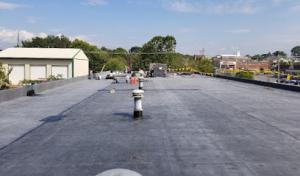
Although steep-slope residential roofing dominates, the local contractor market shows meaningful demand for low-slope roof work, indicating a real subset of homes, additions, porches, and mixed-use buildings need specialized detailing. In these projects, standard edge details and field-penetration strategies often fall short once the roof profile sits closer to a flat plane. Expect more careful attention to edge flashing, transitional flashings where low-slope areas meet steeper sections, and membrane overhangs that shed water toward drainage paths rather than letting it pool at seams. The result is a tighter, longer-lasting envelope when a qualified roofer designs around deck damming, expansion joints, and subtle slope changes that aren't present on true steep-slope jobs.
Skylight-related repair demand is active, pointing to recurring local issues at curb flashings, seals, and transitions after seasonal movement and storm exposure. If a skylight sits near a transition from a low-slope field to a steeper roof, the risk concentrates at the curb and sealant joints. In Chambersburg's freeze-thaw cycle, small voids or aging sealants can crack, allowing moisture to migrate into the roof deck or insulation. Pay close attention to the counter-flashing and base flashing where the curb meets the roof surface, and inspect for any evidence of ice damming near skylight locations during thaw cycles. A proactive plan includes annual resealing of seals and re-flashing as needed, plus ensuring the skylight flashing is compatible with the membrane system installed.
Summer humidity and winter freeze-thaw make penetrations and low-slope transitions more vulnerable than field shingles alone. Seasonal expansion and contraction can open small gaps at penetrations, vent manifolds, and step-flashing corners. After hail or strong winds, these vulnerabilities compound, increasing the chance of delayed leaks that show up only after several warm or wet days. A practical approach is to verify that all penetrations are integrated into a continuous waterproofing strategy, use compatible sealants rated for temperature swings, and schedule targeted inspections after severe storms or heavy snowmelt periods. This focused vigilance helps prevent slow-mo failures that quietly undermine an otherwise solid roof system.
Find specialists in TPO, EPDM, and built-up flat roofing systems for residential and commercial properties.
Teflon Roofing
(717) 830-8454 www.teflonroofing.com
372 Grant St, Chambersburg, Pennsylvania
5.0 from 300 reviews
Tip Top Roofing & Siding
(717) 552-4900 tiptoproofingandsiding.com
1930 Philadelphia Ave, Chambersburg, Pennsylvania
4.9 from 218 reviews
Warranty messaging is active but not universal among local roofers, so you should verify whether coverage is manufacturer-backed, workmanship-only, or both. In practice, a solid asphalt shingle job may come with a manufacturer's material warranty that lasts two to a couple of decades, while a contractor may offer a workmanship warranty for a shorter term. Some crews bundle both, but the combination isn't guaranteed across the board. When you're talking to a contractor, ask for the specifics in writing: what is covered, what voids exist, and who handles the claim if something goes wrong years down the line.
Because Borough review pays attention to ventilation on full re-roofs, you want to make sure any warranty terms aren't undermined by unresolved attic ventilation issues. A warranty is only as strong as the attic setup behind it. If your attic is inadequately vented, heat and moisture can accelerate shingle deterioration and ice dam risk, which can trigger exclusions or disputes under some workmanship guarantees. Have the roofer outline how they will address attic ventilation as part of the project scope, and confirm that the warranty remains valid after proper installation of soffit vents, ridge vents, or other approved means.
In a market where cleanup and quick response are common selling points, homeowners should ask how post-job punch items and leak callbacks are handled after completion. Clarify response times for leaks or warranty-covered issues, who coordinates a field visit, and whether there is a fee for callbacks if the issue isn't hooded by a valid warranty claim. Also, confirm whether punch items are documented, acknowledged in writing on the day of completion, and followed up with a final walkthrough so nothing slips through the cracks as the roof ages through freeze-thaw cycles and occasional storms.