
Last updated: Apr 19, 2026
Pittsburgh's cold winters and regular precipitation create repeated freeze-thaw cycles that can back water up at eaves and in roof valleys. When snow sits on a steep slope or in a valley, the meltwater refreezes at the eaves, forming ice dams that push water under shingles and into the attic. That water often travels along sheathing, through ceiling joists, and into living spaces before you notice a stain-or worse, mold and rot begin. In older homes, where slate and clay or concrete tile are still in service, the problem is amplified by the weight and irregularities of those roofs, along with sagging or shifting framing that creates extra corners for ice to cling to. The result is a cycle: ice dam forms, meltwater backs up, and leak points multiply around valleys, dormers, and chimney intersections where snow lingers the longest.
Older Pittsburgh homes commonly have complex rooflines, dormers, and chimney intersections that become leak points when snow and ice linger. Look specifically at valleys where two roof planes meet, under metal flashings, and around dormer cheeks, where heat loss is uneven and insulation gaps invite warm air to melt roof snow faster than the outside edge can shed it. Chimneys, flue stacks, and skylight penetrations are notorious for creating narrow channels where water can funnel into the roof deck during thaw cycles. The combination of steep pitches and irregular shapes means water can find multiple micro-paths to break through, so a single drip may mask several vulnerable joints downstream.
Leaf buildup from Pittsburgh's heavily tree-lined neighborhoods can trap moisture in gutters through autumn and into winter, increasing ice-dam risk. Gutters packed with leaves slow down drainage, causing water to back up at the edge and refreeze. Gutter brackets and downspouts that are bent or loose can lean and pull away, widening the spill point for ice to form along fascia and under roof edging. When snow melts, failing gutters create a perched pond along the eave, feeding ice into the fascia board and into underlayment layers. Regular autumn gutter cleaning is essential, but do not neglect downspouts-ensure they are clear, direct water a safe distance from the foundation, and divert it away from the delicate roof edge.
Inspect for ice dams after heavy snow or rapid warm spells. If you see water stains or feel damp insulation in the attic, pause the panic-systematically check the attic for heat leaks near soffits and vents that could be warming the roof deck from within. Seal obvious gaps with proper high-temperature sealant and replace missing or damaged insulation above the attic hatch to reduce heat creeping to the roof. Consider installing proper eave ventilation to promote air movement beneath the roof deck, and ensure roof flashing around dormers and chimneys is sound and continuous. If ice buildup is persistent, do not rely on a DIY chisel-and-crowbar approach near the eave where you can damage shingles and underlayment; instead, call a local roofer who understands slate, tile, and mixed roof profiles, and who can safely remove ice dams, reseal flashing, and roof valleys to restore a clear drainage path. Act quickly if moisture is detected-early intervention limits interior damage and costly repairs later.
Spring storms in Pittsburgh bring hail and strong winds that can damage shingles, flashing, and ridge areas before the main reroofing season is fully underway. The clock is ticking once a storm rolls through; hail can nick shingle edges, and wind gusts can peel back undersides of shingles where the roof meets the ridge and valleys. On hillside homes, the exposure is worse-the wind comes sweeping down streets like a knife, and the rain can drive harder against upper slopes than you'd expect. After a surge of weather, inspect the roof from safe ground or with a sturdy ladder and a pair of binoculars. Look for lifted tabs, granule loss, cracked shingles, and any displaced flashing around chimneys, vents, and transitions. If you see inconsistent adhesion or granules in gutters, treat it as an early warning sign of accelerated wear that can turn into leaks with the next freeze-thaw cycle.
Homes on exposed ridges and hillside streets can see more wind-driven rain and uplift stress than more sheltered blocks. That effect compounds when the snow comes and melts, because standing water can blow under fluted edges and into valley gutters. Pay attention to ridge caps, hip joints, and valley seams-these spots are common entry points after a storm and can propagate leaks quickly, especially if the roof is older or has worn flashing. If shingles are curling or tabs are loose, the risk isn't just a leak-it's a higher potential for ice dam formation once temperatures drop again. On steeper pitches, the challenge is not just damage but the safety of climbing to spot it; use a professional with proper fall protection for a thorough inspection and any necessary temporary fixes.
Because many Pittsburgh roofs are older, adjusters often distinguish carefully between sudden storm damage and long-term wear when reviewing claims. If a claim surfaces after a spring storm, document any new signs of damage that align with the event-such as a clean loss of shingle integrity in windward sections or newly exposed flashing. Compare with prior photos of the roof to isolate fresh impacts from ongoing deterioration. A careful, storm-specific assessment helps ensure that fix-before-it-fails steps are taken promptly, reducing the chance of a small issue becoming a costly repair once the next freeze-thaw cycle arrives. When in doubt, err on the side of early attention-a proactive check can prevent a cascade of leak problems that can threaten interior ceilings, attic insulation, and wooden framing on hillside properties.
Find local contractors experienced in assessing and restoring roofs after hail, wind, and severe weather events.
Rabbit Roofing
(412) 512-4610 www.rabbitroofingcompany.com
3412 Dauphin St, Pittsburgh, Pennsylvania
5.0 from 158 reviews
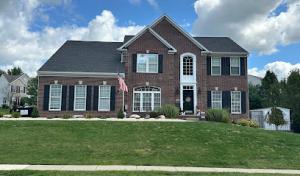
A Plus Roofing & Exteriors
(412) 515-5466 aplusroofingexteriors.com
1373 McLaughlin Run Rd, Pittsburgh, Pennsylvania
5.0 from 140 reviews
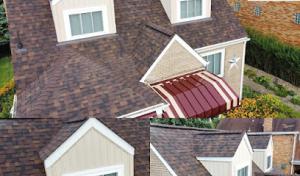
Apolinar Roofing
(412) 513-7257 www.apolinarroofing.com
1111 Marlane Dr, Pittsburgh, Pennsylvania
5.0 from 181 reviews

MY Pittsburgh Roofing
(412) 218-7082 my-pittsburghroofing.com
4560 McKnight Rd, Pittsburgh, Pennsylvania
5.0 from 456 reviews
We're proud to be a leading roofing contractor in Pittsburgh, PA. Whether you need to finish an installation, fix a few leaks, or start a brand new project, we're happy to help. M&Y Roofing is the company to call when you need a professional touch for your business. Contact us today for a free estimate!
Rabbit Roofing
(412) 512-4610 www.rabbitroofingcompany.com
3412 Dauphin St, Pittsburgh, Pennsylvania
5.0 from 158 reviews
Rabbit Roofing is a professional roofing and exterior company located in Pittsburgh, Pennsylvania. We provide roof replacement, repair, and maintenance, along with gutter installation, gutter guards, siding, soffit, and fascia services. Our team works with top-quality materials such as GAF shingles and ensures durable results backed by clear warranties. We serve homeowners and businesses across Allegheny County with reliable, on-time service and competitive pricing. Every project includes free estimates, photo documentation, and personalized solutions designed to protect and improve your property.
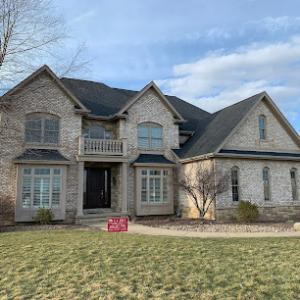
CL Frey Construction
(412) 327-7593 www.clfreyconstruction.com
Pittsburgh, Pennsylvania
5.0 from 151 reviews
C.L. Frey Construction roofers many years of experience replacing roofs of every kind and can help you every step of your roofing job. No roof is too big for our roofing installers. We are a 4th generation company dating back to 1882! Our roofers are GAF Master Elite Certified, licensed & insured. We service areas north of Pittsburgh, including Allison Park, Avalon, Belle Acres, Bellevue Roofing, Bradford Woods, Coraopolis, Cranberry, Cranberry Township, Fox Chapel, Franklin Park, Gibsonia, Glenshaw, Hampton, McCandless, North Hills, Pine Richland, Ross Township, O'Hara Township, Shaler, Wexford, West View, Sewickley, Warrendale and other local areas. You can trust CL Frey for quality roofing done right at an affordable cost.
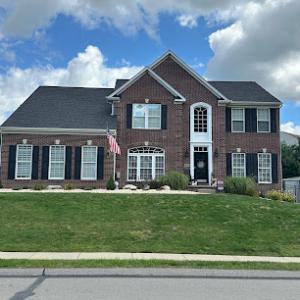
A Plus Roofing & Exteriors
(412) 515-5466 aplusroofingexteriors.com
1373 McLaughlin Run Rd, Pittsburgh, Pennsylvania
5.0 from 140 reviews
At A Plus Roofing & Exteriors we take pride in operating with the utmost integrity. Our team of industry Experts approach every task with a commitment to finding the best solutions fit for your problem, home, and budget. We carefully work closely with our customers to make sure they fully understand the task at hand, we explain every detail inside of every process we follow and why, therefor, building a strong relationship and bond for many years to come. Born and Raised in Black & Gold territory is why we choose to service ALL our beautiful counties such as: Allegheny, Washington, Butler, Westmoreland, and more… CALL US for all your ROOFING & EXTERIOR needs.
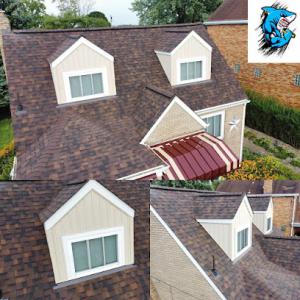
Apolinar Roofing
(412) 513-7257 www.apolinarroofing.com
1111 Marlane Dr, Pittsburgh, Pennsylvania
5.0 from 181 reviews
Apolinar Roofing, established in 2020, is a Pittsburgh roofing contractor that specializes in providing exceptional roofing solutions. Their services include comprehensive residential roofing installations, durable siding options, seamless gutters, and efficient storm damage repairs. With a team of experienced professionals and a dedication to customer satisfaction, Apolinar Roofing stands out as the premier choice for all your roofing and exterior needs, ensuring the quality, longevity, and beauty of your home's exterior.
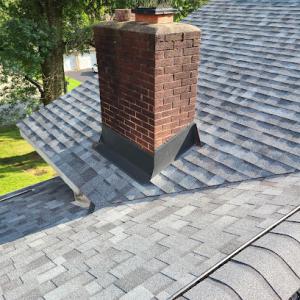
Salco Roofing & Seamless Gutters
(412) 609-4516 salcoseamlessgutters.com
400 Railroad St building 3, Pittsburgh, Pennsylvania
5.0 from 102 reviews
We aim to provide Pittsburgh and surrounding residents with dependable, high-quality seamless gutter systems and roof installations. Guaranteeing excellence over profits, we focus on functionality, integrity, and an honest deal for our neighbors. Call Salco for residential new roof and gutter systems, fascia and soffit repair, roof and gutter installations, repairs, insurance claims, and storm damage. Edit bio
AA Roofing
(724) 351-0488 www.aaroofingpgh.com
149 Houston St, Pittsburgh, Pennsylvania
5.0 from 119 reviews
We are a local company who services the Pittsburgh metro area, North Hills, South Hills and Southern Butler County. We at AA Roofing do not use subcontractors so you will deal with our full time staff directly throughout the entire process. Our goal is to offer quality service and workmanship at a competitive price. We are accredited with the Better Business Bureau and are a GAF Certified Contractor providing Lifetime Shingle Warranties with labor backing from the Shingle Manufacturer.
Always Perfect Contracting
(412) 475-2281 www.alwaysperfectcontracting.com
833 Becks Run Rd, Pittsburgh, Pennsylvania
4.9 from 153 reviews
At Always Perfect Contracting, we take pride in our journey and the reputation we have built since our inception in 2004. Our roots in the industry paved the way for us to establish our own business, starting with just a single van. Over the years, we have grown into a trusted company offering professional roofing services throughout the Pittsburgh, PA area.
Malick Brothers Exteriors
(412) 616-0191 malickbrothersexteriors.com
500 Perry Hwy, Pittsburgh, Pennsylvania
4.9 from 360 reviews
Malick Brothers Exteriors is an AtlasPRO+ Platinum Level Certified Contractor proudly serving Pittsburgh and its surrounding communities. Specializing in roofing, siding, and gutter solutions, we bring unmatched expertise and top-tier craftsmanship to every project. From Baldwin, Dormont, and Brentwood to Mt. Lebanon, Cranberry Township, and Castle Shannon, we’re the trusted choice for homeowners across Allegheny County, including North Hills, Brookline, and Beechview. Our family-owned business is committed to using premium materials and delivering personalized service to enhance and protect your home. Whether its roof replacement, siding installation, or gutter repair, Malick Brothers Exteriors provides professional, affordable solutiions.

TLC Roofing
(412) 891-8942 www.tlcroofingpgh.com
421 Regis Ave, Pittsburgh, Pennsylvania
5.0 from 66 reviews
With over 20 years of construction experience and a decade in roofing, we provide reliable residential and commercial services in Pittsburgh and surrounding areas, including shingles, flat, sloping, rubber, TPO, and EPDM roofs. Our team also handles gutters, soffit, fascia, repairs, installations, insurance claims, and warranties. We proudly offer free inspections and estimates, ensuring you get expert advice without any commitment. Combining expertise and dedication, we deliver durable solutions tailored to your needs for your home or business.
Blockbuster Roofing
(412) 273-0013 blockbusterroofing.com
1891 Painters Run Rd, Pittsburgh, Pennsylvania
5.0 from 65 reviews
Blockbuster Roofing and Gutters is a full service roofing and gutter contractor serving the Greater Pittsburgh area. We specialize in custom seamless aluminum gutter installation, flat and shingle roof replacements, and box gutter restoration. We are proud to say that we always provide reasonable pricing and strive to exceed all of our customers expectations.
Dr. Roofer
(412) 239-8671 www.dr-roofer.com
229 Houston Rd, Pittsburgh, Pennsylvania
5.0 from 95 reviews
Dr. Roofer offers high-quality roofing, siding, gutter, door, and window services in Pittsburgh, PA.
Pittsburgh's hallmark is its steep hillside neighborhoods and an aging stock where slate, clay tile, concrete tile, and copper details still show up on homes with character. The freeze-thaw cycle, snow, spring storms, and clogged valley gutters turn leak and ice-dam problems into recurring headaches. The best roof choice balances durability against the extra weight and installation demands that come with older framing. Asphalt shingles remain common, but heavier materials like slate and tile require careful assessment of framing, attic ventilation, and valley or chimney detailing before committing.
Slate brings timeless beauty and long life, which suits historic features such as bay windows, decorative porches, and prominent chimneys. However, slate is heavy and demands a solid substructure; older homes may need structural reinforcement or staged installation to avoid overloading historic framing. Clay and concrete tiles offer robust weather protection and can resist the occasional freeze-thaw cycle if installed with proper underlayment and drainage. They are less forgiving on tight pitches and require precise framing, so a Pittsburgh project often benefits from a detailed engineering check before choosing these materials. If you see composite underlayment and reinforced eaves designed for heavier assemblies, those are signs the team understands how these textures interact with steep roofs.
Asphalt shingles retain a straightforward, practical fit for many Pittsburgh upgrades, especially on older homes where the roof deck and framing are serviceable but not reinforced for heavier systems. They install quickly on steep roofs and pair well with copper flashing in historic detailing to honor original accents without overcomplicating the structure. When used on steeps, the correct starter and ridge systems help manage wind and snow-driven leaks. Asphalt remains a flexible option for a first major roof refresh, particularly if fatigue or water intrusion has affected lighter materials.
Copper is more than a surface choice; it influences drainage pathways, valley configurations, and flashing around chimneys and bay windows. Copper detailing can reduce the number of vulnerable joints where ice dams form, especially on complex roof lines common to Pittsburgh's older homes. The material's ability to age gracefully with weather can complement brick and stone facades, but it requires meticulous detailing at joints and transitions to prevent corrosion or leakage. If a home features ornate chimneys or prominent valley intersections, copper flashing and trim may offer a durable, historically respectful solution that weathered storms can support.
Begin with a structural assessment focused on attic ventilation, deck condition, and load capacity for heavier materials. Match the roof shape and pitch to the chosen material's installation tolerances, prioritizing reliable underlayment and correct flashing in valleys and around penetrations. For historic elements, plan detailing that preserves visual cues while delivering modern performance. In steeper neighborhoods, a staged approach that rehabilitates decking and insulation alongside the roof often yields the best long-term results.
Many Pittsburgh homes and mixed-use buildings have low-slope porch roofs, rear additions, garages, or rowhouse sections that fail differently than the main steep roof. Ice and thaw cycles in winter mean these areas freeze first and drain last, so small leaks there can escalate quickly. Snow that lingers on a flat or near-flat surface creates long ponding periods, which stresses membrane seams and edge details far more than on a steep roof. When a flat section meets an older steep roof, the transition becomes a recurring leak hotspot unless the junction is carefully addressed.
Start with the edges where the flat meets the slope. Metal fascia, parapets, and drip edge details can rust or lose sealant, creating a path for meltwater to back up under membranes. Valley and parapet locations on flat sections tend to trap debris, causing slow drainage and ice dam buildup at the seam. Look closely at any membrane seams where a flat portion abuts a steep roof-those transitions are common leaks after a heavy thaw or a late-season storm. In Pittsburgh, clogged valley gutters and blocked scuppers can back up water into low-slope areas, so keep these channels clear during snow and melt.
Before winter, inspect flat and low-slope areas for exposed membrane edges, blisters, or worn flashing along transitions. Clear roof drains and scuppers, and remove heavy snow from flat zones with a roof rake, not by stepping onto the surface. If a parapet wall sits above a low-slope section, check the counterflashing where it meets the roof, as salt and moisture from winter weather can corrode sealants there. In spring, recheck degraded sealants around transitions and re-secure loose flashing before seasonal storms build up.
When a flat section meets an older steep roof, prioritize ensuring a continuous, properly terminated waterproof membrane with compatible flashing. If the transition shows signs of ponding, consider reinforcing the edge with a compatible metal or membrane detail that promotes positive drainage away from the seam. Debris buildup should be addressed promptly, since it accelerates ice dam formation along the interface during cold snaps. If a leak persists at a transition after a storm, plan a targeted assessment of that joint with a roofer who specializes in low-slope work and proven compatibility with slate or tile roofs nearby.
Find specialists in TPO, EPDM, and built-up flat roofing systems for residential and commercial properties.

MY Pittsburgh Roofing
(412) 218-7082 my-pittsburghroofing.com
4560 McKnight Rd, Pittsburgh, Pennsylvania
5.0 from 456 reviews
Rabbit Roofing
(412) 512-4610 www.rabbitroofingcompany.com
3412 Dauphin St, Pittsburgh, Pennsylvania
5.0 from 158 reviews
A Plus Roofing & Exteriors
(412) 515-5466 aplusroofingexteriors.com
1373 McLaughlin Run Rd, Pittsburgh, Pennsylvania
5.0 from 140 reviews
You'll typically see local averages run per square from $350 to $550 for asphalt shingles, $600 to $1100 for clay tile, $500 to $900 for concrete tile, $400 to $650 for synthetic/composite shingles, $900 to $1600 for slate, and $1200 to $2600 for copper roofing. On Pittsburgh's steep, narrow hillside homes, those numbers can tilt toward the higher end, especially when a tear-off, decking repair, or flashing work becomes necessary after winter's freeze-thaw cycles.
Costs in this city often rise on steep roofs, narrow hillside access, and older homes where tear-off, decking repair, and flashing work are more labor-intensive. Access challenges mean crews spend more time setup, ladder work, and material handling. If shingles or tiles overhang the valley gutters or require temporary shoring for safe removal, labor hours creep up quickly. Expect higher waste disposal and disposal fees when tear-off reveals more deteriorated decking or damaged underlying structure.
Historic-looking materials such as slate, tile, and copper remain part of the real local market here, so replacement decisions are often driven by matching existing architecture rather than choosing the cheapest system. If you have a slate or tile roof, a full tear-off and careful underlayment can be as significant as the new finish itself. If you're wiring in modern roofing under a traditional exterior, the added cost of matching profiles and colors can push the project toward the higher end of the range.
Start with a precise measurement of roof area and a professional inspection to identify hidden moisture, flashing failures, or damaged decking. Get at least three written bids that itemize tear-off, disposal, decking repair, underlayment, flashing, and the chosen finish. For steep, older homes, set aside a contingency of 10-15% to cover contingencies from ice dam prevention measures to valley and gutter cleanouts after heavy snows.
Get a clear picture of your project costs upfront - no commitment required.
MY Pittsburgh Roofing
(412) 218-7082 my-pittsburghroofing.com
4560 McKnight Rd, Pittsburgh, Pennsylvania
5.0 from 456 reviews
Rabbit Roofing
(412) 512-4610 www.rabbitroofingcompany.com
3412 Dauphin St, Pittsburgh, Pennsylvania
5.0 from 158 reviews
Salco Roofing & Seamless Gutters
(412) 609-4516 salcoseamlessgutters.com
400 Railroad St building 3, Pittsburgh, Pennsylvania
5.0 from 102 reviews
In Pittsburgh, a full reroof typically requires a permit issued through the City of Pittsburgh Permits & Inspections department. Before any shingle removal starts, confirm that the project path is code-compliant and that the permit covers the scope of work you plan to perform. Skipping this step can lead to failed inspections, weather holds, or fines that complicate or delay needed repairs, especially when storm-driven leaks or ice dam repair are involved.
After the roofing work is completed, a final inspection is scheduled to verify the installation meets code. That inspection is the moment where gaps between old practice and new code are caught, from underlayment choices to flashing details along steep valleys and dormer interfaces. If the inspector finds deficiencies, repairs must be made and re-inspected, potentially delaying a usable roof through the next freeze-thaw cycle. Plan for access, clear pathways, and a reachable roofline so the final check can proceed without hold-ups.
Material changes or structural modifications may trigger additional plan review beyond a straightforward reroof permit. If the project involves replacing or altering ventilation, altering attic configurations, or modifying load-bearing elements, expect extra scrutiny. This is especially relevant in older, hillside neighborhoods where slate and tile roofs still endure and where drainage paths matter for ice dam risk. Coordinate with the permit office early to understand which changes require formal reviews and what documentation will be needed to obtain timely approvals.
In Pennsylvania, standard homeowners coverage is common, but Pittsburgh-area storm claims are frequent enough that documentation matters. When a thawing windstorm sweeps through over steep hillside blocks and older homes with slate or tile or aging asphalt, ice dams and wind-driven damage can conceal longer wear. You are not overreacting to document promptly and thoroughly.
Insurers and adjusters typically review roof age, visible wear, and whether damage was caused by a specific storm event versus deferred maintenance. On older housing stock with slate, tile, or layered shingles, adjusters often note if materials have curled, cracked, or rusted flashing before the event, and whether the apparent damage matches the storm's reported intensity. The goal is to separate what happened in the storm from what was already deteriorating.
Pre-loss and post-loss photos are especially useful in Pittsburgh because hail, wind, and winter damage can overlap with long-term aging on older roofs. A clear record of the roof's condition before the storm helps demonstrate what changed, while after-storm images can show lifted shingles, granule loss, or gutter blockages from debris. A detailed photo log also supports claims for secondary issues like interior attic staining or ceiling leaks that emerge after sustained freeze-thaw cycles.
When filing, include a simple chronology, weather reports for the event, and notes about any ice dam issues observed that season. Request a scope that distinguishes replacement for the specific storm versus repair of pre-existing concerns, and keep a written log of conversations and decisions with the adjuster. In neighborhoods with steep pitches, attic leaks often surface after night freezes, and valley gutters can clog quickly in older systems, so timely communication matters.
On steep roofs, leaks can appear quickly after a storm, and the overlap of storm damage with aging is a real challenge. Consider a third-party roof assessment to document conditions before repairs begin, and align expectations with the adjuster about what constitutes storm-driven damage versus ongoing aging.
Many Pittsburgh homes still wear slate, clay tile, or concrete tile, often alongside asphalt in mixed roof sections. These settings come with chimneys, valleys, dormers, and steep pitches that are more than just cosmetic challenges. A roof that doesn't account for complex drainage around a valley or around a brick chimney can lead to recurring leaks during a freeze-thaw cycle. A thoughtful roofer will assess how different sections meet and where ice dams tend to form, then tailor flashing details for each transition point so water routes correctly toward the gutters and downspouts.
In neighborhoods with tight, hillside lots, quick response and meticulous cleanup are non-negotiables. Look for proof of rapid on-site diagnostics after a storm, and a clear plan for containing debris so neighboring properties and driveways stay clean. Experience with older materials matters: the ability to assess slate or tile viability, identify failed mortar, and judge when a repair turns into a full replacement. Ask about worker access on narrow streets and ladders, and whether the crew uses scaffolding or machine-assisted roof access to protect the home's brickwork and dormers.
Long-established, family-owned firms often provide continuity for future repairs and warranty follow-up, which matters when a roof ages in tandem with chimneys and dormers. These firms tend to maintain repeat relationships with local suppliers, which can help secure proper matching materials for patchwork on older sections. Seek references from neighbors with similarly aged homes and a watchful eye for how well the roofer managed the last storm season, including cleanup and protect-at-restoring steps.
Because the area endures heavy snow, spring storms, and clogged valley gutters, proactive maintenance sustains performance. Look for a roofer who offers a predictable post-storm inspection cadence and a plan for gutter clearing and ice dam prevention that respects the home's varying roof planes. In choosing, prioritize a partner who explains flashing upgrades, attic ventilation checks, and insulation tweaks that reduce heat buildup along the roof's peak, where ice dams begin.