
Last updated: Apr 19, 2026
The steep hillside neighborhoods and narrow valley floors in this area create concentrated runoff and lingering moisture on roof edges and overhangs. Repeated freeze-thaw cycles mean water that melts on a roof can refreeze at the eaves, pushing against shingles and underlayment. That ice dam acts like a dam, backing up meltwater behind it and seeping into soffits, fascia, and any exposed roof deck. If your roof is aging or has shaded, upper-story planes that stay damp, the risk climbs quickly. This isn't hypothetical-one stubborn ice dam can lead to hidden water intrusion that damages insulation, drywall, and framing, especially where a steep slope concentrates snow and ice near gutters and downspouts.
Snow in this valley setting tends to hammer certain roof planes more than others, especially on north faces and homes tucked into the hillside. When snow lingers on shaded sections, melt-off slows, and moisture sits on the surface longer. The result is a longer exposure window for asphalt shingles to deteriorate at the edges, and for ice to form along eaves and ridges. Over time, edge distress shows up as curling, cupping, or even missing shingle tabs, which invites moisture intrusion during thaw cycles. If your roof collects more shadow than sun for extended periods, you're not just dealing with snow; you're managing a moisture reservoir that can degrade roof performance from the top down.
Warm, humid summers after a winter of moisture exposure magnify the problem. The attic becomes a heat and moisture engine if it isn't properly vented. Insufficient intake and exhaust venting traps warm air and moist air, causing roof assemblies to dry out slowly after winter wetting. This is when shingles age prematurely and there's a higher chance of moisture migrating through the deck, especially near the eave lines where ice dams form. A well-ventilated attic helps keep the roof deck closer to exterior temperatures, reduces condensation, and improves the effectiveness of roof insulation. Without it, the combination of heat, humidity, and lingering moisture can accelerate edge damage and interior leaks.
As winter enters and temperatures swing, begin with a focused inspection of edge details. Look for any lifted or cracked shingle tabs along the drip edge, exposed underlayment, and signs of moisture at the gutter line. A damaged or clogged gutter system compounds the problem by allowing meltwater to back up and refreeze at the eaves. Check attic access points and confirm soffit vents are clear and unobstructed; even small blockages can derail airflow. If you see damp spots or a musty smell in the attic after a thaw, treat that as a red flag and arrange a professional inspection promptly. Small, early fixes beat large water intrusions after a heavy thaw or a surprise freeze.
Establish a seasonal rhythm that aligns with Johnstown's winter profile. Before the snow flies, reseal and resecure any loose shingles and address vulnerable ridge and eave areas. Ensure that fascia boards are sound and gutters and downspouts are properly sloped to divert water away from the home. Consider upgrading attic insulation to reduce thermal bridges and pairing that with properly sized soffit and ridge vents to maintain a dry, balanced attic airspace. For homes with persistent shade, evaluate shading changes or the strategic removal of obstructions near roof planes to increase sun exposure and promote faster melt-off. Maintain snow removal practices on accessible roofs where safe to do so, focusing on critical eave lines and around openings, skylights, and mechanical curbs to prevent ice dam formation before it starts. Above all, synchronize moisture management with the age and type of roofing you have, recognizing that older shingles or mixed-material roofs require extra vigilance in this climate.
In Johnstown's steep hillside neighborhoods and narrow valley topography, runoff concentrates quickly. Gutters and downspouts that would be adequate in flatter areas can become bottlenecks when the slope directs more water and snow toward the roof edge. When planning drainage, think of the roof as a funnel: every inch of gutter capacity and every downspout routing choice matters because the valley floor doesn't absorb water as readily as a gentler terrain would.
Gutters in steeper sections handle a deluge in a short span as meltwater runs off concentrated ridgelines. Oversized snow and ice push against the gutter lines, and downspouts must move that volume away from the foundation efficiently. If a home sits on a slope with multiple roof planes feeding toward a single entry or side yard, consider a dedicated downspout for each major roof area rather than tying everything into one outlet. Ensure gutters are securely fastened with spacing that resists sag under ice buildup, and check for compatible hangers that minimize leaks where heat cables might connect. Since runoff is higher around foundations, match the gutter layout to the most exposed sections and avoid any drainage dead zones that pool water near walkways or entries.
Ice dams thrive where meltwater refreezes along eaves that don't shed water quickly enough. In hillside homes, warm attic spaces can aggravate this as heat travels to the eaves, melting snow that then refreezes at the colder edge. Prioritize continuous insulation and airtightness to reduce heat loss into the attic over the eaves. Install snow guards or snow retention along the upper roof edge to keep snow from sliding suddenly onto walkways below, especially where porches or side yards are common. An effective drip edge and properly sized overhangs help control the point at which water leaves the roof, guiding it toward the gutters rather than pooling at the fascia.
Roof drainage problems can compound hillside water movement around foundations, so roof replacement planning often overlaps with exterior water-management concerns. When evaluating a replacement, assess how proposed eaves and roof profiles direct water toward downslope zones where footing and foundation vents lie. Consider upgrading lower-downspout extensions or redirecting into a buried splash block system that channels water away from the foundation footprint, especially near basement entries. If a porch or entry sits at a lower level, design the drainage pathway to intercept roof runoff before it reaches those sheltered zones. Regularly inspect for erosion at the base of slopes, and address any signs of concentrated moisture that could undermine footing or create damp entry conditions. In this terrain, proactive drainage planning keeps both the roof and the home's lower envelope resilient to freeze-thaw cycles and seasonal melt.
Professional Construction Solutions
276 Nellik Ln, Johnstown, Pennsylvania
4.9 from 84 reviews
Professional Construction Solutions is your trusted provider of comprehensive construction services. Our experienced team specializes in roofs, windows, doors, siding, soffit, fascia, gutters, additions, decks, bathrooms, and kitchens. We offer tailored packages to fit every budget, ensuring that you receive top-quality products and precise installations. As a family-owned and operated business with low overhead costs, we provide unbeatable value in the industry. Customer satisfaction is our top priority, and we strive for 100% satisfaction, 100% of the time. Serving Pennsylvania, West Virginia, Maryland, and Ohio, we are ready to exceed your expectations. Contact us today and experience the difference!
Buccos Roofing
(814) 801-3876 buccosroofing.com
500 Galleria Dr, Johnstown, Pennsylvania
5.0 from 27 reviews
Buccos Roofing was founded in 2012 by Dan Easton, Mark Easton and Ernie Comfort. Together, the three Peters Township natives set out to serve the greater Pittsburgh community and never looked back. What once was a three-man, one truck crew, working out of a garage, is now an enterprise spanning the greater Pittsburgh area. They attribute their success to hard work, good friends, and family. Today, Buccos Roofing is home to over 25 roofing contractors and additional staff. Together, our team of experts work hard to provide our customers with the best roofing and exterior renovation experience possible. Our mission is to deliver reliable and enjoyable services to each of our clients, prioritizing their needs first
Cambria Roofing & Remodeling
(814) 539-9505 www.cambriaroofingandremodeling.com
Serving
3.6 from 15 reviews
Since 1979, Cambria Roofing & Remodeling has taken great pride in the contracting services we provide. We are licensed, bonded, and insured, so you know you can trust us with your home construction project. We are family-owned and operated company. C
Smart Pro Quality Construction
(412) 652-5086 smartproqualityconstructionllc.com
Serving
5.0 from 32 reviews
Our company is renowned for providing a wide range of home services for the community. From building a whole roof to performing partial repair procedures, we do it all and we do it well. We are a licensed and insured company that has gained extensive experience over the years providing commercial and residential services and products. For these and many reasons more is why we have earned the trust and respect of countless customers.

L&L Roofing Systems
(724) 840-3841 landlcommercialroofing.com
Serving
5.0 from 41 reviews
L&L Roofing Systems is your premier commercial roofing contractor serving Western Pennsylvania since 2009. We specialize in high-performance commercial roofing solutions tailored for harsh weather conditions. From commercial roof replacements and flat roof repairs to seamless roof coatings, our services are designed to meet the needs of industrial, medical, and retail settings. Our team of certified Conklin Roofing Contractors uses premium American-made materials, providing durable and energy-efficient results. For top-notch commercial roofing services, contact us for a complimentary inspection. Choose L&L Roofing Systems for reliable, expert roofing care near you.

KSL Roofing & Remodeling
Serving
4.9 from 43 reviews
Since 2001, our locally owned and operated roofing and home improvement company has provided a variety of services for our residential and commercial customers throughout Westmoreland County, including residential roofing in Pittsburgh, PA. Our experienced team offers a wide range of skills. Whether you are in need of home repairs or updates we can do the job for you. As one of the leading home improvement companies in Latrobe, PA, we work with clients to complete virtually any renovation they have in mind, from window installation to home addition construction. We provide quality results at fair prices. KSL Roofing and remodeling also works with a number of insurance companies and local disaster companies.
Westmoreland Commercial Roofing
(724) 840-0136 www.westmorelandcommercialroofing.com
Serving
4.9 from 35 reviews
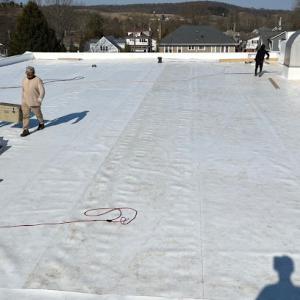
We are a commercial and industrial roofing company. We specialize in flat and low slope roofs, both renovations and new construction.
R & J Seamless Roofing Systems
Serving
5.0 from 3 reviews
R J Seamless Roofing Systems has spent over ten years providing high-quality roofing to commercial and residential property owners alike. As a family-owned business, trust, and service as at the foundation of what we do. We always go above and beyond to deliver the best roof possible, and to do it at a fair price. That starts from the first time we visit the property. We deliver a thoughtful assessment of roofing conditions that people can trust. When it’s time to move forward with installation, we work efficiently, aiming always for complete customer satisfaction. And our maintenance agreements have proven valuable in pro-actively staying ahead of problems to the greatest degree possible and giving customers the peace of mind they deserve.
Commercial Roof Expert
Serving
5.0 from 2 reviews
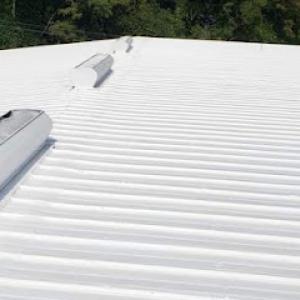
We specialize in low sloping an flat roofs from Restorations, to Replacments and repairs.
Authority Lifetime Roofing
Serving
5.0 from 1 review
Unrivaled service and top-quality materials to protect your home with every installation. Serving Indiana, Armstrong and Westmoreland Counties
Home Pride Builders
(814) 495-5080 homepridebuildersllc.com
Serving
1.3 from 6 reviews
Home Pride Builders, LLC is your local area home improvement contractor serving Greater Johnstown, Cambria and surrounding Counties including Somerset, Bedford, Blair, Indiana, and Westmoreland since 1977. No matter what your home improvement needs are, we can help find a solution just right for you!

Roof Rejuv Install
(814) 535-1157 myroofrejuv.com
695 Solomon Run Rd, Johnstown, Pennsylvania
Roof Rejuv is a plant based spray on solution used to treat asphalt shingles that dries clear. Applying the proprietary solution every 5 years will lengthen the lifespan of a shingle roof 10-15 years depending upon treatments. Roof Rejuv is engineered to rejuvenate and strengthen asphalt shingles. The product is made of over 90% agricultural-based oils combined with a polymer. Roof Rejuv restores old, brittle shingles by bringing back their flexibility, i.e. the ability to expand and contract, making them just like new.
Asphalt shingles remain a pragmatic choice for many older homes in this hillside valley. They fit the stock of aging houses and align with moderate reroof budgets, offering straightforward installation and a familiar look. In Johnstown's climate, the freeze-thaw cycle takes a toll where tabs, edges, and penetrations meet the elements, so choosing a good-quality shingle with a solid warranty matters. Ensure the roof has solid hat-preserving eaves, proper sealing around penetrations, and adequate attic ventilation to curb moisture buildup that can worsen ice dam risks. A well-installed underlayment plus ridge and soffit vents can help move meltwater quickly away from the deck, reducing repeated freeze-thaw stress at the most vulnerable seams.
Metal roofs suit the steeper pitches that are common on Johnstown's hillside streets, because metal sheds snow more efficiently and can dramatically reduce the weight of sliding snow compared to some other materials. The technical benefit is clear on long, uninterrupted runs where snow can move freely off the roof. However, snow-slide management becomes crucial over walkways, sidewalks, and lower roofing sections to protect people and property. Consider snow guards or snow curls where pedestrians pass, and plan for clear paths to egress. For steep roofs, ensure proper fastening and corrosion-resistant fasteners, since Colorado-like winter conditions in this region can stress metal over time. A reflective coating or lighter color can also help manage heat gain on sunnier days, limiting rapid ice formation at joints.
Clay tile, concrete tile, wood shakes, and synthetic products show up on select older or higher-end homes where structural load and moisture performance matter more than on standard tract housing. Clay and concrete tiles offer durability that can stand up to heavy snowfall when properly supported, but their weight demands an assessment of the underlying structure and a methodical, staged installation. Wood shakes bring a rustic look and good insulation but require diligent maintenance against moisture, rot, and insect activity-issues that can escalate in freeze-thaw cycles if rainwater doesn't drain cleanly. Synthetic products imitate more traditional textures with lighter weight and potential for better moisture resistance, yet still rely on correct flashing and underlayment. In Johnstown's climate, the key is ensuring moisture control around dormers, valleys, and chimneys and selecting products with proven freeze-thaw performance and compatible sealants.
Whatever the material, the design should prioritize controlling meltwater flow away from vulnerable edges and intersections. Focus on proper attic ventilation, adequate drip edge and guttering, and robust flashing at penetrations. On steeper sections, confirm that drainage is directed toward outlets that won't back up under freeze conditions. For aging homes with mixed stock, a phased approach to reroofing-matching repair strategies to existing structures while preserving architectural character-often yields the best long-term performance against Johnstown's unique blend of snow, ice, and moisture.
Spring in this river valley brings high winds and heavy rain that commonly expose weak ridge, rake, and flashing details after winter wear. Shingles that looked solid through the thaw can lift from gusts, and where ice dams once formed, moisture finds new paths when the snow thaw cascades off steep slopes. A practical approach is to plan inspections after the last major thaw and before the wet season ramps up. Look for loose shingles at the ridge and along rake edges, and check that flashing around chimneys and dormers remains tight. In tight hillside neighborhoods, runoff concentrates along transitions, so pay attention to any staining or peeling paint where water finds its preferred routes.
Winter snow and ice reduce roof accessibility, so emergency repairs may be possible while full tear-offs are often pushed into safer weather windows. If a leak appears during a mid-winter thaw, temporary measures-think tarps or sealant at obvious entry points-can slow damage, but do not delay a professional assessment. Freeze-thaw cycles will later reveal whether nail heads or flashing have held, so an after-winter inspection is critical. When crews can access roofs safely, prioritize securing vent stacks, valley intersections, and any compromised fascia. A cautious judgment favors staged repairs that address the most vulnerable areas first, especially on steeper sections where runoff concentrates and ice forms faster.
Autumn wind events can lift aging shingles before winter, making fall inspections especially important in Johnstown's seasonal cycle. Wind-driven lift at the edges often signals underlying wear that winter storms will exploit. Noting areas where shingles curl, where granules have worn away, or where sealant has cracked gives a clear target for early action. During this season, focus on reinforcing edge protection, re-sealing around vents, and ensuring gutters and downspouts are clear so meltwater can reach the drainage paths without backing up into eaves or soffits. The goal is to reduce the number of vulnerable points before the first hard freeze, when even small gaps multiply into significant interior damage.
Replacement windows, when properly installed, help reduce interior condensation and temperature-driven stress on roof-penetrating areas. In Johnstown's climate, consider how wall-to-roof transitions and skylight flashing interact with long, cold months. Choose products and installation details that resist cold sealing failure and minimize interior drafts near roof lines. Properly integrated windows can lessen moisture migration to attic spaces, complementing roof maintenance for a holistic approach to winter readiness.
Average material pricing in Johnstown runs about $350-$550 per square for asphalt shingles, $700-$1100 for metal, $900-$1500 for clay tile, $800-$1400 for concrete tile, $600-$900 for wood shingles or shakes, and $700-$1200 for synthetic or composite shingles. Those figures give you a practical starting point when evaluating bids, but remember that steep slopes and limited access can tilt the numbers upward. On narrow hillside streets, delivery logistics matter as much as the material choice itself, since crews may need gear, staging space, and careful debris handling to avoid material damage or neighborhood disruption.
Tear-off and staging on a steep hillside cost more in this area than on flat parcels. When a roof is layered with older shingles, underlayment, or multiple rooflines, the labor footprint grows quickly. In Johnstown, you'll frequently encounter complex roof structures-porches, dormers, and layered reroof histories-that demand extra flashing, deck repair, and ventilation adjustments. Those elements push labor time higher and can add to the overall project cost even if the material price is similar to other towns. If a roof has to be removed in sections to minimize exposure to interior spaces or to protect hillside drainage paths, that staged approach benefits longevity but adds scheduling complexity and expense.
Asphalt shingles remain the most cost-efficient option at the lower end of the spectrum, but freeze-thaw cycling in the valley makes premium underlayment and proper ice-dam barriers worthwhile. Metal roofs deliver durability and better ice-shedding potential, yet the initial outlay climbs. Clay and concrete tiles offer longevity but can be heavier and require structural checks, sometimes necessitating reinforcement-an extra step in older Johnstown homes. Wood shingles or shakes carry a distinctive aesthetic but demand careful maintenance against moisture and moss in shaded, valley microclimates. Synthetic or composite shingles strike a balance between cost and durability, with performance that can suit hillside conditions where wind and debris come into play.
Expect higher costs where tear-off, delivery, and debris handling are constrained by steep driveways or tight lot lines. In those situations, crews may need longer staging times, more specialized equipment, and meticulous cleanup to protect nearby properties. Consider scheduling coordination with neighboring homes to reduce repeated traffic and to keep drive lanes clear for material drops. If a roof is near or over a porch or dormer, plan for extra flashing work and potential deck repairs during the reroof, since these areas frequently drive incremental labor in Johnstown's older stock.
In Johnstown, a full re-roof typically requires a permit through the City of Johnstown's Building Permits office. This is not one of those steps you want to skip or rush, especially on steep hillside homes where drainage and venting can be finicky after a tear-off. The permit is there to ensure the new roof installation follows local codes for wind uplift, attic ventilation, and moisture control, which are essential given the lake-effect snow and freeze-thaw cycles that drive ice dam risk in the valley.
The roofing contractor commonly handles the permit application rather than the homeowner filing it directly. A reputable contractor will pull the permit in advance, attach the project scope, and coordinate the required inspections. If a contractor tries to shortcut this step, that's a red flag. Confirm in writing who is responsible for the permit and any associated fees, so there are no delays when the crew is ready to cover or remove the old roof.
Inspectors in this area typically schedule two rounds: after tear-off and again after completion. The first inspection checks that the roof deck is sound, and that underlayment, ventilation, and ice-dam protection details meet code. The second inspection confirms proper venting duty, the installation of underlayment with suitable overlap, nailing patterns that resist freeze-thaw stress, and adequate drainage transitions at eaves and valleys. Because Johnstown roofs often sit on steep slopes with concentrated runoff, inspectors will pay particular attention to drip edge and gutter connections, ensuring meltwater has a clear path to downstream drainage rather than pooling near the eaves.
Keep a clean site and document venting and underlayment decisions with the contractor. If the home has an existing attic fan, soffit vents, or ridge ventilation, verify that these elements are integrated into the new system rather than left isolated. Before the tear-off begins, confirm with the contractor the exact inspection windows and required access for the building official. If weather windows compress, ask about temporary protective measures to keep the interior dry and the decking uncompromised during the permit process.
In Pennsylvania, roof claims generally move through carrier adjusters, so photo documentation and a clear scope of damage matter. For a hillside home in a narrow river valley, wind-driven shingle loss and winter moisture intrusion can rise to the top of the claim pile if the pictures show missing granules, torn tabs, or lifted edges. Expect the adjuster to ask for interior staining evidence if an ice dam has leaked, and be prepared to walk through the attic to point out any compromised decking or moisture marks.
There is no statewide insurer pullback specific to the region, but underwriting scrutiny and documentation expectations have increased, making prompt evidence collection important. Common claim triggers here are more often wind-driven shingle loss, winter moisture intrusion, and ice-dam-related interior staining than coastal or hurricane-related losses. Ice dams concentrate runoff near valleys and eaves, so focus on the attic and ceiling lines near exterior walls during inspections after heavy snows or thaws.
A careful homeowner collects before-and-after photos from multiple angles, notes on dates of storms, and a simple map showing areas where damage appears or worsens with freeze-thaw cycles. Close-ups of lifting shingles, damaged collars around vent pipes, and fascia or gutter damage help the adjuster see scope quickly. If interior staining exists, document the exact location and any accompanying musty odors or soft spots in ceilings.
Prompt evidence collection matters, especially when there is ice-dam risk and indoor moisture signs. If the claim is approved, ensure the scope explicitly covers vulnerable zones that experience repeated cycles, such as eaves, valleys, and roof-to-wall transitions. A thoroughly documented file reduces back-and-forth and supports timely repairs with the right materials and proper flashing detail.
As a neighbor would tell you, avoid delay when storms push moisture deeper into the roof system. Delays can complicate coverage interpretations and extend the time a vulnerable roof sits exposed to further freeze-thaw damage. Keep communication clear, organized, and tied to the observable, repeatable signs that drive most claims here.
Johnstown's older housing stock often shows failure first at chimneys, step flashing, porch tie-ins, and low-slope transitions rather than across the entire field of the roof. These areas endure the worst stress from freeze-thaw cycles and recurring snow loads, and they attract water that can creep under aged sealants and flashing. If a long-standing home hasn't had systematic flashing updates, those joints become repeated leak paths with each winter thaw and re-freeze. Expect to find accumulated debris and degraded sealant at these detail points before widespread shingles show wear.
Repeated winter movement can open vulnerable details around masonry penetrations common on older Johnstown homes. Masonry bands, poorly cured mortar joints, and loose chimney or parge coats create micro-gaps that ice and meltwater exploit. In a hillside setting, runoff concentrates near these penetrations, amplifying freeze-thaw damage. A practical cue is to inspect around the base of chimneys and along sidewalls where old pointing has cracked or fallen away. If water wicks at the head of a chimney, or you notice staining spreading from a joint, the problem is often not a single bad shingle but a compromised interface that needs targeted repair.
Layered repairs on long-owned properties can hide deck deterioration or ventilation deficiencies that only become visible at tear-off. Over time, temporary fixes stack up and obscure rotted sheathing or deteriorated ventilation paths. In Johnstown's climate, inadequate attic ventilation compounds moisture buildup, which accelerates deck decay beneath previously installed layers. When a roof is finally opened, expect to see soft spots or sagging decking near eaves, along low-slope transitions, or around penetrations. Plan for a thorough inspection of these hidden areas to prevent a repeat failure after a surface repair.