
Last updated: Apr 19, 2026
Uniontown sits in the Appalachian foothills of southwestern Pennsylvania, where winter temperature swings around freezing increase expansion-contraction stress on shingles, flashing, and fasteners. That cyclical stress wears at the roof assembly faster than a milder climate would. When every hard freeze follows a thaw, the surface fibers and adhesive bonds in many roof types become micro-cracked, letting moisture intrude and then expand again as temperatures plunge. The effect compounds on aging decking and on steep-slope roofs where sun exposure and wind-driven rain push more moisture under edges and corners. The result is a roof that feels sturdy at first glance but is quietly weakened at the seams, corners, and fastener lines.
The cold-season snow and ice buildup can trap moisture at eaves and in attic assemblies, making ventilation and insulation performance a major local roof-life issue. When attic airflow is restricted or insulation sits unevenly, warm attic air can condense along the roof deck, promoting rot and mold in hidden pockets. Icicles and ice dams aren't just cosmetic problems; they signal that heat is escaping and water is trying to back up under shingles and flashing. In older homes with limited attic access or retrofitted insulation, the risk is higher: moisture stays longer, freezes again, and accelerates deck delamination or fascia rot. In those hours between thermostat setpoints, the roof endures repeated wetting and drying cycles that gnaw at sealants, nailing strips, and drip edge integrity.
Older homes common in and around Uniontown often have steep rooflines and aging decking, which can magnify leak risk after repeated freeze-thaw cycles. Steep pitches look dramatic but can trap more wind-driven moisture at ridges and under overhangs, while old decking may bow or sag, creating micro-gaps where water can siphon into the attic or interior. Re-roofing fatigue from decades of temperature cycling makes shingles more prone to cracking, granule loss, and faster wear along eave lines where ice dam tendencies are strongest. When decking is already compromised, a single freeze-thaw event can widen gaps enough to invite persistent leaks during heavy spring rain or winter thaws.
Action starts with a thorough seasonal inspection focused on problem zones: eaves, fascias, flashing around chimneys and vents, and along ridge lines where heat escapes most readily. Look for lifted shingles, torn flashing, and corroded fasteners, as well as staining or mold in the attic that suggests hidden moisture. Prioritize improving ventilation in the attic-balanced intake and exhaust flow, along with insulating the roof deck or attic hatch where feasible-to reduce condensation risk. In steep homes, consider strengthening and reseaming decking where delamination is visible or suspected, and replace degraded underlayment that no longer seals effectively. If condensation or ice dam indicators persist through winter, plan for a targeted repair window before the next heating season to minimize repeated stress cycles.
Treat each freeze-thaw cycle as a stress test that reveals weakness beneath the surface. Keep gutters clean to ensure proper drainage, and verify that drip edges and fascia boards are intact to direct flow away from the roofline. Maintain trusted flashing around vent pipes and chimneys, since small gaps there become pathways for water intrusion after a heavy snow. When in doubt, bring in a local roofer with experience in Appalachian climate and older housing stock to assess whether a temporary fix or a more comprehensive deck and underlayment upgrade is warranted to endure the next season. These targeted steps can reduce leak risk and extend the roof's life through Uniontown's signature winter patterns.
Spring hail and wind events are a key seasonal trigger for new roof claims in Uniontown, often arriving after winter has already weakened shingles and flashing. That chain reaction matters: freeze-thaw cycles can crack seals, lift shingles, and loosen flashing, setting the stage for rapid damage once warm air returns and storms move through Fayette County's foothills. When a spring storm hits, the first sign is often granular loss on asphalt shingles or small dents in metal panels, followed by leaks after a few heavy rains. The pattern is familiar: the roofer's calendar fills up quickly, and older roofs respond to hail and wind with accelerated failure. The risk isn't only cosmetic; untreated micro-damage can creep under flashing and into attic spaces, accelerating rot and increasing the chance of interior problems.
Because Pennsylvania insurers commonly request roof-age records, photos, and prior repair invoices, you benefit from documenting conditions before and after spring storms. A simple, consistent photo log can save weeks of back-and-forth arguments when a claim starts. Take dated pictures of the entire roof from multiple angles, focusing on shingles' edges, flashing at vents and chimneys, and any signs of granule loss in the gutters or downspouts. Keep a running file of invoices for maintenance or past patch jobs, even small fixes, so the insurer can assess the roof's overall condition and age. For steep-slope homes common in this area, a ladder-safe, daylight photo approach helps capture closed valleys and worn ridge caps that might not be visible from ground level. After a storm, document any new impacts promptly: cracked coatings, displaced flashing, lifted shingles, or standing attic condensation after rain. This level of records-focused readiness becomes a practical foot in the door when a claim is filed, reducing guesswork for adjusters who rely on a clear before-and-after picture.
Older roofs may face tighter depreciation treatment or reduced coverage from carriers, which can push owners to replace sooner rather than continue patching storm-hit areas. When the roof shows pervasive wear, insurers may treat damage as a broader failure rather than isolated incidents, influencing settlement outcomes. That reality reinforces the value of timely inspections after storms and honest assessments of remaining life. A proactive approach-catching loose flashing, warped decking, or compromised underlayment early-helps prevent the kind of cascading failures that lead to full replacement decisions later. If a claim is pursued, clear evidence of pre-storm condition and post-storm deterioration can shift the narrative toward necessary, complete repairs rather than temporary fixes.
If a hail or wind event occurs, start with a cautious exterior check: look for loose shingles, lifted edges, and damaged drip edges along the eaves. Inside the attic, inspect for fresh daylight through roof boards, unusual odors, or new staining after a rain. Arrange a professional roof inspection promptly, with emphasis on steep-slope sections and older material. Request a written assessment that delineates damaged components from pre-existing wear, and keep a second opinion handy if the first assessment seems narrowly scoped. Finally, maintain a conservative, methodical approach to repairs: targeted fixes on damaged areas can buy time, but a comprehensive plan often proves more durable against the next seasonal onslaught.

AR Roofing & Remodeling
205 New Salem Rd, Uniontown, Pennsylvania
5.0 from 433 reviews
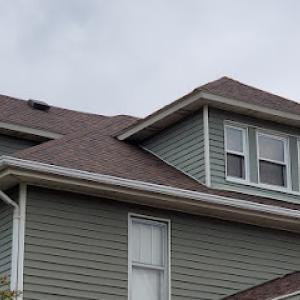
AR Roofing & Remodeling is a trusted roofing contractor based in Uniontown, PA. We specialize in providing high-quality roofing services such as new roof installations and roof replacements. With our team of skilled professionals, we are committed to delivering top-notch craftsmanship and exceptional customer service. Whether you need a roof repair or a complete roof replacement, you can count on AR Roofing & Remodeling to get the job done right. Contact us today for all your roofing needs.
Ray's Roofing
120 Water St, Uniontown, Pennsylvania
4.8 from 14 reviews
Serving Fayette, Greene, and most South Western Pa Area Proudly for over 50 years. No job too big or too small "we do it all". Licensed and Insured. Call Now or hit the message button.
Dave Harper Construction
(724) 322-2935 daveharperconstruction.com
736 Bute Rd, Uniontown, Pennsylvania
4.1 from 13 reviews
Since 1993, highly rated and referred contractor specializing in ROOFS! See Facebook and BBB Ratings!
DS Contracting
Uniontown, Pennsylvania
5.0 from 2 reviews
Roofing siding waterproofing and now decks and additions.
Ryan's Roofing & Remodeling
(724) 970-1239 www.ryansroofingandremodeling.com
Serving
5.0 from 9 reviews
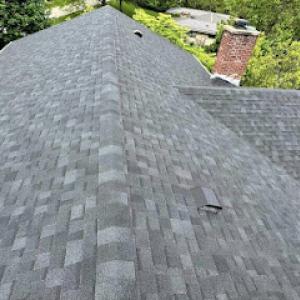
At Ryan's Roofing And Remodeling, we specialize in providing top-quality services to enhance the beauty, functionality, and durability of your home. Whether you need roof repair, soffit and fascia services, deck construction, or any other remodeling project, our team of skilled professionals is here to deliver exceptional results. Our goal is to exceed your expectations and ensure your complete satisfaction with every project we undertake. Don't wait any longer to transform your home into the haven you've always dreamed of. If you're in Uniontown, PA, or its surrounding communities, contact us today to schedule your appointment and take the first step toward enhancing the beauty and value of your property.
american remodeling & renovations
Serving
5.0 from 2 reviews
Contractor that specializes in roofing, siding, new construction, kitchens and bathrooms. 40 yrs experience. Quality work, low prices!
MHI Roofing WV
Serving
4.9 from 587 reviews
MHI Roofing has been a trusted roofing contractor since 1979, serving Morgantown, Fairmont, Sabraton, Wheeling, and nearby areas in Monongalia & Fayette County. We specialize in Shingle Roofing, Roof Repairs, Roof Inspections, and Seamless Gutters. Call us now for a free estimate!
Elite Roofing-Morgantown
(304) 202-6161 www.eliteroofingwv.com
Serving
4.9 from 95 reviews
Welcome to Elite Roofing, a full service commercial and residential roofing company that services Morgantown, Fairmont, Clarksburg, Bridgeport, Kingwood, Grafton, Terra Alta , Buckhannon , and much more of West Virginia. If you are looking for a high-quality, experienced, and affordable roofing contractor for your home or business, choose the Elite West Virginia roofers. We offer instant onsite estimates, insurance claims assistance, and a great referral program to boot! Give us a call to get your free roofing estimate in West Virginia.
Titan Roofing
(304) 244-9292 www.titanroofingwv.com
Serving
4.9 from 132 reviews
Titan Roofing is a leading contractor in and all around Morgantown, West Virginia. We service all of NCWV, Garrett County MD, and now Martinsburg WV and the entire Eastern Panhandle offering high-quality roofing and siding services to local homeowners and commercial businesses. The company is a GAF Master Elite Contractor, a distinction held by only 2% of roofers in North America.
Hook Roofing & Remodeling
(412) 874-0950 hookroofingandremodelingllc.com
Serving
5.0 from 68 reviews
Family owned and operated roofing & Remodeling company. Specializing in New Roofs, Siding and seamless gutters. Installation and repairs. Residential and Commercial roofing including flat roofsccc

Mighty Dog Roofing of Morgantown
(724) 213-7963 www.mightydogroofing.com
Serving
4.9 from 69 reviews
When it comes to your home’s exterior, Mighty Dog Roofing delivers top-of-the-line services matched with the neighborly customer care our clients have come to love. Our team of skilled experts will conduct a free, detailed inspection of your home, treating it as our own. Whether your home needs a simple repair or a full roof replacement, expect to receive the transparent guidance you deserve. Whatever the case, our team will work to meet your safety and budget needs. We take pride in operating with quality materials, hiring skilled roofers, and providing our customers with a high-quality experience. See for yourself; our reviews say it all. Schedule your free, home inspection today!
Eclipse Construction
(304) 803-7025 eclipse-construction.com
Serving
5.0 from 48 reviews
Eclipse Construction is a locally owned general construction company based in Morgantown, WV. We specialize in roofing, storm damage restoration, and complete exterior and interior projects for both homes and businesses. Our team is experienced in coordinating insurance-related restoration work, helping property owners manage repairs, supplements, and rebuilds. From roofing and gutters to siding, framing, and remodeling, every project is handled with precision, communication, and care. As certified Tamko Platinum Contractors, we install top-quality roofing systems backed by 50-year material and 30-year workmanship warranties. Whether you’re restoring after a storm or planning a renovation, Eclipse Construction delivers skilled artisanship.
Asphalt shingles remain the most common fit for this area because they balance cost with performance on the older pitched homes that define the neighborhood. The steep slopes common on Fayette County housing challenge lighter systems, but good quality asphalt shingles hold up to freeze-thaw cycles and seasonal humidity when installed with proper underlayment and attic ventilation. Look for saturated shingles with asphalt cap sheets designed to resist moisture infiltration, and make sure flashing around chimneys, dormers, and valleys is robust. In practical terms, a standard shingle roof that's well-installed simplifies maintenance after winter storms and reduces the likelihood of slow leaks that can creep behind older ridge lines. Given the local climate, consider a laminated or architectural style that offers a bit more tear resistance on wind-exposed sections of a steep roof.
Slate and clay tile appear in the regional material mix, but Uniontown homeowners with older framing need to verify structural capacity before choosing heavier systems. Slate delivers excellent longevity and a classic look, but it adds substantial weight. If the existing structure isn't reinforced for heavy tile, framing, roofing deck, and rafter spacing must be evaluated by a qualified contractor. Clay tile can offer similar durability with a distinctive profile and better resistance to UV exposure, yet its weight and fragile edges demand precise installation and careful detailing on steep slopes. For homes with historic character, these options can preserve curb appeal, but the decision should be paired with a through inspection of load-bearing capacity and support from the attic to the eaves. In winter, both materials can shed snow cleanly, but any concealed fastener or mortar work needs regular scrutiny to prevent moisture intrusion after freeze-thaw cycles.
Metal roofing is attractive for snow shedding and long service life, but detailing at penetrations and eaves matters because of winter condensation and ice exposure. In this climate, metal panels can offer a quick shed of heavy snowfall and a durable surface that resists thaw-refreeze damage. The key practical considerations are proper flashing around vents, chimneys, skylights, and transitions to gutters, plus careful sealing at eaves to prevent ice dam formation. Condensation can occur beneath metal on poorly ventilated roofs, so pairing metal with a well-ventilated attic and a continuous insulation layer helps control moisture. If choosing metal, options with a dark finish can help reduce snow glare on bright winter mornings, but color choice should also factor in local shading and roof orientation. Regular inspections after heavy snow events pay off, catching loose panels or compromised seals before interior damage occurs.
Regardless of material, the underlayment and roof deck deserve attention on older structures. A high-quality synthetic underlayment paired with a breathable, moisture-ventilated decking system helps manage the seasonal freeze-thaw moisture that characterizes this region. Pay particular attention to valleys, ridge caps, and skylight penetrations, where water intrusion tends to start. A well-ventilated attic that maintains a stable temperature reduces condensation under any roofing surface and supports longer life for the chosen material. In practice, this means inspecting attic vents, soffit intake, and ridge lines, especially after the harshest freezes and thaws of winter. Each material benefits from a tailored sealing approach around penetrations to minimize ice dam risk and moisture infiltration over time.
Provided local cost ranges per square are: Asphalt Shingles 350 to 650, Metal Roofing 900 to 1500, Clay Tile 1100 to 1900, Wood Shingles/Shakes 700 to 1100, Synthetic/Composite Shingles 600 to 1000, and Slate 1200 to 2000. In Uniontown, those numbers hold true, but on older homes the figures can drift up when tear-off reveals damaged decking from long-term moisture intrusion tied to freeze-thaw winters and attic condensation. That damage isn't uncommon here, and it matters because deck repair or replacement can add to the bottom line before any roof material goes on.
Older steep roofs are a hallmark of the area. The steeper pitches common in the southwestern Pennsylvania housing stock mean more labor time for crews and more careful flashing work around chimneys, dormers, and attic vents. When slate or clay tile are involved, expect the upper end of the local range, especially if walking decks or roof framing show frost-crack or moisture staining. If you're weighing material choices, slate and clay bring long life and classic appearance but push costs higher, while asphalt remains the most budget-friendly option for dense, aging neighborhoods with mixed roof ages.
Timing affects price too. Scheduling often compresses after winter damage and spring storms, so late spring through early fall is the preferred replacement window. This concentration of demand can nudge prices upward, and it can also tighten availability for older homes that require careful tear-off and stabilization before new materials go down. If a slate, tile, or heavy metal job is in the mix, a longer lead time for materials and precise flashing work may be necessary, contributing to the upper end of the ranges listed above.
Practical budgeting steps help keep surprises in check. Start with a conservative estimate that assumes possible decking repair: add 10 to 20 percent to the material-only square-foot cost. For steep pitches or complex flashing details, factor in an additional contingency for labor. Get at least two detailed written quotes that itemize tear-off, decking repair, material, underlayment, flashing, disposal, and cleanup. Finally, look for contractors who demonstrate solid experience with older, steeper homes and who can show a portfolio of successful Uniontown-area projects dealing with freeze-thaw moisture issues.
A building permit is typically required for a full roof replacement rather than minor repair work. In this town, the permit process exists to ensure that the repair aligns with Fayette County's climate realities and the older, steep-roof housing stock common around the hillside neighborhoods. Before any tearing or shingle removal begins, check with the local building department to confirm whether your project qualifies as a full replacement. If a permit is needed, submitting accurate scope details helps avoid delays caused by back-and-forth corrections. Remember that even a straightforward upgrade to a heavier material can change what the review covers, so be precise about material choices and roof structure changes.
The local building department reviews the project scope for code compliance, then schedules inspections at required milestones before final sign-off. Expect inspections at key points such as the roof deck and underlayment installation, anchor and nailing patterns, and finally the completed roof cover. In Uniontown's environment-where winter freeze-thaw cycles can stress decking and fasteners-inspectors pay particular attention to moisture barriers, proper slope considerations for steep roofs, and the integration of ventilation with the rest of the attic space. Keep clear access to the attic and roof edge during visits, and have any engineered drawings or contractor certifications ready in case the inspector requests them. Coordinating closely with the contractor to align work progress with the inspector's schedule can minimize hold-ups due to missed milestones or incomplete documentation.
Homeowners should confirm whether structural changes, decking replacement, or heavier material upgrades such as slate or tile alter the review scope beyond a like-for-like reroof. In practice, that means if the plan calls for replacing damaged decking, adding roof re-support, or stepping up to heavier classes (for example, slate or tile on an older structure), the permit review may expand to include structural calculations, decking assessments, and updated load paths. If the home has original attic spaces or retrofitted ventilation, be prepared for additional checks related to spacing and vent adequacy. Provide the contractor's installation details and any engineered recommendations early in the permit application, and request a pre-submittal meeting if available. By addressing these factors upfront, the process tends to move more smoothly through the distinct Uniontown inspections sequence.
Pennsylvania carriers commonly ask Uniontown-area homeowners for documentation of roof age, prior damage history, photos, and contractor invoices during claims review. When a claim window opens after a winter storm, having a clear file helps the adjuster separate what's new storm damage from preexisting wear. Gather age estimates, recent repair receipts, and photo timelines of the roof and any attic moisture or ceiling staining so the review can move with fewer delays.
Adjusters often evaluate whether visible storm damage is new or tied to older wear, which is especially important in Uniontown where winter stress and autumn shingle aging can predate a spring claim. If shingles are curling, flashing is corroded, or underlayment shows signs of moisture, document how these conditions progressed over seasons. Clear notes about dry, non-storm days versus wet, stormy periods can help the insurer assess responsibility more accurately.
Coverage restrictions and depreciation on older roofs can influence whether a homeowner repairs isolated damage or replaces the full system. Insurers may apply depreciation to aging components, affecting whether partial repairs are approved or if a full replacement is deemed necessary to restore long-term performance. Understanding that a claim might hinge on whether the issue is isolated and meet practical durability thresholds can shape conversations with the adjuster and the contractor.
Autumn temperature swings in Uniontown can accelerate wear on asphalt shingles, especially on roofs already stressed by summer humidity and winter freeze-thaw cycling. As days grow cooler and nights dip below freezing, the expanding and contracting cycle becomes more pronounced, nudging loose granules and fragile tabs toward failure. In homes with steeper slopes and older underlayment, this effect is felt sooner, so fall becomes a practical checkpoint for moisture defenses and edge seal integrity.
This seasonal pattern makes fall inspections useful for spotting granule loss, brittle tabs, and flashing separation before winter moisture arrives. Check for bare spots in the asphalt's surface where granules have worn away, especially along valleys, rakes, and chimney flashing. Tap shingle edges gently to listen for crisp cracking or crumbling, which signals brittleness. Inspect metal flashings around vents and penetrations for looseness or rust, as compromised flashing invites water intrusion during thaw cycles and heavy autumn rain.
Homeowners delaying replacement into late fall may face narrower weather windows than those scheduling in late spring through early fall. Plan inspections after a few dry days, then target minor repairs before any freezing moisture returns. If you detect curling or advanced granule loss, prioritize securing flashing and resealing the roof deck edges so snowfall and ice dams have fewer pathways for moisture. For roofs known to endure repeated summer humidity stress, consider reinforcing vulnerable seams with appropriate sealants rated for freeze-thaw conditions and ensure gutters are clear to prevent water backing onto the shingles during autumn storms.