Last updated: Apr 19, 2026
York's cold winters with snow and repeated freeze-thaw cycles make ice damming a recurring roof concern rather than a one-off weather event. The mix of old, pitched roofs and long winter seasons creates a perfect setup for meltwater to back up at the eave, refreeze, and pressure shingles and flashing. When spring arrives and daytime temps rise, overnight freezes can spike leak paths that have been quietly tunneling along the attic or under shingles. This isn't a theoretical risk-it's a pattern homeowners notice after late-winter storms shift to rainy or misty days, then freeze again at night, reopening and widening existing damage.
Older pitched homes in this area are especially exposed to winter edge icing, shingle lifting, and hidden leak paths. Ice dams form where snow melt cannot exit the roof fast enough due to insulation gaps or inadequate ventilation. The result is a dam of ice at the eaves that forces water back under shingles and into fascia, soffits, or ceilings. Shingle lifting happens when ice expands under the edge row, loosening granules and reducing the roof's protective barrier. Even when a storm seems over, the next morning freeze-thaw cycle can push water into previously dry channels, making the damage appear only once thawing begins. The pattern is stubborn and cumulative: small gaps widen, sheathing swells, and interior stains may appear far from the obvious storm path.
In late winter and early spring, pay attention to attic heat loss indicators that point to inefficient ventilation. Ice dams are not just a roof problem-they're a systems problem. Look for stained ceiling spots along exterior walls, new or growing brown patches where water drips or wicks through, and an uptick in attic humidity. Roof edge damage, missing or lifted shingles at the eave line, and granule accumulation in gutters signal ongoing distress. If you hear dripping sounds when outdoor temperatures hover near freezing, that can be water actively negotiating new paths. Address these signals promptly, because waiting often means more extensive interior damage and costlier repairs later.
When a thaw is underway and meltwater returns to liquid form, inspect accessible attic spaces first after sunset when temperatures drop and potential refreezing begins. If safe, check for obvious gaps along the eave line where ice might block drainage. If there is any sign of leakage inside, contact a trusted local roofer quickly-delaying can allow hidden damage to worsen. A professional assessment should map out whether ice damming is primarily driven by insulation gaps, ventilation shortfalls, or compromised flashing. In York, storied roofs with older materials often require targeted fixes rather than full replacement, but every option should be weighed against the risk of recurring freeze-thaw damage.
Preemptive maintenance is the best defense against repeat damage. Ensure attic insulation is thick enough and evenly distributed to minimize heat reaching the roof deck. Ventilation should provide a clear path from soffit intake to ridge exhaust, preventing warm air from pooling at the eaves. Inspect and reinforce flashing around chimneys, vent pipes, and transitions where ice tends to form. Clean gutters and downspouts so that meltwater can shed away quickly instead of pooling at the edge. For roofs with aging shingles, address curling or lifting promptly, since those defects trap meltwater and invite seepage during a thaw. Regular seasonal checks now save complicated repairs after the next freeze-thaw cycle.
Spring storms and heavy rainfall in York test whether a roof replacement was flashed and sealed correctly. After a heavy rain, inspect ceilings from the attic and living spaces for fresh staining, dark spots, or a musty odor. Any new drip near valleys, penetrations, or chimney connections signals a potential misflash or failed seal. On pitched roofs typical of York's older housing stock, freeze-thaw cycles leave microcracks that water can exploit once spring warmth returns. If shingles are curled, loose, or lifted at edges, don't delay. A small gap can become a full leak in a single afternoon thunderstorm. Have a flashlight and ladder ready for a careful exterior check at dawn or after a rain event, and note every vulnerable area before calling out-of-town crews or local contractors alike.
The local contractor market shows unusually strong emphasis on emergency response and storm damage work, indicating homeowners here frequently seek help right after weather events. When a roof shows signs of active intrusion, set up a temporary tarping plan immediately. Use a sturdy tarp large enough to cover the affected section and secure it with weighted lumber or roof sandbags. Start at the highest point above the leak and work outward to prevent water from tracking under shingles or decking. If the weather turns again, extend the tarp to the next ridge or peak to maintain a dry buffer zone. Document the damage with timestamped photos from ground level and from the attic to show how water is entering and where flashing failed. This documentation helps a local expert distinguish between wind-driven damage and corrosion or wear from years of freeze-thaw cycles.
You should contact a York-based roofing professional as soon as possible, prioritizing those with a proven track record in storm recovery and rapid response. While waiting for a visit, keep gutters clear and ensure downspouts direct water away from the foundation. Remove valuable items from the attic below the leak path and protect them with plastic sheeting if feasible. Avoid making makeshift repairs that could void warranty or create hidden damage; use temporary coverings only, and never attempt to seal a large leak with silicone or tar alone. A focused, well-documented plan with a trusted local contractor minimizes downtime and reduces the risk of secondary damage from continued moisture ingress.
York's older pitched roofs are susceptible to recurring freeze-thaw stress that compounds spring leakage. After initial stabilization, prioritize a professional assessment of attic ventilation, insulation, and ridge or soffit venting to prevent ice dams and moisture buildup. A durable, properly flashed installation with quality underlayment can dramatically reduce the chance of repeated leaks through the next winter. When temporary protection is in place and repairs are underway, maintain a clear path for emergency crews by keeping access unblocked and marking all damaged zones for the crew's reference.
Find local contractors experienced in assessing and restoring roofs after hail, wind, and severe weather events.
Seely Construction
(717) 873-8021 www.seelyconstructionllc.com
559 Paradise Rd, York, Pennsylvania
5.0 from 65 reviews
Triple R Roofing & Siding
(717) 516-0002 www.tripleroofing.com
3090 Hadley Dr, York, Pennsylvania
4.9 from 39 reviews
TC Backer Construction
(717) 837-5456 321gutterdone.com
2300 Carlisle Rd, York, Pennsylvania
4.9 from 49 reviews
Seely Construction
(717) 873-8021 www.seelyconstructionllc.com
559 Paradise Rd, York, Pennsylvania
5.0 from 65 reviews
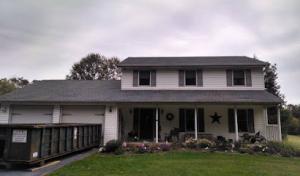
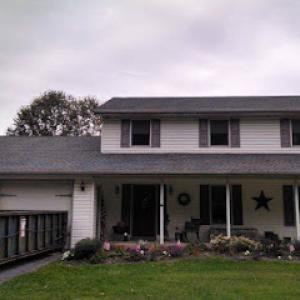
Seely Construction is a owner/operated small business that specializes in exterior construction. Our services include roofing, siding, gutters, windows and doors. The entire crew is comprised of career firefighters. We never use any subcontractors and complete all the work ourselves. The one and only priority is to provide the best service possible and to give each customer the best experience they have ever had working with a contractor.
American Remodeling Enterprises
(717) 268-9020 americanremodeling.net
2217 Carlisle Rd #406, York, Pennsylvania
4.9 from 83 reviews
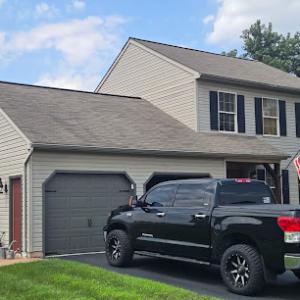
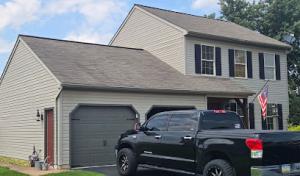
Top local roofing company in York, PA. We offer high-quality roofing services throughout York County, Lancaster County, Adams County, Carlisle, Harrisburg, and nearby areas. As a top-rated roofer in York, PA, we specialize in residential roof replacements and installations, utilizing materials such as premium metal, asphalt shingles, rubber, and stone-coated steel, all backed by lifetime warranties. Our commitment to “Quality Roofing and Home Improvement, Done Right!” extends beyond roofs. We offer additional services like window replacement, siding, tub-to-shower conversion, cabinet refacing, and epoxy flooring. Contact us today to schedule your free estimate!
Southern National Roofing
(717) 833-6746 southernnationalroofing.com
800 E King St Suite 500, York, Pennsylvania
4.7 from 201 reviews
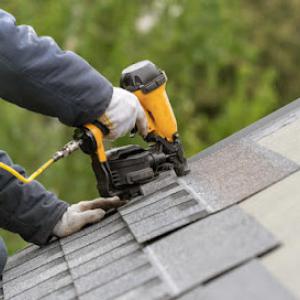
Looking for a reliable roofing contractor? We’ve got you covered. Taking on a major home improvement project can be daunting—especially one as critical as your roof. At Southern National, we’re committed to making the process as seamless, transparent, and stress-free as possible.
Triple R Roofing & Siding
(717) 516-0002 www.tripleroofing.com
3090 Hadley Dr, York, Pennsylvania
4.9 from 39 reviews
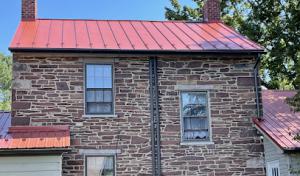
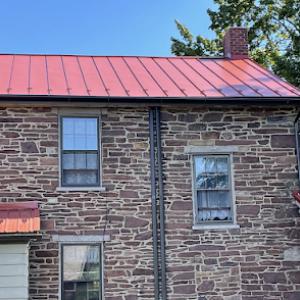
Triple R Roofing is a top Pennsylvania roofing company serving York, PA and all surrounding areas. As an Atlas Platinum Level roofer specializing in residential shingle roofing systems as well as metal roofs and flat roofs. Our roofing company in York, PA is proficient at dealing with storm damage repairs as well as the installation, replacement and repairs of any roof, siding, or gutters including commercial projects. Triple R Roofing is also a certified Roof Maxx dealer for Pennsylvania and Maryland.
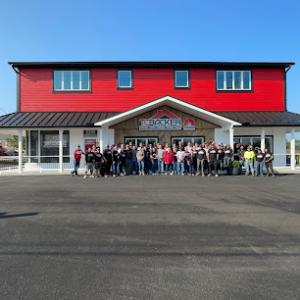
TC Backer Construction
(717) 837-5456 321gutterdone.com
2300 Carlisle Rd, York, Pennsylvania
4.9 from 49 reviews
Discover unparalleled roofing solutions with TC Backer Construction, your premier Roofing Contractor in York, PA. Located at 2300 Carlisle Rd, we specialize in Roof Repair, Roof Replacement, and Roof Installation, with a focus on Shingle Roofing and seamless Gutter Installation. Our commitment to excellence is evident with our instant online Roofing Quotes and prestigious GAF Master Elite® status, placing us among the top roofing professionals. Whether you're seeking expert Roofers Near Me or comprehensive storm damage repairs, we ensure customer satisfaction with every project. Call us today at (717) 837-5456 to begin your next home improvement journey.
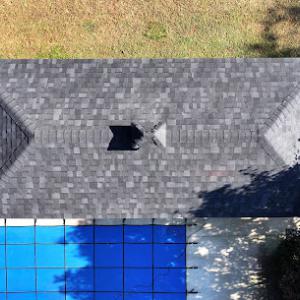
Priddy Roofing & Exteriors
(717) 527-6574 priddyroofingexteriors.com
320 Loucks Rd #202, York, Pennsylvania
5.0 from 24 reviews
As a trusted roofing contractor serving Maryland, Pennsylvania, West Virginia, and Virginia, we specialize in storm damage restoration with top-quality materials, expert craftsmanship, and industry-leading warranties. With only 2% of roofing contractors nationwide achieving Master Elite® certification, we’re equipped to handle all your storm-related roofing needs, starting with a free inspection. Serving local communities across Maryland, Pennsylvania, West Virginia, and Virginia, we ensure your home is fully protected and restored after severe weather, giving you peace of mind for years to come.
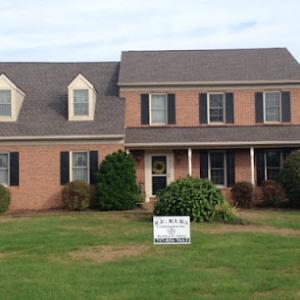
R E Kuba Construction
(717) 854-7663 rekubaconstructionincpa.hibuwebsites.com
228 S Richland Ave, York, Pennsylvania
4.4 from 49 reviews
R E Kuba Construction provides roofing, siding, windows, storm damage repair, and gutter services to York and Adams County, PA.
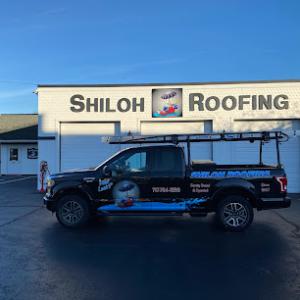
Shiloh Roofing
(717) 764-1269 www.shilohroofing.com
2517 Sunset Ln, York, Pennsylvania
4.6 from 22 reviews
A family-owned business. Serving the community since 1957.
Heidler Roofing
(717) 792-3549 www.heidlerroofing.com
2120 Alpha Dr, York, Pennsylvania
4.4 from 35 reviews
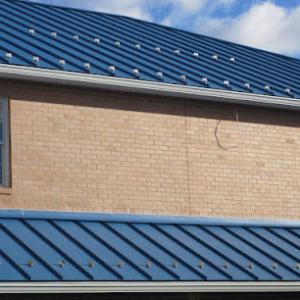
Heidler Roofing has achieved this growth and recognition by earning our reputation one roof at a time, always demonstrating a tireless commitment to quality, service, and safety. Our estimators, mechanics, tradesmen, craftsmen, and managers take pride in maintaining the highest levels of knowledge, skill, and expertise in the industry, to deliver results that exceed your expectations.
Leak No More
(717) 812-1167 www.leaknomore.com
1541 E Market St, York, Pennsylvania
4.1 from 66 reviews
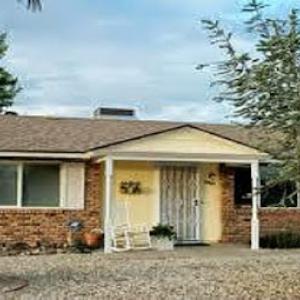
Are you looking to give a new look to your roof? If yes, then here we have the best solution for you. Whether you are facing the problem of leakage or you are seeking regular maintenance, we are the perfect option for you. Along with us, you can give a long-lasting and leak-proof look to your roof. Depending upon the quality of work, we design the best packages for you. We have experience in working along with our customers for many years and we have made them satisfied with our services. We are professional, talented, and offer all the timely-services so, that our customers will always love to have our services. Along with us, you can get free from the leaking roofs so, contact us today or drop your query to us right now.

Baker Roofing Company
(717) 268-4229 bakerroofing.com
52 Grumbacher Rd suite 52 5, York, Pennsylvania
5.0 from 3 reviews
Baker Roofing Company was founded in 1915 on a simple promise, "We shall do good work. At a profit if we can. At a loss if we must, but always good work." We still stand by that promise today as one of the largest commercial roofing contractors in the country. Our specialized commercial service teams are prepared to assist with any commercial roofing issue you may have.
Double D Roofing & Sheet Metal
(717) 792-6787 www.double-d-roofing.com
4615 W Market St, York, Pennsylvania
4.3 from 8 reviews
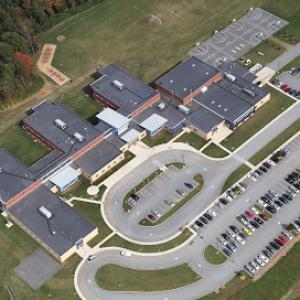
Commercial roofing contractor installing single ply and metal roofs on small to large scale commercial/industrial project. We also specialize in cold storage reroofing and new construction. We have been servicing cold storage facilities for 30 years. We service PA, MD, NJ, DE, WV, & VA.
In this area, homeowners commonly choose among asphalt shingles, metal roofing, clay tile, concrete tile, wood shakes, and synthetic/composite shingles, creating a wide local price spread from budget re-roofs to heavy premium systems. The decision isn't just about upfront price-the material's behavior under freeze-thaw cycles, summer humidity, and snow loading matters for how long it lasts and what maintenance is needed. When winter damage or spring storms compress scheduling, costs can rise as contractors juggle tighter windows and demand spikes. That dynamic often translates into longer lead times and higher temporary labor costs, especially for higher-end materials or complex roof shapes.
Asphalt shingles remain the most common choice for York homes, balancing cost with solid, predictable performance on older pitched roofs. The typical per-square cost range is about 350 to 700 USD. In practice, you'll see savings upfront, but the annualized value depends on proper attic ventilation and ice dam readiness. For freeze-thaw exposure, ensure the system is installed with adequate edging and underlayment to minimize wind-driven leaks at eaves and valleys. If you expect heavy spring storm pressure or extended repairs after a harsh winter, plan for a buffer in scheduling and a contingency for minor repairs to surrounding flashing.
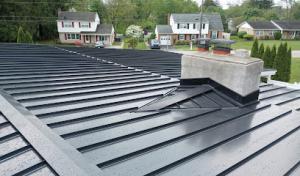
Metal offers durability against heavy snowfall and rapid black ice formation, and it can shed snow more predictably than some other options. The cost range sits roughly between 900 and 1800 USD per square. In York, metal can resist freeze-thaw stress well when installed with proper insulation and a solid underlayment system. Consider that some metal profiles are lighter and may require different structural considerations; the thicker the panel and the coating system, the longer the potential lifespan under humid summers. If a winter storm compresses the replacement window, metal projects may experience fewer intermediate repairs but higher upfront material costs, so budgeting for that gap is prudent.
Clay tile is a premium look with robust durability when properly installed, but weight and installation nuance matter in freeze-thaw conditions. Expect costs from about 1000 to 2500 USD per square. In York, tile roofs demand careful attic clearance and a design that accommodates snow loads without creating heat-retention pockets that aggravate ice dam formation. The payoff is exceptional longevity and a distinctive aesthetic for homes built in mid-century blocks or earlier. If the winter is severe or if the spring thaw is rapid, ensure the underlying roof deck and gutter system can handle the load and moisture management without premature cracking.
Concrete tile offers a mid-to-premium option with slightly lower weight concerns than clay in some configurations and a broad price range. Typical pricing runs from 800 to 1600 USD per square. Freeze-thaw resilience improves with proper surface treatment and appropriate fastening patterns. In humid summers, concrete can urbanize heat more than clay, affecting expansion and contraction cycles. If scheduling tightens due to storm demand, concrete tile crews may fill faster than some premium options, but careful matching of underlayment and flashing remains essential for long-term performance.
Wood shakes provide a distinctive traditional look but require meticulous installation to resist moisture and ice dam risk. The range is roughly 700 to 1200 USD per square. In York's climate, wood is more sensitive to freeze-thaw stress and moisture ingress, so proper sealing, ventilation, and elevation above potential ice dam zones matter. If winter weather lingers or meltwater refreezes at joints, expect ongoing maintenance cycles to protect against cupping or splitting. Scheduling flexibility is valuable here, as skilled craft can be in high demand after storms.
Synthetic or composite shingles offer versatility and often reduced weight compared with some tiles. Costs typically fall between 500 and 900 USD per square. In this market, the benefit is consistent performance across temperature swings and moisture exposure without the same degree of seasonal fragility as natural fibers. For homeowners facing compressed replacement windows after winter damage, synthetic options can provide a faster, state-of-the-art installation with dependable ice dam mitigation features when paired with a quality underlayment and proper attic ventilation.
A full roof replacement in York typically requires a building permit submitted through the local building department. The process reflects the city's focus on safe, weather-resilient roofs that endure cold winters and freeze-thaw cycles. Before any shingles come off or any new material is installed, verify that the scope of work matches what the permit covers, since partial roof changes or nontraditional installations can trigger additional review. If the project touches attic venting, chimney flashing, or roof drainage, expect the department to want explicit confirmation in the permit documents.
York permit applications generally need the scope of work and the roofing materials to be identified before approval. Have a clear description of the entire replacement, including square footage, the type of underlayment, fasteners, ice and water shield where required by code, ventilation plan, and the exact roofing material chosen. If multiple roof faces or elevations are involved, map them out so inspectors can follow the progression on site. Include contractor licensing information, proof of insurance, and a contact person for any questions that arise during review. The city often wants a drawn schematic or product data for the selected materials to confirm they meet local wind, snow, and ice dam requirements.
Submit through the local building department, either in person or via the department's online portal if available. Double-check that all pages are complete and that the project address, owner's name, and contractor details match the documents on file. It helps to attach a brief cover note outlining the planned sequence-demolition, deck protection, installation, and finish flashing. If the project involves re-roofing over existing layers, include a note on whether any venting or insulation work accompanies the roof replacement. In York, timely submittals reduce back-and-forth questions and help keep the project on track.
Inspections in York are scheduled at progress milestones and a final inspection is required, with the overall process often taking about 1 to 2 weeks depending on department workload. Expect an inspection when the roof is scaffolded or equipped for waterproofing, another during the installation of underlayment and flashing, and a final inspection after the finish material is installed and venting is confirmed. Have the project accessible for inspectors, and keep a copy of the permit on site to show the inspector if asked. If a deficiency is noted, address it promptly and reschedule the inspection to avoid delaying the overall timeline.
Coordinate timing with spring storms and winter ice concerns so the permit review aligns with the best window for a non-weather-impacted replacement. Keep contractors informed of the inspection dates and ensure they bring any required staging or access equipment. If you're updating ventilation or adding insulated decking, include this in the permit scope so York's inspectors can verify it meets energy and drainage requirements. After approval, track progress and maintain clear contact with the building department for any follow-up questions during the build.
Asphalt shingles remain a practical fit for York's older housing stock, where settling roofs and varied attic spaces are common. The region's winter freeze-thaw cycles mean that installation quality matters as much as the material itself. Proper nailing patterns, adequate attic ventilation, and a well-sealed underlayment help prevent ice dam formation and prolong shingle life through repeated seasonal swings. In homes with shallower pitches or inconsistent insulation, a rigorous sealant strategy around penetrations and eaves becomes especially important. When you choose asphalt, prioritize layered, breathable attic ventilation and a continuous eave-edge drip system to manage condensation and heat loss.
Metal roofs have carved out a solid niche in York as a mainstream upgrade, especially for homeowners who prioritize snow shedding and long-term durability. A standing seam or metal panel system can markedly reduce snow load retention on steeper pitches, which helps limit ice dam risk along eave lines. Metal's reflective properties can also temper attic temperatures during humid summer months, reducing heat buildup that compounds shingle aging in older structures. For best results, ensure the roof deck is solid and well-fastened, with proper attic ventilation and closure at roof-to-wall transitions to prevent humidity from affecting wooden components over time.
Clay tile and concrete tile bring distinctive aesthetics and impressive durability, but they demand careful feasibility checks in York's densely built, older neighborhoods. These materials are heavy; the existing structural framing and roof sheathing must be evaluated to support the load without compromising the attic and ceiling integrity. Proper underlayment and tile support are essential to resisting wind uplift and freeze-thaw cycles that can cause cracking or loosening of tiles. If choosing tile, pair it with a reinforced deck, upgraded fasteners, and a competent installer who can address long-term drainage and gutter efficiency to prevent water backing up toward living spaces.
Wood shakes deliver a classic look that can blend well with historic York exteriors but require consistent maintenance to prevent moisture intrusion during humid summers and winter dampness. For shakes, ensure a tight grain seal and adequate ventilation to mitigate rapid drying and cracking in freeze-thaw periods. Synthetic or composite shingles offer a low-maintenance alternative with enhanced resistance to moisture and cracking, while still appreciating York's varied rooflines. Regardless of choice, older homes benefit from ensuring the roofing system breathes properly, with vapor barriers and ventilation paths kept clear to stave off mold and ice dam risk during the cold months.
Explore specialists in steel, aluminum, and standing seam metal roofs built to last 50 years or more.
American Remodeling Enterprises
(717) 268-9020 americanremodeling.net
2217 Carlisle Rd #406, York, Pennsylvania
4.9 from 83 reviews
Triple R Roofing & Siding
(717) 516-0002 www.tripleroofing.com
3090 Hadley Dr, York, Pennsylvania
4.9 from 39 reviews
Leak No More
(717) 812-1167 www.leaknomore.com
1541 E Market St, York, Pennsylvania
4.1 from 66 reviews
Pennsylvania carriers serving York typically want documentation of roof condition and recent storm events when a homeowner files a roofing claim. That means you should gather a clear record of the roof's current state plus the events that caused damage. Start with a dated photo trail that shows missing shingles, ice dam damage, and any sagging or exposed underlayment. Keep a simple timeline that links each storm occurrence to new issues you noticed. When you share these details with your insurer, you're helping to establish a direct connection between the climate pressures your house faced and the claim you're submitting. In practice, Have a concise narrative ready that ties each image to a specific date so the file doesn't feel speculative.
Adjusters in the York market commonly request photos and contractor estimates, and depreciation can reduce the final payout even when damage is accepted. Take close-ups of flashing, gutter edging, and penetrations around chimneys or vents, then include wider shots that show the roof's overall condition. If a local contractor provides an estimate, ensure it breaks out labor, materials, and any temporary repairs you've already completed. If your claim involves preexisting wear, document that quickly so it's not mischaracterized as new damage. Understand that depreciation speaks to the age and expected life of components; be prepared to discuss the difference between replacement cost and actual cash value, and how temporary fixes might influence trustable, post-damage restoration.
Because homeowners often deal with winter damage followed by spring storm exposure, documenting the timeline of leaks, missing materials, and temporary repairs is especially important. Keep a log of when leaks were first noticed, when tarps or boards were installed, and when any interior damage became evident. This log should align with photos and contractor notes so an adjuster can see the sequence from freeze-thaw stress to the latest storm event. If you've had to perform interim repairs to stop water intrusion, save receipts and note the dates; insurers will want a clear story of how the roof was stabilized while awaiting permanent restoration.
Connect with contractors who help homeowners navigate the claims process from damage assessment to final approval.
Triple R Roofing & Siding
(717) 516-0002 www.tripleroofing.com
3090 Hadley Dr, York, Pennsylvania
4.9 from 39 reviews
TC Backer Construction
(717) 837-5456 321gutterdone.com
2300 Carlisle Rd, York, Pennsylvania
4.9 from 49 reviews
Caliber Roofing & Exterior Solutions
(717) 542-8456 www.caliberroofingpa.com
Serving
4.9 from 59 reviews
York's mix of older residential structures with additions means many homes blend a steep main roof with a low-slope porch, rear, or extension section. Those transitions often fail differently under freeze-thaw cycles and spring rains. The result is localized leaks that tracking weather alone can't predict. When a large storm hits in spring, or a hot, humid late summer settles in, the low-slope areas shoulder most of the water load and expose weaknesses in membranes and transition details.
Low-slope membranes are most vulnerable at transitions where the steep roof meets a flatter surface, at the perimeters of dormers or extensions, and where flashing ties into outlet/vent details. In York, aging underlayment may reveal micro-tears after freeze-thaw cycles, with water wicking into seams on long runs. Skylight openings are a meaningful enough specialty in the market that flashing around curbs can be a frequent failure point if neglected during replacements. Look for pulled or stretched sealant, loose curb fasteners, and blocked drainage near those skylight zones.
During a dry spell, run a careful drip-test from interior ceilings at suspected junctions after a rain event. Inspect exterior transitions from the steep roof onto low-slope planes, checking for torn membranes, loose edge metal, or exposed fasteners. Pay attention to areas with added shingles over original roofing, as these junctions often hide failed sealants. On skylights, inspect curb flashing, corner joints, and any exposed fasteners where water can find a path to the deck.
When planning a replacement, screen the low-slope sections with emphasis on fully sealed transitions, modern high-integrity underlayment, and continuous edge details. Ensure flashing around skylights and vent stacks is upgraded to match the new membrane system, with an emphasis on curbs that resist ponding water. Treat any visible deck sag or settlement near low-slope zones as a first-order concern before interface with the steep main roof.
Keep gutters clear to prevent backflow onto low-slope areas, and re-seal high-traffic edge details after winter. After storms, recheck skylight flashing and curb sealing, as York weather can shift sealants quickly. A proactive approach reduces the chance of slow leaks that sneak under the surface during spring rains.
Find specialists in TPO, EPDM, and built-up flat roofing systems for residential and commercial properties.
Triple R Roofing & Siding
(717) 516-0002 www.tripleroofing.com
3090 Hadley Dr, York, Pennsylvania
4.9 from 39 reviews
Double D Roofing & Sheet Metal
(717) 792-6787 www.double-d-roofing.com
4615 W Market St, York, Pennsylvania
4.3 from 8 reviews