
Last updated: Apr 19, 2026
In this climate, repeated freeze-thaw cycles can actually open shingle seals and push small roof penetrations into active leaks. That means a roof that looked sound after a storm can start dripping from attic vents, vents flashing, or plumbing stacks the next day when a cold night follows a sunny afternoon. The problem compounds on older steep-roof homes and those with historic slate-seals that once held tight loosen over multiple cycles, and even minor gaps become channels for water intrusion. If you notice sudden condensation or damp areas on ceiling corners after a thaw, treat it as a sign the freeze-thaw process is at work and act quickly to locate and address the source.
Here, flashing is the first line of defense, and it bears the brunt of winter weather. Worn or improperly sealed step and counter flashing around chimneys, vents, and dormers can fail when the metal becomes brittle in the cold or the sealant loses adhesion through repeated freezes. Small penetrations-like vent pipes, skylights, or exhaust vents-are especially vulnerable in Williamsport's climate. When ice forms along eaves and along roof edges, meltwater can back up under shingles and flashings if attic ventilation isn't moving enough air. That backflow creates hidden leaks that can surface far from the point of entry. The practical response is twofold: first, schedule a targeted inspection of flashing and penetrations before the heaviest snows sit, and second, ensure attic openings are properly vented and insulated to keep the roof deck closer to outdoor temperature, reducing the pressure that pushes moisture inward.
Heavy snow loads and winter ice damming are recognized seasonal risks. The eave line becomes a bottleneck where warm attic air melts snow, which then refreezes at the colder edge as an ice dam. That dam can back up into soffits and under shingles, forcing water into the house. You want robust eave protection in place-underlayment that properly extends over the edge and ice barriers where appropriate-to slow or stop dam-related leaks. Adequate attic insulation is essential to minimize heat transfer into the roof deck, while proper ventilation helps maintain a consistent underside temperature of the roof, reducing the thaw-freeze cycle that drives dam formation. If your home has a combination of older contributions and newer upgrades, a focused assessment of the eave line and attic envelope is a must before heavy snow returns.
Because full replacements are typically pushed toward milder spring or fall windows in this area, many homeowners must decide whether winter leak control is enough to bridge the roof until better installation weather arrives. The choice hinges on the severity of existing leaks, the condition of flashing, and the roof's overall resilience to another season of freeze-thaw cycles. If leaks are concentrated near flashings or penetrations, or if attic moisture is persistent after storms, it's not prudent to delay higher-precision repairs. Temporary measures, like targeted sealing and improved ventilation, can buy time, but they won't replace damaged flashing or compromised seams. The key is to treat winter as a risk window that demands decisive action when signs appear.
Start with a focused roof inspection for ice dams, especially along the eaves, and check attic insulation levels. Look for damp spots on ceilings that correspond with recent thaws, which indicate moisture has penetrated the roof assembly. Schedule professional help to reseal or replace compromised flashing and to install or upgrade an ice and water shield where needed. Ensure attic vents are unobstructed and that soffit vents align with a clear path for air to circulate. If a leak is active inside, dry out affected areas promptly to minimize wood rot and mold, then address the source of intrusion. In Williamsport, acting fast on freeze-thaw damage can prevent small problems from turning into costly, widespread repairs come spring.
Spring hail and high-wind events are a named seasonal roofing risk in this valley, so storm damage assessment is not just a summer concern. When the ice breaks and the wind shifts, fragile edges on older steep-roof homes and slate can suffer quickly. If a storm rolls through and you notice granule loss on asphalt shingles, pounded gutters, or lifted flashing, treat it as a potential claim early. Climbing a ladder and walking a roof should only be done with safety in mind; if shingles are already brittle or ice remains along the eaves, step back and call a pro for an initial walk-around.
Pennsylvania insurers commonly require detailed roof-claim documentation before approving any scope. Start with clear, timestamped photos that show the entire roof surface, along with close-ups of damaged shingles, flashing, and any sagging or lifting. Note the material age and the exact cause of loss you're attributing to the storm. If an incident occurred during a specific storm, keep a brief log of dates and weather conditions. If there is moisture intrusion inside the attic or ceiling, photograph the affected areas from multiple angles and capture roof-to-wall junctions where leaks appear. A written summary that aligns with the photos helps framing the claim for the adjuster.
Williamsport homeowners should expect insurers to ask for contractor quotes or maintenance records when distinguishing sudden storm damage from older wear on shingles, flashing, or slate. Historical slate demands particular scrutiny: a slate roof can crack or delaminate from freeze-thaw cycles, long before a hail event becomes visible from the ground. Provide maintenance records that show regular inspections, re-pointing, or flashing resealing, if applicable. If you have a recent contractor evaluation, attach it and highlight any storm-related findings. When requesting quotes, ask the contractor to identify which issues are clearly caused by the storm versus pre-existing conditions, such as aging underlayment or corroded lead flashing.
After filing, anticipate an adjuster inspection that aims to quantify the scope of loss. Have a trusted contractor present or at least accessible to discuss findings and provide a professional assessment of immediate needs-especially for moisture control and snow-dam risk mitigation. If the damage involves drainage or flashing issues, document how water would flow around the roof line and into eaves or valleys, since drainage and moisture control are critical in this climate. For steeper or older roofs, ensure that any temporary protections or tarping are documented, with dates and installation details, to establish a clear trail of mitigation during the claim period.
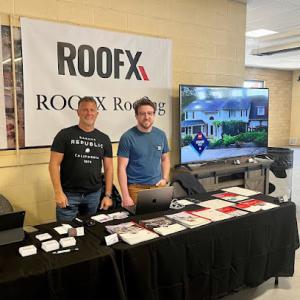
ROOFX Roofing
2121 Marydale Ave, Williamsport, Pennsylvania
4.9 from 165 reviews
Roofx Roofing & Siding, nestled in the heart of Williamsport, PA, is the premier destination for comprehensive roofing and siding solutions. With a steadfast commitment to excellence, our skilled team specializes in a range of top-tier services, including meticulous roof replacements, efficient roof repairs, cutting-edge metal roofing installations, and durable commercial roofing services. At Roofx, we seamlessly blend quality craftsmanship with unparalleled customer service, ensuring each project reflects our dedication to precision and durability. Trust us to elevate your roofing and siding experience with unmatched expertise and a passion for delivering results that withstand the test of time. Contact us today!
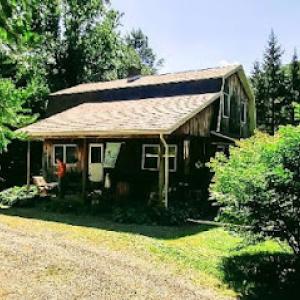
Carstetter's Roofing & Siding
1226 Park Ave, Williamsport, Pennsylvania
4.4 from 25 reviews
We are a small local family owned and operated business serving your home improvement wants and needs. We specialize in Roofing, Siding and Gutters but do it all! From repairs to new installation! Our company strives on doing great quality work at a competitive price. Our employeess are experienced and take pride in their work. Don’t hesitate to contact us regarding a free estimate.
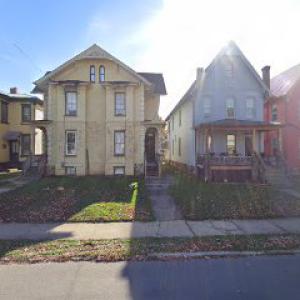
Crooked Ladder Roofing Lycoming
(570) 447-7806 crookedladderlyco.com
961 Vine Ave, Williamsport, Pennsylvania
5.0 from 1 review
Crooked Ladder Roofing, LLC, based in Lycoming, PA, is a trusted full-service roofing company dedicated to delivering quality workmanship and dependable service. We proudly serve homeowners and businesses in Williamsport, Muncy, Hughesville, and surrounding Pennsylvania communities. Our services include roof replacements, roof repairs, emergency roofing services, siding installation, and gutter installation. We also specialize in storm damage restoration and can guide you through the insurance claim process to make repairs as stress-free as possible. Contact Crooked Ladder Roofing, LLC today for a free estimate and let us earn your trust with reliable service and lasting results.
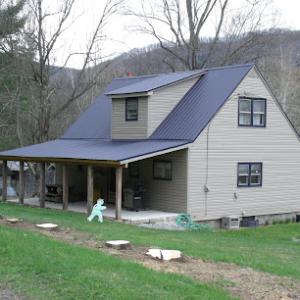
Rhoads Rubber Roofing
(570) 927-0147 rhoadsroofingpa.com
149 Huffman Ave, Williamsport, Pennsylvania
3.1 from 8 reviews
We do all your roofing needs! Commercial, Residential, Flat roofs, coatings, shingles, metal, & rubber. You name it we do it!
Barr Construction
(570) 322-6200 www.barrconstructionllc.com
Serving
4.7 from 40 reviews
Barr Construction is a trusted provider of exterior remodeling services in Williamsport, PA, known for delivering exceptional workmanship and reliable results. With over 40 years of experience, they specialize in roofing replacements, siding installations, and expert window installation, ensuring every project is completed on time and within budget. Recognized as a 6-time winner of the Sun-Gazette Readers' Choice for Best Roofing Company and a 5-time Best Siding Company award recipient, their reputation for quality speaks for itself. For prompt, efficient service from a top roofer and siding contractor, Barr Construction is the clear choice.

Omega Roofing & Siding
(908) 797-0230 www.omegaroofingandsiding.com
Serving
5.0 from 2 reviews
With more than 25 years in the industry we believe in doing the job right the first time. No cutting corners, call us for a quote. From our family to yours!

Boss Insulation & Roofing
Serving
3.4 from 7 reviews
When it comes to roofing and insulation services, Boss Insulation & Roofing, Inc. remains a top choice contacting company in West Milton, PA. Max Bossert, our owner, started Boss Insulation & Roofing as an insulation company in 1974. Now, our privately held, small company offers a variety of services to commercial and residential property owners. We install and repair all types of roofs, and we also install many kinds of insulation. Boss Insulation & Roofing maintains a pristine reputation within the West Milton, PA community. Our team provides excellent work and friendly service. You can trust us to install roofing and insulation that lasts for years. Reach out today for a free estimate.
Full Time Roof Restoration
Serving
Family owned & operated serving all of the Central Pa region. We offer shingle, metal roofing for residential as well as Conklin Roofing for our commercial customers
Spring in Williamsport brings a practical window for full roof replacements after the freeze-thaw cycles slow down. As the worst of winter recedes, you gain a more predictable temperature range and drier days, which help sealants and underlayments cure properly. If you've endured a harsh winter with ice dam scares, this is the time to plan a replacement before warmer, more humid months arrive. Scheduling shortly after the first reliable spell of milder weather reduces the chance of mid-project weather delays and minimizes exposure of interior spaces to cold snaps.
Autumn is the other prime window, provided the leaves have not yet piled up in gutter lines. A fall replacement gives you the benefit of a dry, cool climate during installation, which improves shingle set and flashing performance. The period after leaves have fallen is ideal for inspections, ensuring valleys, fascia, and chimney flashing are properly secured before snowpack builds. In this season, you can complete the project ahead of the first hard freeze, reducing the risk of moisture intrusion during winter storms.
Warm, humid summers in this area can accelerate shingle aging and make attic ventilation performance more visible through heat buildup and moisture issues. If a replacement is planned in late summer or early fall, pay close attention to the attic ventilation plan. Proper venting helps prevent heat buildup that can compromise new roofing materials and underlayment. Likewise, addressing any existing moisture hotspots during the project protects the roof system and surrounding structure as the season shifts toward cooler, drier air.
Autumn leaf accumulation is a local seasonal risk, which matters because clogged valleys and gutters can trap moisture just before winter freeze cycles begin. During scheduling, coordinate a thorough clean-out of all drainage pathways and inspect flashings around valleys, vents, and chimneys. A well-timed replacement with clear drainage lines reduces the chance of water backing up under shingles during early winter storms. If possible, arrange for a mid-project gutter and downspout check to confirm continuous flow as temperatures swing.
To maximize timing, align the project with long, dry stretches in either spring or fall. Have the roof deck inspected beforehand; replace any warped or damaged underlayment promptly so the new system sits on a solid foundation. Confirm the contractor's moisture control plan, especially for attic access, to minimize condensation during installation. If a rain event rolls in mid-project, discuss temporary protective measures and schedule rework promptly to preserve the integrity of the installation. This city's climate rewards careful planning that respects both the cold freezes and the humid summers.
The Susquehanna Valley climate means you're not choosing a roof solely by curb appeal. Freeze-thaw cycles push and pull at fasteners, flashing, and underlayment, and snow loads demand reliable snow shedding and ice dam resistance. Humid summers can introduce moisture into attic spaces if ventilation isn't balanced with the roof's drainage design. In this context, the material you pick needs to handle movement rather than just look good. Williamsport's dominant roofing materials include asphalt shingles, metal roofing, clay tile, concrete tile, synthetic/composite shingles, and slate, creating a broader material mix than many similarly sized Pennsylvania cities. This mix reflects a practical response to local weather and older construction, not just fashion.
Asphalt shingles are common for their breadth of options and repairability, but in a climate with frequent freeze-thaw cycles, it matters how the shingle stack sheds water and how the shingles align with proper ventilation. When choosing asphalt, pay attention to reinforced underlayment at hips and ridges and to metal edge details that protect against wind-driven infiltration and ice dam formation. Metal roofing offers excellent snow shedding and durability, yet it requires careful flashing around dormers and chimneys to prevent ice damming at joints. If you're considering clay or concrete tile, recognize that Williamsport's older homes sometimes feature heavier rooflines and steeper pitches that can increase loading and complicate attic ventilation. Tile systems perform well in heat and can resist moisture with proper lippage and sealed fasteners, but they demand a thoughtful edge and valley detailing to manage freeze-thaw movement. Synthetic/composite shingles blend ease of installation with improved moisture resistance and can flex with movement, which helps in freeze-thaw areas, though long-term performance hinges on the quality of their granule retention and underlayment compatibility. Slate remains a relevant option in historic neighborhoods, offering timeless durability, yet it requires precise installation and robust roof framing-common constraints of older structures with steep slopes.
Older Williamsport housing stock makes slate and steep-slope replacement decisions more common than in newer subdivisions dominated only by asphalt shingles. That reality benefits from attention to flashing at valley and dormer intersections and to ice and water shield placement along eaves and rake edges. For steep slopes, ensure ridge ventilation is paired with a continuous attic venting strategy so moisture cannot stagnate and recondense beneath the roof deck after humid summers.
Whatever material you choose, the system must coordinate drainage with effective ventilation. In practice, this means confirming that gutters and downspouts are matched to the roof's pitch, ensuring fascia and drip edge are sound, and planning for seasonal inspections to address any fastener loosening or flashing gaps caused by freeze-thaw movement. A well-balanced approach helps keep moisture out of the attic while maintaining the roof's performance through Williamsport's cold winters and humid summers.
You are likely facing a roof where the deck and flashing were installed decades ago, and where Susquehanna Valley winters take a toll with repeated freeze-thaw cycles. In homes with older sheathing, moisture can creep in through small gaps around chimneys, at valley intersections, and along eaves. Once a tear-off exposes moisture-damaged decking, the scope of work often expands beyond a simple refresh. The consequence is not just a new roof surface, but a phased repair that addresses concealed rot, sagging, or delamination before you can trust a fresh layer to seal out the next winter.
For homes with slate or other heavy, long-lasting coverings, the transition to modern replacements brings its own questions. Legacy detailing-like traditional slate support, hatchets, or copper-tinged valley flashings-can complicate a swap to lighter materials or even a return to heavier systems in a different configuration. In Williamsport, those details aren't cosmetic extras; they affect how much stress your decking can bear, how rafters terminate, and how ventilation works across a roof line that may already be near the limit for keeping attic moisture in check.
Moisture control is the common thread through all older builds. Ice dam risk ramps up when insulation and ventilation aren't paired with a robust roof system, especially where chimneys and valleys concentrate warm air near cold eaves. When a contractor eyes the project, expect a deliberate plan that sequences roof removal, deck assessment, and flashing repair before considering anything like a new surface. Rushing to a new overlay without addressing hidden moisture can trigger rapid deterioration and repeated repairs down the line.
Material swaps on older Williamsport homes can raise structural and detailing questions when moving from heavier systems like slate or tile to lighter replacements, or vice versa. The weight difference matters not just at the roof lines, but at support points, attic ventilation, and chimney connections. If the plan involves changing material class, ensure the scope includes structural verification, flashings adapted to new materials, and a revised ventilation strategy that suits the altered weight and moisture profile. Avoid assuming a like-for-like upgrade will fit the existing architecture without adjustments.
Typical Williamsport material costs are about $350-$650 per square for asphalt shingles, $600-$1200 for metal, $900-$1800 for clay tile, $800-$1500 for concrete tile, $550-$900 for synthetic/composite shingles, and $1500-$3000 for slate. When budgeting, couple these base numbers with the realities of your home's roof pitch and the number of penetrations.
Costs in older steep-roof homes can rise because tear-off is slower and decking repairs are more likely. Expect more labor time to strip and inspect decking, especially around hazardous or hard-to-access areas. Flashing work around chimneys and dormers becomes more involved, which pushes up both material and labor expenses. If the existing underlayment is compromised, plan for replacement rather than reuse.
Local pricing can also move upward after winter damage or spring hail and wind events, when regional demand increases for crews, tarping, emergency repairs, and full replacements. In those peak windows, scheduling flexibility matters: a delayed start can translate into higher costs due to faster-paced crews and possible overtime.
For a typical replacement, balance material choice with long-term performance under freeze-thaw cycles and moisture risk. Asphalt remains the most economical upfront, while metal or synthetic options offer durability against snow and ice damming. Slate or clay bring longevity but require a premium upfront. If the roof is over a century old or features multiple penetrations, expect total costs to trend toward the higher end of the listed ranges, especially on steep sections.
When a full roof replacement is on the table, a building permit is typically required. In Williamsport, reroofing is treated as a regulated project rather than a blanket maintenance task, so skipping the permit can lead to delays or issues at the job's midpoint. The permit process helps ensure that flashing, ventilation, and drainage are addressed to withstand the Susquehanna Valley's freeze-thaw cycles and winter ice dam risk. If the roof is part of a historic home or a structure with slate or other specialty materials, it's especially important to confirm any additional approvals that may apply.
Applications are handled through the Williamsport City Code Enforcement Office. Do not treat reroofing as a no-permit maintenance job. The office will require project details such as the scope of the replacement, the roofing type, and the expected timeline. Have your contractor's documentation ready, including contractor license details and any manufacturer specifications for underlayment, ventilation, and flashing. In some cases, you may need to submit site plans or roof diagrams, especially on steeper pitches or older homes where drainage and ice dam risk are critical factors.
Inspections are scheduled to align with key milestones of the project. The city will verify installation specifics, including flashing around chimneys and vent penetrations, as well as attic ventilation readiness and overall roof ventilation adequacy. A mid-project inspection may occur to confirm that work complies with code and with the approved plan, particularly where vapor barriers and ice-dam precautions are concerned. Scheduling follows the contractor's timeline, but it is important to plan for these visits so they don't hold up progress.
After installation is complete, a final inspection is required to verify that the roof replacement meets all structural and waterproofing requirements. The final check confirms that drainage is correctly configured, flashing is sealed, and ventilation is functioning as intended to minimize moisture buildup in cold months. Upon passing, a certificate or confirmation of compliance is issued. Keepcopies of permits and inspection records with your home documents for any future renovations or resale.
The Susquehanna Valley brings warm, humid summers that can push attic temperatures high and trap moisture in ways a dryer inland climate wouldn't. In practice, that means attic ventilation isn't just about comfort-it's a roof longevity issue. You'll want a balanced venting plan that moves recent humidity out of the attic while letting your roof deck stay dry. Look for combinations of soffit, ridge, and possibly gable vents that promote a steady airflow. Proper insulation helps too, so warm attic air doesn't condense on cold sheathing in winter. In Williamsport, a robust moisture management approach can prevent early deck wear and the hidden costs that come with interior frost or mold risks.
Autumn in this area brings heavy leaf fall that sits in valleys and gutters long enough to hold moisture. That damp debris can freeze into ice in the valleys, backing up drainage and inviting ice dam formation before winter even starts. If you have older steep-roof homes or areas where slate or shingles meet at eaves, plan for timely leaf removal, especially at valleys and edge flashings. Install or upgrade gutter guards in circulation with your existing system to reduce debris, and consider installing larger drip edges and valley linings to improve moisture evacuation. A proactive approach in the fall helps prevent moisture retention that textures the roof deck and flashing.
In Williamsport, the city inspection process emphasizes ventilation on replacement projects, making upgrades more relevant than in places where inspections focus only on exterior covering. If you're replacing the roof, ensure the contractor documents a venting plan that addresses attic intake and exhaust balance, vapor barriers, and insulation continuity. Consider upgrading attic fans or installing a continuous soffit-to-ridge system if your attic is currently under-ventilated. This targeted attention helps keep soffits dry during humid summers and reduces the risk of winter moisture damage slipping through the cracks.
A Williamsport roof lives with a four-season rhythm that shapes every decision from shingle choice to flashing. Winter brings snow and ice, which means drainage must work well and ice dams must be anticipated with proper attic ventilation and insulation. Spring brings hail and wind, testing fasteners and edge details after winter's freeze-thaw cycles. Summer heat and humidity push underlayment and seals to hold up under higher moisture loads, while fall's leaf buildup creates new demands on gutters and downspouts. In this climate, moisture management isn't a one-time fix; it's a yearly discipline that starts with good attic ventilation, continuous ventilation channels, and a thoughtful roof slope that facilitates consistent drainage despite stubborn leaves and late-season moisture.
The roofing landscape here blends modern materials with legacy systems like slate, which ages differently and requires distinct repair versus replacement thinking. Asphalt and metal give you predictable performance and repair options, while slate carries a long lifespan but needs careful matching for any patch or partial replacement. Because a roof is not a single decision, homeowners often compare how a slate upgrade or retrofit would intersect with drainage upgrades, add-on attic work, or flashing over existing masonry. Your strategy should weigh not only the material's longevity but how it behaves across the seasonal swings and how it pairs with the existing roof deck and valley details.
A process-driven plan helps navigate the local reality that permits, inspections, and insurer documentation matter. Start with a clear inspection cadence that targets ice dam risk points, valley and rake flashing, and any aging underlayment. Map seasonal tasks: ensure gutters remain clear in fall, verify attic ventilation in spring, and re-evaluate sealants after winter storms. When considering repairs versus replacement, assess how the chosen path will affect moisture control, ventilation efficiency, and the potential for future damage during another Williamsport winter.