Last updated: Apr 19, 2026
In this humid continental climate, repeated winter freeze-thaw cycles chew away at shingle life and pry open pathways at flashing and roof penetrations. Snow builds up, then melts, refreezes, and expands through the same gaps, accelerating wear on edges and valleys. In Harrisburg, that cycle is not a distant threat-it happens year after year, especially on mid- to older-buildings with flatter slopes or shallow roof pitches where runoff sits and refreezes near gutters. The pattern isn't just about shingles failing-it's about undersides and flashing meeting repeated stress until leaks find their way inside.
Ice damming is a recurring local risk after snow events followed by temperature swings. If attic ventilation or insulation is uneven, heat escapes, melting a ridge of snow that refreezes at the eaves, backing up under shingles and into fascia, soffits, or ceiling spaces. In practice, that means you may see staining, damp spots in ceilings, or frozen edge dams during warm weekends that follow heavy snows. The critical takeaway: a roof that looks fine from the ground can be fatally compromised at the eaves where water backs up. Addressing the root causes-rigid sealing along flashing, continuous insulation, and balanced attic venting-stops the dam from forming rather than chasing leaks after the storm.
The city's warm-season humidity means roofs can move from winter moisture stress into summer heat stress within the same year, accelerating wear on aging systems. This means shingles can become brittle from cold nights and then soften and creep under summer heat and UV exposure. Flashings around chimneys, vents, and skylights are particularly vulnerable as metals expand and contract with shifting temperatures. If fasteners back out or sealants dry, water finds those gaps and undermines the roof deck beneath a layer that was already compromised by freeze-thaw cycles. In short, climate-driven movement compounds existing deterioration, shortening the time between needed repairs.
First, make sure attic insulation is evenly distributed and that ventilation is balanced between intake and exhaust to keep the attic close to the outdoor temperature in winter. A consistently cold attic reduces heat transfer that melts snow up top and fuels ice damming at the eaves. Second, inspect flashing around every chimney, vent, and skylight after heavy snows or wind events; look for loose, lifted, or corroded metal and for any sealant gaps that have developed. Third, clear snow from gutters and the lower roof edge carefully after heavy storms-removal should avoid damaging shingles or flashing and should not be attempted from dangerous heights. If you notice persistent staining, musty odors, or damp spots on ceilings following thaws, treat it as a warning sign that the attic or roof deck is compromised and require a timely assessment by a qualified roofer. Finally, when planning a full roof replacement, insist on proper attic ventilation, a continuous underlayment system, and flashing integrated with the roof deck to withstand Harrisburg's freeze-thaw rhythm and storm-driven wear. This approach reduces the chance that a single winter cycle creates a cascade of issues that ripple into summer heat stress.
Spring storm season along the Susquehanna delivers hail, wind, and heavy rain in rapid succession, often before many homeowners manage to schedule replacement work. When a storm hits, the clock starts ticking on your roof's vulnerability-loose shingles, dented metal, breached flashing, and compromised underlayment can escalate quickly with the freeze-thaw cycles that follow. The result is a rapid uptick in hidden damage that can undermine attic ventilation, drip edge integrity, and the overall weather resistance of your roof system. Acting promptly after a storm is essential to prevent interior damage, mold growth, and escalating repair costs that complicate a future replacement.
Pennsylvania roof claims commonly require detailed documentation and adjuster review, so Harrisburg homeowners benefit from photo records taken immediately after wind or hail events. Photograph every visibly affected area: curved or cracked shingles, granule loss in gutters and downspouts, dented metal, damaged vents, and any signs of leaks inside the attic or ceiling. Keep a dated sequence of shots showing the storm impact, then track subsequent weather events that could aggravate the damage. A clear record helps the adjuster assess the scope-without it, the evaluation can be slower and the settlement less favorable. If possible, capture panoramic roof views from ground level and close-ups of compromised features to demonstrate both the extent and the location of damage.
Depreciation can affect settlements in this market, making roof age, prior condition, and repair history especially important when filing a weather-related claim. Older roofs or those with previous repairs may be depreciated more heavily, so the claim narrative should emphasize the current condition and the urgency of timely replacement. Document not just what is damaged, but when the roof last received professional maintenance or repairs, and note any prior weather-related events that may have contributed to present wear. When the adjuster reviews the claim, a well-documented history helps distinguish new storm-related damage from pre-existing wear, which can influence the payout and the required scope of work.
Act quickly to initiate the claim after a storm, but avoid making any repairs that could jeopardize the assessment of damage. Do not patch in a way that hides pre-existing issues or creates a false sense of permanent remediation. Gather and preserve all storm-related materials: contractor receipts, inspection reports, and any temporary protections installed to prevent further damage. Schedule a professional roof assessment as soon as practical-early evaluations can identify wind uplift zones, blown shingles, and compromised flashing that may prompt an approved emergency scope. Ensure the contractor you choose is prepared to provide a thorough, itemized estimate and clear photos for the adjuster, focusing on both the visible and the concealed risks that spring weather can unveil in this area.
Find local contractors experienced in assessing and restoring roofs after hail, wind, and severe weather events.

ROOFX Roofing
6291 Lyters Ln, Harrisburg, Pennsylvania
5.0 from 133 reviews
Equity Roofing
(717) 629-0392 equityroofs.com
4614 Derry St, Harrisburg, Pennsylvania
4.9 from 115 reviews
ROOFX Roofing
6291 Lyters Ln, Harrisburg, Pennsylvania
5.0 from 133 reviews
Roofx Roofing & Siding, nestled in the heart of Harrisburg, PA, is the premier destination for top-tier roofing and siding solutions. Specializing in a comprehensive range of services, we expertly cater to your needs with precision and excellence. Our seasoned team excels in seamless roof replacement, swift and efficient roof repairs, cutting-edge metal roofing installations, and tailored solutions for commercial roofing projects. Elevating aesthetics and durability, we also offer premium vinyl siding services to enhance the curb appeal of your property. At Roofx, we're not just roofing experts; we're your trusted partners in safeguarding and enhancing the integrity of your home or business. Contact us today!
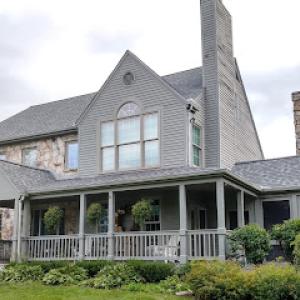
Equity Roofing
(717) 629-0392 equityroofs.com
4614 Derry St, Harrisburg, Pennsylvania
4.9 from 115 reviews
Equity Roofing is a trusted residential roofing contractor, located in Harrisburg, and serving the surrounding Central Pennsylvania communities. We specialize in full roof replacements, storm damage roof repairs, roof inspections, and Owens Corning roofing systems backed by industry-leading warranties. Whether you're dealing with a leaking roof, hail damage, or planning a full roofing upgrade, our experienced team delivers reliable, high-quality service from start to finish. If you're searching for a dependable roofing contractor, Equity Roofing is ready to help protect your home or business. We are proudly serving Harrisburg, Marysville, Hummelstown, Camp Hill, Mechanicsburg, Enola, Lemoyne, Carlisle, Hershey, and Middletown, Pa.
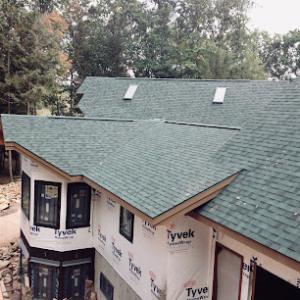
TJ's Shingles
1067 Acri Dr, Harrisburg, Pennsylvania
4.9 from 68 reviews
When it comes to ensuring the safety and appearance of your home, look no further than the experienced roofing contractors at TJ’s Shingles. We’ve been providing quality roofing services to Central, PA residents since 2012 and have established a reputation as one of Central PA’s go-to roofing companies. Our team is honored to provide this critical service which ensures local homeowners with both peace of mind and a beautiful home. TJ’s Shingles is also a proud CertainTeed Master Shingle Applicator, Certified Weather Stopper Roofing Contractor for GAF, and holds an A+ rating from the BBB.
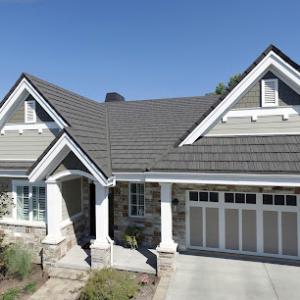
Erie Home
5340 Jaycee Ave Suite C, Harrisburg, Pennsylvania
4.5 from 674 reviews
Since 1976, Erie Home has manufactured, supplied, and installed the best-performing roofing on the market. By providing ironclad warranties and convenient financing, we ensure that every homeowner we work with receives top quality service and value for their homes and properties. Erie Home professionals are the roofing company of choice in the greater Harrisburg, PA area. Whether you need roof inspections or roof damage repair services, Erie Home has been the go-to roofing contractor for nearly 50 years because of our attention to detail and dedication to making sure our customers are satisfied with their results. Contact us today for a quote and see why we're the trusted roofing company Harrisburg counts on.
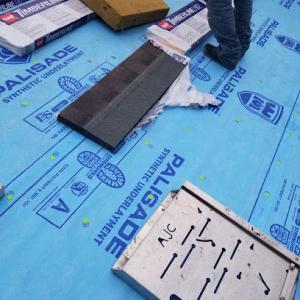
RyuKen Roofing
(717) 364-9402 www.ryukenroofing.com
3825 Club Dr, Harrisburg, Pennsylvania
5.0 from 8 reviews
Quality Roofing, siding and Repair Professionals
TKO Roofing & Remodeling
245 Maclay St Suite A, Harrisburg, Pennsylvania
4.7 from 12 reviews
Take Pride in Your Property SPRUCE IT UP BY HIRING A RELIABLE ROOFING COMPANY IN HARRISBURG, PA Property maintenance requires skill, patience and determination. Fortunately for you, the contractors at TKO Roofing and Remodeling, LLC possess those qualities and more. We’ll complete any size project to your high standards. From roof installation to gutter replacement, you can count on us to do what needs to be done with skill and precision. Entrust your project to a team of dedicated roofing contractors in Harrisburg, Pennsylvania. Call 814-418-1738 now for a free estimate.
Scott Roofing Contractor
(717) 545-1445 www.scottroofingcontractor.com
720 Rowe Ln, Harrisburg, Pennsylvania
5.0 from 6 reviews
Scott Roofing Contractor is a leading family-owned and operated exterior contracting business serving the Central Pennsylvania area since 1990.
Brown's Roofing
1203 N 15th St, Harrisburg, Pennsylvania
3.7 from 6 reviews
Call Brown's roofing for all of your roofing repair needs get it done right the first time. Let me repair your roof which will give you more time to save up for a new one Do not let your roof stress you out give it to me I will handle it. I specialize in saving your roof which in turn saves you money. I replace damaged shingles and pipe boots. I installed complete rubber roofs no matter what the size. I also repair gutters and install gutter guards.

Home Genius Exteriors
(717) 905-4844 homegeniusexteriors.com
Serving
4.9 from 247 reviews
Elevate your home with Home Genius Exteriors, setting the standard in Harrisburg by offering full-service solutions for roofing, siding, windows, doors, gutters and insulation. We support our veterans and communities by supporting local and national charitable organizations through our Home Genius Cares initiative. With an Owens Corning® Platinum Preferred designation, we also offer flexible payment options, industry leading warranties and a wide range of premium products tailored for your home. It’s time for a different experience, entrust your next home project to a genius and schedule your free inspection today!
Topp Home: Roofing, Solar Panels, Windows & Doors
(717) 895-8893 www.mytopphome.com
Serving
5.0 from 122 reviews
Topp Home is one of the fastest growing exterior home improvement contractors in Central PA. They serve Camp Hill, Harrisburg, York, Lancaster, and surrounding areas. Their team specializes in roofing, solar panel installation, windows, doors, siding, gutters, and gutter protection. Topp Home uses high-quality, durable materials designed to withstand the ever-changing Central Pennsylvania climate. They prioritize customer satisfaction and offer flexible financing options.
Long Home Products
Serving
4.7 from 646 reviews
For over 8 decades, Long Home has helped families throughout the East Coast enjoy safer, more beautiful homes. From durable roofs to stunning baths, our quality products, outstanding craftsmanship, and dedication to customer satisfaction are at the core of our philosophy. We work with customers to make home improvement projects more affordable through competitive loan rates and flexible payment plans that fit your budget.
Summit Roofing PA
(717) 731-3477 summitroofingpa.com
Serving
5.0 from 10 reviews
Welcome to Summit Roofing, your premier roofing solution in Pennsylvania! Serving Camp Hill, Harrisburg, and surrounding areas, we specialize in top-quality roof installations and replacements. With years of experience and a commitment to excellence, we ensure each project is completed to perfection. Trust us for expert guidance and exceptional service every step of the way. Contact us today to elevate your roofing experience with Summit Roofing.
Asphalt shingles are a dominant local choice because they fit the area's broad range of residential housing and are priced within the most common Harrisburg replacement budgets. In this climate, they hold up well against freeze-thaw cycles and spring wind bursts when installed with proper underlayment and venting. You'll get decent curb appeal, straightforward maintenance, and a predictable repair path if hail or wind damage occurs. When you choose asphalt, prioritize a good impact-resistant or Class 4 option if your area sees heavy hail storms, and verify that the shingle seams and ridge line are sealed properly to reduce moisture intrusion during rapid temperature swings.
Metal roofing has meaningful local demand in Harrisburg, reflecting homeowner interest in durability through freeze-thaw winters and heavy rain seasons. Metal's resistance to ice damming, its fast shedding of snow, and its long service life can offset higher upfront costs over time. If you lean toward metal, consider standing-seam configurations that minimize exposed fasteners and enhance wind performance. Ensure the roof deck and flashing are prepared to handle thermal movement and precipitation without leaks. A metal option pairs well with modern ventilation and can compliment existing architectural styles on many mid- to high-slope homes found in the region.
Clay tile, concrete tile, wood shakes, and synthetic products are present in the market but are more specialized choices that must be evaluated against local structural load, moisture exposure, and maintenance expectations. Clay and concrete tiles add distinct curb appeal but can be heavy; verify roof framing can support the load and ensure proper underlayment and venting to manage moisture. Wood shakes offer a traditional look but require regular maintenance to prevent moisture damage and faster wear in exposed areas. Synthetic products provide versatility and often better weight characteristics; however, confirm their performance in freeze-thaw cycles and their long-term color retention. In Harrisburg's climate, these options merit a careful, site-specific assessment with attention to roof pitch, attic ventilation, and potential for ice dam risk.
Your decision should align with the roof's exposure to wind, hail, and temperature swings, plus the existing structure. A deeper slope helps with water shed and reduces ice dam potential, whereas lower slopes may demand enhanced underlayment and detailing at hips, valleys, and penetrations. Regardless of material, insist on a comprehensive installation with proper flashing around chimneys, vents, and skylights, and ensure continuous attic ventilation to minimize condensation and thermal stress. In the end, the best choice balances performance during harsh winters and heavy rains with the roof's architectural harmony and long-term maintenance expectations.
In this climate, the winter freeze-thaw cycle can grip asphalt, concrete, and wood shingles just enough to crack or delaminate over a few seasons. Spring hail and wind hammer exposed edges, ridge caps, and vent flashing, especially on older homes with prior underlayment work. When a storm line hits, scheduling tends to tighten quickly, and storm-driven demand can push replacement pricing toward the upper end of local ranges. If you've had a hail event, expect crews to be busier for a few weeks, which can nudge estimates higher and extend lead times for material delivery and crew availability.
Typical Harrisburg pricing runs about USD 350 to 700 per square for asphalt shingles, 600 to 1100 for metal, 900 to 2000 for clay tile, 800 to 1500 for concrete tile, 550 to 1300 for wood shingles or shakes, and 450 to 900 for synthetic or composite shingles. These bands reflect common stock on older, tight-lot homes with varying roof pitches and edge details. Heavier or specialty systems-like concrete or clay-carry higher removal and disposal costs if the old roof has multiple layers or steep sections. Synthetic options tend to cost less upfront but still require proper underlayment and venting to perform in severe winter months.
Costs shift when tearing off multiple layers or dealing with aged decking that shows sag or moisture staining. On a home with early-90s construction or earlier, you might encounter plywood or OSB that needs replacement, which adds both material and labor time. Banks of venting, attic insulation, and flashing behavior become practical decision points: if existing components don't meet current performance expectations, upgrading them can add to total cost but may improve long-term resilience against ice dams and wind-driven leaks.
Flashings, ice barriers, and underlayment are especially scrutinized after harsh winters here. If existing flashing shows gaps or poor integration with step flashing around chimneys and vents, anticipate higher labor charges for meticulous resealing. Roofs with complex geometries-valleys, dormers, or multiple ridge lines-tend to require more sealant, fastereners, and carefully staged protection, all of which push the price toward the upper end of the local ranges. Keeping these factors in mind helps you align expectations with the actual cost drivers you'll face during replacement in this market.
Don't let upfront costs delay a critical repair - these contractors offer payment plans to fit your budget.
Erie Home
5340 Jaycee Ave Suite C, Harrisburg, Pennsylvania
4.5 from 674 reviews
Harrisburg Roofing Services
319 Muench St, Harrisburg, Pennsylvania
4.5 from 31 reviews

The City of Harrisburg generally requires a building permit for a full re-roof. That permit is not something a contractor can squeeze through unofficially on the side; it needs to go through the city's formal channels. When you initiate the project, expect the paperwork, plan review, and a clear outline of the scope to be checked against current codes. The goal is to make sure the roof system will handle freeze-thaw cycles, hail, and wind events without triggering costly failures down the line.
Permits are issued through the City's Bureau of Codes Enforcement rather than handled informally at the contractor level alone. This means you will interact with a city office rather than relying on a quick verbal thumbs-up from a contractor. The bureau tends to ask for specifics about ventilation, flashing details, underlayment types, and how the full-coverage components will integrate with the existing structure. Expect correspondence to come back with requests for clarifications or updated drawings if something doesn't meet current code.
Harrisburg inspections typically include rough-in and final review, with notice after completion so the city can verify venting, underlayment, and flashing meet current code. The rough-in check will look at the roof deck attachment, ventilation strategies, and drip edge installation, while the final review focuses on the completed work and the connections around chimneys, skylights, and eaves. If anything isn't up to standard during either phase, the city will require corrections before you can close out the permit.
Plan ahead for inspection windows and keep the job site accessible for city inspectors. Have up-to-date plans showing venting and flashing details, and keep a file of material specs handy in case the inspector asks. A well-documented permit trail not only smooths the process but also pays off when dealing with insurance or future assessments after a severe weather season. Remember, the goal is long-lasting resilience against the valley's freeze-thaw cycles and storm-driven wear.
In Pennsylvania, the insurance environment still includes multiple carriers actively serving homeowners, but roof claims tend to face close scrutiny after weather events. For a roof that's seen freeze-thaw cycles, hail, and stubborn winds, decisions hinge on documentation and the adjuster's assessment of actual condition versus reported damage. The emphasis is on whether the roof's current state matches the storm's impact and the policy language, which means a claim can hinge as much on reporting as on the physical repair.
Adjuster review and roof condition reporting are common, so you should document shingle loss, hail impact, interior leaks, and temporary mitigation steps. Take clear photos from multiple angles, including attic observations if you notice leaks or staining. Note any prior repairs, flashing conditions, and ventilation issues that could influence how damage is interpreted. When possible, arrange for a professional roofing inspector to provide a written assessment that links observed damage to the recent weather event, not to age or wear alone. Keep records of temporary measures, like tarps or rapid patching, and dates of these actions.
Because depreciation may reduce payouts on older roofs, replacement timing in Harrisburg often becomes a financial decision tied to both roof age and storm history. If the roof has sustained repeated freeze-thaw damage and recent storm activity, you may need to weigh the cost of replacement against the likelihood of future weather events accelerating wear. In practice, the path to settlement combines honest documentation, a clear causal link to the event, and a strategy that aligns with the roof's remaining life.
In Harrisburg, full re-roofs are not just about shingles because city inspection attention to venting, underlayment, and flashing means older assemblies often need code-aligned updates. When freeze-thaw cycles start biting, weak flashing around chimneys, at valleys, and where pipes or vents penetrate the roof become prime leak points. Older step and counter-flashing can separate or corrode, letting meltwater seep into the decking or along rafters. The practical approach is to inspect these details first, then plan repairs that restore continuous protection. Look for loose metal, gaps at seams, or rust that signals failure. If you see shingles lifting near flashing, don't assume the issue is only the shingles-address the flashing and underlayment behind them. A careful re-flashing around a chimney or vent stack can stop winter leaks before snow turns to ice damming.
Venting and proper underlayment are the quiet gatekeepers for Harrisburg winters and springs. Old homes often rely on thinner or degraded underlayment that loses its water-shedding promise after years of moisture exposure. Ensure the attic has adequate intake and exhaust vents to avoid warm, moist air condensing on cold surfaces. When a full roof is opened, replace or upgrade underlayment to a modern, higher-performing layer that stands up to repeated freeze-thaw cycles. Pay special attention to roof penetrations like attic vents, mechanical exhaust vents, and skylights; these are common crack entry points as temperatures swing. If vent boots show cracking or shrinkage, plan a swap to a more durable boot and sealant system that resists wind-driven rain.
Autumn leaf drop and moisture can expose drainage weaknesses on older Harrisburg roofs before winter weather arrives. Clear gutters and downspouts to prevent backed-up water from pooling at eaves or around flashings. Inspect near valleys for any debris accumulation that could block flow and create ice buildup once temperatures drop. Sit down with a checklist: verify that flashing seams remain sealed, underlayment extends correctly under all fasteners, and penetrations are properly flashed. Addressing these items now reduces the chance of winter leaks and limits retreatment needs when the first freeze hits.
Find contractors experienced in skylight installation, flashing, and leak repairs to bring natural light into your home.
Harrisburg Roofing Services
319 Muench St, Harrisburg, Pennsylvania
4.5 from 31 reviews
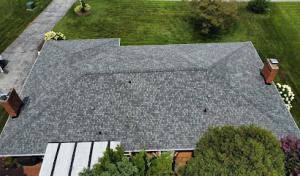
In Harrisburg, heavy spring rain and winter ponding risk make drainage and seam integrity especially important on low-slope roofs. Even when steep-slope residential roofing dominates nearby neighborhoods, a meaningful subset of homes and mixed-use buildings relies on flat or low-slope systems. That mix calls for detailing that differs from standard shingle roofs, particularly around transitions, penetrations, and drainage outlets.
Low-slope roofs demand precise edge detailing to control water flow toward scuppers and internal gutters. A careful approach to flashing at walls, posts, and equipment curbs reduces the chance of slow leaks that can creep under ballast or coatings. In a climate with frequent freeze-thaw cycles, you want a continuous, well-sealed joint system that accommodates thermal movement without cracking. Ensure roof-to-wall interfaces use compatible, corrosion-resistant flashings, and pay close attention to drain and scupper sizing so that capacity matches the typical spring rainfall events.
The risk of ponding on low-slope surfaces increases with seasonal loads such as late-winter ice melt and spring downpours. A proven drainage plan includes properly pitched substrates, clear paths for runoff, and accessible cleanout points for debris. Regular inspections after winter thaws can catch early signs of membrane wear, seam separation, or surface pitting before they progress. Since wind and hail frequently accompany spring storms, choosing a system with robust seam integrity and reinforced edge detailing helps minimize wind-driven water intrusion and hail-related surface denting.
Roof coatings and restoration are active options in this market, but they function best as life-extending measures for selected low-slope systems rather than as replacements for mainstream residential shingle demand. Coatings excel on surfaces needing a thin, flexible, weather-resistant layer-often on aging or localized-wear areas where full roof replacement isn't immediately warranted. For systems that already show widespread membrane degradation, a restoration approach can buy time, but it should be paired with a plan for eventual membrane replacement when the substrate is ready.
Maintenance should prioritize cleaning drainage paths, inspecting seams after heavy rains, and evaluating expansion joints for hairline cracks. In areas prone to freeze-thaw cycles, you want a proactive schedule that includes monitoring the condition of edge details, penetrations, and any coatings applied. A practical plan combines periodic professional inspections with targeted touch-ups to sustain performance through Harrisburg's seasonal climate.
Find specialists in TPO, EPDM, and built-up flat roofing systems for residential and commercial properties.
Harrisburg Roofing Services
319 Muench St, Harrisburg, Pennsylvania
4.5 from 31 reviews