
Last updated: Apr 19, 2026
Spring storms and hail drive the most urgent roofing concerns in this area. The mix of older neighborhoods near downtown and newer subdivisions means roofs range from flat-pressed assemblies to steeply pitched designs, all vulnerable to sudden wind gusts, hail pummeling shingles, and debris. Winter snow and freeze-thaw add a second seasonal damage cycle, as ice dams and concealed leaks become visible only after thaw. In Frederick, a fast response can prevent interior damage, mold growth, and escalating property risk during a storm sequence.
If a storm has just passed, prioritize safety: avoid climbing on a damaged roof yourself, and keep children and pets away from any visibly compromised edges. Look for telltale signs from ground level-new shingles lifted, granules in gutters, dented gutters or vent caps, and any moisture staining on ceilings or walls inside the home. Note locations with active leaks or interior seepage, especially around ceilings and upper walls. The goal is to capture the scope fast so a contractor can size up the repair needs without delay.
Because Maryland insurers scrutinize wind and hail claims, date-stamped photos are essential. Photograph entire roof exposure, then zoom in on damaged areas, flashing, valleys, and skylights. Keep a dated close-up record of affected shingles, wind-stripped tabs, and granule loss. Count visible damaged shingles and note any gaps or dislodged flashing. Inside, document water intrusion with clear photos of stains, warped drywall, or ceiling bulges, plus any running water or actively dripping spots. Capture the exterior and interior in different weather moments if possible to show the problem's persistence. Collect neighbor or witness notes if others observed the same shingle distress after the storm. Finally, record any temporary protective measures taken, such as tarping, plywood covers, or wet-dry vacuum cleanup, with timestamps.
Given the high frequency of storm-driven repair demand, acting quickly to shield the home is critical. Deploy heavy-duty tarps over damaged areas or install boards to cover exposed roof sections. Ensure tarps are securely weighted and tied to sturdy features to withstand wind gusts. The goal is to limit water intrusion before an adjuster review and before further weather events. If interior leaks are present, place dry towels or tarps under the affected area to minimize secondary damage and carpet or hardwood staining.
Local contractor signals show that storm damage, emergency repair, and insurance-claims help are among the most common requests in this market. Seek a contractor with a proven track record navigating Maryland wind and hail claims, and who can help translate roof condition findings into an accurate claim narrative. Ask for references from nearby neighborhoods with similar roof types, and verify they can provide date-stamped work logs and photo documentation for claim reviews. A dependable contractor will offer a clear plan for emergency stabilization, followed by a permanent repair strategy tailored to the home's existing roof system and attachments.
After gathering photos and notes, align with the contractor to develop a staged response: immediate stabilization, interior mitigation steps, and a phased repair approach that restores the roof's protective functions before the next storm cycle. Maintain ongoing documentation of all communications with the insurer, contractors, and any adjusters. As storm seasons arrive, build a simple home file for quick action-photos, dates, and a short incident log that can be reused for future claims. This preparation helps ensure faster processing and minimizes disruption to daily life in the neighborhood.
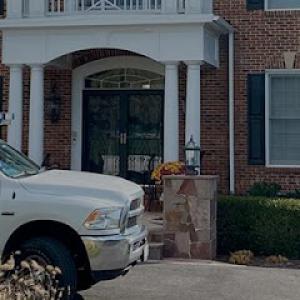
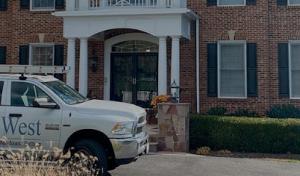
Semper West Roofing
9211 Baltimore Rd, Frederick, Maryland
5.0 from 303 reviews
Semper West Roofing is a team of roofers in Frederick, Md. We provide residential roofing services to homeowners who need their roof replaced and repaired. Our team has the experience, resources and skills needed to get the job done right. Contact us today to get your free roof inspection and estimate. We also provide other exterior services including siding, gutters and windows. Contact us today and tell us about your project. We look forward to hearing from you. Thank you for considering Semper West Roofing for your next exterior project.

Frederick Roof Repair
(301) 788-3061 www.frederickroofrepair.com
514 Lee Pl, Frederick, Maryland
5.0 from 190 reviews
Frederick Roof Repair in Frederick, MD, is your reliable local roofing expert. Specializing in roof replacements and roof repairs, their skilled team is committed to quality craftsmanship and customer satisfaction. They tackle issues like leaks and damaged shingles with a personalized approach, using top-notch materials. Residents in Frederick and surrounding areas trust Frederick Roof Repair for efficient and professional roofing solutions, ensuring the longevity and durability of their roofs.

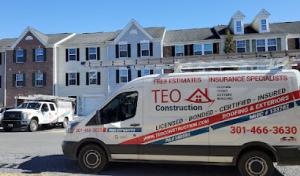
TEO Roofing
5229 New Design Rd, Frederick, Maryland
4.9 from 283 reviews
TEO Roofing, formerly known as TEO Construction is a top-rated roofing contractor in Frederick, MD, specializing in roof replacements, roof repairs, siding, gutters, and window installations. As a GAF Master Elite® and CertainTeed Shingle Master, we provide high-quality roofing solutions with lifetime warranties. Whether you need storm damage repair, insurance claim assistance, or energy-efficient roofing, we’ve got you covered. We proudly serve Maryland, Virginia, Pennsylvania, West Virginia, and Washington, D.C.. Get a free roof inspection today and experience expert craftsmanship, durable materials, and superior customer service. Call now!

PJ's Roofing
532 E Church St, Frederick, Maryland
4.9 from 217 reviews
Located in Frederick, Maryland, PJ's Roofing is a full-service roofing contractor specializing in a variety of services, including roof installation, roof repair, skylights, and much more. Whether you have a large roof replacement or a small roof repair, PJ's can assist with completing the project.
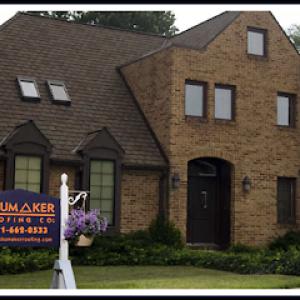
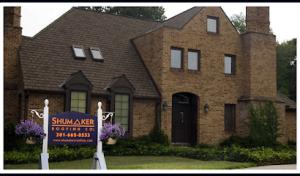
Shumaker Roofing Company
(301) 662-0533 www.shumakerroofing.com
26 Water St, Frederick, Maryland
4.9 from 325 reviews
Shumaker Roofing Company is a trusted roofing contractor based in Frederick, MD at 26 Water St. We proudly serve homeowners and businesses across Frederick County and the surrounding areas with expert roof repairs, roof replacements, gutters, and siding services. Our experienced team is dedicated to quality craftsmanship, honest pricing, and reliable service from start to finish. Whether it’s fixing a small leak, installing a new roof, or restoring storm damage, we use top-grade materials to protect your home for years to come. 📍 Visit us at 26 Water St, Frederick, MD 21701 or call today for a free roof inspection and estimate. Discover why Shumaker Roofing is one of Maryland’s most trusted roofing companies.
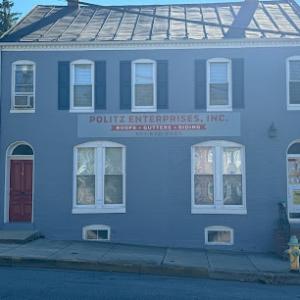
Politz Enterprises
(301) 852-7933 politzenterprises.com
418 W Patrick St, Frederick, Maryland
4.9 from 164 reviews
With a legacy spanning over 60 years, Politz Enterprises has been the trusted name for roofing, siding, and gutter solutions in Frederick and the entire DMV area. As a family-owned and operated business, they bring decades of expertise to every project, ensuring top-quality craftsmanship for both residential and commercial clients. Serving Maryland, Washington D.C., and Virginia, their team of highly qualified roofing, siding & gutter contractors is dedicated to delivering exceptional service and lasting results. Specializing in complete exterior home solutions, Politz Enterprises stands as a cornerstone of reliability and quality in the construction industry.
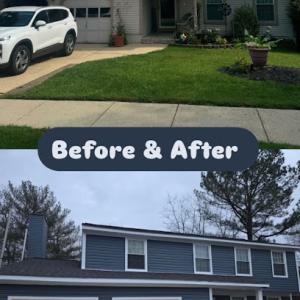
Rise Exteriors
(443) 269-8720 rise-exteriors.com
12 W Church St Suite 230, Frederick, Maryland
4.9 from 96 reviews
Rise Exteriors is your trusted expert in roof, siding, and gutter replacements. We use only top-quality materials and approach every project with the same care and attention we’d give our own homes. As a certified Owens Corning Preferred Contractor, we offer 50-year warranties backed by one of the most trusted names in the industry. Homeowners choose Rise Exteriors because we don’t cut corners. From the first consultation to the final nail, we focus on honest communication, expert installation, and clean, respectful job sites. Our mission is simple: deliver results we’d be proud to have on our own homes. When it comes to protecting and enhancing your property, choose a team that rises above the rest, choose Rise Exteriors.
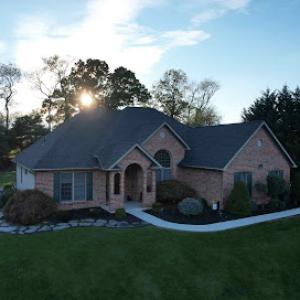
AC Matthews, Roofing & Exteriors
11 W Patrick St, Frederick, Maryland
5.0 from 46 reviews
AC Matthews offers premier residential roofing services in Frederick, MD, including roof repair, roof replacement, and new roof installations. Specializing in metal, synthetic, tile, and shingle roofing, our company also provides thorough roof inspections to ensure your home’s protection. With years of experience in the roofing industry, AC Matthews delivers durable, high-quality roofing solutions tailored to meet the unique needs of homeowners in the Frederick area. Whether you need a minor repair or a complete roof replacement, our skilled team is dedicated to providing exceptional craftsmanship and customer service. Contact AC Matthews today for a free consultation and let us handle your roofing needs with care and professionalism!

Maryland Premier Exteriors
(800) 520-8885 www.mdpremierexteriors.com
5715 Industry Ln Unit 12, Frederick, Maryland
4.9 from 86 reviews
Established in 2009, Maryland Premier Exteriors has provided top quality Roof and Siding repair and replacement including gutters and windows. We also specialize in insurance claim restoration for wind, storm or hail damage. We serve all Residential, Commercial, Multi-Family Properties, Property Management Companies, Facilities Management and Community Associations.
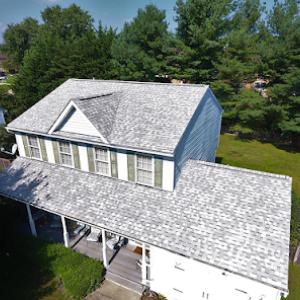
DC Generals
(240) 629-8464 www.dc-generals.com
4580 Mack Ave Ste F, Frederick, Maryland
4.8 from 238 reviews
As a Gerard certified roofing contractor it is our duty to provides superior roofing services while keeping the best interests of your family and home in mind. Our strategically sized operation enables us to give you the personal attention you deserve and the quality workmanship you and your home requires.
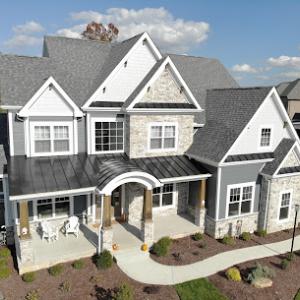
Topper Construction
(301) 874-0220 www.topperconstruction.com
7138 English Muffin Way, Frederick, Maryland
4.7 from 150 reviews
Since our founding in 1988, Topper Construction has grown to become one of the largest roofing and siding contractors in the Mid-Atlantic region. Headquartered in Frederick Maryland, with a satellite office in Pittsburgh, Topper provides a full-range of exterior building and home improvement contracting solutions to homeowners, new home builders, and general contractors. When you choose Topper Construction, you’ll see the benefit of our decades of experience, and our commitment to providing quality work at a competitive price.
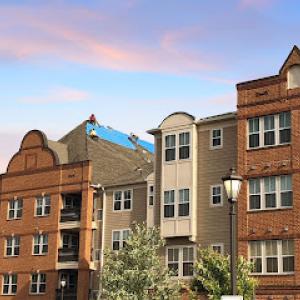
Premier Choice Exteriors
(240) 815-6032 premierchoiceexteriors.com
4580 Mack Ave Suite G, Frederick, Maryland
4.8 from 34 reviews
Premier Choice Exteriors Premier Choice Exteriors has been providing superior services to our customers in Frederick County and all surrounding areas for over a decade. We take pride in our craftsmanship and the services we provide, ensuring that our customers needs are being met at all times, from the start of a project until it is completed
Spring and fall are the two windows that work best for reroof projects in this area. In Frederick, crews avoid the fiercest heat of summer and the slippery, sometimes dangerous conditions that winter tear-offs bring. If you're aiming for a smoother process, plan a project to start when temperatures are moderate and consistent, typically late March through early June or late August through early November. Those periods tend to reduce heat-related handling issues for shingles and underlayment, while still giving crews enough daylight and dry days to stay on schedule.
Winter weather creates a tougher job. The freeze-thaw cycles can impact underlayment adhesion and tear-off conditions, and snow can complicate access and material staging. If a project must occur in the colder months, expect slower progress and more careful planning around snow events and frozen surfaces. In Frederick, the risk isn't just cold; it's how moisture moves through the roof system as temperatures bounce between freezing and thawing. To minimize delays, schedule with a contingency plan for cold snaps and keep a clear pathway for snow removal and safety gear ready on site.
Summer brings high humidity and heat that can affect shingle handling, sealing, and the pace of installation. Asphalt shingles, in particular, can become more pliable and prone to damage if left on roof decks in direct sun for extended periods. Heat can also affect crew safety and overall efficiency. If a summer reroof is unavoidable, start first thing in the morning to beat the peak heat, and ensure shaded work zones, water on site, and frequent breaks. Clear the roof of debris early to prevent heat-attracting dust and leaves from complicating the new layers.
Autumn is a transitional time. Strong winds and falling leaves can expose weak roof areas and create extra wear on underlayment and flashing as the work progresses. Plan for a slightly longer window in the fall to monitor for wind-driven debris and to address any shingles or underlayment that might be more vulnerable as the project nears completion. Have a quick-response plan for wind events and a tarping strategy ready to deploy if a sudden gust season hits the area.
Frequent storm-driven repair demand means you'll want to align timing with expected storm patterns. If a storm rolls through and damages the roof, a temporary leak response plan should be in place and a quick assessment can help determine whether a full reroof is necessary soon after the immediate repairs. In practice, this means coordinating with a trusted contractor to schedule follow-up work within a window where weather is predictable and safe, reducing the chance of weather delays turning a shorten project into a longer one.
Set your start date with a flexible buffer of a week or two to accommodate unplanned weather. Confirm a clear plan for material staging, especially in fall when leaves can complicate the deck and gutter areas. Communicate anticipated wind conditions and arrange for temporary protection of vulnerable attic spaces and interior ceilings if a prolonged project overlaps with a rainier period. Finally, align with a local crew who understands how Frederick's mix of historic and newer homes can influence roof geometry, flashing details, and attic ventilation needs during reroofing.
Frederick's housing stock blends historic neighborhoods where slate remains a practical and cherished option with newer suburbs where asphalt shingles dominate replacement work. The climate-freeze-thaw cycles, humid summers, and spring storms-puts a premium on materials that handle temperature swings while resisting wind-driven moisture. In many older houses, slate or clay tile can still make sense if the roof structure is built to carry the weight and if the labor market can support careful, precise installation and sustained maintenance. For newer residences, asphalt shingles offer reliable protection, broad compatibility with various roof lines, and easier repair paths after a storm.
Asphalt shingles continue to be the backbone of most reroofing projects in this area. They're compatible with varied roof shapes, readily available through local suppliers, and familiar to area contractors who understand Frederick's weather patterns. When storms roll through, asphalt roofs respond well to timely inspections for lifted edges or wind-driven debris. If a roof is nearing the end of its service life or has multiple age-related issues, a straightforward asphalt replacement keeps upkeep predictable and minimizes the risk of leaks in heavy rain or ice events.
Metal roofing is a meaningful local specialty, prized for longevity and resilience in stormy conditions. In the right situation, metal can offer superior wind resistance and a longer service life than traditional shingles, which matters in a climate with potent spring winds. For many homes, however, the market leans toward asphalt due to installation costs, compatibility with typical decking, and easier matching of curb appeal. If a historic home has existing architectural details that suit metal, or if a retrofit aims to maximize long-term protection with a lighter roof load, metal becomes a strong consideration-particularly in modern redraws or sunroom additions where a clean, sleek line complements updated façades.
Tile and slate are present in the Frederick market, but their weight, repair complexity, and specialized labor needs make them a different decision from standard shingle reroofing. Slate and clay tile require structural confirmation for load-carrying capacity, careful handling to prevent breakage, and skilled masons or fabricators for repairs. For homes where the underlying structure supports them, these materials deliver distinctive aesthetics and long life, but they also demand ongoing maintenance and precise matching if a section needs replacement after a storm. If a historic facade depends on period accuracy, slate remains attractive, but the choice should be paired with a realistic plan for restoration work and access to qualified craftsmen.
Synthetic or composite shingles provide a middle ground, offering improved impact resistance and lighter weight than natural tile or slate, while maintaining familiar installation methods. When storm damage occurs, the material choice influences the speed of insurance-related documentation, the ease of temporary tarp solutions, and the availability of compatible replacement components. For homes facing frequent hail or wind events, understanding how a roof material behaves under impact and how it ages with freeze-thaw cycles helps homeowners plan for both immediate repairs and long-term resilience. In all cases, matching fasteners, underlayment compatibility, and ventilation strategy to the chosen material supports a durable, storm-ready roof.
When planning a replacement, you'll want to anchor expectations to the local price bands. Asphalt shingles run roughly 400 to 800 USD per square, metal between 600 and 1500, clay tile from 1200 to 2500, concrete tile 1000 to 1800, synthetic or composite 500 to 1000, and slate 1500 to 3500. These figures reflect a mix of straightforward suburban roofs and the more complex, older-home geometries that often show up near historic cores. Your final number depends on roof size, slope, and the degree of material matching required for a consistent look with the rest of the house.
Costs in town can rise after regional storm events because the local market swells with storm-response work and reroof demand. Scheduling tightens, crews get booked, and expedited timelines can drive up labor, even if material prices stay within the usual ranges. If a weather event hits and you're comparing bids, expect some fluctuation between contractors who can start within a week and those who must push out by several weeks.
Pricing also varies with the mix of straightforward suburban roofs and more complex older homes. Steep pitches require more safety gear and additional setup, which adds labor time. Chimney flashing work, skylights, and the need to match existing materials on a diverse facade can push costs up toward the higher end of the ranges. If your home has decorative features or brick chimneys, plan for extra flashing and integration work that protects against leaks in freeze-thaw cycles.
Begin with a conservative contingency, particularly if a recent storm affected your area. Request itemized quotes that separate roof panels, underlayment, flashing, and disposal. Check whether the bid includes waste removal, debris containment, and startup of the project in a weather window you can control. For each material option, compare not just the upfront price, but the expected lifespan, warranty terms, and the cost to replace or repair any added features (ventilation, skylights, or flashing systems) that influence long-term performance.
In this market, the best move is to align material choice with roof complexity and local storm resilience goals. If your house features a steep pitch or requires precise material matching, you may find that the higher end of the price range delivers better value through fewer leaks and longer service life. For many suburban layouts with moderate slopes, mid-range options like asphalt or synthetic shingles can meet durability needs while keeping a sensible budget.
Get a clear picture of your project costs upfront - no commitment required.
Semper West Roofing
9211 Baltimore Rd, Frederick, Maryland
5.0 from 303 reviews
TEO Roofing
5229 New Design Rd, Frederick, Maryland
4.9 from 283 reviews
Shumaker Roofing Company
(301) 662-0533 www.shumakerroofing.com
26 Water St, Frederick, Maryland
4.9 from 325 reviews
For homes in this area, Frederick County generally requires a building permit for a full reroof rather than treating replacement as permit-free maintenance. Reroof projects have a tangible impact on structural details, attic ventilation, drip edge alignment, and fire-safety clearances, so operating without a permit can invite significant trouble if an inspector uncovers unapproved work later. Even if your contractor suggests a "minor" tweak or quick swap, the county's stance is to treat it as a full reroof when the roof deck is fully replaced or substantial modifications are made. Approvals typically hinge on plans that show underlayment, venting, and flashing details aligned with current code.
Applicants submit reroof permit applications through the county, and inspections are scheduled during construction and again after completion. Your contractor should be able to provide a clear schedule that outlines when framing, underlayment, ventilation, and shingles are installed, and when the final inspection will occur. In practice, inspections during construction verify installation quality as work progresses, while the final inspection confirms that everything is done to code and that the roof system is watertight and properly vented. Delays between steps, weather interruptions, or missed inspection slots can extend the timeframe and complicate the project window, especially after strong seasonal storms.
The local inspection process is intended to verify installation quality and code compliance, so homeowners should confirm who is pulling the permit and who will be present for required inspections. It is common for the licensed contractor to pull the permit, but the county expects a responsible party to be available for each inspection. If the contractor's schedule cannot align with inspection times due to storm forecasts or material deliveries, coordinate a backup attendee who understands the scope of work and the specific inspection criteria. When the inspector arrives, have access to the plan details, roof vent configurations, and any wind-related enhancements required by code. Missing an inspection or having the wrong person present can stall the project and trigger rework or penalties.
Frederick homeowners operate in an active Maryland insurance market, but roof claims after wind or hail are closely reviewed rather than automatically approved. Adjusters look for solid evidence of when the storm hit, what parts of the roof were affected, and whether the installation meets current code and manufacturer requirements before authorizing any scope of work. Relying on a quick letter from a contractor without supporting proof can slow or derail a claim when the adjuster visits the site.
Adjusters commonly request photos, roofing details, and documentation that the installation aligns with code and manufacturer specifications. You should gather detailed images from multiple elevations, close-ups of damaged areas, and a clear record of missing granules or lifted shingles. Photos should show the sequence of the storm event and any temporary measures you took. Keep manufacturer installation guides on hand for reference, and share exact shingle or underlayment models when your claim involves replacements or upgrades.
In Frederick, insurance outcomes are tied not just to visible damage but to how well the homeowner and contractor document storm timing, affected elevations, and temporary mitigation. Note the time and date of the most intense wind or hail, especially if the roof is partially exposed to adjacent high points or overhanging trees. Elevations matter because some roof faces collect more debris or weathering. Temporary mitigation-such as tarping or boarding exposed areas-can influence claim momentum, so document these steps with clear dates and purposes. A careful narrative accompanying photos helps the adjuster understand the sequence of events and the urgency of the response.
Connect with contractors who help homeowners navigate the claims process from damage assessment to final approval.
Semper West Roofing
9211 Baltimore Rd, Frederick, Maryland
5.0 from 303 reviews

Frederick Roof Repair
(301) 788-3061 www.frederickroofrepair.com
514 Lee Pl, Frederick, Maryland
5.0 from 190 reviews
TEO Roofing
5229 New Design Rd, Frederick, Maryland
4.9 from 283 reviews
The Frederick market is dominated by reroofing contractors, so homeowners often compare response speed, cleanup standards, and whether the company can handle insurance paperwork. In many cases, bids come from firms that have built a reputation on storm repair since the area experiences wind-driven damage and seasonal debris. Look for a roofer who can show a solid track record with storm-related work and ongoing communication from the first call through the final walk-through.
Local homeowners value quick response and cleanup included, which matters after storm-driven leaks and debris-producing tear-offs. Ask for a realistic arrival window and a defined cleanup plan: tarp placement to protect interior spaces, daily debris containment, and a final cleanup checklist. Verify who is responsible on-site for daily supervision and for handling sudden weather changes that expose the roof to further damage.
Established, family-owned, and manufacturer-certified firms have a visible presence, but homeowners still need to verify who is supervising the crew and the permit process. Request the on-site supervising supervisor's name and a direct contact number for updates. Confirm that the crew arrives with a dedicated project foreman, not just a general crew lead, so supervision is consistent during tear-off and installation.
Because storm damage often triggers insurance considerations, you want a contractor comfortable with filing and coordinating documentation. Ask for examples of previously submitted insurance paperwork and any accompanying photographs or damage assessment reports. A reliable roofer will provide a cohesive packet that aligns with your insurer's requirements, minimizing delays and miscommunications during the claim process.
Get a clear picture of your project costs upfront - no commitment required.
Semper West Roofing
9211 Baltimore Rd, Frederick, Maryland
5.0 from 303 reviews
TEO Roofing
5229 New Design Rd, Frederick, Maryland
4.9 from 283 reviews
Shumaker Roofing Company
(301) 662-0533 www.shumakerroofing.com
26 Water St, Frederick, Maryland
4.9 from 325 reviews