
Last updated: Apr 19, 2026
Westminster experiences a distinct seasonal rhythm: winter snow and ice stress followed by spring hail and high-wind events. That pattern creates a mix of damage that isn't always obvious at first glance. After a heavy thaw, you can have hidden bruising, micro-cracks, and degraded sealant that quietly invites leaks. When a spring squall roars through, shingles may lift at the tabs or shed granules in sheets, and small gaps around flashing can open up where water will find a way in during every next rain. This isn't a single-event problem; it's a sequence. If you rely on a quick scan after a storm, you'll miss bruising on the shingle underlayers or failed nail fasteners that show up only under pressure from wind and temperature swings. The result is a roof that looks fine from the ground but leaks or delaminates once the next freeze cycle hits or rapid warming expands the shingle bonds.
The inland setting makes wind-driven damage a top driver of claims, but the real risk lives in what you can't see without a closer look. Bruising from hail can travel beneath the surface, weakening shingle integrity and shortening service life long before a conspicuous hole forms. Lifted tabs may sit flush when dry, but once moisture finds those cantankerous gaps, you'll see irregular staining, edge curling, or intermittent leaks along eaves and valleys. Flashing around vents, chimneys, and hips is especially vulnerable after a sprinting wind gusts across open fields or along steep-pitched roofs common in the area. If flashing fails, you won't always hear it-just a slow, steady drip that grows after every rainstorm. The key is to inspect the roof edge, penetrations, and step-flashing at least after every major storm, looking for any misalignment, corrosion, or gaps that could invite water inside the attic.
After a fast-moving thunderstorm or a heavy snowfall melt, attic condensation can reveal a slow leak that you might not notice on the ceiling right away. That is a cue to act quickly: a small leak today can become a costly roof replacement tomorrow if water has already penetrated decking and underlayment. Look for discoloration on interior walls and ceilings, damp insulation, and the telltale odor of hidden moisture. On the exterior, check for granule loss in gutters, dark stained streaks near roof-to-wall junctions, and any irregularity around joints, dormers, or skylights. Because weather-driven roof problems are a primary homeowner concern in this market, timely, targeted inspections by a contractor with storm-damage experience are essential. Do not delay if you spot the first signs of moisture ingress or missing tabs after a wind event.
In this area, the contractor signal mix strongly favors storm damage, emergency repair, and insurance-claims work. When you call for help, expect triage-style responses: immediate tarping to stop leaks, temporary boards for safety, and then a thorough assessment of hail bruising, lifted edges, flashing integrity, and deck condition. Start by documenting every storm impact with dates, photos, and notes about interior moisture or attic warmth. If you see suspicious bulges or soft spots in the decking, treat that as a priority. Insurance documentation matters, so keep repair estimates, records of wind or hail events, and any contractor assessments handy. A fast, coordinated response matters here-especially when multiple storms press through within a few weeks. Your best plan is to have a trusted local contractor on speed-dial who already understands the common failure points on steep-pitch roofs with older shingle stock, common around this market, and who can differentiate between cosmetic wear and genuine storm-caused damage that requires prompt repair to protect the home.
In Westminster, planning your roof estimate starts with the local ranges per square. Asphalt shingles typically run from 350 to 700 per square, metal from 700 to 1300 per square, clay tile from 900 to 1900, concrete tile from 800 to 1700, wood shingles or shakes from 650 to 1200, and synthetic or composite shingles from 650 to 1100 per square. Those figures reflect the inland Piedmont setting, where winter freeze-thaw cycles and spring wind events can push materials and labor needs higher, especially after a storm cluster. When you compare bids, make sure the quote shows the same unit (square) and clearly separates material, underlayment, and any necessary set-up for steep-pitched roofs.
Costs in Westminster can rise after spring storm clusters when demand for re-roofing and emergency work surges across Carroll County and contractor schedules tighten. If a contractor is juggling multiple emergency calls, you may see shorter windows for scheduling and potential premium rush fees. That pattern can also affect material procurement, especially for specialty tiles or long-lead items. If your project is not urgent, you might benefit from waiting for a lull in demand, but beware: a delayed start can push you into the heart of the next storm season. For a pitched roof with multiple layers, the swing in labor availability can translate into noticeable variance in the final cost, even when the base material price stays the same.
Many Westminster homes use pitched residential rooflines where valleys, flashing transitions, chimneys, and ventilation details can materially affect labor cost beyond the base material range. The more complex the roof geometry, the higher the install time and labor factor, especially where old flashing needs replacement or where careful detailing is required at hips and ridges. If a roof has intricate valleys or requires retrofit of ventilation or a ridge vent system, expect those line items to appear as added costs rather than absorbed into the base per-square price. In practice, a simple, straight run with clean edges can stay close to the material range, while a multi-peak, multi-node design with several penetrations will trend toward the higher end or beyond.
If a garage roof or a rarely used wing shares a common wall with the main house, consider coordinating the replacement to reduce mobilization charges. For storm damage that includes wind-driven granule loss or hail dents, some adjustments to the scope may be necessary, and that can shift totals beyond the base material range. Finally, budget a contingency of 5 to 10 percent for unexpected repairs to edge details, chimney flashing, or veneer adjustments-these are common pain points in this area and can swing costs without warning.
The Carroll County Roofing Company
(443) 232-8567 www.ccroofingco.com
60 Aileron Ct Unit 7, Westminster, Maryland
5.0 from 84 reviews
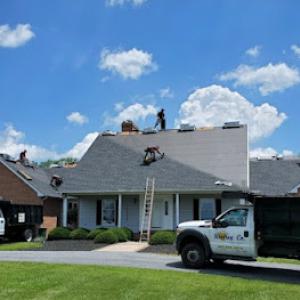
The Carroll County Roofing Company provides asphalt shingle and EDPM roofing in Westminster, MD.
Platinum Exteriors
(443) 536-1779 www.platinumexteriorsmd.com
3132 Old Taneytown Rd, Westminster, Maryland
4.9 from 51 reviews
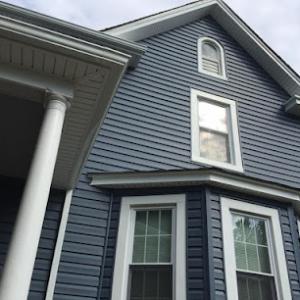
Platinum Exteriors is a local, family-owned Westminster, MD roofing company specializing in roofing, siding, windows and doors. We also build and repair decks, porches, basements and bathrooms, but our primary focus is on your home’s exterior. We’ve been around for more than 15 years, and during that time we were able to build our reputation as reliable home exterior contractors, as well as earn the respect of the community.
Triple R Roofing & Siding
(443) 586-9365 www.tripleroofing.com
1730 Baltimore Blvd, Westminster, Maryland
4.9 from 51 reviews
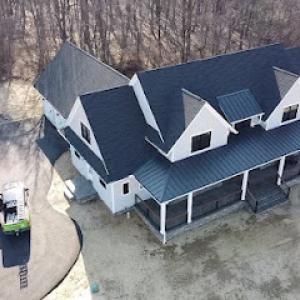
Offering a variety of roofing solutions to fit your needs. As an Atlas Platinum Level roofer, Triple R Roofing is the top Maryland roofing company servicing Westminster, MD. Our contractor services include shingle, metal, flat roofs and rejuvenation.
M. Cimino Contractors
(410) 977-2683 www.mciminocontractors.com
1499 Allen Way, Westminster, Maryland
4.9 from 35 reviews
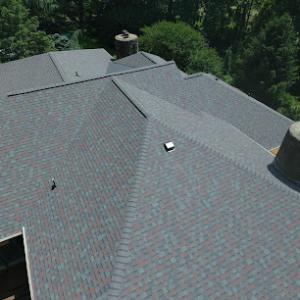
Roofing Contractor 40+ yrs of experience. Roof replacement and all types of roof repairs, flat roof systems, siding and gutters. Call us for your free estimate.We are a GAF certified contractor,We stand by quality first using only premium products. We are licensed, bonded and insured. MHIC#111453
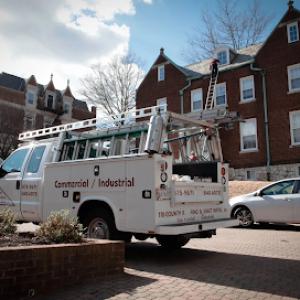
Tri-County Roofing & Sheet Metal
(410) 875-9671 www.tri-countyroofing.com
45 Magna Way, Westminster, Maryland
4.2 from 29 reviews
Tri-County Roofing & Sheet Metal provides commercial and residential roofing services to Westminster, MD, and surrounding areas.
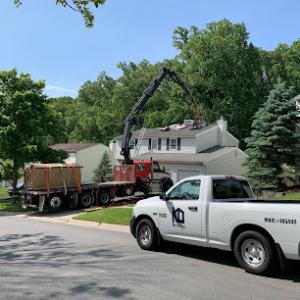
K&D Roofing
(443) 293-7816 kanddroofingmd.com
1837 Ridge Rd, Westminster, Maryland
5.0 from 4 reviews
A family-owned roofing company backed by crews who are true craftsmen of the trade, K&D Roofing is the name to trust for your roofing project – small or large.
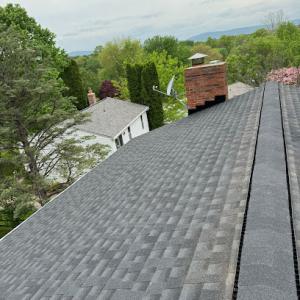
RJF Exteriors
(888) 812-1822 roofnearmellc.com
Serving
4.9 from 49 reviews
Since 2016, RJF Exteriors has been dedicated to serving the community with excellence. As a woman-owned business, they are committed to providing top-notch roofing services with a hassle-free experience from start to finish. Trust RJF Exteriors to expertly handle all your roofing, gutter, siding, and window projects.
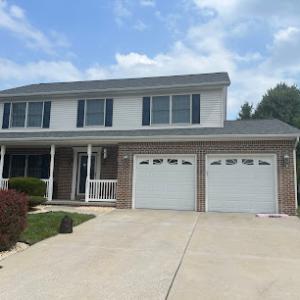
CBS Exteriors
(301) 302-6901 www.cbsexteriors.com
Serving
5.0 from 7 reviews
CBS Exteriors is a Maryland-based roofing company that offers assistance in the navigation of home restoration options through insurance. A small, veteran owned business based out of Hagerstown MD, CBS Exteriors understands the importance of community and we strive to help our neighbors through the many storms that come year after year. We understand how frustrating it is to work with larger corporations who can't dedicate the time and detailed care your home deserves. Save time, money, and a headache when you call us for a free inspection today! We look forward to doing business with you :)
Five K Construction Roofing & Remodeling
(443) 377-6086 fivekconstruction.com
Serving
5.0 from 35 reviews
As a roofing and remodeling company we strive to be above our competitors. We focus on customer commitment, high quality workmanship and, offer the highest quality of products. The reason you can rest assured your job will be done to perfection is because the owner will manage your next project. We have been installing roof replacements and remodeling homes for many years now. Leave your trust in us and get your job done right the first time. No job is complete until the customer is fully satisfied. Our service include but are not limited to Roofing replacements and repairs. Full bathroom renovations and repairs. Full basement completions, whole house painting. All types of interior and exterior repairs.
MPS Roofing
(443) 536-6994 www.mpsroofinginc.com
Serving
5.0 from 17 reviews
MPS Roofing offers exceptional experience in residential roofing, specializing in total roof replacement and leak repairs since 2005. As shingle roofing experts, we try our best to beat all competitors written estimates on full roof replacements - guaranteed! The company owner is on every job to ensure you with quality work, a clean work site, as well as on-time job completion. Our friendly office staff takes pride in communicating with you throughout the entire process and is always available to answer any questions or concerns you may have. Our fast service and budget-friendly prices set us apart from the competition.
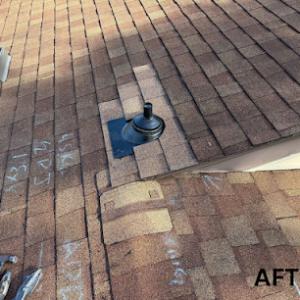
Roof Right
Serving
4.8 from 631 reviews
Roof Right is your trusted local expert for roof replacement and roof leak repairs in Carroll and Baltimore Counties. Family-owned and based in Hampstead, we specialize in helping homeowners in Manchester, Westminster, Finksburg, Reisterstown, Hunt Valley, and Timonium protect their greatest investment. From fixing stubborn leaks to full architectural roof replacements, our team delivers quality craftsmanship backed by local accountability. We also offer expert siding, windows, doors, gutters, and exterior home improvement projects to keep your home’s exterior in peak condition. Experience the peace of mind that comes with a contractor who lives where you do.

Roofing Solution
(717) 524-6644 www.roofingsolutioninfo.com
Serving
5.0 from 293 reviews
Roofing Solution is a roofing contractor that is licensed and insured in Maryland & Pennsylvania. Our company specializes in residential roofing replacements, roof repairs, as well as other exterior home remodeling replacements including siding, gutters and windows,
Asphalt shingles are a dominant choice because they fit the area's mainstream residential housing stock and offer the lowest entry cost among the common materials used locally. For most homes, the familiar 3-tab or architectural profiles strike a balance between curb appeal, durability, and repairability after a rough winter or spring storm. In a place where freeze-thaw cycles and seasonal wind gusts can test roof edges, asphalt shingles provide solid performance with straightforward replacements. You'll notice a wide network of local installers, and compatible underlayment and flashing options are well understood by the average Westminster contractor. If a fast, predictable path back to a watertight roof matters, asphalt remains the most practical first choice.
Metal roofing has a meaningful local presence and is often considered by homeowners looking for better shedding of snow and rain and stronger performance in repeated storm cycles. In our area, metal can help minimize wind-driven moisture intrusion and reduce the risk of fast leaks after hail events. Metal panels or standing-seam systems handle freeze-thaw cycles with resilience, and some profiles offer extended warranties that align with the harsher mid-Atlantic weather patterns seen across the year. If you're weighing long-term resilience and a leaner risk profile for wind-driven debris, metal is worth a careful evaluation. Note that installation details matter: proper sealing, attic ventilation compatibility, and panel alignment become more critical to avoid wind uplift issues on steeper roofs.
Clay tile, concrete tile, wood shakes, and synthetic products exist in the market but are far less prevalent among contractors here, so homeowners considering them should expect a narrower pool of installers and repair specialists. Clay and concrete tiles bring distinctive aesthetics and excellent durability in dry climates, but they can be heavier and more brittle in our freeze-thaw conditions, requiring careful structural assessment and sometimes retrofit of rafter systems. Wood shakes offer classic curb appeal and good performance when properly maintained, yet they demand diligent maintenance to resist moisture absorption, moss, and insect concerns. Synthetic shingles present flexible design options and may mimic the look of wood or tile while offering improved impact resistance and lighter weight, yet the availability of experienced local crews and ongoing repairs can be more limited. If you're drawn to these materials for aesthetic or distinctive performance reasons, expect a tighter installer market and longer lead times for replacements and repairs.
In choosing a roof type, consider how your home's pitch, exposure, and nearby tree coverage interact with Westminster's seasonal weather. A steeper roof sheds water and snow more readily, which can mitigate leakage risk after wind and hail events. If your house has a history of fast leaks during spring storms, prioritizing a material with robust wind uplift resistance and solid flashing detail is wise. The local market's familiarity with asphalt shingle repairs means quick triage and re-roof options are more accessible after a severe event, which matters when access to temporary leak mitigation is critical. For homes with higher exposure or unique architectural features, talking through panel systems, fastening methods, and underlayment choices with a trusted local contractor ensures that the selected roof type blends performance with the character of the neighborhood.
The most popular roofing material in the US. Find pros who install, repair, and replace asphalt shingles.
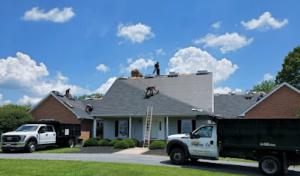
The Carroll County Roofing Company
(443) 232-8567 www.ccroofingco.com
60 Aileron Ct Unit 7, Westminster, Maryland
5.0 from 84 reviews
Triple R Roofing & Siding
(443) 586-9365 www.tripleroofing.com
1730 Baltimore Blvd, Westminster, Maryland
4.9 from 51 reviews
M. Cimino Contractors
(410) 977-2683 www.mciminocontractors.com
1499 Allen Way, Westminster, Maryland
4.9 from 35 reviews
When planning a full roof replacement, the project typically requires a building permit handled through the local building department that serves Carroll County jurisdictional requirements. The process is not something to assume is automatically handled by the contractor. The department expects clear project details - including material types, roof ventilation plan, flashing approach, and replacement schedule - submitted as part of the permit package. In this region, seasonal severe weather and older steep-roof stock mean the permit review often focuses on ensuring venting remains compliant with energy and fire codes and that the proposed shingle or panel system will perform under Westminster's winter freeze-thaw cycles.
Contractors generally submit the permit application and project details, and inspections occur during and after installation to verify venting, flashing, and shingle installation meet code. In practice, this means you should anticipate a sequence: a rough-in or mid-project inspection to confirm venting measures and attic access, followed by a mid-build check on the installed underlayment, flashing around chimneys, valleys, and dormers, and finally a post-installation inspection to verify the completed roof aligns with the permit's scope. Given Carroll County's inland Piedmont setting, inspectors will look for solid, layered flashing around intersections and proper nailing patterns for the chosen material to withstand typical Westminster winds and hail events.
A final inspection is used to close out the permit, so homeowners should confirm the permit was actually pulled and finalized rather than assuming the contractor handled it. Retrieve and review the final inspection sticker or digital clearance record, and store it with property documents. If the permit is not closed, some lenders or insurance providers may request proof of final approval before they consider the project complete. If any discrepancies appear, contact the contractor with the permit number and coordinate a reinspection or correction with the building department to prevent future compliance issues.
Maryland insurers generally still write standard homeowners coverage for roof damage, but Westminster claims are typically evaluated through documented storm loss, roof age, maintenance history, and adjuster review. That means when a storm hits, the first step is to catalog what changed on the roof and what preexisting conditions existed. An adjuster will compare the damage to the policy's scope, but in practice the process hinges on how clearly the event is tied to a weather episode, how well the roof was cared for before the event, and whether signs of wear look like normal aging or accelerated failure from a specific storm. Be prepared to explain gaps in maintenance or prior repairs that might influence settlement decisions.
Because Westminster's common roof losses often come from hail, wind, and winter-related leaks rather than catastrophic coastal flooding, photo documentation of shingles, flashing, interior staining, and weather timing is especially important. A steady sequence of photos helps tell the story: the moment of impact or leak, close-ups of damaged areas, months of water intrusion patterns inside the attic, and a log of when storms occurred. Keep a dated record of maintenance that was performed and by whom, since a history of routine upkeep can support your claim by showing proactive care rather than neglect. If an interior ceiling or wall shows staining after a wind event, note the exact date and the affected rooms, as this can influence whether the loss is treated as sudden damage or gradual wear.
The strong local presence of contractors advertising insurance-claims help suggests many homeowners need guidance on separating legitimate storm damage from age-related wear. In Westminster, it is common to encounter requests to aggressively pursue replacements that aren't fully supported by dated damage. Approach these offers with a careful eye: insist on independent assessments, request written timelines of observed issues, and verify credentials before signing. A reputable contractor familiar with Maryland homeowners policies can help organize evidence, prepare scope statements, and coordinate with the adjuster to ensure the claim reflects the actual storm-driven damage rather than preexisting conditions. If a contractor suggests a rapid, sweeping overhaul, slow down and seek a second opinion to avoid unnecessary or unsupported work.
Connect with contractors who help homeowners navigate the claims process from damage assessment to final approval.
Platinum Exteriors
(443) 536-1779 www.platinumexteriorsmd.com
3132 Old Taneytown Rd, Westminster, Maryland
4.9 from 51 reviews
M. Cimino Contractors
(410) 977-2683 www.mciminocontractors.com
1499 Allen Way, Westminster, Maryland
4.9 from 35 reviews
In Westminster, cold-season cycles hammer flashing, sealants, and shingle edges, especially on roofs that show minor lifting or brittle tabs. When moisture seeps into small gaps and then freezes, that water expands and pries at fasteners, edges, and corners. The result can be micro-cracks in sealants, lifts that advance over the season, and edge tabs that separate enough to catch wind or snow. If a roof already carries small weaknesses, the repeated freeze-thaw action compounds them, turning minor issues into noticeable leaks after a thaw.
Snow load and ice formation in winter expose weak points around penetrations and at roof-to-wall transitions before spring storm season begins. Valleys, ridges, vent pipes, and around chimney flashing are typical trouble zones. When ice dams form, meltwater can be forced under shingles and flashing, especially where edges are stiff or curling has occurred. Westminster homes with older steep roofs feel the effect more acutely, because water has less ramp to run off cleanly and more opportunity to seek new paths through minor stress points. Failing or inadequately sealed vent areas can become conduits for leaks even before a visible drip appears indoors.
Because local inspections for replacement work verify venting details, ventilation is not just a comfort issue in Westminster but part of code-compliant roof performance. Poor or blocked attic venting lets warm air accumulate, accelerating ice formation near ridges and around penetrations. Ensure soffit, ridge, and eave vents are clear and that soffit baffles remain intact. Proper ventilation helps control condensation, reduces long-term deck rot, and keeps sealants from failing prematurely in our winter climate.
Inspect flashing at joints and around penetrations after freezes. Look for lifting shingles or brittle tabs, and test flashings for tight seams after a thaw. If you notice ice dam buildup or water stains that persist into March, plan a careful professional assessment-the goal is to catch hidden wind and hail loss early and prevent leaks that worsen with spring storms.
Skylight-related work shows meaningful local contractor prevalence in Westminster, making these openings a notable leak and repair category rather than a fringe specialty. In homes with a skylight array or occasional glass well, flashing sits as the first line of defense against wind-driven rain and thaw-freeze cycles. The typical failure isn't the glass cracking as much as the seal around the curb, the flashing kick-out, and the surrounding shingles lifting due to seasonal wind gusts. When a storm hits, that combination often becomes the culprit behind unexpected interior moisture.
In a typical Westminster roof, skylight flashing sits where a curb or deck meets the roof plane. The step-by-step check starts with the curb sealant and the continuous metal flashing that runs up the sides. If any continuity is missing between the flashing and the shingle line, or if the sealant has dried out, leaks may travel a long way before dripping inside. Look for lifted shingles at the skylight edge, pooled water around the curb, and moss or algae buildup that hides small gaps. A local contractor will often reflash with a reinforced flap that ties into neighboring shingles to reduce wind uplift.
Chimney intersections are a visible part of the local contractor mix, which matters because flashing at masonry transitions is a common weak point during wind-driven rain and winter freeze cycles. Inspect the chimney crown, parapet margins, and the metal step flashing that turns up and over into the masonry joints. Cracked mortar, missing mortar, or displaced flashing can channel moisture downward along the brick and into the roof deck. A careful reseal or reflash, with proper counter-flashing where the chimney meets the roof, is commonly needed after severe weather.
On homes with multiple penetrations and transitions, leak diagnosis often depends more on flashing condition than on field shingles alone. If water shows up away from the obvious entry points, check the shared flashing lines where bricks, vents, and skylights intersect. Small gaps between flashing layers or deteriorated sealants often signal the path of least resistance for leaks. A methodical trace-from the attic to each roof seam-helps pinpoint the weak link and guides targeted repairs rather than full-replacement work.
Find contractors experienced in skylight installation, flashing, and leak repairs to bring natural light into your home.
The Carroll County Roofing Company
(443) 232-8567 www.ccroofingco.com
60 Aileron Ct Unit 7, Westminster, Maryland
5.0 from 84 reviews
Triple R Roofing & Siding
(443) 586-9365 www.tripleroofing.com
1730 Baltimore Blvd, Westminster, Maryland
4.9 from 51 reviews
M. Cimino Contractors
(410) 977-2683 www.mciminocontractors.com
1499 Allen Way, Westminster, Maryland
4.9 from 35 reviews
Flat-roof specialization exists in Westminster but is clearly secondary to the pitched residential re-roofing market, suggesting it is most relevant for additions, porches, and select commercial or mixed-use structures. For homeowners, that means you'll often encounter flat or low-slope sections tucked behind the main gable or tucked under a rear addition. The practical takeaway is to respect the flat roof as a distinct system that needs its own maintenance rhythm, even when your house already has a steep shingle roof dominating the visuals.
In the mixed climate of Carroll County, low-slope sections are more prone to standing water after heavy rain or snow, membrane stress from temperature swings, and slow leak development. Westminster winters can push water into seams and edge details, while spring wind and hail can aggravate vulnerable joints. A flat roof that isn't draining well becomes a quiet source of trouble, especially when the rear addition sits flush against a taller main roof. Regular checks after storms help catch issues before they seep into living spaces.
Homeowners with both a main shingle roof and a low-slope rear section should treat them as different systems with different maintenance and replacement timelines. Schedule targeted inspections for the flat section at least twice a year, plus after any heavy rain, freeze-thaw cycle, or hail event. Pay attention to flashing transitions, parapet terminations, and drain headers. Sealant and membrane edges can degrade faster in Westminster's exposure, so proactive resealing and compatible flashing upgrades are practical safeguards. For aging flat sections, plan a professional evaluation to confirm membrane condition, insulation, and deck integrity before minor leaks become costly repairs.
Prioritize clear drainage paths and ensure the low-slope area has an adequate slope to directs water toward scuppers or gutters. Use edge closures and counter-flashing that match the roof's membrane type, and keep an eye on any signs of pooled water that persists after rain. When hiring help, look for local contractors with flat-roof experience on additions or porch enclosures, and ask about recent inspections after winter storms. Treat the flat section as its own system, coordinated with the main roof, for the longest-lasting performance.
Find specialists in TPO, EPDM, and built-up flat roofing systems for residential and commercial properties.
The Carroll County Roofing Company
(443) 232-8567 www.ccroofingco.com
60 Aileron Ct Unit 7, Westminster, Maryland
5.0 from 84 reviews
Triple R Roofing & Siding
(443) 586-9365 www.tripleroofing.com
1730 Baltimore Blvd, Westminster, Maryland
4.9 from 51 reviews
M. Cimino Contractors
(410) 977-2683 www.mciminocontractors.com
1499 Allen Way, Westminster, Maryland
4.9 from 35 reviews
The local market is heavily weighted toward re-roofing, so seek crews with proven replacement, tear-off, and weather-damage experience. A roofer who regularly handles steep pitches, older ridge lines, and overhangs typical of Carroll County housing is more likely to spot hidden trouble and manage a full roof recovery without surprises.
Quick response after a severe event and a clean, organized job site are unusually prominent signals here. Ask how fast the crew can reach your home after a storm, what their on-site cleanup plan looks like, and how they contain debris to minimize yard cleanup for neighboring properties. Fast leak response protects your interior and helps reduce damage spread.
A meaningful share of area contractors are long-established or family-owned, so reputation and follow-through after installation matter as much as initial price. Check how many years the company has served this market, and contact neighbors or past clients about reliability, warranty support, and post-installation service.
Request references from recent storm work and confirm their tear-off procedures, waste disposal, and how they address any hidden damage found under underlayment or around flashing. A responsible crew will document findings and present a written plan with a clear sequence from tear-off to final inspection.
The crew should walk the roof with you, noting wind and hail impact on fasteners, flashing, vent sleeves, and drip edges. Expect a written scope that outlines the work, sequence, and any temporary repairs needed to protect the home until completion.
Require containment measures, tarps, and a plan to minimize debris spread. Confirm notification steps for adjacent properties and a defined cleanup schedule that avoids lingering waste in yards and driveways after storms.
Choose a local crew with steady presence in the area, strong storm-repair experience, and a warranty backed by ongoing support. Ensure plans align with your schedule, weather windows, and coordination with any insurance process you pursue.