
Last updated: Apr 19, 2026
Bellefonte has a large concentration of older homes in and around the borough core, many with steep rooflines, dormers, chimneys, and flashing-heavy details that are more vulnerable during repeated winter freeze-thaw cycles. In the Spring Creek valley, cold-season moisture and regular precipitation keep roof surfaces wet longer than on ridges that catch more sun. That combination means the most fragile parts of a roof are the places where water tends to collect or be forced through gaps: the chimney flashing, valleys, eaves, and penetrations where pipes or vents pass through the roof. The characteristic steep profiles and historic workmanship you see on many Bellefonte homes amplify these weaknesses when moisture gets trapped and then freezes.
During winter and early spring, failures tend to reveal themselves first along flashing and transitions rather than across broad shingle fields. When snow and melt linger in shaded sections or near dormers, you'll often find tiny ice dams forming near eaves, slow drainage at valleys, or damp felt at chimney connections. Look for small, dark stains on interior ceilings beneath flashing or leaks that appear after a series of thaws followed by cold nights. With older roofs, the problem is less a single large breach and more a cascade: a small crack here feeds a larger leak there as freeze-thaw cycles repeat.
Start with a targeted exterior inspection focusing on critical joints: chimney-to-roof flashing, valley intersections, and eave lines. Check for lifting or missing flashing on chimneys and near dormers, and inspect the joints where vent pipes penetrate the roof. From the attic, look for damp insulation or water staining along ridges or near penetrations, which signals hidden intrusion even when shingles appear intact. Clean out gutters and ensure downspouts direct meltwater away from fascia and soffits to reduce ice dam formation. If you notice any loose, lifted, or cracked flashing, get it secured or replaced before a warming trend melts snow and refreezes it into harder ice.
When repairs are needed, prioritize sealing the most vulnerable transitions first: chimney flashing and valley intersections. In Bellefonte's historic stock, preserve the look by choosing materials and profiles that match the existing detailing while upgrading sealants and fasteners to modern, weather-resilient options. For steep roofs, employ fall-protection and safe access during maintenance to prevent injury and ensure thorough, careful work around dormers and chimneys. If a full replacement becomes unavoidable, consider a roof system that respects the roof's historic character but improves freeze-thaw resilience at critical points, rather than a wholesale field replacement that leaves flashing details unchanged.
Bellefonte's historic residential architecture sits in a climate that tests roofs through winter freeze-thaw cycles. Steep pitches, intricate ridges, and ornamented eaves on older Victorian and traditional homes demand a material that can endure temperature swings without cracking or lifting. The borough's preservation-sensitive streetscapes mean that a roof isn't just weatherproof; it's a visual element that needs to harmonize with wood cornices, decorative shingles, and the texture of aged façades. When choosing a material, think about how the color, dimensionality, and shadow line will interact with existing details like parapets, dormers, and eyebrow windows. The goal in Bellefonte is to balance modern performance with a look that respects the historic fabric.
Synthetic or composite shingles offer endurance with a flexible, low-maintenance option that can imitate the appearance of wood or slate without the same weight or upkeep. In a borough with tight lots and older framing, a lighter synthetic system can reduce moment on peak rafters while still delivering a clean, uniform surface that reads as a traditional shingle from the street. Metal roofing is another practical choice for longevity and freeze-thaw resilience. When chosen in a low-profile, conventional seam style or a color that reads as an old-world metal roof, metal can blend with copper-toned finishes or dark patinas found on historic homes. Metal's reflective properties may help manage glare on shadowed elevations but should be selected with attention to the visual cadence of dormers and cornices.
Wood-look products provide a direct link to Bellefonte's timbered history without requiring the ongoing upkeep of real wood shingles. If you want the texture of wood with improved fire resistance and less seasonal cupping, look for high-quality engineered options that mimic cedar shakes or shingles while offering better dimensional stability in freeze-thaw cycles. Tile-look systems, including concrete or clay alternatives, can be appropriate on select steep-roof Victorians with generous eave lines or when the detailing supports a tile silhouette. A tile-look regime can be visually heavier, so it must be weighed against the roof's framing capacity and the broader streetscape's scale.
Older Bellefonte homes often feature complex roof geometry: multiple hips, steep pitches, eyebrow dormers, and narrow valleys. Heavier, stiffer systems can interact with existing framing in ways that require extra reinforcement or careful detailing at rake edges and valley joints. Before selecting a material, map the roof geometry with your contractor, noting where penetrations occur for chimneys, vents, and skylights. Ensure that valley protections and flashing transitions are designed to accommodate potential ice damming in winter, especially along longer eaves and in shadowed sections that stay cold longer. For difficult transitions, a mid-slope panel or shingle pattern that respects the original line work can help maintain a coherent streetscape while delivering reliable performance.
The visual finish should respect the color and scale of neighboring heritage properties. If the house features a wood epigraph or decorative vergeboards, choose a material with a similar shadow line and texture at the eaves. When selecting a finish color, test swatches against the aged trim and siding to ensure the roof reads as a cohesive element rather than a contrasting block. Remember that some synthetic or metal options are offered in textures that approximate slate or wood; use samples on a small, inconspicuous area first to confirm depth and reflection under Bellefonte's winter light. In sum, choose a material that honors the roof's silhouette and the street's historic rhythm while delivering reliable freeze-thaw resilience.
In this valley corridor, Bellefonte homeowners routinely contend with spring storms, hail, and high winds that can ding shingles without triggering the dramatic, coast-style catastrophes you might hear about elsewhere. Shingles take hits from hail and from wind-driven debris like loose branches or projecting chimney caps. The result isn't always a dramatic blowout; it's more often a subtle yet cumulative weakening-lifted tabs, granular loss, and micro-cracks that accelerate aging. The pattern is slow erosion: a few shingles each season, a higher chance of intermittent leaks after freeze-thaw cycles, and a growing need for careful, staged repairs rather than a single dramatic fix. Awareness of these local patterns helps you spot trouble before it becomes a cascade.
Autumn in Bellefonte brings mature trees and densely stacked neighborhoods, where leaf drop becomes more than a nuisance. Leaves clog gutters and downspouts, which traps moisture at eaves and valleys. When moisture sits, it seeps into vulnerable joints or under shingles, especially where roofs have steeper pitches. If gutters aren't routinely cleared, the added weight and water backing up along the eave line can lead to ice dam formation in late winter-a consequence that damages the edge of shingles and creates slow leaks into attic spaces. The practical reality is seasonal housekeeping: clear gutters, inspect valley flashings, and watch for small areas where water pools at the eave line after a rain.
Summer humidity in central Pennsylvania compounds the aging of asphalt shingles after a harsh winter. Heat buildup in the attic accelerates wear: curled tabs, accelerated granule loss, and faster drying of underlayment. A hot attic can also magnify minor air leaks, allowing warm, moist air to press against cooler roof interfaces and precipitate condensation issues that you'll notice as staining or mildew on interior ceilings. Ventilation matters more than you might expect in a climate where humidity swings are common. If the attic feels uncomfortably warm or if you notice recurring condensation on rafters, it's a sign to evaluate soffit intake, ridge vent performance, and overall airflow.
Keep a close eye on lifted tabs after windy events, and note any discoloration or dark streaks that indicate moisture penetration. After storms, inspect around skylights, chimneys, and vent penetrations for small gaps that could become leaks. In autumn, commit to a routine gutter and valley cleaning schedule, particularly where aging neighborhoods with mature trees intersect with older roof lines. In summer, run a quick attic check mid-season: ensure soffit vents are clear, rafters aren't masking insulation, and the roof deck isn't showing signs of heat-related stress. These targeted checks reflect the real weather rhythms and housing stock you've got in this area.

Roofing King
(814) 813-2449 thekingofroofs.com
215 Kenlee Dr Suite 1, Bellefonte, Pennsylvania
4.9 from 109 reviews
Roofing King in Pennsylvania specializes in residential roofing services, including storm damage restoration and gutter service. As a veteran-owned business, we are dedicated to serving our community with integrity. Benefit from no interest financing and no payments for up to 12 months, plus free roof inspections and estimates. We also offer 24/7 emergency services for your peace of mind. Based in Bellefonte, we’re your trusted local roofing partner, providing reliable warranties for lasting protection. Choose Roofing King for dependable residential roofing solutions in Pennsylvania.
JB Roofing
(814) 231-2824 www.jb-roofing.net
3256 Zion Rd, Bellefonte, Pennsylvania
3.9 from 26 reviews
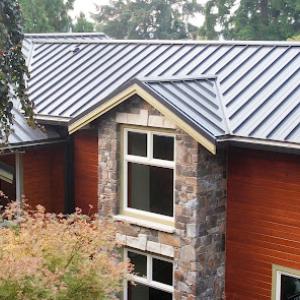
JB Roofing we have proudly been serving Centre County Since 1948. We are you local Owens Corning preferred contractor Call us for all your roofing, siding, soffit, fascia, seamless gutters and gutter covers needs.
ROOFX Roofing
Serving
5.0 from 175 reviews
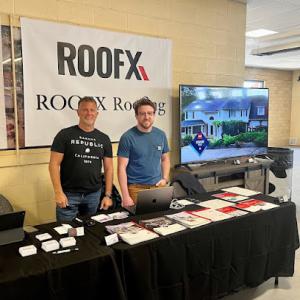
Best Roofing Companies State College PA, ROOFX Roofing is the foremost roofing contractor in State College, PA. As your trusted partner in elevating the protection and aesthetic appeal of your home, we bring unparalleled expertise and a commitment to excellence. Our highly skilled and certified professionals specialize in a comprehensive range of services, from roof replacements and repairs to cutting-edge vinyl and James Hardie siding installations as well as seamless gutter installations. RoofX stands out as the go-to choice for transforming your roofing, siding, and guttering experience into a seamless journey of durability and beauty. Contact us today!
Buccos Roofing
(814) 801-3876 www.buccosroofing.com
Serving
5.0 from 10 reviews
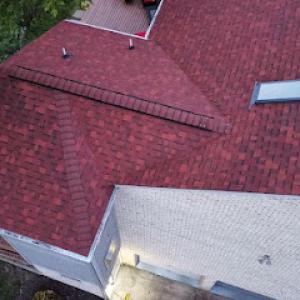
Buccos Roofing was founded in 2012 by Dan Easton, Mark Easton and Ernie Comfort. Together, the three Peters Township natives set out to serve the greater Pittsburgh community and never looked back. What once was a three-man, one truck crew, working out of a garage, is now an enterprise spanning the greater Pittsburgh area. They attribute their success to hard work, good friends, and family. Today, Buccos Roofing is home to over 25 roofing contractors and additional staff. Together, our team of experts work hard to provide our customers with the best roofing and exterior renovation experience possible. Our mission is to deliver reliable and enjoyable services to each of our clients, prioritizing their needs first.
Little Ridge Roofing
(814) 357-5629 littleridgeroofing.com
Serving
5.0 from 59 reviews
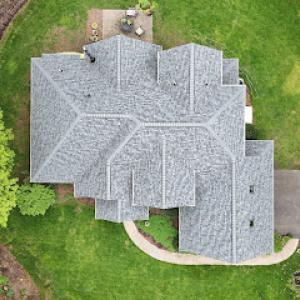
Professional Amish Roofing contractor operating out of Bellefonte but serving surrounding communities. We are available for both commercial and residential jobs so be sure to call us for your roofing needs.
RH Marcon
(814) 238-2800 www.rhmarcon.com
Serving
4.4 from 16 reviews
Experience and innovation. That’s what you will get when R.H. Marcon, Inc. handles your roofing project. For more than 35 years we’ve been one of Central Pennsylvania’s top roofing contractors. We combine our wealth of experience with the latest roofing techniques to install the perfect roof for your project, from traditional built-up roofs to sustainable, “green” roof systems for LEED certification.
Starway Roof Systems
(814) 680-3788 starwayroofing.com
Serving
5.0 from 461 reviews
Starway Roof Systems, established in 2016, is an expert in providing a comprehensive range of roofing services for homes in State College, PA & Lock Haven, PA and across Central PA. They are dedicated to offering customized solutions for all roofing needs, from identifying problems and recommending the perfect solution to the installation and maintenance of roofs, gutters, siding, and skylights. With their commitment to customer satisfaction and a team of experienced professionals, Starway Roof Systems ensures the long-term safety and security of your home's most crucial protective feature – your roof.
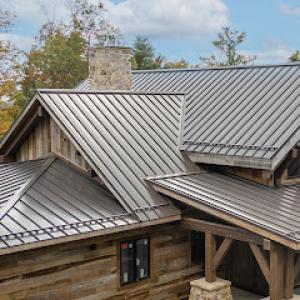
Midtech Standing Seam
(814) 644-4091 www.midtechstandingseam.com
Serving
5.0 from 71 reviews
Midtech Standing Seam, an Amish-owned roofing contractor, is redefining homes throughout State College, Pennsylvania. Specializing in the enduring beauty and exceptional quality of standing seam metal roofing, they elevate your property's curb appeal. More than just a roof, it's a lasting visual statement backed by a commitment to excellence. Experience the peace of mind that comes with a lifetime workmanship guarantee and impressive paint durability warranties. Discover how Midtech Standing Seam can transform your home.
Money Savers Construction
(570) 535-2850 moneysaversconstruction.com
Serving
4.2 from 13 reviews
Money Saver Construction provides metal, shingle, and rubber roofing as well as gutters to the Boalsburg, PA, area.
J B Roofing
Serving
3.0 from 11 reviews
We are a general contractor offering roofing services that include: lifetime architectural shingles, 40-year metal, and 20-year rubber roofing. J.B. Roofing also has seamless gutters, siding, soffit, fascia, and shutters in a variety of 40 colors. We provide lifetime warranties on all our shingled roofs, seamless gutters, and soffit and fascia work. We depend on tried and true materials from suppliers like GAF, Certainteed, and Owens Corning, so you can, too!

Rockyridge Roofing & Construction
Serving
5.0 from 1 review
Family owned and operated, serving the local Centre, Clinton counties and surrounding areas. We offer a variety of choices for your new roof ... shingle or metal in a variety of color choices. Ask about our fantastic installation warranty !
Baver's Roofing & Remodeling
Serving
1.2 from 5 reviews
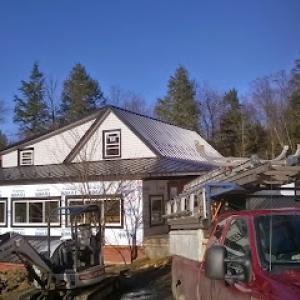
Baver’s Roofing and Remodeling provides quality roofing and renovation services throughout New Ringgold, offering homeowners dependable craftsmanship and long-lasting results. From roof installations and replacements to siding, windows, and doors, their experienced team handles each project with care and precision. Whether improving energy efficiency, repairing storm damage, or completing full home upgrades, Baver’s Roofing and Remodeling ensures every detail is built to last.
Using the provided local ranges, Bellefonte roof costs run about $350 to $700 per square for asphalt shingles, $700 to $1200 for metal, $900 to $1800 for clay tile, $800 to $1500 for concrete tile, $600 to $1100 for wood shingles or shakes, and $550 to $1000 for synthetic or composite shingles. These figures reflect the mix of aging borough homes with steep pitches, dormers, and chimneys that push labor time higher than simple suburban roof planes. When planning, target the middle of the range for a realistic project budget on a typical steep roof.
Costs in Bellefonte often rise on older borough homes because steep pitches, dormers, chimneys, valleys, and layered tear-offs increase labor time compared with simpler suburban roof planes. That means a straightforward rafter-to-peak replacement is usually outpaced by the need to navigate chimneys, vent stacks, and multiple roof planes. Expect longer installation calendars and more safety measures on historic structures, which feed into both material waste and crew hours. If you have a steep main ridge plus several dormers, think toward the upper end of the listed ranges for accurate forecasting.
Project timing can affect pricing locally because spring storm damage and the preferred replacement window from spring through early fall can tighten contractor schedules in and around Bellefonte. In practice, a rainy spring or a high-volume storm season can push crews to bid later in the season, and a tight window may reduce negotiating leverage. If your roof is nearing the end of its life and you face a choice between waiting for a calmer season or tackling repairs with a tight crew, weigh the risk of weather-induced delays against any potential price shifts. For older homes with complex assemblies, aiming for mid-spring or early fall starts often balances weather risk with schedule availability, helping to keep costs closer to the anticipated ranges rather than last-minute surcharges.
A full roof replacement on older, steep-roof homes in this historic borough often triggers a permit, and the application is typically filed with the local building department rather than handled solely at the county level. This means the contractor you hire should be familiar with the Bellefonte process and prepared to coordinate the paperwork early in the project. Since many homes in the area mix preservation guidelines with modern code requirements, the permit review can include questions about venting, attic access, insulation, and flashing details that support long-term performance in our winter freeze-thaw cycle.
The local process commonly includes inspections after roof removal and again after installation. The removal inspection checks that old materials are cleared away safely, that there is proper sheathing condition, and that any sheathing damage or rot is addressed before new materials go on. The post-installation inspection focuses on code compliance for ventilation, flashing around chimneys and skylights, and the overall installation quality of the new roof. Because Bellefonte sits in a climate with pronounced freeze-thaw stress, accurate venting and attic sealing are commonly scrutinized to prevent moisture buildup and ice dam risk in cul-de-sac and historic borough homes alike.
Code compliance is a broad umbrella in this area, covering not only the structural integrity of the roof but also how penetrations, venting, underlayment, and drip edges are installed. In single-family homes with steep pitches, the inspector will pay particular attention to proper vent distribution in attics and the adequacy of soffit and ridge vents for continuous airflow. If your home carries historic preservation considerations, be prepared for potential additional review on details such as hidden fasteners or material choices that align with preservation standards while still meeting current code.
Fees and exact procedural steps can vary in Bellefonte by project size and municipal interpretation, so homeowners should confirm whether the contractor is pulling the permit and scheduling both inspections. It helps if the project lead communicates with the building department early to confirm any required details specific to your property's age, roof pitch, and dormer configurations. If you own a home with mixed materials or a history of previous repairs, request a pre-inspection discussion with the roofer and the inspector to outline expectations around ventilation, flashing, and attachment methods. With older stock and seasonal weather transitions, timely scheduling of inspections minimizes exposure to weather and ensures the project proceeds in a manner that aligns with local standards and neighborhood character.
In this historic borough, most roof claims follow standard Pennsylvania documentation expectations. Prepare dated photos that show the roof's condition before and after events, the roof age, and clear evidence of shingle wear or damage. Insurers expect a straightforward narrative tying the damage to a tangible event or to ongoing deterioration, so keep a simple chronology: when the problem started, what storms or freeze-thaw cycles occurred, and how the roof appeared between those intervals. Provide measurements or notes on visible signs of granule loss, curling, or exposed underlayment where safe to capture.
Because damage is often tied to hail, wind, and freeze-thaw deterioration rather than a single catastrophic incident, insurers may scrutinize whether what happened qualifies as a sudden storm loss or is the result of long-term exposure. In Bellefonte, the steep roofs and winter cycles magnify this distinction. To support a claim, document any recent weather that could be tied to damage and contrast it with the roof's age and typical wear patterns for the underlying materials. Your file should convey a logical link between a specific event and the observed deterioration, without implying a misrepresentation of gradual aging.
Some Pennsylvania carriers have tightened underwriting on higher-risk homes or properties with prior claims. That matters in this climate where older housing stock already presents age-related roofing concerns. When preparing a claim, include a concise history of prior repairs, the roof's current condition relative to its known age, and any ongoing maintenance that helps illustrate responsible ownership. Clear, organized evidence reduces interpretation risk for the claims adjuster and helps establish whether the loss is a result of a newer event or enduring wear.
For Bellefonte homeowners, the window choice should address the town's bend toward freeze-thaw cycles, older steep-roof houses, and preservation-sensitive streets. The best time to plan a substantial window retrofit is during the spring through early fall, when temperatures are moderate and conditions are typically more predictable for sealant cure and flashing integration. Early spring can still reveal hidden winter damage, so many homeowners discover the need for replacement just as contractor demand begins to rise. In late fall, shorter daylight and lingering leaves can complicate measurements and installations; timing matters to avoid rushed jobs that leave small gaps or improper drainage around the exterior trim. When selecting windows, prioritize assemblies with insulated frames and glazing that resist condensation and ice buildup. For historic or preservation-sensitive exteriors, opt for profiles that mimic original sightlines and maintain the curb appeal of steep-roof homes without sacrificing modern performance.
In this climate, you want a window package that minimizes heat loss but remains resilient to repeated freeze-thaw cycles around sills and jambs. Vinyl can offer good insulation at a reasonable price, but extruded aluminum and composite frames perform better in mid-winter temperature swings if properly flashed. Double or triple glazing with low-emissivity coatings helps reduce interior condensation on deep-bay or dormer windows commonly found on Bellefonte's historic homes. Pay attention to gasket durability and a weather-sealed periphery; aging seals are a frequent entry point for moisture that compromises sills after harsh winters.
Coordinate replacements to occur when the exterior envelope can be kept dry and debris-free. Early-morning installations in spring reduce heat gain during the frame-setting phase and help the sealants cure before the next cold snap. Ensure flashing around brick and fieldstone accents is compatible with historic masonry without damaging decorative details. For homes with steep or complex rooflines, plan staggered windows to reduce labor risk and protect interior finishes during removal and reinstallation. Finally, verify that contractors provide a thorough drip-edge and sill flashing solution that accommodates seasonal meltwater and prevents ice dam pressure from creeping under the new units.