
Last updated: Apr 19, 2026
Winter in this area delivers cold snaps that push water into tiny shingle gaps, around flashing, and through fasteners. When temperatures swing from below freezing to above, that water refreezes and expands, widening those microscopic flaws into real leaks. In many neighborhoods, roofs that looked solid last fall suddenly show moisture in the attic or dark stains along joists after a thaw. If you notice curling edges on shingles, loose or missing granules, or a musty smell indoors after a bright morning thaw, treat it as an active warning sign. In Lebanon, this process is accelerated by older mixed housing stock where roof penetrations-vent pipes, skylights, and chimney flashing-tend to have settled or deteriorated over time.
As winter loosens its grip, the spring melt brings new water intrusion if minor flaws exist. Then spring hail and storm activity often turns aging issues into insurance-driven decisions. A small crack in a shingle or a marginal sealant bead can become a full-on leak after a severe hail event or a gusty thunderstorm. Because of the local mix of aging asphalt, tile, and metal roofs, Lebanon homeowners should plan for an inspection window after the last heavy snow and again after the first big spring storm. If an inspector flags widespread loss of granules, lifted shingles, or compromised flashing, treat those findings as urgent triggers for replacement planning, not deferred maintenance.
Warm, humid summers affect how fast crews can work and how well new sealants cure. In Lebanon, extreme heat and humidity can slow material acclimation, primer adhesion, and membrane setting. When planning replacement, aim to complete the project before the peak heat of July and August, but not at the expense of rushing critical sealants that need proper cure times. If a roof must be replaced in the heart of summer, schedule a staged approach: damage assessment and deck prep first, then membrane or underlayment, with the final shingle or panel installation timed for cooler hours of the day. This helps ensure long-term performance and reduces the risk of future leaks from imperfect seals.
In this climate, a conservative rule is to address compromised areas before the next freeze. If winter weather is on the horizon and a roof shows multiple signs of aging-soft spots, widespread flashing corrosion, or any active leaks-act decisively. Waiting for the perfect dry spell or for storm season to pass increases exposure to both freeze-thaw damage and hail-driven buyer urgency. Prioritize roofs with visible internal moisture, high wind-driven shingle loss, or repeated hail impacts, especially on steeper pitches where drainage is less forgiving.
Schedule a professional inspection after a significant thaw and again after the first spring storm. Request a specific focus on flashing integrity, fastener security, and shingle edge lift. If replacement is advised, coordinate a plan that minimizes time at risk during the cold months and avoids peak summer heat stress. In Lebanon, timely action during the transition from winter to spring can prevent widespread interior damage and contain costly repairs down the line.
In Lebanon, PA, wind and hail events tend to trigger conversations about replacing the whole roof rather than patching a few shingles. Steep residential roofs common in older mixed housing stock are especially vulnerable to storm-driven damage that escapes casual inspection. When a claim is opened after a hailstorm or a high-wind event, the adjuster often looks at the roof's overall condition and durability, not just the visible damage. That dynamic means you may move from a quick repair discussion to a full replacement conversation after a single storm, even if a small area looks superficially intact. Expect the insurer to assess roof age, prior wear, and the roof's ability to withstand future weather cycles as part of the settlement decision.
Because insurers serving Pennsylvania may request documentation of prior roof condition, maintaining a robust photo log is essential. Start with recent, date-stamped images of all major roof planes, hips, ridges, and any attic or ceiling signs of leaks. If a prior storm left you with minor issues, keep those records too, so the carrier sees a baseline. After a storm, arrange a prompt, thorough inspection by a trusted local roofer who understands Lebanon's climate and typical attic condensation patterns. Ask for a written assessment that notes shingle granule loss, lifting, curling, and moisture intrusion in visible attack zones such as valleys and along eaves. Present these findings to your insurer with clear timestamps and the professional's contact information. The combination of pre-storm imagery and timely post-storm documentation can shape whether an insurer approves a repair, a replacement, or a settlement that aligns with the roof's true condition.
State-wide underwriting and claim-timeline pressures can affect how quickly Lebanon homeowners receive decisions, supplements, or settlement updates after storm losses. It is common for adjusters to request supplemental information as they refine damage estimates, which can lead to multiple rounds of correspondence. When this happens, keep a steady line of communication with the insurer and the contractor. Request written timelines for each stage: initial assessment, supplemental review, and final settlement. If the process stalls during winter months or peak storm seasons, document every contact attempt and store incoming documents in a shared folder you can reference later. Understanding that the timeline can spike around severe weather helps you set realistic expectations with family members and neighbors who are watching the roof's performance through freeze-thaw cycles and wind-driven events.
On the practical side, schedule post-storm inspections promptly, preferably within a few days of the event, to capture fresh evidence before weathered roof surfaces change. Prioritize storms with hail or high wind, which tend to produce the clearest trigger for full-roof replacement discussions in this market. When meeting with the insurer, bring a complete photo log, the roofing contractor's written assessment, and a list of any prior roof concerns. For the contractor, provide documentation that supports a replacement decision-such as shingle blow-off, sustained underlayment exposure, or widespread granule loss-so the claim can reflect current and anticipated performance. In this county, the conversation after a storm is often shaped by the roof's resilience across freeze-thaw cycles, making timely inspection and precise documentation essential for a fair resolution.
Connect with contractors who help homeowners navigate the claims process from damage assessment to final approval.

Roof Riders
(717) 813-8054 www.roofridersunlimited.com
1594 Cumberland St, Lebanon, Pennsylvania
5.0 from 105 reviews
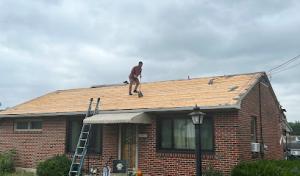
JAG Roofing & Siding
(717) 572-5550 jagroofingllc.com
122 Canal St, Lebanon, Pennsylvania
4.6 from 10 reviews
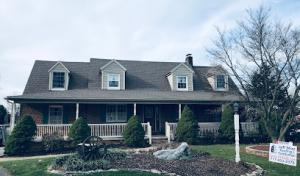
Jeff Maz Roofing & Handyman Services
(610) 248-1431 www.centralparoofer.com
Serving
4.9 from 36 reviews
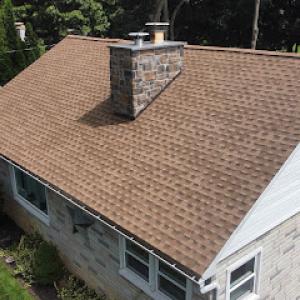
Gassert Roofing
(717) 273-0703 www.gassertroofing.com
624 Miller St, Lebanon, Pennsylvania
5.0 from 107 reviews
established in 1985, is a second generation, professional roofing company dedicated to providing the very best roofing systems and services. With our factory certification, our customers receive a much higher quality factory warranty (up to 4x the upfront coverage) that covers the entire roofing system (not just the shingles) and the labor cost.

Roof Riders
(717) 813-8054 www.roofridersunlimited.com
1594 Cumberland St, Lebanon, Pennsylvania
5.0 from 105 reviews
Roof Riders Unlimited is a Contractor located in Lebanon, PA. We offer Roof Repair, Roof Maintenance, Roof Installation, Roof Replacement, Roofing Services, Roofing Replacement, Shingle Roofing, and other Contractor Services. We can handle all types of roof replacements and repairs with an excellent turn around time. We also install seamless gutter and gutter guard. We are experts at tackling challenging exterior issues from shingle blow offs, gutter repairs, to Full Lifetime Roof Systems. Call now!
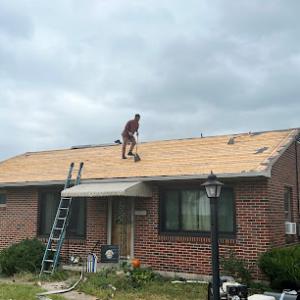
JAG Roofing & Siding
(717) 572-5550 jagroofingllc.com
122 Canal St, Lebanon, Pennsylvania
4.6 from 10 reviews
We are a veteran owned roofing and siding company based in Lebanon Pa. We are a GAF Certified Contractor for all of your roofing needs.
Blue Collar Construction & Communications
Lebanon, Pennsylvania
3.9 from 30 reviews
OUR TEAM IN LEBANON, PA VALUES TRUST AND TRANSPARENCY When you need a roof repair, you want an accomplished company to get the job done right. The team at Blue Collar Construction and Communication, LLC has more than 40 years of combined experience with siding, windows, doors and roofing. Our company in Lebanon, Pennsylvania will help you create the home you've always wanted for a fair price. We also offer commercial roofing services for businesses in the area.
Fisher Roof Solutions
(717) 679-6547 fisherroofsolutions.com
511 King St, Lebanon, Pennsylvania
5.0 from 4 reviews
We specialize in roof restoration, saving the building owner money and also saving the structure of the building.
Bennetts roofing
(717) 222-0893 www.bennettsroofingservice.com
625 N 5th St, Lebanon, Pennsylvania
3.9 from 11 reviews
At Bennetts Roofing, we're ready to tackle all of your home needs, from general repairs to full roof replacements. For more information or to schedule an estimate, contact us today.
Russ Gibble Roofing & Siding
17083 43 S Zinns Mill Rd, Lebanon, Pennsylvania
5.0 from 1 review
We provide Full service Roofing and Siding . We manage all Repairs and Modifications minor or major .
Strothers & Sons Roofing Company
Serving
4.3 from 7 reviews
Strothers Roofing started in business in 1986 in Ephrata, PA. In the years that have followed, we opened a second office in Lancaster, PA. We can not only handle traditional roofing, but we are experts in flat roofs and rubber roofing.
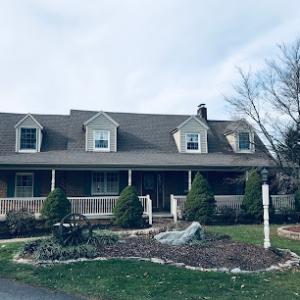
Jeff Maz Roofing & Handyman Services
(610) 248-1431 www.centralparoofer.com
Serving
4.9 from 36 reviews
Specializing in residential roof replacements/repairs and exterior handyman services. Also, offering commercial roofing applications. Over 26 years experience in the roofing industry, we strive to bring value and a unique business model that will tackle large and small jobs in a timely fashion. Serving Central PA, Lehigh Valley and beyond.
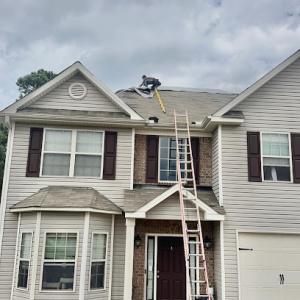
Birds Eye Roofing
(610) 406-2258 birdseyeroofs.com
Serving
5.0 from 34 reviews
Birds Eye Roofing is a dedicated roofing company serving Myerstown , PA, and the surrounding areas. Our team offers an extensive range of high-quality roofing services to meet your needs. We specialize in professional repairs, installations, and thorough inspections to ensure the safety and longevity of your roof. In addition to our roofing expertise, we provide top-notch gutter and siding services. Whether you require installations, meticulous repairs, or regular maintenance, our team can handle it with precision and care. By entrusting Birds Eye Roofing with your roofing, gutter, and siding needs, you can rest assured that your home's exterior will exhibit exceptional resilience and durability.
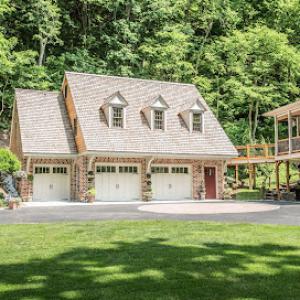
MR Roofing
Serving
5.0 from 120 reviews
MR Roofing was founded in 1994 in East Petersburg, Pennsylvania. MR Roofing has experience in many facets of the construction industry, but is a specialist in standing seam copper, standing seam steel, cedar shake, and asphalt shingle roofs. Our crews love their job, and have good character and work ethic. Many of our customers get to know us on a first name basis while we work on their home. We love our jobs, and we want you to love your roof!
Roof Ninja
(717) 945-9787 www.roofninjallc.com
Serving
5.0 from 32 reviews
Roof Ninja is your trusted partner for all roofing needs, offering expert services in both residential and commercial sectors. Specializing in roof installation, repair, and maintenance, our skilled team tackles everything from minor fixes to major storm damage repairs. Whether you're dealing with a leaky roof or need a complete overhaul, Roof Ninja provides prompt, reliable solutions tailored to your specific needs. Conveniently located to serve your area, we pride ourselves on delivering top-notch craftsmanship and exceptional customer service. Choose Roof Ninja for peace of mind and a roof that stands the test of time.
Asphalt shingles remain the dominant choice in Lebanon, matching the area's large share of conventional sloped residential roofs and keeping replacement costs in the broadest accessible range. They perform reliably through freeze-thaw cycles and winter wind events common to this area, and they're forgiving when minor attic ventilation or flashing tweaks are needed after seasonal stress. For homeowners weighing long-term reliability and straightforward maintenance, asphalt shingles offer predictable performance on typical Lebanon roof lines, especially on older homes where roof pitches and eave details were not designed for heavier alternatives. When selecting asphalt, pay attention to the granule wear and the condition of the underlayment, since older shingles may reveal gaps that invite ice damming or wind uplift during storms.
Metal roofing has a strong local contractor presence and is a practical fit where better snow shedding and long-term resistance to repeated seasonal cycling are desired. The material's smooth, metallic surface helps snow slide off more readily, which can reduce ice buildup along eaves and in valleys during harsh winters. In Lebanon, metal roofs also resist the freeze-thaw fatigue that challenges other materials, provided fasteners and flashing are maintained and integrated with the existing roof geometry. While metal is heavier and may require structural checks for certain designs, its durability can translate to fewer early repairs after severe wind or hail events that sometimes puncture softer coverings. For homes with complex roof lines or older sheathing, a professional assessment of trim, ridge caps, and chimney/flue flashing ensures a seamless integration with the home's ventilation and drainage plan.
Clay tile and concrete tile appear in the Lebanon market but require closer attention to structural load, flashing details, and repair matching on older homes. Clay and concrete tiles are inherently heavier and can stress framing if the structure was not designed for them. In addition, flashing around chimneys, skylights, and roof penetrations must be carefully integrated to prevent leaks during freeze-thaw cycles and heavy spring rains. Wood shakes bring a traditional aesthetic and good insulation value but demand diligent maintenance to resist moisture and moss growth in shaded, damp corners; in freeze-thaw climates, their durability hinges on proper sealing and periodic treatment. Synthetic or composite shingles offer a lighter weight and a broader range of styles while attempting to mimic natural materials; however, colorfastness, impact resistance, and long-term performance under repeated ice and hail exposure should be verified with local installers who understand the peculiarities of older Lebanon roofs. Across these options, the emphasis is on compatibility with existing structural loads, precise flashing detailing, and careful repair matching to maintain a seamless roof line and a weather-tight envelope.
When choosing among these materials, consider the typical roof geometry found in town and county neighborhoods, where steep slopes and older framing are common. The aim is a material that handles winter conditions-freeze-thaw, wind-driven hail, and seasonal cycling-without introducing frequent repair needs. A resilient installation hinges on thorough flashing integration around valleys, chimneys, and skylights, plus crack-free bonding with the underlying roof deck. In areas with frequent wind or heavy snow, local crews often favor systems that pair a solid, well-sealed underlayment with a durable surface layer, ensuring the roof remains serviceable through multiple harsh seasons. This approach helps protect the home's interior while maintaining curb appeal for years to come.
In Lebanon, roofing costs align with the market ranges you see across Pennsylvania, but with local nuances shaped by older housing stock and steeper rooflines. Asphalt shingles sit toward the lower end of the scale, commonly around the 350-700 USD per square range, while tile systems-whether clay or concrete-sit higher, often between 800 and 1400 USD per square. Metal roofing tends to fall in the middle-to-upper tier, roughly 600-1100 USD per square. Wood shingles and synthetic/composite shingles land around 600-1000 USD and 500-900 USD per square, respectively. When planning, picture asphalt as the baseline for most standard Lebanon homes, with tile systems representing the upper end of the local market.
During storm seasons, Lebanon can see a surge in re-roofing demand that tightens scheduling and labor availability. If a nor'easter or strong hail event hits nearby, price pressure can push higher-end materials toward the lower-to-mid end of the local ranges due to rushed timelines and limited crews. In practical terms, if a storm hits, expect some delay in start dates and a premium on emergency or expedited work. For homeowners choosing between materials, this dynamic often narrows the window of favorable pricing, especially for larger or steeper jobs that require more crew time or temporary protection measures.
Older Lebanon homes frequently require more than just a roof swap. Decking repairs, ventilation corrections, and flashing replacement around chimneys or skylights can add substantial cost. Tear-off complexity on steep rooflines also matters: steeper pitches demand more safety measures, longer labor hours, and sometimes special equipment, which elevates both material and labor costs. If the existing decking shows rot or troughs of moisture, expect a corresponding uptick in overall project price. A precise quote should itemize these contingencies rather than blend them into a single "roof cost."
Choosing a material affects not only upfront price but long-term performance against freeze-thaw cycles and wind/hail activity typical to the area. Asphalt shingles, while affordable, benefit from proper underlayment and ventilation to counter Lebanon's winter stress. Tile systems deliver durability but present higher installation costs and potential maintenance on flashing and penetrations-where Lebanon's older homes often need extra attention. Metal roofing can offer better wind resistance and longevity but may require additional insulation or underlayment adjustments to suit peak winter conditions. In practical terms, base your material choice on both immediate budget and expected performance through Lebanon's seasonal cycles.
Get a clear picture of your project costs upfront - no commitment required.
In this jurisdiction, a building permit is typically required for a full roof replacement, and the permitting is handled through the local building department serving Lebanon City or Lebanon County. Obtaining the permit is not just a formality; it sets the frame for compliance with drainage, underlayment, venting, and material standards that matter when winter weather hits. If the permit is delayed or denied, tear-off work might stall mid-project, leaving vulnerable roof lines exposed to freeze-thaw cycles and wind-driven damage. Start the process early, and have your contractor submit the necessary drawings and specifications promptly to reduce the risk of a last-minute hold.
Lebanon-area inspections are staged during and after installation, with a final inspection commonly checking venting, underlayment, drainage, and overall code compliance. Expect the inspector to verify attic ventilation and lashings, attic access, and proper flashing around chimneys and skylights. The staged nature means each phase must be accessible and clean, so plan for space to move materials and crews without blocking access to the attic or crawlspaces. A common pitfall is assuming the final inspection can be waived if earlier steps look correct; code compliance is verified at multiple points, and a missed defect found at final can trigger rework and scheduling delays.
Homeowners should expect practical scheduling quirks around weather delays and inspection lead times, which can affect tear-off timing and final closeout. The winter freeze-thaw cycle in this area makes timing crucial: roofs that sit too long between insulation, underlayment, and shingle installation risk accelerated wear or frost-related movement. Cold snaps can slow crews or force work to pause, while warm periods may bring faster progress but tighter inspection windows. Coordinate with the contractor to align permit approval, material delivery, and inspection slots, especially when a storm front is forecast. If a delay pushes tear-off into a more weather-sensitive period, discuss contingency plans that protect exposed roof decking and underlayment.
As the project nears completion, the final inspection serves as the arbiter for code-compliant venting, flashing details, and proper drainage slope. Ensure access to attic vents and roof penetrations, and confirm that any added soffit or ridge ventilation remains functional after the new installation. A thorough walkthrough with the contractor before the final inspection can help catch issues that could otherwise trigger a re-inspection or additional work. Remember: permits and inspections are not a box to check, but a safeguard against long-term performance problems in this climate.
Skylight-related work is notably active in the contractor market, suggesting leak tracing and replacement detailing around skylight openings is a common homeowner concern. In older homes with steeper roofs, skylights can be a frequent source of moisture intrusion, especially after freeze-thaw cycles that push around sealants and, over time, loosen the flashing. When inspecting for leaks, start at the skylight flashing first. Look for lifted or cracked metal channels, deteriorated sealant around the curb, and any staining on interior ceiling areas beneath the skylight. If the glass or dome shows condensation between panes, or if there is persistent dampness near the curb during dry-weather days, plan for a targeted reseal or complete curb replacement as part of a larger roof replacement if the surrounding shingles are nearing end-of-life.
Older homes common in and around this area often need flashing updates at chimneys and wall intersections when a full replacement is done. Chimney flashing sits at the intersection of roof deck, brick or stone, and the shingle line; frost cycles can pry loose with repeated expansion and contraction. When replacing the roof, ensure the chimney is treated as a full flashing project: step flashing along the chimney wall, counter-flashing embedded into masonry, and a continuous bead of sealant where metal meets masonry. Examine mortar joints for cracks that could channel water toward the flashing. If prior patch repairs were used instead of full rework, expect accelerated wear from freeze-thaw stress and plan for a more thorough reflash and possible stucco or siding tie-in adjustments.
Freeze-thaw cycling in Lebanon can expose weak flashing details faster than in milder climates, especially where prior patch repairs were used. During a roof replacement, prioritize comprehensive flashing replacement around skylights and chimneys rather than piecemeal fixes. Inspect the transition zones where roof deck meets vertical surfaces, as these are common failure points after a harsh winter. For practical tracing, run a damp cloth along suspected seams after a light rain to identify active leaks, then map those spots to the corresponding roof zones for integrated flashing upgrades. This approach helps align skylight and chimney work with the broader goal of a durable, weather-tight roof system.
Find contractors experienced in skylight installation, flashing, and leak repairs to bring natural light into your home.
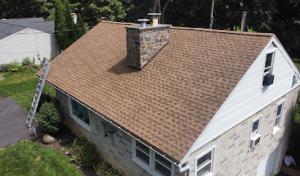
Gassert Roofing
(717) 273-0703 www.gassertroofing.com
624 Miller St, Lebanon, Pennsylvania
5.0 from 107 reviews
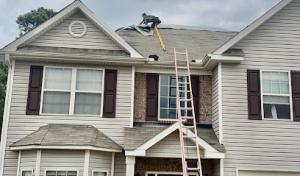
In Lebanon, flat-roof and roof-coating work isn't an afterthought-it's a meaningful part of the local contractor market. Many older homes and some commercial properties feature low-slope sections that require a different set of maintenance skills than steep, shingled roofs. If your property has a flat or near-flat area, know that success hinges on reliable drainage, durable sealants, and timely inspections after major storms or freeze-thaw cycles. Local crews are familiar with the seasonal challenges unique to this area and can tailor approaches that fit the existing roof assembly and weather exposure.
Winter conditions here bring freeze-thaw stress that can aggravate standing water on low-slope surfaces. Water that ponds or moves slowly toward drainage outlets can permeate seams, joints, and penetrations, accelerating deterioration. For these roofs, drainage performance matters as much as the membrane itself. Check that outlets and scuppers are clear, confirm that the slope direction reliably leads toward drainage, and inspect for any settled patches or blisters after heavy snowfall. A well-designed low-slope system in this region should shed meltwater quickly and avoid prolonged pooling during freeze-thaw periods.
Coating or restoration discussions are particularly relevant for eligible low-slope assemblies. In Lebanon, coatings can extend service life by restoring surface integrity, providing a new barrier against moisture, and sealing minor cracks before they widen. This approach is often chosen when the underlying deck or membrane is structurally solid but surface deterioration or UV wear threatens longevity. The right coating system considers your climate, traffic on the roof, and the specific low-slope material. Routine, targeted maintenance-cleaning, re-sealing vulnerable seams, and re-coating at recommended intervals-can help you avoid unnecessary full replacements while preserving performance through a few more seasons.
Start with a thorough inspection focused on drainage paths, edge details, and any standing-water zones after rain or snow. Prioritize a qualified local roofer who understands flat-roof assemblies common to Lebanon-especially those with experience in coatings, fabric reinforcements, and repair-compatible sealants. When planning upgrades, ask about drainage improvements, seam reinforcement, and the suitability of a restorative coating for your specific low-slope system. Regular inspections after winter storms will help catch early signs of membrane wear before leaks appear.
Find specialists in TPO, EPDM, and built-up flat roofing systems for residential and commercial properties.
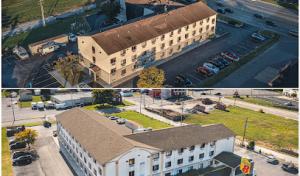
In this market, homeowners often weigh speed as heavily as the price tag, and cleanup is part of the deal you're actually paying for. When a storm hits or freeze-thaw cycles start to crack shingles and flashings, the first crew to arrive with a solid plan-and a crew that keeps the site clean and safe-feels like a real win. Look for a roofer who lays out a clear, predictable timeline from assessment to tear-off to re-installation, and who commits to a thorough debris sweep and haul-away at the end of the day. A fast response should not mean a sloppy cleanup; in this area, both go hand in hand to prevent overlooked debris from causing ice dams or gutter blockages later.
Re-roofing dominates the local scene more than new-construction work, so your choice should hinge on contractors who can manage full tear-offs without leaving your home exposed to weather longer than necessary. Ask specifically about their experience with occupied homes and what protections they use to minimize disruption-dust containment, ladder safety, and neighbor-friendly noise management. The right crew will walk you through how they protect interior spaces during removal and how they handle temporary coverings if a setback occurs. If a crew seems to dodge the hard questions about full removal versus partial repair, that's a warning sign in this climate.
Lebanon hosts a mix of long-standing firms and manufacturer-certified players, which means you have options beyond the lowest bid. A reputable contractor should share documentation of their crews' certifications, manufacturer approvals, and warranty specifics that outlive the project. Don't hesitate to ask for project references on both asphalt and metal or tile systems, especially for steep or complex roofs. If a contractor cannot provide solid proof of ongoing support or a transferable warranty, consider moving on. The local market rewards those who can demonstrate steady performance, transparent paperwork, and reliable post-installation service, rather than quick, one-off jobs.