
Last updated: Apr 19, 2026
Lancaster homeowners deal with both winter freeze-thaw cycling and late-spring to early-summer hail risk, so roofs often fail from cumulative seasonal stress rather than from one weather pattern alone. The sequence matters: repeated freezing and thawing push shingles, underlayment, and flashing to fatigue that isn't obvious after a single storm. When planning a re-roof, use a long view that counts several months of temperature swings as the main trigger for dry-in and venting decisions. If temperature shifts are expected to linger, schedule shorter windows between tear-off and re-application to minimize decking exposure. The goal is to keep plywood, felt, and ice barriers protected during the critical transition from cold to warm cycles.
Cold-season tear-offs can expose roof decking and underlayment to snow, ice, and repeated temperature swings, which makes timing and dry-in planning especially important in Lancaster County. If a project begins in late fall or early winter, you risk moisture seeping into gaps before the cold sets in. Start with a dry forecast and a micro-forecast not just a weekly one; a light snow event can derail a schedule and extend the window for moisture intrusion. Prioritize installations that can be wrapped quickly with proper containment, and coordinate with suppliers for a dependable slate of underlayment and flashing products that can stand up to late-season chill. The right sequencing-tear-off, dry-in, then final roofing-reduces the chance of hidden dry-rot and frost-related swelling that show up only after spring.
Spring thunderstorm periods can quickly shift the local market from planned replacements to urgent leak calls and storm inspections, affecting scheduling and material lead times. A hail event in a tight cluster of neighborhoods can overwhelm a small contractor's capacity, forcing crews to re-prioritize jobs and compress dry-in windows. For homeowners, that means be ready to adapt: confirm a flexible start date, have temporary containment ready, and communicate contingency plans if a crew must pause for a day or two due to rain or hail setbacks. Storm-driven urgency can accelerate decisions, but it should not rush the critical dry-in phase; missing it invites interior damage and gapping that undermine long-term performance.
Track long-range weather patterns and set trigger points for action when forecasts show consecutive days of above-freezing days following a cold snap. Invest in a quality ice/water shield at vulnerable eaves and valleys to bridge the transition from winter to spring. Coordinate with suppliers to secure staggered deliveries to avoid delays caused by spring demand spikes. Maintain a clear line of communication with the roofing team about anticipated weather windows and contingency plans, so a sudden hail alert doesn't derail your project or create costly emergency repairs once rain resumes.
Asphalt shingles dominate replacements in this market because they fit the common steep-slope residential stock and sit at the lowest cost range. For many neighborhoods and rural-edge homes, standard three-tab or architectural shingles offer dependable weather resistance while keeping installation straightforward on varied roof pitches. In a climate with freeze-thaw cycles, look for shingles with good granule retention and a stout underlayment to manage frost heave and moisture intrusion during late winter. When a roof is due for replacement, asphalt can be a predictable choice that minimizes disruption to a home's exterior, especially on roofs with older decks or plywood that have seen decades of seasonal cycles.
Metal has a strong local presence and represents a meaningful upgrade path for homeowners focused on snow shedding, durability, and performance through seasonal temperature swings. In steeper roofs, metal's smooth surface helps shed ice and snow more reliably, reducing ice dam risk along eaves and rakes. The panels can stand up to hail better than many traditional shingles, which matters in spring thunderstorms. If a steep-slope roof already carries historical character or architectural detailing, metal can be chosen in profiles that echo the home's heritage while delivering improved wind resistance and longer service life. Expect a higher upfront investment, offset by a longer interval between major replacements and lower maintenance on exposed fasteners and flashing.
Tile, cedar, and synthetic products exist in the market but are more selective choices for Lancaster homes, where structural load, roof pitch, and compatibility with older architectures can matter more than in newer tract markets. Tile (clay or concrete) delivers distinctive curb appeal and excellent long-term durability when the roof structure is reinforced to carry the weight. However, concrete and clay tiles require careful assessment of the attic ventilation, rafter spacing, and potential for thermal expansion to avoid microcracking, especially on homes with historic framing. Cedar brings natural beauty and good insulation, but it is vulnerable to moisture-related issues and requires consistent maintenance in this climate. Synthetic options can mimic the look of tile or cedar with often lighter weight and improved installation flexibility, yet still need verification of compatibility with existing roof assemblies and pitch.
In this region, the choice often boils down to balancing performance with the home's structural realities and aesthetic goals. For a steep-slope roof in a historic setting, a well-installed asphalt system may deliver the most straightforward reliability and value, with metal offering a compelling upgrade for snow shedding and longevity where the budget allows. If the structure can bear it and the design calls for it, tile or cedar can grant a distinctive finish but require careful engineering and ongoing maintenance. Whatever option you select, ensure the roof assembly-including underlayment, flashing, and ventilation-aligns with the local freeze-thaw exposure and seasonal storm patterns to preserve the roof's integrity across many winters.
Lancaster cost planning should start with the provided per-square ranges: asphalt shingles 350 to 650, metal 600 to 1100, clay tile 900 to 1700, concrete tile 700 to 1300, wood shingles or shakes 800 to 1400, and synthetic or composite shingles 500 to 900. Those figures reflect typical steep-slope residential jobs after tear-off and disposal are accounted for, and they intentionally mirror the mix of homes found across the city-from historic urban blocks to rural-edge properties. When budgeting, use the lower end for straightforward re-roofs on accessible homes and the higher end for complex decks, water barriers, or specialty installations.
Costs in this market can rise when seasonal hail or storm demand compresses contractor availability. Quick-response re-roofing is a major part of the local market, and that drive in demand tends to push both labor rates and material lead times upward, especially for higher-end materials like clay or concrete tile. If a storm hits while a large portion of crews are tied up, you may see bids edged toward the upper ranges, or a premium charged for expedited scheduling. Plan for a potential two- to four-week window when weather events cluster, and factor in possible price bumps for urgent orders.
Older Lancaster housing stock and steep roof geometry can increase labor and decking repair needs during tear-off, while straightforward asphalt re-roofing on accessible homes tends to stay closer to the lower end of local ranges. If the underlying deck shows rot, soft spots, or failed flashing, costs rise quickly as carpentry labor and material replacement become necessary before the new roof goes on. Conversely, homes with simple geometry, minimal decking exposure, and good access tend to keep installation smoother and cheaper. In mixed neighborhoods, expect variability based on visibility, ventilation needs, and attic access, which can affect both time and waste disposal.
Material choice drives long-term value as well as upfront cost. Asphalt remains the most budget-friendly for many Lancaster homes, while metal offers durability against freeze-thaw cycles and storm impact. Tile options deliver distinct aesthetics and longevity but require heavier structures and careful roof framing. Composite or synthetic shingles often strike a balance between cost and performance, suitable for homes where a lighter footprint and faster install translate into practical savings. When planning, weigh not just the sticker price per square, but the alignment with local climate stresses and the expected service life for your roof type.
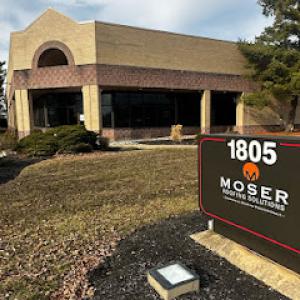
Moser Roofing Solutions
(717) 690-2581 www.moserroofingsolutions.com
1805 Olde Homestead Ln, Lancaster, Pennsylvania
4.9 from 218 reviews
Experience Lancaster's finest commercial roof services with Moser Roofing Solutions: expert installation, repair, maintenance, restoration, and replacement.
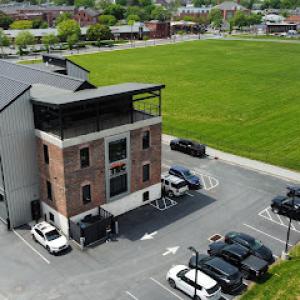
The Exterior Company
(717) 621-5097 theexteriorcompany.com
311 Harrisburg Ave, Lancaster, Pennsylvania
4.8 from 2187 reviews
The Exterior Company is a full-service roofing contractor based out of Lancaster, PA with a proud reputation for quality and professionalism built over many years. We provide repairs, replacements and new installations for all residential roofs, as well as a number of other renovation and restoration services throughout the exterior of your home. We are a GAF Master Elite contractor and an Owens Corning Platinum Preferred shingle installer — certifications that place us among the most elite group of roofers in the country.
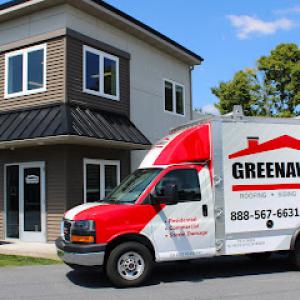
Greenawalt Roofing Company
(717) 283-4721 www.greenawaltroofing.com
3530 Marietta Ave, Lancaster, Pennsylvania
4.9 from 542 reviews
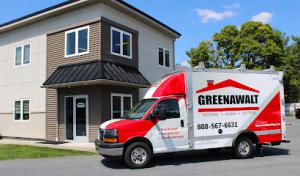
Established in 2004 by Travis Greenawalt in Lancaster County, Pennsylvania, Greenawalt Roofing now has offices throughout New Jersey and Pennsylvania, Greenawalt Roofing's Central PA's branch is located in Lancaster, PA. From this location, we will serve Lancaster, York, Harrisburg, Lebanon, Adams, Dauphin, Reading, Chester, Delaware, Bucks, Montgomery and surrounding counties throughout Pennsylvania. With over 20 years of experience, we have earned a strong reputation as an ethical and reliable roofing and exterior company, providing outstanding service and craftsmanship to both residential and commercial clients.
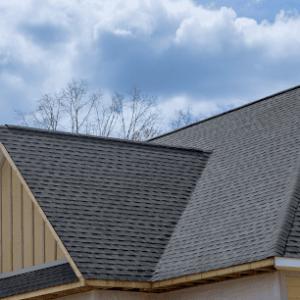
Anderson Roofing & Exteriors
(717) 553-2759 www.andersonroofingpa.com
3635 Marietta Ave, Lancaster, Pennsylvania
4.9 from 85 reviews
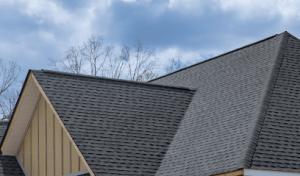
Anderson Roofing and Exteriors is a second-generation family-owned business, servicing residential and commercial clients in Lancaster County and the surrounding areas for 19 years. We pride ourselves on delivering unparalleled craftsmanship and durability. Our comprehensive services extend to roofing installation and repair, gutter installation, high-quality siding solutions, and professional painting services, designed to enhance and protect your property. With a steadfast commitment to excellence and customer satisfaction, our skilled team ensures your exteriors are not only aesthetically pleasing but also resilient and long-lasting. Choose Anderson Roofing and Exteriors for a seamless, superior service experience. Call us today!
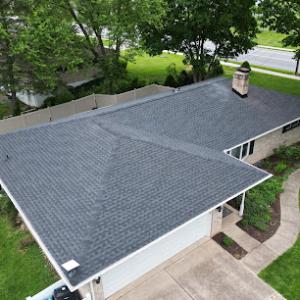
Golden Exteriors
(717) 621-0062 www.goldenexteriorspa.com
146 E King St unit #1162, Lancaster, Pennsylvania
5.0 from 39 reviews
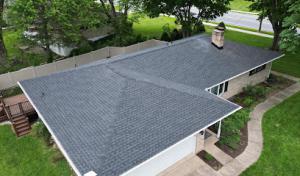
Golden Exteriors is a leading Roofing Contractor in Lancaster County, PA, specializing in top-tier roofing solutions, including gutter cleaning, gutter installation, window replacement, window repair, roof storm damage, insurance claims, free roof inspections, roof repair, roof replacement, roof maintenance, siding repair, siding installation, flat roof repair, commercial roofing, and residential roofing. With over a decade of experience, we provide expert roof repairs and replacements, storm damage restoration, siding, gutters installation and repairs, window replacement, and roof restoration for both residential and commercial properties. Our team uses high-quality materials and advanced techniques to ensure exceptional craftsmanship and
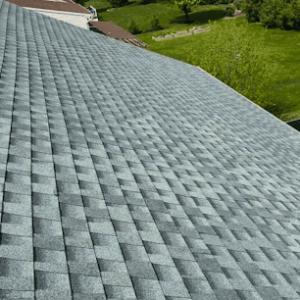
Helm Construction Company
(717) 716-7682 www.helmconstructionco.com
801 Rohrerstown Rd #100, Lancaster, Pennsylvania
4.8 from 217 reviews
Helm Construction Company, nestled in the heart of Lancaster, PA, stands as a premier provider of top-notch roofing solutions. Specializing in roofing, siding, and gutters, our expert team combines expertise with a commitment to excellence. From meticulous roof installations that withstand the test of time to transformative siding solutions enhancing curb appeal, Helm Construction Company ensures your property is not only protected but elevated in aesthetic appeal. With a dedication to quality craftsmanship and customer satisfaction, Helm Construction Company is your trusted partner for all your roofing needs in Lancaster and beyond. Contact us today!
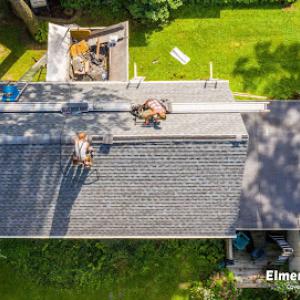
Elmer's Roofing
(717) 209-1263 elmersroofing.com
139 Bowman Rd, Lancaster, Pennsylvania
4.9 from 55 reviews
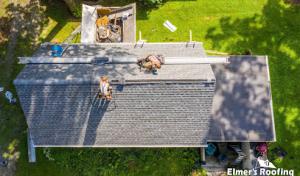
Looking for reliable roof replacement in Lancaster, PA? Elmer’s Roofing is a trusted, owner-operated Amish roofing company with over 25 years of experience serving homeowners across southeastern Pennsylvania. Specializing in residential roof replacements, we take pride in delivering high-quality workmanship at affordable prices. Based in Lancaster County, we’re committed to making sure your roof protects your home and family—no job is complete until you’re 100% satisfied. If you’re in Lancaster, Lebanon, Chester, Berks, or York County and need a dependable roofing contractor, contact Elmer’s Roofing today. We look forward to helping you with your next roofing project!
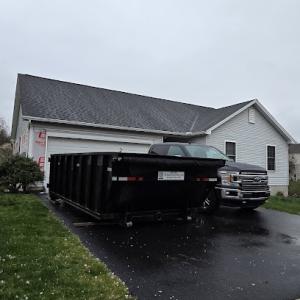
Eddy's Construction
(717) 204-2299 www.eddysconstruction.net
2352 Rockvale Rd, Lancaster, Pennsylvania
5.0 from 25 reviews
Eddy's Construction provides expert roofing, siding, and gutter services throughout Lancaster, PA, and surrounding areas. Our skilled team is dedicated to delivering lasting quality and enhancing your home's curb appeal with exceptional roofing, siding, gutter installations, and reliable dumpster rentals—all at competitive prices. We prioritize reliable, family-centered service for every project, whether it’s a quick repair or a complete exterior upgrade. Contact us for a FREE inspection and estimate, and discover why Lancaster residents trust Eddy's Construction for all their roofing, siding, and gutter needs.
Craftsman Roofing Group
(717) 326-2031 choosecraftsman.com
1840 Timothy Ln, Lancaster, Pennsylvania
5.0 from 25 reviews
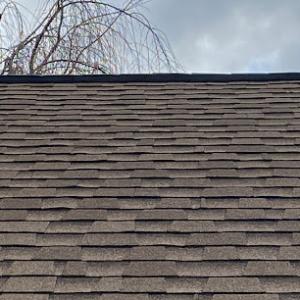
When you want to hire one of the best roofers in Lancaster County, PA, or the surrounding area, choose Craftsman Roofing Group. Our experienced roofing contractors specialize in installing new roofs. Our skilled team prides itself on providing top-quality roofing services thanks to our expertise and attention to detail in every project we complete. You want someone on your roof who focuses on roofing rather than someone who does a little bit of this and a little bit of that. Some other local roofing companies in Lancaster, PA, take the jack-of-all-trades approach by offering roofing, siding, windows, gutters, and more. But not us. All we do is install new roofs, and we do it for less than our top competitors! PA192271
NexGen Home Improvements
(469) 314-0135 www.nexgenhi.biz
2444 Douglas Dr, Lancaster, Pennsylvania
5.0 from 23 reviews
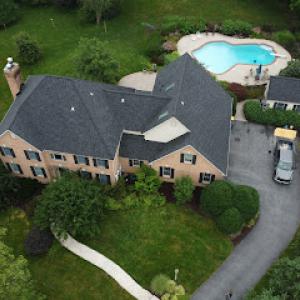
NexGen Home Improvement, is a licensed general contractor specializing in roofing and full-service remodeling. From exterior upgrades to interior renovations, we deliver reliable craftsmanship and exceptional results. Contact us today for a free estimate and see how we can help with your next project.
Klausmair Construction
(717) 587-3876 www.klausmairconstruction.com
3543 Marietta Ave Suite C, Lancaster, Pennsylvania
4.7 from 93 reviews
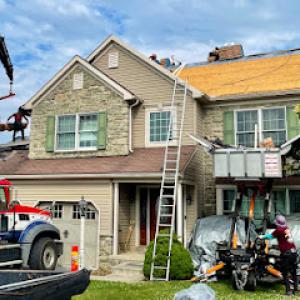
KC is a 30-year exterior contractor, providing roofing, siding and exterior remodeling services to residential and commercial clients. Our crews and top tier service technicians offer high level craftsmanship to stand the test of time. “Since 1994, we have operated on only the “Highest Standards in Remodeling”. We are committed to our core values. Delivering what we promised, on time, and within budget. Customer satisfaction is the driving force behind our business.” — Kurt Klausmair Father & Son Operated since 2017! Fully Licensed and Insured.

Lancaster Roofing Company
(717) 356-9810 lancasterroofingcompany.com
303 Strasburg Pike, Lancaster, Pennsylvania
5.0 from 21 reviews
Lancaster Roofing Company is a licensed & insured residential and commercial roofing and siding contractor serving Pennsylvania and New Jersey. We have an A+ Rating with the BBB because we go out of our way to provide outstanding service, quality products and workmanship second to none. We will work with you to find the best roofing and siding options for your home or commercial facility so that they meet your goals for budget, aesthetic appeal and longevity. For honest, reliable top-quality service, Call Us Today for a FREE Estimate!
In this area, a full roof replacement is typically treated as a project requiring formal paperwork rather than a no-paperwork job. The permit isn't just a checkbox; it's a way to ensure the work will handle winter freeze-thaw cycles and spring storm exposure without compromising structure or drainage. If a contractor tries to proceed without permitting, it can create a cascade of problems down the line, from failed inspections to trouble with insurance or resale.
The contractor usually submits the project scope and plans to the local building department before any shingle removal begins. That submission includes the roof's size, the chosen materials, underlayment details, and any structural or venting changes. In practice, this means the homeowner should expect a formal plan review and to see the permit number reflected on all permits and inspection notices. If the scope changes-for example, a different underlayment or a new venting approach-the plans should be updated and resubmitted so the records stay current.
Inspections are commonly staged after tear-off and underlayment and again after completion, with both stages needing to pass before final approval. The first inspection checks that the roof deck is sound, underlayment is properly installed, and the ventilation and drip edges meet code expectations. The second inspection confirms the finished roofing system is in place, flashing around penetrations is correct, and ventilation continues to perform as intended through seasonal temperature swings. Expect a short window between inspections; plan to keep access available for the inspector and make sure any needed corrections are completed promptly to avoid re-inspection fees or delays.
Keep the permit and inspection documents accessible at the job site, and ensure your contractor coordinates the schedule so work aligns with inspection windows. In Lancaster County, delays often come from weather or missed steps in the permit process, so confirm that the scope, materials, and installation methods align with the approved plans before any tear-off begins. If the contractor encounters a discrepancy, address it early to prevent structural or drainage issues that would complicate the winter-use season.
In a city with four-season inland weather, storm-driven damage is common enough to expect spikes after hail and heavy spring winds. For a homeowner facing a steep-slope roof, gathering proof promptly is essential. Start with date-stamped photos of all visible impact marks, missing or curling shingles, and any interior evidence such as sudden ceiling stains or attic condensation. Have a contractor's initial findings on file, focusing on hail impact patterns, missing fasteners, and shingle granule loss. If interior leaks appear, document them with timestamps and note when they first became noticeable. Temporary patches should be executed with care to avoid erasing evidence; avoid full cosmetic repairs that could mask disrepair until the claim is documented.
Because storm-season demand spikes can strain scheduling, initiate contact with the insurer soon after the event and request an adjuster visit. A steady set of photos taken over two or three days helps establish the progression of damage and any wind-related roof movement. The contractor's written assessment should highlight aspects tied to the storm-hammered vent flashings, dented metal components, or crushed ridge caps-and clearly separate them from age-related wear. For an insurer to verify replacement needs, the documentation should show a direct link between the event and the present condition, not merely a general decline in roof performance.
Depreciation treatment and adjuster expectations can vary by carrier in Pennsylvania, so Lancaster homeowners benefit from estimates and photo sets that clearly separate storm damage from age-related wear. A well-organized package includes: the dated damage photos, a line-by-line contractor estimate detailing storm-related items, and a comparison of pre- and post-event roof sections where feasible. If the claim involves replacement rather than repair, ensure the documentation demonstrates why repair cannot restore the roof to a weather-tight condition and how the storm-related findings drive that conclusion.
Stay consistent in documenting perspectives from multiple angles and maintain a running record of all communications with the insurer. When the adjuster arrives, walk them through the storm-driven findings, pointing to specific shingles, flashings, and attic signs of moisture that align with the event date. In cases where damage appears on several slopes, request a scope that covers the full area affected by hail or wind. This neighborhood-specific vigilance helps align the claim with expected Lancaster storm patterns and supports a fair, timely resolution.
Connect with contractors who help homeowners navigate the claims process from damage assessment to final approval.
The Exterior Company
(717) 621-5097 theexteriorcompany.com
311 Harrisburg Ave, Lancaster, Pennsylvania
4.8 from 2187 reviews
Greenawalt Roofing Company
(717) 283-4721 www.greenawaltroofing.com
3530 Marietta Ave, Lancaster, Pennsylvania
4.9 from 542 reviews
Anderson Roofing & Exteriors
(717) 553-2759 www.andersonroofingpa.com
3635 Marietta Ave, Lancaster, Pennsylvania
4.9 from 85 reviews
Lancaster's older homes often include multiple roof penetrations and masonry interfaces, making flashing transitions around chimneys and skylights a recurring leak concern in the local market. Where brick chimneys meet shingles, or where a skylight sits in a steep slope, even small gaps can become seasonal culprits. The combination of historic roofs and varied roof lines means you're more likely to see concentrated failure around these joints than on wide, uninterrupted slopes.
During winter, tiny gaps in flashing and sealant can widen as water works into them and freezes. In spring rains, those tiny openings can become channels for moisture that wasn't there in the fall. Leaks may surface after the thaw rather than during the cold snap, so a quiet drip can evolve into a noticeable leak after the snow has melted and the soil is already wet. This pattern is typical for steep-slope homes where a few penetrations control many roof functions.
Skylights, vent stacks, and chimneys are common trouble spots because these features demand careful, ongoing detailing where roof planes meet verticals or masonry. The local contractor market shows meaningful demand for skylight work and chimney-related roof detailing, indicating that penetration repairs are a practical homeowner concern here. If you notice mossy edges, discoloration along flashing, or recurring damp spots near these features, plan for targeted resealing or flashing replacement rather than a full roof teardown.
Keep an eye on the smallest signs-pinpoint drips after a rain, damp spots along a chimney flange, or water staining around a skylight curb. Prompt, targeted flashing reseals are often more economical than waiting for larger roof sections to fail. Maintain seasonal checks and address rising gaps before spring rains arrive.
Find contractors experienced in skylight installation, flashing, and leak repairs to bring natural light into your home.
The Exterior Company
(717) 621-5097 theexteriorcompany.com
311 Harrisburg Ave, Lancaster, Pennsylvania
4.8 from 2187 reviews
Anderson Roofing & Exteriors
(717) 553-2759 www.andersonroofingpa.com
3635 Marietta Ave, Lancaster, Pennsylvania
4.9 from 85 reviews
Elmer's Roofing
(717) 209-1263 elmersroofing.com
139 Bowman Rd, Lancaster, Pennsylvania
4.9 from 55 reviews
While steep-slope residential re-roofing dominates, the local market still has a notable group of contractors handling flat and low-slope roof systems. In homes with porches, additions, or mixed-roof configurations, you'll encounter a fair number of assemblies that require careful detailing beyond traditional shingles. Understanding how these systems interact with the surrounding roofscape-steep sections nearby, seasonal storms, and the damp air that settles in gutters-helps you evaluate options that hold up under Lancaster's climate.
Lancaster's moisture exposure and seasonal temperature swings make drainage, membrane condition, and seam integrity central concerns on low-slope sections. Ensure the substrate is dry and dryable before any membrane work begins, since trapped moisture can compromise adhesion and insulation. For porch and addition roofs, pay special attention to pitch transitions where water tends to pond or migrate into fasteners and terminations. Choose membranes with proven resistance to ponding and UV exposure, and insist on robust edge detailing and proven seam methods that align with local weather patterns. In mixed-roof homes, coordinate flashing and drip edges so that leaks cannot travel from one slope to another during winter thaws and spring storms.
Roof coatings appear in the local service mix as a secondary option for some low-slope assemblies, but suitability depends on substrate condition and whether trapped moisture or wet insulation is present. If coatings are considered, verify the substrate is sound, insulation is dry, and there is no active leak beneath the coating. Coatings can offer a thinner, more flexible path to extend life on certain low-slope surfaces, but they are not a universal fix for compromised membranes or degraded decking.
When selecting a low-slope specialist, prioritize those with Lancaster-area experience on porch and addition roofs, and ask for project references that demonstrate successful transitions between steep and flat sections. Detailed scope items should include substrate prep, wind and ponding considerations, and explicit, tested seam and edge methods. A locally informed crew will better anticipate seasonal challenges and deliver a reliable, long-lasting solution for the varied home styles found in this part of the region.
Find specialists in TPO, EPDM, and built-up flat roofing systems for residential and commercial properties.
Golden Exteriors
(717) 621-0062 www.goldenexteriorspa.com
146 E King St unit #1162, Lancaster, Pennsylvania
5.0 from 39 reviews
Elmer's Roofing
(717) 209-1263 elmersroofing.com
139 Bowman Rd, Lancaster, Pennsylvania
4.9 from 55 reviews
Kautz Construction
(717) 573-0564 kautzconstruction.com
1262 Loop Rd, Lancaster, Pennsylvania
4.9 from 10 reviews
In this part of the housing market, most projects are re-roofs or replacements rather than new installs. You'll be hiring for replacement logistics, tear-off management, and cleanup as a routine part of the job. Expect crews to coordinate staging, debris containment, and daily cleanup during a busy storm season. Local reputation matters, and you'll see established and family-run firms with a visible presence across neighborhoods and rural edges alike. This backdrop means you should weigh tenure and reliability as heavily as price when comparing bids.
Begin by asking for three recent Lancaster-area references with projects similar in scale and weather exposure to your home. Prioritize contractors who demonstrate a clear plan for tear-off sequencing, waste containment, and on-site protection for siding, gutters, and landscaping. Look for crews that assign dedicated project managers who will be your point of contact through every storm-driven day of work and who can communicate schedule changes promptly. Because occupied-house replacements are common, confirm they have a written plan for minimizing disruption, protecting security, and safeguarding interior spaces during days with inclement weather.
Focus on the scope of work: the roof system, attic ventilation considerations, and the method of debris removal. Ask about whether the bid includes roof deck inspection and repairs, attic air-sealing opportunities, and post-install cleanup specifics. Dawn-to-dusk coverage, on-site weather contingency plans, and a detailed cleanup checklist should be standard. In Lancaster, preserving neighbor relations during a busy season helps keep a project on track, so verify communication practices and any neighbor-facing coordination the contractor offers.
Trust is built through long-standing client feedback and visible local presence. Favor firms with steady crews and transparent timelines. Ensure the contract clearly outlines teardown steps, temporary protective measures for exteriors, and a commitment to thorough cleanup after the last nail is set. This approach aligns with Lancaster's practical, precipitation-driven remodeling rhythm and the community's expectation of reliable, responsible craftsmanship.