
Last updated: Apr 19, 2026
Indiana sits in western Pennsylvania's upland terrain, where colder winter conditions than lower-elevation river cities intensify repeated freeze-thaw cycles on shingles, flashing, and sealants. On steep residential roofs, that cycle is not a nuisance-it is a relentless mechanic of deterioration. Water seeps into micro-cracks, freezes, and expands, pushing up edges and loosening fasteners. Over multiple winters, small gaps become large leaks. Older steep roofs in townhouses and hillside homes are especially vulnerable because their slopes shed snow slowly and create prolonged exposed spots where moisture penetrates at joints and around chimneys. If the surface already shows worn granules, lifted tabs, or brittle flashing, every freeze-thaw swing accelerates failure. Treat this as a ticking clock rather than a minor nuisance.
The area's cold-season snow accumulation and refreezing can turn minor drainage or ventilation problems into ice damming and leak issues. When attic ventilation is inadequate, warm interior air melts snow near the eaves, and that melt refreezes at the overhang, forming ice dams that back up under shingles and into soffits. On Indiana's older homes, soffit vents can be blocked by insulation or debris, and ridge or gable vents may be undersized for a steep roof. The result is heat buildup and uneven roof temperatures, which push moisture into sealants and flashing. In a tight attic, even small fan-driven exhausts can create pressure differences that pull moist air into cooler roof planes, condensing behind flashing and around vent pipes. The key risk is not a single heavy storm but the repeated, slow-mo failure of the bits that keep a roof dry.
Snow accumulation on steep slopes stays around longer, especially on hillsides where wind patterns pile drifts atop hips and valleys. When snow sits and refreezes, it increases concentrated loads at eaves, valleys, and around protrusions such as chimneys and skylights. Improper drainage points-blocked gutters, clogged-downspouts, or narrow valley channels-force water to back up under shingles. Over time, that standing moisture penetrates sealants and decking. If a roof's ventilation is insufficient, melting snow may linger longer on the roof surface, amplifying deterioration from sun exposure and freeze-thaw cycles. The practical consequence is more frequent minor leaks that escalate during heavy snows or rapid thaws.
Replacement timing in Indiana is commonly pushed toward spring and fall because winter conditions complicate tear-offs and summer heat can affect installation pace and material handling. If a roof shows active leaks, widespread shingle curling, or significant flashing corrosion, plan major work for those shoulder seasons when crews can safely access the roof and keep materials at proper temperatures. For roofs with marginal ventilation, combine a ventilation upgrade with any replacement so the new system resists early deterioration from first freeze. Do not extend a structurally compromised roof through another winter if moisture has penetrated decking or the underlayment; lingering damage compounds risk and costs. A front-to-back plan that pairs attic ventilation improvements with targeted flashing repairs can dramatically lower ice dam risk in the next season.
Prioritize improving attic ventilation and sealing around penetrations and flashing. Clear all gutters and downspouts, and create clear paths for meltwater to leave the roof quickly. Address any obvious shingle damage, barge boards, or failed sealant joints before winter hits. If a leak persists after a storm, arrange a diagnostic inspection focused on valleys, around chimneys, and at roof-to-wall transitions, where ice damming begins. For aging steep-roof stock, schedule a seasonal assessment now to map out a replacement or major repair plan that aligns with shoulder-season installation windows.
Indiana Borough and nearby neighborhoods include many older homes with steep rooflines, dormers, chimneys, and additions that create more flashing transitions and ventilation challenges than simple ranch-style roofs. In this climate, moisture control and proper attic airflow are not cosmetic upgrades-they influence long-term roof health and winter performance.
Attic venting in these homes hinges on two directions: intake at the eaves and exhaust at the ridge or high points. With steep slopes, small changes in attic geometry can disrupt airflow, leaving pockets of still air where condensation can form during winter and where snow melt may re-freeze along the eaves. The goal is continuous, unobstructed air movement from bottom to top, with enough vent area to prevent pressurized buildup under the decking. If dormers, chimneys, or attached additions crowd the attic space, balance becomes key: more intake may be needed on the low side, and dedicated ridge or soffit vents can help avoid a dead zone near a flashing-heavy transition.
Older homes in this area often show inadequate intake and exhaust as winter condensation, uneven snow melt, and accelerated shingle aging after repeated cold-weather cycles. Look for frost on rafters near junctions where dormers meet the main roof, damp patches in attic corners after cold snaps, and noticeably faster wear along flashing transitions where two roof planes meet. Chilly mornings with glaze along the eave line can signal limited exhaust flow. In homes with additions, verify that attic space above the new section is vented independently or integrated into the overall system to avoid creating hidden dead ends.
A practical assessment starts at the attic hatch. If air feels stale or temperature differences are dramatic between zones, there is a ventilation gap. Inspect soffit areas for blockages such as insulation pushed up to the edge, or debris collecting near the intake vents. At the roof peak, ensure ridge vents run the full length without interruptions by soffit or cascaded flashing. In dormered areas, confirm that flashing transitions do not seal off vertical vent paths. For a sharper read, have a professional perform a blower door test or infrared scan to map airflow and identify pockets of stagnation without extensive teardown.
Snow load and melt patterns in this region respond to how attic airage reaches the eaves. Inconsistent airflow can cause snow to linger on certain roof planes, promoting ice dam risk and uneven wear on shingles. If the roof line includes multiple planes and steep transitions, consider staged venting that keeps air pulled through the entire roof surface. Properly vented attics also help dry any meltwater that migrates toward flashing details, reducing edge wear around chimneys and dormers.
Focus first on simple, verifiable fixes: clear attic soffits of any insulation encroachment, verify that each vent opening is unobstructed, and ensure attic hatch weather sealing doesn't block circulation. For homes with additions, map the attic space and extend or create a dedicated vent path that ties into the main system rather than creating isolated pockets. If a full replacement or major roof work is planned, treat attic airflow as a practical, integral component of the project rather than a secondary concern. Local design teams can help restructure vapor barriers and baffle placements to harmonize with older steep-roof layouts and multiple flashing transitions.
Seasonal checks should focus on snow behavior and condensation signs, plus any new damp spots after heavy freezes. Revisit vent cleanliness and ensure insulation does not dam up near eave lines. After substantial weather shifts, perform a quick attic stroll to confirm that no new blockages formed behind additions or dormers. Regular attention helps extend the life of steep-slope roofs in this area and keeps moisture risks at bay during the harsh Indiana winters.
Indiana County homeowners contend with a blend of spring hail, sudden wind events, and winter damage that can leave roofs looking ordinary on the outside but bearing mixed causes underneath. Insurers in Pennsylvania often want a clear separation between a sudden storm loss and long-term wear from age or deferred maintenance. That separation can influence whether a claim is accepted, denied, or paid in part, and it hinges on documenting when damage occurred versus when a problem simply evolved with time.
Carriers may scrutinize older roofs more closely, a reality that matters in Indiana because many homes have aging roofing systems and layered repair histories. When shingles, underlayment, or flashing show wear from years of freeze-thaw cycles alongside newer patches, the claim review can become narrowly focused on evidence of a single incident. Homeowners with layered repairs should expect questions about roof history, the sequence of fixes, and whether prior work addressed underlying moisture or ventilation issues. The closer the documentation aligns with a discrete storm event, the stronger the case becomes.
Homeowners should keep date-stamped photos, contractor assessments, and material details because claim approval can depend on proving storm-created damage rather than freeze-thaw deterioration alone. A clear photo trail from before and after a storm, plus a professional assessment that identifies wind-driven impact, hail pitting, or blown-off shingles, helps separate accidental storm effects from gradual aging. Material receipts, replacement specs, and a simple timeline showing when a problem appeared relative to the storm are valuable. Without solid provenance, a claim may be treated as wear rather than an event, which can complicate coverage decisions.
If a storm is suspected, collect exterior and interior impact indicators: granule loss, lifted shingles around valleys or edges, dented metal components, and any corresponding interior moisture signatures. Keep a ledger of repair visits, including the dates, the names of contractors, and the scope of work. When possible, obtain a professional assessment that distinguishes storm-caused damage from preexisting issues like poor attic ventilation or previous leak remediations. Present this with a concise narrative tying the observed damages to a specific weather event, rather than general aging.
After a storm, avoid rushing into permanent fixes that hide evidence or create new moisture pathways. Schedule a careful roof inspection with a contractor who understands Indiana's steep-slope stock and the way snow and ice accumulate on higher ridges. Share the documentation with the insurer promptly, and be prepared to answer questions about any prior repairs and the roof's overall age. By staying organized and specific about the timing and cause of damage, the path through the claim process can stay grounded and less uncertain.
Restore Contracting
(724) 402-5033 www.restorecontractinginc.com
8955 US-422, Indiana, Pennsylvania
5.0 from 6 reviews
At Restore Contracting, Inc, we focus on helping homeowners keep their properties strong, secure, and looking great. We provide roofing, siding, gutter, and restoration services—repairing damage, replacing worn-out materials, or giving exteriors a fresh, protective upgrade. We begin by inspecting the issue closely so we can suggest the safest, most effective solution for your home. Our teams use dependable materials and work efficiently to get through the repair or replacement steps while minimising disruption. We’re proud to serve both residential and commercial properties across multiple Indiana locations, always aiming for craftsmanship and clear communication.
Authority Lifetime Roofing
104 Heritage Run Rd, Indiana, Pennsylvania
5.0 from 1 review
Unrivaled service and top-quality materials to protect your home with every installation. Serving Indiana, Armstrong and Westmoreland Counties

L&L Roofing Systems
(724) 840-3841 landlcommercialroofing.com
Serving
5.0 from 41 reviews
L&L Roofing Systems is your premier commercial roofing contractor serving Western Pennsylvania since 2009. We specialize in high-performance commercial roofing solutions tailored for harsh weather conditions. From commercial roof replacements and flat roof repairs to seamless roof coatings, our services are designed to meet the needs of industrial, medical, and retail settings. Our team of certified Conklin Roofing Contractors uses premium American-made materials, providing durable and energy-efficient results. For top-notch commercial roofing services, contact us for a complimentary inspection. Choose L&L Roofing Systems for reliable, expert roofing care near you.
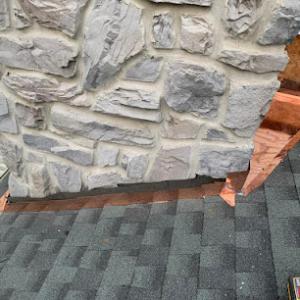
Smart Pro Quality Construction
(412) 652-5086 smartproqualityconstructionllc.com
Serving
5.0 from 32 reviews
Our company is renowned for providing a wide range of home services for the community. From building a whole roof to performing partial repair procedures, we do it all and we do it well. We are a licensed and insured company that has gained extensive experience over the years providing commercial and residential services and products. For these and many reasons more is why we have earned the trust and respect of countless customers.
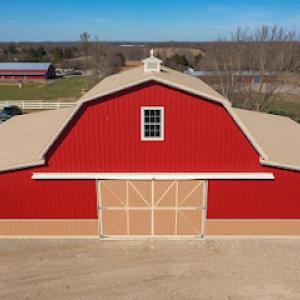
Amish Metal Roofing
(724) 919-7091 amish-metalroofing.com
Serving
4.8 from 4 reviews
Amish Metal Roofing is rooted in the timeless tradition of Amish craftsmanship combined with attention to detail. We deliver roofs that stand the test of time — backed by 40-year warranties on all our metal panels and fasteners.
Community Pro Roofing
(412) 667-2539 communityproroofing.com
Serving
5.0 from 99 reviews
Roof Replacement company in the Pittsburgh area focusing on service, quality of installation and fair pricing.
Professional Construction Solutions
Serving
4.9 from 84 reviews
Professional Construction Solutions is your trusted provider of comprehensive construction services. Our experienced team specializes in roofs, windows, doors, siding, soffit, fascia, gutters, additions, decks, bathrooms, and kitchens. We offer tailored packages to fit every budget, ensuring that you receive top-quality products and precise installations. As a family-owned and operated business with low overhead costs, we provide unbeatable value in the industry. Customer satisfaction is our top priority, and we strive for 100% satisfaction, 100% of the time. Serving Pennsylvania, West Virginia, Maryland, and Ohio, we are ready to exceed your expectations. Contact us today and experience the difference!

Top Notch Roofing Solutions
(724) 500-3027 topnotchroofingpgh.com
Serving
5.0 from 42 reviews
Based in Greensburg, Top Notch Roofing Solutions has been providing exceptional craftsmanship and reliable services since its establishment in 2022. As a leading contractor in the Westmoreland and Allegheny County areas, they are experts in residential and commercial roofing, with a wide range of services including professional inspections and seamless repairs. Their commitment to quality extends to siding and window installation, as well as comprehensive gutter services. With a focus on customer satisfaction, their hands-on approach guarantees a professional finish, ensuring your home is both protected and enhanced by their expert solutions.

KSL Roofing & Remodeling
Serving
4.9 from 43 reviews
Since 2001, our locally owned and operated roofing and home improvement company has provided a variety of services for our residential and commercial customers throughout Westmoreland County, including residential roofing in Pittsburgh, PA. Our experienced team offers a wide range of skills. Whether you are in need of home repairs or updates we can do the job for you. As one of the leading home improvement companies in Latrobe, PA, we work with clients to complete virtually any renovation they have in mind, from window installation to home addition construction. We provide quality results at fair prices. KSL Roofing and remodeling also works with a number of insurance companies and local disaster companies.

R & J Seamless Roofing Systems
Serving
5.0 from 3 reviews
R J Seamless Roofing Systems has spent over ten years providing high-quality roofing to commercial and residential property owners alike. As a family-owned business, trust, and service as at the foundation of what we do. We always go above and beyond to deliver the best roof possible, and to do it at a fair price. That starts from the first time we visit the property. We deliver a thoughtful assessment of roofing conditions that people can trust. When it’s time to move forward with installation, we work efficiently, aiming always for complete customer satisfaction. And our maintenance agreements have proven valuable in pro-actively staying ahead of problems to the greatest degree possible and giving customers the peace of mind they deserve.

1st Choice Construction
Serving
5.0 from 2 reviews
Protect your largest investment with our reliable roofing services. We are a locally owned and operated roofing company currently serving Punxsutawney, PA and surrounding communities. If you want to make your roof last as long as possible, it is vital that you never put off a roof repair. Small issues with roofing become big issues in a hurry. No matter how major or minor the repair you need, we are here to help. We offer roofing contracting, roof installation, and roof replacement.
Commercial Roof Expert
Serving
5.0 from 2 reviews
We specialize in low sloping an flat roofs from Restorations, to Replacments and repairs.
Cost ranges you'll commonly see in this hilltop borough come springtime or after a heavy winter are shaped by the town's older, steep-slope homes. Dormers, chimneys, and complex valleys push material counts higher and can tighten schedules. When you're budgeting, plan for the local climate's freeze-thaw cycles and the extra labor that comes with navigating those old roof complexities.
Use these local planning ranges per square: 350 to 550. On Indiana's older homes, asphalt shingles stay a practical choice for most remodels, but expect a bit more nailers, drip-edge work, and sealing around dormers. If you have multiple ridges or a swale that channels meltwater toward a valley, labor can push the per-square cost toward the higher end. In spring and fall, favorable weather windows help crews finish faster, but post-storm backlog can bump pricing and lead times.
Use these local planning ranges per square: 900 to 1200. Metal roofs handle snow load and freeze-thaw cycles well, which makes them appealing on hilltop streets. Expect higher costs where the roof has hips, valleys, or a dormer integration, since metal work around those features requires careful detailing. Availability tightens after big spring storms, so book early if you're aiming for a fall installation to avoid price bumps.
Use these local planning ranges per square: 1000 to 1700. Clay tile is visually appealing but demands precise layout on steep-slope, older structures. Expect extra costs for scaffolding, rafter strengthening, and intricate valley work around chimneys. In Indiana, tile installations near dormers or tight perimeter angles can extend schedule and elevate labor charges during peak season.
Use these local planning ranges per square: 900 to 1500. Concrete tiles offer durability in freeze-thaw conditions, but heavier tiles mean structural checks and possible reinforcement-especially in existing bearing walls common to older homes. Valleys and dormer intersections are the main cost levers, and springtime demand can tighten contractor calendars.
Use these local planning ranges per square: 650 to 1100. Wood roofs suit the traditional look of established neighborhoods, but installation and maintenance are more sensitive to attic moisture control. Expect higher labor costs where roofs have numerous valleys or tight corners, and plan for more frequent maintenance in freeze-thaw cycles.
Use these local planning ranges per square: 700 to 1200. A solid middle-ground choice for steep-slope homes, synthetic options resist moisture well but still require careful flashing around chimneys and dormers. Early spring and late fall windows fill quickly in this market, which can push scheduling costs higher if you're competing for a crew.
A full roof replacement in Indiana County typically requires a permit application that identifies project scope, materials, and contractor information. This process helps ensure the work aligns with local building codes, drainage considerations, and fire-safety requirements that matter on steep-slope homes common in the area. When you prepare the application, have the contractor's license number, contact details, and a brief outline of the work plan ready. In neighborhoods with older, steep-roof housing stock, inspectors will pay attention to how attic ventilation is addressed in the plan, since proper venting helps manage moisture during the freeze-thaw cycles that characterize the Allegheny foothills.
Inspections are commonly scheduled after rough-in and again at final installation. The rough-in check typically verifies structural support implications, flashing details around chimneys and valleys, and initial ventilation provisions. The final inspection confirms that the installed roof meets code, that penetrations are properly sealed, and that ventilation remains adequate for long-term moisture control. Some municipalities within the county may add plan review or require ventilation-related corrections, so expect questions or required adjustments related to attic air flow, soffit and ridge vent balance, and eave detailing. Being prepared with a clearly drawn vent plan and product specifications helps keep the process smooth.
Because local administration can vary by municipality, homeowners should confirm whether the borough, township, or county-linked process is handling the permit before work starts. In practice, this means contacting the local building department or code enforcement office to verify the correct form, fee schedule, and submission method. Some towns within the county run their own permitting in-house, while others piggyback on a county-wide system or share plan-review duties. If a permit is routed through a county or regional office, there may be an additional review step for compliance with statewide energy codes and ventilation standards. Always check whether a digital submission portal is available and whether plans need to be stamped by a licensed professional.
Before bidding with contractors, ask for a copy of the permit checklist used by your municipality and request a timeline that aligns with the typical inspection windows. Have square footage, roof pitch, and a preliminary attic ventilation plan ready to share. For steep-slope homes with long winters and heavy snow, emphasize how the new system will address freeze-thaw movement and moisture control. Confirm who will coordinate with the inspector, schedule the rough-in and final inspections, and what documentation the contractor will provide after each inspection. Keeping lines of communication clear with the local office prevents delays and helps ensure the new roof remains compliant as seasons transition.
Asphalt shingles remain a practical fit for Indiana because they match the area's dominant steep-slope housing stock and lower upfront budgets, but freeze-thaw cycling can shorten life when ventilation and flashing are weak. For homes on hills and with older attic spaces, focus on upgrading attic ventilation and ensuring proper exhaust and soffit intake. Choose architectural or dimensional shingles for better wind resistance on steep pitches, and invest in quality flashing around chimneys, vents, and edge details to reduce ice dam risk in late winter. Regular inspections after heavy snows help catch loose bundles or lifted edges before a moisture problem starts.
Metal roofing performs well for snow shedding in Indiana's winters, but installation quality around fasteners, penetrations, and condensation control matters in cold-weather conditions. If selecting metal, insist on a full-coverage underlayment and a precise seam installation designed for freezing cycles. Pay attention to roof-to-wall transitions and where decks meet the gutter line, since any freeze-thaw movement can reveal shallow sealant joints. For older homes, ensure the structure can support the weight and that attic ventilation remains adequate to control condensation inside the roof cavity.
Tile, wood, and synthetic products are less common choices locally and need careful structural and moisture planning on older Indiana homes before replacement decisions are made. Clay or concrete tiles demand a stronger underlying framing and careful snow load assessment on steep slopes. Wood shingles and shakes carry great character but can be vulnerable to moisture and rot without a robust ventilation plan and careful flashing. If considering these materials, verify the attic condition, potential for ice dams, and the long-term moisture management strategy before committing.
Spring and fall are the most workable replacement seasons in Indiana because they avoid the worst winter freeze conditions and the hottest summer installation periods. If you aim to minimize weather-related delays, target late spring or mid-fall when attic moisture has had time to vent and temperatures stay moderate. Steep-roof homes common here benefit from milder days for shingle seating and metal installation, reducing the risk of heat blistering or cold-induced warping during the job.
Winter projects may face delays from snow cover, brittle materials, and safety limits on steep roofs. If a snowfall or ice rim causes access issues, scheduling becomes a squeeze, and temporary de-icing may be necessary. On steep slopes around older stock, workers limit ladder angles and use additional fall protection, which can slow progress. If you are already dealing with a winter leak, prioritize temporary repairs to keep attic spaces dry while you wait for a feasible window.
Fall scheduling can tighten quickly in Indiana as homeowners try to finish work before snow season and after summer weather exposure reveals leaks. Start planning soon after you finish summer outdoor activities, and align material deliveries with a forecast that offers several dry days in a row. If you see early signs of moisture intrusion or ice dam risk, secure a window and communicate your priorities with the contractor so they can sequence work around upcoming cold snaps.
Ask the contractor to map a step-by-step replacement sequence that accounts for attic ventilation and moisture control. For older steep-roof homes, ensure eave and ridge ventilation are addressed during the same project to prevent new cold-season condensation. Confirm that tarps, access, and haul routes are prepared for the typical Indiana winter transition, and set a flexible backup plan in case a late-season thaw or early snow interrupts the timeline. Indiana.