
Last updated: Apr 19, 2026
New Castle's cold winters and repeated freeze-thaw cycles accelerate shingle cracking, flashing movement, and leak development around roof penetrations. The combination of freezing overnight lows and thawing days puts constant stress on the aging steep-slope stock that dominates the area. When shingles crack or lift, even a small amount of meltwater can work its way under the layers and find its way into the attic or walls. That damage often shows up long after the frost has passed, catching homeowners off guard during spring inspections.
Snow and winter weather in Lawrence County create ice dam risk that is closely tied to attic ventilation and insulation performance rather than just roof age. If the attic is inadequately vented or poorly insulated, warm air escapes upward and melts the roof deck near the eaves. As that melt refreezes at the colder edge, an ice dam forms, backing water up under shingles and into soffits, fascia, and interior ceilings. In older homes, the attic space may have had ventilation added piecemeal over the years, leaving inconsistent air flow that fails precisely when a rough winter hits. The result is a perfect setup for slow, creeping leaks that damage sheathing and rafters over multiple winters.
Because many local replacements are reroofing projects on older homes, hidden deck moisture and prior ventilation deficiencies are common issues when leaks appear after winter. Decks beneath the current roof line can trap moisture from previous seasons, and degraded deck boards or failed underlayment may already be compromised before the first snow flies. When a leak shows up after a heavy thaw, it is often not just a single bad shingle but a sign that prior ventilation gaps, ridge vent obstructions, or blocked soffit vents allowed warm attic air to fuel the problem year after year. Homes with complex roof lines, multiple penetrations, or older venting configurations are especially prone to these hidden weaknesses.
You should identify vulnerable spots around dormers, skylights, and chimney flashing, where ice tends to back up under shingles first. Inspect flashing for movement or gaps after the thaw cycles, and look for dryer vent or attic vent obstructions that could disrupt proper airflow. Improve insulation in the attic to minimize heat loss that drives those melt-and-freeze cycles, and verify that soffit and ridge vents are clear and functionally connected. If leaks are already observed after winter, treat the issue as a sign of a larger ventilation and moisture problem, not a single failed shingle. A careful assessment can reveal whether the deck underlayment is still intact or if hidden rot has started, guiding repair before further damage compounds. In persistent trouble spots, a local roofer who understands the area's freeze-thaw patterns can help pinpoint leakage paths and prioritize flashing, vent sealing, and deck repairs to withstand another harsh winter.
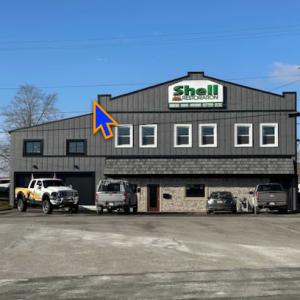
Shell Roofing & Exteriors
(800) 663-8103 www.shellbuilt.com
2110 E Washington St, New Castle, Pennsylvania
4.5 from 240 reviews
Shell Restoration specializes in Roofing, Siding, Windows & Gutters. We are one of the few to be honored as an Owens Corning Platinum Certified roofing contractor in Western Pennsylvania, Eastern Ohio, and Southwestern New York. Shell Restoration is ranked as one of the largest contractors in the United States by Qualified Remodeler. We offer an array of financing options from low, fixed income options to 0-interest loans! Our service area is from Pittsburgh to Southwestern New York. When damage occurs to your home from severe weather, we are the professionals to call as we will deal with your insurance company on your behalf making the insurance claim process seamless. Call us to bring experience and professionalism to your job.
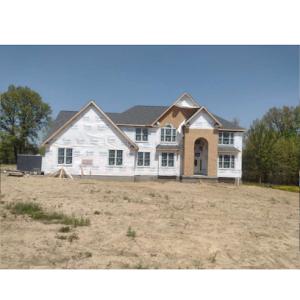
Bucceri Roofing & Siding
3000 Cascade Blvd, New Castle, Pennsylvania
4.4 from 24 reviews
Top rated Roofing contractor on Angi, Accreditation with BBB, licensed for all residential and commercial needs. Other construction also available please call for quoting.
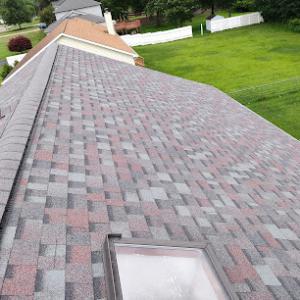
Ace Roofing & Remodeling
Serving
5.0 from 15 reviews
We are a fully insured and bonded interior and exterior remodeling company... We offer a variety of services.. No jobs to big or small we got you covered.. We also offer a 199.00 Roof Siding and Gutter repair service.... All work is covered under our warranty..... Can't wait to hear from you... No long wait price match or better on all full roof installations check is out at Ace Roofing on facebook
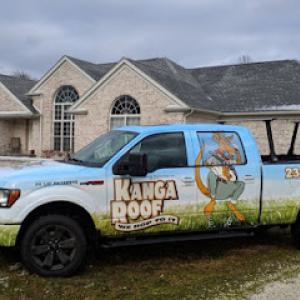
Hornbeck KangaRoof
(234) 244-4125 hornbeckkangaroof.com
Serving
4.9 from 380 reviews
If you are looking for a dependable local roofing contractor, you will be hard-pressed to find one that offers the same level of service as Hornbeck KangaRoof. We are a local family-owned company serving the area for over 25 years. Our reputation and your satisfaction are extremely important to us. This is why we wrap our vehicles in unmistakable branding, and our employees are uniformed. Our customers appreciate that we use Straight Forward Pricing Guide. You will know the costs upfront, and everyone pays the same prices for the same labor and materials. Call us for an estimate.

Reyes Roofing & More
(234) 232-5698 www.reyesroofingandmorellcoh.com
Serving
4.7 from 50 reviews
Welcome to Reyes Roofing and More Reyes Roofing and More, has been a leader in the roofing industry with 15 years of experience providing only the highest quality services for our clients. If you want to know more about us and see our work, you can visit us on our website
Cover Pro Construction
(330) 509-5617 coverproroofing.net
Serving
5.0 from 199 reviews
Our desire at Cover Pro Roofing , LLC is to deliver work you can feel good about. You work hard for your money and we want you to have the confidence of knowing your money is well spent. Our roofing contractor stands behind our work and provides a 5yr. workmanship warranty to prove it. We handle both residential and commercial roofing which includes roof replacements, roof repairs, roof inspections, flat roofing, gutter installations, and chimney masonry work when needed. We are proud to be 100% recommended on HomeAdvisor and we believe that satisfied customers are our best advertisement. Call us for more info or to schedule a free estimate.
RD Construction
(330) 304-3863 www.rdconstructionohio.com
Serving
5.0 from 48 reviews
RD Construction provides roofing, siding, windows and more to Northeast Ohio and Western Pennsylvania.
J Hostetler Roofing
(740) 693-3857 www.jhostetlerroofing.com
Serving
4.9 from 61 reviews
We’re a family owned and operated roofing business that’s focused on providing you with quality roofing services and repairs! Whether you’re thinking about metal, asphalt shingles, or metal shingles, we’re here to help you with all your roofing needs

DiazRoofing
(330) 531-1296 diazroofing.info
Serving
4.9 from 42 reviews
“DiazRoofing is a top-rated residential and commercial roofing contractor serving Youngstown, Akron, and all of Summit, Mahoning, Trumbull, and Columbiana counties. We specialize in roof replacement, storm and wind damage inspections, metal roofing, shingle roofing, and full insurance claim assistance. Our team installs premium systems including Owens Corning, Tamko Titan XT, and Conklin commercial coatings. We offer same-day estimates, emergency tarping, and fast, reliable service for homeowners and property managers. If you need a trusted roofing company in Akron or Youngstown, DiazRoofing delivers quality, speed, and unbeatable customer care.”
Bautista Construction
(646) 904-0865 constructionservicescampbell.com
Serving
4.8 from 16 reviews
We are the top choice in Campbell, OH, if you are looking for construction services. Bautista Construction understands the importance of sticking to a budget while still providing high-quality work. Our team will work closely with you throughout the project to ensure that the results exceed your expectations while staying within your budget constraints.
Nasco Roofing & Construction
(330) 746-3566 www.nascoroofing.com
Serving
4.7 from 36 reviews
"Nasco Roofing and Construction is fully-licensed and bonded, specializing in residential and commercial roof repair, roof replacement and new roof installations. Whether its flat or shingle roofing systems, you can count on our roofing specialists to meet your needs in a timely fashion with professionalism. Our Nasco Roofing and Construction staff is committed to being " the best " and putting our customers first."
Revival Contracting
(330) 518-5665 revivalcontractingco.com
Serving
5.0 from 104 reviews
Revival Contracting provides expert roof repair in Youngstown, OH. As a trusted roofing contractor, we specialize in roof replacement, residential roofing, and commercial roofing projects. Our team works with shingle roofing, flat roofing, metal roofing, and aluminum roofing to ensure long-lasting protection for your property. We also provide professional gutter and siding installation. Serving Youngstown, Austintown, Canfield, Boardman, Poland, Niles, North Jackson, and Liberty, we are committed to quality workmanship and top-tier materials. Whether you need roofing repair, siding services, or complete exterior upgrades, Revival Contracting is your reliable partner for residential and commercial projects across Northeast Ohio.
Spring storms and frequent rainfall in the area can slam roofs mid-project, flooding gaps, and forcing quick decisions after a gusty system leaves moisture pouring through. If a leak is actively dripping, prioritize stopping the flow at the source with a sturdy tarp or temporary patch, then secure the area to prevent slipping hazards indoors. The goal is to minimize interior damage while keeping workers safe as weather moves in and out of the forecast.
When a storm hits and a tear-off timeline shifts, a dependable tarping plan becomes a homeowner's first line of defense. Cover exposed roof openings with heavy-duty plastic or tarp and weight edges with boards or bricks to resist wind lift. Make sure any temporary patch channels water away from interior ceilings and walls, not toward them. Inspect for accumulated water in attic spaces and address felt or underlayment exposure quickly to avert additional freeze-thaw damage as temperatures swing.
After a storm, insurers typically request photos, an adjuster inspection, and an itemized bid for repairs. Gather clear, high-resolution images showing the extent of the damage from multiple angles, and include close-ups of vulnerable areas like valleys, step flashing, and chimney terminations. Keep a simple, dated log of all weather events and the timing of each temporary repair. This documentation matters because temporary fixes are often assessed for salvage value once actual repairs commence, and discard timing can affect claim handling.
In this market, you'll see a surge of crews offering quick tarps and rush repairs. Look for a contractor who can provide immediate tarp installation, a written plan for temporary leak control, and a clear timeline for a full assessment after the storm passes. Ask for references from neighbors who've faced back-to-back winter weather and verify that the crew prioritizes safety, weather routing, and proper sequencing of any tear-off work to minimize further exposure to freeze-thaw cycles.
Active projects slowed by spring fronts require coordinated staging: tarps first, then a dry-down period before any complete tear-off. If a storm arrives during a planned reroof, homeowners should expect a staged approach with temporary protections remaining intact until conditions stabilize. Scheduling should account for potential days lost to rain, with contingency buffers that reduce the risk of exposed roof decks during freeze-thaw transitions.
As the weather clears, actionable steps emerge: confirm that temporary protection remains secure until a permanent repair plan is executed, and ensure all moisture intrusion is documented for the final claim settlement. If the interior shows signs of latent moisture, address it promptly to avoid mold and further damage through the heating season. Maintain a steady line of communication with the contractor and insurer, so adjustments are aligned and the restoration proceeds without backtracking.
Find local contractors experienced in assessing and restoring roofs after hail, wind, and severe weather events.
Shell Roofing & Exteriors
(800) 663-8103 www.shellbuilt.com
2110 E Washington St, New Castle, Pennsylvania
4.5 from 240 reviews
Bucceri Roofing & Siding
3000 Cascade Blvd, New Castle, Pennsylvania
4.4 from 24 reviews
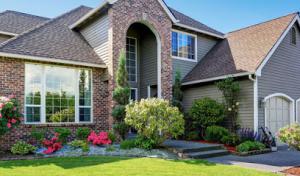
Asphalt shingles and metal roofing cover the bulk of replacement work on the town's aging steep-slope homes. Asphalt shingles are the straightforward choice when replacing a worn roof on a dated frame, while metal panels offer longer life and a leaner profile that can suit smaller or more modest structures without overwhelming the roofline. Slate, clay tile, and copper show up, but do so in a selective pattern that often requires extra notice to the local building department, especially on older houses with heritage or architectural details. If the goal is a reliable, expedient reroof with minimal structural surprises, asphalt or metal remains the practical route for most roofers in town.
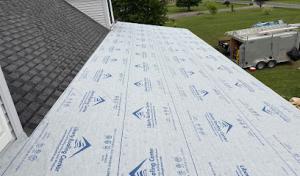
Freeze-thaw cycles in western Pennsylvania are unkind to brittle or poorly detailed materials, so the emphasis during replacement should be on underlayment, flashing, and fastening choices. A high-quality synthetic underlayment, properly lapped and sealed at critical joints, helps manage moisture ingress during the winter melt. Pay attention to drip edges, valley flashings, and chimney or vent intersections; these become pressure points as ice forms and expands. In older homes, proper fastening patterns and nail penetration depth matter just as much as the chosen shingles or panels. A well-sealed edge and continuous ventilation work together to reduce ice dams and interior leaks during the cold months.
Heavier materials such as slate, clay tile, and concrete tile sit in the local material mix but can complicate reroofing on older structures if the framing capacity or deck condition is uncertain. Before choosing these options, verify that the existing roof structure can handle the weight, and expect additional work to reinforce rafters or add support as needed. If the deck shows signs of sag or prior repairs, consult a structural pro before selecting a heavy roof system. For many homes with limited attic space or wooden framing that's aged, lighter options like asphalt or metal provide a safer, simpler upgrade path that still delivers solid winter performance.
During installation, ensure fasteners are appropriate for the climate and the chosen material, with corrosion-resistant hardware for all penetrations. Pay attention to ventilation details in the attic to prevent moisture buildup that can worsen freeze-thaw damage over time. When selecting a roof type, weigh the combination of weight, durability, and ease of inspection in cold months, recognizing that a straightforward asphalt or metal replacement often yields the most predictable performance in the town's distinctive climate.
Pricing for reroofing in this area tends to reflect real-world labor and deck repair needs more than a simple overlay. With aging steep-slope homes common here, teardown, debris disposal, and fixing a fragile or suspect roof deck push per-square costs higher than you might expect if a contractor could just lay new shingles over the old. Asphalt shingles stay the baseline, but the price you see per square often includes the extra labor and materials needed to address deck rot, warped sheathing, and localized leak sources that show up after a winter list of freeze-thaw cycles. The typical asphalt range you'll see is about 350 to 600 USD per square, depending on condition and local crew availability.
Non-standard materials factor into pricing more in New Castle than you'd guess from a brochure. Tile and copper, while attractive and long-lasting, are less common here and that scarcity shows up in bids through both higher material costs and a smaller pool of willing installers.Clay tile or concrete tile can push a project well beyond asphalt shingles, reaching into the 900 to 1800 USD per square range for clay and 1000 to 1700 for concrete, with copper often well above that. Building departments here tend to require more notice and coordination for these materials, which translates into longer scheduling windows and sometimes higher subcontractor charges. If you're weighing curb appeal against long-term performance, this is a real local factor to account for in the budget.
A common scenario in this region is a full tear-off followed by careful deck inspection and repair. If the old decking needs replacement or repair, that work shows up as additional cost per square, and it can push the project into the higher end of the asphalt range or beyond, depending on the extent of rot and the need to upgrade underlayment or ventilation. Expect the price to reflect not just new shingles, but the peace of mind that comes from a solid, dry, cold-season-ready roof structure underneath.
Peak-season demand for reroofs in this climate creates scheduling pressure. Contractors may prioritize projects based on weather windows and deck readiness, which can affect both price and start date. If your roof needs attention before winter, be prepared for a tighter schedule and potentially higher mobilization costs or a premium for expedited work. This is a practical factor you'll notice when comparing bids side by side.
Don't let upfront costs delay a critical repair - these contractors offer payment plans to fit your budget.
Shell Roofing & Exteriors
(800) 663-8103 www.shellbuilt.com
2110 E Washington St, New Castle, Pennsylvania
4.5 from 240 reviews

Reroofing projects in this corner of Lawrence County typically fall under building permit requirements rather than informal maintenance. That means the local code official will treat the work as more than a cosmetic update, especially when dealing with older steep-slope roofs that endure repeated freeze-thaw cycles. If the project proceeds without a permit, the homeowner's insurance and future resale value can be put at risk, and the contractor may face penalties or a stop-work order. Expect a process that looks for proper ventilation, underlayment, and adherence to required details for your roof's age and style.
The contractor or permitting agent usually handles submitting plans and paying the fee. The homeowner should not assume someone else is taking charge. Before any shingle or tile is removed, confirm who is responsible for filing the permit, who will receive the approval notices, and who will be the point of contact for any subsequent questions from the inspector. A short written confirmation helps prevent delays if the city or county needs a drawing revision or an extra vent calculation.
Inspections are generally scheduled after completion to verify ventilation, underlayment, and code compliance. The goal is to ensure the attic space breathes properly and that the roof is sealed against winter moisture and mid-winter thaw events. In older homes with complex rooflines, the inspector will likely pay attention to ridge venting, soffit ventilation, and proper flashing around chimneys and skylights. If your roof uses less common materials, like tile or copper, expect the process to require more notice to the local building department so the inspector can verify method and compatibility with existing framing and drainage.
Tile, copper, or other non-standard materials often trigger additional review. These materials may demand extra documentation or a revised plan to demonstrate how they integrate with the home's ventilation and attic insulation. Plan for a modest lead time beyond a typical reroof to accommodate this review, especially as winter approaches when scheduling becomes tighter.
Ask for a written timeline that includes permit submission, expected inspection dates, and a clear handoff for the final sign-off. Keep a dedicated folder with the permit number, contractor contact, and inspector notes. If a ventilation or underlayment detail feels unclear, request written clarification before the project proceeds-clear expectations reduce the risk of a late inspection hold. In a climate where freeze-thaw cycles test every seam, having a smooth permit-to-inspection flow can save real headaches when winter pressure builds.
Photos matter here: Pennsylvania carriers commonly cover roof replacement when storm damage is properly documented, but adjusters typically want photos and an itemized contractor bid before approving scope. When a late-winter freeze or a heavy snowfall has stressed an aging steep-slope roof, take clear images of damaged shingles, flashing, and any water intrusion inside the attic or ceiling. An itemized bid from a trusted local roofer helps frame the scope, showing exactly what is being replaced and why. If an insurer questions the need for a full replacement, present contractor notes that connect the damage to the storm event and note any ongoing leaks that have narrowed the repair options.
Some insurers apply depreciation or deductible limits, which can materially change whether a homeowner pursues full replacement or targeted repair after a storm. In practice, that means the decision is not only about the immediate damage but also how your claim is framed in terms of longevity and performance of the roof system. For older roofs in this climate, depreciation practices can claw back value from the claim as the system ages, so collaboration with the roofer to document remaining roof life and fair replacement scope becomes critical. Be prepared to discuss how including ventilation and attic details in the claim supports a longer-lasting result that stands up to freeze-thaw cycles.
Proof of maintenance can matter for claim approval, so homeowners with older New Castle roofs should keep records of prior repairs, leak response, and seasonal upkeep. A simple file of repair invoices, service visits during winter storms, and notes on minor fixes can tilt decisions toward a more favorable outcome. If prior leaks were promptly addressed, insurers may view the roof as better maintained, which can influence the scope of approved work. Keeping a running log helps you defend why a targeted repair is insufficient and a full replacement is warranted after a documented storm event.
Flat-roof sections on aging homes and mixed-use buildings in this area rely on careful drainage design. Spring rain can overwhelm marginal slopes, and winter snow loads add weight that pushes drainage hardware toward failure if not kept clear. Pay attention to scuppers, internal drains, and edge flashing where gravity helps or hinders water flow. Dirt, pine needles, and grit from nearby trees tend to accumulate on low-slope roofs, so establish a simple, seasonal debris check and clear out any obstructions that slow drainage paths. Improper sealing around penetrations-HVAC curbs, vent pipes, skylight curbs-invites slow leaks during wet spells.
The local climate makes freeze-thaw cycles a persistent issue on low-slope sections. Water that ponds or backs up at terminations will freeze, push against seals, and gradually pry up edges or create hairline cracks. Look for lifted seams, cracked roof coatings, and loose ballast or membrane edges after late-season cold snaps. If you notice unusual, repeat damp spots inland from parapets or around penetrations, treat those as warning signs of membrane distress that can worsen with another winter.
Flat-roof work often brings in crews that serve commercial properties as well as homes. That cross-over is a practical advantage because many local contractors understand both residential and commercial low-slope systems. When evaluating repairs or reroofing, ensure the chosen material and fastener pattern align with the existing deck and insulation assembly. In mixed-use or porch roof areas, consistent flashing details around retrofit penetrations protect against wind-driven rain and snow load shifts.
A proactive maintenance habit matters: biannual inspections, plus after heavy storms, help catch issues before leaks become active. Document any ponding areas, verify seam integrity, and confirm flashing stays secure as temperatures swing. For porches or additions, coordinate inspection with the main roof so repairs stay integrated and visually cohesive. In practice, a practical checklist and a steady schedule save more trouble than sporadic, ad-hoc fixes.
Find specialists in TPO, EPDM, and built-up flat roofing systems for residential and commercial properties.
Shell Roofing & Exteriors
(800) 663-8103 www.shellbuilt.com
2110 E Washington St, New Castle, Pennsylvania
4.5 from 240 reviews
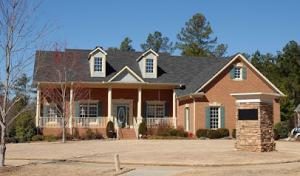
In New Castle, the local market emphasizes affordable reroofing, quick response, and cleanup included. When talking with crews, pay attention to how they protect tear-off work areas and manage debris removal on older neighborhood lots. Re-roofing decisions often hinge on how thoroughly a crew keeps driveways, sidewalks, and landscaping free of shingle remnants after a long winter. Ask for a brief, itemized plan of tear-off protection and debris cleanup, and verify they leave the site clean at day's end.
Chimney-related work appears repeatedly in signals from local contractors, so flashing and masonry interface experience is especially relevant. Inspect how a roofer plans to seal around brick and mortar, and how they approach crown lines and chase flashings where water can back up during freeze-thaw cycles. If a chimney is close to a ridge or vent stack, confirm that the crew includes proper step flashing, counters flashing, and any required sealant to prevent ice dams and winter leaks.
Because permit handling is commonly done by the contractor or permitting agent, homeowners should verify who will submit plans, schedule inspection, and address any notice required for specialty materials. Confirm who coordinates the permit-related steps, who attends the inspections, and what information is needed from you to avoid delays. Ask about how they document roof ventilation and attic details, since winter performance in older structures often hinges on proper installation and a clear plan for meeting review expectations.