
Last updated: Apr 19, 2026
Youngstown's cold winters bring repeated freeze-thaw cycles that hammer roofs already past their prime. Water seeps into tiny gaps around flashing, vents, and chimney crickets, then freezes, expanding and widening those gaps. In older homes with re-roofing histories, weak points show up first during heavy snow or after a spell of single-digit mornings followed by thaw. You'll notice shingles curling or losing granules where ice damming has stressed the deck. Those are flags that the roof's structural and moisture-control components are reaching the end of their reliable life, even if the surface looks intact.
In the Mahoning Valley, snow cover can hide trouble until a thaw. Ice dams form when warm attic air melts snow at the eaves but freezes again at the overhang, backing water under shingles and into the attic or ceiling. With material handling limits during winter storms, delaying nonessential roof work is common, which makes quick leak control during a storm more critical than lining up a full replacement. If you see staining on ceilings, hear dripping when the attic is ventilated, or discover damp insulation after a thaw, treat it as an emergency. Temporary measures to reduce attic heat, like closing off unnecessary attic penetration and adding temporary sealing at vents, can slow damage until a professional arrives.
Most leaks in an aging roof start at flashing around chimneys, skylights, and vent stacks, or at the edges where the roof meets walls. In re-roof environments, flashing often has aged joints, peeled seam tape, or loose fasteners that don't stand up to winter wind-driven snow. Ventilation is another weakness; improper intake or exhaust can create moisture buildup that condenses on underlayment and rafters during a heat spike in a sunny window day. Check for loose nails, lifted shingles, or rusted metal at step flashing after a heavy storm. If you're seeing mildew or musty attic smell, attic moisture is likely creeping downward.
Keep a dry, accessible area in the attic: ensure insulation is not compressed, and there is a clear path for air to circulate around the soffit and ridge vents. Clear snow from the roof edge when it's safe to do so, but avoid climbing onto a slick surface. Use a plastic roof rake with a long handle from the ground to pull packed snow away from the eaves and around any protrusions. If water is actively leaking into the home, place a bucket under the drip and protect nearby furniture with plastic sheeting; document the leak with photos and timestamps for a prompt assessment after utilities are stabilized.
Schedule two targeted checks each winter: one after significant snowfall and one after a thaw when ice dams are most likely. Look for dark streaks on the ceiling, damp insulation, or visible moisture along flashing seams. After a storm, inspect the attic for signs of water intrusion, and verify that all vent caps and chimney flashings are secure. For re-roof projects, prioritize repairs to flashing integrity and ventilation balance before any full replacement, since these components most directly influence leak risk under winter conditions.

Cover Pro Construction
(330) 509-5617 coverproroofing.net
5117 Allen Dr, Youngstown, Ohio
5.0 from 199 reviews
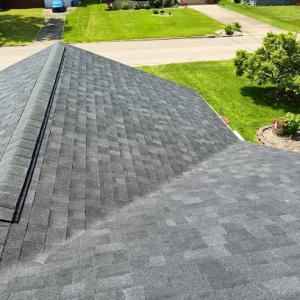
Our desire at Cover Pro Roofing , LLC is to deliver work you can feel good about. You work hard for your money and we want you to have the confidence of knowing your money is well spent. Our roofing contractor stands behind our work and provides a 5yr. workmanship warranty to prove it. We handle both residential and commercial roofing which includes roof replacements, roof repairs, roof inspections, flat roofing, gutter installations, and chimney masonry work when needed. We are proud to be 100% recommended on HomeAdvisor and we believe that satisfied customers are our best advertisement. Call us for more info or to schedule a free estimate.
Revival Contracting
(330) 518-5665 revivalcontractingco.com
1727 Mahoning Ave, Youngstown, Ohio
5.0 from 104 reviews
Revival Contracting provides expert roof repair in Youngstown, OH. As a trusted roofing contractor, we specialize in roof replacement, residential roofing, and commercial roofing projects. Our team works with shingle roofing, flat roofing, metal roofing, and aluminum roofing to ensure long-lasting protection for your property. We also provide professional gutter and siding installation. Serving Youngstown, Austintown, Canfield, Boardman, Poland, Niles, North Jackson, and Liberty, we are committed to quality workmanship and top-tier materials. Whether you need roofing repair, siding services, or complete exterior upgrades, Revival Contracting is your reliable partner for residential and commercial projects across Northeast Ohio.
RD Construction
(330) 304-3863 www.rdconstructionohio.com
Youngstown, Ohio
5.0 from 48 reviews
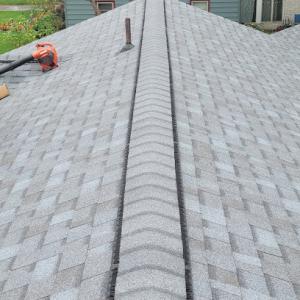
RD Construction provides roofing, siding, windows and more to Northeast Ohio and Western Pennsylvania.
Boak & Sons
(330) 366-1415 www.boakandsons.com
75 Victoria Rd, Youngstown, Ohio
4.8 from 160 reviews
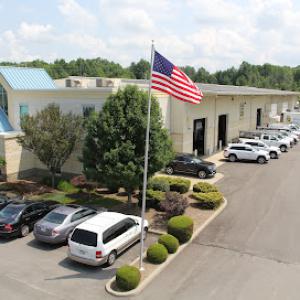
Boak & Sons uses cutting edge technology, equipment and expert service in each commercial and residential service department, which helps us provide the highest quality service. We specialize in the premium installation of roofing, insulation, siding, gutters, and sheet metal for commercial and residential projects. As a local company, we use in-house crews to complete on-site installations for projects from Cleveland, Ohio to Pittsburgh, Pennsylvania. This allows us to focus on providing an exceptional exterior contracting experience all across northeast Ohio and Western Pennsylvania.

J Hardie Construction
(330) 398-1936 jhardieconstruction.co
1727 Mahoning Ave, Youngstown, Ohio
4.9 from 55 reviews
We have a well-earned reputation as the most notable roofing contractor in Youngstown, OH, delivering top-notch services that meet the diverse needs of our clients. With a reputation built on integrity, quality, and reliability, we handle all aspects of roofing projects. From new installations to complete replacements, our professionals use the finest materials to ensure long-lasting durability and superior aesthetics. Moreover, hiring us for timely and effective roof repair in Youngstown, OH, can keep your roof in top condition. Whether it's a small leak, missing shingles, or significant storm damage, our team's expertise ensures efficient repairs that restore your roof's functionality and integrity.
Nasco Roofing & Construction
(330) 746-3566 www.nascoroofing.com
1900 McCartney Rd, Youngstown, Ohio
4.7 from 36 reviews
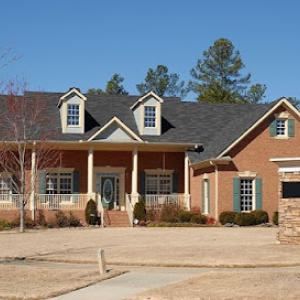
"Nasco Roofing and Construction is fully-licensed and bonded, specializing in residential and commercial roof repair, roof replacement and new roof installations. Whether its flat or shingle roofing systems, you can count on our roofing specialists to meet your needs in a timely fashion with professionalism. Our Nasco Roofing and Construction staff is committed to being " the best " and putting our customers first."
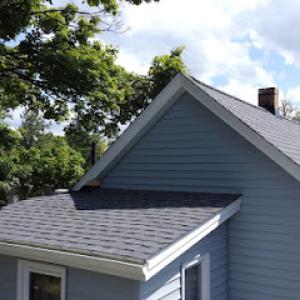
New Harvest Construction
(330) 662-5138 www.newharvestroofing.com
984 Bears Den Rd, Youngstown, Ohio
5.0 from 13 reviews
New Harvest Construction provides roofing replacements, gutter installations, interior and exterior paint services, and other home improvement services to Youngstown, OH, and surrounding areas.
Silverback Roofing
(330) 501-9445 www.silverbackrnc.com
4629 Norquest Blvd, Youngstown, Ohio
4.8 from 16 reviews
Silverback Roofing & Construction provides roofing, interior construction, exterior construction, and more in Northeast OH and Western PA.

Roof Rite
(330) 953-1045 roofriteinc.com
1236 Velma Ct, Youngstown, Ohio
4.4 from 8 reviews
Family Owned and Operated Commercial and Industrial Roofing Company Servicing NorthEast Ohio and Western Pennsylvania
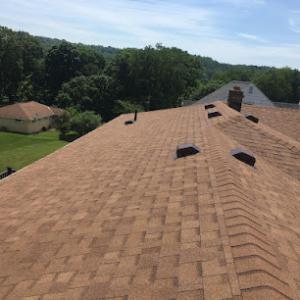
Oceans Roofing Contractor
875 E Avondale Ave, Youngstown, Ohio
3.9 from 14 reviews
Can provide free estimates along with agreement before starting my services. I have been doing this for a while and take pride in my job.
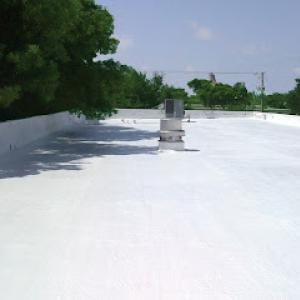
Simon Roofing
(866) 641-7663 www.simonroofing.com
70 Karago Ave, Youngstown, Ohio
3.9 from 7 reviews
Simon Roofing is a leading roofing contractor headquartered in Youngstown. We offer commercial roofing repairs, restorations, replacements and inspections to a wide variety of facilities throughout the United States. We are fully accountable for your roof's performance and back our work with a true labor and materials warranty. We also understand that when it comes to roof leaks, you need them fixed ASAP so we are available 24/7 to handle your repair requests.
Pitzulo Brothers
(800) 527-3081 www.pitzulobrothers.com
7680 Brookstone Pl, Youngstown, Ohio
3.3 from 15 reviews
Pitzulo Brothers Inc is and always has been a family-owned and operated company since 1972. We are the oldest siding, window, and roofing company in the area, and we can prove it.
In a city where wind and hail claims are a common post-storm reality, your best defense is solid documentation. Take clear, time-stamped photos of every damaged area-shingles lifted at edges, flashing gaps, dented gutters, and interior signs of moisture near ceilings and walls. Keep a dated log of what you observe after each storm and before any contractor touches the roof. In the Mahoning Valley, lingering moisture can turn a minor surface issue into an active leak before a contractor can safely dry-in a roof, so precise records matter. If you can, video the progression of exposed roof decks and any water intrusion paths inside the attic. This trail becomes your strongest leverage when talking with insurance adjusters and storm repair specialists.
Ohio homeowners commonly face wind and hail claims, and in this market that makes storm documentation, photo records, and contractor estimates central to roofing decisions after severe weather. Expect insurers to request professional estimates, photos that show the full extent of the damage, and notes on when the damage first appeared. Have contractor evaluations ready that distinguish between pre-existing wear and freshly caused damage. The clearer the before-and-after comparison, the easier it is to establish accountability for leaks and to avoid disputes over responsibility for temporary fixes versus full roof replacement.
Spring storms and residual moisture in this region can convert a small repair into a full-blown leak quickly. If shingles or flashing are compromised, water can track along sheathing and drip into the attic even if a contractor hasn't yet completed a full dry-in. A deliberate plan for rapid temporary measures-such as securing vulnerable flashing, tarping exposed valleys, and scheduling a timely dry-in inspection-helps limit interior damage while you navigate the claim. Coordinate with your contractor to stage a fast-response dry-in, especially if a cold snap is looming or a forecast calls for heavy moisture. Delays in drying-in can amplify repairs and complicate insurance settlements.
Local contractor signals show storm damage and insurance-claims work are common specialties in this market, reflecting how often homeowners need help navigating post-storm roof issues. Expect that experienced crews will bring ready-made documentation packets, including measurements, defect photos, and a line-item scope that differentiates temporary fixes from permanent replacement. If a contractor offers a "storm claim kit" with rapid assessment and insurance liaison, prioritize those options. In practice, you want crews who can both diagnose concealed damage under flashing and deliver reliable timelines for dry-in and full replacement, so you're not stuck waiting out weather windows during a Northeast Ohio spring.
Find local contractors experienced in assessing and restoring roofs after hail, wind, and severe weather events.
Cover Pro Construction
(330) 509-5617 coverproroofing.net
5117 Allen Dr, Youngstown, Ohio
5.0 from 199 reviews
Revival Contracting
(330) 518-5665 revivalcontractingco.com
1727 Mahoning Ave, Youngstown, Ohio
5.0 from 104 reviews
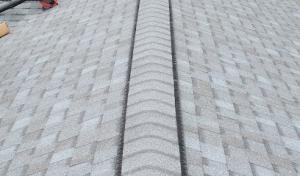
In this market, the dominant choices are asphalt shingles and metal roofing, with tile, wood, and synthetic products present but less common. Asphalt shingles are the go-to for older homes because they balance cost and repair accessibility, and metal is popular for longer life under our freeze-thaw cycles. You'll find tile and wood options less frequently, and sourcing can be trickier here, especially for more specialized installations. This matters when chasing a fair turnaround after winter storms or a spring moisture spike.
Asphalt shingles run roughly between 350 and 550 per square for a full replacement, depending on quality and warranty. Metal roofing sits higher, typically 700 to 1,150 per square, reflecting its longer life and the more involved installation. If a home has clay tile or concrete tile, expect 1,200 to 2,600 per square and 1,100 to 2,400 per square respectively, which is substantial but sometimes justified by the roof's slope or the desire for a specific look. Wood shingles or shakes usually range from 450 to 900 per square, while synthetic or composite shingles sit around 450 to 900 per square. In practice, Youngstown projects often cluster around the asphalt and metal bands, with tile or wood raising the project management stakes.
Costs can rise when winter weather, spring moisture, or autumn rain compresses the workable schedule. Storm events and rapid thaw cycles can spike demand for re-roofing and leak repairs, especially on older homes that already require tear-off work. When schedules tighten, crews may bill more for rapid mobilization or for extra cleanup time if a roof has multiple layers and old flashing to retire. If a project is planned to land near a cold snap or a heavy spring rain, set aside additional days for material deliveries and for weather-related delays.
Older re-roof projects in the Mahoning Valley often add labor complexity through tear-off layers, chimney flashing work, and cleanup needs. Tear-off-heavy jobs can elevate per-square costs because disposal, debris management, and potential damage to underlying decks require careful handling. Chimney flashing work is a common extra, as many older homes have masonry or pipe penetrations that need careful sealing to keep freeze-thaw water out. Cleanup-included service is a common hiring priority, so look for bids that clearly itemize disposal and site clearance rather than promising vague "premium service." For those with a tight schedule, prioritize contractors who demonstrate a clear plan for staging, weather contingencies, and post-roof cleanup.
A full roof replacement in the area typically requires a building permit through the City of Youngstown Building Department. Because the permit is commonly submitted by the roofing contractor rather than the homeowner, it is important that the contractor is familiar with the city process and the specific forms the department requires. Before signing, ask for their permit submission plan and a copy of the permit application so you understand the timeline and any city-specific requirements, such as proof of property setbacks or need for reflective coating where applicable. The permit serves as the city's official record that work is allowed to proceed and that the project aligns with local codes and amendments.
Inspections usually occur at rough and final stages. At rough inspection, inspectors verify proper nailing patterns, deck integrity, ventilation pathways, and flashing details to stand up to Youngstown's freeze-thaw cycles. At final inspection, the focus shifts to completed work: alignment with approved plans, proper ventilation in attic spaces, secure closure of penetrations, and overall code compliance. The city may require photos of existing conditions to document pre-work states and any amendments to local code provisions. Being prepared with a complete set of project documents helps keep inspections moving: include the approved plans, ventilation calculations, and any moisture-management details specific to older homes in re-roof scenarios.
Coordinate with the contractor to ensure the permit is filed promptly and that the permit number is shared with you as soon as it's issued. Request a pre-inspection checklist so you know what inspectors will view during rough and final inspections. If the roof has known ice-damming or ventilation challenges, discuss how those elements will be addressed in the permit package and during installation. Have clear documentation of any existing conditions, including photos of compromised flashing, vent locations, and attic insulation, so the contractor and city inspectors are aligned on the project scope and amendments to local code requirements. Maintain open lines of communication with the contractor for timely updates on inspection scheduling and any city feedback.
In Youngstown, replacement work performs best when the weather is dry and moderate. Schedule the job outside winter freeze periods to reduce risk of ice buildup under shingles and to keep adhesive and sealants from stiffening or failing. Dry days also help crews manage ventilation, moisture control, and cleanup without fighting a retreating snowbank or saturated decks. The goal is to avoid conditions that force a rush through tear-off and reinstallation, which can compromise the new roof's long-term performance.
Spring can bring storm activity and residual moisture that challenge deck dryness during tear-off. If a spring project is pursued, plan for extra drying time before final sealing and flashing work, and ensure tarps and containment are prepared for sudden showers. Autumn can still be workable locally, but rain and falling leaves can slow production and complicate moisture control before winter arrives. When scheduling in fall, coordinate with a crew that can complete weatherproofing efficiently and verify that breathable underlayment and venting remain free of debris.
Prioritize a schedule that keeps the roof deck as dry as possible throughout the process. Talk through tear-off sequencing with the contractor: removal first, then a thorough inspection for hidden leaks, followed by deck drying if any moisture is detected. Employ a temporary best-practice waterproof barrier during any delay between tear-off and final roof installation. On older homes, where leak paths may be more complex, insist on meticulous sealing around penetrations, valleys, and chimneys, and confirm that attic ventilation stays active to reduce condensation risk.
Ask for a written plan that lays out the sequence of work, anticipated weather buffers, and moisture-control measures. Ensure the crew uses edge protection and proper containment to minimize debris on sidewalks and driveways. Before work begins, walk the roof with the contractor to identify suspect flashings or compromised underlayment. After tear-off, request a photo-log of moisture checks and a clear timeline for insulation and flashing upgrades, so the project proceeds without surprise delays that could invite winter moisture intrusion.
Asphalt shingles remain the most practical fit for much of the city's homes because they align with the large re-roof market and broad contractor availability. In winter, a ready supply of local crews helps when storms create urgent leak threats after freeze-thaw cycles. You'll find a wide range of profiles that balance affordable replacement with decent durability, and the rhythm of seasonal storms means quick service is often more valuable than top-tier luxury. For many older homes, asphalt also accommodates existing roof geometries without heavy reinforcement.
Metal roofing has meaningful local contractor support in Youngstown and is often considered by homeowners looking for stronger snow-shedding performance and longer service life. A metal roof can shed the weight of accumulated ice more predictably and resist repeated freeze-thaw damage, which matters for eye-catching soffit and gutter setups common on older structures. It's important to work with a metal-specialist crew who can address attic ventilation and flashing details that prevent ice dams and leaks along eaves.
Clay tile and concrete tile are present in the market but require careful structural and installer considerations in a city where tile-roof specialists are relatively uncommon. If tile is contemplated, assess the home's framing, deck strength, and local installer experience with cold-weather installation. Tile roofs can endure but demand precise underlayment, fasteners, and ice-prone edge detailing to avoid cracking in harsh winters.
Re-roofing often happens in response to leaks rather than new construction planning. The roof system should align with existing insulation levels and attic space, ensuring reliable venting and drip-edge support to counter winter moisture intrusion. In homes with historic or mid-century layouts, selecting a material that matches the roofline and preserves curb appeal matters as much as practical performance. A local contractor can review load paths and existing gutters before any material change. This helps winter readiness.
Find contractors who specialize in clay and concrete tile roofs, known for their durability and curb appeal.

In this area, flat or low-slope sections aren't rare on porches, additions, or mixed residential-commercial properties. The flat-roof mindset can invite slow leaks that linger after storms and in freeze-thaw cycles. Expect more frequent flashing and seam work where edges meet parapets, and plan for extra attention to drainage and edge metal. When a contractor highlights flat-roof repair, trace the problem to both surface material and how the seam waterproofing has aged, especially on older structures with varied roof lines.
Chimneys are a common trouble spot on older stock, where brickwork, flashings, and crown detail can fail with ice and heat cycles. You'll see more chimney-related re-roof work in this market than you might expect. Pay attention to crown cracking, missing mortar, and flashing where the chimney meets the roof. A proactive assessment can catch deteriorating step-flashing before it invites interior damage. If a contractor points to brick deterioration or rusting flashing, treat it as a signal to budget for targeted chimney care rather than a full roof replacement.
Skylights stay popular here, but their flashing and curb joints are frequent leak points after years of cold snaps and wet springs. When selecting a contractor, prioritize those who specialize in skylight repair and flashing detail, not just full roof replacements. A small, well-sealed skylight can outlast larger repairs, but poor flashing or improper flashing lams can drain you of time and money through recurring leaks.
Older homes shine with character but demand a steady leak-response plan. Regular inspections after heavy storms, prompt flashing reseal, and careful chimneys and skylights assessment can save you from bigger, costlier damage. If you notice damp spots, ice dams, or musty odors near joints and chimneys, address them quickly with a trusted local pro who understands the neighborhood mix of flat sections and pitched roofs. In Youngstown, the best approach blends targeted repairs with durable details that hold up under winter pressure.
Find specialists in TPO, EPDM, and built-up flat roofing systems for residential and commercial properties.
Cover Pro Construction
(330) 509-5617 coverproroofing.net
5117 Allen Dr, Youngstown, Ohio
5.0 from 199 reviews
Revival Contracting
(330) 518-5665 revivalcontractingco.com
1727 Mahoning Ave, Youngstown, Ohio
5.0 from 104 reviews
Nasco Roofing & Construction
(330) 746-3566 www.nascoroofing.com
1900 McCartney Rd, Youngstown, Ohio
4.7 from 36 reviews
In this market, wind and hail exposure means homeowners should keep detailed roof photos and written contractor assessments before and after storms. Take wide, high-resolution shots of all elevations, flashing, valleys, and any existing hail bruising or missing granules. Store these digitally in a organized folder, with dated notes for each roof section. A simple pre-storm sketch tied to the photos helps when a contractor signs off on current condition for comparison later.
Ohio insurers may request detailed photos, contractor estimates, and post-loss adjustments, so documentation quality can affect how quickly a roof claim moves. After a storm, capture close-ups of damage and the surrounding context, then secure a written assessment from a licensed local roofer that outlines what is damaged, what needs immediate attention, and what can wait. Keep receipts for any temporary fixes and note weather conditions that may have influenced the damage.
Coverage availability in Ohio is generally stable but can tighten after major events, which makes deductible planning and maintenance records more important for Youngstown homeowners. Maintain an ongoing file of annual roof inspections, repairs, and any leak-proofing measures. When storms are forecast, refresh photos and ensure contractor contact information is current. Clear, organized documentation reduces ambiguity and supports a smoother claim process when a leak or hail event occurs.