
Last updated: Apr 19, 2026
In Warren, Ohio winters bring a relentless freeze-thaw cycle that repeatedly expands and contracts roofing components. This stress is most pronounced around flashing, exposed fasteners, and roof penetrations such as vent pipes and skylights. As ice and snow melt during sunny days and refreeze at night, joints and seams endure a constant tug-of-war. Each cycle loosens seals a little more, creating vulnerable paths for water to start wicking beneath shingles. That repetitive movement wears out the underlayment, shingles, and the fasteners long before a single visible leak appears. The result is a roof that seems solid until a sudden storm or heavy freeze uncovers hidden damage, often in the upper eaves or around roof penetrations where movement is greatest.
Ice damming is a recurring winter risk in Warren, where snow accumulation followed by thaw-refreeze conditions can back water under shingles at eaves. When heat loss from the attic is uneven, snow on the roof melts and runs toward the colder edges, refreezing at the gutters and overhangs to form a dam. Water pressure behind that dam can force small leaks at the fascia, soffits, or through nail joints. If flashing around chimneys and vent stacks is aged or degraded, the meltwater chooses those paths first, seeking any gap to intrude. The warning signs pile up quickly: a dark, damp ceiling near exterior walls, staining along chimney lines, and a spongy feeling in attic insulation after a heavy thaw. Immediate attention is required, because ice damming can migrate inward even if the visible leak seems minor at first.
The city's large stock of older homes makes recurring leak points around chimneys, valleys, and aging roof-to-wall transitions especially relevant after winter weather. Chases and transitions-where roof planes meet walls, around vent stacks, and where two roof surfaces meet at a valley-are common failure zones after repeated freeze-thaw cycles. The combination of aging underlayment, softened sealants, and worn-out flashing materials means these areas are the first to show moisture-related symptoms after a severe cold snap. Leaks may appear years after a bad winter, but the underlying trouble started with the last few cycles. Pay close attention to any damp spots near interior corners beneath chimneys or along valleys, and inspect flashing for loose tabs or lifting shingles time and again after winter weather.
Start with a targeted inspection focusing on flashing around chimneys, vent pipes, and roof-to-wall transitions. Look for lifted shingles, corrosion around metal flashing, and any rust stains where fasteners pass through. In steep or hard-to-access sections, use binoculars from the ground to spot obvious lifting or damaged sealant. If you notice staining or dark spots on ceilings after the last thaw, treat that as a priority warning sign and arrange a professional assessment promptly. In areas with pronounced eaves and overhangs, clear gutters and downspouts of ice buildup and ensure warming lines or insulation do not create heat leaks that feed ice dam formation. For those with aging roofs, consider an evaluation of attic insulation and ventilation, because proper intake and exhaust ventilation can reduce the heat that drives attic snowmelt, curbing the worst of the cycle. When a storm hits and damming is evident, avoid estimates based solely on cosmetic shingle wear; focus on the integrity of the flashing, penetrations, and the roof-to-wall transitions, where hidden damage often resides. In Warren, proactive attention to these stress points can prevent small leaks from becoming costly wholesale roof failures.
Spring storms in Warren commonly bring hail and heavy rain, creating intermittent shingle damage that may not be obvious until later leaks appear. The pattern here is familiar: a couple of bright, windy days, then a rainy stretch, and suddenly a ceiling stain or attic drip shows up weeks after the storm. Older housing stock in the area compounds the risk, as aging shingles and cracked flashing are more likely to fail under freeze-thaw cycles after a hail event. If a storm rattled the roof, don't wait for the drip to reveal the true extent. Inspect the roof from the ground with a keen eye for lifted tabs, dented vents, or granule loss, and schedule a timely professional assessment to separate cosmetic issues from structural concerns.
Local contractor demand signals show storm damage and insurance-claim help are unusually prominent in Warren, indicating homeowners often seek post-storm inspections and repair documentation. After a big storm, you'll see a flurry of flyers, quick phone calls, and neighbors comparing notes about who inspected what. This is not incidental chatter; it reflects a pattern where insurers lean on documented damage before authorizing work. For you, that means acting fast to secure a clearance photo set and a professional evaluation creates a smoother claim path. A thorough report that maps missing shingles, flashing gaps, and storm-induced leaks adds real weight to an insurance submission and helps prevent delays.
Ohio insurers commonly expect photo documentation of shingles, flashing, and visible damage before work begins, making early evidence collection especially important after Trumbull County storm events. Focus on clear, timestamped photos of the roof surface, roof-to-wall flashing, and any interior signs of water intrusion. For attic spaces, shoot near penetrations around vents, chimneys, and penetrations where moisture first appears. If there are granules in gutters or on the ground, capture that as well. A simple, consistent photo log-shots from multiple angles, with close-ups of damaged areas-can be the deciding factor when adjusters review the claim. In Warren, where ice damming and freeze-thaw cycles compound issues, early documentation can reveal patterns that lead to a faster, more accurate repair plan.
Right after a storm, climb up with caution and observe the edges of shingles for peel-back or curling, and look for displaced flashing along the chimney line or roof-to-wall junctions. If visibility is limited, hire a reputable local inspector who understands Warren's typical shingle wear and how it manifests after hail. Request a written report that clearly identifies damaged components, recommended repairs, and a spacing plan for remediation over the next few months. Share those notes with your insurer promptly, and keep a running folder of all communications. In Warren, where storm activity cycles through the year, building a precise evidence trail pays off when the next rainstorm hits and the interior consequences become undeniable.
Find local contractors experienced in assessing and restoring roofs after hail, wind, and severe weather events.
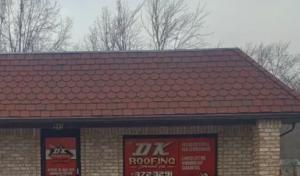
D & K Roofing Specialist
(330) 372-3291 www.dandkroofing.com
931 N River Rd NE, Warren, Ohio
4.9 from 32 reviews
Bob Romea Roofing
(412) 781-2539 bobromearoofing.com
160 Aspen Dr NW, Warren, Ohio
4.9 from 34 reviews
Uptop roofing
(330) 818-7976 www.uptoproofing330.com
123 Logan Ave SE, Warren, Ohio
4.8 from 26 reviews
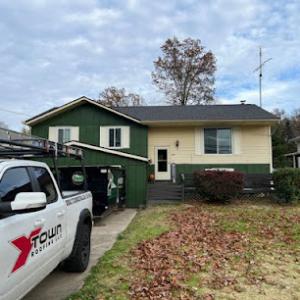
YTown Roofing
(330) 918-6608 www.ytownroofing.com
7948 Brookwood St NE, Warren, Ohio
4.9 from 62 reviews
YTown Roofing provides professional roofing services across Trumbull, Mahoning, Columbiana, and Portage counties, Ohio. We specialize in residential roof replacements, light commercial roofing, seamless gutters, and siding installation. Our local team is dedicated to quality workmanship, honest pricing, and dependable service. Whether you need a new roof, gutter system, or siding upgrade, YTown Roofing delivers long-lasting results you can trust. Contact us today for a free estimate from your reliable Youngstown-area roofing experts.
D & K Roofing Specialist
(330) 372-3291 www.dandkroofing.com
931 N River Rd NE, Warren, Ohio
4.9 from 32 reviews
Welcome to D & K Roofing Specialists The Area's Longest Serving Roofing Company since 1978 #1 roofing company and emergency roofing. A faulty roof can cost you thousands in property damage all from a simple summer rainstorm. Don't put up with it any longer. Call D and K Roofing Locally owned, we have been serving the Warren area for over 40 years, and can repair any roof, regardless of the cause. We provide 24 hour on site emergency service, even on weekends and holidays, and we do it all at an affordable rate. Don't forget to ask about our senior discount. * 130 MPH Wind resistant Lifetime Shingles * Insurance work * EPDM Rubber Flat Roofs * Snow & Ice Damage Removal & Repair * Free Estimates * Fully Bonded and Insured

Bob Romea Roofing
(412) 781-2539 bobromearoofing.com
160 Aspen Dr NW, Warren, Ohio
4.9 from 34 reviews
Bob Romea Roofing provides professional residential and commercial roofing services in Warren, OH and surrounding areas. We handle roof repairs, replacements, inspections, spray foam roofing, MR Restoration, gutter cleaning, and siding repair. Our team works with durable materials and proven techniques to withstand Warren’s seasonal weather, from heavy snow to summer storms. We serve homeowners and businesses with solutions tailored to local needs, helping extend roof life and protect properties. Contact Bob Romea Roofing for reliable roofing services in Warren, OH.

Uptop roofing
(330) 818-7976 www.uptoproofing330.com
123 Logan Ave SE, Warren, Ohio
4.8 from 26 reviews
Uptop Roofing is a trusted roofing contractor serving Warren, OH and surrounding areas. We specialize in roof repair, roof replacement, emergency roofing, and storm damage repair for residential and commercial properties. Our experienced team provides fast, reliable service, including same-day inspections and 24/7 emergency roof repair. We work with all major insurance companies and help homeowners navigate the insurance claims process after storm damage. From small roof leaks to full roof replacements, we’re committed to quality workmanship, honest pricing, and customer satisfaction. If you’re searching for a dependable roofing company near you, contact Uptop Roofing today for a free inspection.
Dave Wiltrout Roofing
(330) 544-3598 www.davewiltroutroofinginc.com
976 Deforest Rd SE, Warren, Ohio
4.7 from 59 reviews
Serving the Trumbull and Mahoning County for 29yrs. Fully Insured and Licensed. Call us for all your Home Improvements 330 544 3598 or 330 856 5142
Seybert & Sons Roofing
(330) 367-9108 seybertandsons.com
2819 Harvey Ave SE, Warren, Ohio
5.0 from 11 reviews
Seybert & Sons Roofing is a top-rated roofing company in Warren, OH, with over 27 years of experience. As a family-owned business, we specialize in: Residential Roof Installation Roof Repairs Roof Replacement Roof Patching Flat Roofing Roof Inspection Our dedicated team delivers high-quality workmanship at competitive prices. Whether you need a new roof or repairs, trust our expertise to get the job done right. Don’t overpay—contact Seybert & Sons Roofing today for a free estimate and experience reliable, top-notch service. Call now!
Genesis Roofing & Construction
(330) 553-9188 www.genesisroofingconstruction.com
2365 Parkman Rd NW, Warren, Ohio
5.0 from 10 reviews
Genesis Roofing & Construction brings over 40 years of experience to the construction industry. We specialize in all types of commercial and residential roofing, siding and gutters & downspouts. You can trust Genesis to complete your construction project to your satisfaction!
Mcr roofing
5799 Mahoning Ave NW, Warren, Ohio
4.0 from 8 reviews
We are your local trusted contractors.We specialize in commercial roofing, residential roofing ,gutters ,siding and more.Licensed bonded and insured.We offer competitive quotes on all your needs.

Diamond Roofing Systems
(330) 856-2500 www.diamondroofingsystems.com
8600 E Market St #4, Warren, Ohio
4.2 from 5 reviews
Diamond Roofing Systems is a full-service roofing company with over a half-century of experience. We offer Roof Asset Management, Extended Roof Care Products and Repair Services (including 24/7 Emergency Service) as well as total and partial replacements to customers in North Central and Northeast Ohio, and Western Pennsylvania. We help you manage roofing assets in the most cost-effective way possible by striking the proper balance between short-term expenses and long-term re-roof capital expenditure solutions.
Mjm construction services
5624 Shaffer Rd NW, Warren, Ohio
5.0 from 2 reviews
Mjm construction services llc
Superlative Roofing Solutions
218 Durst Dr NW, Warren, Ohio
5.0 from 1 review
Full Roof Repairs and Replacements
Durst Roofing & Siding
(330) 646-5721 durstroofingandsiding.com
Serving
4.2 from 87 reviews
With an unwavering commitment to quality craftsmanship, Durst Roofing & Siding, LLC has been the trusted name for homeowners since 2008. Located at 1544 North Main Street in Niles, Ohio, our dedicated team offers expert roofing and siding solutions to protect and enhance your home. From comprehensive installations to professional repair services, we pride ourselves on delivering exceptional results that stand the test of time. Discover why countless customers have chosen us for their exterior home improvement needs.
In Warren, full roof replacements are typically scheduled from late spring through early fall because dry, milder conditions reduce weather delays and installation complications. This window aligns with the time when crews can move across the roof without the extra burden of freezing temperatures or accumulating snow. Planning for a replacement during this period helps ensure materials cure properly and flashing details can be completed before the next winter freeze.
Spring storm activity in northeastern Ohio can disrupt schedules even during the preferred season, so homeowners often need to book earlier than expected after severe weather periods. Severe storms can bring sudden leaks, corkscrew branches, and higher wind loads that complicate access and damage already-installed components. If a storm hits, coordinate with the contractor to reassess the timeline quickly, prioritizing a clear path for safety and a tarp plan to protect interior spaces in case of unexpected rain.
Late-summer heat and humidity in Warren increase the importance of attic ventilation planning during replacement, especially for asphalt shingle systems. Heat builds up beneath the roof deck, which can affect nail setting, shingle adherence, and overall airflow. Before work begins, verify that the crew has a clear plan for attic ventilation during the install and that vents, soffits, and possibly a temporary turbine or powered vent will be used to maintain air exchange. This attention helps prevent heat-related stresses on the new roof and reduces the risk of premature shingle curling or deck moisture buildup.
Peak outdoor work months can bring busier crews and tighter schedules. If a replacement is needed after a storm or during a particularly wet week, expect potential sequencing changes. A practical tactic is to target midweek starts when weather data shows a stretch of dry days, avoiding the typical weekend rush when roof crews juggle multiple projects. Discuss backup dates with the contractor and confirm how short-term weather gaps will be handled, including portable weather protection and temporary leak mitigation.
Prepare a realistic timeline by marking the start window for the project and building in a buffer for weather delays. Coordinate access to the attic for ventilation planning, ladder setup, and any temporary interior protections during removal and disposal phases. If your home has an challenging architectural feature-such as multiple dormers, steep pitches, or historic details-factor in extra daylight and contingency time. For neighborhoods with older housing stock, align the schedule with typical local patterns: the late spring through early fall period usually offers the best balance of workable conditions, material handling, and crew availability, provided you monitor spring storm activity and plan for heat-driven ventilation needs during the hot months.
Get a clear picture of your project costs upfront - no commitment required.
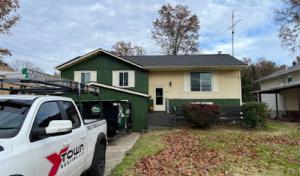
YTown Roofing
(330) 918-6608 www.ytownroofing.com
7948 Brookwood St NE, Warren, Ohio
4.9 from 62 reviews
D & K Roofing Specialist
(330) 372-3291 www.dandkroofing.com
931 N River Rd NE, Warren, Ohio
4.9 from 32 reviews
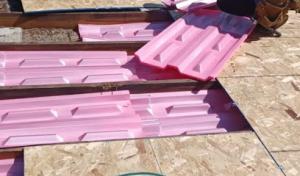
Seybert & Sons Roofing
(330) 367-9108 seybertandsons.com
2819 Harvey Ave SE, Warren, Ohio
5.0 from 11 reviews
In Warren, the residential roofing market is defined by a practical mix: asphalt shingles and metal dominate the everyday homes, while slate and tile sit on the higher end, tied to specific styles or structural capacity. For most standard Warrens houses with typical attic space and a conventional deck, asphalt shingles deliver the regular value you expect, followed closely by metal when durability and a clean, long-lasting look are priorities. Slate and clay or concrete tile show up mainly on century-old houses or homes built with a desire for a distinctive exterior, and they come with stronger handling requirements and longer lead times in our market.
Asphalt shingles track to the lower end of the cost spectrum, with a common spread that aligns with the area's winter conditions and the need for tear-off in older homes. If asphalt is your baseline, your cost per square generally lands in the mid-range for Warren's climate, and you should expect to see variability when decking repairs or flashing replacements become visible after the storm-damaged roof is exposed. Metal roofing sits higher on the chart but offers superior resistance to freeze-thaw cycles and ice damming, which can translate to lower long-term maintenance in a cold, snowy winter sequence. The niche options-slate and tile-come in at the higher end, reflecting both material cost and the specialized installation skill set required. In practical terms, if a home leans toward a slate or tile path, plan for a premium that accounts for structural checks and potential underlayment or compatibility work.
Costs in Warren can rise when winter damage reveals decking repairs, flashing replacement, chimney-area work, or ventilation corrections during tear-off on older homes. Ice dam risks and repeated freeze-thaw cycles mean exposed edges, delaminated decking, or compromised chimney flashing are common after a harsh season. For those scenarios, the price ladder shifts upward because repairs extend beyond a simple shingle swap. The longer the tear-off and refastening process takes, the more labor, disposal, and potential remediation add to the bill. These factors are especially relevant if the roof is older or if existing attic ventilation is insufficient to manage moisture.
Post-storm demand surges in this market can tighten contractor availability and affect scheduling pressure, particularly for emergency repairs and insurance-related replacements. When a storm hits, the supplier and crew pipeline tightens, and lead times extend. That stress can push quick repairs into higher-cost windows or force homeowners to navigate several bidding options. Expect some variability around peak storm seasons, and plan for a window that allows decent access to preferred crews and materials, especially if the choice leans toward metal or premium shingles that may experience longer delivery times.
When planning a full re-roof, the permit path is a real part of the job in this area. A full re-roof in Warren typically requires a permit through the City of Warren Building Department. That permit isn't just a formality: it flags the project in the system, ensures the scope is clear, and helps coordinate inspections with the city's building officials. Before any shingles start flying, you'll want to confirm the sequence with your chosen contractor and the permit office so everyone is aligned on timing and documentation.
Permitting requires clear project details up front. Contractors generally submit permit applications with project details and may need to provide roof framing or ventilation information as part of the city review process. If the roof is over an older structure that has had previous patch repairs or unusual framing, be prepared for a deeper dive into the framing layout and attic ventilation plan. In Warren, the reviewing official expects not only a surface substitution but a sound underlying structure that stands up to the freeze-thaw cycles typical of Mahoning Valley winters. Having accurate attic ventilation data and deck condition notes included with the application can smooth the review and help avoid delays.
During the permitting phase, expect some back-and-forth with the Building Department. In practice, this means the permit reviewer may request revised drawings, clarifications about underlayment or ventilation details, or additional notes about attic access and eave/soffit protection. The city's review is designed to catch issues that could contribute to premature failure after a harsh winter or a heavy spring storm, so responding promptly helps keep the project on track and reduces the risk of re-inspection loops.
Inspections are scheduled to align with the work as it progresses and again after completion. Warren inspections are typically scheduled during and after the work, with final approval required to confirm code compliance before project closeout. A typical sequence includes an initial rough framing or pre-insulation check, followed by an insulation/ventilation confirmation, then a final inspection after all roofing materials are installed and all penetrations are sealed. It's important to coordinate with the contractor and the Building Department to ensure access windows are respected and that the inspector can view critical details such as attic ventilation balance and proper nail spacing on the new underlayment and shingles.
Final approval seals the permit and marks the project as complete. Until the city signs off, the project isn't officially closed, and some warranties or contractors' guarantees may reference the completed permit status. Plan ahead for the inspection windows in advance, and keep copies of all inspection records on site for the final sign-off.
After a storm, insurers in this area scrutinize the path from cause to claim carefully. In Warren, insurance outcomes often depend on post-storm inspection records and clear photo evidence rather than homeowner descriptions alone. If damage looks equal to wear and tear, a file built with precise documentation can tilt the review toward a covered loss rather than a denial.
You should assemble dated photos taken from multiple angles, ideally timestamped by file metadata or a labeled album, plus contractor inspection notes that describe observed damage, not just impressions. In addition, keep detailed invoices for any emergency tarping, temporary repairs, or official assessments. This combination creates a traceable narrative of what happened and when, which helps the adjuster distinguish sudden storm loss from long-term deterioration.
Ohio carriers have not broadly pulled back statewide, but premium and underwriting adjustments can follow severe hail or wind seasons that affect markets like Warren. A robust claim file becomes even more valuable when carriers recalibrate their risk models after a harsh weather pattern, so timely, organized documentation matters, not just the moment of loss.
Start a storm-damage folder and place new photos in real time, noting dates and weather conditions. Have a trusted contractor perform a thorough, written assessment after the first calm spell, and request a copy of that report for your file. Keep all invoices and receipts, and ensure photos clearly show any fasteners, flashing, and edge details that insurers will want reviewed during a claim.
Asphalt shingles remain a practical fit for Warren because they align with the city's re-roofing-heavy market and broad contractor familiarity. In towns with freeze-thaw cycles, you want shingles that tolerate moisture without curling quickly. Look for #30 or higher granule protection and a good underlayment to stop ice damming from forming on gutters and overhangs. A familiar, locally supported option means easier service down the line, from inspections to emergency repair after winter storms. If you anticipate rapid turnover in the neighborhood DIY and contractor referrals, standard asphalt still offers reliable performance with understandable maintenance needs.
Metal roofing has a meaningful specialist presence in Warren, making it a realistic upgrade option for homeowners focused on snow shedding and long-term durability. Metal quickly sheds snow and resists ice buildup along eaves, which helps reduce the risk of ice dams during sharp freezes. It also stands up well to seasonal wind and hail common in storm events. The trade-off is weight and installation precision: metal requires a solid roof deck and careful flashing around chimneys and vents. If a longer-lived, low-maintenance roof appeals to you, metal can be a prudent choice, especially where snow load and wind resistance are priorities.
Slate, clay tile, and concrete tile are available in the Warren market but require attention to structural suitability and installation expertise that is less common than standard shingle work. These materials bring distinct aesthetics and excellent longevity, but they demand a proven local installer who understands how to retrofit or reinforce older roof structures. Weight considerations matter: some existing decks or rafters may need reinforcement to support tile or slate without sagging. If the look and extended life align with your home's design and you can source qualified craftsmen, these options offer premium performance, particularly in areas with heavy seasonal freezes and storm exposure.
Explore specialists in steel, aluminum, and standing seam metal roofs built to last 50 years or more.
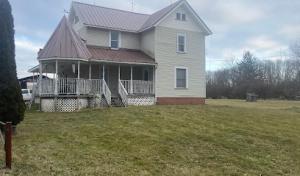
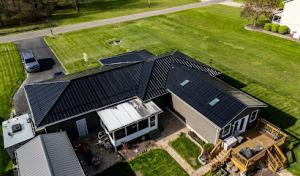
Chimney flashing and the joints where brick or stone meet the roof line are a common trouble spot in Warren. Old mortar and settling masonry create gaps that water can pinch through during freeze-thaw cycles. Inspect chimney flashing for lifted metal, loose caulk, or gaps at the base where the roof meets brick. When you notice staining on the ceiling near the chimney or damp spots around the flue, check the flashing first. A proactive fix is resealing and re-flashing with integrated metal flashing that overlaps the chimney cap and the shingles. In older homes, you may need some masonry repair around the chimney chase to restore a solid seal before flashing updates.
Skylights are another repeat leak source, especially on aging roofing stock. Look for cracked glazing, deteriorating sealant, and corroded or loose curb mounts. Water can travel laterally along the skylight flange and appear far from the actual leak. Replace worn seals, re-bed skylight shingles with proper shingle alignment, and ensure the curb is properly flashed to the roof deck. If a leak persists after resealing, inspect the flashing where the skylight meets the roof and consider reglazing or upgrading to a higher-traffic membrane around the unit.
Warren sees a spike in emergency repairs after high-wind and heavy-rain events. Leaks can arrive with a sudden roof section peeling off or a shingle blow-off that exposes underlayment. A temporary tarping plan that you can deploy quickly is essential: use heavy-duty plastic and water-tight fasteners, keeping the tarp anchored until a professional can re-cover. After a storm, inspect for lifted edges, exposed underlayment, and granule loss in the gutters. Address promptly any exposed roof deck to prevent ice damming and further damage during thaw cycles.
Seasonal checks should focus on the most vulnerable corners: chimney junctions, skylights, and any valley intersections where two roof planes meet. Clean debris from eaves and valleys before freeze-thaw weeks start. If staining or dampness appears in ceilings, trace the path along interior walls to identify if a roof penetration is the culprit, and prioritize resealing or flashing updates in those zones. Regular attention to these hotspots can reduce the frequency and severity of leaks during Warren's brutal winters.
Find contractors experienced in skylight installation, flashing, and leak repairs to bring natural light into your home.
YTown Roofing
(330) 918-6608 www.ytownroofing.com
7948 Brookwood St NE, Warren, Ohio
4.9 from 62 reviews
Dave Wiltrout Roofing
(330) 544-3598 www.davewiltroutroofinginc.com
976 Deforest Rd SE, Warren, Ohio
4.7 from 59 reviews
Warranty offerings are present but not universal in Warren, so you should verify whether coverage type and scope before committing to any re-roof. If a policy promises materials protection, ask which components are covered (shingles, underlayment, fasteners) and for how long, and whether labor is included. In many cases a manufacturer's warranty travels with the product, but a long-term labor guarantee depends on the installer's commitment and post-install service.
Because Warren is a re-roofing-heavy market, workmanship details like cleanup, flashing replacement scope, and ventilation corrections can matter as much as shingle brand. A clean job site reduces debris damage to gutters and nearby landscaping, while properly flashed chimneys, valleys, and skylines prevent moisture entry that can void a warranty later. Ventilation changes that address attic condensation are more likely to prevent ice damming and interior damage behind the scenes, which helps sustain any warranty.
Established local contractors are a visible part of the Warren market, which can be relevant when homeowners want a company likely to still be available for future warranty service. A contractor with a track record in older housing stock understands seasonal freeze-thaw cycles and how previously installed layers interact with new materials. Look for a local crew with a solid on-site cleanup routine and a documented plan for flashing, drip edge, and attic ventilation improvements.
Practical steps include obtaining written coverage details, enumerating exclusions, and keeping all receipts, product data sheets, and inspection notes in one place. If issues arise after a repair, contact the installer first, then the manufacturer if needed, and record every communication. Warranties can fail when documentation is thin, or when edge cases like accidental damage or improper existing venting aren't addressed during installation. Choose a company that stands by its workmanship with a clear, written plan and a realistic timeline for completing any warranty work in Warren.
Flat-roof specialization is active in Warren, indicating a meaningful share of local properties need low-slope repair and replacement expertise. The mix of commercial and residential buildings keeps a steady demand for experienced crews who understand membrane systems, flashing details, and how aging substrates behave under Midwest weather. As a neighbor would tell you, a reliable low-slope setup isn't just about the membrane-it's about how the edge details, drain locations, and parapet penetrations hold up under heavy snow and spring rain alike.
On homes and mixed-use buildings with low-slope sections, standing water and flashing stress become more problematic when freeze-thaw cycles follow rain or snowmelt. Water that lingers near edges or around penetrations can seep into seams and fastener joints, leading to leaks that seem to move with the wind direction and seasonal temperature swings. In Warren, where winters push ice formation and thaws happen in quick succession, you'll also see membrane blisters, surface granule loss on underlying coatings, and accelerated wear around vents, skylights, and exhaust stacks. These issues tend to creep up after a harsh winter or a heavy spring storm.
Regular inspection of flat and low-slope roofs should focus on drainage pathways, scuppers, and internal drainage plan integrity. When searching for repairs or replacement, prioritize contractors who demonstrate solid flashing workmanship, compatible membrane compatibility with existing layers, and a clear process for reinforcing parapets and edge details. If a section shows moisture staining or damp insulation after a thaw, document with photos and keep a close eye on any subsequent freezes. Maintaining a clean roof surface to prevent debris buildup helps reduce ponding and ice dam risks during freeze-thaw cycles.
Commercial and residential roofing are both well represented in Warren's contractor market, which supports the need for low-slope expertise beyond standard steep-slope shingle work. Look for local projects with visible experience on mixed-use buildings, ask about membrane warranties, and request references from nearby properties with similar exposure. A reliable team will provide a targeted assessment of drainage, flashing stress points, and long-term maintenance plan tailored to Warren's winter pattern.
Find specialists in TPO, EPDM, and built-up flat roofing systems for residential and commercial properties.
D & K Roofing Specialist
(330) 372-3291 www.dandkroofing.com
931 N River Rd NE, Warren, Ohio
4.9 from 32 reviews
Seybert & Sons Roofing
(330) 367-9108 seybertandsons.com
2819 Harvey Ave SE, Warren, Ohio
5.0 from 11 reviews