Last updated: Apr 19, 2026
Winter in this part of Pennsylvania brings repeated freeze-thaw cycles that hammer even sturdy roof systems. Ice dams form as melted snow refreezes at the eaves, pushing water under shingles and flashing, then refreezing along the edges as temperatures dip again. This isn't a one-and-done event; it's a recurring pattern that stresses flashing movement, wears down shingle edges, and makes leaks recur after the first warm spell. Butler roofs are used to layered weather: heavy snow, then warm days, then sudden cold snaps. That rhythm means the only reliable defense is a holistic strategy that treats winter as the primary design condition, not a rare anomaly.
Flashings that look tight in late autumn can shift when packed snow starts to melt and refreeze at the roof line. In Butler, ice buildup on the overhangs and valleys is common, and the resulting edge wear accelerates through repeated cycles. The edge of every shingle bears the brunt of wind-driven snow and ice; over time that wear invites slow leaks that surface as damp spots along ceilings or walls far from the original damage. If you notice granule loss in the first several rows near the edge, or if nail heads at the eaves look exposed, that's a sign the freeze-thaw pressure is already stressing the roof system. And because storms and temperatures don't follow a simple calendar here, a problem can lie dormant until the next cold snap.
Snow and ice accumulation isn't just a nuisance; it affects scheduling and safety. In Butler, winter weather can delay tear-offs or extend decking exposure when a project starts during unstable conditions. So, planning your roof work around the long, cold season matters. If a major repair or replacement becomes necessary, delaying until late spring or early fall minimizes the risk of re-freeze cycles interrupting the work, reduces exposure to ice-dam activity during install, and helps ensure a more predictable dry period for re-sealing and flashing integration. If a project is started in mid-winter, expect interruptions from weather windows and days lost to snow removal, which can complicate flashing alignment and edge detailing that need stable, dry conditions to cure properly.
A reliable approach targets the edge, the flashing, and the flashing-to-deck interface. Start with an inspection that focuses on eaves and valleys: look for loose or displaced flashing, lifted shingle tabs at the eave line, and any signs of water stains that track away from existing seams. Consider upgrading to integrated ice-guard protection at the eaves and around penetrations, particularly where roof planes meet walls or where the roof transitions to decks or porches. Sealants around flashing must be chosen for cold resistance, and any fasteners that show corrosion or sign of movement should be addressed before a thaw cycle returns. Because flashings move with temperature swings, regular checks after heavy storms and after the snow finally recedes are essential.
Begin with a targeted winter readiness check: clear gutters if safe to do so, remove loose debris near the eaves, and identify any sections of the roof with exposed nails or punctures near the edge. Schedule a professional inspection that emphasizes ice-dam risk zones, especially at valleys and at roof-to-wall transitions. If a full replacement becomes necessary, align the schedule to the late spring through early fall window to minimize disruption and optimize drying times after snow season. Ensure flashing integration is compatible with the existing deck and that edge fasteners are secured to resist wind-driven loading. Finally, maintain a plan for emergency temporary measures-such as installing sand-salt barriers or heat tape in critical spots-to slow ice formation during peak freeze periods while a permanent repair is arranged. This city's winter rhythm demands proactive monitoring, deliberate timing, and durable edge protection to keep leaks from becoming a recurring seasonal problem.
The combination of heavy spring rain and occasional hail creates high-risk conditions for roofs in this area. A storm can deliver ice-laden gutters, suddenly compromised shingles, and accelerated wear on flashing and edge details. The window right after a storm is the critical moment: small impact damage can hide under wet fascia or shingles, and that quiet creep can turn into interior leaks if not checked promptly. After a long winter, many roofs carry preexisting wear that a heavy downpour or hail event can aggravate, so every storm demands a careful post-driveway inspection before issues compound.
Pennsylvania insurers frequently require photo documentation and prior-condition records after storms. This matters in Butler because claims often hinge on whether damage is a sudden storm loss or older wear. Gather clear photos from multiple angles of the roof, gutters, vents, and flashing the same day as the storm. If you've got any prior roof concerns or pre-storm photos, keep them handy to show the transition point between existing wear and new damage. Quick, timestamped images help support the claim and reduce back-and-forth about fault or timing.
In Butler, a thorough post-storm check should start on the ground and then move to the attic, where signs of moisture or compromised decking often show up first. Look for missing granules, lifted shingles, or displaced flashing near chimneys and skylights. Inside the attic, inspect for staining, damp insulation, and any musty odors that could indicate a concealed leak. If hail was reported or witnessed, treat any dented gutters, loosened fasteners, and granule loss as red flags. Create a simple walk-around log: note the area, visible damage, and approximate date of the storm. This log becomes part of the evidence file insurers want when you file a claim.
Storm-driven demand spikes can affect scheduling after severe weather, making fast inspections and temporary protection especially important. If you find damage, arrange a temporary tarp or plastic sheeting to cover vulnerable sections as a stopgap, especially over valleys, skylights, and chimney penetrations. This buys you time to secure professional assessment and prevents further water intrusion while waiting for an adjuster or contractor. Schedule a roofing pro soon after the storm to document condition, provide an independent estimate, and establish a plan to mitigate additional exposure. Delays can complicate claims and lead to deeper interior damage, especially during late-spring downpours.
Choose a Butler-area roofer who understands the seasonal stress on western Pennsylvania roofs and who can coordinate photos and assessments aligned with insurer expectations. A reputable contractor will walk you through the damage, explain how it relates to the storm versus preexisting wear, and help prepare the documentation package insurers require. When arranging a prompt inspection, request a written assessment that highlights immediate risks, temporary protections, and a clear sequence for permanent repairs. In this climate, fast, accurate, and well-documented action is the difference between a smooth claim and a drawn-out process.
Find local contractors experienced in assessing and restoring roofs after hail, wind, and severe weather events.
John Family Home Improvements
(724) 487-4245 www.facebook.com
512 Virginia Ave, Butler, Pennsylvania
4.9 from 91 reviews
Excellent Exteriors Contracting & Roofing
Butler, Pennsylvania
5.0 from 29 reviews
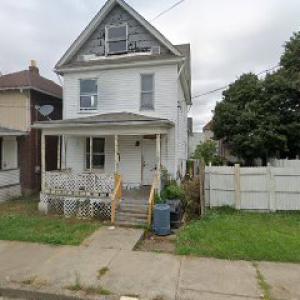
John Family Home Improvements
(724) 487-4245 www.facebook.com
512 Virginia Ave, Butler, Pennsylvania
4.9 from 91 reviews
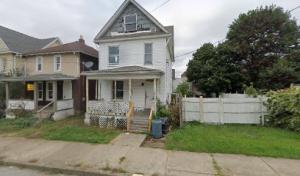
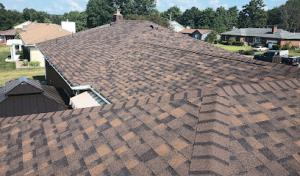
We have been in business since 1997. We do high quality work, with lots of attention to detail. I can't tell you how many times I've gone to repair someone else's work and it never leak again. Getting a new roof is an investment, don't let it be an expensive short-term investment, go with us and that investment will last a lifetime. We give quality work, at reasonable prices. Need more input? Check out our review section, our quality speaks for itself! Get the right roof, the first time. Call us today!
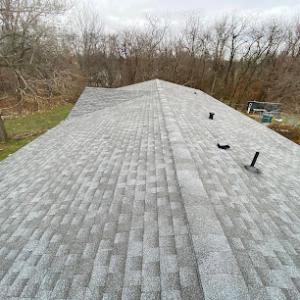
Excellent Exteriors Contracting & Roofing
Butler, Pennsylvania
5.0 from 29 reviews
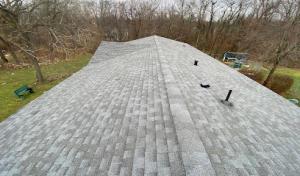
Excellent Exteriors Contracting and Roofing is a dependable roofing contractor in Butler, PA, specializing in residential and commercial roof installation, repair, and replacement services throughout Western Pennsylvania. We work with asphalt shingles, metal roofing, flat roofs, and more—using high-quality materials and expert craftsmanship to ensure long-lasting protection for your property. Whether you're dealing with storm damage, leaks, or planning a full roof upgrade, our experienced team delivers prompt, professional service at competitive rates. Fully licensed and insured, Excellent Exteriors Contracting and Roofing is committed to honesty, safety, and customer satisfaction. Call today for a free estimate!
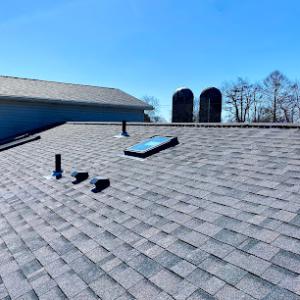
Eirhart Construction
(724) 417-2306 eirhartconstruction.com
220 Middle Trail, Butler, Pennsylvania
5.0 from 23 reviews
Hello my name is Justin Eirhart with Eirhart Construction. I am a local family owned construction business and we specialize in repairs and replacements for roofing, gutters, siding, soffit and fascia. We also do general construction such as bathroom and kitchen remodels. I am insured and registered.
TrinkleyRoofing
208 Federal St, Butler, Pennsylvania
5.0 from 7 reviews
Trinkley Roofing Local Roofing Contractor Servicing Butler, Slippery rock, Grove City & MORE!!!. Specializing in Tear Off & Installation Of GAF Timberline HDZ Architectural Shingle. A Reputable Roofing Contractor Dedicated To Providing Top-Notch Services To Homeowners And Businesses in the area for over 12 Years & with a Strong Commitment to Quality, Reliability, and Customer Satisfaction,
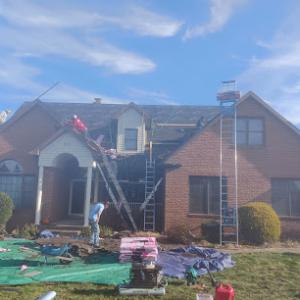
Summerville Brother roofing
341 Center Ave, Butler, Pennsylvania
5.0 from 4 reviews
Summerville Brother's Roofing The Original's serving Butler,PA for 50 years
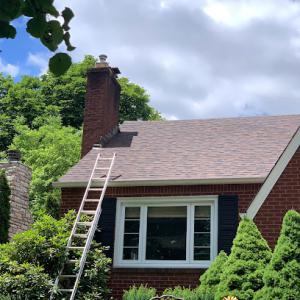
Matthews Home Improvement
101 Orchard Ave, Butler, Pennsylvania
3.3 from 12 reviews
Hello My Names Pete Matthews I Own And Operate Matthews Home Improvement I Have 15 years Experience In Construction we Do Decks, Roofs, Gutters Soffit & Fascia We Specialize in Metal, Slate, Rubber, Asphalt, and We Do All Inside And Outside Restorations Contact us today For a Free Estimate Fully Insured And Registered In PA 724-614-3628
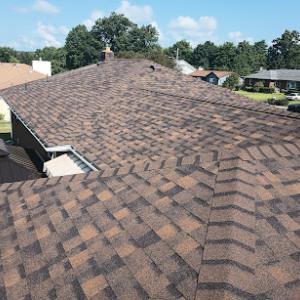
Gill Construction
(412) 218-8288 gillroofingpa.com
Serving
4.9 from 47 reviews
We are experts with installing new Roofs, seamless gutters, soffit, fascia siding as well as providing roof repairs. We are located in Butler, Pa. and Service Allegheny County as well. We are preferred Owen's Corning contractors as well. All your roofing needs can be addressed here with Gill Construction. We provide the best workmanship at a great price and or work comes with the strongest workmanship warranty you will find We also offer free estimates.
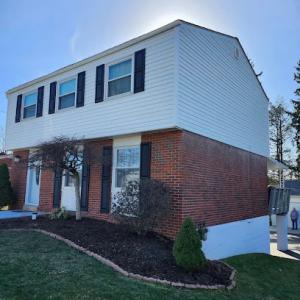
DEN Roofing & Siding
(724) 996-7585 www.denroofingsidingandremodeling.com
Serving
5.0 from 32 reviews
DEN Roofing & Siding is your trusted partner for Roofing, Bathroom and Kitchen Remodels, Siding, and Gutter services across Butler, PA and surrounding areas. With over 80 years of combined experience, we deliver quality craftsmanship and long-lasting results. As certified Owens Corning and EcoStar contractors, we bring industry-leading materials to every project. Our owner personally oversees and completes every job — no subcontractors, just proven skill and care. Whether you're in Wexford, Cranberry Township, or Saxonburg, count on us for professional, licensed, and insured remodeling and roofing services tailored to your home improvement needs.
Targeted Construction Services
(724) 400-3090 www.targetedconstructionllc.com
Serving
4.8 from 48 reviews
Targeted Construction Services provides premium roofing and exterior remodeling for single-family homeowners across Kittanning, Armstrong County, and the Pittsburgh North region. We specialize in roof replacements, roof repairs, roof inspections, siding, gutters, and storm damage restoration—built on our 5-step Targeted Experience™ process for clear communication, clean job sites, and predictable results. As an Owens Corning Preferred Contractor, we install complete roofing systems backed by manufacturer warranties and our own Targeted Advantage™—a lifetime, non-prorated warranty covering materials, labor, and disposal on qualifying roofs. We also offer Targeted Shield™, our annual roof protection plan with inspections, drone photos, and p
Totin Too
(724) 392-3242 www.totintoo.com
Serving
4.8 from 35 reviews
Totin Too, LLC provides roofing services, copper roofing and gutters, synthetic slate, and commercial roof coating services throughout Allegheny and Butler County, PA.
Hepler Contracting
(412) 694-8785 www.roofreplacementcontractor.net
Serving
5.0 from 209 reviews
If you're looking for a reliable and experienced roofing company in Pittsburgh, PA, look no further than Hepler Contracting! With over 30 years of experience in the industry, we are dedicated to providing unparalleled roofing services to both residential and commercial customers throughout the area. At Hepler Contracting, we specialize in roof repair, replacement, and installation, and we are committed to using the latest techniques and materials to ensure that every job is completed to the highest standards. Our team of expert roofers is trained to handle any roofing project, from a small repair to a complete roof replacement, and we pride ourselves on delivering reliable and efficient service every time.
Wright Way Contracting
(724) 220-6071 www.wrightwaycontracting.net
Serving
5.0 from 54 reviews
Wright Way Contracting is a roofing and siding company based out of Saxonburg Pennsylvania. We also provide demolition, clean-outs, and junk removal. We are licensed and fully insured call now for a quote!
Late spring through early fall is the preferred replacement season because conditions are typically drier and more predictable than winter and early spring. In a market where freeze-thaw cycles and mid-winter snow are common, lining up a roof project for a stretch with fewer weather surprises means fewer delays and more predictable shingle performance once installed. That span also aligns with the area's cooling-off periods at the height of summer, when crews can focus on accurate nailing patterns and proper sealing without the interference of heavy precipitation.
Summer heat in Butler can accelerate asphalt aging and also affect installation conditions on exposed roof planes, so timing and crew sequencing matter for shingle work. On hot days, shingles can become pliable and slick, increasing the chance of misalignment or damage during handling. Plan for cooler parts of the day for the more delicate steps, like fastening and sealing starter courses, while reserving overhead or high-traction work for the warmest, but structurally stable, hours. Staging materials to avoid long resting periods on hot roofs helps keep the installation predictable and reduces waste from heat-related damage.
Spring weather can interrupt projects with rain and hail risk, which is why Butler homeowners often balance urgency against the more stable summer and early fall calendar. When spring storms roll in, it's not just rain; hail poses a separate risk to exposed roofing components and can create uncoverable delays. Build a calendar that allows quick rescheduling windows for wet spells, but also protects against lingering moisture that can compromise shingle adhesion and underlayment performance. If a spring window must be used, plan for shorter, more concentrated crews and longer cure times between stages to account for humidity and dew points.
Coordinate project phases with anticipated temperature ranges and typical daily humidity in your borough or township. Exposed roof planes benefit from sequencing that prioritizes flashings, ridge lines, and ventilation checks earlier in the schedule to avoid backtracking on dried-in work. For homes with complex ridge or dormer features, map out the critical path in a dry spell within the late spring to early fall window to minimize rework from unexpected moisture. Finally, factor in potential pauses due to summer heat waves, ensuring there is shade-friendly setup and accessible, protected storage for shingles and underlayment. The goal is a steady, controlled pace that respects Butler's unique mix of weather and housing stock.
Get a clear picture of your project costs upfront - no commitment required.
Excellent Exteriors Contracting & Roofing
Butler, Pennsylvania
5.0 from 29 reviews
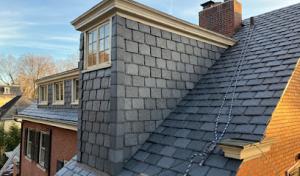
The mix of snowy winters, freeze-thaw cycles, and humid summers in this part of western Pennsylvania pushes homeowners toward materials that perform under load and weather changes without excessive maintenance. In Butler, the housing stock and the market realities shape what shows up on most roofs, with practical choices tied to structure, budget expectations, and the way snow moves off or sits on a roof during deep freezes. The following guidance reflects what tends to work best for common home styles in this area.
Asphalt shingles dominate the local market, especially on re-roofs where homeowners want a reliable, straightforward replacement that aligns with affordability priorities. For most standard homes, a modern asphalt shingle system offers solid protection against ice buildup when paired with proper attic insulation and ventilation. In older homes with steeper pitches or mixed rooflines, asphalt often balances performance with ease of installation and repair. When choosing asphalt, consider class 4 impact resistance and heavier granule density to better withstand hail, freeze-thaw cycles, and the wear that comes from frequent winter storms. A well-sealed underlayment and accurate ventilation are crucial to prevent ice dams and interior moisture issues during Butler winters.
Metal roofing has a meaningful presence for homeowners prioritizing snow shedding, durability, and lower maintenance through harsh winter cycles. In Butler, metal panels can reduce the risk of ice buildup on steeper sections and visually complement homes with contemporary or midcentury styling. If snow shedding is a key goal, look for profiles that promote faster runoff and consider a roof with integrated snow guards where appropriate. Metal generally handles freeze-thaw stress well and can offer longer service life with proper coating. It can be a smart upgrade on barns, garages, or larger ranch-style homes where a lighter, resilient roof is advantageous and compatible with the existing structural framing.
Slate, clay tile, concrete tile, and synthetic/composite options exist in Butler, but their suitability depends heavily on structural support, installer availability, and whether the home is an older property where appearance matters. Tile systems demand robust deck construction and careful fastening to tolerate snow loads; without that, the risk of cracking or joint movement increases under heavy snow or ice. Slate offers classic appeal and excellent longevity but requires strong support and skilled install, which can limit contractor options locally. Clay and concrete tiles bring distinct aesthetics and resilience but share the same structural considerations. Synthetic or composite shingles can mimic the look of natural materials while improving impact resistance and lighter weight, making them a practical alternative for homes with weaker framing or tighter budgets, provided the system is matched to the roof slope and climate. In all these cases, ensure that the chosen material aligns with the home's architectural character and that a qualified, local installer can address the specific demands of Butler's freeze-thaw cycle.
Winter ice, snow load, and freeze-thaw cycles put real stress on roofs here, and that stress shows up in your replacement cost. In Butler, cost swings are driven by how urgently winter damage needs addressing, how active spring storm season is, and whether you can schedule replacement in the more competitive late spring to early fall window. If a roofing crew is tied up, or materials run short after a heavy late-winter storm, prices can jump. Planning ahead for that shoulder-season window often yields the best balance of price and speed.
Costs can rise when freeze-thaw damage reveals bad decking or flashing problems after tear-off. That is a realistic issue in this climate, because moisture moves through fascia and underlayment differently with repeated freezing and thawing. If decking or flashing problems surface, you're not just paying for shingles; you're paying for repairs or replacement of substrate and metal details. Expect a careful contractor to flag these issues early and build them into the bid, rather than surprise you with a mid-project bill.
Material choice matters sharply here. Asphalt shingles sit in the range of 350-650 USD per square. Metal roofing runs 900-1800 USD per square, with longevity and penetration protection that suit storm-prone springs. Clay tile is a premium option at 1000-2400 USD per square, while concrete tile lands around 900-2100 USD per square. Synthetic/composite shingles provide a mid-range choice at 500-900 USD per square, and slate projects register 1600-3200 USD per square. In Butler, the mix of housing stock means you'll see a wide spread depending on roof pitch, attic ventilation, and the presence of complex flashing around chimneys and skylines.
Start with a staged plan: get a detailed bid that separates tear-off, decking, flashing, underlayment, and disposal. Compare bids not only on price but on material warranties and crew availability during your target window. If you're leaning toward premium materials, ask how weather delays may affect schedules and whether the contractor can secure materials to avoid price spikes. Finally, request a written schedule that shows how winter damage urgency affects timing, so you're not caught in a peak-demand sprint that elevates costs.
For full roof replacements, most Butler County municipalities require a building permit rather than treating the job as permit-free maintenance. That isn't a barrier to get the work done, but it does set a firm expectation that the project will follow local codes and timing windows. Skipping this step can mean later hold-ups, retroactive paperwork, or even penalties, especially if a municipality discovers unpermitted changes after the fact. Understanding the permit flow early helps you avoid the scramble that follows a sudden inspection demand or a notice of violation.
In the Butler area, the contractor typically files with the local borough or township building department, so the exact process depends on the municipality rather than a single countywide office. This means timelines, required forms, and inspection triggers can vary from one street to the next. Communicate clearly with your roofer about which party handles the submission, what information is needed, and who coordinates the inspection scheduling. A small mismatch in documentation or deadlines can delay your project and complicate the punch list.
An inspection is commonly scheduled after work begins to verify flashing, ventilation, and decking compliance. This early check helps catch structural or installation issues before they become hidden problems, especially in homes with aging decking or tricky attic ventilation. If flashing or underlayment details aren't up to standard, you may face rework or delays, which can be costly in a winter-dominant climate where freeze-thaw cycles stress roof assemblies.
Some jurisdictions may also require a close-out inspection before the permit is finalized. Expect this to review the completed roof's evidence of proper venting, proper nailing patterns, and any added ice-dam protections. Treat the final sign-off as a confirmation that the project met local expectations, not merely a ceremonial step. Planning for these checks, and aligning them with contractor availability, helps prevent weather-driven delays in the heart of winter.
The Pennsylvania homeowners insurance market in this area is generally stable for roofing projects, but storm claims are common enough that documentation quality can influence outcomes. When a claim is filed after a winter storm or a heavy snow event, adjusters expect clear records that distinguish new damage from pre-existing wear. In practical terms, keep the file organized with date-stamped photos and a concise repair history.
Adjusters may ask for prior-condition photos and maintenance history. This is especially relevant in Butler where insurers may distinguish storm damage from long-term winter wear. Before any work begins, gather recent photos of the roof, attic, and vents, plus notes on previous repairs or valve replacements, if applicable. If a contractor identifies damage, request a written snapshot of condition and causation that correlates to the storm or freeze-thaw cycle. This helps defend a claim if winter stress is part of the narrative.
Replacement cost coverage can influence whether homeowners choose like-kind materials or upgrade during a claim-related project. In situations where the insurer reimburses replacement at current value, you may have leverage to consider improved materials that better resist freeze-thaw and ice dam formation, provided the scope aligns with the claim and the policy terms. When discussing scope with a contractor, frame options in terms of durability and expected performance under Butler winters, rather than immediate visual appeal.
Storm damage can present as sudden breaches, blown-off shingles, or fascia damage, while freeze-thaw issues tend to show as hairline cracks or granule loss over time. Document and categorize issues accordingly. If a claim includes both, explain how a storm event might have accelerated existing wear. This clarity helps adjusters evaluate scope accurately and reduces back-and-forth disputes.
Begin with a guided roof assessment by a contractor experienced with Butler winters. Obtain a detailed estimate that itemizes replacement versus repair, material choices, and underlayment needs. Provide the insurer with the organized documentation package, including photos, maintenance notes, and the repair timeline. A focused, well-documented file tends to smooth the path to a favorable determination and a clear scope for the replacement project.
In Butler's older housing stock, leak points often center on roof penetrations and transitions rather than field shingles alone, especially around chimneys and skylights. You'll want to focus on how those joints shed water during wet snows and freeze cycles. Look for gaps where flashing meets masonry or vent pipes, and pay attention to any cracked sealant that can let meltwater migrate under shingles. When you spot moisture near a transition, don't wait for a full-blown leak to appear-address it while you can still see the signs.
Freeze-thaw movement in Butler can reopen vulnerable flashing details over time, making recurring leaks around masonry and roof openings a practical local issue. This is where the wall and roof meet, where metal flashing sits against brick or concrete, and where scarves of ice can form under the shingles. Check for loose or lifting flashing after heavy snows melt, and inspect around chimney caps, vent stacks, and skylights for hairline gaps that widen with each cycle of freezing and thawing.
Contractor signals in Butler show recurring demand for chimney-related roof work and skylight service, indicating these details are a real part of the local repair mix. If you notice peeling around chimney seams, rusted flashing, or condensation markers on skylight panes, treat them as early warnings rather than isolated incidents. Timely attention here can prevent interior damage and repetitive calls for urgent fixes after winter storms.
When you inspect, start at the perimeters of chimneys and skylights, then trace flashing seams down onto the roof deck. Look for sagging or deteriorated sealants, wind-driven loose shingles near transitions, and any mortar cracks that push water toward the roof. Keep gutters clear to reduce ice buildup, and consider a proactive sealant or flashing upgrade if signs of wear show up after freeze cycles. Small, targeted repairs now save you from bigger, unexpected leaks later.
Find contractors experienced in skylight installation, flashing, and leak repairs to bring natural light into your home.
Excellent Exteriors Contracting & Roofing
Butler, Pennsylvania
5.0 from 29 reviews
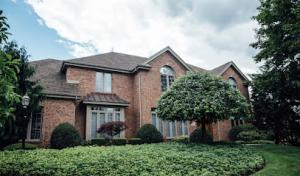
Low-slope roofing is a secondary niche in this market, not the dominant residential roof type, but it matters on additions, porches, and some mixed residential-commercial properties. In Butler, snow retention and spring rain stress drainage more than you might expect on these sections, where moisture can linger and freeze cycles intensify. Plan for reliable edge detail, positive drainage, and careful tie-ins to higher-slope shingles to avoid ice dams along transitions. The local housing stock often places low-slope interfaces at porches, sunrooms, and retrofits, so deliberate detailing matters for long-term performance.
Winter's freeze-thaw cycles push ponding toward low-slope sections, especially after heavy snows melt and rain ramps up in March. A well-sealed, slope-appropriate membrane or coating must direct water toward the expanse of roof with proper edge drainage. In Butler, ensure that interior gutters, scuppers, and downspouts align with the roof's drainage plan. Regularly check for debris that blocks outlets and keeps water from pooling. Pay attention to transitions where low-slope meets steeper sections, and reinforce flashing to resist movement during freeze cycles.
Roof coating appears in the Butler market as a limited specialty, suggesting restoration is available locally but is not the default solution for most homes. For low-slope areas where access is awkward, a compatible coating can extend life, but it is not a substitute for a properly prepared substrate or for significant membrane damage. When coating, verify surface readiness, compatibility with the existing membrane, and seasonal application windows to avoid winter failures. Local coating professionals often offer temporary fixes; for durability, combine coatings with targeted substrate repairs and a solid drainage assessment.
Because moisture exposure is more persistent here, conduct seasonal checks before winter and after the thaw. Look for edge leaks, seam separations, and any signs of UV-degraded flashing. Maintain a robust ridge and parapet strategy to channel meltwater away from seams. Local wear patterns often show up first at transitions to traditional roofs, so inspect those junctions closely. Regular inspections by a trained eye reduce the chance of hidden ponding turning into structural concerns.
Find specialists in TPO, EPDM, and built-up flat roofing systems for residential and commercial properties.
Excellent Exteriors Contracting & Roofing
Butler, Pennsylvania
5.0 from 29 reviews