Last updated: Apr 19, 2026
In Washington, PA, the winter pattern is relentless: repeated freeze-thaw cycles that push and pull at the roof, widening small defects in shingles, flashing, and masonry-adjacent areas until a leak becomes active. This isn't theoretical artist's weathering-it's the daily reality that turns minor flaws into water entry points after a thaw. When you're staring up at the roof between squalls, those tiny gaps look innocent, but they're a ticking clock. The current climate makes timing crucial: a late-season warm spell followed by another cold snap can seal in moisture, forcing interior damage that's easy to miss behind ceilings and walls. This is not a problem you can tape over with a temporary fix; it's a structure-in-progress situation that demands proactive care and decisive action at the first sign of trouble.
Periodic heavy snowfall in this area raises the risk of ice dams and ice-related roof-edge problems. When meltwater refreezes at the eaves, it creates a backflow that can press water under shingles and flashing. Water backup at the eaves after melt-refreeze events is a frequent trigger for interior staining, probing leaks, and attic condensation that mimics more serious problems. The emphasis here is on the edges and flashing zones: valleys, chimney-to-roof transitions, and any step-flashing around dormers. If the roof line is already compromised by loose granules, lifted shingles, or corroded flashing, the next freeze-thaw cycle can push a small vulnerability into a full leak that complicates insulation and interior finishes. This is the time to check for staining at the inside wall and ceilings near exterior walls, and to listen for the telltale drip during warm afternoons when the sun brings daytime melt.
Storm-related roof claims are common in this region, so homeowners in Washington often need photo documentation and condition notes soon after wind or winter weather events. After a storm, you should move quickly to document the roof's condition from multiple angles: ridge lines, eaves, valleys, hips, and any visible flashing seams. Take dated photos before making temporary patches, and keep notes on what you observed, including wind direction, hail impact (if any), and any debris accumulation. When repairs are delayed by weather or access issues, those documents become essential for insurance conversations and for guiding the repair sequence. Inconsistent or missing documentation can complicate claims later, especially when a dry attic hides water intrusion behind walls.
Start with a careful walk around the perimeter of the house after a storm or a heavy melt. Look for lifted shingles, curling edges, loose or missing flashing at chimneys and vents, and any staining on ceilings below attic spaces. Don't ignore the flashing around dormers or where the roof intersects with masonry; those joints are common leak paths when the concrete or brick settles or cracks. If moisture appears in the attic, locate the source by tracing the water path to its origin rather than chasing the stain across the ceiling. Use a ladder safely, and if you're unsure about the roof's integrity, call a local roofing pro to perform a cautious, professional assessment. Small repairs, completed quickly, prevent larger leaks and more serious interior damage.
After a winter storm or a rapid warm-to-cold transition, focus on prevention and rapid response. Clear debris from gutters and downspouts to maintain proper drainage; clogged outlets exacerbate melt-back water and raise edge pressure. If you detect active leaks, place temporary tarps or roofing fabric over exposed areas that can be safely managed, but do not walk on damaged sections. Schedule a professional inspection as soon as safe access is feasible, prioritizing flashing, chimney and vent penetrations, and any roof-to-wall transitions where water movement is most likely. Documentation for insurance and for guiding repairs should accompany any repair plan, with a clear note of observed defects, timelines, and any prior patches. The goal is to stop water ingress quickly and restore the roof's protective barrier before the next freeze arrives.
Asphalt shingles dominate the local market, which usually makes them the most accessible option in Washington compared with slate and tile systems that require more specialized labor. When you're weighing materials, that accessibility translates into faster scheduling after a storm and easier matches for existing homes in hilltop-and-valley neighborhoods. In practical terms, expect asphalt to be the most common choice for typical ranches and mid-century homes that line the steeper streets around town.
In this area, asphalt shingles are the workhorse option. The typical cost range you'll see is from about 350 to 600 dollars per square for a basic install, depending on shingle quality and any required tear-off. If your roof has multiple aging layers or winter scheduling constraints, labor can push toward the higher end, especially on steeper sections that are more common on older houses. After a regional storm, prices can jump as crews are in higher demand for emergency repairs and full replacements. In practical terms, plan for a bit of flexibility in timing and budget when a cold snap follows a heavy snowfall, since installers may prioritize urgent leaks over a routine replacement.
Metal options run 600 to 1,100 dollars per square and often appeal to homeowners seeking longevity and wind resistance. In Washington, metal can be a smart choice on steeper, colder roofs where snow slides are a consideration. However, the higher labor component means a tighter window for scheduling and, during storm events, pricing can rise as specialty crews are stretched thin. If you're replacing an asphalt roof with metal, count on potentially longer lead times and a higher upfront cost, but you'll typically gain a longer service life with more predictable performance through freeze-thaw cycles.
Clay tile sits at the upper end of the spectrum, commonly ranging from 1,000 to 2,100 dollars per square. This material suits homes with a Mediterranean influence or specific architectural details, but it's also a practical fit for cold, wet climates when installed by experienced crews. In Washington, labor complexity and the need for careful tear-down of existing layers can push total cost higher, especially on steeper roofs where safety and handling become more technical. After a storm, the lead time and coordination with specialty tile installers can extend, making it crucial to plan ahead if you're aiming for a spring replacement.
Concrete tile typically falls between 700 and 1,500 dollars per square. It shares many of the same benefits and drawbacks as clay, with an even broader range in price depending on tile profile and installation details. For older homes with challenging rooflines, concrete tiles can demand careful alignment and robust underlayment decisions. In storm seasons, expect similar surge dynamics as clay tile: higher labor demand, possible longer timelines, and the need for meticulous fastening to handle Western Pennsylvania wind and snow loads.
Wood options run roughly 700 to 1,500 dollars per square. They bring a classic look that pairs well with certain vintage neighborhoods, but they demand proactive maintenance and can be more sensitive to moisture and freeze-thaw cycles. In the hills and valleys, winter scheduling constraints can complicate timing, and tear-offs can increase labor hours if existing layers are degraded. After storms, wood replacements may be prioritized for aesthetics and performance, with costs rising as crews juggle specialty carpentry and weather delays.
Slate remains the premium choice, typically from 1,500 to 2,800 dollars per square. It's favored for longevity and classic curb appeal, but slate requires highly skilled, trades-specific labor. In Washington, the combination of steep slopes and older construction means slate projects often command higher labor rates and longer project windows. After a storm, slate damage repair and full replacements can be costly and time-consuming, so budgeting for a longer, more purposeful process is wise.
Permitting a full re-roof in this market follows the local building department process rather than a simple maintenance exemption. If the project involves replacing the entire roof deck or changing roof geometry, expect a formal permit review, plan check, and documented scope of work. In practice, your contractor should file the application and prepare the required drawings or specifications for the city or town's building office, not assuming eligibility for a minor repair path.
In this climate, the inspection sequence matters as much as the permit. Inspection visits commonly verify underlayment quality, proper ventilation setup, and correct nailing patterns before final approval. Scheduling these inspections during busy weather seasons matters, because delays can push a project past comfortable temperatures or beyond ideal weather windows. Plan ahead for potential back-and-forth with the inspector and leave room in the schedule for a second or third trip if adjustments are requested.
Availability and turnaround time for inspections and permits can vary by municipality in the area. If the property sits near a city border or adjacent to a neighboring jurisdiction, the exact local process may differ from what a homeowner across the street experiences. The responsible building department may have distinct submittal checklists, fee cycles, or inspection windows. Confirming the precise steps with the local office before work begins helps avoid last-minute holds that stall material deliveries or crews.
Preparation for the permit office is part of a smooth re-roof project. Expect to submit a scope of work, product selections, and weatherproofing details with your application. The records should document underlayment type, drip edge, and ridge ventilation strategy to satisfy the reviewer. If there are any prior permits, liens, or outstanding code issues on the property, resolve those before filing to prevent holds that could cascade into scheduling conflicts.
On-site coordination is practical here. Ensure the crew arrives with the required documentation: permit number, approved plans, and any amendments approved by the local authority. If the inspection cadence calls for staggered checks-for example, a rough-in inspection before shingles and a final walk-through-keep the project calendar flexible. Weather-driven constraints are common, so it is wise to align the sequence with forecasted windows for dry, cold days and manageable wind conditions.
Communication with the local building department is the best defense against misalignment. When in doubt, verify whether a pre-inspection meeting is offered or recommended in your jurisdiction. This can clarify what constitutes acceptable ventilation ratios, nailing patterns, and underlayment details before crews pull the last nail. For a successful final sign-off, ensure the site is clean, all penetrations are sealed, and any required correction items from prior inspections are addressed promptly.
In this market, wind, snow, and storm events routinely trigger insurance investigations. A condition assessment from a trusted local roofer often carries more weight than a homeowner description, because adjusters see the wear patterns common to our hills and valleys. Be prepared to describe what failed, what was damaged, and what could have caused new leaks. A clear narrative helps the claim move through the process without getting sidelined by questions about preexisting conditions or prior repairs.
Adjusters in this region may request date-stamped photos that show the roof before and after the event, as well as close-ups of damaged flashing, shingles, or tiles. Include a simple scope note that outlines visible damage, suspected causes (such as a wind-driven lift or a freeze-thaw cycle), and any interior signs of water intrusion. If you have a temporary fix, document it with dated images and a brief description of materials used. Proof of replacement timelines, receipts, and contractor notes can all play a crucial role when evaluating storm-related losses.
Because some carriers adjust premiums based on roof age and material, Washington homeowners with older asphalt roofs or specialty materials like slate should keep maintenance and inspection records organized. Collect annual visual checks, repair logs, and any professional evaluations. When a storm hits, this history helps distinguish ongoing deterioration from new incident damage. A bundled file that includes photos, invoices, and your roofer's assessment can shorten review cycles and reduce back-and-forth with the insurer.
If a storm has just passed, you will want to protect your interior and prevent further damage while awaiting assessment. Move valuables away from affected ceilings, cover exposed areas with sturdy tarps, and note the date of the event. Contact your insurance carrier promptly to initiate the claim, then coordinate with a local roofer who understands the terrain and seasonal hazards. A timely, organized handoff to the adjuster-complete with the condition assessment, date-stamped photos, and a clear scope-helps keep the claim from stalling during peak after-storm periods.
Choose a contractor who routinely works with insurers and understands Washington's freeze-thaw cycles. Ask for a scope-focused report that accompanies your claim package, including measurable damage, recommended repairs, and a realistic timeline. Present a concise, well-documented package to the adjuster to support a fair evaluation and a prompt path to repairs.
Connect with contractors who help homeowners navigate the claims process from damage assessment to final approval.
Tennis Roofing & Asphalt
(724) 884-0052 www.flatroofsrus.com
10 - 12 Wallace Ln, Washington, Pennsylvania
4.6 from 12 reviews
At Tennis Roofing and Asphalt, we’ve been providing top-tier roofing and asphalt services to commercial, industrial, and residential clients for nearly four decades. Founded in 1986, our mission has always been to deliver reliable craftsmanship, superior materials, and exceptional customer service to every project we undertake.
Ireland Contracting
(412) 492-7663 irelandcontracting.com
15 Wallace Ln, Washington, Pennsylvania
5.0 from 1 review
Roofing company specializing in new roofing, repairs siding, gutters, windows, and other exterior home improvements.
AMC Construction & Remodeling
Serving
4.9 from 83 reviews
AMC Construction & Remodeling specializes in roofing, siding, soffit, fascia and exterior construction. AMC has been ranked in the top 30 in Southwestern Pennsylvania.
Ridge Point Roofing
(412) 912-6286 www.ridgepointroofs.com
Serving
5.0 from 59 reviews
Ridge Point Roofing provides residential roofing, commercial roofing, and gutter installation to the Venetia, PA area.
JS Jobs
(412) 610-2378 www.myjsjobs.com
Serving
5.0 from 20 reviews
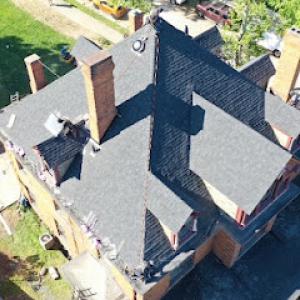
JS JOBS is a licensed and insured roofing company based in Monongahela, PA. We provide residential and commercial services across the region, including roofing, gutter cleaning, siding, decks, and related exterior projects. Our company is officially registered as a Home Improvement Contractor in the state of Pennsylvania. We serve multiple nearby cities and operate Monday through Friday.

Peak Precision Contracting
(412) 498-4299 www.peakprecisionrc.com
Serving
5.0 from 223 reviews
Top Rated and Trusted Western PA Roofing Contractor located in Canonsburg PA Providing The Highest Quality Service With Your Satisfaction, Guaranteed. Most Residential Roofing Projects Are Completed In Just One Day. 24/7 Emergency Roofing Services Available. Contact Us Today For Your Free No-Obligation Inspection And Estimate! Reaching Beyond The Peak Of Perfection!
Planet Roof
Serving
4.7 from 928 reviews
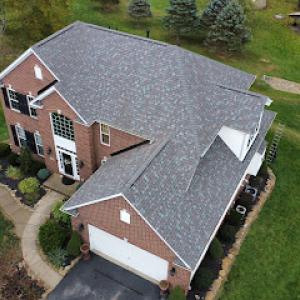
Planet Roof, headquartered in Canonsburg, PA, is your premier roofing company offering top-tier residential and commercial roofing services. Recognized as an Owen's Corning Preferred Contractor and certified by VSI for vinyl siding installation, our expertise covers a broad spectrum of roofing needs. Our services range from meticulous roof installation and repair to comprehensive roof replacement, ensuring high-quality outcomes for every project. With a focus on serving Canonsburg, Pittsburgh, and the Pittsburgh surrounding areas, we are committed to delivering the best in service and quality. hether you're seeking a simple repair or a full roof replacement, Planet Roof is here to provide quality roofing services.
Buccos Roofing
(724) 402-5869 buccosroofing.com
Serving
5.0 from 94 reviews
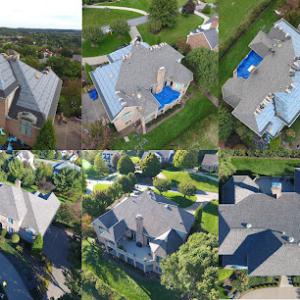
Pittsburgh Born. Pittsburgh Created. At the core, our team started years ago, but Buccos Roofing was just created early in 2012. Our team is comprised of skilled craftsman, entrepreneurs, and top notch roofers who enjoy working hard. We cover all angles of the roofing industry and have solutions tailored to your needs. Plain and simple, customers come first. Our mission here at Buccos Roofing is to deliver a fast, reliable, and enjoyable experience for our clients. We work our hardest everyday to deliver the best results and we are confident we can tackle any obstacles that come our way. Pittsburgh is at our core and our work ethic and morals reflect that mentality.
Knox's Construction
(724) 941-8219 www.pittsburgharearoofers.com
Serving
4.9 from 251 reviews
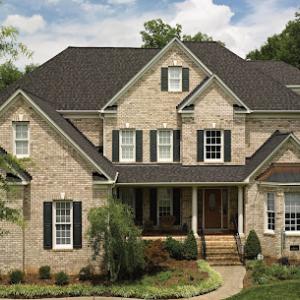
Knox's Construction, family owned and operated roofing company, has been repairing roofs and replacing roofs since 2002. Our roofers are trained, and we are a CertainTeed SELECT Shingle Master. We offer a 25-year workmanship warranty on all roof installations. You can trust Knox with your roof replacement or repair. We assist you through the entire roofing process. Roof inspection, shingle selection and overview of your roofing project, roofing cost, protecting your home and family during construction to professional cleanup of all roofing debris and materials. We operate out of Pittsburgh, but we also serve the communities of Washington, Canonsburg, Venetia, Cranberry, Wexford, Upper St. Clair, Fox Chapel, Allison Park, and Waynesburg.
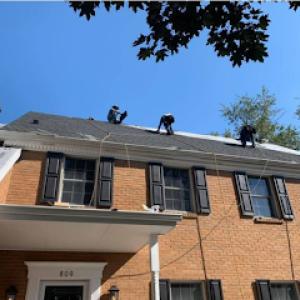
Dean Martin Roofing Company
(412) 200-2397 www.deanmartinroofpack.com
Serving
4.6 from 33 reviews
If you're looking for a reliable, trustworthy, and efficient roofing contractor, look no further than Dean Martin Roofing Company. Whether you need help on a small project or a multi-roof job, we want to take the load off your shoulders by providing our specialized roof contracting services. Just Get in touch with us and let us know what you need.
Hartlaub Construction (Outdoor & roofing)
(724) 249-9762 www.hartlaubroofing.com
Serving
4.8 from 24 reviews
Protect your largest investment with our reliable roofing services. We are a locally owned and operated roofing company currently serving Washington, PA and surrounding communities. If you want to make your roof last as long as possible, it is vital that you never put off a roof repair. Small issues with roofing become big issues in a hurry. No matter how major or minor the repair you need, we are here to help. We offer roof maintenance, roof installation, and roof repair; along with gutter, soffit, fascia, siding installation, and deck building and repair.
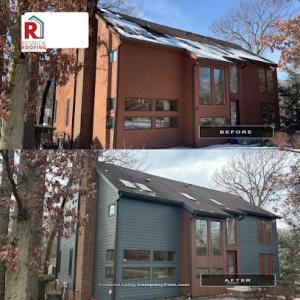
Resnick Roofing & Contracting
(412) 946-8300 www.resnickroof.com
Serving
5.0 from 234 reviews
Established in 2006, Resnick Roofing & Contracting delivers unmatched property improvement experiences in roofing, siding, and solar. We provide top products, installations, and warranties, backed by a leadership team with over 50 years of combined experience. Serving Western PA, we ensure clear customer expectations and quality through a fleet of 30+ vehicles and two locations. Our installers receive annual certifications from each manufacturer, guaranteeing proper installation. Our quality is validated by hundreds of 5-star reviews on Google and Facebook and an A+ BBB rating. At Resnick Roofing & Contracting, customer satisfaction is paramount.
Asphalt shingles are the dominant choice for local homes because they fit the typical house shapes found here and are easier to replace after storm damage than more fragile materials. In a climate with freeze-thaw cycles, asphalt provides reliable performance with a forgiving installation window and straightforward field repairs after a shingle blow-off or impact from hail. When selecting asphalt, look for reinforced underlayment and good nailage patterns to resist wind uplift on hilltop streets. A well-sealed edge and proper attic ventilation help prevent attic condensation that can worsen heat and moisture issues during humid summers and cold winters. For neighborhoods where storms are common, consider architectural or dimensional shingles that offer increased surface strength and longer fatigue life, which translates into fewer full-coverage repairs after heavy snow loads.
Slate remains relevant in older Western Pennsylvania neighborhoods with established trees and solid, stone-based house envelopes. Its longevity is unquestioned, but repair planning must be careful: freeze-thaw movement can widen cracks, and improper foot traffic during maintenance can cause isolated issues to become expensive breakages. Slate often requires specialized slaters for patching, which can be a practical choice where an original slate roof exists and the structure can support the weight. If a slate roof is damaged during a storm, carefully staged repairs that preserve the roof's alignment and slope are essential to avoid cascading leaks. Consider slate only if the underlying sheathing and timber framing are sound; otherwise, a roof replacement with compatible materials may be more cost-effective in the long run.
Metal roofs are used locally for their durability and snow-shedding properties, which help limit the weight of accumulated snow and reduce ice dam risks on steep pitches. However, installation details around condensation control and ventilation matter in Washington's humid summers and cold winters. A metal roof benefits from a well-planned ventilation strategy and an appropriate underlayment to prevent moisture from condensing under the panels. Standing-seam systems typically provide the best wind resistance and durability, but channeling around eaves, ridges, and penetrations must be precise to avoid leaks during heavy rainfall and freeze-thaw cycles. In humid periods, ensure a continuous air gap under the metal to promote drying and to minimize the risk of condensation-related staining on interior ceilings.
No single material fits every Washington home. The right choice balances typical housing stock, storm history, and long-term maintenance expectations. For many households, a well-installed asphalt roof paired with robust attic ventilation offers a dependable, repair-friendly option that accommodates the region's mix of hills, valleys, and frequent weather events. Where heritage and display matter, slate can remain a valued feature with careful inspection schedules. For newer or high-wear scenarios, metal provides a resilient alternative, provided condensation control and ventilation are addressed in the installation plan.
Spring in this area brings heavy rainfall that can delay tear-offs and extend exposure risk if crews cannot dry in the roof the same day. Plan scheduling with weather in mind, prioritizing leak patches on high-risk valleys first, then moving to full removal when ceilings are dry. Have gutters and downspouts cleared early to reduce water backing into roof edges during late storms. If a warm chip of sun appears, seal exposed roof decks promptly to prevent trap moisture and subsequent blistering.
Summer heat and humidity in Western Pennsylvania affect crew pace and shingle handling, which can influence start times and installation sequencing. Expect variable cadence as crews navigate swollen lumber, warped boards, and sticky tarps. Prioritize underlayment checks and ridge vent adjustments during cool mornings, with aggressive ingress protection in the hottest afternoons. Use reflective shingles or color choices when possible to mitigate heat buildup, and ensure proper ventilation to avoid accelerated shingle aging during the season.
Autumn leaf drop in the area can clog valleys and gutters, making late-fall leak diagnosis harder when drainage issues mimic roof failure. Start with a thorough cleanout of all drainage points, then inspect for leaf- or pinecone-related blockages after storms. Document any minor flashing gaps caused by shifting edges as trees swing into view, and plan a quick reseal if a cold snap follows a wet spell. Keep an eye on the forecast for early freezes that can mask real leaks under ice.
Winter brings freeze-thaw cycles that stress fasteners and seam points. Schedule critical inspections after heavy storms and after significant temperature swings to catch hairline failures before they widen. When ice dams form, clear the edges carefully without stripping shingle granules, and use noninvasive heat indicators to distinguish ice from actual leaks. Maintain an active ice-and-water shield checklist for vulnerable elevations and any dormer flashings that see repeated condensation.
Get a clear picture of your project costs upfront - no commitment required.
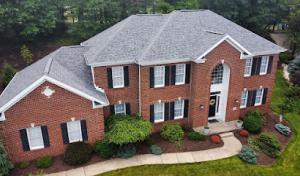
In this climate, roof penetrations and masonry intersections are common leak points because expansion and contraction stress flashing details over time. Snow, ice, and repeated freeze-thaw cycles push against seals and joints, opening gaps that can quietly grow into active leaks after a storm. When you inspect, focus on areas where a chimney, vent, or skylight meets the roof deck and where masonry walls intersect the roof line. Small drips at these joints often signal developing trouble and should be treated promptly before water migrates under shingles or underlayment.
Low-slope porch roofs, additions, and rear sections on older homes in this region need different drainage and membrane detailing than the main steep-slope roof. Water tends to pond on these surfaces longer, especially after heavy rains or thaws, which weakens membrane seams and overhangs. Check for proper slope, edge drainage, and continuous underlayment support. If the surface feels flat or pools water after a storm, it's a sign that the detailing hasn't kept pace with aging or elevation changes. Address these zones with reinforced membrane systems and tailored flashing that align with the geometry of the adjoining roof.
Skylight curbs and surrounding flashing are especially vulnerable during snowmelt and wind-driven rain events common in Western Pennsylvania. Melting snow can shoulder water right against curb joints, while gusty storms lift flashing and reveal voids. Regular winter checks are wise: look for loose flashing, missing sealant, or staining along the curb. If damage is found, reseal and reflash promptly, and consider upgrading curb flashing to improve resilience against wind-driven leaks.
Because these areas are prone to sneaky leaks, adopt a proactive routine. After heavy snow events, perform a cautious exterior scan from ground level and a safer rooftop assessment if you're equipped to do so. Small fixes now save larger, more disruptive repairs later, especially where slate, tile, or metal features intersect with penetrations.
Find contractors experienced in skylight installation, flashing, and leak repairs to bring natural light into your home.

Hartlaub Construction (Outdoor & roofing)
(724) 249-9762 www.hartlaubroofing.com
Serving
4.8 from 24 reviews