Last updated: Apr 19, 2026
Winchester homeowners contend with a climate that swings from humid, heat-soaked summers to freezing, snow-laden winters. That cycle makes the window for a roof replacement far more sensitive than in milder Virginia markets. High summer heat can push asphalt and metal systems to wear faster, while winter exposure drives ice dam risk and potential shingle or panel damage. The seasonal timing you choose isn't just about weather; it's about how the roof will perform during the next freeze-thaw cycle and how quickly you can protect your home from leaks during a storm. Plan with that in mind, because a mis-timed tear-off can create vulnerable edges, exposed underlayment, and a lingering risk of water intrusion as soon as a spring storm arrives.
Spring rain and wind events in the northern Shenandoah Valley are famously unruly. Those bursts can interrupt tear-off schedules and leave exposed roof edges vulnerable if crews are delayed. In practical terms, you may face last-minute postponements, shingles or underlayment left exposed to wind-driven rain, and a tight finish window once the weather turns. If a crew is delayed by a heavy rainfall or a late-season cold snap, you risk more damage to already-strained roof systems. The key is choosing contractors who can adapt: an efficient, staged plan that protects edges during delays, with secondary tarping and quick temporary measures to shore up the most vulnerable sections. Your goal is to minimize the time any roof surface is exposed to fresh precipitation, especially along valleys, drip edges, and penetrations where flashing is most critical.
Winter presents its own timing pressure: snow load and ice dam risk demand careful consideration of venting, insulation, and the potential for ice-dam-related leaks that can push replacement decisions forward. If you are weighing a full replacement, plan for a window that avoids the heart of winter when cold snaps can stall work and snow can bury progress. Early spring can seem ideal, but mid-M spring storms can again interrupt progress and force crews to backtrack on deck protection and flashing sequencing. In practice, you align with a contractor who can forecast a solid, consecutive work plan, with contingencies for weather delays and a clear, staged approach that keeps interior damage risk low.
The local insurance environment includes occasional wind and hail claims, so storm-related roof decisions often begin with documenting damage rather than scheduling a routine replacement. Before you commit to a full tear-off, conduct a rapid, homeowner-led damage assessment: look for lifted or missing shingles, dented gutters, abnormal granule loss, and flashing cracks at chimneys or vents. Photograph the affected areas, note the date of the event, and map any leaks you've observed inside the attic or on ceilings. This documentation frames a claim-focused approach with your insurer and helps a contractor prioritize the most urgent sections first, reducing the risk of further interior damage during a storm-swing season. With Winchester's volatile spring and the ice-and-snow risk of winter, a proactive, damage-driven plan is not optional-it's essential to preserve the roof's integrity through the entire cycle.
Ashburn Roofing
(703) 899-2967 ashburnroofingllc.com
3343 Valley Pike #100, Winchester, Virginia
5.0 from 184 reviews
"Experiencing issues with your roof? You can count on Ashburn Roofing, LLC to service all your residential and commercial needs! We pride ourselves on being the best roofers in the local area, in addition to our recognition we maintain an A+ BBB rating. With over 18+ years of experience, our honest and professional contractors have provided high-quality roofing repairs, replacements, and installations throughout The Tri-State. Thousands of roofs have successfully been restored, maintained, and upgraded on our watch!"
NVB Contracting
(877) 731-2577 nvbcontracting.com
280 Victory Ln, Winchester, Virginia
4.9 from 119 reviews
NVB Contracting in Winchester, VA provides expert roof replacement services designed to protect homes and improve curb appeal. In Winchester, changing seasons bring heavy rain, snow, and humidity, which can cause shingle damage, leaks, and premature roof wear, making timely replacement a necessity. Our skilled team handles full tear-offs and installations with durable solutions that stand up to local weather. Known for professionalism and attention to detail, NVB Contracting has built a reputation as trusted roofing contractors Winchester homeowners can rely on for quality service and long-lasting results.
Modern Renovations Roofing of Winchester
(540) 532-9926 www.mymodernrenovations.com
2400 Valley Ave Suite 6LL, Winchester, Virginia
4.9 from 161 reviews
Modern Renovations is the top roofing contractor in your local area. We mastered how to give our customers the best roof installation experience. We use cutting edge roofing products that will stand the test of time. We hold the title of Platinum installers for Owens Corning. We specialize in: Roofing -Shingles and Standing Seam Metal Gutter Installation Siding Installation Financing options are available. Call us today to get a free estimate.
Alamo Roofing of Winchester
(571) 559-0003 www.alamo-roofing.com
1627 Nester Dr, Winchester, Virginia
4.9 from 175 reviews
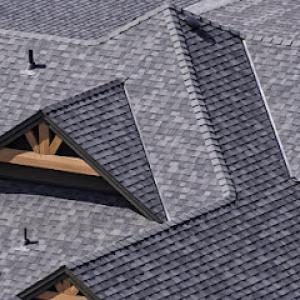
Alamo Roofing provides roofing, gutters, and siding services in Frederick, Clarke, Fairfax, and Loudoun Counties, VA, the Eastern Panhandle of WV, and surrounding areas.
Black Stone Roofing
(540) 550-9703 www.blackstoneroofs.com
1245 Airport Rd, Winchester, Virginia
5.0 from 39 reviews
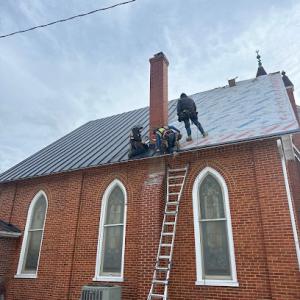
Black Stone Roofing, LLC provides residential and commercial roofing, solar panel, and gutter services to Winchester, VA, Hagerstown, MD, Martinsburg, WV, and the surrounding areas.
Elite Roofing & Restoration
(540) 303-9356 roofwithelite.com
2971 Valley Ave Ste 206, Winchester, Virginia
4.9 from 36 reviews
Elite Roofing & Restoration, LLC is your top roofing contractor serving the Winchester, Virginia and surrounding areas. We provide roof inspections, roof repairs, and roof replacements. From cracked tiles to missing shingles, we have you covered!
Jesus Roofing
(540) 303-5395 jesus-roofing.com
104 Windcrest Cir, Winchester, Virginia
4.6 from 54 reviews
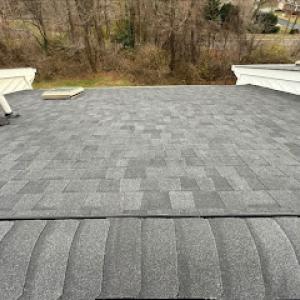
Installing or repairing your roofing system is now more affordable and safe with Jesus Roofing We are here to offer superior installation and repair services for your shingles, metal, flat, and other roofing systems you need a hand in.
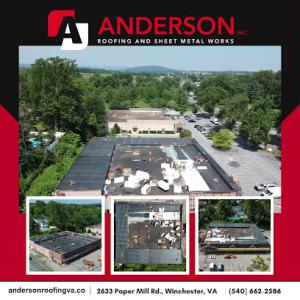
Anderson Roofing Sheet Metal Works
(540) 662-2586 andersonroofingva.co
2633 Papermill Rd, Winchester, Virginia
5.0 from 11 reviews
Established in 1951, Anderson Roofing & Sheet Metal Works, Inc. is a leading family-owned and operated commercial roofing company in the heart of the Shenandoah Valley in Winchester, Virginia. Anderson Roofing specializes in commercial roofing projects, offering exceptional craftsmanship and personalized service to clients throughout Maryland, Virginia, and West Virginia. The company prides itself on its dedication to quality and customer satisfaction, ensuring that each project is completed with precision and expertise.
Black Stone Roofing
(540) 686-0712 blackstoneroofs.com
Winchester, Virginia
5.0 from 2 reviews
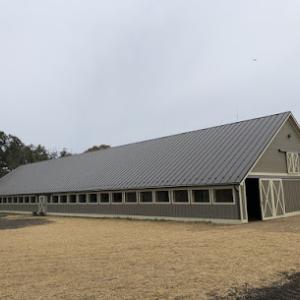
Black Stone Roofing, LLC is a Residential & Commercial Roofing Contractor located in Winchester, VA that services the roofing needs for all of Winchester and the surrounding areas. We specialize in Residential Roofing, Commercial Roofing, Shingle Roofing, Metal Roofing, Flat Roofing, Rubber Roofing, Roof Replacement, Standing Seam Metal Roofing, TPO Roofing, Commercial Roof Maintenance & more! Black Stone Roofing is committed to excellence in every aspect of our business. Our distinction is the quality of service we bring to our customers. As we work in both the residential and commercial sectors, no job is too bug or too small. We offer Free Roof Inspection and Storm Damage Assessment, contact us today to set up an appointment.
Skyline Roofing
(757) 784-2005 skyline-roofingllc.com
36 S Pleasant Valley Rd, Winchester, Virginia
5.0 from 2 reviews
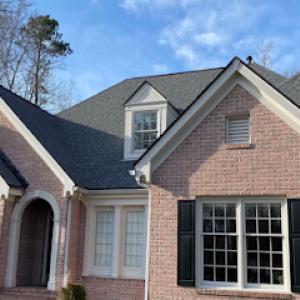
Dealing with roof repair or installation issues can be distracting and stressful. At Skyline Roofing we make the process easier by providing efficient and affordable asphalt shingle, metal, and flat roofing services. We serve home and business owners throughout the state. From Northern Virginia to Virginia Beach, our crew will travel anywhere to provide you with top-quality roofing services.
Nova Roofing
(540) 431-0404 novaroofing.pro
173 Brick Kiln Rd #2, Winchester, Virginia
5.0 from 1 review
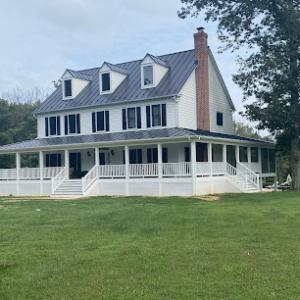
Nova Roofing is the premier roofing company in Virginia. We are locally owned and operated, serving customers for over the last years. We specialize asphalt shingles, wood shingles and metal roof. Roof inspections and repair is part of our services. Our workmanship is unmatched and we guarantee satisfaction with our services. Contact us today for more information on how we can fulfill your roofing needs.
Gregory's
(540) 869-3500 www.gregoryexterior.com
Serving
4.4 from 64 reviews
Home Improvement Contractors That Have You Covered
Asphalt shingles fit the broad mix of postwar and newer homes that line Winchester's neighborhoods. They're familiar, straightforward to install, and respond well to the Valley's seasonal swings from hot summers to cold winters. In a town where many homes are not historic, but still sit in close proximity to other houses, asphalt shingles provide a smooth, uniform look that can blend with various siding choices and architectural details. When you're assessing a replacement after a storm or during a mid-life roof refresh, asphalt gives you a practical balance of ease, service life, and local compatibility. For those with shallow roof slopes or limited attic ventilation, asphalt remains forgiving and easier to manage without major structural changes. In areas with frequent thunderstorms and hail, look for impact-resistant variants and established shingle brands that carry local performance histories. The practical takeaway is simple: if the goal is a reliable, low-disruption roof that works with Winchester's typical residential footprint, asphalt shingles are often the first and easiest choice.
Metal roofs have carved out a solid niche here because they handle snow, rain, and temperature shifts with composure that some other materials struggle to match. In Winchester's climate, metal's resistance to ice damming and its high wind performance can translate into fewer maintenance visits over the life of the roof. Homeowners who anticipate frequent temperature fluctuations or want a roof that clears snow more quickly during heavy winter storms often find metal a sensible long-term option. The look ranges from sharp, modern profiles to more traditional panels that blend with older neighborhoods, making metal adaptable to a variety of house styles. Installation matters: a correctly installed metal roof with appropriate underlayment and ventilation reduces condensation risk and enhances energy performance during hot summers. For homeowners weighing early replacements or upgrades in storm-prone seasons, metal's durability and low maintenance profile are compelling factors to consider alongside appearance and compatibility with the home's existing massing and eave detail.
Slate continues to hold a special place in Winchester's architectural context, especially in older housing stock and historic districts where heavier, longer-life roofing materials reinforce the character of the area. If a home features original detailing, a slate roof can preserve curb appeal while offering decades of service with proper maintenance. The heavier weight and traditional profile of slate complement steep pitches and complex rooflines common in historic homes, where architectural features-like dormers, turrets, or decorative chimneys-benefit from a roof that honors the period feel. Slate requires careful structural assessment and professional installation, given its weight and the precision needed to avoid breakage and leaks. For neighborhoods where restoration or preservation is a priority, slate provides a tangible connection to the city's architectural legacy and can help maintain the overall value and appearance of the streetscape. The practical path is to evaluate the roof's structural capacity, the condition of the existing deck, and the ability to source durable slates with a proper underlayment and compatible flashing to handle Winchester's weather patterns. When the goal is longevity and authentic character, slate remains a meaningful, time-tested option.
In this market, asphalt shingles sit in the roughly 360 to 750 per square range, reflecting typical homes with standard 3-tab or architectural shingles. If slate is considered, costs can jump to about 1,100 to 2,400 per square. Metal, wood shingles or shakes, clay tile, and concrete tile fall between those bookends, depending on thickness, profile, and installation specifics. For a homeowner facing a full replacement, these ranges map to a wide set of options-from economical upfits to premium, long-lasting systems. The broad spread mirrors Winchester's mix of housing stock: historic slate-era homes often push the upper end, while newer asphalt-heavy subdivisions sit closer to the lower middle.
Costs in this area can rise on older homes where multiple existing layers, aging decking, or steep roof geometry are more likely than in purely new-build suburbs. If there are any signs of deck rot, damaged underlayment, or multiple past roof penetrations, the price can climb quickly as contractors address structural concerns and ensure long-term performance. Historic homes may also require careful matching of visible profiles and colors, particularly if replacement materials differ from remnants of the original roof. In practice, the upgrade path from asphalt to a more durable choice like metal or tile tends to be steeper, but it often pays off in reduced maintenance and longer life in the Shenandoah Valley climate.
Storm-driven demand spikes after wind or hail events in the Winchester area can tighten scheduling and labor availability, which can push replacement pricing upward. When a hail storm or sequence of strong winds hits, crews are booked solid, and arrival times slip, sometimes delaying work into the shoulder seasons. If you are weighing a replacement, plan for potential weather-driven scheduling shifts and price volatility. Even with a favored season, a smooth, well-prepared project hinges on a clear scope, early material selection, and a trusted crew that understands the quirks of older roofs and mid-century replacements.
Get a clear picture of your project costs upfront - no commitment required.
Modern Renovations Roofing of Winchester
(540) 532-9926 www.mymodernrenovations.com
2400 Valley Ave Suite 6LL, Winchester, Virginia
4.9 from 161 reviews
Alamo Roofing of Winchester
(571) 559-0003 www.alamo-roofing.com
1627 Nester Dr, Winchester, Virginia
4.9 from 175 reviews
In Winchester, a full roof replacement typically requires a building permit issued by the City of Winchester Department of Building Inspections. That permit is not merely a formality; it signals that the project will be reviewed for safety and code compliance as the new roof goes on. If a contractor tries to skip or rush this step, you risk delays, fines, and potential complications if the city needs to verify workmanship later. The city's climate-hot summers and cold winters-makes proper installation and flashing critical, so permit review acts as a helpful safeguard against weather-related missteps.
The city's process includes inspections at rough or installed stages and a final inspection before the project can be closed out. Rough-in or installed-stage checks ensure that underlying deck, ventilation, and flashing are correctly positioned before the new roofing layers go down. The final inspection confirms that the completed roof meets code requirements and that any enhancements for insulation or ventilation are correctly implemented. If something isn't up to standard, the inspector will note it and require corrections before approval.
Because Winchester requires city inspection involvement on full replacements, homeowners should confirm who is pulling the permit and scheduling inspections before work begins. If the contractor is doing the permit work, get a copy of the permit and the inspection schedule in writing. If the homeowner is responsible, make sure you understand how the permit will be kept up to date as the project progresses. Establish a single point of contact for the contractor and the Building Inspections office to avoid mixed messages, missed inspections, or hold-ups that could extend the exposure of your home to the elements during a sensitive season.
Seasonal timing matters in this market because the Shenandoah Valley climate can swing from humid summer heat to freezing winter weather. Plan for inspections during predictable weather gaps, and align the schedule so that the final inspection occurs after all roofing materials are securely installed and any winterization steps are complete. If a weather delay pushes a milestone past a window, communicate promptly with both the contractor and the inspections office to reschedule rather than letting the project drift.
Keep neighborhood quiet hours and permit deadlines in mind, as the city sometimes coordinates with residents about active projects. Before work begins, review the contract for clear timelines, confirmation of permit numbers, and written inspection dates. After the work is done, ensure the final inspection is documented and the permit is closed in a timely manner to avoid lingering compliance concerns. In Winchester, careful coordination with permit and inspection steps helps protect your roof investment from weather surprises and bureaucratic hiccups.
Storms in this region bring a mix of wind-driven shingle lift, hail pocks, and freeze-thaw cycles that can creep along a roof over time. The result is often not a single catastrophic event but a accumulation of smaller issues that, when combined with aging materials, creates a complicated claim landscape. Those patterns shape how contractors market services and how adjusters review damage. A homeowner who understands this nuance gains leverage during the claim process and avoids chasing a single "event" narrative when the actual loss spans several seasons.
In Winchester, occasional wind and hail events are significant enough to influence roofing claims activity and contractor marketing. The local adjuster will look for clear evidence of what happened, when it happened, and how the damage progressed. Photo documentation should cover both the roof surface and the interior signs of leaks, as well as any vent boots, flashing, or skylight penetrations that could be compromised by wind gusts. Create a line-item scope that enumerates each roofing component and each location of damage, including gutters and vents if relevant. This level of detail helps the adjuster verify the scope without second-guessing and reduces back-and-forth requests that stall repair timelines.
Because weather damage in Winchester is often mixed rather than catastrophic, homeowners benefit from separating storm-created damage from older wear when preparing a claim. Start by assessing recent, storm-specific indicators-lifted shingles, bruising from hail, torn edge courses-and then note preexisting condition signs like granule loss, dry rot, or flashing corrosion that predate the event. Document how the roof performed during the last winter season and after the most recent storm so the adjuster can distinguish what occurred recently versus what is long-standing. A clear, chronological narrative paired with precise photo timestamps increases the likelihood of an accurate settlement that matches the actual condition of the roof at the time of inspection.
Connect with contractors who help homeowners navigate the claims process from damage assessment to final approval.
Ashburn Roofing
(703) 899-2967 ashburnroofingllc.com
3343 Valley Pike #100, Winchester, Virginia
5.0 from 184 reviews
NVB Contracting
(877) 731-2577 nvbcontracting.com
280 Victory Ln, Winchester, Virginia
4.9 from 119 reviews
Alamo Roofing of Winchester
(571) 559-0003 www.alamo-roofing.com
1627 Nester Dr, Winchester, Virginia
4.9 from 175 reviews
Older neighborhoods make slate and wood roof conversations more relevant here than in many Virginia cities dominated by newer tract housing. Slate and wood shingles carry unique load profiles, and what looks like a simple swap to a lighter modern system can ripple through ceiling joists, attic spacing, and fastener patterns. In Winchester, the local climate adds seasonal stress, so any replacement should account for snow load in winter and attic heat in summer. A careful engineer or experienced roofer can verify whether the existing structure tolerates a new deck, underlayment, and the chosen material.
When moving from slate or shakes to asphalt, metal, or composite options, the change is often more than weight. Sheathing choices, nail patterns, and ridge venting may need tweaking to maintain secure performance and proper ventilation. On older homes, you may encounter uneven roof planes, original rafter spans, or historical-style overhangs that demand careful fitment and sometimes gradual shingle overhang adjustments to preserve an authentic look while improving wind resistance.
Chimneys and roof-wall intersections are a recurring concern on older houses, where flashing details often matter as much as the field roofing material. In Winchester, flashing must respect historic chimneys and brick or stone veneer boundaries. Corners, step flashing at dormers, and proper kick-out elbows help prevent leaks where brick knees meet a sloped plane. When replacing, verify flashing continuity, counter-flashing, and seals around vent stacks to keep moisture out during spring thaws and winter freezes.
Before any change, have a seasoned local roofer review attic access, joist condition, and any signs of prior water intrusion. Look for sagging rafters, era-appropriate fasteners, and potential insect damage that can weaken a lighter modern system's support. Plan for a finish that will weather consistently across humid summers and icy winters, and ensure any color or profile choices respect the home's historic character while delivering reliable wind-driven rain protection. A phased replacement can ease load changes and keep heritage intact.
Low-slope roofs on additions, porches, and mixed-use or older attached structures show up where the main roof wasn't reshaped during a home's evolution. While steep-slope roofs are common, these sections carry their own drainage and flashing challenges. In Winchester, that combination of historic and newer builds means attention to detail on these areas pays off over time.
Winchester's wet springs and fall storm days make drainage performance crucial on low-slope areas that don't shed water as quickly. Ensure a positive flow from the addition toward gutters, and keep scuppers and downspouts clear after storms. A dedicated drainage path or scupper drain can prevent water from ponding at transitions and seeping into the structure.
Transitions between the main roof and lower additions are a practical weak point on homes with multiple construction eras. Look for gaps where flashing was not extended, where flat or low-profile decks meet the main roof, and where old vent stacks create wind-driven leaks. Plan continuous flashing and adapt it to the materials used in the addition to avoid seepage behind siding or trim.
Before any replacement or resurfacing, map every low-slope section and its connections to the main roof. If the addition shares soffits with the house, verify adequate attic ventilation to prevent moisture buildup under the deck or inside wall cavities. Consider an enhanced underlayment for low-slope use and compatibility with the final finish.
Detail matters most at transitions. Use compatible flashing that can be integrated with both the main roof and the addition, and seal penetrations through the deck. Edge metal or drip edges should resist wind-driven water and ice damming in cold months, protecting the wall and trim at the transition.
Seasonal timing matters: choose dry, moderate-weather windows for low-slope work. Avoid deep cold snaps that hinder cures or adhesion. If storms interrupt progress, prioritize finishing high-risk joints first, then complete the larger addition area to minimize exposure and protect the structure during the busy shoulder seasons.
Find specialists in TPO, EPDM, and built-up flat roofing systems for residential and commercial properties.
NVB Contracting
(877) 731-2577 nvbcontracting.com
280 Victory Ln, Winchester, Virginia
4.9 from 119 reviews
Anderson Roofing Sheet Metal Works
(540) 662-2586 andersonroofingva.co
2633 Papermill Rd, Winchester, Virginia
5.0 from 11 reviews