
Last updated: Apr 19, 2026
You're dealing with tropical-storm winds and wind-driven rain feeding straight from Winyah Bay and the nearby barrier-island effects. That means a roof here isn't just fighting timeless sun and rain; it's bracing against higher wind presses, flying debris, and salt-laden air that travels inland. The salt spray grease-thin and persistent-accelerates corrosion on fasteners, flashing, exposed metal trim, and many common roofing accessories. Edge details and how the roof attaches to the deck or walls are not cosmetic choices here; they're the first line of defense when a hurricane swirls ashore. In this climate, a roof system that holds together under pressure is built from robust connections, corrosion-resistant materials, and thoughtful detailing that resists salt creep around vulnerable joints.
Late summer and early fall bring the harshest combination: the peak of hurricane season coincides with Georgetown's hottest, wettest stretch of the year. That confluence places roofs under sustained heat loading, heavy downpours, and sudden gusts. Storms pack rain at intensity that can loosen seals and saturate decking faster than steady summer showers. If your roof is already showing minor corrosion, loose fasteners, or compromised flashing, those vulnerabilities can become critical within a single tropical system. Pay extra attention to any metal components-valleys, edge metal, drip edges, and chimney flashing-since those are the most exposed and most prone to salt-induced wear when a storm rolls through.
Coastal moisture accelerates corrosion of fasteners and flashing at a pace that inland conditions rarely trigger. That's why edge details and attachment methods deserve front-row priority in design and maintenance. When choosing materials, prioritize coatings and alloys known for coastal durability, and insist on high-quality sealants that tolerate repeated wetting and drying cycles without peeling or cracking. For existing roofs, anticipate that stainless or hot-dipped galvanized steel trim, corrosion-resistant fasteners, and quality flashing will outlast standard options in this environment. If you notice white powdery corrosion on metal edges, peeling sealants at penetrations, or rust staining around fasteners, treat those as urgent indicators to reinforce or replace those components.
Start with a tight visual audit of the roof edge, flashing, and any exposed fasteners after every strong rain or wind event. If you see movement in edge details, lifted shingles at the eaves, or rust around nails and clips, plan repairs before the next storm season hits. Consider upgrading to corrosion-resistant fasteners and flashing that are specifically rated for coastal salt exposure, and ensure all penetrations are sealed with marine-grade sealants designed for long-term damp conditions. For attic ventilation, ensure adequate intake and exhaust balance so that roof decks stay dry, reducing condensation that compounds rust and rot. When a hurricane watch is issued, secure loose objects, protect vulnerable components, and arrange a rapid post-storm inspection to catch wind-driven damage early, before moisture advances into the decking and interior spaces. If you're replacing a roof, favor materials and attachment strategies that emphasize strong wind performance and salt resilience at every edge and seam, because that is where the coastal climate tests a roof's mettle most fiercely.
In a neighborhood with a venerable streetscape and visible roofs that contribute to the overall character, choosing a roof that respects the historic look without sacrificing performance can be a delicate balancing act. The historic core features homes where roof materials influence not just weather protection but also approval expectations from neighbors and review boards. Visible roofs that shift too far from traditional materials can draw scrutiny or spark changes to trim, detailing, or color to align with the established rhythm of the block. While modern systems offer improved durability and moisture resistance, the transition should be considered with an eye toward maintaining the architectural dialogue that defines the area.
Clay tile, slate, wood shakes, and high-end synthetic products are more relevant here than in many inland South Carolina markets because of older architecture and preservation character. Clay tile brings a Mediterranean or Mission flair that can complement brick and stucco but adds weight and requires a robust structural assessment. Slate delivers long service life and refined texture but demands careful framing and supporting structure to handle the load. Wood shakes or shingles evoke traditional textures but can be more vulnerable to coastal humidity, insect exposure, and fire codes when not properly protected. Synthetic or composite shingles in premium lines imitate classic appearances while aiming to improve moisture resistance and durability, yet their compatibility with historic profiles and color palettes needs meticulous review. Each option carries implications for wind performance, salt-laden air effects, and maintenance cycles that are unique to this coastline.
Specialty materials may trigger added review beyond a basic replacement scope in local permitting, particularly when the roof profile, weight, or appearance differs from the existing roof. A heavy option like concrete or high-density slate demands structural confirmation and may require retrofitting gutters, rafters, or attic ventilation to preserve a balanced roofline and attic health. A refined profile, such as a low-slope tile or a tall slate ridge, can alter how water sheds and how neighboring structures read the skyline. Even when a modern system is technically capable of meeting coastal exposure, the visual impact on the skyline and street-facing elevations matters. If the home features ornate cornices, dormers, or eyebrow hips, the new roof should respect those details or be prepared for corresponding modifications to maintain harmony with the surrounding fabric.
Start with a targeted assessment of structural capacity and attic ventilation, then evaluate how each material reads from the street. For clay tile or slate, engage a specialist who understands both coastal moisture dynamics and historic restoration practices, ensuring fasteners, underlayment, and flashing align with the chosen material. If opting for synthetic products, request samples that mirror the texture and luster of traditional materials while verifying UV stability and salt resistance. When a alternative material is contemplated, discuss with the contractor how trim, color, and edge detailing will integrate with existing architectural cues to preserve curb appeal and avoid incongruent upgrades. Remember, the goal is a roof that withstands hurricane exposure and humidity without eroding the historic character that gives the neighborhood its distinctive voice.
Asphalt shingles remain the most accessible option for a Georgetown roof, but coastal wind exposure changes the game. When choosing shingles, pay particular attention to wind rating and sealing performance. Look for products with higher wind resistance and a robust sealant system, and consider upgrading to impact-resistant variants if the attic and framing allow. In practice, prioritize a quality underlayment and a well-sealed drip edge to reduce lift from hurricane gusts. A professional roof replacement should include proper nailing patterns and, if possible, hurricane-rated accessories to help resist blow-off in storms. This choice pairs well with existing wood and masonry details common on historic-inspired homes, provided the roof deck is solid and ventilation is balanced to prevent moisture buildup.
Metal roofing is popular for coastal durability, yet the salt-air environment requires careful selection. Corrosion resistance matters most, so choose coatings tested for salt spray and consider aluminum or galvalume variants for durability. Coatings should be uniform, with a corrosion-resistant flashings system that plays well with existing fascia and chimneys. Fasteners and sealants must be compatible with the coating and the deck either aluminum or stainless-steel, not mixed metals that could galvanically interact. For Georgetown homes, a standing-seam profile often provides better wind resistance and water shedding, reducing the risk of wind-driven leaks around hips and valleys. Ask for a detailed installation plan that addresses coastal wind uplift and ensures proper chimney and vent flashings integration.
Tile, slate, wood, and composite roofs appear on higher-end and historic-style homes, but their suitability depends on structural load and moisture management. Tile and slate are heavy; ensure the roof structure can bear the weight without sagging or mid-span issues. Wood shingles or shakes offer traditional aesthetics but require rigorous maintenance to resist salt and humidity, plus careful detailing to prevent moisture infiltration at seams. Composite materials can mimic the look of natural options while offering improved moisture tolerance, but still rely on proper ventilation and a solid deck. For historic designs, compatibility with existing architectural details is essential, and every installation should consider how water drains on complex rooflines and how coatings or sealants interact with salt-laden air.
Across all roof types in this area, flashing at hips, valleys, vents, and chimneys must be continuous and corrosion-resistant. Coastal wind forces demand attention to nail patterns and panel overlaps to minimize uplift opportunities. Ventilation should be balanced to prevent moisture buildup under high humidity summers, yet avoid drawing moisture into vaulted attic spaces during humid south-westerlies. Regular inspections after hurricane season help identify fastener loosening, salt residue, or sealant degradation before they become leaks. For homes with historic styling, preserve original lines and profiles while upgrading to modern, moisture-tolerant underlayers to extend the roof's life in a salty, windy environment.
Lowco Roofing
(843) 937-2040 lowcoroofing.com
2521 Highmarket St, Georgetown, South Carolina
5.0 from 125 reviews
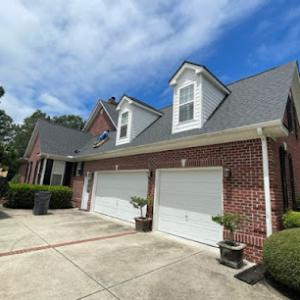
Lowco Roofing, established in 2021, is a premier roofing contractor in Georgetown County. They specialize in roof replacements, repairs, and decks, offering comprehensive services from minor touch-ups and maintenance to complete roof overhauls that transform the aesthetic and functionality of your home. Their commitment to quality workmanship and customer satisfaction ensures a seamless experience, making them the trusted choice for all your roofing needs.
SOS Roofing
(843) 651-8100 www.sosroofing.org
895 N Fraser St, Georgetown, South Carolina
5.0 from 104 reviews
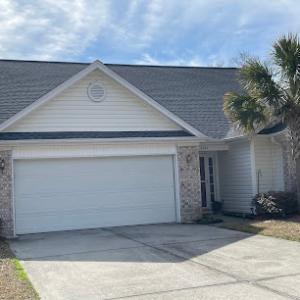
As local, family-owned roofing company, we take pride in our ability to provide you with high-quality results and excellent customer service on every job we do. We treat all of our clients like family, working and communicating with them to make sure everyone is happy with our work. From our financing plans to the long-lasting GAF products we use, our services cater to your needs.
Trusted Roofing
(843) 446-9681 www.trustedroofingsc.com
Serving
5.0 from 16 reviews
Trusted Roofing! The name speaks for itself. We truly are here for our community & with over 4 Generations of construction experience, we pledge to give you the best quality work & the most affordable prices guaranteed! We offer a wide verity of services, such as all residential roofing, exterior siding, shutters & seamless gutter system. Give us a call or visit our show room for more info. We are here for you!
Leverage Roofing
(843) 284-6444 leverageroofing.com
Serving
4.9 from 404 reviews
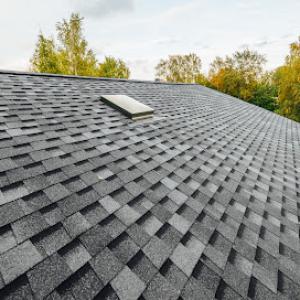
3401 HWY 17 Business Murrells Inlet. FINANCING AVAILABLE. With over 30 years of construction experience, we are a locally owned & operated family business. We provide professional Roofing Services, Replacement / Repair, Seamless Gutters, and Siding .
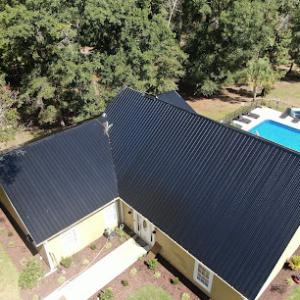
Aztec Construction Roofing
(843) 457-8100 www.aztecconstructionroofing.com
Serving
5.0 from 31 reviews
Aztec Construction LLC is here to provide you with roofing and construction services, such as roof replacements, roof repairs, chimney repairs, framing, masonry, and much more! Aztec Construction LLC provides their customers with their preferred payment options, such as by check, through financing, or by credit card payments.
Klaus Roofing Systems by Carolina Energy Conservation
(843) 748-0295 www.klausroofingbycarolinaec.com
Serving
5.0 from 275 reviews
Klaus Roofing Systems by Carolina Energy Conservation provides expert attic and roofing services in Little River, Conway, Myrtle Beach, and nearby. We create safer, more efficient homes with roof replacements, roof repairs, air sealing, insulation services, and more. KRS by CEC is a sister company to Carolina Energy Conservation, a team of energy contractors who have loyally served the community of Eastern South Carolina since 2009. Call or contact us online to get started with a no-cost, no-obligation quote.
Roof Maxx of Myrtle Beach, SC
Serving
5.0 from 23 reviews
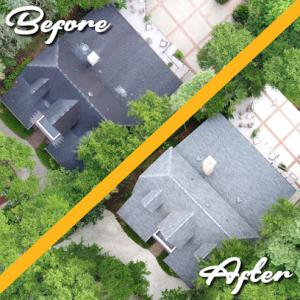
Roof Maxx of Myrtle Beach, SC is a roofing company that offers a unique solution for homeowners looking to extend the life and beauty of their roofs. Their scientifically formulated, plant-based roof rejuvenating treatment restores roofs to like-new condition using a 100% safe, non-toxic formula that protects and preserves for years to come. Developed by renowned scientists, this innovative treatment provides an eco-friendly and sustainable alternative to traditional methods and ensures a healthier, safer environment inside and out. Get your free roof inspection and assessment today.
Roofing Pros
(843) 417-9120 www.roofingprossc.com
Serving
5.0 from 5 reviews
Welcome to Roofing Pros your premier destination for top-tier roofing solutions. With 20 years of expertise, we specialize in residential and commercial roofing services, including installations, repairs, inspections, and maintenance. Our skilled team ensures quality craftsmanship, using premium materials and industry-leading practices. At Roofing Pros customer satisfaction is our priority, and we pride ourselves on transparent communication and reliability. Trust us to elevate your roofing experience. Contact us today for all your roofing needs!
Tabor Homes & Exteriors
Serving
3.4 from 15 reviews
At Tabor Homes & Exteriors, we can’t wait to help you get started on your next project. Veteran owned and with over 30 years of experience in construction, we are your local experts in the Murrells Inlet area. Whether you’re looking to install a new roof, repair some siding, or add an entirely new room to your home, we’re just a phone call away.
South Myrtle Beach Roofing
Serving
5.0 from 1 review
Whether you are in need of a brand new roof, re-roofing or fixing an existing roof, South Myrtle Beach Roofing is the right roofing contractor to fit your budget and your needs. Call us today 843-241-9649, we are fully licensed and insured.
Pinnacle Contracting Services
Serving
4.0 from 3 reviews
We specialize in roofing and spray foam insulation.
Nance Roofing
(843) 907-0857 nanceroofing.com
Serving
Nance Roofing is a full-service roof repair and replacement company servicing commercial and residential customers throughout Pawleys Island . Our team of roofing inspectors, roofing crews, and staff work hard for our clients to provide the same level of quality to all of our jobs, ensuring prompt and proper installation of only the highest quality materials. Nance Roofing will advise you of what is needed to restore your roof to fully protect your investment, whether it is through a repair or a complete replacement.
In this coastal setting, tropical systems can magnify wind-driven rain that finds seams and joints you might think are solid from the ground. The main field of roofing can look intact, yet weak ridge lines, hip joints, valleys, and flashing play a critical role in keeping moisture out. A small lapse at a ridge vent, a cracked step flashing at a wall intersection, or a poorly sealed valley can invite water invasion that travels far inland along plywood and underlayment. The consequence is not always dramatic at first glance, but hidden leaks can rot decking and invite mold, undermining the roof's overall structure over time. Regular inspection after storms and targeted attention to flashing details can avoid costly surprises.
High humidity and heavy summer rainfall create a moist interior roof environment, especially when replacements lag or the installation dries in poorly. Trapped moisture under shingles or underlayment can lead to cupping, curling, and delamination, while decking may soften or start to rot where water sits. In practice, that means you could have a visually clean roof with compromised support above and below. The more persistent the moisture, the faster substrate deterioration progresses, often unchecked until a leak shows itself during a heavy downpour or a humid summer night. Addressing ventilation, ensuring a thorough dry-in, and selecting moisture-tolerant underlayments can slow the process.
Rapid temperature shifts put stress on sealants, underlayment transitions, and penetrations around chimneys, vent pipes, and skylines. Sealants can crack, fasteners can lose their grip, and flashing can separate at the transitions between roof and wall planes. In homes with wood- or tile-based details, small gaps widen quickly under siege from sun and cold alike. The result is often a creeping path for water that corners you into costly repairs if left unchecked. Prioritize consistent, high-quality sealants and careful transitional detailing where penetrations meet the roof deck.
In this coastal, hurricane-prone area, replacing a roof is best scheduled to reduce exposure to late-summer storm risk. A full replacement before the peak of hurricane season lowers the chance of starting a tear-off and dry-in with an aging roof that could fail under uplift or water intrusion during a storm. Planning a spring or early summer installation creates a window where crews can complete the work before heavy rain months roll in, and it avoids lining up in August or September when storm activity and demand surge.
Heavy summer rains in Georgetown can slow tear-off and dry-in schedules. If the forecast shows several consecutive wet days, the contractor may need to suspend work, which pushes the project into less predictable windows. Target a stretch of drier weather in late spring or early summer for your replacement. Early-season dryness helps the crew finish a proper roof deck inspection, install underlayment, and complete the dry-in before the first heat waves, reducing the risk of moisture entering during processing.
After named storms or widespread wind events along the South Carolina coast, contractor availability can tighten quickly and lead times lengthen. If a storm has recently passed, avoid scheduling immediately afterward when crews are busy and local demand spikes. Instead, plan a replacement during a lull in the season or right before the typical late-spring surge, so timelines stay predictable and materials remain accessible. In Georgetown, getting ahead of that surge helps ensure your project remains on track and minimizes the chance of weather-driven delays.
Certain materials benefit from stable temperatures and lower humidity during installation. Shingles, metal, and composites all perform best when the substrate is dry and the ambient conditions are not extreme. If your roof is nearing age and you anticipate a hurricane season soon, coordinating a replacement in the spring or early summer can help the new roof cure and settle without competing with peak storm pressure, salt-laden humidity, and seasonal heat. Consider a daylight window that avoids the hottest parts of the day, reducing heat stress on underlayment and starter courses.
Provided local ranges are: Asphalt Shingles 350-650 USD per square, Metal Roofing 700-1200, Clay Tile 1000-1800, Wood Shingles/Shakes 550-1100, Synthetic/Composite Shingles 650-1100, and Slate 1200-2600. These numbers reflect Georgetown's coastal context and the mix of historic homes and newer upgrades. Start with asphalt if budget is tight, but know that coastal-grade metal or specialty historic-compatible options can push toward the higher end. Clay tile and slate deliver long life but come with heavier structure needs and higher installation effort.
Costs in Georgetown can rise when homeowners choose coastal-grade metal components, upgraded wind-rated systems, or specialty materials that fit historic architecture. Wind-rated shingles and fasteners, salt-resistant coatings, and corrosion-resistant metal components add to material and labor hours. Coastal storm exposure also sharpens the focus on roof details-attic ventilation, underlayment type, and proper flashing-so expect the project to include more robust accessories that protect against salt damp and high winds.
Pricing can also move upward after coastal storm events because labor demand, material logistics, and scheduling pressure increase across the Georgetown and broader South Carolina coast market. If you're planning a replacement in a post-storm window, secure quotes quickly and expect shorter lead times for materials, plus potentially higher crew rates.
Clay tile and slate suit preservation-sensitive architecture but require good structural support. Wood shingles/shakes offer traditional texture but need maintenance against moisture and insects. Synthetic/composite shingles provide a compromise between appearance and durability. For most hurricane-prone homes, metal with coastal-grade components balances resilience and cost, while asphalt remains a common, economical option.
When planning a full roof replacement in this coastal region, a building permit is typically required rather than only for new construction. The local code reflects the need to review material compatibility with salt-laden humidity and high winds, and the permit helps ensure the project meets structural and weather-resilience standards. You should start by contacting the local building department to confirm whether your address requires a permit for a full replacement, and to learn any town-specific thresholds that may apply to your property type.
Before any hammer hits, the project scope and roofing specifications should be submitted to the building department. This submission provides the department with roof slope, underlayment choices, ventilation plan, and the type of fasteners and roof coverings proposed. In Georgetown County, the review process looks for proposals that address moisture migration, coastal exposure, and how the chosen materials perform in hurricane season. Having drawings, product datasheets, and installation details ready helps the review move quickly and reduces the chance of delays.
Crews typically must pass both a rough roof inspection and a final roof inspection to close the permit. The rough inspection confirms deck integrity, underlayment, and fastener patterns before shingles or panels are installed to protect against wind uplift. The final inspection verifies proper flashing, penetrations, attic ventilation, and that attic spaces are clear of debris. Some towns may require plan review when specialty materials are proposed, such as metal panels in coastal colors or synthetic composites designed for salt spray. If plan review is needed, expect additional review time and potentially clarified mounting details.
To keep the process smooth, have a single point of contact ready at the contractor's office, and provide a concise project timeline, including material delivery windows and anticipated weather gaps. Some residents choose to pre-file changes with the department if they plan to use specialty coatings or hurricane-rated fasteners, so the approval can ride along with the permit rather than as a separate hurdle. Keep copies of submittals, product data, and installer certificates in case questions arise during inspections. Having digital versions speeds review and reduces on-site stops significantly.
Georgetown homeowners are in a coastal South Carolina insurance environment where wind and storm-related roofing claims are common after major weather events. Insurance adjusters will scrutinize roof age, material type, and whether the installed system uses wind-rated products when deciding coverage terms or claim outcomes. If your roof has older asphalt, a mixed-material roof, or non-rated sheathing, anticipate tighter scrutiny and potentially reduced coverage or higher deductibles after a storm. Understanding how these factors interact with local coastal exposure helps you gauge risk before the next hurricane season.
Adjusters commonly want dated photos, prior inspection records, and prompt post-storm documentation to distinguish new wind damage from older wear in this high-claim coastal market. Start gathering recent, dated photos of all elevations, attic ventilation, and visible fasteners as soon as conditions allow. Keep a log of any maintenance or repairs, plus receipts for wind-rated upgrades if you've invested in better fasteners, underlayment, or sealants. On the day after a storm, secure high-quality images that capture missing shingles, lifted edges, lifted flashing, and any moisture intrusion near attic hatches or soffits. A clear, chronological trail makes it easier to defend the status of the roof at the time of the loss.
In advance of a storm, confirm your roof has wind-rated products and proper attachments for the local salt-laden humidity. After a wind event, limit further damage by tarping only as needed and with professional help, then document conditions quickly and comprehensively. If the loss involves salt spray or moisture infiltration, note these environmental factors in your records, as they can influence claim outcomes and later maintenance decisions in this coastal climate.