Last updated: Apr 19, 2026
You're situated in the Charleston coastal storm corridor, where tropical-storm winds and wind-driven rain roll through during the June to November hurricane season. Rooftops take a direct beating from shifting onshore gusts, and a few minutes of high wind can loosen shingles, lift flashing, or expose underlayment to the salty air and rain. The warm, humid climate keeps moisture cycling through the attic and decking, so even small storm-created openings can become persistent leak and decking problems much faster than in drier inland markets. This isn't hypothetical: after each thunderstorm, evidence of wind-borne debris and damp spots tends to pile up around vents, edges, and chimneys. The local reality is a steady need to monitor, dry in a timely manner, and plan for rapid repairs once the storm passes.
Your typical home here likely sports asphalt, metal, or composite roofing, with decking that can warp or soften under sustained humidity and salt-laden air. Look closely at roof penetrations-vents, plumbing stacks, furnace flues-as these are the first lines of leakage when gusts press rain under the shingles. Valleys and step flashing along the edges near porches, carports, and sunrooms are frequent trouble spots after a heavy shower or fast-moving storm. In homes with older underlayment or mismatched fasteners, wind-driven rain can sneak in even if the visible shingles look intact. The combination of frequent spring and summer thunderstorms and long-term exposure means repairs are rarely a one-and-done task; a temporary fix now may need a durable follow-up later in the season.
When a storm approaches, prioritize securing the roof as soon as it's safe to do so. If you hear or see shingles lifting, or you notice rain tracking between panels or along flashing, cover exposed areas with sturdy tarps that extend far beyond the edges. The goal is to prevent water from soaking into decking and insulation while you arrange a more permanent repair. Keep ground debris away from the home's perimeter to reduce the chance of roof debris causing additional punctures or blockages to gutters and downspouts. After the storm, document all affected areas with photos from multiple angles, including close-ups of vents, flashing, and any interior signs of leaking. Quick, thorough documentation will help when you contact a roofer and start insurance conversations later.
Leaks in the wake of a tropical-storm event can escalate quickly with humid air and repeated rainfall. Begin with a temporary tarping strategy that covers the largest compromised area and channels water toward exterior drainage points. Ensure tarps are secured with rated fasteners, not just weighted down by bricks or rocks, to resist wind uplift. If interior staining or active dripping is observed, place catch basins and plastic sheeting to protect ceilings and belongings, prioritizing occupied rooms. Schedule follow-up repairs as soon as a clear window exists, because delays can fatally worsen decking rot and mold risk in this climate.
After storms, create a simple, ongoing record of roof condition and repair needs. Photograph each damaged zone, note the approximate time of discovery, and track weather conditions during the incident. Maintain a repair timeline with dates for tarp replacement, flashing resealing, and shingle repair, so when a contractor returns, you can verify progress and prevent re-exposure. If you carry homeowner coverage, align your notes with the claims process by capturing the exact sequence of events-from initial damage to temporary fixes and the final, weather-resilient repair. In this market, speed matters: rapid tarping, punctual follow-ups, and clear, organized documentation can make a decisive difference in reducing long-term damage and preserving your roof's integrity through the hurricane season.
In this climate, full replacements are often best scheduled in spring or fall to avoid peak summer heat and the highest tropical-storm disruption period. Those shoulder seasons bring milder daytime temperatures and lower humidity, which helps materials cure properly and crews stay productive without the risk of heat-related delays. For homes in the area with asphalt shingles or lighter metal overlays, aligning the work window with a stretch of steady weather reduces the likelihood of back-to-back hot days that can push equipment and crews past planned shifts. In practice, aim for a window where morning cool starts meet early afternoon finishes, so materials aren't left exposed during the hottest hours.
Summer heat and humidity can slow crews and make long installation days harder, which affects production pace and can stretch project timelines locally. In Charleston's heat, synthetic underlayments and certain fasteners are more prone to slower handling and occasional softening when the sun bears down. Scheduling a re-roof during the heat-friendly weeks of spring or fall minimizes material handling interruptions and keeps the crew's pace steady. If a late-summer project is unavoidable, build in contingency days and plan for earlier start times to dodge the Carolina scorch and lingering humidity at peak solar load.
Even though winters are mild, occasional cold fronts and rain can still delay dry-in and underlayment work in the Charleston area. A dry-in that's completed before the cold snap avoids moisture intrusion risks and reduces the chance of rain forcing an unplanned pause. When possible, target a sequence that allows roof deck installation and underlayment to be finished during a stretch of reliably dry weather. That reduces the chance of reworking sections due to unexpected dampness and helps keep the roof system on a predictable march toward completion.
Hurricane-season introduces a practical constraint: avoid the peak disruption period when storms are most likely to hit. In North Charleston, full replacements can be scheduled in a way that builds in buffer days for quick post-storm response, while still leveraging spring or fall windows. Coordinating delivery timelines for materials and staging space near the job site matters, as pre-storm readiness supports faster re-roofs and reduces the risk of weather-related setbacks. When a storm threat looms, having a plan for rapid mobilization helps protect the roof deck and ensures a smoother dry-in once the weather clears.
Get a clear picture of your project costs upfront - no commitment required.
Wando Roofing Charleston
(843) 442-7656 www.wandoroofingcharleston.com
4721 Lysa Ave, North Charleston, South Carolina
4.2 from 33 reviews
Charleston Roofs + Windows
(843) 350-6250 charlestonroofsandwindows.com
5900 Core Rd Suite 402, North Charleston, South Carolina
4.9 from 605 reviews
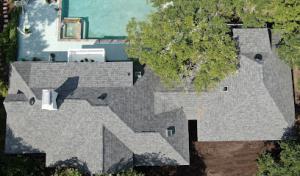
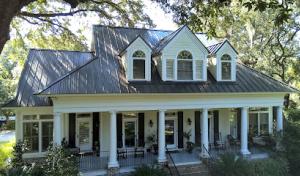
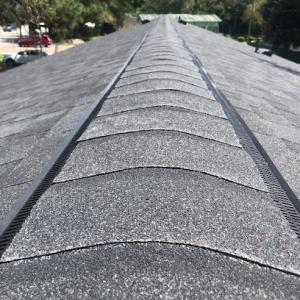
If you’re looking for a trustworthy company that offers roofing and window services in Charleston, look no further than Charleston Roofs + Windows. Founded in 2012, they have been providing the Lowcountry region of South Carolina residential roof services as well as gutter and window solutions they can trust. They can install or repair windows of every kind and roofs of every material. With a focus on customer service, they provide excellent workmanship and impeccable quality and only use the best materials in the industry. HomeAdvisor Approved and BBB Accredited, their local services also include help with insurance to guide them through the entire process from beginning to end.
Patriot Roofing
(843) 350-2975 www.patriotroofingsc.com
3125 Ashley Phosphate Rd # 125, North Charleston, South Carolina
4.9 from 147 reviews
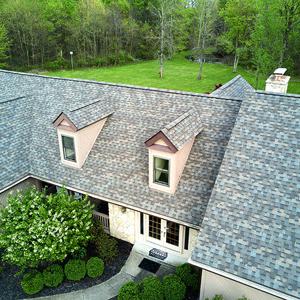
Welcome to Patriot Roofing, your trusted roofing partner in North Charleston, SC, and the surrounding areas. With over 20 years of experience, we specialize in storm restoration, commercial roofing, roof repair, gutters, and siding. As a small, veteran-owned business, we take pride in putting people over profit and delivering exceptional services to our clients. Our journey in this field began with a passion for better employee care than what we had witnessed in our previous roles.
Salty Dog Roofing & Siding
(843) 474-4245 www.saltydogroofing.com
4975 Lacross Rd #100, North Charleston, South Carolina
4.9 from 91 reviews
Salty Dog Roofing & Siding in South Carolina Trusted By Charleston, Myrtle Beach, Florence and surrounding area Homeowners Charleston homeowners know that living on the coast means enjoying beautiful views and vibrant communities—but it also means dealing with weather that can be tough on your home. The combination of intense sun, high humidity, salt air, and the ever-present risk of tropical storms and hurricanes can quickly wear down even the sturdiest roofs and siding. At Salty Dog Roofing & Siding, we specialize in solutions designed for Charleston’s unique climate. Our team understands that your roof and siding do more than just enhance your home’s appearance—they provide critical protection from wind, rain, and moisture intrusion.
Division 1 Roofing - Charleston, SC
(843) 625-8036 d1roofing.simplybook.me
7410 Northside Dr #270, North Charleston, South Carolina
5.0 from 44 reviews
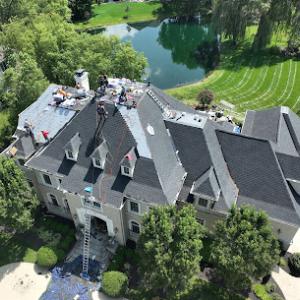
Division 1 Roofing stands out as an industry leader, offering exceptional roofing, siding, window, and gutter replacement services. Our Division 1 dedication extends beyond our expertise, prioritizing human connections and professional integrity. We are committed to providing the highest quality materials and workmanship while making a lasting, positive impact on the neighborhoods we serve.
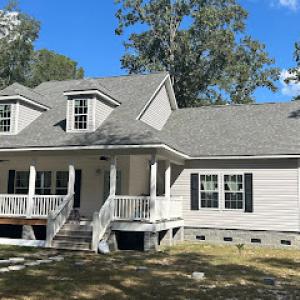
Deaville Roofing & Construction
(843) 548-3529 deavilleroofing.com
6650 Rivers Ave, North Charleston, South Carolina
4.8 from 130 reviews
Deaville Roofing & Construction, a premier roofing contractor in North Charleston, SC, has been serving the community since 1987 with unparalleled expertise in roof repair, replacement, and installation. Located at 6650 Rivers Ave, we are your trusted local experts for residential roofing needs, including emergency roof repair and comprehensive roof inspections. As one of the leading roofing companies, we excel in asphalt roofing and offer detailed roofing estimates to ensure transparency and customer satisfaction. Our founder, John Deaville, ensures every project reflects our core values of honesty and integrity. Contact us today for a free inspection and experience quality craftsmanship that stands the test of time.
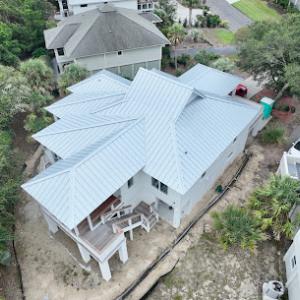
Top Dog Roofing & Exteriors
(843) 901-5824 www.topdogroofingandexteriors.com
North Charleston, South Carolina
4.9 from 35 reviews
Top Dog Roofing & Exteriors is a locally owned roofing company serving Charleston, Mount Pleasant, North Charleston, Summerville, and surrounding Lowcountry areas. We specialize in roof replacement, roof repairs, storm damage restoration, and roof inspections for homeowners and real estate professionals. Our licensed and insured team works with asphalt shingle and metal roofing, gutters, siding, skylight repairs, pipe boot replacement, and solar vent installation. We’re committed to honest inspections, clear communication, and quality craftsmanship. Whether you’re dealing with a roof leak, storm damage, insurance claim, or preparing a home for sale, Top Dog Roofing & Exteriors delivers reliable solutions. Free inspections available.
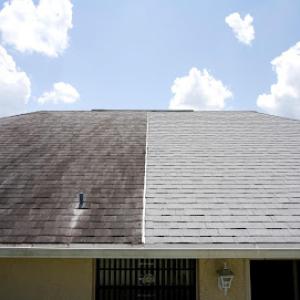
Anchor Roofing & Exteriors
3427 W Montague Ave Suite 3b, North Charleston, South Carolina
4.9 from 32 reviews
Serving homeowners throughout the Charleston area, our skilled roofing team is here for all of your replacement, installation, and repair needs.

LandShark Roofing
North Charleston, South Carolina
4.9 from 29 reviews
LandShark Roofing is a full-service roofing contractor performing roof repair, roofing replacement, metal roofing, storm damage repair, and commercial roofing to the homes and companies in Summerville, SC and surrounding areas.
Orange Elephant Roofing & Solar
(843) 647-6343 orangeelephantroofing.com
North Charleston, South Carolina
4.4 from 349 reviews
At Orange Elephant, we put roofs over people and people over profits. We understand that quality productions are only possible with quality products and quality people. Orange Elephant's goal is to provide the homeowner a seamless experience with their greatest investment. At Orange Elephant we have a duty to create jobs and a workplace culture with these core values. Employee empowerment, Reputation, Excellence, Growth, and Humility.
CentiMark Corporation
(704) 916-1349 www.centimark.com
4663 Franchise St Suite 100, North Charleston, South Carolina
5.0 from 14 reviews
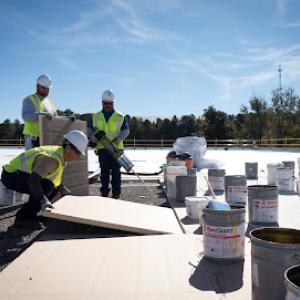
CentiMark, is North America's most trusted commercial roofing contractor. From our office in North Charleston, we service all of South Carolina and parts of Georgia, including Savannah and Columbia. Our team of professionals provide installation, maintenance and replacement of commercial roofs. We are experienced in managing region-specific issues such as storm damage from hurricanes and the wear and tear caused by Southern heat and humidity. We use advanced techniques and high-quality materials to ensure your roof's long-term durability. CentiMark stands for exceptional quality, unmatched customer satisfaction and guaranteed workmanship. Choose CentiMark for all your commercial roofing needs in this region.
Feltmann, Inc - Roofing, Construction & Design
(843) 977-2660 www.feltmann.com
2424 Air Park Rd, North Charleston, South Carolina
5.0 from 10 reviews
Feltmann, Inc. - Roofing, Construction & Design, established in 1987, has specialized for over three decades in commercial roofing and general construction in the Lowcountry region. Located at 2424 Air Park Road in North Charleston, South Carolina, Feltmann is a certified applicator of leading materials from GAF Materials Corporation, Conklin Roofing Systems, Versico, and many more. With years of experience and superior technical expertise, Feltmann Roofing continues to excel as a trustworthy and capable partner in commercial roofing, repair, and maintenance.
Williford Roofing & Construction
(843) 760-9500 www.willifordroofing.com
7187 Bryhawke Cir #400, North Charleston, South Carolina
4.2 from 154 reviews
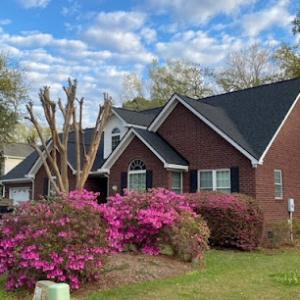
At Williford Roofing & Construction, we are proud to be South Carolina’s Premier Roofing Specialist and General Contractor. With years of experience and a reputation for excellence, we provide top-quality roofing services, home improvements, renovations, and general contracting across the Lowcountry. Our team is committed to delivering outstanding craftsmanship, personalized service, and lasting results on every project — from minor roof repairs to full-scale home remodels. We are fully licensed and insured, ensuring peace of mind for every homeowner we serve. Whether you need a new roof, home upgrades, or expert remodeling, Williford Roofing & Construction is here to make your vision a reality.
In North Charleston, asphalt shingles are the practical backbone of most residential roofs. The climate-heavy humidity and frequent rain-means shingles and their underlayment wear faster than in drier parts of the state. You'll see quicker granule loss, more curling at the edges, and more cycle wear from the heat and moisture. When selecting a shingle, look for higher than-average granule adhesion, compatible underlayment, and a roof deck that's prepared for damp conditions. A well-ventilated attic helps manage heat and humidity, reducing the chance of moisture-driven rot beneath the shingles. Because storms are a regular part of the rhythm here, a shingle with strong wind resistance and a robust sealant can make a noticeable difference after a tropical system passes. If you're replacing more than one area or planning a full re-roof, consider upgrading to a class 4 impact-resistant shingle or a laminated option that adds strength without compromising the coastal aesthetics.
Metal roofing carries a meaningful local specialist presence and is especially relevant for households looking for wind resilience and lower ongoing maintenance. In a coastal storm market, metal panels or standing-seam profiles can shed wind loads more predictably than shingles, which matters after a hurricane or strong squall. Metal systems often pair well with coastal-grade underlayments and sealants designed to resist salt spray and humidity. The installation details matter: fastener type, seam craftsmanship, and roof edge detailing all influence performance under wind-driven rain and flying debris. For homes with complex rooflines, solar integration, or retrofit updates, metal can offer a straightforward, durable upgrade that minimizes post-storm leaks, provided the structure and flashing are properly prepared. Availability of experienced installers who understand coastal conditions is a practical factor to check, since local crews tend to know common detailing challenges in older or multi-story homes.
Tile and synthetic options appear in the market but are less prevalent than asphalt and metal, making installer availability and roof-structure suitability more important considerations. Clay and concrete tiles bring a distinctive look and excellent durability, but their weight and brittleness under impact require careful assessment of the roof deck, framing, and alternate roof-hull support. In a hurricane-season context, tile roofs can perform well if correctly anchored and sealed, yet installation quirks rise to the top of the list for coastal homes-drainage, flashing around penetrations, and the ability to resist salt-induced corrosion on fasteners. Synthetic shingles and composites mimic the appearance of tile or shake while offering lighter weight and often better impact resistance, which can be advantageous in storm-prone areas. However, availability of local crews comfortable with these products may be variable, so verify prior to purchase and confirm the installer's track record with coastal projects.
Across all materials, the coastal environment emphasizes strong edge detailing, corrosion-resistant flashings, and an emphasis on moisture management. After a storm, inspecting the roof for lifted edges, loose fasteners, or compromised underlayment should be a routine check-focusing especially where salt air and humidity converge with frequent rain. When choosing between materials, weigh not just the immediate weather resilience but also the long-term maintenance profile in this climate, the ease of sourcing skilled local installers, and how well the roof integrates with existing drainage and attic ventilation. Understanding these local realities helps ensure the roof you pick stands up to Charleston's unique blend of sun, humidity, and wind.
When a tropical system rolls through, labor and material slots tighten quickly. Local crews and dry-in teams in this market are in high demand, and price spikes from storm-driven demand are common for a week or two after a major event. In that window, getting on a schedule matters as much as the price tag, because delays can extend exposure to weather and complicate leak response.
In this region, humidity and repeated rain exposure can hide damage beneath surfaces that look fine from the ground. If hidden moisture is found during teardown, expect costs to rise. Underlayment and roof decking may need replacement or reinforcement, even if the visible surface seems solid. This is less about fancy upgrades and more about preventing leaks that could show up later as mold or wood rot.
Material choice matters sharply here. Asphalt shingles run about 350 to 700 USD per square. Metal roofing sits in the 600 to 1100 USD per square range. Clay tile is typically 1000 to 2000 USD per square, while concrete tile ranges from 900 to 1700 USD per square. Wood shingles or shakes generally run 500 to 1000 USD per square, and synthetic or composite shingles fall roughly between 480 and 850 USD per square. For homeowners facing storm-damaged roofs, selecting a material that balances wind resilience, installation flexibility, and local availability is crucial, since North Charleston's coastal exposure tests fasteners and framing.
Plan for a potential temporary rise in costs if a project reveals moisture issues or structural concerns once the old roof is opened up. Ask contractors to provide a breakdown that separates tear-off, deck repairs, underlayment, and final surface material so you can compare apples to apples. If timing is flexible, aligning the replacement with a lull in storm activity can help stabilize both price and schedule, reducing the chance of delays and additional weather-related surprises.
Don't let upfront costs delay a critical repair - these contractors offer payment plans to fit your budget.
When a full roof replacement is on the table, a building permit is typically required in this area. The process is designed to ensure that a new roof can withstand the coastal climate, wind loads, and local inspection standards. If you're replacing only a portion of the roof or making minor repairs, the permit needs can be different, but for a full replacement the permit is part of the project from day one.
The City of North Charleston Building Department handles roofing permit issuance and inspections for this jurisdiction. This department keeps a careful eye on projects that must meet wind resilience and structural considerations common to the coastal zone. Submitting plans and scheduling inspections through this office helps ensure both code compliance and timely progress, especially after a storm season when faster post-storm response matters more than in many inland markets.
Plan review is usually straightforward unless structural work is included. For most standard roof replacements-whether asphalt, metal, or tile-the plan review focuses on confirming deck integrity, proper attachment methods for wind resistance, and adherence to local flashing and ventilation requirements. If the project introduces any structural changes, the review becomes more involved, and additional calculations or drawings may be required. Expect the permit to outline specific inspection steps and the sequence of work so that the final evaluation aligns with code and local practices.
After permit issuance, a final inspection is required to close out the job. The final walk-through verifies the completed roof matches approved plans, all licensed trades completed their work, and necessary ventilation and drainage elements are correctly installed. Inspections in this jurisdiction often occur in the daylight hours after an observer walks the roof and attic space, checking for proper underlayment, fastener patterns, and flashing around chimneys, dormers, and skylights. If anything isn't up to spec, a clearly defined re-inspection process will guide you back to compliance without delaying a timely close-out.
Keep a clear file of the permit number, approved plans, and any addenda you receive. Schedule inspections early and coordinate any structural work with the permit scope to avoid delays. Have contractor notes ready for the inspector to confirm that wind-resilient attachment methods, fastener spacing, and flashing transitions are installed as shown on the plan. If storm season interest or post-storm repairs trigger changes, reconfirm that those changes are reflected in amended permits and re-submitted plans.
In this coastal area, wind and hail events drive the most frequent and costly roof claims. After a major storm, insurers expect to see a clear record of the roof's condition and any prior replacements. What you thought was minor may be treated differently once a claim is filed, so you want to be prepared with honest, dated truth about what your roof looked like before the storm and what happened afterward.
North Charleston homeowners benefit from thorough, organized records. Photo documentation taken before and after a storm matters, especially wide-angle shots of the roof lines, hips, and valleys. Gather installation invoices or contractor receipts if a replacement or repair occurred in the last several years, plus any permit close-out documents you can locate. When claims are filed, this history can be the difference between a smooth adjustment and a drawn-out dispute, so keep a simple file that's easy for an adjuster to review in one sitting.
During claims in this region, an adjuster visit is standard. On inspection day, you'll want a current photo log at hand and ready to point to specific sunlit sections or wind-damaged areas. If you've had work done since installation, having the contractor's contact information and a clear description of matches or mismatches helps. Be present, take your own notes, and confirm what the adjuster sees versus what you documented earlier.
After big storms, some carriers tighten endorsements in the state, but broad statewide pullback isn't universal. You should compare policy terms rather than assume coverage is shrinking. If coverage questions arise, request written explanations and consider a second opinion from an independent adjuster who understands the local storm pattern and typical roof assemblies.
Connect with contractors who help homeowners navigate the claims process from damage assessment to final approval.
Charleston Roofs + Windows
(843) 350-6250 charlestonroofsandwindows.com
5900 Core Rd Suite 402, North Charleston, South Carolina
4.9 from 605 reviews
Patriot Roofing
(843) 350-2975 www.patriotroofingsc.com
3125 Ashley Phosphate Rd # 125, North Charleston, South Carolina
4.9 from 147 reviews
Deaville Roofing & Construction
(843) 548-3529 deavilleroofing.com
6650 Rivers Ave, North Charleston, South Carolina
4.8 from 130 reviews
Because repeated wind-driven rain events sweep through this area, flashing details and penetrations often become the first places where minor storm damage turns into interior leaks. Roof edges, valleys, chimney-to-roof joints, vent pipes, and ridge cap seams are the usual suspects after a storm. Expect the worst failures where shingles have been lifted or where old caulk has cracked. A quick inspection after a heavy rain should focus on these areas: look for pooling water near wall flashings, rust on metal components, and any damp streaks that run down a ceiling or wall. When a leak shows up, prioritize resealing and replacing any damaged flashing before addressing shingle damage to keep the water from following the metal rather than the shingle line.
The local contractor market shows strong demand for emergency repair and quick response, reflecting how often homeowners need temporary protection before full repairs can be scheduled after storms. If a leak is active, cover it with a watertight tarp or roof tarp kit as a temporary shield, concentrating on the most vulnerable penetrations first. Keep access clear for the contractor so they can seal from the exterior and contain interior water. Schedule a priority visit if the storm season is ramping up, and communicate timing constraints so temporary protection can be in place before the next rain event.
Skylight repair is a visible specialty in this market, which matters in a humid coastal city where failed seals and flashing can quickly lead to staining and moisture intrusion. Inspect skylight flashing and seals for condensation patterns or haze on the interior pane after rain. If you notice interior condensation that persists between storms, arrange a sealing or replacement assessment promptly. In humid conditions, even small gaps can widen over time, so treat skylight integrity as a high-priority leak point.
When a leak appears, identify the water entry path from the interior while staying safe on the ground level. Collect photos of exterior damage, flashing details, and any storm-related shingle movement for insurance documentation. If the roof deck is compromised, avoid walking on it and rely on a professional to verify structural impact. Maintain a simple, dated log of each storm event and the subsequent repair actions until the roof is fully restored.
Prepare a straightforward damage narrative, photograph the affected areas from multiple angles, and capture timestamps of the incident. Highlight flashing failures, penetrations, and skylight seal issues with clear captions. This documentation helps the adjustment process move efficiently and supports temporary protection claims when quick mitigation is needed after a weather event.
Find contractors experienced in skylight installation, flashing, and leak repairs to bring natural light into your home.
Charleston Roofs + Windows
(843) 350-6250 charlestonroofsandwindows.com
5900 Core Rd Suite 402, North Charleston, South Carolina
4.9 from 605 reviews