
Last updated: Apr 19, 2026
Charleston homeowners face their highest roofing risk from June through October, when tropical systems bring wind-driven rain and strong gusts that can interrupt projects and expose open roof decks. In this coastal climate, a lightweight asphalt shingle or delicate historic tile can fail fast when sprayed with salt-laden rain and flying debris from a neighbor's yard. The window is tight, the risks are real, and a prompt, decisive plan can mean the difference between a quick stabilizing fix and a long, costly rebuild.
After a storm passes, the single most valuable step is thorough, organized documentation. Take high-resolution photos of every damaged area from multiple angles, including close-ups of lifted edges, missing shingles, blisters on membranes, rusted flashing, and any insulation or interior staining visible through ceiling leaks. Record the date and the estimated wind event if that detail is available from the local forecast or weather apps. Note the exposure and slope of the roof and any adjacent structures that could compound damage, such as tall oaks or a neighboring porch that can funnel wind-driven rain onto the deck below. When communicating with an adjuster, those images should be time-stamped and organized by area of the roof, fascia, decking, and interior, with a simple map showing where each damage point sits on the home.
In the insurance environment that Charleston homeowners live in, adjusters expect wind-mitigation details rather than a generic leak complaint. Prepare a concise summary that ties each visible problem to possible wind or impact sources: lifted shingles near edge zones, damaged ridge caps from gusts, or flashing corrosion where salt air accelerates wear. If there is any prior mitigation work-sturdy underlayment, secondary water barriers, or upgraded fasteners-document that too. This is not a moment to rely on memory: the claim file will travel fast, and clarity reduces back-and-forth delays that are costly in a storm-followed workflow.
Because this is a coastal claim-active market, emergency tarping and rapid leak stabilization are a practical first step after storms before full replacement scheduling opens up. A tarp should cover all exposed roof sections where rain can reenter, with edges weighted down and secured to avoid flapping in gusts. The tarp must extend over any visibly compromised deck areas or skylights, creating a rain-tight envelope while the larger assessment proceeds. If you notice interior staining or active dripping, place a temporary containment plan to keep water off valuable interior finishes and avoid further damage to ceilings, walls, and HVAC components. In many Charleston homes, slate, clay, or concrete tiles can fracture into sharp pieces that threaten occupants and pets; such debris should be cleared from walkways and driveways once it is safe to do so.
Concrete and clay tile roofs present particular challenges in a storm sequence: broken tiles can shed unexpectedly as winds shift, and salt air accelerates corrosion of metal components in the flashing and gutters. A temporary fix often involves precise patching with compatible sealants and careful reseating of loosened tiles or shakes to prevent additional movement during the next rain front. If a roof deck is exposed, focus on stabilizing the deck edges and securing any parapets or low-slope sections that could funnel water into the attic.
With June through October delivering repeated stress tests, you must prioritize areas based on exposure and risk. Start with the most vulnerable sections: edges, valleys, and any penetrations around chimneys, vent pipes, and skylights. In historic or lowcountry architecture, where rooflines may have shallow slopes and decorative detailing, even small gaps can become major leaks when driven by wind and rain. Communicate clearly with any contractor about the urgency of temporary stabilization-timely tarping, quick debris removal, and rapid leak control can keep interior damage from compounding while you await a full replacement window that exists in a storm-driven market.
Finally, coordinate closely with your insurer and a trusted local roofing team who understand Charleston's coastal conditions, including salt exposure and seasonal wind patterns. A well-documented, promptly stabilized roof right after a storm not only protects your home but also sets a clear path toward a faster, more predictable restoration once the weather and project schedules align.
coastal salt air accelerates corrosion at metal flashing, fasteners, and exposed roof components even when the primary roof covering isn't metal. In practice, that means attic vents, edge trim, and hooks holding vents can start to show brownish flecks, loose fasteners, or a subtle wobble long before a visible leak appears. Salt-laden wind can also push tiny grit into seams and under shingles, wearing away protective coatings. Regular inspections should focus on these vulnerable spots: flashing at chimneys, vent pipes, and where the roof abuts dormers or decks. If you notice rust spots, loose shingles near flashing, or fasteners that don't tighten snugly, treat the area promptly. Small failures here can cascade into bigger leaks after a heavy rain or a wind-driven storm.
hot, humid summers speed up aging and shorten service life when compared with less humid inland markets. Asphalt shingles may curl or shed granules sooner, while underlayment and synthetic underlays can lose their flexibility and resilience after repeated cycles of damp heat. Clay and concrete tiles can suffer from salt-accelerated staining and microscopic cracking that weakens their surface over time. Wood shakes are especially susceptible to decay if moisture breeches the protective layer, and metal roofs, ironically, may show faster wear around fasteners if the sealants deteriorate under high humidity. The takeaway: material choices matter, and the ambient humidity will shave years off expected lifespans if maintenance lags. Expect more frequent inspections after midsummer thunder booms and spring storms when humidity is high and rainfall is frequent.
regular rainfall and frequent spring moisture exposure make trapped dampness, underlayment vulnerability, and leak tracing more complicated during active weather periods. Damp pockets can form around eave overhangs, valley intersections, and where shingles butt against vent flashings. If moisture sits long on underlayment or in roof deck joints, it invites rot, mold, and hidden fastener corrosion. During storms, the visual clue of a leak is often late, with water traveling along rafters or through attic baffles before it becomes apparent inside the living space. That means proactive checks after heavy rain are crucial, even if ceilings seem dry. Look for persistently damp wood, musty odors, or staining on interior walls that aligns with roof lines.
start with a careful exterior walk of the roof at a calm day after a storm or heavy rain. Inspect flashing around chimneys and vents for corrosion or lifted edges. Tighten loose fasteners where safe, and replace any corroded or rusted metal parts promptly with components rated for coastal exposure. In the attic, check for damp patches, unusual staining, or dark spots along rafter bays and around underlayment seams. If unsure, call in a local roofer who understands how coastal salt air interacts with the specific roof type on your home. Timely, targeted attention now can prevent a small fault from becoming a disruptive, roof-wide repair later.
Charleston's residential stock shows a clear pattern: asphalt shingles, metal roofing, clay tile, concrete tile, wood shingles or shakes, and synthetic or composite shingles all appear, reflecting coastal performance needs and the lowcountry architectural variety. Asphalt shingles stay practical for quick, solid protection on many homes, while metal roofs address rapid-drying, wind resistance, and salt exposure that coastal settings demand. If your house carries historic character with a standing seam or paneled look, metal can blend with the architecture while delivering durable performance under hurricane-season winds. Clay and concrete tiles are common on more collectible facades; they bring a distinct character but require careful fastening and maintenance due to wind uplift and moisture exposure. Wood shingles or shakes offer traditional appeal on select blocks, yet their vulnerability to moisture, rot, and termites means you need a plan for regular inspections and timely repairs. Synthetic or composite shingles provide a modern compromise, often with good fade resistance and lower maintenance in salt air.
Metal roofing is especially relevant in this market because corrosion resistance and detailing matter more in this salt-air environment than inland areas. Look for coated or galvalized steel and aluminum options, with high-quality sealants at penetrations and joints to withstand hurricane-season spray and debris. If you lean toward clay or concrete tiles, you'll want a system designed for coastal uplift, with properly spaced battens and verified fasteners that resist corrosion and permit safe expansion and contraction. Tile installations demand attention to underlayment choices and flashing at chimneys, vents, and valleys to manage moisture intrusion during heavy rains. For wood, the focus is on choosing rot-resistant species, applying protective finishes, and scheduling mid-season inspections after storms. Synthetic shingles can reduce some maintenance burden while still offering color and style flexibility, but verify that the product's salt-spray performance matches your block's exposure.
Tile and wood roofs appear in parts of town where architectural character matters, but their repair and replacement decisions must account for moisture exposure, wind uplift risk, and the availability of contractors experienced with those systems. In neighborhoods with historic homes, you may encounter tighter permitting and specialized repair considerations; when contemplating replacement, ensure the selected system has a compatible warranty and a contractor skilled in coastal detailing, including proper edge ventilations and drip edge installation. For all materials, plan around a storm-dampening maintenance schedule: do regular inspections after heavy rains or winds, reseal penetrations, and confirm debris buildup does not compromise drainage or attic venting.
Start with a visual inspection before the season peaks: check for loose shingles, lifted edges, damaged flashings, and rust or corrosion at metal seams. Prioritize repairing wind-driven damage promptly to prevent moisture intrusion into roof decks and ceilings. If a full replacement becomes necessary, choose a material that matches both the house's style and the local exposure pattern-metal for salt-air durability, tile for character with uplift-ready installation, or asphalt for a cost-efficient, straightforward fix. Always verify that fasteners, underlayment, and flashing are appropriate for coastal climate demands, and collaborate with a local contractor who understands how Charleston's wind and humidity shape every repair.
Charleston cost ranges run about 350 to 600 USD per square for asphalt shingles, 600 to 1200 for metal, 900 to 1900 for clay tile, 800 to 1500 for concrete tile, 700 to 1600 for wood shingles or shakes, and 550 to 1000 for synthetic or composite shingles. For a homeowner facing replacement after a storm, those numbers matter not just for budgeting but for what kind of roof can hold up to salt air, humidity, and hurricane-season wind. Coastal homes with decorative detailing or steeper pitches often push toward the higher end, especially if premium underlayment and corrosion-resistant accessories are chosen.
The coastal environment adds cost pressure beyond the base material. Salt and humidity accelerate wear on fasteners, flashing, and edge details, so corrosion-resistant choices matter even if they add a notch to the upfront price. Steeper or more intricate rooflines found on many Charleston-area homes can require additional labor and longer timelines, lifting labor portions of the bill. When storm season looms, storm-driven demand spikes can move scheduling and pricing higher, as multiple homeowners try to secure repairs or full replacements at once.
If choosing asphalt, expect a straightforward install with a favorable balance of cost and durability, but consider higher-end granules or reflective shingles to combat heat and UV exposure. Metal offers excellent wind resistance and longevity but comes in a wider price band; in a coastal setting, thicker gauge and corrosion-resistant coatings are worth the investment. Clay and concrete tiles bring historic character and substantial wind resistance, yet their weight and installation complexity can raise both material and labor costs. Wood shingles or shakes deliver a classic look but require higher maintenance or treated woods to resist humidity and termites. Synthetic or composite shingles blend durability with weight and may help manage long-term costs in a humid climate.
Costs can also move with local architectural complexity, including steeper or more detailed rooflines found on Charleston-area homes, plus corrosion-resistant accessory choices needed for a coastal environment. When budgeting, account for potential extra flashing, ridge venting, and edge metal that protects against salt spray. If a replacement is planned soon after a tropical system, reserve a contingency for expedited scheduling or priority material sourcing, since contractors commonly reallocate crews to urgent repairs during storms.
Don't let upfront costs delay a critical repair - these contractors offer payment plans to fit your budget.
KTB Home Services
(877) 480-1445 ktbhomeservices.com
460 King St suite 200-8, Charleston, South Carolina
4.8 from 48 reviews
843 Roof
(843) 900-7663 www.843roof.com
460 King St Suite 200 Unit 10, Charleston, South Carolina
5.0 from 184 reviews
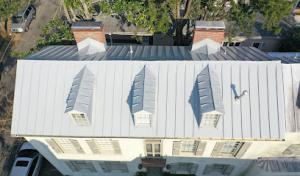
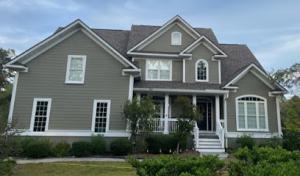
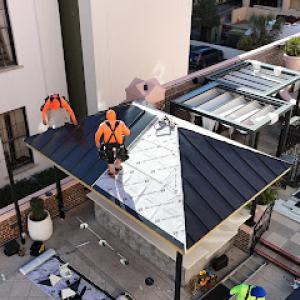
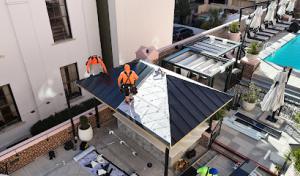
Dependable & Sincere Company Best Choice for Residential and Commercial Installation Projects 843 Roof is your top choice for both residential and commercial roofing installation projects in the Charleston area. Our exceptional safety standards, experienced team, commitment to quality, and extensive service offering make us the ideal partner for your roofing needs. From the installation of a new roof to a simple roof patch, we provide fast, efficient service without compromising on quality. We're also a local roofing company you can trust, providing accurate insurance estimates using Certified Xactimate Estimating.
Revive Roofing & Exteriors
1433 Arabella St, Charleston, South Carolina
5.0 from 90 reviews
Revive Roofing & Exteriors is a trusted roofing contractor proudly serving Charleston, SC and the surrounding Lowcountry. We provide professional residential and commercial roofing services, including roof inspections, repairs, full roof replacements, and new roof installations. Our team works with high-quality roofing materials and proven installation methods to ensure long-lasting protection against coastal weather, storms, and humidity. From minor roof leaks to complete roofing systems, we focus on honest recommendations, skilled craftsmanship, and dependable service. When you need a reliable roofing company in Charleston, Revive Roofing & Exteriors is committed to protecting your property and restoring your peace of mind.
New Beginnings Construction
1064 Gardner Rd Suite 308, Charleston, South Carolina
4.9 from 434 reviews
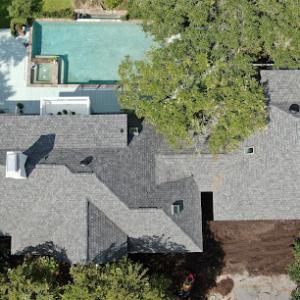
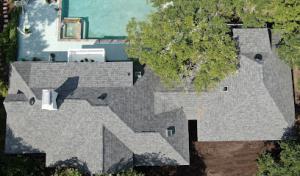
New Beginnings Construction is Charleston’s trusted expert in residential and commercial roofing, siding, and whole-home remodeling. With over 18 years of experience, we’re fully licensed, insured, and locally owned—serving Charleston, Mount Pleasant, West Ashley, Summerville, and the surrounding Lowcountry. Voted Charleston’s Most Reputable Roofing and Remodeling Company, we specialize in roof replacements, roof repairs, metal roofing, storm damage restoration, and insurance claim assistance. As an AtlasPRO+ Certified Contractor, our commitment to community, craftsmanship, and customer satisfaction ensures every project is built with trust, transparency, and excellence.

Absolute Construction & Roofing
(843) 647-6657 absoluteconstructionandroofing.com
520 Folly Rd STE 25 PMB 195, Charleston, South Carolina
5.0 from 72 reviews
As the first line of defense against the elements, your roof plays a crucial role in keeping you and your house safe. When your roof needs to be worked on, you can count on Absolute Construction & Roofing, Inc. We offer skilled roofing services for clients in Charleston, Johns Island, Mt. Pleasant, and nearby communities. Our dedicated crew can repair, replace, and inspect residential roofing systems. We can also help install new, high-quality roofs for local businesses. Contact your reliable Charleston roofing company today for a free estimate!
Big Bear Roofing
(843) 819-7650 www.bigbearrfg.com
1941 Savage Rd Suite 200 D, Charleston, South Carolina
4.8 from 795 reviews
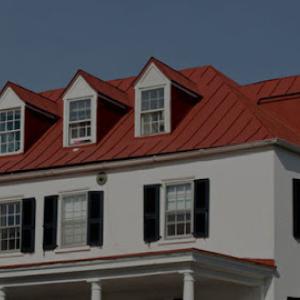
At Big Bear Roofing, in Charleston, South Carolina, our skilled roofers are ready to transform your dream roof into a stunning reality. Whether you require roof repairs, re-roofing, or the construction of a brand-new roof for your residential or commercial property, we use only premium roofing materials and cutting-edge techniques to ensure your complete satisfaction. We pride ourselves on our unparalleled workmanship, emphasizing roof repairs and installations, while holding job safety as our top priority. Experience the true meaning of expert roofing services with Big Bear Roofing in Charleston, SC.
Sunny Day Roofing - Charleston
(843) 212-7663 www.sunnydayroofing.com
1064 Gardner Rd Suite 313G, Charleston, South Carolina
5.0 from 44 reviews
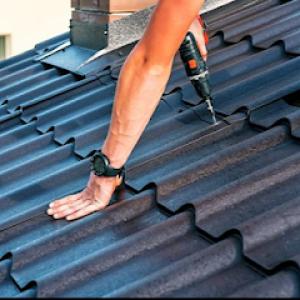
We Are Sunny Day Roofing - a family-owned FULLY LICENSED AND INSURED roofing company located in the Charleston area. Roof replacement or repair is a big investment, so you need a roofing company that is responsive, trustworthy, and extremely knowledgeable. We have built our reputation on honesty and integrity - that means when you work with SDR, you can trust we will answer your calls, show up on time, and exceed your expectations. We are experts in residential roofing, roof inspections, roof replacements, roof repairs, and interior leaks. We will work with your budget and schedule to create a beautiful, durable roof that will protect your family, and your investment for many years to come. Remember a beautiful roof starts with a Sunny Day!
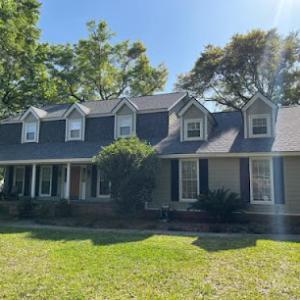
Charleston Roofing & Exteriors
(843) 203-5555 charlestonroof.com
1662 Savannah Hwy Suite 340, Charleston, South Carolina
4.8 from 281 reviews
Charleston Roofing and Exteriors stands as the premier choice for homeowners seeking reliable, high-quality exterior solutions. Serving Charleston, Dorchester, and Berkeley counties for a decade, the team specializes in roofing, windows, gutters, and insulation. Every project reflects a deep commitment to honesty, affordability, and aesthetic excellence. Clients receive expert craftsmanship paired with timely service, ensuring homes remain protected and beautiful. Whether installing a new roof or upgrading attic insulation, the focus remains on durable results and total customer satisfaction. Choosing Charleston Roofing and Exteriors means investing in reliability and exceptional value for your home’s exterior needs.
White House Roofing & Construction
(843) 509-7785 white-house-roofing-construction.com
Charleston, South Carolina
5.0 from 35 reviews
White House Roofing & Construction has been bringing dedication and high quality roofing and craftsmanship to the Metro-Charleston, South Carolina area for over ten years. We are a one stop shop for all of your residential roofing and construction needs, offering a range of services from laying the foundation for a new home to cutting the grass after you move in, and everything in between. With expert roofing services offered to homeowners throughout the Charleston and Summerville area, mixed with a decade of experience in all aspects of construction and maintenance, White House Roofing & Construction is the only call you need to make for all your homes needs.
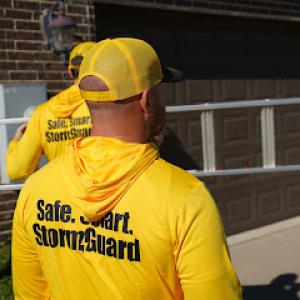
Storm Guard Roofing & Construction of Charleston
(843) 920-6089 www.stormguardrc.com
925 Dupont Rd Unit H, Charleston, South Carolina
4.9 from 63 reviews
Storm Guard Roofing and Construction offers professional roofing services in Charleston, SC. Our team of roofing experts offer roof repair, roof replacement, roof installation, roof inspections, gutter installation, siding installation, window installation, and more. We are a top rated local company here in Charleston and look forward to working with our community to deliver great results. Storm Guard Roofing is dedicated to serving our clients and making an impact in the roofing world. If you're looking for a reliable roofing company that offers top-tier service, reach out to our team today.
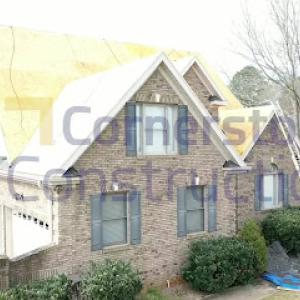
Cornerstone Construction - Roofing & Solar
(877) 787-3030 cornerstoneroofingandsolar.com
1064 Gardner Rd Suite 309, Charleston, South Carolina
5.0 from 29 reviews
𝐂𝐨𝐫𝐧𝐞𝐫𝐬𝐭𝐨𝐧𝐞 𝐂𝐨𝐧𝐬𝐭𝐫𝐮𝐜𝐭𝐢𝐨𝐧 - 𝐑𝐨𝐨𝐟𝐢𝐧𝐠 & 𝐒𝐨𝐥𝐚𝐫 𝐈𝐬 𝐀𝐧 𝐀𝐰𝐚𝐫𝐝-𝐖𝐢𝐧𝐧𝐢𝐧𝐠 𝐑𝐨𝐨𝐟𝐢𝐧𝐠 & 𝐒𝐨𝐥𝐚𝐫 𝐂𝐨𝐧𝐭𝐫𝐚𝐜𝐭𝐨𝐫. We Provide The Very Best Roofing & Solar Services To The Residents & Business Owners Of Charleston, SC. ⭐⭐⭐ 𝐎𝐔𝐑 𝐒𝐄𝐑𝐕𝐈𝐂𝐄𝐒 𝐈𝐍𝐂𝐋𝐔𝐃𝐄: Residential Roofing, Commercial Roofing, Roof Repair, Solar Installation, Gutters Siding & Windows! ⭐⭐⭐ If You Are Needing Charleston Roofing Services Or Solar Services - 𝑩𝒐𝒐𝒌 𝒀𝒐𝒖𝒓 𝑭𝑹𝑬𝑬 𝑹𝒐𝒐𝒇 𝑰𝒏𝒔𝒑𝒆𝒄𝒕𝒊𝒐𝒏 𝑻𝒐𝒅𝒂𝒚! We Pride Ourselves In Always Providing Amazing Customer Service & Making An Impact To The Charleston Community.
DLV Roofing & Exteriors
(843) 724-3477 dlvroofingcharleston.com
490 Jessen Ln, Charleston, South Carolina
4.8 from 78 reviews
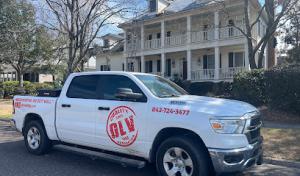
DLV Roofing Systems, Inc., is the premier roofing company for Charleston SC and its surrounding areas. Our President, Pete De La Vega, a third generation roofer, established DLV Roofing in 1999. We are a fully licensed and insured general contractor happily serving both residential and commercial customers in Charleston, Myrtle Beach, Bluffton, and all of coastal South Carolina. We use only top-rated, premium, quality products while offering competitive prices and a guarantee on all of the work. Our courteous, professional staff provides superior, dependable service with an attention to detail that sets us apart from industry affiliates. Call or email us today for a free estimate!
Coastal Roofing Solutions
(843) 830-9509 www.coastalroofllc.com
677 King St 3rd floor, Charleston, South Carolina
4.9 from 40 reviews
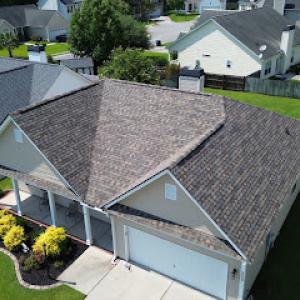
Roofing contractor based out of Charleston, SC.
For a full roof replacement, a permit is typically required rather than being treated as permit-free maintenance. In this market, most homeowners rely on the roofing contractor to handle the permit process from start to finish. The contractor will gather the necessary documents, submit the permit application, and track the status with the building department. This arrangement helps keep the project moving, especially during busy hurricane-season periods when demand spikes and inspections can stack up.
In practice, the roofing contractor usually applies for the permit and coordinates the required inspections. You'll want to confirm upfront that the contract includes permit management, including who will schedule the inspections and how any delays or re-inspections are handled. Because Charleston's permitting workflows can tighten during storm-driven demand, a proactive contractor that communicates clearly about timelines and required materials helps prevent scheduling bottlenecks.
The local inspection sequence commonly begins with an initial tear-off or underlayment check. During this visit, inspectors verify whether the old roof has been safely removed to the deck or whether the underlayment and flashing meet code. The focus here is to confirm a sound substrate and proper waterproofing foundation for the new roof system. A second, final roof inspection follows after installation, confirming that the completed roof, venting, flashing, and any new underlayment or accessories meet the applicable standards. Plan review timing can vary in some neighborhoods depending on seasonal workload, so it's wise to prepare for slight fluctuations in the inspection timeline.
Charleston's coastal climate and hurricane-season exposure can influence inspection pacing. In peak periods, plan review and inspection slots well in advance, and stay in regular contact with the contractor who is coordinating permit activity. If a neighborhood has a history of seasonal backlog, ask the contractor for early visibility into anticipated inspection dates and any required documentation, such as wind-resistance certifications or substrate details. Being responsive to inspector requests and having project records organized (deck condition, underlayment type, and flashing material) can help keep the sequence advancing without unnecessary delays.
Keep your contact information current with the contractor and the building department, and confirm the exact sequence of inspections scheduled for your address. Before the teardown begins, ensure access is arranged for the inspector and any safety or permit-related notices are posted as required. If weather interrupts work, work with your contractor to re-sequence inspections promptly so the project remains on track and compliant with local requirements.
In a coastal insurance market with ongoing wind-related claim activity, roof decisions after a storm are often scrutinized by carriers. The hurricane-season exposure compounds post-storm evaluations, and carriers keep a close eye on how repairs restore wind resistance and historical performance. The emphasis is on documenting how wind affected the roof structure and surrounding conditions, not just the visible damage. Plan for a claim process that adapts quickly to storm-driven demand spikes and the realities of a tight residential work environment after a wind event.
Documentation quality matters before any repair begins. Photo records should capture the entire roofline, attic and ceiling conditions, and any interior signs of wind-driven damage. Record the date of loss and the precise location of damage on the roof. Keep a running log of conversations with the insurer, contractor, and adjuster, noting dates, times, and names. Note wind-mmitigation features present on the home, such as hip roofs, reinforced howers, and secondary water barriers, since these details often factor into the claim evaluation. Charleston claim files benefit from a clear progression: what was observed, what was recommended, and what steps were taken to stabilize the roof.
Temporary protection steps are critical to limit further exposure and maintain claim integrity. Use sturdy tarps or boards to cover damaged areas, ensuring water runoff remains directed away from living spaces. Document these temporary measures with photos dated at the time of application and after any adjustment. Keep receipts and notes for each protective action, including the weather conditions observed at the time. If a wind event is imminent, document pre-storm precautions and post-storm outcomes to demonstrate proactive risk management in the claim file.
After a loss, align with the insurer's expectations for timely inspection scheduling and evidence submission. Clear, dated photographs paired with a concise narrative of the loss help the adjuster assess wind damage accurately. Maintain a written inventory of affected components and any suspected hidden damage to structural members or underlayment. If a contractor recommends specific wind-resilient upgrades, document the rationale and any correspondence about these recommendations, as carriers increasingly weigh long-term performance in Charleston's coastal climate.
Connect with contractors who help homeowners navigate the claims process from damage assessment to final approval.
843 Roof
(843) 900-7663 www.843roof.com
460 King St Suite 200 Unit 10, Charleston, South Carolina
5.0 from 184 reviews

Revive Roofing & Exteriors
1433 Arabella St, Charleston, South Carolina
5.0 from 90 reviews
New Beginnings Construction
1064 Gardner Rd Suite 308, Charleston, South Carolina
4.9 from 434 reviews
In Charleston, neighbors and HOA review rhythms can stretch when a replacement moves from estimate to a green light. The cadence isn't uniform, and some blocks may see longer scrutiny windows during storm-driven spikes. You should plan for a slower data trail where early choices are weighed against older streetscapes and local covenants, which can silently extend timelines you assume will be straightforward.
The city's older and architecturally distinctive housing stock means material choice isn't only about price. Roofing decisions must align with the surrounding character, so a quick upgrade on a modern profile can clash with a row of historic homes. Expect conversations with your contractor about profile, edge detailing, and how the color will weather in salt air. A roof that looks out of place can affect resale and neighborhood harmony long after the first rain.
Homes with traditional lowcountry or historic visual character may require more careful matching of profile, color, and detailing than newer suburban roofs. The texture of shingles, the sheen of metal, or the lay of clay or concrete tiles should echo what neighbors have long accepted. If a replacement veers toward a distinctly newer aesthetic, you risk drawing complaints from commissioners, neighbors, or even the next door porch audience during a storm season.
The constraints above translate into concrete planning steps you can take now. Favor materials and profiles that have demonstrated compatibility with nearby structures, and build in extra time for color and detailing approvals. Choose installers who understand the local palette and the way coastal humidity and salt air can age finishes. A careful, community-aware approach helps you avoid last-minute scrambles when a storm arrives.
In a humid, salt-air coastal environment with hurricane-season wind exposure, skylight flashing and low-slope transitions are common weak points. Wind-driven water can exploit small installation defects, especially where flashing meets the roof deck and around penetrations like chimneys, vents, and skylights. The mix of historic lowcountry architecture and modern reroofing adds variability in how these details were originally flashed, so expect some older homes to have nonstandard details that need careful attention during repairs.
Frequent moisture exposure in spring and summer makes leak diagnosis around penetrations more urgent than in drier inland markets. Look for staining on ceilings near skylights after heavy rains, and check around skylight frames for any dampness or soft fasteners. On low-slope sections, pay attention to evidence of pooled moisture near transitions, gutters, and drip edges. In Charleston's climate, even small gaps can become significant leakage paths during a hot, humid afternoon thunderstorm.
The city's homeowners often grapple with both main roof field work and vulnerable details like skylights or low-slope areas during storm-response periods. Plan for a phased approach: seal or replace failing flashing around skylights first, then address any compromised low-slope transitions. When scheduling, prioritize sections that show moisture intrusion or have evidence of prior leaks, because fast, targeted repairs reduce the risk of interior water damage during the next rain event.
Because the work often combines reroofing with delicate penetrations, select a contractor who can execute both the field and the detail work in one visit when possible. Ask for proven experience with skylight flashing repairs, low-slope membrane transitions, and appropriate sealants resistant to salt and humidity. Clear communication about inspection findings and a practical repair sequence helps ensure the roof remains resilient through coastal storms.
Find contractors experienced in skylight installation, flashing, and leak repairs to bring natural light into your home.
Revive Roofing & Exteriors
1433 Arabella St, Charleston, South Carolina
5.0 from 90 reviews
DLV Roofing & Exteriors
(843) 724-3477 dlvroofingcharleston.com
490 Jessen Ln, Charleston, South Carolina
4.8 from 78 reviews
Charleston Roofs + Windows
(843) 350-6250 charlestonroofsandwindows.com
Serving
4.9 from 605 reviews