
Last updated: Apr 19, 2026
Myrtle Beach sits on the Grand Strand, where the Atlantic hurricane season from June through November directly affects roof replacement timing and emergency repair demand. That means decisions made in late spring can ripple into October, and a sudden tropical storm can derail even the best-laid plans. If your roof is near end-of-life or has lingering vulnerabilities, the window for a steady, planned replacement shrinks the moment a named storm reappears on the radar. Plan with the season in mind: book crews when storms are quiet, but keep a rapid-response mindset for any guidance from your insurer or local roofers when a storm watch is issued. Delays due to hurricane-season scheduling are common, and avoiding them requires clear, early communication with your contractor and your insurer.
Wind-driven rain from coastal storms can force water under roof coverings even when the primary field of shingles or panels appears mostly intact. In practice, that means assessments must go beyond a surface check. A roof may look sturdy from the ground, but lifting gusts can push moisture under flashing, coping, and joints, particularly around exhaust vent stacks, skylights, and chimneys. Coastal exposure amplifies micro-leaks that travel along roof valleys and under edge metal. In Myrtle Beach, where salt air accelerates corrosion and humidity fosters soft decking, a small leak today can become a major problem tomorrow if left unaddressed. The practical response is a pre-storm moisture audit: inspect attic insulation and sheathing for damp spots, check interior ceilings for dark stains after rain events, and request a professional infrared or moisture-read survey if there's any doubt. Even short, intense downpours can compromise decking quickly, so act fast when early warning signs appear.
Storm interruptions are a major local installation risk because exposed decking can be hit by sudden coastal downpours during active weather windows. That means scheduling around unpredictable weather is not a luxury-it's a necessity. When a crew arrives, they may have to pause for a downpour, and repeated halts can stretch timelines and amplify risk if decking is left exposed. To minimize this, coordinate with a contractor who can mobilize efficiently, cover exposed areas with temporary weather barriers, and prioritize critical steps that protect the deck first: tarping, securing underlayment, and sealing around penetrations. For emergency repairs that must happen during a storm, ensure the crew has portable moisture barriers, rapid-dry sealants, and a plan for temporary protection that reduces interior damage until permanent fixes can be completed. In coastal neighborhoods, proactive staging of materials and a clear communication chain with the insurer becomes the difference between a rushed, patchy fix and a durable, storm-ready result.
Coastal roof replacements in this market hinge on solid insurance documentation. Gather and organize your records before the next big storm hits: photos of the current roof, detailed notes on any prior leaks, and dated assessments from a licensed professional. If wind or hail damage is suspected, obtain a written assessment that specifies affected areas, moisture levels, and any compromised decking. When you file a claim, include documentation showing weather events and how those events correspond to damage observed on your roof system. A timely, clear narrative tied to dated storm activity speeds up the review process and reduces back-and-forth. Having a documented history of coastal exposure, prior repairs, and annual maintenance can make the difference between a smooth settlement and a prolonged dispute. In practice, treat your roof as a living document-update photos and notes after each significant storm and before you engage a replacement crew. This keeps you ready to move quickly when the next hurricane watch is issued.
Coastal South Carolina is a high-scrutiny wind and hail insurance market, so Myrtle Beach roof claims are often reviewed closely for storm date, prior damage, and maintenance history. That scrutiny isn't random: insurers are looking for a clear line between a storm event and preexisting issues, and they expect documentation that supports a direct link to the damage you're claiming. When the claim file arrives at adjuster desks, the weather history, maintenance notes, and any prior repairs are often the deciding factors between approval, partial approval, or a dispute. Your claim's credibility hinges on a transparent, well-documented story that connects the event to the current roof condition.
Because this is a coastal claim environment, homeowners should document elevations, slopes, penetrations, and interior leaks with date-stamped photos before temporary repairs are removed. In practice, that means you should photograph the roof from multiple elevations and angles, then move inside to capture attic signs of water intrusion, stains, or warped decking. The goal is to create a chronological record that shows when the damage appeared relative to the storm date, and how it progressed if the roof sustained ongoing leaks. Photos should clearly identify vent pipes, chimneys, skylights, and any protrusions where water could seep in. Keep a simple log noting the dates of each storm and any temporary patches you applied, along with the names of any contractors who performed those repairs. This isn't about exaggeration; it's about building a documentary trail that withstands close insurer scrutiny.
Wind-mitigation details and installation documentation matter more in Myrtle Beach because insurers may ask for proof of compliant fastening and prior claim history before approving full roof work. There's a practical reason: our wind-driven rain and salt-laden air can accelerate corrosion and push-through in fasteners, nails, and underlayment choices. When an adjuster examines a claim, they'll look for evidence of hurricane-season readiness-such as fastener patterns, roof deck attachment methods, and any retrofits that align with recent wind-resistance standards. If the installation includes modern, wind-rated underlayments or edge protection, that can influence both the decision and the scope of covered work. Be prepared to supply installation receipts, product data sheets, and, if applicable, notes from prior insurers about claim history. Keep a neat folder with model numbers, installation dates, and contractor identifications so you can present a coherent, well-organized package if questions arise. In the absence of this documentation, a claim can linger or be reduced, even when the roof clearly sustained damage from a specific coastal storm. Your goal is to minimize ambiguity and demonstrate that the roof was in good standing prior to the event, while clearly tying the observed damage to the storm period you're claiming.
Connect with contractors who help homeowners navigate the claims process from damage assessment to final approval.
Apex Roofing Group
(843) 315-5015 apexroofinggroup.net
132 Causey St unit s, Myrtle Beach, South Carolina
5.0 from 155 reviews
Klaus Roofing Systems by Carolina Energy Conservation
(843) 748-0295 www.klausroofingbycarolinaec.com
9516 SC-707, Myrtle Beach, South Carolina
5.0 from 275 reviews
United Contractors Roofing - Grand Strand Roofing Experts
(843) 455-4350 www.unitedroofing.ai
9713 N Kings Hwy #205, Myrtle Beach, South Carolina
4.9 from 719 reviews
Apex Roofing Group
(843) 315-5015 apexroofinggroup.net
132 Causey St unit s, Myrtle Beach, South Carolina
5.0 from 155 reviews
Operating from Myrtle Beach, Apex Roofing Group brings more than a decade of coastal-roof expertise to Horry County. Our OSHA-certified crews begin with a complimentary drone, attic, and roof inspection, then recommend leak roof repairs, hurricane-rated roof replacements, or energy-efficient metal retrofits that meet South Carolina’s Class H / Class F 110-mph wind code. Homeowners and condo boards receive clear photo reports, insurance-ready Xactimate estimates, and same-day emergency tarping during tropical storms that dump 52 inches of rain on the Grand Strand each year. We install Owens Corning, GAF, and Drexel metals with up to 50-year warranties and back every nail with a lifetime workmanship guarantee plus annual maintenance plans.
Klaus Roofing Systems by Carolina Energy Conservation
(843) 748-0295 www.klausroofingbycarolinaec.com
9516 SC-707, Myrtle Beach, South Carolina
5.0 from 275 reviews
Klaus Roofing Systems by Carolina Energy Conservation provides expert attic and roofing services in Little River, Conway, Myrtle Beach, and nearby. We create safer, more efficient homes with roof replacements, roof repairs, air sealing, insulation services, and more. KRS by CEC is a sister company to Carolina Energy Conservation, a team of energy contractors who have loyally served the community of Eastern South Carolina since 2009. Call or contact us online to get started with a no-cost, no-obligation quote.
United Contractors Roofing - Grand Strand Roofing Experts
(843) 455-4350 www.unitedroofing.ai
9713 N Kings Hwy #205, Myrtle Beach, South Carolina
4.9 from 719 reviews
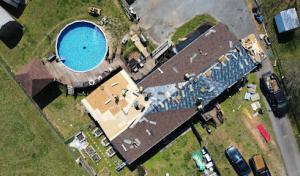
United Contractors Roofing: Grand Strand Roofing Experts, your trusted roofing partner serving the Grand Strand, Lowcountry, and Pee Dee regions since 2003. From Myrtle Beach to Charleston and Florence, we're dedicated to providing homeowners with exceptional roofing services. Specializing in hurricane-resistant roofs and storm damage repairs, we expertly navigate insurance claims to ease the process for you. Protecting homes from Murrells Inlet to Sumter and beyond, United Contractors Roofing offers peace of mind with every project. Discover the difference experience makes with United Contractors Roofing.
Monarch Roofing
(843) 401-3383 monarchroofing.biz
4336 Waccamaw Blvd, Myrtle Beach, South Carolina
4.9 from 1679 reviews
PROTECTING YOUR FAMILY IS AN ABSOLUTE NECESSITY AND IT BEGINS WITH A SAFE ROOF OVER YOUR HEAD.We hope you will trust Monarch Roofing with that necessity. Founded in 2007 by Martin Pettigrew, Monarch has focused on attaining “Best in Class” roofing standards, innovations and certifications. Martin is committed to providing his team with the best equipment, training and working environment to ensure every roof is replaced with professionalism and completed in a timely, neat manner. As a GAF Master Elite™ Contractor holding the Only 3 star Presidents Club in North & South Carolina we can offer top of the line warranty that are the best in-the industry. We have this capability because of our high standard of training & Certifications.
Salty Dog Roofing & Siding
(843) 428-2998 www.saltydogroofing.com
6511-B Dick Pond Rd, Myrtle Beach, South Carolina
4.9 from 342 reviews
Salty Dog Roofing & Siding is Myrtle Beach’s trusted full-service roofing company, specializing in residential and HOA roofing services. As the leading local contractor, we’re proud to deliver top-tier craftsmanship and reliable service to homeowners across the Lowcountry. From Myrtle Beach to Pawleys Island, North Myrtle Beach, and beyond, our expert team covers communities in Horry, Georgetown, Berkeley, Charleston, Florence, and Dorchester counties. Got storm or hail damage? No worries! With extensive experience in the insurance and storm damage industry, we’re here to guide you through the claims process from start to finish, making it as smooth and stress-free as possible. At Salty Dog Roofing, we take pride in going above & beyond
Up & Over Roofing
(843) 222-4607 upandoverroof.com
1082 Burcale Rd, Myrtle Beach, South Carolina
4.9 from 149 reviews
Here at Up And Over Roofing ,we pride ourselves in integrity, reliability, craftsmanship and community. We deliver top-notch roofing solutions for residential and commercial properties. Our skilled team is dedicated to ensuring customer satisfaction with every project. We carry a general contractor's license in South and North Carolina so from top to bottom we have you covered (literally). Trust us to protect what matters most to you. Discover the difference of roofing done right. Contact us for a consultation today.
Alpha Contractors
(843) 698-9332 thealphacontractors.com
1335 44th Ave N suite 202, Myrtle Beach, South Carolina
4.9 from 117 reviews
Are you envisioning a home that radiates beauty while being fortified against the elements? Look no further than Alpha Contractors, your trusted roofing company in Myrtle Beach, SC. Our team specializes in roofing services, including repair, replacement, and installation. We also optimize gutter systems and enhance siding, infusing each project with unparalleled expertise and meticulous craftsmanship. Since we opened our doors in September 2024, we have passionately dedicated ourselves to not only elevating the aesthetic appeal of homes in our community but also providing robust protection to withstand nature’s challenges. Rely on Alpha Contractors to revitalize your home’s curb appeal and create a sanctuary that lasts.
Aztec Roofing
(843) 605-1680 www.aztecroofingsc.com
4021 Socastee Blvd, Myrtle Beach, South Carolina
4.9 from 59 reviews
Aztec Roofing and Renovations is your trusted partner for top-quality roofing and home improvement solutions in Myrtle Beach, SC. Specializing in roof repairs, replacements, custom designs, and renovations, we combine expertise and craftsmanship to protect and enhance your property. As a GAF Certified™ Contractor, we are committed to excellence and customer satisfaction. Whether you need a quick fix, a full renovation, or guidance with insurance claims, our experienced team is here to deliver dependable service you can count on. Contact us today for a free estimate!
DK Mason Roofing
(843) 491-1757 www.dkmasonroofing.com
8106 SC-707, Myrtle Beach, South Carolina
5.0 from 30 reviews
Your home is your largest investment, and you need the ultimate protection for it with the quality roofing services at DK Mason Roofing. Since 2011, we've served as your number one roofing contractor in Myrtle Beach, SC, for residential, commercial, and industrial settings. Our dedication to customer satisfaction and attention to detail has earned us the reputation as the upstate’s preferred roofing contractor. We're licensed, bonded, and insured, and we pride ourselves on superior craftsmanship that is second to none. Your satisfaction is guaranteed as we offer a five-year workmanship warranty on all roofs. We're pleased to offer a 10 percent discount for the military and first responders. Contact us today for a free estimate.
Allrestore
(843) 957-3568 www.allrestoresc.com
4011-A Belle Terre Blvd, Myrtle Beach, South Carolina
4.8 from 25 reviews
At Allrestore, we believe your home should be the place you feel the safest. That’s why we’ve made it our mission is to keep our friends’ and neighbors’ houses strong and secure. For over 20 years, we’ve been the crew our community turns to when it’s time to upgrade their roofing, replace their siding and gutters, and put in brand-new windows. We’re proudly licensed and certified for every job we complete, but if you ask any of our satisfied clients, they’ll tell you: Our work speaks for itself.
Macklen Home Builders & Roofing
(843) 503-1080 macklenroofingbuilders.com
1830 Stacey St, Myrtle Beach, South Carolina
4.7 from 27 reviews
With three decades of experience crafting beautiful and durable roofs, Macklen Home Builders and Roofing, a family-owned contractor, is the go-to choice in Myrtle Beach for all your roofing needs, including metal roofing or shingles, installations, and replacements for both new and existing properties, as well as flat roofs. Their commitment to quality and customer satisfaction, as reflected in their bonded, insured, and licensed status, ensures that every project is executed with the utmost professionalism and care.
Cedar Peak Roofing
(910) 495-5349 www.cedarpeakroofing.com
2004 Musgrove Ml Wy, Myrtle Beach, South Carolina
4.7 from 14 reviews
Since 2010, Cedar Peak Roofing has been a trusted leader in the Myrtle Beach area, providing exceptional roofing and construction services. As a licensed and insured firm, they specialize in a range of solutions for both residential and commercial clients, including expert roof repairs and replacements. We are known for quality workmanship, clean job sites, transparent communication, and strict installation standards. We choose quality materials like GAF and install every roof with precision, integrity, and customer care. We are talented, trusted, and trained, specializing in commercial and residential roof repair. A contractor & roofer that cares, call us. Roofing is our business, and we will treat you and your home right.
In this coastal climate, salt air and persistent humidity shorten the service life of exposed fasteners, flashings, and protective coatings compared with inland markets. That means fastener material, sealant choices, and panel edge details must be chosen with corrosion resistance and wind performance in mind. When a roof system is planned, think through how it will stand up to frequent wind-driven rain and the salt spray that travels off the ocean.
Asphalt shingles remain common locally, but hot humid summers can accelerate granule loss, curling, and heat-related aging on sun-exposed slopes. If you choose asphalt, look for a shingle lot that emphasizes high-fire resistance and a robust granule coating designed for heat and humidity. On slopes that face prevailing afternoon sun, expect more rapid deterioration and plan for more frequent inspections and timely resealing of exposed edges. In addition, ensure the starter and fascia details are matched to high-wind performance ratings so wind can't pry up the edges as storms roll through.
Metal roofing is especially relevant in this area because corrosion resistance, panel attachment, and coastal coating performance are major selection issues near the ocean. Seek alloys and coatings that specifically resist salt exposure, such as aluminum-zinc or coated steel formulations designed for marine environments. Pay attention to panel attachment methods: concealed fasteners with sealed gaskets or through-fastened systems with corrosion-resistant washers can improve wind uplift resistance. The long-term performance hinges on the coating system's ability to resist pitting and coating delamination from salt-laden spray. If a metal roof is chosen, insist on a corrosion-protective underlayment and a coastal-grade topcoat system, plus detailed flashing that won't trap salt and moisture.
Clay tile and concrete tile bring their own coastal considerations. Clay can be susceptible to salt crystallization at joints and fastener corrosion if screws are used in the field. Concrete tile often offers robust impact resistance, but coastal wind loads demand careful cap and fastener design to prevent edge lift. In either case, confirm that fasteners are stainless or coated for salt exposure, and that flashings around chimneys, vents, and transitions are corrosion-resistant and properly sealed to resist wind-driven rain.
House exteriors near the coast benefit from a thoughtful approach to protective coatings and edge treatments. Choose high-quality sealants and flashing materials rated for humid, salt-rich air, and plan for more frequent inspection cycles after hurricane season to verify coatings, fasteners, and terminations remain intact. The goal is a cohesive system where each component supports the others against wind, water, and salt. In practice, that means prioritizing corrosion resistance, proper attachment, and robust flashing details above all else.
Local reroof inspections in Myrtle Beach and Horry County emphasize wind uplift and ventilation, reflecting the area's coastal exposure and moisture load. The combination of salt air, high humidity, and seasonal storm risk means that a roof system must resist both lifting forces from wind-driven rain and the steady push of moist air into attic spaces. When planning a replacement, expect inspectors to focus on adhesive and fastener performance, underlayment continuity, and the integration of roof vents and soffit details that promote cross-ventilation. A well-ventilated attic reduces heat buildup and moisture condensation, which helps protect sheathing and fasteners from corrosion over the long run.
In this market, ventilation is not a luxury; it's a core durability feature. Look for ridge and soffit venting arrangements that create a balanced flow, with baffles where needed to prevent wind-driven blocks. Attic ventilation should align with the chosen roofing material's installation method to avoid trapping moisture under the deck. For metal roofs, sealed penetrations and proper flashing around chimneys and skylights keep wind-driven rain from seeping into the roof deck. For tile or shingle systems, verify that roof deck and underlayment choices work in concert with ventilation openings to maintain an even moisture profile across the attic space.
Wind uplift checks start at the roof line and move inward. Inspectors look for continuous edge grip, properly installed starter courses, and corrosion-resistant fasteners that can endure salt air exposure. The preferred approach in this coastal climate is to pair a robust nailing pattern with a compatible underlayment that resists wind-driven rain. Attention to ridge cap integrity and securely sealed penetrations is critical, as these are common pathways for wind-driven moisture if compromised. A contractor should demonstrate how flashings, drip edges, and vents maintain airflow while keeping the deck dry under storm conditions.
Inspection scheduling is handled through an online portal, which matters in Myrtle Beach because storm-season backlogs can affect project sequencing and final sign-off timing. To minimize delays, coordinate with the contractor to have inspection windows reserved early, and ensure all documentation is accurate and ready for upload as soon as a phase of work completes. Clear communication about weather delays, tarp management, and temporary protective measures helps keep the project on track and protects your investment through peak storm periods.
For asphalt shingles, you'll typically see pricing in the 350 to 550 USD per square range, while metal roofing tends to sit between 700 and 1100 USD per square. Tile options-clay or concrete-are substantially higher, with concrete and clay both stretching well beyond asphalt and metal. This spread reflects the coastal environment: the need for corrosion-resistant components, wind-oriented installation, and the popularity of beach-area and resort-style roof lines.
In hurricane season, coastal storms drive emergency demand across the Grand Strand. Crews can be pulled into tarping, dry-in, and insurance-related work, which can push local pricing upward for a limited period. If a weather event hits your area, expect the price ladder to shift upward briefly, with scheduling tightness adding to lead times. Planning ahead and securing a contractor early can keep you from paying a premium if a surge hits your neighborhood.
Costs aren't just about the shingles or panels. You'll pay more for corrosion-resistant fasteners, moisture barriers, and flashings designed to resist salt air. Wind-focused installation methods-such as enhanced nailing patterns and secure ridge detailing-add both upfront cost and long-term durability. The roof style common to beach-area homes and resort neighborhoods, including low-slope accents and visible gables, also influences installation complexity and price. Expect these coastal-specific details to push the total above inland equivalents.
If you're comparing options, weigh not only the sticker price per square but the expected life cycle and maintenance cycle in a salt-air environment. A well-chosen system with coastal-grade accessories can reduce future repair and replacement costs, especially during the harsher storm months. For spike-prone seasons, building in a contingency for temporary protection and documentation helps smooth insurance timelines and project flow.
Get a clear picture of your project costs upfront - no commitment required.
Klaus Roofing Systems by Carolina Energy Conservation
(843) 748-0295 www.klausroofingbycarolinaec.com
9516 SC-707, Myrtle Beach, South Carolina
5.0 from 275 reviews
Up & Over Roofing
(843) 222-4607 upandoverroof.com
1082 Burcale Rd, Myrtle Beach, South Carolina
4.9 from 149 reviews
Alpha Contractors
(843) 698-9332 thealphacontractors.com
1335 44th Ave N suite 202, Myrtle Beach, South Carolina
4.9 from 117 reviews
Wind-driven coastal rain in Myrtle Beach makes skylight curbs, flashing transitions, and low-slope tie-ins more leak-prone than simple field areas of the roof. That means areas that seem marginally problematic after a storm can become the real trouble spots once the wind shifts and rain drives in from the ocean. Acknowledge that these details deserve close attention, especially in homes where skylights, dormers, or mixed-slope transitions cluster together.
Beach-area homes, condos, and additions often create mixed-slope roof transitions where ponding, backed-up water, or flashing failure can show up first during heavy rain. The combination of salty air, heat cycles, and rapid shifts in moisture can corrode or loosen flashing, curb seals, and the connections where skylights meet the roof deck. In these spots, a small drip can become a larger leak if neglected through the season.
Because sudden summer storms are common locally, leak tracing around penetrations and low-slope sections often becomes an urgent service category rather than a planned repair. You may notice staining, a musty odor, or active dripping near skylight edges after a brief downpour. In mixed-slope configurations, water can travel along a seam or under a counter-flashing before finally pooling at a curb, making the source far from obvious.
Inspect skylight seals, curb joints, and flashing during calm weather, looking for any gaps or deterioration. Keep nearby gutters clear and ensure downspouts direct runoff away from low points. If you spot recurring dampness around a low-slope area after rain, prepare for a targeted inspection that focuses on the transitions rather than the field roof. Quick, proactive checks save real trouble when a coastal storm hits.
Find contractors experienced in skylight installation, flashing, and leak repairs to bring natural light into your home.
Monarch Roofing
(843) 401-3383 monarchroofing.biz
4336 Waccamaw Blvd, Myrtle Beach, South Carolina
4.9 from 1679 reviews
Up & Over Roofing
(843) 222-4607 upandoverroof.com
1082 Burcale Rd, Myrtle Beach, South Carolina
4.9 from 149 reviews
Aztec Roofing
(843) 605-1680 www.aztecroofingsc.com
4021 Socastee Blvd, Myrtle Beach, South Carolina
4.9 from 59 reviews
Myrtle Beach features higher-end coastal homes where clay tile, concrete tile, synthetic/composite products, and slate appear alongside standard shingle roofs. These options bring distinctive appearance aligned with coastal architecture while offering varied performance under humidity, salt exposure, and wind events. The palette lets you match the neighborhood character while planning for how the roof behaves during hurricane-season rain-driven winds.
Clay tile, concrete tile, slate, and modern synthetic options bring durability and a premium look, but they also demand meticulous attachment and solid underlayment. Heavier systems transfer more load to the deck, so a reinforced sheathing and a corrosion-resistant fastener package become essential. Synthetic composites can offer improved impact resistance and lighter weight, but installation still hinges on a roof deck prepared for wind resistance and a durable underlayment that remains effective when salt air and humidity are intense. In addition, matching flashing, ridge caps, and parapet transitions to the chosen material reduces the risk of wind-driven water intrusion.
Because storm-prone coastal settings push shingles and tiles to their limits, the method of attachment matters as much as material type. Look for corrosion-resistant hardware, properly sealed penetrations, and ventilation that prevents moisture buildup under heavier coverings. Underlayment should be rated for high moisture and able to tolerate salt exposure. Roof-to-wall intersections, chimneys, and vents require reinforced detailing to resist wind uplift during hurricanes.
Material choice often balances appearance with resilience. Clay and concrete tiles offer Mediterranean or mission-inspired lines that suit coastal architecture, while slate provides a classic, long-lasting option. Synthetic/composite products can mimic natural textures with potentially simpler maintenance. In all cases, plan for a roof that maintains its visual appeal after salt-spray exposure and during rapid storm sequences, without compromising structural integrity.
Heavy or premium systems require careful scheduling and coordination when storms threaten. Proper staging, weather-aware planning, and pre-storm securement reduce risk. Long-term care emphasizes periodic inspection after hurricane season, with attention to fasteners, flashing, and underlayment wear to preserve performance through multiple coastal seasons. Insurance documentation ready for a coastal roof replacement helps streamline claims if storm damage occurs.
Find contractors who specialize in clay and concrete tile roofs, known for their durability and curb appeal.
In a storm-prone coastal market, the warranty value hinges on documented wind-focused installation details that can withstand insurer and manufacturer scrutiny after storms. Your shingle or panel system only stays credible if the installation notes show attention to wind uplift, nailing patterns, and corrosion resistance, all tailored to hurricane-season rain and salt air. Warranties may look strong on paper, but they can unravel if the crew skipped a step or ignored substrate prep that matters when wind-driven rain tests the roof edge and hip lines.
Photo records taken during tear-off, decking review, dry-in, and final installation are especially useful locally because future storm claims may hinge on proving pre-loss condition and compliant work. Start with documenting the existing roof's condition before work begins, then capture clear images of deck planks, underlayment choices, and fastener types as you go. Finish with a comprehensive album showing the completed roof from multiple angles, especially around hips, ridges, vents, and penetrations. These images become practical proof if a claim needs to be supported years later after a wind event.
Homeowners in this market should keep permit records, inspection approvals, and product information together because repeat storm exposure makes long-term documentation unusually important. Create a simple, durable filing system that includes vendor brochures, shingle or panel product data, warranty cards, and the installer's written wind-resistance details. Store scans or photos of receipts, contractor certificates, and any post-installation inspection notes. When a new storm season approaches, a tight bundle of this paperwork speeds claims review and helps establish a clearly documented baseline for your roof's condition and performance.