Roofing in South Carolina
Last updated: Feb 28, 2026
Here in South Carolina, the roof over your head has to stand up to hot, humid summers, salty coastal air, and sudden storms that can tip from drizzle to downpour in a flash. The climate here isn't kind to neglect—algae on shingles, moss in shady corners, and flashing that sees more seasonal wind than you might expect. Homeowners learn quickly that a well-planned roof isn't just about curb appeal; it's about resilience, energy savings, and keeping you dry when a storm rolls in. Think of this page as your neighborly, professional quick-start guide to making smart, long-lasting roofing choices in our corner of the Palmetto State.
What you'll find here, in plain terms, is guidance that matches South Carolina's conditions and practical realities. We'll touch on local climate considerations, recommended roofing materials for SC, popular roof styles and architectural trends, typical costs you're likely to encounter, permits and local regulations you should know, common problems and proven solutions, maintenance and repair tips, plus guidance on when to repair versus replace and when it's time to call in a professional. This overview is grounded in real-world SC experience and backed by local resources, from county offices to trusted suppliers and seasoned contractors who know our weather patterns inside and out.
Every tip you read here is tailored to how South Carolina's seasons, soils, and storms affect roofs—from shoreline towns to inland communities. You'll get practical, actionable advice you can apply today, with references to local codes, schedules, and resources that make it easier to plan, budget, and move forward with confidence.
If you're ready to think about your roof the SC way—with local context, clear guidance, and a neighborly stamp of trust—you're in the right place. Now, let's start by looking at how our climate shapes the choices you'll make for materials, installation, and ongoing care.
Local Climate & Its Impact on Roofs
Climate snapshot for South Carolina
- SC has a humid subtropical climate: hot, humid summers; mild winters; year-round moisture and strong sun exposure.
- Thunderstorms are common, with rainfall and humidity driving algae, moss, and rot risk on some roofs.
- Coastal areas face salt spray and higher wind; inland areas can trend hotter and drier for short periods but still humid.
Coastal vs. inland considerations
- Coastal SC (Charleston, Myrtle Beach, Hilton Head, Beaufort):
- Higher salt air and humidity accelerate corrosion of metal components and fasteners.
- Greater wind uplift risk during tropical systems; shingles and coping need solid wind resistance.
- Proximity to the water can intensify mold and algae growth on shaded surfaces.
- Inland SC (Columbia, Greenville, Upstate):
- Strong sun and heat drive faster aging of asphalt shingles and underlayment.
- Less salt exposure, but occasional heavy rain and thunderstorms still stress flashing and gutters.
- Wide temperature swings can affect expansion and contraction of roof materials.
Big risks that shape roofing decisions
- Hurricanes and tropical storms:
- Peak risk in late summer through fall; storm-driven rain and wind can lift shingles and damage flashing.
- Choose wind-rated shingles, proper underlayment, and secure fasteners; ensure roof-to-wall connections meet local guidelines.
- Official guidance: NOAA/NWS and NHC provide storm readiness and shelter information. See and
- Heavy rain and poor drainage:
- Intense SC downpours can overwhelm gutters and cause leaks if drainage is blocked or roof pitch is inadequate.
- Ensure sufficient slope and functional gutters/downspouts that divert water away from foundations; inspect after major storms.
- Heat, UV, and moisture:
- Prolonged sun and humidity degrade shingles faster and encourage mold in shaded areas.
- Adequate attic ventilation (soffit and ridge vents) and insulation help control moisture and energy use.
- Salt air and coastal corrosion:
- In coastal zones, salt accelerates corrosion of metal flashing, fasteners, and edge components.
- Use corrosion-resistant materials and fixings; consider protective coatings and, where appropriate, copper or zinc strip mitigation.
Material choices aligned with SC climate
- Asphalt shingles:
- Common and cost-effective; look for algae-resistant layers for SC's humidity.
- Require proper ventilation and a solid attic insulation plan to extend life.
- Metal roofs:
- Excellent wind resistance and heat reflectivity; can be noisier in rain unless well insulated.
- Choose weathering steel, aluminum, or coated options with corrosion resistance for coastal areas.
- Clay/Conrete tile:
- Long-lasting in heat; heavy—verify structure supports; good for hot, sunny zones but less ideal where seismic activity or heavy loads are concerns.
- Flat or low-slope roofs:
- More prone to ponding in heavy SC rains; ensure high-quality membranes, flashing, and drainage.
Maintenance tips for SC weather
- Inspect after storms:
- Look for missing shingles, lifted edges, damaged flashing, and gutter damage.
- Ventilation and insulation:
- Maintain adequate attic ventilation to minimize condensation and heat buildup.
- Gutter care:
- Clean gutters regularly; ensure downspouts direct water away from the home's foundation.
- Algae and moss control:
- Treat shaded, damp roof areas with approved cleaners; consider zinc/copper strip mitigation on the roof ridge.
- Tree management:
- Trim overhanging branches to reduce debris and impact risk during storms.
Warnings and official resources
- Warning: SC's hurricane season and flood risk can threaten roofs; post-storm damage should be inspected promptly.
- Official resources:
- National Weather Service (NOAA/NWS):
- FEMA:
- South Carolina Emergency Management Division:
- South Carolina Department of Insurance:
Recommended Roofing Materials for South Carolina
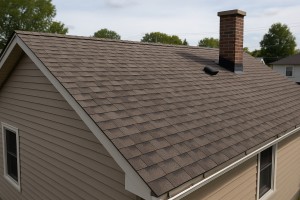
- Pros: Affordability, widespread availability, easy installation, and solid performance with proper wind-rated products. Architectural (dimensional) shingles offer better curb appeal and wind resistance than basic 3-tab options.
- Cons: Lifespan generally 15–30 years depending on climate, quality, and maintenance; can be prone to algae growth in humid coastal areas; color fade from sun exposure.
- Best for: Budget-conscious homeowners who want reliable, quick solutions and easy repairs.
- Coastal note: Choose shingles with a strong wind warranty and pairing underlayment; consider algae-resistant options and ensure proper attic ventilation.
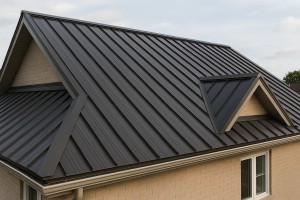
- Pros: Long service life (often 40–70 years), excellent wind resistance, fire resistance, light weight, and energy efficiency due to reflective coatings.
- Cons: Higher upfront cost; rain can be noisier indoors without insulation; hail can dent some profiles.
- Best for: Coastal and storm-prone regions, hot summers, and modern or traditional-look homes.
- Tips: Select standing-seam or interlocking panels with coastal-rated fasteners; opt for reflective, UV-stable coatings; pair with good ventilation and proper attic insulation.
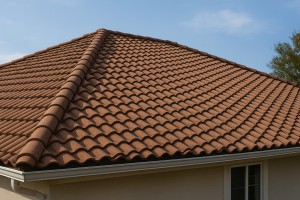
- Pros: Very durable, excellent heat resistance, wide color options, and strong energy performance due to thermal mass.
- Cons: Heavy—requires structural reinforcement and skilled installation; higher upfront cost; potential breakage from impacts; salt exposure near the coast can affect joints.
- Best for: Homes with solid roof framing and Mediterranean or Spanish architectural styles; hot, sunny SC climates.
- Notes: Confirm roof structure can support the weight; use appropriate underlayment and corrosion-resistant fasteners; lighter concrete tile options can ease weight concerns.
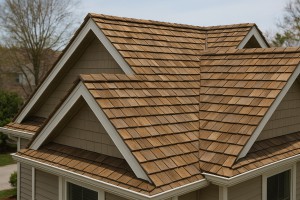
- Pros: Distinctive, natural look with good insulation value; can last a long time with proper maintenance.
- Cons: High maintenance in humid climates; susceptible to rot, mold, termites, and weathering; fire risk if untreated; may require more frequent upkeep in SC.
- Best for: Craftsman or rustic-style homes where authenticity and texture matter.
- Care: Use pressure-treated or fire-retardant options; seal and re-seal as recommended; ensure excellent roof ventilation and clean gutters to reduce moisture buildup.
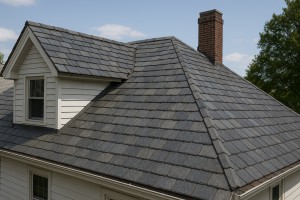
- Pros: Extremely long life, timeless aesthetics, fireproof, low weight in some modern varieties, and low ongoing maintenance.
- Cons: Very high initial cost; brittle and requires skilled installation; weight requires structural assessment; salt exposure can complicate coastal installations.
- Best for: High-end homes or historic renovations with capable structure and budget for premium workmanship.
- Notes: Work with a slate-certified roofer; ensure proper support, precise fasteners, and contingency plans for stone replacements.
Synthetic and Composite Roofing
- Pros: versatile look (shingles, slate, wood), lightweight, durable, good hail resistance, and often strong warranties; performs well in coastal environments.
- Cons: Quality varies by brand; some products may look less authentic over time.
- Best for: Remodels and coastal homes where weight, durability, and maintenance are key concerns.
- Tips: Prioritize brands with proven performance in humid climates and good UV resistance.
Coastal and High-Wind Considerations
- Wind tolerance: For coastal SC, pick materials with high wind uplift ratings and corrosion-resistant fasteners.
- Salt exposure: Favor corrosion-protected metals and coated fasteners; ensure adequate sealant compatibility.
- Moisture and algae: Favor algae-resistant shingles or coatings and provide continuous ventilation to reduce moisture buildup.
Quick Selection Steps (Step-by-Step)
1. Assess roof structure and weight limits; involve a structural check if considering tile or slate.
2. Compare climate needs: heat, humidity, heavy rainfall, wind, and salt exposure.
3. Verify wind uplift ratings, warranties, and local SC building code compliance.
4. Weigh maintenance needs and long-term costs across options.
5. Hire a licensed roofer with coastal experience, solid underlayment, and proper drainage planning.
Popular Roof Styles & Architectural Trends in South Carolina
Popular roof styles in South Carolina
- Architectural asphalt shingles: The workhorse of SC homes. They offer great curb appeal, a wide range of colors, and solid performance in hot, humid summers. Many neighborhoods pair well with contemporary, Colonial, or Craftsman exteriors.
- Metal roofs: Standing-seam or insulated panel metal roofs are increasingly common in coastal and rural areas. They shrug off strong winds, reflect heat, and have long lifespans. They pair nicely with modern farmhouses, coastal bungalows, and Mediterranean-inspired designs.
- Clay and concrete tile: Mediterranean, Spanish, and Southern coastal homes often feature clay or concrete tiles. They stay cool in heat, resist fading, and bring a distinct, timeless look. They're heavier and require a sturdy structure and precise installation.
- Slate: A premium option for long life and classic elegance. Slate works well on historic and high-end homes, but it's costly and requires substantial roof support. It's best suited for well-built structures and seasoned roof crews.
- Wood shake/shingle: Provides a rustic, traditional vibe—popular on certain rural, waterfront, or historic-style houses. Requires regular maintenance and protection against moisture and insects, especially in humid South Carolina.
- Low-slope or flat roof systems: Some coastal and modern designs use low-slope roofs with single-ploor decks or membrane systems. These demand careful drainage, proper flashing, and high-quality underlayment.
Architectural trends driving roof decisions
- Charleston-style and historic-adjacent homes: Many houses in the Lowcountry feature hip or gable roofs with dormers, chimneys, and decorative detailing. Materials and colors often reflect the era, emphasizing harmony with the brick or stucco façades and the surrounding landscape.
- Mediterranean Revival and Spanish influences: Clay or concrete tiles with warm earth tones are a natural fit for these styles, delivering a cohesive look with arched openings, plaster walls, and terracotta hues.
- Modern farmhouse and Craftsman: Gable and shed-roof combinations, exposed rafter tails, and darker asphalt shingles or metal accents are common. Clean lines and durable finishes make these styles practical for South Carolina's climate.
- Coastal contemporary and bungalow blends: Light-reflective metal or lighter shingle colors help reduce heat gain on sun-drenched coastal lots. Roof lines are often simpler but still engineered for wind and rain.
- Historic district guidelines: Many towns with preserved districts require materials and colors that complement the architectural period. It's common to see restrictions on bright colors, certain tile shapes, or visible fasteners in specific neighborhoods.
Regional considerations for South Carolina homes
- Coastal counties and wind-prone areas: Prioritize wind-resilient systems, secure fasteners, proper underlayment, and sealants. Material choice often balances longevity with salt exposure and corrosion resistance.
- Inland and upstate regions: Severe storms and heavy rain demand robust drainage, good attic ventilation, and moisture control. Asphalt shingles and metal roofs both perform well when installed with quality flashing.
- Weight and structure: Clay tile, concrete tile, and slate are heavy. Have a structural assessment before choosing and ensure the attic or rafter system can handle the load.
- Maintenance expectations: Metal roofs require occasional inspection for fasteners and sealants; shingles need periodic replacement where edges wear or granules shed. In humid climates, ensure good ventilation to prevent moisture buildup.
- Warranties and local expertise: Look for installers with SC-specific experience, proper licensing, and warranties that cover wind uplift, weather exposure, and workmanship.
Quick decision steps for choosing a style
1) Align with your home's architectural style and any local guidelines or HOA rules.
2) Assess structural capacity for heavier materials and confirm suitable underlayment and flashing for SC's climate.
3) Compare options from local roofers, focusing on wind resistance, installation quality, and warranty coverage.
Average Roofing Costs in South Carolina
Cost overview
In South Carolina, roofing prices vary mainly by material, roof size, pitch, and whether old roofing must be removed. Asphalt shingles remain the most common and affordable option, with installed costs roughly $3.50–$7.00 per square foot (about $350–$700 per 100-square). Higher-end materials push costs up: metal roofs typically run $8.00–$14.00 per sq ft, while concrete tile or clay tiles often land in the $12.00–$25.00 per sq ft range. Slate and premium shakes can be even higher, commonly $25.00–$45.00 per sq ft. Don't forget removal and disposal of the old roof, which can add $1.00–$3.00 per sq ft, plus flashing, underlayment, and ventilation upgrades.
By material
- ### Asphalt Shingles (basic and architectural)
- Basic 3-tab: $3.50–$5.50 per sq ft installed (about $350–$550 per square)
- Architectural (laminated) shingles: $4.50–$7.00 per sq ft installed (about $450–$700 per square)
- Removal/disposal: add $1.00–$3.00 per sq ft
- ### Metal Roofing
- Installed: $8.00–$14.00 per sq ft (about $800–$1,400 per square)
- Pros: long life, resistance to wind; cons: higher upfront cost
- ### Concrete Tile and Clay Tile
- Installed: $12.00–$25.00 per sq ft (about $1,200–$2,500 per square)
- Pros: distinctive look, good durability; cons: heavier roof, potential structural updates
- ### Slate
- Installed: $25.00–$45.00 per sq ft (about $2,500–$4,500 per square)
- Pros: extreme durability; cons: very high cost and weight
- ### Wood Shakes and Cedar Shingles
- Installed: $6.00–$11.00 per sq ft (about $600–$1,100 per square)
- Pros: natural look; cons: requires maintenance and is less fire-resistant unless treated
- ### Synthetic/Composite Shakes
- Installed: $7.00–$12.00 per sq ft (about $700–$1,200 per square)
- Pros: lower maintenance than real wood; consistent appearance
Local considerations in South Carolina
- Coastal and near-coast areas face higher wind and storm exposure; many counties encourage or require wind-resistant designs and fasteners, with some HOAs mandating impact-resistant materials.
- Humidity and heat can affect underlayment choice and attic venting; proper ventilation helps extend roof life.
- Local permitting, inspection fees, and possible storm-damage assessments can influence total project costs.
- Aesthetic expectations (Charleston-style roofs, coastal bungalows, high-pitched inserts) can steer you toward architectural shingles or metal with certain profiles.
Common cost drivers in SC
- Roof pitch and complexity (multiple gables, dormers, valleys)
- Roof size and weight-bearing requirements (especially for tile or slate)
- Tear-off depth and disposal needs
- Flashing, vent piping, chimneys, skylights, and plumbing stack work
- Underlayment type (synthetic vs. felt) and insulation upgrades
- Warranties and contractor reputation
- Local labor market and seasonality (spring/fall generally busier)
Quick reference guide (installed cost ranges)
- Asphalt shingles: $3.50–$7.00 per sq ft
- Architectural asphalt: $4.50–$7.00 per sq ft
- Metal roofing: $8.00–$14.00 per sq ft
- Concrete/Clay tile: $12.00–$25.00 per sq ft
- Slate: $25.00–$45.00 per sq ft
- Wood shakes/composites: $6.00–$12.00 per sq ft
Steps to estimate your project (clear, practical)
1) Measure the roof area in square feet (length × width, adjust for slopes).
2) Decide on material and any premium features (wind-rated underlayment, insulation, vents).
3) Check if a tear-off is required and estimate disposal costs.
4) Obtain 3–5 written bids from local licensed contractors; compare material quality and warranties.
5) Add a 10–20% contingency for unexpected repairs (sheathing, flashing, or termite/rot concerns) and permit fees.
Style and architecture considerations
- Charleston-style homes often pair clay or concrete tiles with decorative profiles, which raises costs but enhances curb appeal.
- Bungalows and ranch homes may favor architectural asphalt shingles for a cost-effective, durable finish that mimics more expensive materials.
- Modern South Carolina designs can benefit from metal roofing for long life and climate resilience, especially in exposed coastal settings.
Permits & Local Regulations
Do I need a permit to reroof in SC?
- In most South Carolina jurisdictions, a permit is required for reroofing (tear-off and replacement) to ensure proper installation and safety. Some minor repairs may be exempt, but you should verify with your local building department before starting.
Who issues permits and where to apply
- Permits are issued by the local building department: city, town, or county. Some areas use a centralized permit center; others require you to apply at the city hall or county building department.
- Start with the building official in your jurisdiction. They'll tell you which permits you need, what fees apply, and what inspections are required.
What documents you'll need
- A completed permit application listing the scope of work (tear-off, new underlayment, shingles or other roofing material, flashing, ventilation, etc.).
- Proof of contractor licensing (South Carolina LLR Board of Roofing Contractors) and license number; verify status online.
- Proof of liability insurance and workers' compensation coverage from the roofing contractor.
- Job description or plan/specs: roof layout, attic ventilation details, and any structural changes.
- If you're in a HOA or historic district, HOA approval or historic district permissions may be required along with the permit.
- In some areas, you may need a brief structural assessment if the deck or rafters show damage.
Licensing and hiring a contractor
- You must hire a licensed roofing contractor in SC. Verify the license on the South Carolina LLR website; check classifications (Residential Roofing vs Commercial Roofing) and that the license is active.
- Ask for current insurance certificates and lien waivers. Avoid paying the full amount upfront; use a clear payment schedule tied to milestones.
- Some jurisdictions require a written contractor consent or owner-builder affidavit if the homeowner is taking on work personally. Check local rules.
The inspection sequence
- After permit issuance, you'll typically see:
1) Pre-installation or rough-in inspection if required (deck condition, ventilation, and underlayment prep).
2) In-progress or mid-installation inspection (nailing pattern, underlayment, flashing, vents).
3) Final inspection (roofing material installed to code, flashing, and finish work).
- Schedule inspections in advance and ensure access for the inspector. Inspections must pass before final payment or closeout.
Coastal, wind, and code considerations
- Coastal counties and some inland regions adopt specific wind-resistance requirements. Your contractor should design and install per current code for wind uplift, including appropriate underlayment, fastener patterns, and flashings.
- South Carolina follows the IRC with amendments in many areas; expect requirements for venting, attic insulation, and roof-part integrity to be part of the permit review.
- If you're replacing in a high-wind zone, you may see enhanced requirements for nailing schedules, starter courses, and sealant choices. Ask about wind mitigation features and documentation that could impact insurance discounts.
HOA, historic districts, and neighborhood rules
- Check with your homeowner's association early. Some HOAs have color, material, or profile restrictions that can affect your chosen shingles or metal roof.
- In historic districts, guidelines often specify allowable materials, colors, and profiles to preserve the neighborhood aesthetic. Obtain written approval before submitting your permit.
Quick-start permit checklist
- Confirm permit requirements with your local Building Department.
- Hire a licensed SC Roofing Contractor; verify license status and classifications.
- Gather documents: license proof, insurance certificates, and project scope.
- Submit permit application and pay any fees; prepare for any plan-review needs.
- Obtain HOA/historic district approvals if applicable.
- Schedule and complete required inspections; address any deficiencies noted by inspectors.
Common Roofing Problems in South Carolina & Solutions
Wind and storm damage
- What to look for: missing or curled shingles, lifted flashing, exposed nails, dented gutters, and loose vent boots after a hurricane or strong thunderstorm.
- Immediate steps:
1) Ensure personal safety; don't climb a wet or damaged roof.
2) If safe, place a temporary tarp over obvious holes to slow leaks.
3) Take clear photos of damage for your records and insurance claim.
4) Contact your insurer and a licensed roofer for a professional assessment.
- Long-term fixes:
- Upgrade to wind-rated shingles and confirm proper nailing patterns per manufacturer.
- Re-secure or replace damaged flashing around chimneys, vents, and transitions.
- Improve attic ventilation to reduce wind-driven moisture and add proper underlayment for storm resistance.
Hail damage
- What to look for: bruised or pocked shingles, granule loss in gutters, dark circular spots, and subtle indentations on metal surfaces after hail.
- Immediate steps:
1) Photograph all suspected damage from multiple angles.
2) Schedule a professional roof inspection to assess hidden damage under the surface.
3) If advised, file a hail claim with your insurer sooner rather than later.
4) Avoid DIY roof work unless you're trained; hail damage can silently compromise the deck.
- Long-term fixes:
- Replace damaged shingles and check underlying underlayment for punctures.
- Consider impact-resistant shingles in new installations for better SC hail resistance.
- Inspect and reseal all flashing and penetrations during replacement.
Algae, moss, and staining
- What to look for: dark streaks, green or gray patches, and build-up in shaded, humid areas.
- Immediate steps:
1) Gently remove loose moss with a soft brush; avoid aggressive scrubbing.
2) Rinse with a mild solution (water and a small amount of household bleach) and rinse thoroughly.
3) Do not pressure-wash shingles; high pressure can lift granules.
4) Trim overhanging branches to increase sun exposure and airflow.
- Long-term fixes:
- Install zinc or copper strips along the roof ridge to slow regrowth.
- Use algae-resistant shingles in new installations.
- Improve ventilation and drainage to reduce ongoing moisture.
Leaks around flashing, chimneys, and vents
- What to look for: telltale stains in the attic, bubbling paint, or damp sheetrock near roof penetrations.
- Immediate steps:
1) Identify the source from attic or exterior inspection.
2) Clean and dry the area to prevent mold growth.
3) Seal small gaps temporarily with exterior-grade sealant; reseal or replace damaged flashing.
4) Call a licensed roofer to repair or re-flash properly.
- Long-term fixes:
- Install step flashing with proper counter-flashing at chimneys and around vents.
- Replace deteriorated vent seals and boots; ensure a watertight seal with quality sealants.
- Use compatible sealants and flashing materials for the roof type.
Poor attic ventilation and condensation
- What to look for: hot, stuffy attic in summer, ice damming in unusual cold snaps, and higher energy bills.
- Immediate steps:
1) Check for blocked soffit vents and ridge vents.
2) Clear any debris from vents; ensure unobstructed airflow.
3) Improve insulation in the attic to prevent heat transfer.
4) Run a quick attic moisture check for signs of condensation.
- Long-term fixes:
- Balance intake and exhaust ventilation (soffit and ridge vents work well together).
- Upgrade insulation to meet local climate needs.
- Consider a ridge vent or powered attic vent if natural ventilation is insufficient.
Roof age and material wear
- What to look for: widely curling shingles, excessive granule loss, and visible roof deck exposure.
- Immediate steps:
1) Have an experienced roofer assess remaining life and repair options.
2) Check manufacturer and installer warranties; gather documentation.
3) Plan for replacement if the roof is nearing end of life.
- Long-term fixes:
- Select a durable, SC-appropriate material (e.g., asphalt with good wind ratings or metal for longevity).
- Ensure proper ventilation and drainage with the replacement.
- Use high-quality underlayment and appropriate fastening patterns.
Debris buildup and clogged gutters
- What to look for: water backup at fascia, overflowing gutters after storms, and detached downspouts.
- Immediate steps:
1) Safely remove leaves, branches, and pine straw from gutters.
2) Check downspouts for obstructions and flush if needed.
3) Inspect fascia boards for rot or damage.
4) Ensure water is directing away from the home's foundation.
- Long-term fixes:
- Install gutter guards if suitable for your roof type.
- Schedule semiannual cleanings, especially after storms and pollen seasons.
- Repair or replace damaged gutters and fascia promptly.
Installation quality and workmanship
- What to look for: inconsistent shingle alignment, gaps at flashing, or nails that appear to be undersized or improperly driven.
- Immediate steps:
1) Request a documented roof inspection focusing on installation details.
2) Review warranty terms and confirm transferability if selling or refinancing.
3) Hire a licensed roofer to correct issues under warranty or as a paid repair.
- Long-term fixes:
- Choose qualified installers with proven SC projects and proper permits.
- Verify temperature-rated shingles and correct nailing patterns for wind resistance.
- Ensure proper attic ventilation and underlayment during any repair or replacement.
Maintenance & Repair Tips for South Carolina
Seasonal Maintenance Checklist
- Spring
- Inspect the roof surface for loose, curled, or missing shingles and for damaged flashing around chimneys, vents, and skylights.
- Clean gutters and downspouts; ensure water flows away from the foundation.
- Check attic insulation and ventilation; clear any blocked soffit vents.
- Trim tree limbs that overhang the roof to reduce debris and limb damage in storms.
- Summer
- Re-check flashing seals and fasteners after heavy storms; reseal as needed with compatible roofing sealant.
- Keep gutters clear of pine needles, leaves, and sand from coastal winds.
- Watch for moss or algae on shaded sections; address promptly to prevent moisture damage.
- Fall (pre-hurricane season)
- Do a thorough roof scan for loose shingles or flashing; address gaps before storms.
- Secure exterior objects and trim trees that could fall on the roof.
- Verify attic ventilation is unobstructed and that insulation remains effective.
- Winter
- Monitor for condensation and mold in the attic; fix ventilation or insulation issues if found.
- If you see any signs of moisture intrusion, address promptly to avoid wood rot and mold growth.
Regular Inspections
1. After major storms or high winds, inspect the roof from the ground and, if safe, with a ladder to check for lifted shingles, damaged flashing, or debris.
2. Every 6–12 months, perform a surface check: curl or cracked shingles, rusty or loose flashing, vent boot seals, and any signs of water staining inside attic rafters.
3. Pay special attention to coastal areas where salt spray can corrode metal flashing; re-seal or replace as needed.
Gutter and Drainage Care
- Clean gutters at least twice a year (late spring and fall) and after major storms.
- Ensure downspouts extend at least 4–6 feet away from the foundation and discharge onto vegetation or a drainage area.
- Consider guards or screens to reduce debris buildup, but verify they don't trap moisture or impede drainage.
- Check for sagging gutters; tighten hangers or add brackets to maintain proper slope for efficient drainage.
Roof Repairs by Material Type
- Asphalt shingles
- Replace damaged shingles one by one, matching color and granule texture when possible.
- Seal small gaps with roofing cement under shingles and reseal edges of leaks.
- Metal roofing
- Inspect fasteners for looseness and corrosion; tighten or replace as needed.
- Look for signs of hail impact or rust; address promptly to prevent leaks.
- Tile or clay roofing
- Replace cracked or broken tiles; avoid walking on damaged tiles to prevent further breakage.
- Check mortar lines and flashing around penetrations; reseal if you detect gaps.
- Slate
- Inspect for loose or cracked slate; replace with matching pieces to maintain performance and aesthetics.
- Coastal homes: inspect and protect metal flashing from salt spray; use corrosion-resistant sealants and periodic replacement as needed.
- Humid areas: keep attic vents clear and maintain vapor barriers to minimize condensation and mold risk.
- After hurricanes or tropical storms: re-inspect for uplift, missing shingles, and damaged flashing; if you see significant damage, plan repairs promptly to prevent interior damage.
Common SC-Specific Issues and Fixes
- Moss and algae growth: remove gently with a soft brush and mild cleaning solution; apply zinc or copper strips to deter regrowth.
- Termite and wood-destroying insects: inspect fascia, soffits, and exposed timber; treat or replace compromised wood promptly.
- Moisture-related rot: prioritize ventilation, insulation, and flashing integrity to keep decks and attic spaces dry.
- Debris from storms: promptly remove fallen branches and leaves that accumulate on the roof to prevent moisture retention and uncovering of underlying shingles.
When to Call a Pro
- You notice extensive curling, lifting, or numerous damaged shingles.
- There is sagging roof decking, serious leaks, or extensive flashing failure.
- A storm has caused visible structural damage or after a major storm event where you're unsure about safety.
- You're unsure how to identify and address specific material issues or potential underlying rot.
When to Repair vs. Replace
South Carolina climate and roof life
South Carolina's hot, humid summers, heavy rains, and tropical storm activity take a toll on roofs. Coastal areas face salt air and higher wind loads, while inland regions deal with humidity and rapid temperature swings. These conditions shorten lifespans for some materials and make timely repairs crucial. Use repair when damage is localized and the roof's remaining life is solid; replace when damage is widespread or the roof is near the end of its expected life for its material.
When to repair
- Localized leaks or staining: If a single area leaks after a rainstorm and the rest of the roof is sound, a targeted repair is often best.
- Isolated shingle issues: A few curling, cracked, or missing shingles in a small patch can usually be patched or resealed without a full replacement.
- Damaged flashing or vents: Leaks around chimneys, skylights, or vents that are limited to flashing can typically be repaired without re-roofing.
- Minor hail or wind damage: Small patches of damaged shingles or dented flashing can be addressed with spot fixes.
- Good overall condition and age cushion: If the roof is less than 15–20 years old (asphalt shingles) and has maintained integrity, and a professional finds only minor issues, repair is sensible.
- Cost-conscious short-term fix: If a repair solves the problem and you're not ready to invest in a full re-roof, repairs can buy time in a cost-effective way, especially if local storms aren't expected to recur soon.
When to replace
- Widespread damage: Extensive shingle loss, curling, cracking, or many damaged flashing areas across the roof indicates replacement is more reliable than piecemeal repair.
- Age and material life: Asphalt shingles typically last 20–25 years; metal 40–70 years; clay/concrete tile 50+ years. If your roof is near or beyond its expected life, replacement is often more economical in the long term.
- Recurrent leaks after repairs: If leaks recur after multiple fixes, underlying structural damage or deck rot may be present, signaling replacement.
- Structural concerns: Sagging roof deck, widespread mold or rot, or compromised sheathing demands a full replacement and remediation.
- Energy efficiency and performance needs: Upgrading to a higher wind-rated, energy-efficient system (especially in hurricane-prone coastal SC) often makes replacement the smarter choice.
- Weather resilience: If your current roof cannot meet local wind codes or add-on hurricane protection, replacement with a code-compliant, wind-resilient roof is prudent.
- Matching and appearance: When color, texture, or material mismatches from patch jobs become obvious or the roof sits in a high-visibility area, replacement yields a cleaner, more durable result.
Quick decision guide (SC-focused)
1) Confirm roof age and material type; compare to typical lifespans for your area.
2) Conduct a focused damage assessment: how widespread is the problem, and is there deck or attic moisture?
3) Consider attic ventilation and insulation; poor ventilation can worsen damage and reduce roof life.
4) Get 2–3 local roofer opinions with written estimates, including a condition report and warranty details.
5) Weigh short-term repair costs against long-term replacement costs and benefits (insurance, code upgrades, wind resistance, energy savings).
Coastal and storm considerations
- Wind uplift: SC homes near the coast benefit from higher-wind-rated systems; replacement may be worth it if your roof lacks modern uplift resistance.
- Salt exposure: Metal systems resist corrosion better, but coastal salt can affect fasteners and components; ensure proper coatings and maintenance if choosing metal.
- Drainage and roof deck moisture: Prolonged moisture exposure in humid SC climates increases rot risk; replacement can improve ventilation pathways and deck integrity.
Practical takeaway
- If damage is limited and the roof is relatively young, repair is usually best.
- If damage is extensive, near the end of the material's life, or replacement would yield better protection and efficiency, opt for replacement.
When to Hire a Professional
- Active leaks or water dripping inside during rain; pooling on attic nails or ceiling stains.
- Visible sagging, buckling, or large patches of missing shingles exposing underlayment.
- Damaged flashing around chimneys, vents, or skylights; dented or loose gutters.
- You notice curled, cracked, or blistered shingles after a storm or heat wave.
- You're unsure about the cause of a roof issue and risk of structural damage seems possible.
In South Carolina, heat, humidity, and summer storms can accelerate wear. If you see any of the above, don't delay—safety matters, and a pro can assess integrity and prevent further damage. Do not climb onto the roof yourself.
Post-storm and hurricane-season checks (South Carolina)
- After major storms or hurricane remnants, inspect with caution or have a pro inspect. SC can see strong winds, heavy rain, and hail that loosen shingles and damage flashing.
- Look for missing granules, dented vents, cracked sealant around flashings, or gaps where shingles have lifted.
- If you're filing an insurance claim, a professional can document damage, provide an itemized estimate, and coordinate with the adjuster.
Hurricane season runs roughly June through November in South Carolina, and insurers often prefer or require prompt professional assessments to validate storm damage. Local roofers who know SC weather patterns are better equipped to address wind uplift, saturated decking, and moisture-prone attic spaces.
Age, material, and condition guidance
- Asphalt shingles: Expect 15–25 years of life under typical SC conditions; more if shaded, poorly vented, or frequently exposed to heat spikes.
- Metal roofs: Often 40–70 years but still benefit from professional inspection every few years.
- Tile or slate: Long-lasting but brittle in fluctuating SC temperatures; ensure proper flashing and underlayment are intact.
- If you notice persistent leaks, recurring patches, curling edges, or widespread wear across the roof plane, plan a professional assessment or replacement.
When to consider replacement vs. repair
- Local climate and roof age: frequent leaks in multiple areas or extensive shingle loss usually indicate replacement is more cost-effective than repetitive repairs.
- Structural concerns: if decking or supports are compromised, a pro is essential to verify load-bearing integrity and proper installation.
- Energy efficiency: upgraded underlayment and ventilation can improve cooling costs in SC's hot, humid summers.
Insurance claims and permit considerations
- A licensed roofer can help with documentation, photos, and a scope of work tailored for insurance claim purposes.
- Many municipalities in SC require permits for roof replacement; a reputable contractor will pull the permit and schedule inspections as needed.
- Ensure the contractor carries general liability and workers' compensation insurance to protect you from liability if an accident occurs on site.
How to evaluate a roofing contractor (South Carolina specifics)
- Licensing and credentials
- Verify a valid SC contractor license if applicable to roofing work; ask for license number and check status on the South Carolina LLR Contractor Licensing Board site.
- Confirm the company is registered to do business in SC and has a physical SC address.
- Insurance and safety
- Request a current certificate of insurance (COI) for general liability and workers' compensation.
- Ask about fall protection practices and crew safety training.
- Local experience and references
- Favor contractors with several SC projects, especially in your city or county; ask for local references and recent project photos.
- Check online reviews and Better Business Bureau/Ratings; contact references to discuss workmanship and timeliness.
- Clear written estimate
- Get a detailed, itemized written proposal: scope of work, materials, roofing system, underlayment, flashing, ventilation, disposal, timeline, and cleanup.
- Include a start date, expected duration, and payment schedule tied to milestones.
- Warranties and materials
- Confirm manufacturer warranties on materials and a workmanship warranty from the contractor (typical ranges vary; ask for specifics in writing).
- Clarify who handles warranty claims and how long coverage lasts.
- Permits, cleanup, and disposal
- Ensure the contract states who pulls permits and who handles debris removal and site cleanup.
- Confirm recycling or proper disposal of old shingles and other waste.
- Red flags to avoid
- Upfront cash-only deals or pressure tactics; vague estimates; lack of a physical business address; unclear license or insurance details; storm-chasing crews with limited local references.
Questions to ask a contractor (quick checklist)
1) Are you licensed to perform roofing work in SC, and can I see your license number?
2) Do you carry both liability and workers' comp insurance, and can I receive a COI?
3) Will you pull permits and schedule inspections for a roof replacement?
4) Can you provide a written, itemized estimate and a written labor/material warranty?
5) Do you have local references from SC customers, and can I view recent SC projects?
Putting A Lid On It: Roof Maintenance, Repair, and Replacement in South Carolina
South Carolina's climate puts roofs to the test with hot, humid summers, heavy afternoon rains, and seasonal storms. A proactive maintenance routine is the best defense against moisture intrusion, wind uplift, and rapid wear. A well-kept roof protects your home, lowers the chance of costly leaks, and keeps energy bills in check.
In this region, the roof is more than a protection layer—it's a line of defense for your entire home. Regular inspections, timely repairs, and good attic ventilation help shingles seal, gutters stay clear, and interior rooms stay dry and comfortable. With a little consistent care, you'll extend the life of your roof and preserve curb appeal year after year.
Seasonal care at a glance
- Spring: After winter storms, inspect for wind lift or shingle damage. Clean gutters and downspouts, and check flashing around chimneys, vents, and skylights.
- Summer: Monitor shaded areas for moss or algae buildup. Ensure attic vents are open and insulation is in good shape to reduce heat buildup. Keep gutters free of debris from trees.
- Fall: Trim overhanging branches to reduce gutter clogging and wind-borne debris. Check for loose flashing, damaged boot vents, and secure any loose fasteners. Prepare for storm season with a quick roof-and-drain check.
- Winter: While heavy snowfall is less common here, occasional ice and freezing rain can occur. Clear debris that could hold moisture, watch for ice dams on milder days, and ensure roof drainage remains unobstructed.
What to watch for
- Missing, curling, or damaged shingles, especially after storms.
- Loose or peeling flashing around chimneys, vents, and skylights.
- Moss, algae, or rot in shaded, damp areas.
- Sagging gutters or signs of water backing up at edges.
- Damp spots on ceilings or inside walls that point to attic or roof leaks.
When to call a pro
- Widespread shingle damage after a strong storm.
- Multiple leaks or evidence of widespread attic moisture.
- Structural concerns, inconsistent roof lines, or signs of decking damage.
- Problems with flashing that require resealing or replacement.
A few finishing tips
- Schedule regular inspections—ideally annually and after major storms.
- Keep trees trimmed and gutters clean to prevent moisture retention and water backup.
- Choose licensed, insured professionals with solid references; ask about warranties and material options.
You're part of a shared, practical community of homeowners who know a sturdy roof is a quiet foundation for a comfortable home. With regular care, thoughtful upgrades, and trusted local expertise, your South Carolina roof can stay reliable and beautiful for many years to come.
