
Last updated: Apr 19, 2026
In this part of the Upstate, your roofing project runs on a seasonal weather clock. Greenwood's hot, humid summers and regular rainfall accelerate roof aging compared with cooler seasons, so you're racing against heat and moisture as early as late spring. When a storm front rolls in, the entire tear-off and dry-in plan can be delayed by hours or days. Afternoon thunderstorms and the June-September hurricane season regularly disrupt schedules, turning a two-day job into a multi-day event if you don't have a contingency. You need a plan that protects components, minimizes exposure, and keeps crews moving when skies stay clear.
Cooler, drier spring and fall periods are the most favorable replacement windows locally. The air is less humid, the attic can vent more effectively without fighting constant sweating inside, and crews can maintain a cleaner, safer worksite. Those months also reduce the risk of sudden storm interruptions that leave decking exposed or shingle bundles soaking wet. If you can align the project with a stretch of dry, mild days, you'll see fewer delays and a tighter installation timeline, which translates to a more durable roof once the harshest weather returns.
Afternoon thunderstorms are a daily hazard in July and August. They don't just pause work; they can compromise the tear-off and dry-in if a roof is left exposed without proper temporary protection. If a storm is forecast, a crew may need to pause even mid-assembly to secure materials and protect the attic from moisture intrusion. During June through September, shifting schedules are the norm, with cancellations common when storms threaten or local conditions turn humid enough to fog over skylights and ventilation openings. Planning for a longer, flexible window-yet still targeting a dry stretch-will reduce the chance of a rushed, half-done job.
Coordinate your roof replacement to start at the end of a predicted dry spell, preferably during the cooler mornings of spring or fall. Set a tentative two-week window with a couple buffer days for unexpected weather, and lock in a crew's availability near the start of that window to stabilize timing. Ensure the plan includes clear protection around the attic and flashings, plus a water-management strategy for any residual storms. If you live near large shade trees or a canopy that can shed debris, arrange for deck protection and material staging in a sheltered area to keep the job moving when humidity climbs.
Ventilation plays a critical role in Greenwood's heat and humidity. A replacement schedule that minimizes attic heat buildup reduces moisture-driven interior fatigue on decking and prevents premature shingle curling or blistering. During dry windows, verify that ridge and soffit vents are unobstructed and ready to perform as soon as the sheathing is sealed. A proactive approach to ventilation timing means you're less likely to stall mid-project due to attic pressure, and your new roof will settle with fewer heat-induced stresses during Greenwood's simmering months.
After a heavy Greenwood storm, the first thing you notice isn't the flood lines on siding but the telltale signs on the roof: lifted shingles, wind-lift at edges, and soggy underlayment corners. In a region where afternoon thunderstorms roll in hot and humid, the wind can catch loose edges and momentum-pile debris against the roof. If the shingles aren't properly sealed at the eave and starter courses, those gusts pry upward more than you'd expect, allowing rain to chase under the shingles. A single misaligned or poorly fastened row can set off a domino effect, especially on steeper slopes where gravity and wind combine to drive moisture into the attic side. The practical takeaway is simple: inspect the roof after storms with a critical eye for lifted tabs, torn flashing crusts, and any gaps where wind-driven rain might force entry. Small gaps today become larger leaks tomorrow if not addressed promptly.
Flashing plays the role of the roof's rain shield, but it's only as strong as its installation and its continuity across vent pipes, chimneys, and transitions to walls. In Greenwood, flashing leaks often appear at joints where rain can concentrate and where heat buildup in the attic presses against the fasteners. After a storm, check for dark staining or damp spots along the eaves and around flashing corners. Inside the attic, look for damp insulation, moldy odors, or any areas where dampness seems to travel along the sheathing rather than drop straight down. Moisture intrusion is not always dramatic; sometimes it's a slow seep that invites wood rot, mold growth, and the need for more extensive repairs. If flashing looks displaced or corroded, it's a red flag that warrants immediate attention before the next storm.
The heat and humidity of a Greenwood summer don't stay in the attic by choice. Warm, moist air rises and can condense on cooler roof planes or within the attic cavity, especially when attic ventilation is insufficient. A common consequence is higher attic moisture, which accelerates wood warp, shingle curl, and faster degradation of roof decking. Practical steps emphasize balanced ventilation: intake at soffits to feed the attic, and exhaust at the ridge or high vents to push moist air out. In humid conditions, a well-ventilated attic helps keep decking dry, reduces the risk of ice damming in shoulder seasons, and diminishes the likelihood of overheated shingles that become brittle and lose their sealant. If attic vents are blocked by insulation or debris, or if there's uneven air exchange, you'll feel the effect in curious temperature swings and lingering moisture on hot, calm days. Addressing ventilation is not a cosmetic fix; it's a foundational protection against the heat, humidity, and the repeated storms that define the local climate.
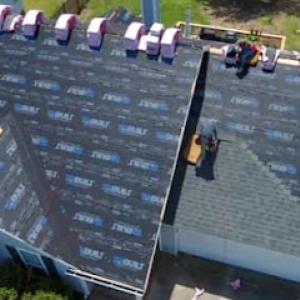
Lakelands Roofing
(864) 389-7960 lakelandsroofingllc.com
1423 Calhoun Rd, Greenwood, South Carolina
5.0 from 53 reviews
Lakelands Roofing is a locally owned and operated roofing contractor with over 25 years of combined experience in Roofing and Insurance claims. We specialize in Roof Replacement and Repairs .Call us today for all your roofing needs .
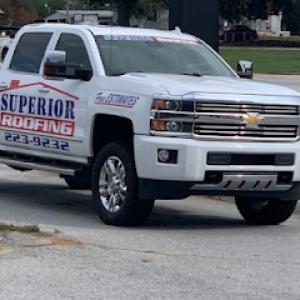
Superior Roofing
(864) 223-9232 www.superiorroofinggreenwood.com
210 Montague Ave, Greenwood, South Carolina
4.7 from 165 reviews
Superior Roofing of Greenwood, SC, has been keeping people's biggest investments strong since 2006. Whether you need roof repairs, roof inspections, re-roof, or an entire new roof replacement, we can take care of it for you. We are licensed and fully insured for your safety, and our highly-trained and certified staff take annual continuing education courses to keep up on the latest industry standards and best practices.
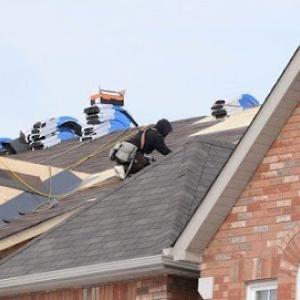
Loggins Roofing
(864) 227-1479 www.logginsroofing.com
1009 W Alexander Ave, Greenwood, South Carolina
4.6 from 27 reviews
Loggins Roofing has been providing quality roofing services to Greenwood, SC and surrounding area for over 45 years. Roofs are essential to the preservation of your home's structure, as well as its interior well-being.
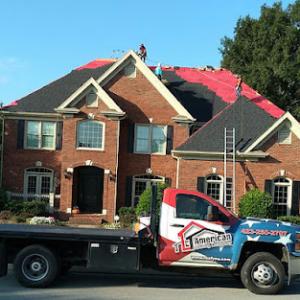
American Roofing Company
206 Middle St, Greenwood, South Carolina
4.8 from 16 reviews
American Roofing Company is your trusted roofing contractor serving the Southeastern U.S. since 2009. We specialize in Residential and Commercial Roofing, Roof Replacement, Inspections, and Storm or Emergency Repairs. Our services include shingle, metal, TPO, EPDM, and coating roofs. We’re proud to use top brands like GAF, CertainTeed, Owens Corning, and Atlas, backed by robust warranties and our 100% Leak-Free Guarantee. We offer free inspections, insurance claim assistance, and flexible financing. Call today for a free estimate and see why customers trust American Roofing Company!
Greenwood Roofing Doctors
(864) 664-5294 roofinggreenwoodsc.com
100 Old Oak Dr, Greenwood, South Carolina
5.0 from 9 reviews
Welcome to Greenwood Roofing Doctors in Greenwood, SC, your local experts in roof installation, roofing repair, and metal roofing. Our dedicated team offers top-quality service to keep your home safe and looking great. We specialize in providing durable and stylish roofing solutions tailored to your needs. Whether you're looking for a new roof, need repairs, or are interested in metal roofing options, we have the skills and expertise to ensure the job is done right. Our commitment to customer satisfaction and quality workmanship makes us the trusted choice in Greenwood. Contact us for reliable, efficient, and affordable roofing services. Let Greenwood Roofing Doctors take care of your roofing needs with professionalism and care!
C.E. Bourne &
(864) 223-0188 www.cebourne.com
140 Industrial Park Dr, Greenwood, South Carolina
4.6 from 13 reviews
C.E. Bourne, Inc. is a family owned and operated roofing company in Greenwood, SC. The firm was established in 1906. The fifth generation of the Bourne family are extremely proud of their heritage and continue to operate under the same values and integrity of their founding father’s philosophy. “Our goal is to ensure that projects are completed in an expeditious manner, within the client’s budget, while maintaining our firm’s reputation for quality construction and personalized service”.
RJR Roofing - Roof Leak & Shingles Repair, Metal Roof Maintenance, Roof Replacement Greenwood SC
710 Old Brickyard Rd, Greenwood, South Carolina
4.0 from 30 reviews
Here at RJR Roofing We Take Pride in Providing the Best Roofer Service to the Greenwood SC Area. Our Specialties Include Master Roofer, Certified Roofer, Roof Repair, Roof Replacement, Tpo Roofing, Rubber Roofing, Metal Roof. Some Other Services We Provide Are Commercial Roofer, Chimney Repair and Commercial Roofing Services. Please Give Us a Call Today for Your Estimate.
2 Brother's Roofing
412 Piedmont Ave, Greenwood, South Carolina
5.0 from 1 review
We do roofing repairs, tear offs, re-roofs, wood replacement, chimney removal or repair, flashing, vinyl siding, framing, gutters
Case Roofing
(864) 323-2301 caseroofingcompany.com
Serving
5.0 from 13 reviews
Family owned and operated. Honest, good work with every job.
In this area, inland South Carolina heat and humidity accelerate wear on roofing materials. Thunderstorms in summer bring sudden downpours and burst rainfall, making flashing and attic ventilation critical parts of a successful replacement. The typical Greenwood home relies on a steep-slope roof, where proper nailing, flashing integration, and continuous ventilation help prevent moisture buildup and heat-driven deterioration. When planning a replacement, focus on materials and installation details that respond well to high humidity, rapid temperature changes, and heavy rain, rather than only chasing a cosmetic match.
Asphalt shingles are a dominant material in this market. In Greenwood, heat and humidity can shorten the appearance life and speed granule loss or seal-strip aging. Practical performance comes from selecting a high solar-reflectance (cool) shingle and ensuring the roof deck is adequately vented to expel heat from the attic. A key installer detail is the integrity of the starter course, edge nailing patterns, and the sealing strips, which must hold up under storm-driven winds. When replacing asphalt, insist on sealed-edge flashing at penetrations and a ridge vent or other continuous ventilation to manage humidity and prevent warm, moist air from lingering in the attic. Expect the installer to address potential heat hotspots and to consider a shingle with good albedo and UV stability to extend the appearance life in Greenwood's sun-heavy summers.
Metal roofing is common locally because it handles heavy rain well, but installer skill around flashing and fastener detailing matters in thunderstorm conditions. In Greenwood, the advantage is rapid water shedding and a cooler roof surface if a reflective coating is used. The critical areas are how the metal panels interlock at rakes and hips, the method for sealing around chimneys and skylights, and the choice between exposed fasteners versus concealed-fastener systems. In rapid-changing weather, proper sealing and secure fastening prevent leakage paths during strong storm surges. Ask for a warranty that covers both panel integrity and flashing performance, and verify the installer's approach to attic venting remains compatible with metal panel systems. Adequate ventilation reduces condensation risk under metal roofs, where heat can be trapped if attic airflow is blocked.
Clay tile, concrete tile, wood shakes, and synthetic/composite options appear in the market, but their suitability depends heavily on structure, moisture exposure, and maintenance expectations in this climate. Clay and concrete tiles add mass and longevity, yet they rely on a strong deck and proper underlayment to prevent moisture intrusion during voltage-heavy thunderstorms. Wood shakes bring a rustic look but demand meticulous maintenance and humidity management to avoid rot and mold in humid months. Synthetic/composite options can balance weight and maintenance, but performance hinges on correct substrate preparation, venting, and flashing details. In Greenwood, the decision hinges on how the roof structure handles moisture, how well the attic is vented to prevent heat buildup, and whether the installation philosophy accounts for high humidity days with frequent storms. A careful installer will evaluate roof slope, deck condition, and exposure to southern humidity before committing to these materials, and will outline a realistic maintenance plan to keep moisture at bay.
Across all materials, the emphasis remains on nail patterns, flashing integration, and attic ventilation. A Greenwood replacement should include a thorough attic air exchange plan, with ridge and soffit ventilation sized to the roof area, so humidity does not stagnate near the decking. Flashing around penetrations-vent pipes, skylights, and chimneys-must be continuous and sealed against driving rain. Nail spacing and fastener type must match the roof profile and material, resisting wind uplift during summer thunderstorms. In short, the best choice for a Greenwood roof balances climate resilience, proper ventilation, and meticulous flashing with a clear, material-specific maintenance plan.
Typical Greenwood pricing by material is about $350-$700 per square for asphalt shingles, $700-$1200 for metal, $900-$1500 for clay tile, $800-$1200 for concrete tile, $600-$1100 for wood shingles or shakes, and $500-$900 for synthetic or composite shingles. In practice, asphalt remains the most common starter choice for many homes, while metal or tiles jump in cost but can offer longer life in this heat and humidity. When budgeting, assume a full replacement includes removal of existing roofing and a new underlayment, plus flashing and attic ventilation work that might be flagged during the job.
In this area, costs can rise when summer storms compress contractor schedules and create demand spikes after wind or hail events in the broader South Carolina market. If a storm hits and teardown crews are diverted to higher-priority repairs, you may see shorter windows to secure bids or longer lead times before material delivery. Planning ahead, selecting a material you're comfortable with, and confirming a firm start window helps keep costs predictable even during peak season.
Local project pricing is also affected by steep-slope tear-off complexity, ventilation corrections often flagged in reroofing, and permit-related administrative time for full replacements. Steep-slope work demands extra safety equipment and careful staging, which can add to both labor and time. Ventilation corrections are common in Greenwood's climate, where attic airflow significantly impacts long-term durability and energy use. Expect a bid to itemize underlayment, drip edge, vent fans or soffit vents, and any necessary baffles.
Get at least three bids and compare each line item for underlayment quality, flashing material, and attic ventilation components. Ask how wind-driven moisture and heat impact the chosen system and whether a cooler, more reflective shingle option is suggested for summertime durability. If you live in a house with a steep slope, confirm the contractor's experience with safe, efficient tear-offs and proper waste management.
In this area, a permit is typically required for a full roof replacement, and getting the process right can prevent delays or rework after the job is done. The municipal rules acknowledge the impact of reroofing on curb appeal, drainage, and attic ventilation, so projects commonly go through a formal review. The permitting step also signals that the work will meet local wind, fire, and moisture standards that Greenwood inspectors prize after a long season of heat, humidity, and intense summer storms.
In Greenwood, the roofing contractor usually pulls the permit rather than the homeowner handling it directly. This helps maintain a clear line of responsibility and ensures that plans, ventilation calculations, and roof penetrations align with the contractor's installation methods. Before signing off, confirm with your contractor that the permit applicant is indeed the roofer and that the necessary documentation-house plans, attic vent details, and nailing pattern notes-will be filed with the permit office. If your situation involves a multi-story home or added attic venting, be sure the permit reflects the intended nailing pattern and flashing plan for those areas.
Local inspections are conducted after installation and commonly verify proper nailing, flashing, ventilation, and overall code compliance. The inspector will look for a continuous, visible nail line in the recommended pattern for steep-slope roofs, confirm that step and apron flashing around chimneys and walls are properly integrated, and confirm that attic ventilation meets the required airflow to prevent moisture buildup. If temporary protective measures or weatherproofing were used during installation, expect a close check to ensure those steps were removed or replaced with the final, code-compliant components.
To minimize issues at inspection, coordinate a pre-inspection walkthrough with the contractor a day or two before the final visit. Have the venting system accessible and clearly labeled, confirm that all fasteners meet the local code spec, and ensure flashing elbows and valleys are fully sealed and corrosion-protected. If any adjustments are needed, address them promptly so the inspector sees a complete, compliant system. Remember, the goal is a durable roof that withstands Greenwood's hot, humid summers and sudden summer thunderstorms while meeting the city's permit and inspection expectations.
After a heavy storm with strong winds or hail, look for lifted shingles, bruised blades, and granule accumulation in gutters. Even inland, Greenwood homes endure wind-driven hail and surge vulnerability during hurricane-season weather. If you notice dark streaks, lifted flashing, or damp attic spots, treat it as a warning sign that deserves careful documentation before rain returns.
Insurers in this market often want thorough documentation of a pre-existing roof condition and clear photo records after storms. Build a simple, organized file: keep dated photos from before any damage, then capture the roof from multiple angles after a storm, plus interior shots of attic ventilation and ceiling stains. A well-timed set of photos helps separate weather-related damage from pre-existing wear, which matters when adjusters review the claim.
Claim outcomes can vary significantly by carrier and adjuster practice, making documentation and inspection timing especially important after summer storm events. Have an independent roof professional inspect promptly if you suspect damage, ideally within days of a severe event. Quick, controlled assessments prevent minor issues from growing into costly, hidden problems that complicate future claims.
Date-stamped photos should cover the entire roof, each plane, and any flashing at hips, valleys, and chimneys. Close-ups of hail hits, nail lines, and edge deterioration matter. Inside, photograph attic ventilation, insulation color changes, and any signs of moisture around vents and penetrations. Note nearby trees or limbs that could have brushed the roof during the storm.
Because outcomes vary by adjuster practices, maintain a steady flow of updates to your insurer and keep a log of who you spoke with and when. Consistent records and timely inspections help Greenwood homeowners navigate post-storm reviews with clearer footing and fewer surprises.
In Greenwood, extreme heat and high humidity can slow crews and complicate material handling on the roof. Asphalt shingles and metal panels can feel hotter to the touch, making steep pitches harder to work on for longer stretches. Humidity also affects fasteners and sealants when they're exposed to damp air, so crews often pace work to avoid degraded seals or premature setting. Plan for afternoon heat windows and understand that daytime progress may shift to cooler mornings or evenings.
Winter brings temperature swings that can stiffen sealants and affect how fasteners seat cleanly into the roof deck. In colder snaps, sheathing and underlayment take longer to acclimate, which slows nailing schedules and increases the chance of imperfect seals if work continues too cold. On mild days, work can resume more briskly, but a sudden cold snap can pause progress and push tasks toward daylight hours when temperatures are friendlier for setting adhesives and flashing components.
Because of these seasonal swings, Greenwood reroofing timelines often need more weather flexibility than homeowners expect. The work window may shift from a broad plan to a tighter, day-by-day forecast. Storm timing-summer thundershowers and occasional late-spring cool fronts-can introduce brief pauses that ripple into the schedule. A practical approach is to align start dates with favorable mornings, be prepared for mid-project weather adjustments, and keep a buffer for flashing and attic ventilation checks after pressure changes or storm events.
Coordinate with the crew to identify preferred start times that avoid peak daytime heat, and confirm contingency days for rain or cold snaps. Consider prioritizing attic ventilation upgrades or inspections during periods of milder weather to minimize disruption. Have a plan for on-roof material storage and secure access during humid conditions to prevent moisture damage. Finally, ensure exterior work areas stay clear of debris that could snag during rapid weather shifts.