Last updated: Apr 19, 2026
Gainesville sits in the Lake Lanier/Hall County area where spring and summer thunderstorms commonly bring heavy rain and gusty winds that lift shingle tabs and expose flashing details. After a storm, the most urgent threat is hidden leaks that can rapidly degrade attic insulation, ceilings, and interior finishes. Look for sudden staining on ceilings, peeling paint, or damp spots on interior walls, especially around exterior corners and toward the peak where wind-driven rain can pool. If you hear wind-driven rain rattling over vents or flashing, treat that as a sign to inspect before evening hours-dampness spreads quickly in humid Georgia summers.
The pattern you'll notice in this area is not a single blown shingle but a cascade of disturbed shingles, lifted tabs, and lifted granules blowing into gutters and valleys. In wooded neighborhoods, leaf buildup and shade keep shingles wetter longer, which can soften edges and invite micro-tears along seams. When storms move through, tablets of wind-driven rain often collect under the eaves where fascia and soffit meet the roof plane. Those spots are easy to miss from ground level but are common starting points for leaks after the next rainfall. In practical terms, a rapid after-storm check should include gutters, downspouts, vents, and any roof penetrations for displaced flashing or torn sealant.
The area's heavily wooded lots mean falling limbs and pine needles become routine post-storm issues. A limb strike might not crater a roof, but it can gouge a vent boot, loosen a chimney cap, or push a branch into the valley. Debris also clogs valleys and scuppers, causing water to back up and seek any available seam. You'll want to remove obvious debris carefully from the roof surface if it's safe to do so and not compromise any loose shingle tabs that could become wind-lift targets in the next wind event. Keep a close eye on any discovered damage during debris cleanup; even small gaps can balloon into larger leaks after the next storm.
Because local contractor demand clusters around storm damage and insurance work, homeowners here often need to distinguish quickly between cosmetic shingle disturbance and claim-worthy wind damage. A single lifted tab without underlying flashing damage can be cosmetic, but multiple adjacent tabs, torn shingles, curled edges, or torn sealant around vent pipes signals more serious trouble. If you're unsure, document with photos from multiple angles, focusing on patterns across the roof plane, edges, and penetrations. Clear, dated visuals help you tell at a glance whether a professional needs to assess for potential wind damage rather than a simple aesthetic touch-up.
Act fast to protect interior spaces: place clean buckets under any identified ceiling leaks, and use tarps to cover vulnerable roof areas if you can reach them safely. Note any changes in attic temperature or visible daylight through the roof line-these are red flags. When reporting damage, start with your most obvious leaks and the areas where flashing appears compromised. In this climate, rapid documentation and immediate temporary measures reduce exposure to moisture and minimize the chance of escalating repair needs after subsequent storms.
Find local contractors experienced in assessing and restoring roofs after hail, wind, and severe weather events.
Riverside Roofing
(678) 617-4723 riversideroofingga.com
114 Washington St SW, Gainesville, Georgia
5.0 from 108 reviews
Skyline Contracting
(770) 530-3095 www.skylineroofingcompany.com
310 Academy St NW, Gainesville, Georgia
5.0 from 158 reviews
L & L Roofing & Construction of Gainesville
(770) 874-0372 www.llroofs.com
3328 Lakeland Rd, Gainesville, Georgia
5.0 from 80 reviews
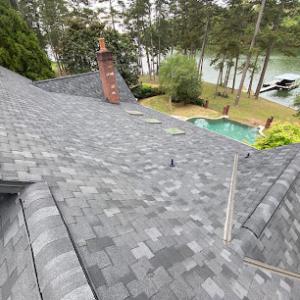
Riverside Roofing
(678) 617-4723 riversideroofingga.com
114 Washington St SW, Gainesville, Georgia
5.0 from 108 reviews
Family-owned and operated, Riverside Roofing has one goal—to be the leading provider of full-service residential and commercial roofing solutions you can trust. We've built a culture of integrity, communication, and exceptional craftsmanship. Not only do we take the time to listen, but our team answers your questions, identifies budget-friendly roofing options, and tailors our services for your needs and your timeline. If you're ready for a better, stress-free roofing experience, call Riverside Roofing today.
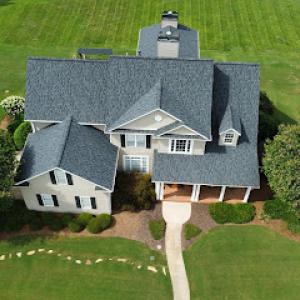
Skyline Contracting
(770) 530-3095 www.skylineroofingcompany.com
310 Academy St NW, Gainesville, Georgia
5.0 from 158 reviews
We are Skyline Contracting, LLC, and as a full-service roofing contractor located in Gainesville, GA serving the Metro Atlanta and Northern Georgia Areas for over 15 years, we can easily say we know what we're doing. Our home improvement services include basement, kitchen and bath remodels. We have invested fifteen plus years building our stellar reputation in service, integrity and craftsmanship. We take pride in our work, and we love showing it off. Providing roofing repairs and roof replacements in both commercial roofing and residential roofing sectors, our customers have a wide range of services to choose from. We have the expert knowledge and know-how to meet our customer needs whatever they may be and ensure the process is smooth.
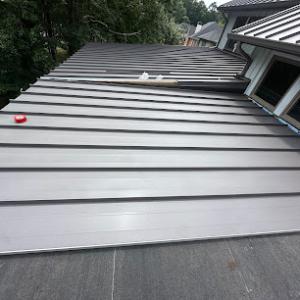
L & L Roofing & Construction of Gainesville
(770) 874-0372 www.llroofs.com
3328 Lakeland Rd, Gainesville, Georgia
5.0 from 80 reviews
Welcome to L & L Roofing and Construction, the premier roofing experts in Gainesville, GA, and surrounding areas including Woodlake, New Holland, Westside, McEver, Springdale, White Sands, Oakwood, Alandale, Gillsville, White Sulphur Springs, Lula, Maysville, Beaver Pond, Whitmire, Whelchel, Chestatee, Coal Mountain, Silver City, and Flat Creek. Specializing in metal roofing for residential and commercial clients, we are committed to exceptional quality and unmatched customer service. Our energy-efficient metal roofs enhance curb appeal and provide lasting protection. We offer installations, repairs, maintenance, and inspections. Contact us today for a free consultation and experience the difference in quality and service.
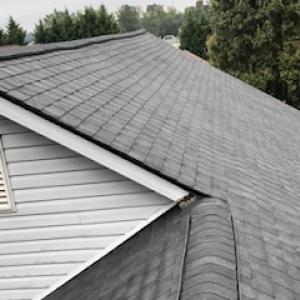
Armentrout Roofing & Restoration
(470) 326-6151 www.armentroutroofing.com
Gainesville, GA
5.0 from 65 reviews
At Armentrout Roofing & Restoration, we pride ourselves on delivering top-notch roofing and restoration services with a commitment to quality and customer satisfaction. Our Services Include: • Roof Repair and Replacement: From minor leaks to major overhauls, we handle all types of roofing repairs and replacements with precision and care. • Storm Damage Restoration: We specialize in restoring properties affected by severe weather, ensuring your space is restored to its original condition. • Gutter Installation and Repair: Protect your property from water damage with our expert gutter installation and repair services. • Siding Installation: Enhance your home's curb appeal and protection with high-quality siding options.
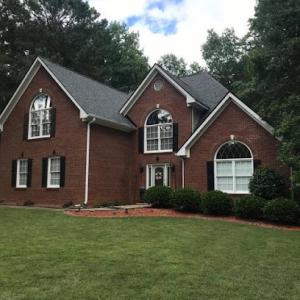
Proof Roofing Services
(678) 458-5232 proofroofingllc.com
515 Liberty Pk Dr, Gainesville, Georgia
5.0 from 51 reviews
Proof Roofing Services is your trusted local roofing company serving Gainesville, GA and surrounding areas. We specialize in roof installation, roof repair, roof replacement, roof maintenance, commercial roofing, gutter services, chimney cap replacement, and roof insurance claim assistance. Our experienced team is dedicated to providing durable, long-lasting roofing solutions that protect your home or business year-round. Whether you need a simple repair or a complete roof replacement, we focus on quality craftsmanship, reliable service, and customer satisfaction. At Proof Roofing Services, we don’t just build roofs—we build peace of mind for homeowners and businesses throughout North Georgia.

Bullard Exteriors
(404) 855-2937 www.bullardexteriors.com
100 Main St SW Suite 304, Gainesville, Georgia
4.9 from 115 reviews
Bullard Exteriors offers the highest quality roofing and exterior solutions to residential properties throughout Lawrenceville, Alpharetta, Buford, and surrounding areas. We perform expert roof replacement and repair services as well as siding, gutter, painting, and pressure washing solutions—with no issue being too big or small. Our insured and certified experts are highly trained—keeping you informed through every step of your service. We use the best products on the market, including GAF and CertainTeed, so no matter the style of shingle you want, we can help. Our local team’s mission is to create a positive impact, and we do this through clear communication, free roofing inspections, quality craftsmanship, and stellar customer service.
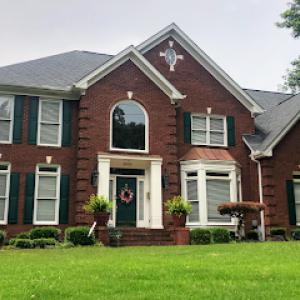
Sailors Roofing
(770) 503-5674 www.sailorsroofing.com
4504 Jim Hood Rd, Gainesville, Georgia
4.9 from 57 reviews
Roofing, insurance restoration work, siding, decking, concrete, painting, tile, cabinets. Etc...
Gainesville Roofing & Gutter
(678) 687-6413 www.gainesvilleroofingandgutter.com
4931 Patterson Ln, Gainesville, Georgia
4.8 from 49 reviews
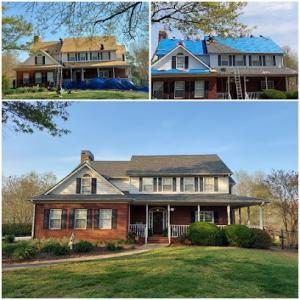
As Gainesville's dedicated roofing and gutter specialists, we provide quality craftsmanship and honest service to protect your greatest investment. From storm damage repair and full roof replacement to seamless gutter installation and maintenance, our local, licensed team delivers reliable, guaranteed results right here in Hall County. We are your hometown roofing and gutter service
U-Contract
(770) 540-9761 www.u-contract.com
3905 Hunt Dr, Gainesville, Georgia
5.0 from 24 reviews
U-Contract is your all in one construction service for exteriors and much more. We have specialized in construction exteriors for over 10 years. We specialize in Metal Roofing, TPO Roofing, Asphalt Shingle Installation, Siding, Decks, Epoxy Floors, Windows, and Paint. Let us help you make your home look great again.

ProsTouch Roofing
(770) 519-2022 prostouchroofing.com
1952 River Vw Dr, Gainesville, Georgia
5.0 from 18 reviews
ProsTouch Roofing offers comprehensive roofing solutions for Gainesville, GA residents. Their services include repairs, replacements, insurance claim assistance, and gutter maintenance. They specialize in high-quality work, ensuring your home receives the best possible care.
Roof Repair Specialists
(770) 530-1127 roofrepairga.com
5654 Nags Head Cir Suite B, Gainesville, Georgia
5.0 from 17 reviews
At Roof Repair Specialists, we are a Christian-owned and operated business committed to excellence, integrity, and serving our community with high-quality roofing solutions. Founded by partners who share a passion for craftsmanship and faith-based values, we specialize in residential roofing services, including repairs, replacements, and inspections. With a focus on honesty and transparency, we strive to protect what matters most—your home or business—while providing a positive, stress-free experience. Trust us to build roofs and relationships that stand the test of time.
North GA Gutters & Roofing
(678) 316-2828 northgaguttersandroofing.com
891 Rainey St, Gainesville, Georgia
4.5 from 138 reviews
"North GA Gutters and Roofing provides comprehensive residential and commercial roofing services in the communities we serve. For years, customers have counted on us for the latest in roofing technology that guarantees performance and long-term durability."
When a spring or summer wind-driven rain event hits, Gainesville roofs often show damage in ways that aren't always obvious from the ground. Expect a flurry of activity from local contractors and adjusters in the days following a storm, with meetings and quick walkthroughs becoming a standard part of the process. This market shows very high contractor activity around insurance claims, reflecting a local roofing economy where adjuster meetings, photo documentation, and scope reviews are common parts of the job. You should plan for a coordinated sequence: establish a point of contact, schedule an inspection, and prepare to document the roof's condition from multiple angles.
In this region, wind and hail losses are typically reviewed with standardized documentation, so Gainesville homeowners should keep dated before-and-after photos, receipts, and warranty records from the start of any repair or replacement. Take clear photos of every roof plane, flashing, vents, and skylights, both from ground level and from the attic when safe. Capture any interior signs of water intrusion-stains on ceilings or walls, warped drywall, or tip-offs in insulation. Preserve purchase receipts for all materials and equipment tied to the repair, along with warranty cards for components like underlayment, shingles, or metal panels. Make a simple ledger of the date and time of each weather event that appears to have contributed to damage, even if the cause isn't immediately obvious.
Post-storm, your adjuster visit is a central milestone. Expect multiple contractors to be on-site or reviewing the same roof, which can lead to different damage narratives. Post-loss adjuster review is especially important when storm demand spikes locally, because multiple contractors may inspect the same roof and produce different damage narratives. To manage this, assemble a concise record of what you observe: roof age, visible granule loss, lifted shingles, dents in metal components, and any exposed roof deck.
During the meeting, request a line-by-line walk-through of the scope. Ask the adjuster to annotate exact locations of any noted damage and to differentiate between pre-existing conditions and storm-related deterioration. If a particular area seems questionable, highlight it with the date-stamped photos you've gathered and ask for clarification on whether it is categorized as damaged or deferred maintenance. If you disagree with an assessment, document your concerns in writing and ask for a re-inspection, including a request for a separate scope review to prevent mixed narratives.
Given the local activity, it's common for homeowners to receive multiple contractor proposals after the adjuster's review. A practical approach is to align contractor scopes with the adjuster's documented findings. Ensure that each contractor's scope references the same roof planes, flashings, and penetrations noted in the adjuster's report. Ask for a detailed, itemized scope that mirrors the standardized documentation used in Gainesville, so the insurer can compare apples to apples. If you notice a discrepancy between a contractor's narrative and the adjuster's report, flag it promptly and request reconciliation before signing any contract.
Keep all documentation organized in a single file, with clearly labeled folders for photos, invoices, warranties, and correspondence with the insurer or contractor. Maintain a running timeline of events: storm date, first inspection, adjuster appointment, contractor visits, and any re-inspections. In this market, the speed of follow-up matters as much as the content of your documentation. If delays occur, a brief, factual summary sent to your insurer and your contractor can help maintain momentum without creating unnecessary back-and-forth.
Once the project moves toward completion, collect final paperwork: scope of work, change orders, material certifications, and the insurer's final approval. Store these documents alongside the original photos and warranty records. Having a complete, dated record helps with future maintenance and any potential disputes, and it supports a smoother claim experience during Gainesville's storm season recoveries.
Connect with contractors who help homeowners navigate the claims process from damage assessment to final approval.
Riverside Roofing
(678) 617-4723 riversideroofingga.com
114 Washington St SW, Gainesville, Georgia
5.0 from 108 reviews
Skyline Contracting
(770) 530-3095 www.skylineroofingcompany.com
310 Academy St NW, Gainesville, Georgia
5.0 from 158 reviews
Armentrout Roofing & Restoration
(470) 326-6151 www.armentroutroofing.com
Gainesville, GA
5.0 from 65 reviews
Gainesville's humid subtropical climate brings hot, wet summers that linger, followed by milder winters. That combination speeds up the aging of asphalt shingles and stresses the lower-grade products more quickly than in drier climates. In practical terms, shingles can start showing curling, cupping, or granule loss sooner than you might expect, especially on exposed slopes that bake in the sun all day. The heat also amplifies the effects of humidity, helping dimensional shifts in the shingles and underlayment. When a roof is already aging, those conditions can push a small leak into a noticeable interior problem faster than a homeowner would guess.
High summer humidity affects how adhesives cure and how well the roofing system seals. In Gainesville, dryness gaps that would normally close within a few hours can linger, delaying proper sealing of ridge vents, flashing joints, and starter strips. This means timing matters for replacements or major repairs: if you replace shingles when the air is still humid, you risk weak seals that trap moisture in the assembly and lead to premature failure. Selecting a replacement window with consistently moderate humidity, and coordinating with crews who understand how to manage moisture during laydown and setting, can extend the life of the roof and reduce the chance of post-install leaks.
Spring pollen and the heavy tree canopy around many Gainesville homes create a unique maintenance cycle. Pollen layers can settle on a warm roof and, when mixed with moisture, promote early algae formation and staining that disguise drainage issues. Shaded sections under tall oaks or pines stay wet longer after rain, which can accelerate wood rot in the decking or degrade flashing if leaked water sits against it. The combination of shade and debris-retaining moisture also makes algae more likely, which compromises the aesthetic and can shorten the perceived lifespan of the surface if not managed.
Regular inspection after wind-driven rain events is essential here. Focus on the attic and ceiling lines for signs of hidden leaks, and check along eaves and flashing where wind-driven rain tends to lift shingles and drive moisture underneath. In shaded, densely-canopied neighborhoods, plan more frequent cleanups to remove leaves, needles, and pine cones that retain moisture and obstruct drainage. During inspections, look for loosened or curling shingles, lifted edges, granule loss, and any staining on the underside of the roof sheathing. If debris is stubborn, use a gentle brush or leaf blower from the ground or a secure ladder stance to avoid injuring the shingles or disturbing the sealant joints. When a leak is suspected after a storm, dry the area promptly and document with photos-this helps pinpoint whether the issue is from aging, poor installation, or wind-driven impact rather than a routine rainfall.
Asphalt shingles dominate the local market because they fit the area's large re-roofing volume and broad price sensitivity. In this climate, product quality and attic ventilation are more consequential than in drier regions. When selecting asphalt, look for options with better granule adhesion and a reflective or cool-shade finish to help manage attic heat. A well-ventilated attic reduces moisture buildup and extends shingle life, which matters amid spring humidity and summer downpours. Pay attention to underlayment and a properly sealed drip edge; in windy, rain-heavy seasons, a robust underlayment and tight seals are practical safeguards against wind-driven leaks. In Gainesville, some neighborhoods see more debris on roofs, so opting for a shingle line with higher impact resistance can help tolerate branches and hail-like hits from summer storms.
Metal roofing has strong local relevance because it handles heavy rain well and appeals to homeowners looking for longer service life in a storm-prone, humid environment. Metal panels shed water quickly, resist wind uplift better than many shingle assemblies, and can reduce attic heat gain with reflective coatings. When choosing metal, consider a color and finish that minimizes heat absorption for the attic, and verify a Capital- or Class-5 rated fastener system to cope with saturated air and wind-driven rain. Installation matters here: proper sealing at ridges, vents, and valleys is essential in a wooded area where moisture and debris are persistent. If installation crews are scarce in your area, plan for a slightly longer scheduling window to accommodate qualified workmanship.
Tile, synthetic/composite, and slate are present but less common in the local contractor base, so homeowners considering them should account for installer availability and the possibility of longer scheduling windows. Clay or concrete tiles offer excellent longevity and a distinctive look, but they demand a solid roof deck and careful nailing patterns to resist Gainesville's wind and heavy rain. Synthetic or composite shingles mimic the appearance of higher-end options while often delivering lower weight and easier installation, but ensure the product carries proven performance in humidity and thermal cycling. Slate is appealing for its durability, yet it requires specialized crews and accurate substrate preparation; in a market where installers are fewer, confirm lead times and access to skilled craftsmen before committing. For all alternative materials, verify manufacturer warranties and local contractor familiarity with Gainesville's storm-driven moisture patterns. In Gainesville, coordinating installation windows around peak storm season can help secure a timely, weather-conscious project finish.
The most popular roofing material in the US. Find pros who install, repair, and replace asphalt shingles.
L & L Roofing & Construction of Gainesville
(770) 874-0372 www.llroofs.com
3328 Lakeland Rd, Gainesville, Georgia
5.0 from 80 reviews
Gainesville Roofing & Gutter
(678) 687-6413 www.gainesvilleroofingandgutter.com
4931 Patterson Ln, Gainesville, Georgia
4.8 from 49 reviews
In this market, the cost ladder starts with asphalt shingles, typically at the entry point for a complete replacement. You can expect asphalt shingles to run roughly from 320 to 700 USD per square, with metal roofing climbing higher and tile options at the top end of Gainesville's range. Synthetic or composite shingles sit between asphalt and higher-end materials, while clay and concrete tiles can push total costs well above mid-market figures. When budgeting, remember that the per-square figures include common materials, underlayment, and standard installation, but specialized accessories or nonstandard detailing can shift the total.
Spring and summer wind-driven rain events increase re-roof demand in this area, and that surge can tighten crew availability. Prices may rise accordingly as contractors juggle insurance-driven projects with routine replacements. If a storm has recently passed, expect not only higher prices but longer lead times for scheduling. It's common for crews to prioritize emergency work, so you may see gaps between phone calls and actual start dates. Plan for potential cost bumps and build a buffer into your timeline to avoid rushed decisions during a high-demand window.
Tree cover and heavy debris in Gainesville's wooded neighborhoods matter a lot. Debris protection, floor protection, and post-work cleanup become more complex and time-consuming when access is limited or landscaping is extensive. Homes with steep pitches, tight driveways, or long material haul routes often incur higher labor charges, equipment needs, and protective measures. Access challenges can also affect installation speed and safety, nudging both labor and site-protection costs upward. If your property has extensive landscaping or difficult entry, you should expect the final bill to reflect these extra steps.
For a typical home with moderate access, the choice between shingles and higher-end options should align with long-term goals and local conditions. Asphalt shingles offer the most budget-conscious path and proven performance in Gainesville's humidity and storm patterns, while metal provides upfront durability with potentially lower long-term maintenance. Tile and slate deliver top-tier longevity and resistance to certain weather stresses, but they demand stronger roof framing and higher installation skill, which translates to higher per-square costs. In a storm-prone area like this, the reliability of wind and rain resistance should factor into not just initial cost but also potential insurance considerations and future retrofit needs.
Don't let upfront costs delay a critical repair - these contractors offer payment plans to fit your budget.
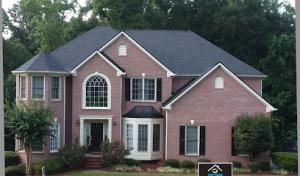
In Gainesville, a full roof replacement generally requires a permit through the city building department rather than being treated as a no-paperwork maintenance item. That means you'll file for the permit before any tearing or replacement begins, and the process is designed to capture the project's scope, materials, and safety considerations. The permit helps ensure the work aligns with local codes for wind resistance, flashing integrity, and overall structural soundness-important factors given the area's spring through summer wind-driven rain patterns and humidity.
The local process typically involves submitting an application and scheduling inspections during and after the project, with inspectors focusing on nailing, flashing, and ventilation details. Plan review is usually limited unless the project includes structural changes or additional roofing layers. For a straightforward tear-off and replacement, expect most of the effort to center on inspection scheduling rather than design review. Having a clear, accurate description of the work and the new roofing system helps keep the timeline smooth and reduces back-and-forth with the department.
During construction, inspections will likely occur at key milestones: after the old roof is removed, when the underlayment and ice/water shield are installed, and again after the final installation and ventilation details are in place. In this climate, inspectors will pay particular attention to proper nailing patterns, flashing around chimneys and skylights, and the adequacy of attic ventilation. If any adjustments are needed, addressing them promptly can prevent delays and ensure you meet their weather-ready standards.
After completion, a final inspection verifies that everything is installed to code and that the ventilation system functions as intended. Keep documentation handy: permit numbers, inspection passes, and any contractor affidavits. If a storm or leak response is underway, having this paperwork organized helps with insurance documentation and potential future assessments. A well-documented permit trail also supports long-term roof health in heavily wooded neighborhoods where moisture and debris demand meticulous maintenance.
In Gainesville's heavy-rain environment, leak complaints often center on flashing transitions rather than field shingles alone, especially around chimneys and roof penetrations. Wind-driven rain can shove water sideways under misfit metal flashing, through gaps at step flashing, or where sealant has aged. A sagging or cracked chimney saddle invites moisture intrusion that can travel far from the obvious leak spot. If a ceiling shows staining near a skylight or a vent, that is often a symptom of compromised transitions rather than a failed shingle patch alone.
The local contractor market shows meaningful skylight and chimney experience, which matters because these details are vulnerable during wind-driven rain events common in north Georgia storms. A contractor with tested experience will know how to reseal and re-flash without over-tightening, which can actually trap moisture. When a storm pushes rain into a valley or around a vent, it's the flashing, not just the shingle surface, that becomes the critical line of defense. Ask for a focused assessment of flashing at peaks, chimney saddles, skylight frames, and penetrations around vents and pipes.
Homes under tree canopy often accumulate debris around valleys, skylights, and chimney saddles, increasing the chance of trapped moisture and hidden flashing deterioration. Leaves and needles can hold moisture against flashing and under shingle edges, masking early wear. Regular cleaning plus a careful visual check after storms helps catch separated sealant, cracked mortar, or loose flashing before a hidden leak becomes a ceiling surprise. If gutters are full, water can back up and leak at the roof-line; clearing debris should be paired with a closer look at valley and saddle conditions.
After a heavy rain, inspect around skylights, chimneys, and penetrations for visible gaps or darker staining along flashings. If a leak appears, document with clear photos of the interior and exterior transition zones, especially at the chimney crown and skylight curb. A reputable Gainesville-area roofer will test for wind-driven entry by moving a water stream along suspected joints with the roof in place, then address corroded or detached flashing promptly to prevent months of moisture intrusion.
Find contractors experienced in skylight installation, flashing, and leak repairs to bring natural light into your home.
Skyline Contracting
(770) 530-3095 www.skylineroofingcompany.com
310 Academy St NW, Gainesville, Georgia
5.0 from 158 reviews
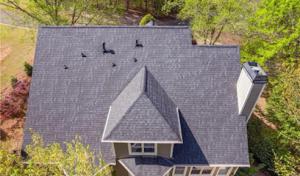
In this climate, heat and humidity chase moisture through attic spaces and panels, while spring and summer storms hit with wind-driven rain and flying debris. Warranty records that clearly show who did the installation and what was used help separate product aging from installation defects. If records are poor, it's easy to misread a leak as a material flaw rather than a workmanship issue. That makes a documented, organized file essential-every receipt, every product batch, and every inspection note.
The local market includes a meaningful share of manufacturer-certified contractors, which gives you a practical yardstick beyond price alone. When a roofer is factory-certified, you gain access to installer training, approved underlayment and flashing details, and more predictable claim handling. Ask for the contractor's certification ID, the specific products covered, and the scope of workmanship coverage. Check that the certification is current and tied to a license or company registration you can verify.
Because re-roofing is so common here, you should verify whether warranty terms depend on full system components such as underlayment, ventilation, and flashing replacement rather than shingles alone. Many manufacturers tie coverage to the complete system installed, including life of the underlayment and proper venting. If a contractor substitutes components, confirm who bears the responsibility for any resulting warranty gaps. Ensure the warranty language explicitly covers wind-driven exposures common in this area and the impact of extended humidity on fasteners and seals.
Build a simple file early: contract scope, product and batch numbers, photos of the roof at key steps, and stamped warranty cards. When storms blow through, you'll want clear, dated records showing what was installed and when. If you ever need to file a claim or transfer a warranty, that organized history makes the process smoother and less stressful than digging through loose receipts years later.
Although the area is primarily a pitched-roof residential market, there is a visible niche for flat and low-slope work in additions, porches, and some commercial or mixed-use properties. In these settings, careful detailing around transitions from slope to roof, as well as at parapets and skylights, matters just as much as overall performance. The emphasis here is on durability and reliable water management rather than a quick, cosmetic fix.
In this climate, low-slope assemblies demand deliberate drainage planning and moisture control. Standing water can linger in shaded spots after Gainesville's humid springs and summer storms, accelerating corrosion, deck rot, and insulation degradation. Select membranes and textures that promote rapid shedding and minimize pool areas. Pay attention to transitions where debris can collect, and ensure roof drains and scupper outlets stay clear during heavy rain events. Regular inspections after wind-driven rain help catch early signs of standing water, membrane pinholes, or flashing failures.
Roof coatings appear in the local specialty mix but are not a dominant residential service, so treat coatings as targeted solutions rather than the default answer for every aging roof. Coatings can extend life on low-slope portions of additions or covered outdoor spaces when applied on compatible substrates. They are most effective when the underlying deck is sound, well-drained, and free of major moisture intrusion. Coatings shine as a maintenance step or for limited-damage scenarios, not as a universal substitute for a full reroof.
Humidity-driven conditions mean regular inspections must focus on drainage paths, sealant joints, and edge details. In wooded neighborhoods, wind-driven debris can compromise membranes and gutters, so include debris removal and edge flashing checks in routine care. For Gainesville, the goal is to keep low-slope areas dry, well-vented, and shielded from shade-enhanced moisture buildup.
Find specialists in TPO, EPDM, and built-up flat roofing systems for residential and commercial properties.

ProsTouch Roofing
(770) 519-2022 prostouchroofing.com
1952 River Vw Dr, Gainesville, Georgia
5.0 from 18 reviews