
Last updated: Apr 19, 2026
In Spartanburg, summer thunderstorms and heavy rain are a primary roofing disruption, making same-day leak containment and tarping especially important when afternoon storms hit before permanent repairs can be scheduled. The pattern here means drywall stains, attic mold risk, and insulation damage can escalate fast if leaks aren't controlled immediately. If rain is still threatening, act quickly: seal the area around the active leak, place a sturdy tarp over any exposed roof surface, and secure edges to prevent wind-driven uplift. The goal is to buy time until a qualified crew can arrive for a proper repair. Do not delay temporary measures when a storm is already rolling in-water intrusion accelerates, and insurance documentation relies on a clear trail of what happened and when.
Hurricane season affects Spartanburg even though it is inland, with regional storm remnants capable of creating roof damage, sudden demand spikes, and longer wait times for inspections and replacement crews. After a strong event, the local contractor market shifts toward rapid response teams that chase storm damage and emergency repairs. That dynamic means you may encounter multiple crews and varying approaches in a short window. Expect potential scheduling bottlenecks for final repairs, inspections, and any required structural assessments. If the weather seems unstable for days, plan for interim tarping and temporary patchwork that keeps interior spaces dry while a more thorough fix is coordinated.
When active leaks are detected, the immediate priority is to protect interior spaces and prevent further damage. Move belongings away from the leak path, place buckets or containment devices to capture water, and create a clear path for a crew to access the roof quickly. A licensed roofer will assess for roof deck damage, flashing failures, and compromised ventilation components. In many cases, minor shingle displacement or flashing gaps can escalate under continuing rain, so the fastest path to a durable fix is a targeted repair that stops the water ingress now and restores a weather-tight seal as soon as possible.
Insurance documentation after Upstate storms hinges on clear evidence of the damage and the sequence of events. Photograph the exterior roof, attic, and any interior damage as soon as it's safe to do so. Note dates and times of the storms, the extent of leakage, and any temporary tarping or quick fixes performed. Keep receipts for tarping materials, temporary repairs, and any urgent services. A consistent photo log paired with a concise written note of what happened will help streamline the claims process and reduce back-and-forth with the insurer during high-demand periods.
The local market strongly emphasizes emergency repair and storm damage work, indicating that homeowners commonly hire roofers first for active leaks and weather-related damage rather than elective upgrades. When selecting a roofer in this climate, prioritize those with proven emergency response experience, proper safety practices, and a documented plan for moving from temporary containment to a permanent repair. Expect some variation in availability after large events; having a prioritized contact list and a concrete sequence of response steps helps minimize exposure to continued weather and escalating interior damage.
MCA Construction & Roofing
(864) 589-4929 www.mcaupstate.com
1392 Boiling Springs Rd, Spartanburg, South Carolina
4.9 from 141 reviews
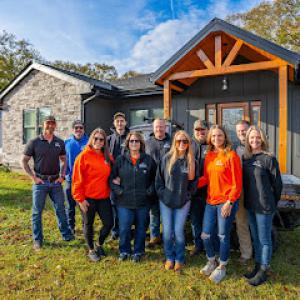
MCA Construction & Roofing, a family-owned business, tackles residential roofing, deck building, and large-scale remodeling projects in the upstate area. We deliver meticulous craftsmanship, ensuring each project receives the same attention to detail as if it were their own home.
Next Level Roofing Claim Services
104 A Franklin Ave, Spartanburg, South Carolina
5.0 from 82 reviews
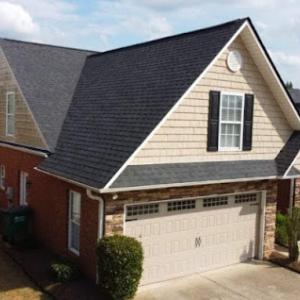
Next Level Roofing is dedicated to providing honest and dependable roofing services to our customers. With our focus on quality, integrity and performance we strive to build the best roofing systems available. Thank you for the opportunity. We would be honored to earn your business!

Cannon Roofing
(864) 774-4071 cannonroofing.com
283 Vintage Dr, Spartanburg, South Carolina
4.9 from 81 reviews
Cannon Roofing in Spartanburg, SC specializes in professional roof replacements designed to protect homes and businesses across the Upstate. Our experienced roofing contractors handle complete tear-offs, re-roofs, and new installations with durable materials that stand up to South Carolina’s heavy rain, high humidity, and seasonal storms. We also address issues like wind damage, leaks, and aging shingles to restore both function and curb appeal. Known for reliable service and attention to detail, Cannon Roofing is the local choice for homeowners who value quality workmanship and clear communication. As licensed and insured professionals, we are trusted roofers committed to serving Spartanburg and surrounding communities.
Modern Roofing
(864) 274-0828 modernroofingusa.com
1375 Drayton Rd, Spartanburg, South Carolina
4.9 from 28 reviews
Modern Roofing offers top-quality residential roofing services, specializing in insurance claims across Spartanburg and the surrounding areas. With over 10 years of experience and the use of best-in-class materials, we ensure a superior service experience and outstanding value, prioritizing safety and satisfaction from start to finish.
Guy Roofing
201 Jones Rd, Spartanburg, South Carolina
4.4 from 898 reviews
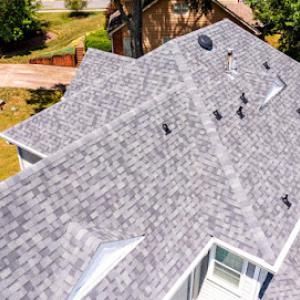
Guy Roofing is a national full-service roofing contractor delivering quality residential, commercial, and industrial roofing solutions. Trusted by developers, general contractors, property managers, and building owners alike, Guy Roofing uses only best-in-class roofing materials, innovative technology, and a rigorous training curriculum. Leveraging over fifty years of roofing industry experience with up-to-date installation methods, Guy Roofing offers unparalleled quality, service experience, and value. From initial inspection to final installation, Guy Roofing’s worksites are managed with the utmost professionalism, diligence, and strict adherence to safety regulations.
Jordan Roofing
(864) 612-6246 www.weroofsc.com
140 Chesnee Hwy Ext, Spartanburg, South Carolina
4.7 from 31 reviews
Local Roofing Company that services the upstate of South Carolina with helping homeowners process insurance claims and exterior home repairs, damages or upgrades. Licensed, Bonded, and Fully Insured!
Eagle One Services
(864) 621-6570 eagle1service.com
435 Ransdell Dr, Spartanburg, South Carolina
4.8 from 17 reviews
With 15 years in service and over 30 years of combined experience in home construction, Eagle One Services is proud to be a trusted, local, family-owned business serving homeowners across Upstate South Carolina.
Southern National Roofing
(864) 734-5926 southernnationalroofing.com
101 W St John St Suite 303, Spartanburg, South Carolina
4.2 from 149 reviews
We are your local branch of Southern National Roofing. We are A+ Rated and Accredited with BBB, Master Elite Certified, and Google-Approved Roof Replacement Specialists.

WNC Roofing - Commercial Roofing Contractors
991 Asheville Hwy, Spartanburg, South Carolina
5.0 from 10 reviews
WNC Roofing specializes in commercial and industrial roofing. We Service Spartanburg, SC and the surrounding Upstate area. We provide expert solutions for commercial and industrial facilities in all industries. Our Services: Commercial Roof Inspection & Maintenance – Prevent costly repairs with proactive care. Commercial Roof Repair & Replacement – From minor fixes to full-scale installations. Gutters & Wall Panels – Protect your building with proper drainage and panels. EPDM, PVC, TPO, Metal, & More – Industry-leading materials tailored to your needs. Fully licensed, insured, and bonded in South Carolina. Stop putting up with subpar service and roof issues. Contact us today!
Daves Roofing - Spartanburg
(864) 504-6884 davesroofingonline.com
One Morgan Square, 100 Dunbar St STE 200, Spartanburg, South Carolina
4.7 from 3 reviews
We are a locally based, experienced, technically savvy company with top notch craftsmen providing the highest quality products and services. Serving our good neighbors in Spartanburg and the surrounding area. With a zeal for maintaining an unblemished track record for installation and service, we maintain and A+ Better Business Bureau Rating, and always strive to get perfect “10” scores on our residential roofing jobs completed under the GAF Master Elite and Master certification programs. We believe that quality craftsmanship and design are just the beginning in installing a successful roofing system. The specialists at Dave's Roofing is standing by and ready to serve all residents and businesses in Spartanburg county!
Spartanburg Roofing Company
Spartanburg, South Carolina
5.0 from 2 reviews
Here at Spartanburg Roofing Company, our business is operated around quality work and excellent customer service, all while offering extremely fair pricing. We have been in the roofing industry for some time now, and know how important it is to do an excellent job the first time around, whether it is a smaller repair or a larger installation. Working with us while knowing we go above and beyond to provide a smooth and stress free service with each customer will help the entire process, including your sleep. Our professionals would be happy to come check out what is going on up there and get you a free estimate on whatever the problem may be. Don’t hesitate to give us a call for your free consultation and estimate!
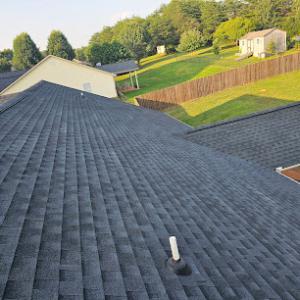
Rizo Roofing
(864) 515-8945 www.rizoroofingllc.com
8441 Taylor Colquitt Rd, Spartanburg, South Carolina
4.5 from 2 reviews
Servicio de roofing les ofrece trabajo de techado y de siding garantizado con garantía de materiales y manos de obras , contamos con todos los permisos y aseguranza, excelente precio .
South Carolina insurers commonly require contractor estimates, photos, and adjuster review for roof claims, which matters in Spartanburg because storm-related claims are a recurring part of the local roofing market. When a thunderstorm rolls through with high winds or hail, the first step after safety is to document what happened and get a sense of whether the roof sustained damage. Insurers often want a clear line of sight between the damage observed on-site and the numbers a contractor provides, so skipping steps can slow down the process or invite pushback at the adjuster meeting. A realistic, well-documented claim beats a rushed, one-sided file that the carrier questions later.
Because storms and hail claims can increase premiums or trigger closer scrutiny, Spartanburg homeowners benefit from documenting damage immediately after thunderstorms, tropical systems, or wind-driven rain events. Start with broad photos from ground level and up to the ridge, then zoom in on shingles that are curled, cracked, or missing. Note any fascia, vents, or chimney flashing that shows moisture intrusion. If possible, capture video of the roof from a safe spot-wind-driven rain can obscure the true extent of the damage until after inspection. An organized photo log helps you tell a coherent story when the adjuster arrives and when your contractor prepares a bid.
In this market, the adjuster's review often hinges on independent contractor estimates and unambiguous evidence of damage. Have a licensed contractor prepared with a written estimate that itemizes the scope, including attic air sealing or insulation if moisture infiltration occurred. It helps if the estimate aligns with the observed conditions in your photos. Do not rely on a single photo or a quick verbal assessment; multiple views plus a clear damages narrative reduces back-and-forth with the insurer. If you disagree with an adjuster's assessment, request a second inspection or provide additional photos, but avoid delaying the claim with a scramble of competing bids.
Post-installation verification is relevant in this market, so homeowners in Spartanburg should keep before-and-after photos, permit records, and final inspection documentation tied to the claim file. After a repair or replacement, maintain a folder with the original claim package, the contractor's final scope of work, and any final lien waivers. If a storm forces repairs, ensure that the final roof visually matches the approved scope and that any new penetrations or transitions are properly sealed. This documentation can be crucial if the claim is revisited or if a warranty question arises later.
One risk is rushing to sign a contractor's contract before the adjuster has had a chance to review the damage. A hurried scope can misrepresent the necessary repairs and trigger a denial or a dispute about the value of the claim. Another pitfall is relying on a single contractor's estimate without comparison photos and a narrative that ties back to observed damage. Finally, don't skip the post-repair inspection-if the carrier disputes the work later, you'll want a clean, verifiable trail showing that the job met the agreed scope and building codes.
Gather a current set of clear, dated photos from multiple angles, focusing on hail impacts and any moisture stains inside the attic. Create a simple damages log that matches each photo with a short note. Keep copies of all correspondence with the insurer and the contractor, plus the final inspection report. When you're ready, coordinate with your chosen contractor to prepare a detailed, itemized estimate that supports the adjuster's review and your claim's documented history.
Connect with contractors who help homeowners navigate the claims process from damage assessment to final approval.
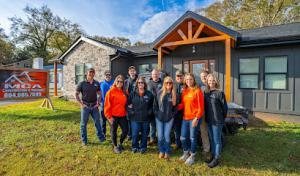
MCA Construction & Roofing
(864) 589-4929 www.mcaupstate.com
1392 Boiling Springs Rd, Spartanburg, South Carolina
4.9 from 141 reviews
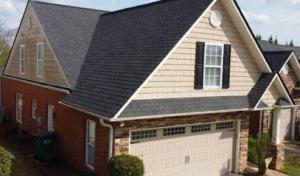
Next Level Roofing Claim Services
104 A Franklin Ave, Spartanburg, South Carolina
5.0 from 82 reviews

Cannon Roofing
(864) 774-4071 cannonroofing.com
283 Vintage Dr, Spartanburg, South Carolina
4.9 from 81 reviews
Spring and fall are the most practical seasons for roof replacements in Spartanburg. The Upstate's pattern of drier, more temperate days during these seasons helps systems lay out cleanly, protect fastenings, and let crews work without the heat-driven pauses common in the peak summer. Scheduling during these periods aligns with typical contractor availability after winter slowdowns and before the holiday rush, making coordination with shingles, underlayment, and flashing more reliable. The goal is to catch a stretch of steady weather that minimizes wind-driven debris and keeps ventilation and drying times on track.
Even in preferred seasons, spring rainfall and humidity can complicate the process. Storms can push tear-off timing back by a day or two and increase exposure time for underlayment before a roof is fully covered. If a replacement is planned in spring, plan buffers for potential shifts in the calendar and for temporary coverups that protect exposed materials during brief showers. Material storage on site should be organized to keep shingles flat and dry, with tarps or a small temporary shelter used to shield long runs of underlayment or hip shingles. A practical approach is to stagger deliveries so nothing sits exposed during a wet spell, and to confirm that the forecast includes several dry days in a row before panels are torn off.
Winter in Spartanburg tends to be milder than inland regions, yet freezes and occasional sleet still slow installation and affect material handling. Cold mornings can stiffen sealants and reduce cement set times for certain synthetic products, while wet or frozen substrates demand extra caution when applying ice and water shield. If a project runs into winter, crews should plan for shorter work windows and more frequent hand inspections of every seam and flashing connection. A continuity plan for cold snaps-such as securing loose components at the end of the day and having quick-access windbreaks-helps keep installation on pace without sacrificing quality.
When choosing a window, align the project with a stretch of several predictable weeks in spring or fall that historically avoids the most intense thunderstorms. Confirm a backup plan with the contractor for a stored-weather contingency, and request a clear sequence of steps from tear-off to finish, including underlayment inspection, nail pattern checks, and flashing tests. For storm-prone months, consider adding an emergency contact routine to address unexpected leaks or wind-driven debris after the roof is partially installed, ensuring you have timely access to shingle replacements and secondary protection if a late shower interrupts work.
Asphalt shingles dominate the local re-roofing market for a reason. They align with typical home styles found in the area and fit into the lower end of regional replacement budgets, making them a sensible choice for many homeowners after storm damage or leaks. In Spartanburg's humid thunderstorm climate, you'll want a shingle that has good granule adhesion and a solid wind rating for storm events. Look for shingles with a strong installation protocol, especially around eaves and penetrations, where wind uplift and water intrusion are common after hail or driving rain. If your goal is a reliable, straightforward repair path, asphalt remains the most accessible and familiar option for most local crews and insurance adjusters.
Metal roofing has a meaningful specialist presence in this market and is especially relevant if rain shedding and durability during heavy thunderstorm cycles are priorities. Metal systems excel at channeling water quickly and resisting wind-driven debris, which translates to fewer persistent leaks after intense storms. They tend to pair well with modern or contemporary home designs and can offer long-term durability that helps with resale value in a storm-prone area. When considering metal, verify the panel design, concealed fasteners, and proper flashing details for chimneys, skylights, and vent pipes. A well-installed metal roof can reduce maintenance calls after severe weather, but installation quality matters as much as the material itself.
Clay tile, concrete tile, wood shakes, and synthetic or composite options are present in the market but are less common than asphalt. Availability of qualified installers and the ability to match repairs after a storm can be a deciding factor for these systems in Spartanburg. Clay and concrete tiles offer distinctive curb appeal and strong longevity, yet they require heavier structural support and careful handling during installation and repairs. Wood shakes provide a traditional look but demand attention to moisture management and fire considerations in a humid climate. Synthetic or composite shingles can mimic more premium materials while delivering improved impact resistance and lighter weight, which can simplify retrofits on certain houses. If choosing any of these, prioritize installers with proven storm repair experience and strong warranty coverage to ensure consistent performance after Upstate thunderstorms.
Local pricing should be framed around the provided per-square ranges: asphalt shingles 350 to 700, metal 600 to 1200, clay tile 1100 to 2300, concrete tile 900 to 1700, wood shingles or shakes 700 to 1200, and synthetic/composite shingles 550 to 1000. In practice, a standard 10-by-12 square replacement will scale accordingly, and the total cost depends on underlying deck condition, attic ventilation, and among-room differences in roof pitch. Asphalt remains the most common option when budgeting for a full re-roof, especially if a quick dry-in is a priority after a thunderstorm deluge. For longer-lasting performance in tougher weather, metal or concrete/ clay tile bring higher upfront costs but can pay back through durability and lower maintenance, depending on the house style and roof slope. Synthetic shingles offer a middle ground, blending reasonable price with decent resilience to UPW (upstate) humidity and rapid temperature swings.
Storm-driven demand surges after major thunderstorm or hurricane-season events can push scheduling out and raise labor pressure for full re-roofs and urgent dry-ins. If a large storm hits, expect several crews to be vying for the same project window, which can extend lead times and compress the timeline for inspections and material delivery. Planning ahead helps, but be prepared for a tighter schedule if a neighboring property takes on flood or wind damage as well.
Ventilation or flashing corrections identified during review can add time and cost compared with simple patch work. A full re-roof typically requires more coordination for underlayment, ventilation checks, and proper flashing transitions around chimneys, skylights, and vents. In the wake of a storm, crews may need to prioritize securing tarps and temporary weather protection while awaiting permits or inspection confirmations, which can influence the pace of the project. Expect some variability in the timeline based on material choice, roof complexity, and how quickly access to the attic and ceiling space can be evaluated for proper ventilation.
Start with the material you can justify for your climate and home style, then add a contingency for storm-season scheduling shifts. If choosing asphalt, target the lower end of the range for a straightforward replacement and reserve extra for flashing upgrades or minor deck repairs. For metal or tile, budget more upfront but anticipate longer service life. For any option, document damage photos and keep a dated record of communications to support insurance documentation during the repair process.
Get a clear picture of your project costs upfront - no commitment required.

A full re-roof in Spartanburg typically requires a permit through the applicable City or County building department, so homeowners need to confirm jurisdiction before work starts. In this metro area, property location along with zoning can determine whether the city office or the county office handles approvals. Do not assume the same office handles every address. Checking early avoids delays when a storm recovery project kicks into high gear and inspectors are booked.
Before any shingle delivery or ladder setup, contact the building department that serves your property. If the address sits inside city limits, you'll likely pursue a city permit; outside those limits, the county may require the permit process. Some neighborhoods share a single contractor-approved list, while others rely on site-specific checks. Have the exact address, parcel number, and a rough roof plan ready when you call. Ask about required sub-permits for ventilation, flashing, and any attic work. That upfront clarity helps keep storm-repair crews moving without misfiled paperwork slowing the project.
Local inspections occur during and after the roofing project, not just at the end. Expect an inspection when the roof deck is open, when underlayment is in place, and again after shingles are installed. Some jurisdictions schedule interim checks to verify ventilation, proper nailing patterns, and flashing at vent pipes and chimneys. The inspector will look for code-compliant attic ventilation, proper drip edge installation, and alignment of eaves and gutters with new materials. Coordinating with your contractor to ensure access for inspectors and keeping a clean, safe work area on weekly inspection days helps the process stay on track.
The final inspection verifies that ventilation, flashing, and the overall installation meet code and permit specifics. Pay attention to attic ventilation readiness, ridge or soffit vents, and the integrity of flashing around skylights, chimneys, and vents. The final step confirms the roof was installed correctly, with proper clearance from walls and adequate sealing against water intrusion. If punch lists come up at the final walkthrough, address them promptly with your contractor to avoid delays in occupancy or insurance processing.
Keep a single point of contact with your contractor for permit status and inspection dates. Save all permit numbers, inspection slips, and any revised blueprints or manufacturer notes. If weather or storm response affects scheduling, ask about expedited inspection options and who to contact if a slot opens unexpectedly. This local process can feel meticulous, but it protects your home against missteps and ensures the job stands up to Upstate weather long after the last shingle is set.
When the rain comes hard in the Upstate, flashing quality is non-negotiable. Final inspections specifically verify flashing, reflecting how critical water-shedding details are in a heavy-rain climate. You'll want to inspect step-flashing at corners and transitions where roof planes meet walls, chimneys, skylights, and vent pipes. Look for loose boots, mis-seated metal, or gaps where mortar joints meet metal. A quick test after a storm is to spray a light mist along those joints and watch for seepage inside attic edges.
Ventilation is a local inspection focus, which matters in hot, humid summers. Poor attic airflow can raise dew point and push moisture toward rafters and sheathing. Check the attic during a warm, calm day: feel for balanced intake and exhaust vents, and listen for whistling drafts near gable vents. If insulation is compressed or soffits are blocked, plan for a targeted fix before reroofing. Proper ventilation helps reduce underlayment aging and helps prevent ice dam risk in shoulder seasons.
Chimney-related roof details deserve attention because chimney work appears frequently in the local contractor market. Inspect cricket or saddle clearance, crown integrity, and the transition from masonry to flashing. Look for cracked mortar, missing or loose step flashing, and deteriorated chimney flashing aprons. When sealing around brick, ensure the sealant remains compatible with masonry and roofing materials. In many repairs, the chimney cap and flashing play a pivotal role in stopping slow leaks that show up first on ceilings near the chimney.
After a storm, walk the roof edge and verify that drip edge metal is intact and water banks away from fascia. Maintain clean gutters so water sheds rather than pools around corners. A small leak today can become a larger problem if the flashing and vent details are neglected.
Find contractors experienced in skylight installation, flashing, and leak repairs to bring natural light into your home.
Next Level Roofing Claim Services
104 A Franklin Ave, Spartanburg, South Carolina
5.0 from 82 reviews
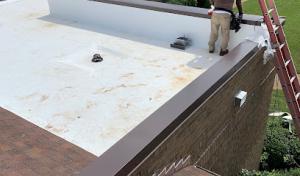
Flat and low-slope roofing is a secondary but real specialty in Spartanburg, indicating that some homeowners need different repair methods for porches, additions, and mixed-roof homes rather than standard steep-slope shingle work. The climate pattern here pushes crews to adapt details for drainage, seam work, and edge sealing without pretending the porch roof behaves like a main residence roof. If a contractor treats low-slope sections as an afterthought, you will likely pay later with frequent leaks or accelerated membrane wear.
Heavy summer rain in Spartanburg makes drainage performance and seam integrity more urgent on low-slope sections than on the main pitched roof. Water should shed quickly off these surfaces, not pond or creep toward penetrations. Pay close attention to transitions where low-slope portions meet steeper roofs, gutters, skylights, or chimneys. Regular checks after storms help catch micro-cracks in membrane laps, improper slope, or degraded edge metal before a leak becomes a leak you notice from the living room ceiling.
Because low-slope work is less common than standard residential re-roofing in Spartanburg, homeowners should verify that the contractor regularly handles these sections instead of treating them as an afterthought. Ask for a portfolio of low-slope jobs with documented repairs, and request references from nearby homes with similar configurations. A reputable crew will reference roof plan details, flashing sequences, and test results for water intrusion at seams, not just cosmetic fixes.
In porches, additions, and mixed-roof homes, the most vulnerable areas are flashing around penetrations, seam laps, and transitions to steeper sections. Inspect edge details where membrane meets brick or siding, and check for dried or cracked sealant joints after heavy rain events. If a section shows widening gaps or blisters in the membrane, address it promptly before water finds its way into framing.
After a storm, document every affected area with date-stamped photos, including close-ups of seams and flashings. Note any interior signs of moisture that align with exterior leaks. If a temporary cover is placed, ensure it's secure against wind uplift and stays in place until a proper repair can be performed. A deliberate, documented approach helps you work with insurers and a contractor who understands low-slope repair nuances.
Find specialists in TPO, EPDM, and built-up flat roofing systems for residential and commercial properties.
Cannon Roofing
(864) 774-4071 cannonroofing.com
283 Vintage Dr, Spartanburg, South Carolina
4.9 from 81 reviews
WNC Roofing - Commercial Roofing Contractors
991 Asheville Hwy, Spartanburg, South Carolina
5.0 from 10 reviews
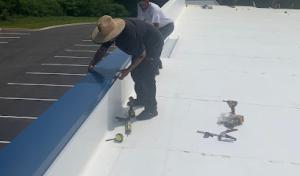
The Spartanburg market leans toward re-roofing, quick response, and cleanup-included service. Homeowners here tend to value execution and post-job cleanliness over niche design details. When a storm hits, crews flood in fast, but a solid job hinges on reliable cleanup and a roof that lasts through the next thunderstorm season. The typical housing stock in the area fuels this: practical, sturdy roofs that need timely, thorough work rather than cosmetic tweaks. Keep that in mind as you compare options.
Long-established and family-owned companies are common, and that presence matters. A crew with a few generations of local work tends to understand the weather patterns, attic venting quirks, and common leakage points in the area. Look for a company that has a known neighborhood footprint, a portfolio of local repairs, and references from nearby neighborhoods. Reputation and repeat community presence are meaningful signals when you're navigating a storm-related project.
Licensed and insured firms are present but not universal in the market, so verification is essential. Some local crews carry manufacturer certifications, which can influence warranty backing and recognized installation practices. Don't assume every bidder offers the same protections. Ask for proof of licensing, current insurance certificates, and any manufacturer credentials. If a contractor can't produce up-to-date documents on request, move on to another bidder.
When soliciting bids, prioritize the crew's plan for rapid, clean completion and post-job cleanup. Inquire about their scheduling window after a storm, method for protecting your landscaping, and how they handle debris containment and disposal. Request a written process for leak mitigation if interior damage exists, including temporary tarp solutions and moisture checks. Finally, ask for a clear warranty outline that covers both workmanship and roofing materials, with specifics on what is and isn't covered after the job is done.