
Last updated: Apr 19, 2026
Spring into summer is the most disruptive roofing season in this foothill corridor, where hail, heavy rainfall, and frequent thunderstorms collide with humid heat to push shingles to the edge. In these months, damage isn't always obvious from the street-shingles can be blown back, granules displaced, and underlayment stressed-yet hidden leak pathways can form quickly after a fast-moving cell rolls through. The Blue Ridge foothills sharpen storm cells, so neighborhoods a few blocks apart can show different patterns of damage in the same week. If a storm hits hard, assume moisture has found a way in until proven otherwise, and start checking attic spaces and ceilings for sudden changes in temperature, moisture, or light filtering through seals.
After a storm, the clock matters. Take clear, dated photos from multiple angles-street, yard, and up close on each roof plane-before cleaning or making temporary fixes. Capture interior signs as well: stained ceilings, damp insulation, or musty odors in the attic. Keep a running log of storm times, wind speeds if available, and any immediate impacts you notice inside the home. If neighbors also report damage, note that in case the adjuster compares patterns across the block. In Greenville, where neighborhood-level damage patterns can diverge from street view, documenting both the visible surface and the concealed pathways creates a stronger claim narrative. If you're unsure what constitutes visible damage, err on the side of documentation and flagged concerns for your insurer's review.
When a leak appears, every hour of exposure can drive further interior damage. Start with temporary controls: lay down a tarp over the affected area with a simple chalk-line guide for drift protection, and secure it to the roof or fascia away from run-off points. Protect interior spaces with plastic sheeting or buckets to catch drips while you arrange professional help. Identify the most vulnerable entry points-roofs with hail bruising, compromised flashing, or lifted shingles-and avoid stepping on damaged areas to prevent aggravating the issue. If attic access is possible, install a temporary venting or dehumidification plan to reduce condensation. In practice, the goal is to limit wind-driven water intrusion until a roofer can perform a targeted assessment and repair.
Greenville's calendar features a pronounced second wave after the main spring hail period, driven by autumn tropical remnants that reorganize storm schedules. This irregular rhythm means a rushed response window can crop up again during late summer into early fall. Plan ahead by arranging a preferred emergency contact list and a preferred rapid-response window with a trusted local roofing professional who understands the area's microclimates and housing stock. If a storm is forecast to deliver back-to-back gusts, prepare a proactive check of likely trouble spots-valleys between ridges, chimney-to-roof transitions, and skylight enclosures-so damage control can begin the moment the first raindrops fall.
Your roofing system in this climate relies on robust flashing, correctly sealed penetrations, and a well-vented attic to manage moisture. Look for signs of compromised sealant around vents, stacks, and along step-flashing transitions where water tends to track in quietly. Pay attention to granule loss on asphalt shingles or discoloration on metal panels, which can indicate accelerated wear after a storm. For homes with complex rooflines or older materials, prioritize a rapid, staged assessment plan: first-stage triage to stop active leaks, second-stage assessment for hidden damage, and third-stage follow-up to address any weathered components that become vulnerable as the next storm cycle approaches. If a storm hits, move swiftly-storms don't wait for the calendar, and neither should your response.
South Carolina's wind and hail claim environment affects Greenville homeowners directly, with carriers commonly asking for photo documentation and storm-date support before approving full replacement. When a thunderstorm rolls through the Blue Ridge foothills, your first move after the weather settles is to document the scene: wide-angle shots of the roof from ground level, close-ups of damaged shingles, flashing, and any visible leaks inside the attic or ceiling. Keep dated photos from multiple angles, and save any hail reports or meteorological notes you can obtain from local weather stations or the utility company. Your insurer will want a clear timeline: when the storm occurred, how long the roof was leaking, and when you first noticed damage inside the home. Having this in hand reduces the back-and-forth and speeds up the review process.
Because Greenville sees repeated thunderstorm activity rather than a single coastal hurricane pattern, homeowners often need to distinguish between repairable isolated damage and broader slope-wide storm damage. Look for patterns: isolated dents or lifted shingles may be repairable, but widespread granule loss, curling edges, or consistent leaks across several bays suggest more extensive damage. An experienced local roofer can assess the roof slope, valley intersections, and chimney flashing to determine if the issue is localized or part of a larger storm impact. If the roof has multi-layer ages or signs of previous repairs, note these in your documentation as they influence repair strategy and insurer expectations. A phased approach often works well-address immediate leaks to stop interior damage, then plan a broader assessment of remaining roof sections if the claim extends.
Wind mitigation credits may influence policy costs in this market, so replacement decisions can intersect with how the new roof is documented for the insurer. When preparing for a claim, focus on documenting features that support wind resistance: upgraded underlayment, reinforced nailing patterns, and any recent upgrades to vents or skylines. Take photos showing the shingle edge grip, nail heads, and any protective barriers around eaves and gable ends. If the insurer asks for a wind mitigation report, coordinate with your contractor to ensure the report reflects the actual build and materials used. Clear, labeled photos paired with a straightforward narrative of what failed and why the failure occurred improve the chances of smoother coverage decisions.
In Greenville's spring and summer thunderstorm cycles, fast leak response matters. When a leak is detected, place a temporary waterproofing measure to minimize interior damage while awaiting a claim decision or a scheduled repair. Use tarp or tarp-like roofing fabric over affected areas, ensuring it is secured to resist wind uplift. Document any temporary fixes with photos and dates. Communicate promptly with the insurer, providing the storm-date corroboration and the preliminary assessment from a licensed roofer. If a full replacement is warranted, coordinate replacement timing with the insurer's timeline to minimize the risk of secondary damage from rain events while the new roof is installed.
Connect with contractors who help homeowners navigate the claims process from damage assessment to final approval.
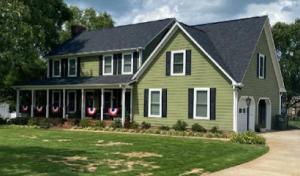
Aldridge Roofing & Restoration
(864) 774-1670 aldridgeroofing.com
31 Boland Ct suite 166, Greenville, South Carolina
5.0 from 207 reviews
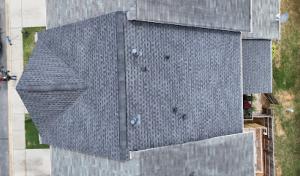
Tritop Roofing & Restoration
(864) 275-9183 www.tritoproofingandrestoration.com
113 W Antrim Dr, Greenville, South Carolina
5.0 from 93 reviews
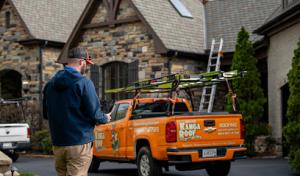
Beemer KangaRoof
(864) 412-2573 beemerkangaroof.com
3208A Old Buncombe Rd, Greenville, South Carolina
4.9 from 312 reviews
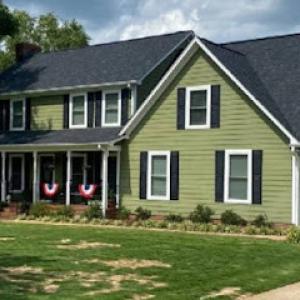
Aldridge Roofing & Restoration
(864) 774-1670 aldridgeroofing.com
31 Boland Ct suite 166, Greenville, South Carolina
5.0 from 207 reviews
Aldridge Roofing & Restoration, provides top-quality roofing and restoration services for both residential and commercial properties. Specializing in roof repairs, replacements, and insurance restoration, we ensure your home is protected from the elements. Our skilled team is committed to excellent craftsmanship, timely service, and clear communication throughout the process. With years of experience, we pride ourselves on delivering high-quality work and exceptional customer service, making us a trusted name in the community. Contact us for reliable roofing and restoration solutions!
Tritop Roofing & Restoration
(864) 275-9183 www.tritoproofingandrestoration.com
113 W Antrim Dr, Greenville, South Carolina
5.0 from 93 reviews
At Tritop Roofing and Restoration, we’re a family-owned company with over 8 years of experience in residential and light commercial roofing. We provide roofing, repairs, gutters, siding, and restoration with quality, integrity, and personalized service. We proudly serve Greenville, SC and nearby areas like Mauldin, Simpsonville, Greer, Taylors, and Easley. Our goal is to deliver lasting solutions that protect your home and increase its value. Contact us today for a free inspection!
Beemer KangaRoof
(864) 412-2573 beemerkangaroof.com
3208A Old Buncombe Rd, Greenville, South Carolina
4.9 from 312 reviews
Serving the Greenville, South Carolina, and Upstate area since 1979, Beemer KangaRoof is a trusted, family-owned roofing company. With over 45 years of experience, we specialize in both residential and commercial roofing, offering a full range of services from repairs and maintenance to full replacements. Our commitment to quality craftsmanship and exceptional customer service ensures every project is completed with honesty and reliability. We also provide comprehensive gutter services, including cleaning and maintenance, to protect your home from top to bottom.
ATD Roofing
(864) 618-2353 www.atdroofing.com
1200 Woodruff Rd Suite C-38, Greenville, South Carolina
4.9 from 340 reviews
Are you looking for a trusted roofing contractor in Greenville, SC? If yes, ATD Roofing is here for you. We are a top-rated roofing company you can count on for roof installation, repair, or replacement. We have highly trained and experienced roofing technicians to offer unmatched roofing services. We are honest and use high-quality roofing materials from top manufacturers. Our roofing materials come with warranties, and we provide workmanship guarantees. Besides roofing, we provide gutter, downspout, and siding services. We also offer dependable storm restoration services. Please note that we are licensed and insured, and our services are very affordable. Contact us for more information.
IES Roofing Services
(864) 349-1410 www.iesroofing.com
1336 White Horse Rd, Greenville, South Carolina
4.9 from 130 reviews
IES Roofing Services is a premier roofing company in Greenville, SC, with over 15+ years of experience in the industry. As dedicated roofing contractors in Greenville, we take pride in offering top-notch residential roofing solutions, including Commercial Roofing, Preventive Maintenance, Roof Coating, Spray Foam Insulation, roof inspection, and roof repair. Our mission is to be the go-to local roofer in Greenville, providing exceptional services and unmatched craftsmanship to our valued customers. Whether it's a small repair or a large-scale roofing project, we are committed to delivering excellence, reliability, and customer satisfaction. Trust IES Roofing Services for all your roofing needs in Greenville.
Lanier Roofing
(864) 990-4836 lanierroofing.com
850 S Pleasantburg Dr Suite 106, Greenville, South Carolina
4.9 from 250 reviews
We are licensed general contractors in Greenville that will restore your home or building to a better condition than we found it. Roofing services include: Re-roofing, roof repairs, new construction roofing, and remodeling. Other services include all aspects of storm damage restoration including gutters, replacement windows, painting and leaf protection. Current customers include residential homes, apartment complexes, churches and other commercial buildings with shingle roofs. We are certified by 4 major shingle manufacturers. Atlas roofing corporation, IKO roofing, Certainteed and Owens Corning. We believe that these four companies produce the finest materials on the market. We are proud to be associated with these shingle companies.

Home Genius Exteriors
(864) 732-4645 homegeniusexteriors.com
250 Commonwealth Dr Suite 101, Greenville, South Carolina
4.9 from 156 reviews
Elevate your home with Home Genius Exteriors, setting the standard in Greenville by offering full-service solutions for roofing, siding, windows, doors, gutters and insulation. We support our veterans and communities by supporting local and national charitable organizations through our Home Genius Cares initiative. With an Owens Corning® Platinum Preferred designation, we also offer flexible payment options, industry leading warranties and a wide range of premium products tailored for your home. It’s time for a different experience, entrust your next home project to a genius and schedule your free inspection today!
Cornerstone Construction - Roofing & Siding
(864) 734-7183 cornerstoneconstruction.org
11 N Irvine St, Greenville, South Carolina
4.8 from 195 reviews
Cornerstone Construction in Greenville, SC specializes in professional roofing installation and roof replacement services designed to protect and enhance local homes. Greenville’s mix of humid summers and seasonal storms can cause roof wear, leaks, and shingle damage, making timely replacement essential for long-term protection. The team provides reliable workmanship for asphalt, metal, and flat roofing systems, ensuring durability and curb appeal across the Upstate area. Known for quality service, clear communication, and local expertise, Cornerstone Construction stands out among trusted roofing contractors in Greenville for dependable, professional results.
C&W Roofing, Siding & Window
719 Lowndes Hill Rd, Greenville, South Carolina
4.9 from 95 reviews
C&W Roofing, Siding, and Window is a family-owned and operated business proudly serving Greenville, SC, since 1991. We work directly with homeowners to provide expert customer service, professional installation, and the highest-quality products available. Our team specializes in residential and commercial roofing, James Hardie and vinyl siding, vinyl replacement windows, and gutters, ensuring every project is built to last. As the Upstate's trusted Elite Preferred James Hardie Contractor, we take pride in delivering durable, energy-efficient solutions tailored to your home's needs.
Davis Contracting
(864) 235-4880 daviscontracting.org
220 N Main St Suite 500, Greenville, South Carolina
4.9 from 81 reviews
Davis Contracting is a licensed and insured professional roofing company that has served Greenville, Spartanburg, Anderson, Greer, and the surrounding areas for 20+ years. From roofing to siding and gutters, we offer professional building envelope services for residential and commercial applications. We want to help you with any roof repair services you may need by offering a FREE Home Inspection.
Merritt Roofing
(864) 552-3396 merrittroofing.com
1200 Woodruff Rd SUITE A-3, Greenville, South Carolina
5.0 from 34 reviews
Merritt Roofing is committed to excellent workmanship and customer service. Led by Chris Merritt, a Haag-certified roof inspector with over 30 years of experience, our team approaches every roofing job that comes our way with the utmost professionalism and accountability. Our technicians are the best in the business. We are licensed, bonded, and insured. We warranty our work and take pride in our outstanding customer service. We are also proud of our A+ BBB rating and strive to continue to be the best in the business. Financing options are available.
Steele Restoration
(864) 933-8692 www.steelerestoration.com
1990 Augusta St Suite 1600, Greenville, South Carolina
4.9 from 47 reviews
Steele Restoration, LLC is a fully licensed and insured general contractor based in Greenville / Spartanburg SC and Charlotte NC areas. We specialize in new and repair roofs, storm damage restoration, roofing, siding, gutters, and exterior renovations. We provide roofing and contractor services for single-family homes, multi-family complexes, and commercial and industrial sites.
You face a pattern of humid summers, spring hail, and frequent rain passages driven by the foothill storms near the Blue Ridge escarpment. That combination makes moisture management and rapid storm response essential after each thunderstorm cycle. Choosing the right roof type isn't just about appearance; it's about how well the system sheds water, resists wind-driven impacts, and holds up under repeated exposure to heavy rain and heat. In this climate, the roof needs to tolerate rapid temperature changes, maintain a tight seal against leaks, and stay resilient through back-to-back storm events.
Asphalt shingles dominate the local re-roofing market because they align with the typical residential budget and the prevailing housing stock. For many homeowners, a replacement window arrives sooner than with other materials, which suits a climate with frequent storm exposure and humidity. The shingles you pick should prioritize a strong granule retention, good adhesive integrity, and a wind rating that matches local seasonal gusts. When storm damage occurs, asphalt shingles are generally easier to repair patch-by-patch, which translates to quicker temporary fixes and fewer call-back visits during the busy storm season. If you value a balance of performance, cost-effectiveness, and availability of local contractors, asphalt remains the practical baseline.
Metal roofing has carved out a meaningful niche here, appealing to homeowners who want superior rain shedding, strong wind resistance, and longer service life in a climate with recurring storm exposure. In practice, metal can reduce interior leaks during heavy downpours and hail events, and it often survives rapid temperature swings without the same expansion-contraction issues seen in some other materials. Availability is robust enough to support faster replacement or upgrading projects, which matters after a storm when quick restoration is the priority. If you're weighing long-term resilience and you anticipate frequent storm activity, metal deserves a serious look, particularly in areas with tall shade lines or tight roof-to-eaves connections where water can pool.
Tile, slate, and wood roofs exist in Greenville but are much less common. Their adoption tends to be driven by particular aesthetic goals or historic renovation projects. Because contractor availability for these materials is more limited, you'll face longer lead times for installation and repairs, and replacement crews may be fewer and farther between after storms. If you're considering one of these materials, plan for broader scheduling windows, confirm the local installer's storm response experience, and be prepared for a higher likelihood of staging repairs after hail events or hail-driven impact checks. These options still hold value for homes with the right roof geometry and architectural style, but they require careful coordination with specialists who understand the climate-driven demands of foothill weather.
When planning a roof replacement, the local cost landscape for common materials sits in a practical range. Asphalt shingles typically run from about 350 to 550 USD per square, a level many homeowners find predictable for mid-range homes with standard pitches. Metal roofs tend to push up to 600-1100 USD per square, reflecting their longer lifespan and faster install times. Clay tile sits 900-1600 USD per square, with concrete tile in the 800-1300 USD band. Wood shingles or shakes usually fall around 650-1100 USD per square, while slate easily leads the pack at 1400-2300 USD per square. These figures anchor the conversation when comparing bids and help you spot unusually high or low quotes.
Storm season in this market can tighten the schedule quickly after a spring hail event or a major thunderstorm. Scheduling a fast-turnaround replacement is often necessary to prevent follow-up leaks and interior damage. Contractors may prioritize storm-damaged homes, which can briefly elevate pricing or push crews to run longer days. If you face a weather window constraint, you'll want to confirm a clear plan for delivery of materials, crew availability, and a defined sequence of steps from tarping to final inspection.
Year-round roofing is feasible, but Greenville's rhythms matter. Summer heat and humidity slow labor efficiency and can extend days on the job, especially on steeper pitches or roofs with challenging transitions. Winter rain can pause work altogether, affecting overall duration and cost. Spring and fall often offer the most stable conditions, but if a storm has recently struck, expect a tight window to complete the replacement before the next round of weather.
Clay tile and concrete tile offer durable options in this climate, yet weight and installation must be matched to structure. Metal provides good hail resistance and faster installation, which can help curb labor costs in a tight timetable. Asphalt remains a budget-friendly default for many homes, though it may require more frequent maintenance in storm-prone periods. Wood and slate carry distinct aesthetics and performance profiles; slate, while premium, can be a strong long-term value in a well-prepared roof deck.
After a storm, insurers often request documentation of preexisting conditions and a clear replacement path. Gather photos, a roof plan, and a damage assessment from a licensed contractor to streamline claims. Ensure bids include tear-off, disposal, underlayment, flashing, and debris removal, with transparent allowances for unexpected substrate repair if hail or wind compromised deck areas. Clear line-item contrasts help you evaluate whether a faster turnaround is worth any incremental premium and how it interacts with your chosen material.
Get a clear picture of your project costs upfront - no commitment required.
Davis Contracting
(864) 235-4880 daviscontracting.org
220 N Main St Suite 500, Greenville, South Carolina
4.9 from 81 reviews
Carlton “The Original” Roofing
(864) 232-2835 www.carltonroofing.com
909 W Bramlett Rd, Greenville, South Carolina
5.0 from 17 reviews
B & F Roofing
(864) 232-7623 www.bandfroofing.com
650 Keith Dr, Greenville, South Carolina
4.6 from 41 reviews
When a full roof replacement is on the table, a building permit is typically required in Greenville. This is not your everyday contractor notice; it ensures the new roof meets local codes and wind uplift requirements that are important for storm resilience after spring hail and summer storms. Your permit packet will usually include details about the roof type, venting, underlayment, and fasteners. If the project is only handling repair work or minor patching, a permit may not be needed, but for a full replacement, treat it as a required step rather than optional.
Greenville's local building department commonly inspects at underlayment and installation milestones and then performs a final inspection after completion. The underlayment stage is typically checked for proper nailing pattern, sealant coverage, and moisture barrier continuity. When the roof deck is being covered, inspectors look for proper ventilation and flashing around penetrations. A separate inspection occurs after the final installation to verify that all components align with code and that the roof is securely fastened and weatherproofed. If your contractor schedules work during a storm window, knowing these milestone checks helps you plan for potential rework if adjustments are needed.
Permit processing in Greenville can take from a few days to a couple of weeks depending on department workload, so storm-season backlogs can affect project start dates. If you're facing a thunderstorm-heavy season, applications lodged early in the week have a better chance of catching a smoother review cycle. During peak demand periods, plan for modest delays and communicate with both the permitting office and your contractor about realistic start times. It helps to have complete documentation ready-survey, roof plan, and manufacturer specifications-to avoid back-and-forth that can push timelines.
Begin by confirming whether a full replacement triggers a permit in your neighborhood, and request your contractor to pull the permit in parallel with the material order. Track each milestone with your contractor: permit issuance, underlayment inspection, installation inspection, and final sign-off. Keep a clear calendar that notes inspection windows and any required re-inspections after rain events or weather-driven pauses. If storm damage is driving urgency, communicate with both your insurer and the building department early to align on required documentation and expected inspection dates.
Greenville's hot, humid summers accelerate roof wear and make moisture management more important than in inland markets with lower humidity. The foothill storms from the Blue Ridge bring humidity that lingers on decking and underlayment, amplifying the effects of sun exposure and temperature swings. This isn't about vanity upgrades; it's about choosing materials and detailing that resist mold growth, keep attic temperatures in check, and preserve insulation. Expect more rapid aging of underlayment and faster deterioration of vulnerable edges if ventilation isn't balanced with the moisture load. Regular inspection after peak humidity periods helps catch wavering sealants or curling shingles before wind-driven rain drives deeper infiltration.
Frequent thunderstorms increase the chance that small flashing or underlayment defects become active leaks quickly in homes with common Greenville roofing configurations. After a heavy storm, walk the perimeter with a flashlight and look for shiny water trails, loose step Flashing, or detached seals around chimneys, vents, and skylights. In homes with metal accents or clay tile, flashing around penetrations is a common vulnerability because heat and moisture cycles stress joints and fasteners. Debris from storms-leaves, pine needles, and seasonal seed pods-can trap moisture near eaves and compromise soffit vents, so routine cleanouts matter as much as any repair. If a stair-step crack appears in a tile roof or if shingles lift at the ridge, treat it as a priority fix rather than a cosmetic issue.
Year-round rainfall exposure means replacement timing is often driven by recurring moisture intrusion as much as by age alone. Persistent damp spots in attic insulation, sagging decking, or a musty odor indicate hidden leaks that warrant rapid investigation. After spring and summer thunder periods, perform targeted checks on valleys, seals, and vent boots; after heavy fall rains, reassess ceiling stains and attic ventilation adequacy. Fast leak response matters: having a plan to seal or tarp a compromised area and a trusted local contractor ready to mobilize can prevent widespread interior damage. Protecting your roof today from small moisture breaches reduces the chance of costly repairs later, especially in a market where moisture cycles are predictable but relentless.
Find contractors experienced in skylight installation, flashing, and leak repairs to bring natural light into your home.
Aldridge Roofing & Restoration
(864) 774-1670 aldridgeroofing.com
31 Boland Ct suite 166, Greenville, South Carolina
5.0 from 207 reviews
Tritop Roofing & Restoration
(864) 275-9183 www.tritoproofingandrestoration.com
113 W Antrim Dr, Greenville, South Carolina
5.0 from 93 reviews
Merritt Roofing
(864) 552-3396 merrittroofing.com
1200 Woodruff Rd SUITE A-3, Greenville, South Carolina
5.0 from 34 reviews
Although steep-slope residential roofs dominate Greenville, the local contractor market shows a real low-slope specialty segment, indicating recurring issues on porches, additions, and mixed-roof homes. This mix means details on low-slope areas must be treated separately from the main shingle roof when planning repairs or upgrades.
Greenville's heavy rain events make drainage performance especially important on low-slope sections where water sheds more slowly than on the main roof. Focus on uniform slope, proper curb heights, and well-seated flashing around parapets, skylights, and transitions to the main roof. Poorly drained areas become ice-lodge points during rapid spring thaws.
Homeowners in Greenville often need low-slope details evaluated separately from the main shingle roof because failure patterns and repair methods differ. When a porch roof or carport connects to the house, inspect the shared flashing, backwater details, and drainage paths at the transition. Treat any signs of higher moisture near these joints as a separate issue rather than a mere extension of the main roof.
During a storm, isolate the low-slope area to prevent water intrusion into interior ceilings or soffits. Document visible damage with dated photos, focusing on fastener pull-through, flashing gaps, and surface ponding. For repairs, prioritize reliable flashing at transitions and ensure membrane integrity over seams where porches meet the main roof.
Find specialists in TPO, EPDM, and built-up flat roofing systems for residential and commercial properties.
Cornerstone Construction - Roofing & Siding
(864) 734-7183 cornerstoneconstruction.org
11 N Irvine St, Greenville, South Carolina
4.8 from 195 reviews
C&W Roofing, Siding & Window
719 Lowndes Hill Rd, Greenville, South Carolina
4.9 from 95 reviews
Exterior Specialists
32 S Main St #201, Greenville, South Carolina
4.5 from 28 reviews
Storms in this foothill area bring rapid moisture, hail, and sometimes delayed leaks. The Greenville contractor market is heavily oriented toward re-roofing, storm response, and residential work, so homeowners should expect many companies to market insurance help and rapid scheduling after weather events. Work quality often aligns with familiarity of local neighborhoods and established crews who know common problem areas in mid-story eaves, gutters, and attic ventilation.
Look for a company with visible crew turnover that mirrors long-standing, family-owned or locally owned firms in town. Long-established, family-owned, and locally owned firms are a visible part of the Greenville market, which matters when homeowners want continuity through inspections, supplements, and warranty follow-up. Ask for references from nearby blocks with similar roof types and confirm they've handled full tear-offs in established neighborhoods, not just new construction.
Cleanup is a major local hiring priority in Greenville, reflecting how often full tear-offs are performed in established neighborhoods rather than only on new construction. When you call, request a clear plan for debris removal, tarp protection for landscaping, and a closeout checklist for attic and interior moisture checks. Inquire about their storm-response window, and whether they stage rapid estimates and temporary fixes if a leak is active.
Seek a contractor who can bind you to a straightforward warranty follow-up and dependable inspections after a major storm. Favor firms with documented processes for supplements, insurance coordination, and timely re-visits. If a company emphasizes long-term relationships and local roots, you'll likely gain steadier communication through the life of the repair arc.