
Last updated: Apr 19, 2026
Monroe homeowners know the drill: spring hail and strong winds can shred shingles and bend metal, all while a muggy Georgia afternoon threatens every attic and ceiling with moisture intrusion. Thunderstorm season brings a surge of claims that collide with busy adjusters and contractors, so the clock is always ticking. The most disruptive seasonal risk is the combo of hail impact and wind uplift that kicks in after a warm, humid day. If your roof shows dents, bruising, or curling shingles after a storm, you're not overreacting to want a fast, documented assessment. Weather in this area can turn a minor blemish into a leak within days, especially on aging shingles.
Georgia's high roof-claim environment means Monroe claims are not a simple phone call and a cursory glance. Insurers may bring in independent adjusters to review your case, not just carrier staff. That makes clear, detailed documentation essential. Start with a broad series of photos from multiple angles: street view, roof plane, gutters, downspouts, and interior water intrusion spots. Capture the date and the storm path if you can, plus close-ups of granule loss, hail pittings, lifted edges, and any interior staining. Keep a running log of visible changes and any changes after wind-driven rains. If you had prior claims or prior leaks, document that history too-the adjuster will want to know what's new versus what's old. Getting a concise, chronological record reduces the chance of disputes and speeds the review process.
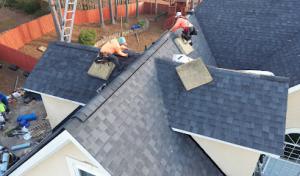
When a storm is moving through Monroe and roofs are vulnerable, temporary protection becomes as critical as the permanent fix. You'll want to cover exposed sheathing and any gaps with a sturdy tarp or roof-safe plastic, especially if there are loose shingles or missing granules. Quick protection buys you time to secure a proper assessment and prevents further water damage during the wait for a permanent repair. In practice, this means securing tarps, boards, or metal sheeting over the most vulnerable areas, fastening from the ground or with a safe ladder setup, and avoiding over-penetration of the roof deck. Schedule the damage assessment as soon as the skies clear, but don't delay documenting new damage with fresh photos after the storm passes-weather can worsen conditions quickly.
Expect a two-step rhythm in Monroe: an initial inspection to determine the scope of storm damage and the necessity for a tear-off, followed by a final installation review after the new roof goes on. Since independent adjusters may review the claim, your documentation should mirror an evidence package: dated photos, a written description of observed damage, a storm-date reference, and a chronological record of any interior leaks. If the insurer approves a tear-off, coordinate a staged schedule that aligns with local weather windows and the contractor's crew availability. Keep lines of communication open with the adjuster and the contractor, confirming dates, the extent of repairs, and materials selected. Ask for a written scope of work and a clear timeline for the tear-off, installation, and final inspection so that the project doesn't stall amid Monroe's busy storm season.
In practice, a proactive homeowner moves fast: inspect after every thunderstorm, photograph any new marks, and secure temporary protection promptly. Track every interaction with the insurer and contractor, including emails and phone logs, to create a transparent trail that can be referenced during independent adjuster reviews. If you're dealing with multiple contractors or shade-coverage options, opt for those who understand local roof types common to Monroe's housing stock and who can explain how a staged inspection will align with a tear-off and final installation. The goal is a resilient, code-aligned roof that resists moisture ingress through the next season's storms, with a clear, documented path from damage recognition through final repair.
Find local contractors experienced in assessing and restoring roofs after hail, wind, and severe weather events.
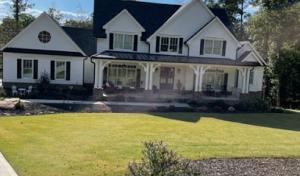
Superior Roofing Company of Georgia
(770) 279-2621 www.superiorroofs.com
315 Nunnally Rdg Ct, Monroe, Georgia
5.0 from 323 reviews
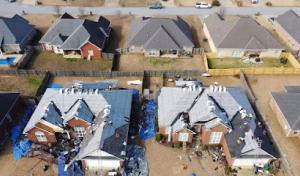
Refuge Roofing
(678) 992-5444 www.roofrefuge.com
119 N Midland Ave, Monroe, Georgia
5.0 from 66 reviews
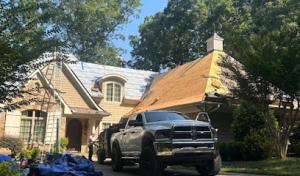
Retail Roofing
(678) 679-4672 retailroofingco.com
3011 Glenview Ln, Monroe, Georgia
5.0 from 46 reviews
Superior Roofing Company of Georgia
(770) 279-2621 www.superiorroofs.com
315 Nunnally Rdg Ct, Monroe, Georgia
5.0 from 323 reviews
Founded in 1990 and family-owned since then, our Veteran-operated roofing company has been providing Monroe and the surrounding Atlanta Metro area with quality service for more than three decades. In fact, we are proud to be ranked as a top residential roofer by Certainteed in both Georgia (#1) and the United States (#11).
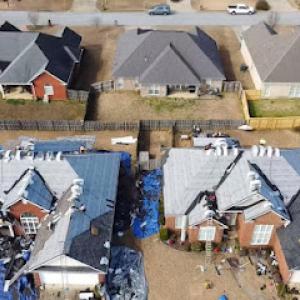
Refuge Roofing
(678) 992-5444 www.roofrefuge.com
119 N Midland Ave, Monroe, Georgia
5.0 from 66 reviews
Refuge Roofing is one of Georgia's leading roofing experts. Whether you need a new roof in Buford, Georgia, or a roof repair in the Metro Atlanta area, we are ready to serve you. Refuge Roofing is fully insured and takes pride in our work.
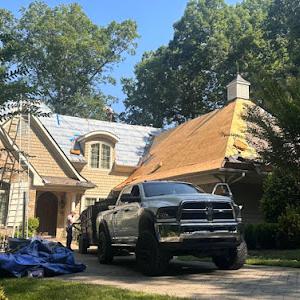
Retail Roofing
(678) 679-4672 retailroofingco.com
3011 Glenview Ln, Monroe, Georgia
5.0 from 46 reviews
At Retail Roofing, we are dedicated to providing top-quality roofing services to our clients. With 15+ years of experience in the construction industry, we strive not only to provide an exceptional experience, but a quality product at a great price.
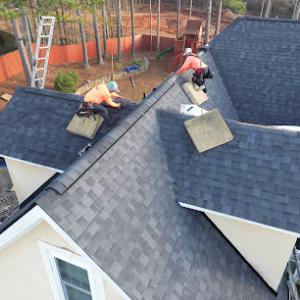
Evolution Roofing Solutions
(770) 299-2505 evolutionroofingsolutions.com
113 S Hammond Dr, Monroe, Georgia
4.9 from 45 reviews
We are a small Roofing company that specializes in insurance claims. We pride ourselves on top notch customer service with every single homeowner who decides to work with us.
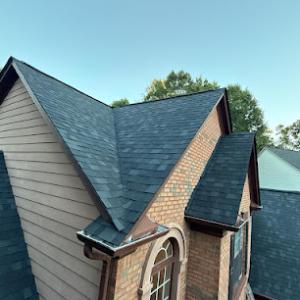
S.C.I. Roofing & Construction
323 W Spring St, Monroe, Georgia
4.6 from 268 reviews
With over two decades of service in residential and commercial roofing, S.C.I. Roofing & Construction stands as a premier choice in the greater Atlanta and Northern Georgia regions. Our team, fully licensed and insured, is renowned for its expertise and passion in delivering top-tier roofing services. We specialize in a wide range of offerings, including meticulous roof repairs, comprehensive roof replacements, insurance-backed roof restorations, and detailed storm damage roofing solutions. Our commitment to quality and customer satisfaction is unwavering. Whether it's a small repair job or a large-scale replacement, each project receives our full attention and expertise.
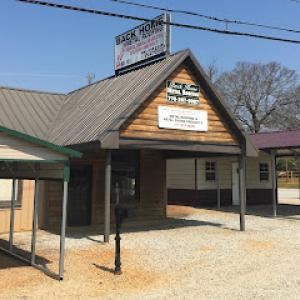
Back Home Metal Roofing
(770) 207-6007 www.backhomega.com
547 US-78, Monroe, Georgia
5.0 from 18 reviews
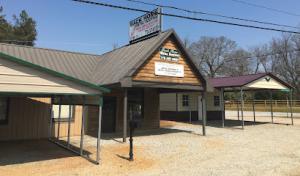
HIGH QUALITY METAL ROOFING DISTRIBUTOR Back Home Metal Roofing is your trusted retailer of high quality metal roofing, siding, screws and accessories! We have everything you need for the job and the expertise of over 25 years in the industry to help ya get it done right. We also have preferred installers that can do the job for you! Free Quotes, quick turnaround, delivery, cutting to your specified lengths and customized trimmings are just a few of the qualities that set us apart from the competition.
Stephens Roofing & Construction
791 Double Springs Rd, Monroe, Georgia
5.0 from 16 reviews
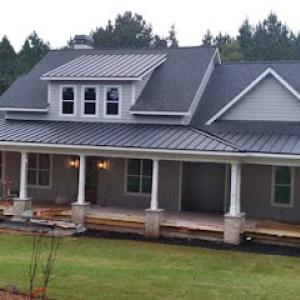
Stephens Roofing & Construction Roof replacements, roof repairs, shingle roofs, metal roofs, decks, fascia board, gutters, pressure washing and more... Call or text 6782274904 Dallas Stephens
LOCAL Roof Replacement
(678) 203-5496 www.localroofreplacement.com
2010 Nunnally Farm Rd, Monroe, Georgia
5.0 from 15 reviews
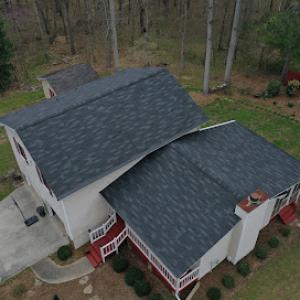
We are a family owned and operated full service roofing contractor based out of beautiful Monroe, GA. Our mission is to provide a top quality service at a great price. We service Monroe and the surrounding Metro Atlanta area. Do you have a roof leak or possible roof damage from a recent storm and need a professional roofer? We can help! Give us a call today to schedule your free roof inspection and consultation!

Q17 Roofing
739 Country Club Dr, Monroe, Georgia
4.7 from 39 reviews
"Q17 Roofing is a Roofing Company with highly experienced customer service oriented roofers serving a 25 mile radius around Monroe, Georgia. With over 2,000 roofing projects done in the area, Q17 roofing offers Free Estimates on any roofing issue. If it is roof repairs, gutter installs, or entire roof installations, our staff is equipped to handle whatever the task."
Parker Roofing Company
1059 Nicholsville Rd, Monroe, Georgia
4.9 from 7 reviews
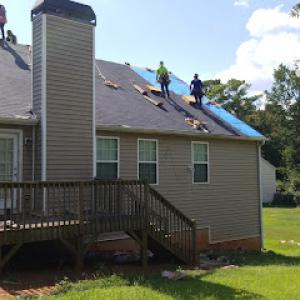
Parker Roofing Company is a licensed roofing contractor that specializes in residential and commercial roofing. Our main focus is to provide our customers with the best options when it comes the their roofing project. Every job is different and our goal is to give our customers the best options when it comes to products and installation. We over free roof inspections and encourage all home and business owners to get their roofs inspected annually especially after any significant weather event. Call us for a free quote today!
SoCo Roofing Services
(678) 425-9010 www.socoroofingservices.com
321 S CrossLane Rd, Monroe, Georgia
4.8 from 5 reviews
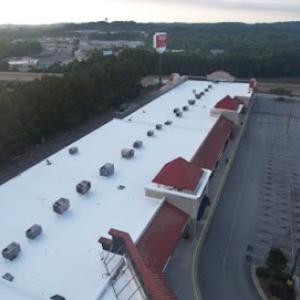
Commercial roofing contractors, The flat roof specialists, we install and repair PVC and TPO membrane roofing

Bryant Roofing & Repairs
(770) 267-8600 www.bryantroofing.com
1199 John W Breedlove Rd, Monroe, Georgia
5.0 from 4 reviews
Bryant Roofing and Repairs is a local roofer in Monroe GA, specializing in roof repair and replacement. In business for over 35 years. Owner-operated, owner on site for every job. We offer competitive prices and free estimates for roof replacement, roof leak repair, metal roofs, skylight repair and installation, custom chimney cap fabrication and installation, three tab shingles, architectural shingles, storm damage, additions, porch roofs, barn roofs, residential roofs, commercial roof repairs. Serving Gwinnett, Walton and surrounding areas since 1989. Service areas include Monroe, Loganville, Gratis, Bold Springs, Good Hope, Walnut Grove, Jersey, Social Circle, Between, Grayson, Snellville and more.
Spring and fall are the most practical reroof windows. In Monroe, those seasons bring milder temperatures and lower humidity than the hot, humid stretch of summer. That helps adhesives set evenly and shingles seat without the struggle of extreme heat. If a hail event or a storm has left your roof dented or damaged, schedule the tear-off and installation for a stretch in these shoulder seasons. The goal is to avoid days that push 90-plus degrees, when sealants can soften and crews work slower trying to keep materials from buckling. Start planning the project as soon as the weather forecast shows a stable week, so the team can finish before late fall or early spring storms.
Summer heat and humidity will slow the pace of installation and can stress shingle systems. In Monroe, afternoon heat spikes and sudden pop-up storms can interrupt work, push crews to rush, and affect adhesive performance on certain products. If a reroof is driven by storm or hail damage, target early-morning starts and try to lock in a window with consecutive dry days. Expect longer installation timelines and coordinate staging with a way to protect interior ceilings from sudden moisture if a leak gap appears during heavy afternoon heat. When you're evaluating product options, consider materials that tolerate heat and humidity well, and confirm with the contractor how they plan to manage ventilation and underlayment during a hot week.
Winter work is usually workable, but freezes and occasional ice events can complicate material handling and underlayment performance. In Monroe, freezing temperatures can slow nitty-gritty tasks like fastener seating and adhesive-curing, and icing can create slick conditions for crews on steep sections. If a reroof is unavoidable in winter, aim for clear, dry days and allow extra time for sequencing of tear-off, drying-in, and final installation. Have a contingency plan for temperature-sensitive moments, such as adhesive cure windows, and ensure crew safety with proper staging and traction during colder spells. Document any weather-related delays and communicate realistic milestones with your insurer and roofing team so inspection timing stays aligned with progress.
After a major storm or hail event, gather damage documentation promptly and share it with the roofing contractor. Use a clear sequence: first tear-off, then temporary protection, then roof installation, and finally the completed, inspected system. Favor periods with several consecutive dry days and avoid back-to-back storms that could delay the project or extend exposure of the home's interior. Coordinate staging inspections after tear-off and a final inspection once the new roof is complete, so the process flows smoothly and minimizes time with the home vulnerable to weather.
Asphalt shingles are a dominant choice in Monroe, and for good reason: they're familiar to local crews, widely available, and relatively quick to install after a storm. In this climate, the heat, humidity, and repeated thunderstorm cycles can accelerate granule loss, sealant fatigue, and wind-driven damage. In practice, that means you'll want to choose a shingle with a robust warranty and a wind-resistance rating that matches the local wind loads. Regular attic ventilation and proper attic-to-roof sealing become especially important here, because moisture and heat buildup can age shingle surfaces faster than in drier markets. For roof lines with complex rises or tall peaks, a triple-branch installation approach helps keep laps and tabs protected during severe weather windows.
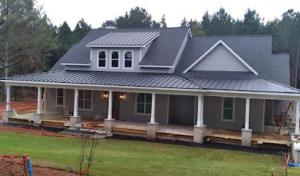
Metal roofing is increasingly common for Monroe homes, appealing to homeowners seeking storm resilience and lower ongoing maintenance in a humid climate. Metal panels shed rain quickly and resist hail better than many asphalt profiles when installed with proper edge detailing and field fasteners. In this area, a standing-seam system or corrugated panels with concealed fasteners can offer a cleaner look and reduced opportunities for wind uplift around flashing. The humidity can still influence thermal expansion, so proper panel spacing, sealant selection, and ridge venting matter. A well-sealed metal roof also reduces the chance of moisture intrusion under shingles or underlayment during hot, stormy afternoons when temperatures spike and then drop.
Tile, wood, and synthetic/composite options exist in Monroe, but their suitability depends heavily on structure, slope, and how they handle repeated storm exposure and summer moisture. Clay and concrete tiles bring excellent durability and a distinct aesthetic, yet they demand structural support and a slope that can safely handle the weight. In Monroe's heat and humidity, wood shingles or shakes face accelerated aging, with potential for warping or mold if ventilation and drainage aren't optimized. Synthetic or composite shingles can offer enhanced impact resistance and more consistent performance in storm-prone conditions, but still rely on a solid deck and accurate installation to prevent moisture infiltration and wind uplift along edges. If choosing any of these materials, verify that the roof deck can support the ricochet and impact loads typical of Monroe hail events, and that flashing details at hips, valleys, and penetrations are designed to handle rapid temperature swings and heavy rainfall.
Storm exposure in Monroe isn't just about one event; it's the pattern of hail nights and summer downpours that tests a roof. When hail or wind damage occurs, a documented visual record is invaluable for insurance review and for guiding a reroof timeline. Take date-stamped photos from multiple angles, capture close-ups of damaged granules, bent nails, and lifted shingles, and note the surrounding weather conditions. If a claim is filed, keep a log of dates, storm intensity, and any temporary measures you've taken to mitigate leaks. The material choice should align with the expected storm profile: a roof that resists hail impacts and wind uplift, with flashing and underlayment configured for rapid drying after storms, will perform more reliably under Monroe's thunderstorm cycle. Coordination with a local contractor who understands staged inspections after tear-off and the final installation helps ensure the roof returns to service quickly after a hail event or wind-driven damage, while minimizing the chance of missed steps during the reroof process.
The most popular roofing material in the US. Find pros who install, repair, and replace asphalt shingles.
Superior Roofing Company of Georgia
(770) 279-2621 www.superiorroofs.com
315 Nunnally Rdg Ct, Monroe, Georgia
5.0 from 323 reviews
Refuge Roofing
(678) 992-5444 www.roofrefuge.com
119 N Midland Ave, Monroe, Georgia
5.0 from 66 reviews
Stephens Roofing & Construction
791 Double Springs Rd, Monroe, Georgia
5.0 from 16 reviews
Typical Monroe pricing runs about $350 to $650 per square for asphalt shingles, $700 to $1100 for metal, $900 to $1800 for clay tile, $800 to $1600 for concrete tile, $600 to $1100 for wood shingles or shakes, and $500 to $900 for synthetic or composite shingles. Those ranges reflect the most common roof types found on homes around the Walton County pockets you drive through after a storm. When you're evaluating bids, a square (100 square feet) is the standard unit, and a full reroof often means more than one square of material and a staged work plan. If your roof carries unusual architectural features or older decking, expect the higher end to hold as a baseline for budgeting.
In Monroe, storm-driven demand spikes after hail and wind events can push scheduling out and raise reroof pricing pressure compared with calmer periods. When hail pings across Walton County, crews get booked fast, and contractors may need to stage material deliveries, set up temporary protection, and coordinate with you on phased tear-off and replacement. If your project lands in the peak storm window, you'll likely see longer wait times and tighter contingency pricing for expedited ordering. If the calendar allows, waiting for a lull after a major storm can still land you a fair price, but be mindful of potential escalation if local crews run tight on labor.
Costs in Monroe can also move based on tear-off complexity, inspection coordination, and whether work is scheduled in the preferred spring or fall reroof season. A clean tear-off with fully accessible attic space and straightforward decking tends to stay closer to the lower end of each material band. If rot, warped boards, or hidden damage show up once old shingles lift, expect incremental cost increases to address decking repairs, underlayment replacement, or additional ventilation work. Materials with higher upfront price tags (like clay or concrete tiles) can amplify the impact of a difficult tear-off, since removal and replacement require careful handling and extra labor.
Start with a precise roof area estimate in squares and match it to your material choice. If you're weighing asphalt against metal or tile, consider long-term value in terms of maintenance, climate resilience, and expected lifespan in hot, humid summers. For storm-related timing, secure a firm schedule window with the contractor and build a contingency allowance for possible weather-driven delays or staged inspections that often accompany the reroof process after tear-off. This approach helps keep your Monroe project predictable even when a post-storm rush hits the market.
Get a clear picture of your project costs upfront - no commitment required.
Horizon Roofing
(770) 746-7611 www.horizonroofs.com
1177 Macedonia Church Rd, Monroe, Georgia
4.7 from 139 reviews
Back Home Metal Roofing
(770) 207-6007 www.backhomega.com
547 US-78, Monroe, Georgia
5.0 from 18 reviews

In Monroe, a building permit is generally required for a full reroof. The permit process is managed through the local building department, so you will be coordinating with that office from the moment you commit to a reroof. The goal is to line up the paperwork, the contractor's license verification, and the projected schedule so the project can proceed without unexpected holds. If a contractor cannot confirm current licensing and bonding information as part of the submittal, pause and request a complete, verifiable package before moving ahead. That documentation isn't just paperwork-it's your protection if a later issue arises.
When you submit for a reroof permit, the building department will want to see specifics that tie the project to Monroe's zoning and structural realities. Expect to provide roof dimensions, proposed materials, and a clear tear-off plan. The contractor should attach current license details, workers' compensation coverage, and proof of liability insurance. If the submittal omits these items, a delay is likely. In a town where thunderstorms and hail are common, the department will also verify that the plan accounts for proper drainage and venting, so don't skip details about attic ventilation and roof pitch. Being thorough at the outset helps prevent delay caused by back-and-forth requests.
Reroof inspections in Monroe are typically scheduled after tear-off and again after final roof installation. This means contractor coordination with the inspector matters more than elsewhere, because any misalignment can stall access, extensions, or final approvals. Plan for a two-visit rhythm: one to confirm that the tear-off has been completed to code and another to verify the finished installation, flashing, and drainage. If the contractor's crew is delayed or if materials arrive late, you could face holdbacks that ripple through the permit timeline. Communicate clearly with your contractor about inspection dates, and keep a dedicated contact available for the inspector's questions.
Before signing, confirm the local building department's current permit requirements and the exact documents the contractor will provide. Mark on your calendar the anticipated inspection windows and request advance notice if weather or material delays threaten the schedule. As a homeowner, you are the nexus point for permit compliance, contractor coordination, and inspection readiness-so keep all paperwork organized and accessible, and flag any licensing or insurance gaps early to avoid costly delays.
In this Georgia environment, severe-weather roof claims are a near-constant risk, with thunderstorm and hail events frequent enough to reshape typical inspection timelines. Coverage terms and deductibles can vary significantly by carrier and location, so don't assume that yesterday's claim rules apply to today's storm. The practical consequence is that a roof that looks serviceable after a hailstorm may still be flagged for review or reclassification later, and that could influence the reroof decision window.
Homeowners should build a clear, ready record of the storm events and their effects. Track storm dates, exterior elevations where hail impacts are visible, any interior leaks, and close-up roof damage such as bruising, granule loss, or fasteners showing wear. Carriers commonly ask for detailed evidence before approving work, and having organized photos, dates, and notes can shorten the back-and-forth. When the sun comes back after a storm, take fresh images from multiple angles and keep them with a simple timeline of symptoms inside the home, like water staining on ceilings, that aligns with the roof surface evidence.
Insurance timing can shape reroof decisions, especially when a roof remains functional but carries hail or wind damage that may still qualify for claim review. If the damage is on the edge of repair versus replacement, the carrier's responsiveness and the current policy year's stance can tip the balance. In practice, anticipate staged inspections after tear-off and final installation, since those steps often align with how claims are processed and approved in this market. Being proactive with documentation helps you avoid gaps that can push a project into a future cycle.
After a thunderstorm, roof calls often focus on wind-lifted shingles, active leaks, and sudden damage that must be dried in before a full replacement can be scheduled. If shingles are peeled up or torn, wind can push water into the attic within minutes. A quick tarping or temporary seal can keep weather out, but it buys only limited time. In practice, you should arrange a rapid assessment and document every damaged area with photos before any tarp or temporary fix is removed.
Humidity-driven wear in this climate makes small flashing and penetration issues worsen fast once storms push rain into vulnerable spots. Valleys, vent flashing, and chimney flashings are common failure points when granules loosen and seals sag. Even a modest drip can expand into ceiling staining if not addressed promptly. The most effective response is a targeted repair to flashing and a careful reseal of penetrations to prevent water tracking along joints.
Emergency response matters because repeated rain events can turn a manageable roof problem into interior damage before the insurance process is complete. If you notice new active leaks or damp spots spreading from the attic, treat it as urgent. Isolate affected rooms, place containment to catch drips, and call a restoration firm alongside your roofing contractor to coordinate drying and mold prevention.
Document evidence of hail impact or wind damage with photos from multiple angles. Mark any attic condensation or staining trends daily. Schedule a temporary dry-in, not a permanent fix, and prioritize scheduling the full replacement once the storm sequence calms and crews can work with proper staging.
When you can't wait, these contractors offer fast response times to stop leaks and prevent further damage.
Evolution Roofing Solutions
(770) 299-2505 evolutionroofingsolutions.com
113 S Hammond Dr, Monroe, Georgia
4.9 from 45 reviews
Stephens Roofing & Construction
791 Double Springs Rd, Monroe, Georgia
5.0 from 16 reviews

Monroe homeowners see storm-driven reroofs flood the market, so a contractor's speed and cleanup discipline matter immediately after a hail event. Look for a crew that can stage a rapid on-site assessment, deliver a clear debris and tarp plan for the first 24 hours, and commit to thorough, daily cleanup during tear-off and installation. In chaotic weather, the difference between a messy job site and a finished roof with minimal lingering debris is concrete evidence of reliability.
Because permit and inspection coordination is part of a Monroe full reroof, verify that the contractor handles local scheduling rather than leaving it to you. A reputable team will coordinate with the county or city inspectors, set staged inspections after tear-off, and track the final inspection before declaring completion. This reduces delays, avoids miscommunications, and keeps the project on track through sweltering summer days when timing matters.
The Monroe market includes affordable operators, established firms, and family-owned companies. After storms, proof of licensing, insurance, and a clearly defined scope is essential. Request current certificates of liability and workers' compensation, and ask for a written scope that details tear-off methods, who controls the disposal, and exact material specifications. Favor contractors who provide a transparent warranty course and a point-of-contact who can be reached during severe-weather periods.
Because storm damage often involves insurance-driven decisions, expect thorough documentation: pre- and post-storm photos, a detailed written scope, and a line-by-line notice of any material or method changes. The right Monroe roofer will guide you through this documentation, help you file promptly, and maintain open channels for updates as the project progresses from tear-off through final installation.