Last updated: Apr 19, 2026
When spring rains roll through and early summer storms kick up, a homeowner's roof is tested in real time. In this area, heavy downpours and high winds are not rare nuisances - they're expectations that can derail schedules and stretch temporary repairs into days rather than hours. The storm season doesn't wait for a calendar: roofs can flood, shingles can lift, and flashing can separate in a heartbeat. The pattern is predictable enough to plan around: storms arrive, damage is found, repairs get prioritized, and the pace can surge in a single afternoon or stretch over a brutal weekend. Stay ahead by assuming that every major rain event has the potential to reveal or worsen hidden vulnerabilities.
Even though the city isn't on the coast, inland hurricanes still push wind-driven rain far enough to cause real trouble. Fronts can unload brief, intense bursts that strip granules, loosen edges, or push water under eaves where gutters and valleys meet. In practice, that means after every strong storm, you should treat your roof as a patient coming out of emergency care: inspect, document, and decide quickly on the next steps. Waiting until a leak becomes obvious can turn a minor fix into a larger repair, and the window for efficient repair response can narrow once storm surge demand spikes in the area.
Contractor conversations here consistently highlight three recurring needs after storms: identifying new damage, guiding clients through insurance timing, and deploying emergency repairs to stabilize water intrusion. That signals the market's focus: storm response is not an afterthought, it's a core service. If a roof shows shingles torn, flashing torn, or rising signs of water entry after a storm, expect that emergency assessments and rapid repair work will be a priority for nearby crews. Because storm work often runs on tight timelines, arrange a prompt inspection after any significant rain or wind event. Quick eyes on roof, quick triage, quick communication with the insurer can keep a small problem from becoming a costly disaster.
Document damage as soon as it's safe: photos from multiple angles, close-ups of lifted shingles, flashing, and any interior signs of water intrusion. Call a local contractor who specializes in storm response to schedule an urgent roof assessment within 24 to 48 hours after a major storm. If you notice active leaks, arrange temporary containment: tarps or roof tarp systems can buy critical time, but ensure a professional installs them so they don't end up creating more damage later. Prepare to share storm dates and any meteorologist notes with your adjuster, since timing and sequence often affect claim handling. Keep a simple log of when damage was observed, when repairs were proposed, and when crew arrivals are scheduled, because in busy storm weeks, the sequence matters as much as the severity.
In Anderson, insurers commonly review roof age, prior claims, and current-condition photos when underwriting or renewing policies for homes. That means a roof that's already shown its age or has a history of leaks can influence how terms are written or whether coverage is renewed at all. The humid Upstate climate accelerates wear, especially on shingle roofs that bear the brunt of spring storms and summer heat. When a claim comes due after a severe storm, expect the carrier to scrutinize the roof's service life and prior damage notes, not just the event that triggered the request for help. Being proactive about how the roof has performed over time can make a meaningful difference when terms are negotiated.
Adjusters in this area often request wind-mitigation and ventilation documentation to verify a roof's resilience and ventilation health. This makes photo records and contractor documentation particularly valuable after any storm event. Photos taken before, during, and after a storm help illustrate how the roof stood up to gusts and downpours, while records from a licensed contractor can confirm the age of the roof and any upgrades already in place. If a storm hits and a claim follows, having a ready stack of recent photos and an up-to-date inspection from a trusted roofer reduces delay and dispute, especially when the weathered shingles or partially damaged sections are clearly visible.
An older roof with prior claim history can trigger tighter underwriting scrutiny or a more conservative settlement approach. Carriers may limit coverage or raise premiums on roofs that show extended wear or recurring leaks, even if a current storm caused the most recent damage. For a homeowner, this reality underscores the value of documenting how the roof performed over time and of obtaining professional assessments that distinguish new storm-related damage from pre-existing wear. The goal is to present a clear, cohesive narrative of the roof's condition at the moment of loss, supported by objective records rather than memory or anecdote.
Begin gathering documentation as soon as weather safety allows after a storm. Take comprehensive exterior and interior photos, focusing on known vulnerable areas such as near dormers, valleys, and skylights. Capture close-ups of shingles, flashing, and fasteners, as well as attic venting and insulation conditions. Keep copies of any maintenance records, previous inspection reports, and evidence of prior repairs. When contacting a contractor for an assessment, request a written scope of work and dated, labeled photos that clearly show the roof's condition before and after the event. These items tend to smooth the path to a fair evaluation, reducing the risk of delays or disputes during the claim process.
If the roof shows signs of significant wear before a storm, consider arranging a professional evaluation ahead of the next adverse weather window. Treating wear and ventilation deficiencies proactively not only helps with daily comfort and energy efficiency but also strengthens the documentation portfolio for insurance purposes. In this climate, where heat and humidity feed mold and wood-decay risks, a well-documented, properly ventilated roof system stands up better under scrutiny-and under wind-driven rain-when a claim arises.
Connect with contractors who help homeowners navigate the claims process from damage assessment to final approval.
Anderson Metal Roofing & Shingles
(864) 287-2378 andersonmetalroofing.com
1924 Pearman Dairy Rd Suite G, Anderson, South Carolina
5.0 from 371 reviews
Southern Hue Services
(864) 991-2218 southernhueservice.wixsite.com
106 Concord Cir, Anderson, South Carolina
5.0 from 96 reviews
Roberts Roofing
(864) 642-7861 robertsroofingsc.com
416 McGee Rd, Anderson, South Carolina
5.0 from 60 reviews
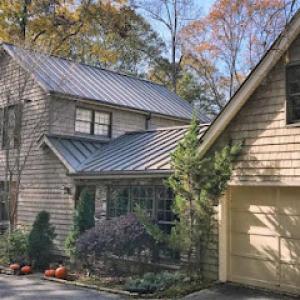
Anderson Metal Roofing & Shingles
(864) 287-2378 andersonmetalroofing.com
1924 Pearman Dairy Rd Suite G, Anderson, South Carolina
5.0 from 371 reviews
Since 1999, Anderson Metal Roofing & Shingles has been the trusted choice for homeowners and businesses in the Anderson, SC area seeking expert roofing services. Our team of experienced professionals provides comprehensive solutions for residential and commercial roofing needs, including metal, shingles, flat, and solar installations. We are committed to delivering high-quality workmanship, exceptional customer service, and a long-lasting roof that protects your investment.
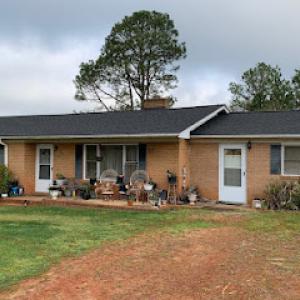
Fortified Roofing
(864) 202-0190 fortifiedroofingsc.com
1201 N Fant St, Anderson, South Carolina
5.0 from 109 reviews
With decades of experience since 1998, Fortified Roofing stands as a premier roofing contractor, dedicated to serving South Carolina and the wider Southeast region. Specializing in both residential and commercial roofing, our expertise ranges from durable Duro-Last membranes and advanced silicone roof coatings to stunning and precise shingle installations. We pride ourselves on delivering superior craftsmanship and reliable solutions for new roofs, installations, and repairs. Fortified Roofing ensures every project is completed to the highest standard, providing peace of mind and lasting protection.
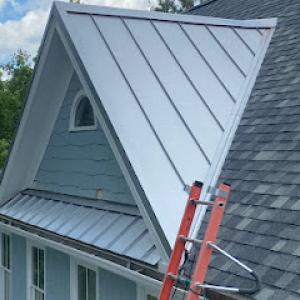
Southern Hue Services
(864) 991-2218 southernhueservice.wixsite.com
106 Concord Cir, Anderson, South Carolina
5.0 from 96 reviews
Hire the professional handyman at Southern Hue Services, and put your mind at ease. All services are efficient and cost effective. You’ll be greeted by a friendly face who’ll provide the highest level of service for a job. Go ahead and check out the full list. Need something different? No problem. Get in touch and let me know what it is. Services provided: roofing, plumbing, painting, sheetrock repairs, minor electrical, lawn maintenance, lighting fixture installation.
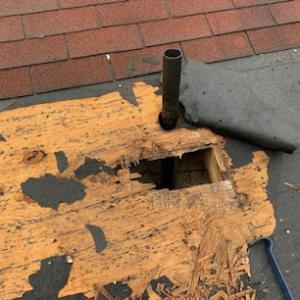
Roberts Roofing
(864) 642-7861 robertsroofingsc.com
416 McGee Rd, Anderson, South Carolina
5.0 from 60 reviews
Locally owned, licensed, and insured, Roberts Roofing is the trusted choice for homeowners in Anderson, SC looking to install metal or shingle roofing. We understand how challenging it can be to find the right roofing contractor, which is why we strive to stand out with exceptional service and workmanship. Your roof plays a crucial role in protecting your home and your family, and our team is committed to ensuring it remains strong and reliable for years to come. Contact Roberts Roofing today to schedule your roofing services—we’re here to serve you with professionalism and care.
Adams & Coe — Roofing, Remodeling, Restoration
(864) 260-0080 adamscoeroofing.com
118 B Charley Dr, Anderson, South Carolina
5.0 from 49 reviews
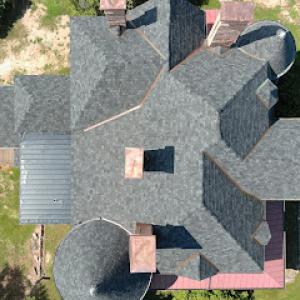
You're always covered with Adams & Coe! Free inspections - Licensed - Bonded - Insured. Adams & Coe is an Anderson roofing, remodeling, and restoration contractor — also serving Greenville, Spartanburg, and other parts of Upstate South Carolina. We provide residential and commercial roofing services, remodeling services, and restoration services associated with insurance claims. Whether it’s an industrial roof in Greenville, SC, or a small residential remodel in Anderson, SC, we make sure every project is held to the highest standard. We make sure every job we touch is done right, so you can be sure we’ll get the job done to the best of our ability!
Total Home Exteriors
(864) 224-9190 www.totalhomeexteriors.com
104 Peninsula Dr, Anderson, South Carolina
4.9 from 89 reviews
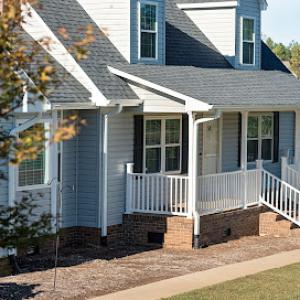
Total Home Exteriors provides roofing replacements, gutter installation, and deck construction to Anderson County, SC, and surrounding areas.
Turn Key Roofing & Home Improvements
(864) 241-8133 turnkeyroofing.net
432 Sayre St, Anderson, South Carolina
4.8 from 248 reviews
Turn Key Roofing began as a roofing-only firm and has expanded into full Residential and Commercial Construction services. We offer new roof installations, restoration, maintenance, re-roofs, and repairs, as well as skylight, fascia, soffit, and gutter installations. Our qualified local staff is dedicated to quality craftsmanship, innovative maintenance programs, extended warranties, and excellent customer service. We are GAF Master Elite and CertainTeed SELECT ShingleMaster™ certified.
Southern Shingles
(864) 760-2700 www.southernshinglesroofing.com
Anderson, SC
5.0 from 23 reviews
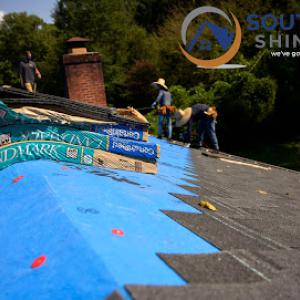
Southern Shingles is a full service roofing company based out of Upstate, SC. We have over 25 years of experience. We specialize in residential & commercial roofing, roof repair and maintenance, roof replacement, and new construction roofs. Providing customers with quality craftsmanship, the latest roofing technology, and outstanding customer service. Call Southern Shingles for a free quote today. We’ve got you covered!
Wilber's Roofing
104 Baum Ln, Anderson, South Carolina
5.0 from 2 reviews
Wilber's Roofing is a professional roofing company specializing in providing high-quality roofing services for residential and commercial properties. With a focus on craftsmanship, reliability, and customer satisfaction, Wilber's Roofing is dedicated to ensuring the durability and integrity of your roof.
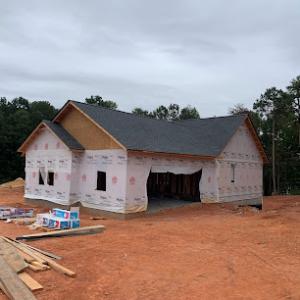
Harris Roofing
200 Camson Rd, Anderson, South Carolina
5.0 from 1 review
Home town roofing company with over twenty years Roofing throughout the upstate. Licensed and insured. No sub contractors. We have a crew of hard working employees that are like family. Specializing in Residential shingles and metal roofing as well as maintenance and repairs. We do warranty our work. Free estimates. Let us take care of the leaky roof headache! Call today!
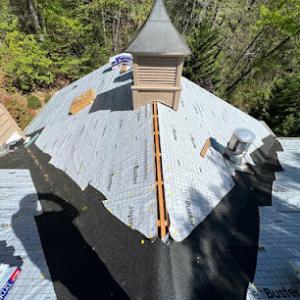
United Contracting & Roofing - Anderson South Carolina
(864) 743-1900 roofingunited.com
Serving
5.0 from 44 reviews
United Roofing is Anderson, SC’s trusted roofing contractor, proudly serving Anderson, Oconee, Pickens, and Abbeville counties. We provide expert commercial and residential roofing, specializing in TPO, and metal roofing for businesses, as well as shingle and metal roofs for homes. From installations to storm damage repairs, our licensed team ensures top-quality craftsmanship, durable materials, and transparent communication. Customer satisfaction is our priority, delivering reliable, long-lasting roofing solutions across Upstate South Carolina. Contact us today for a free inspection!
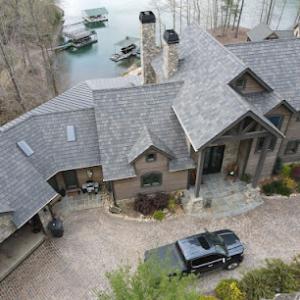
Certified Professional Roofing
(864) 481-9332 roofingupstatesc.com
Serving
4.7 from 210 reviews
Certified Professional Roofing is a trusted, certified roofing contractor based in Pendleton, SC. We specialize in quality roof repairs, tune-ups, and full roofing services for residential and commercial properties. In addition, we offer seamless gutter repair and installation, gutter covers and protection, insurance claims assistance, and emergency roofing services. With a focus on integrity and craftsmanship, we’re here to protect your home from the top down.
Spring brings milder humidity and more predictable dry spells, which helps crews lay down underlayment and start shingle or panel work before the peak heat hits. In practice, you'll notice faster progress when storms break long enough for a steady pace, and the risk of heat-related delays is lower than mid-summer. If a storm system moves through late spring, scheduling flexibility becomes key-you want a window of three to five consecutive dry days to grip and seal materials properly. For many homes, spring replacement minimizes disruption to attic ventilation and interior spaces since interior temps stay more comfortable, reducing the contractor's need for day-long cooling breaks.
Fall is the other reliably favorable season for replacements. The air is cooler and drier, and you're typically outside the heavy storm season while still avoiding the extreme cold that slows polar-jet-assisted projects later in the year. A fall project benefits from lower humidity, which helps with adhesive performance and faster curing of sealants on roof penetrations. The cooler conditions also extend the life of coworker safety routines-less heat stress means fewer stoppages for breaks and hydration. Plan for a finish before the first hard frost to avoid traction issues with underlayment and to ensure warranty terms on some products remain in effect without weather-induced delays.
Hot, humid summers push installation into tighter windows where crews must chase short dry spells. That reality can compress planning on housing with complex penetrations or mixed roof lines. If a storm-rich stretch occurs in late spring or early summer, expect sensible fluctuations in daily progress. Crews may stagger startup times, focusing on non-penetration tasks first (like roof decking inspection and underlayment checks) to keep throughput steady when rain interrupts work. In practice, locking in a back-up plan for a potential rain day helps prevent a chain reaction of delays when the area experiences back-to-back storms.
Certain materials respond differently to heat and humidity. Asphalt shingles and synthetic/polymer options tend to hold up well in spring and fall conditions, while metal roofs can tolerate heat better but may require more attention to fastener thermal expansion in hotter months. If air conditioning needs to stay unobtrusive inside the house, coordinating with crews for early-morning starts in hotter months reduces the chance of heat build-up near attic access points. For clay or concrete tiles, avoid peak heat windows during the hottest part of the day to prevent warping or handling challenges; plan tiling or panel placement for mornings or late afternoons in any season.
Storm-driven damage requires a practical mind-set: expect some scheduling friction when storm activity spikes, especially if the project sits on a property that falls within a higher-demand period. Communicate with the contractor about preferred start dates, and build in a one- to two-week cushion for weather-induced delays. If a project is pushed toward the shoulder seasons, it becomes easier to secure a solid sequence of dry days and keep inspections and material deliveries on track, reducing the chance of weather-related bottlenecks.
Asphalt shingles and metal roofing are the dominant practical choices in this area. Asphalt shingles offer straightforward installation and easy repair, which helps when spring storms blast through and you need quick fixes before the next round. Metal roofing provides robust hail resistance and a long service life when fasteners and underlayment are properly installed to stand up to heavy humidity. In practice, most homeowners in this region lean toward asphalt for cost and ease, while metal is chosen for higher wind or moisture-prone sections of a home. Tile and wood products appear less common and more selective in use, often driven by architectural detail or unique climate considerations, but they require careful ventilation and drainage planning to perform well in this environment.
The hot, humid summers and frequent rain in this area can shorten the service life of moisture-sensitive roof components if the system isn't well-ventilated. That means paying extra attention to attic airflow, soffit and ridge ventilation, and the balance between intake and exhaust. When the attic breathes properly, you reduce heat buildup that can break down underlayment and decking earlier than expected. In addition, metal roofs should be installed with appropriate sealants and flashing that tolerate thermal expansion, since humidity swings and storm-driven wind can stress joints. Because of the climate, choosing a roofing system with a solid ventilation plan and good moisture management helps prevent common issues like condensation under the roof deck and accelerated wear on seals and fasteners.
Humidity and recurring wet periods can promote mildew growth on exposed roofing components if leaks are left unresolved in this climate. Regular inspections after the heaviest rain events are wise, focusing on flashing around chimneys, vents, and dormers, as well as the condition of ridge caps. Keep gutters clear so water doesn't back up against fascia or soffits, where damp conditions can linger and invite mildew on wood components or underlayment. If a leak develops, address it promptly, because lingering moisture feeds fungal growth that can creep into soffits and attic spaces. With either asphalt or metal, a proactive maintenance plan that emphasizes rapid leak detection and reliable flashing will help maintain performance through Anderson's humid, stormy seasons.
After a heavy wind and rain event, scheduling can tighten quickly. In practice, that means material delivery windows and crew availability may shift by a few days to a week. Homeowners should plan for potential price variability in the days immediately following storms, especially if a large portion of the neighborhood is seeking replacements at once. When a project starts during a high-demand window, the timeline is more about securing a trusted crew and the right weather slot than chasing the lowest initial quote. Short-notice weather gaps can also push project phases, such as tear-off, into adjacent weeks, so set expectations for a slightly more compressed, high-activity timeline rather than a leisurely, multi-month process.
For most re-roofs in this climate, asphalt shingles remain the most common starting point, with costs typically ranging from 350 to 650 USD per square installed. If metal roofing is on the table, expect 550 to 1,100 USD per square, reflecting both weight considerations and longer-term durability under humid Upstate conditions. Clay or concrete tiles push costs higher, often landing between 900 and 1,700 USD per square for materials and installation, while wood shingles or shakes sit around 450 to 900 USD per square. Synthetic or composite shingles provide a middle ground, generally 420 to 750 USD per square. When comparing options, consider not only initial price but how each option handles heat, humidity, and storm durability. In a market where affordability drives decisions, homeowners frequently weigh material upgrades against insurance outcomes and expected lifespan rather than aesthetics alone.
Storms don't just impact scheduling-they influence how insurance timelines interact with project start dates. In practice, a quick claim decision can unlock priority scheduling, but payment timing often lags behind the first push to start. Budget planning should account for potential interim costs if a claim is approved mid-project. In this local market, the emphasis tends toward choosing durable materials that minimize long-term maintenance and replacement frequency. If the goal is balance, a mid-range option-neither the cheapest nor the most premium-tends to offer favorable insurance alignment and a sensible lifespan given the climate and typical home stock. Always align anticipated improvements with the most reliable underwriter guidance and expected life cycles.
Begin with a realistic price band for the chosen system, then factor in weather windows and typical storm-ready installation rates. Build in a contingency to cover potential labor shifts after storms. If trying to stretch a budget, identify one upgrade that delivers the most value-think increased durability or longer warranty-while keeping the overall scope feasible within insurance-derived timelines. In the end, the goal is a roof that stands up to hot humidity, spring-to-summer storms, and the weather-driven rhythms of this community.
Get a clear picture of your project costs upfront - no commitment required.
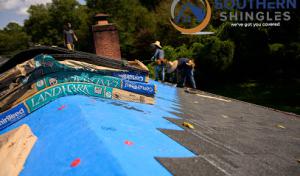
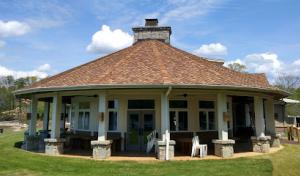
In this market, a full re-roof typically requires a permit that is handled through the City of Anderson Building Department or Anderson County, depending on where the property sits. The distinction matters because the exact paperwork, fee structure, and point of contact can shift based on parcel boundaries and zoning. Before the first shingle can be removed, confirm the correct building authority for your address, then submit the plan, including roofing material type, underlayment details, and any required structural notes. This local nuance helps prevent a delay caused by misrouted applications or missing documentation.
The local process generally includes a rough-in inspection during the project and a final inspection to close out the permit. The rough-in is your milestone for weatherproofing checks and roof deck integrity, ensuring sheathing, nailing patterns, and ventilation meet code. The final inspection confirms everything is installed to spec and that any city or county requirements, such as attic ventilation or fire-rated details, are properly addressed. Having a clear inspection checklist in hand from the start reduces back-and-forth and keeps the project moving. If a change in materials or underlayment is needed mid-project, update the permit paperwork promptly to avoid a hold at inspection time.
Processing times can vary in Anderson, and peak roofing season may cause short delays before permits or inspections are completed. Plan for a window that accommodates permit review, schedule coordination with the contractor, and potential weather-related interruptions common in this climate. Early coordination with the Building Department or County Office helps line up the rough-in date, the final inspection, and any required updates to drainage, flashing, or ridge vent requirements. When storms intensify and crews compress schedules, you'll benefit from having contingency dates in mind and keeping all stakeholders informed about the inspection timeline.
Coordinate with your contractor to prepare for the initial site visit, ensuring the exact address, parcel details, and contact information are correct in the permit package. Have copies of the permit and approved plans on site during work days so inspectors can review without delays. If a temporary shelter or tarp is needed during the rough-in, arrange it promptly to protect interior spaces and maintain an uninterrupted inspection sequence. Remember that local inspectors appreciate clear access to the eaves, attic areas, and components like vents and chimney flashing to verify compatibility with the chosen roofing system.
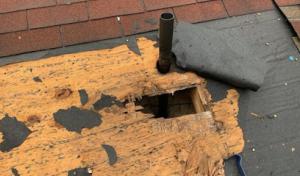
In this humid climate, small storm-created openings in the roof can let rain drip into hidden pockets behind soffits or under flashing. If those leaks aren't repaired promptly, repeated rain cycles push moisture deeper, and interior ceilings or walls can begin to show staining or a musty odor. The best defense is timely assessment and targeted drying to stop small problems from becoming ceiling replacements.
When leaks sit for even a short stretch, warm air and high humidity accelerate mildew growth on rafters, sheathing edges, and insulation near the leak. Mildew isn't just an ugly stain; it can compromise wood and create odors that linger inside living spaces. Drying must begin as soon as water is detected, with dehumidification and airflow prioritized to the affected area to slow spread before interior surfaces are damaged.
After a weather event, tarping and fast leak control are common and highly valued here. Contractors frequently position temporary covers to limit further water intrusion while a more permanent repair plan is prepared. This emphasis on rapid response reflects how often homeowners face sudden leaks in the wake of storms, and how crucial it is to stabilize the roof so indoor moisture doesn't escalate.
If a leak is spotted, act quickly to minimize interior moisture exposure. Prioritize drying the affected area, arrange temporary protection if rainfall is imminent, and schedule a professional evaluation to seal the opening and replace compromised materials. Delays breed more extensive damage, and slower drying increases the chance of mildew spreading to framing or interior finishes.
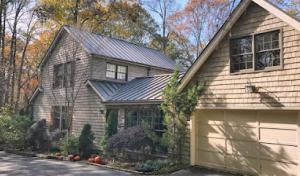
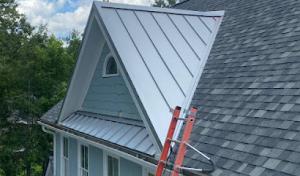
In Anderson, metal roofing has a meaningful presence in the contractor market, matching the humid Upstate climate and the storm-driven maintenance cycle. If you see a metal roof in your neighborhood, expect faster install and solid resistance to wind and heavy rain. When you're evaluating bids, verify panel gauge, coating warranty, and fastener quality, since penetrations and edge details often drive long-term performance.
Flat-roof work exists here but is a smaller specialty compared to steep-slope houses. Flat roofs and low-slope sections commonly appear in older ranches or sunroom additions, sometimes with skylights or transitions to living spaces. When contacting contractors, confirm they routinely handle appropriate drainage details, flashing at parapets, and edge termination to prevent leakage in spring storms.
Tile and other specialty surfaces
Tile work-whether clay, concrete, or synthetic-shows up as a niche but active segment. In our market, tile requires careful substrate checks and proper underlayment for moisture control in humid periods. Tile roofs demand installers with experience managing penetrations (vents, skylights) and evaluating potential weight concerns on existing structures.
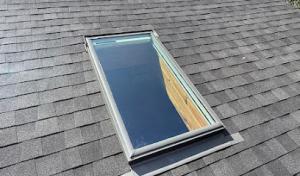
Skylights and roof coatings are smaller but active specialties. If you're upgrading or resealing, look for installers who handle flashing around skylights and UV-resistant coatings with proven elasticity. Solar work, while present, is less common than re-roof projects; prioritize contractors who can coordinate mounting, electrical integration, and warranties across weather cycles.
Because the market leans heavily on residential storm and re-roof work, homeowners with low-slope sections or roof penetrations often need to verify that a contractor actually handles those systems. Ask for project photos or case studies of similar roof types, and confirm the crew's experience with your exact configuration before signing.
Find specialists in TPO, EPDM, and built-up flat roofing systems for residential and commercial properties.
Anderson Metal Roofing & Shingles
(864) 287-2378 andersonmetalroofing.com
1924 Pearman Dairy Rd Suite G, Anderson, South Carolina
5.0 from 371 reviews
United Contracting & Roofing - Anderson South Carolina
(864) 743-1900 roofingunited.com
Serving
5.0 from 44 reviews