
Last updated: Apr 19, 2026
Spring and early summer thunderstorms roll through this area with hail and high winds, often leaving shingles torn back or loose granules scattered across lawns. In homes with older in-town roofs or newer suburban lines, those punctures can hide under debris until a tough rain hits, then you notice leaks that bite into ceilings and walls. The first 24 hours after a storm are critical: get a careful, surface-level assessment from a safe vantage point, note any flashing or step-and-reach points that look compromised, and document what you see before you touch anything. Speed matters because wind-driven damage can worsen quickly with subsequent storms.
Georgia insurers commonly expect photo documentation of current roof condition and any prior damage history, which matters after repeated wind and hail events. Take clear, timestamped photos from multiple angles, both of intact sections and damaged areas. Include interior photos of any signs of leakage such as stains on ceilings, damp insulation, or mold behind attic access doors. Keep a simple log describing when each photo was taken, the date of the storm, and the observed conditions. If you've filed a prior claim, pull that file so you can reference existing damage history during the adjuster's visit. Consistency and thoroughness now can prevent delays later.
If you detect active leaking, protect belongings and your living space without climbing onto a wet roof. Place tarps or heavy-duty plastic over obvious penetrations, seal newly formed gaps with temporary, waterproof tape, and move furniture away from affected areas. Check attic insulation for dampness and note any musty odors that signal hidden leakage. Do not attempt to reattach loose shingles yourself unless you have proper safety equipment and experience; missteps can cause further shingle loss or personal injury. In Athens, the rapid shift of spring humidity and storm intensity means what looks minor can become a bigger problem after a few hours of rain.
Fall tropical storm remnants can reach northeast Georgia with heavy rain and wind, creating a second seasonal surge in roof damage and scheduling delays. When a roof is compromised, expect that crews may have to prioritize safety and weather windows, which can push timelines. Communicate promptly with your insurer's adjuster and with potential roofing contractors about access, vehicle parking, and material lead times. If a storm has caused widespread damage in your neighborhood, prepare for a staggered repair plan that addresses the worst leaks first while coordinating a full roof replacement or major repair in a sensible sequence.
After the initial response, arrange a thorough roof inspection to confirm all compromised sections, flashing, and seals. In Athens, repeated wind and hail events can leave multiple hit points that are easy to miss from ground level. Ensure your chosen contractor conducts a full perimeter check for shingles that are cupping, curling, or cracked, and evaluates underlayment integrity. Document findings with a follow-up set of photos and a written scope of work to support your claim. Clear communication with the insurer and the contractor will help secure timely approvals and a smoother repair or replacement process.
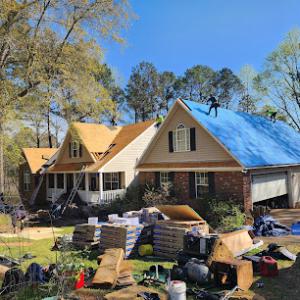
Black Dog Roofing
(706) 342-6285 www.blackdogroofingandgutters.com
2205 W Broad St, Athens, Georgia
5.0 from 263 reviews
Black Dog Roofing is a top-rated gutter and roofing company in Athens, GA. Our team of highly skilled professionals provides expert roofing installation, repair, and replacement, as well as gutter installation and repair services. We use the highest-quality materials and state-of-the-art techniques to ensure precision and expertise in every project. Contact us today to schedule your free estimate and experience our exceptional customer service.
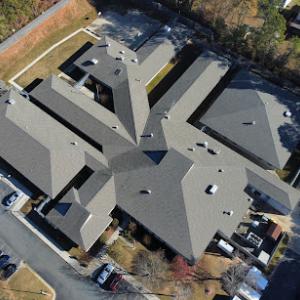
Mission Construction
(706) 647-7466 www.missionconstructionco.com
340 Commerce Blvd Suite 201, Athens, Georgia
5.0 from 82 reviews
Established in Athens, Georgia in October 2021, Mission Construction specializes in residential and commercial roofing services including repair, replacement, installation, and preventative roof maintenance programs. Their construction expertise extends to exterior repairs and concrete repairs. Mission Construction is committed to customer satisfaction and prioritizes honesty, integrity, and fairness in all their projects. They support local missionaries and mission-minded organizations by donating a portion of their profits.
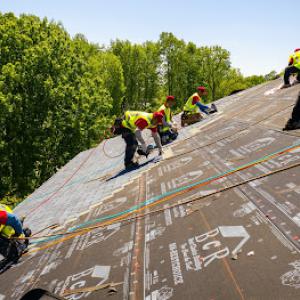
Best Choice Roofing
(762) 216-5417 bestchoiceroofing.com
1060 Gaines School Rd Suite C-2, Athens, Georgia
4.9 from 73 reviews
Best Choice Roofing is your trusted roofing expert and the Best Choice when it comes to choosing an Athens, GA roofing company with a commitment to impeccable customer service and expert roof replacement, roof repairs, and custom roofing services. Since 2009, Best Choice Roofing’s industry-leading contributions to the roofing industry include a customer-first mentality, a dedication to top-quality products and a leadership team focused on the growth of its people. Because of this framework, we have created a loyal base of customers all over the United States.
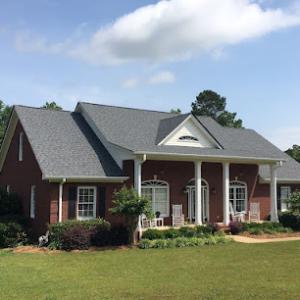
MLW All Phase Construction & Roofing
(706) 353-7151 www.mlwallphase.com
1991 Jimmy Daniel Rd, Athens, Georgia
4.9 from 91 reviews
Trust an experienced team of contractors to tackle any roofing job your home needs. From storm damage recovery, full roof replacement due to age, simple repairs or maintenance the professionals at MLW All Phase Construction & Roofing We can install and maintain a broad array of products for Residential and Commercial applications including: - Traditional Asphalt Shingles - Metal Roofing - Flat Roofs with a TPO Membrane If you're looking for repairs involving an insurance claim, you have come to the right place. We handle the entire process with your insurance company and treat your home like it was our own while managing your claim and completing your project.
Concept Roofing & Gutters
(706) 612-4386 www.conceptroofingllc.com
190 Epps Bridge Ln, Athens, Georgia
5.0 from 33 reviews
Concept Roofing & Gutters is a trusted roofing contractor serving Athens, GA and surrounding areas. We specialize in roof repair, roof replacement, and gutter installation for residential and commercial properties. Our team is known for quality craftsmanship, honest inspections, and reliable service. Whether you need storm damage repairs or a full roof replacement in Athens, GA, we’re here to help. Contact us today for a free estimate.
Athens Roofing
(706) 338-0472 athensroofing.com
2161 W Broad St, Athens, Georgia
4.8 from 76 reviews
Since 1996, Athens Roofing has been providing dependable residential and commercial roofing services to homeowners and businesses in the Athens and Northeast Georgia area. As one of the region's leading roofing companies, Athens Roofing has built a solid reputation by focusing on complete customer satisfaction. Today, Athens Roofing works throughout the region to service a wide variety of roofing needs.
Blue Dollar
(706) 202-6555 www.bluedollarroofing.com
Athens, Georgia
5.0 from 15 reviews
Established in 2008, Blue Dollar, LLC offers exceptional roofing and remodeling services backed by a foundation of over two decades in the construction industry. Specializing in a variety of roofing solutions, including shingle, metal, and TPO roofs, our expertise is built on a commitment to quality and craftsmanship. We provide thorough inspections and expert guidance to ensure your home or business is well-protected. Trust Blue Dollar, LLC to deliver reliable and professional results for all your roofing and remodeling needs.
Jet Contracting
(706) 309-2710 www.jetcontracting.net
Athens, Georgia
5.0 from 12 reviews
Athens Roofing Contractors Jet Contracting, JET Contracting is a locally owned and operated business that believes in delivering quality products and top notch service. Offering over 20 years of combined Roofing experience, there is no job too big or too small. As a property owner, roof replacement is something inevitable. An Athens Ga roofing project can prove to be challenging due to the huge costs and time involved. The following are some of the top things to put into consideration when preparing to install a new roof. Roof Repairs - Roof Replacement - Storm Damage Repair - Insurance Claims - Emergency Services - Gutter Installation & Repairs Our roofing contractors will work with your insurance adjuster to get you the most allowable.
Guardian Roofers & Construction
(706) 207-4805 guardianroofers.com
245 Lakeland Dr, Athens, Georgia
4.7 from 12 reviews
Providing Athens with reliable, timely, and honest roofing services since 2009.
Rooftek
(470) 536-8146 athens.rooftek.com
1 Huntington Road STE 105, Athens, Georgia
5.0 from 5 reviews
RoofTek is the premier roofing and solar company in Athens, GA. Our mission is to provide worry-free nights to our clients, ensuring their valuable assets are safe from all weather conditions. With extensive experience, we've completed thousands of rooftop installations, including affordable re-roofs and complex solar setups on custom homes with steep pitches. During the roofing season, we install over 60 roofs monthly in Athens, GA. Quality is our priority; continuous training for our installers, project managers, and team ensures RoofTek delivers unmatched value. Our services cover residential and commercial roofing, as well as solar solutions. Trust our expert roofers for top-notch craftsmanship in Athens, GA.
Milledge Roofing Company
(706) 391-6564 www.milledgeroofs.com
Serving
5.0 from 90 reviews
Do you need a roofing company in Watkinsville & Bogart, GA area? Milledge Roofing Company offers reliable residential and commercial roof repair, replacement and installation services in Athens, Watkinsville, Bogart, GA and all nearby towns. Hire local roofers today.
Cortez Roofing
32 Rose Hill Pl, Athens, Georgia
5.0 from 3 reviews
Here at Cortez Roofing we offer Roof Installations, Roof Repairs, Gutter Installation & more ! Give us a call for a free estimate. We specialize in commercial & residential roofing
Spring and fall are often the most favorable reroofing windows in Athens because they avoid peak summer heat while still fitting around the city's storm patterns. In these seasons, crews can maintain a steadier pace without the fatigue from long afternoon heat or the disruption of sudden storm bursts. The seasonal rhythm aligns well with both older in-town homes and newer suburban houses that populate the area, helping to minimize extended exposure of interior spaces to weather and reducing the chance of weather-related delays.
Athens' hot, humid summers can slow installation pace and affect material handling, especially during long stretches of heat and afternoon storms. Protective measures matter: plan for longer days to accommodate heat buildup, and ensure shaded staging for bundles and ladders to keep materials from expanding or warping in the heat. If a roof has to be nailed or sealed during the peak heat, dew point and humidity can impact fastener behavior and sealant set. Scheduling adjustments that place the most labor-intensive tasks on cooler mornings can help maintain quality and safety.
Seasonal rainfall in Athens-Clarke County can interrupt tear-off and dry-in timing, so replacement schedules often need more weather flexibility than homeowners expect. Thunderstorm activity, especially in spring and early fall, can bring sudden downpours that stall roofers mid-tear-off or delay the dry-in of underlayment and felt. Build in contingency days and have a clear, flexible plan with your contractor for rescheduling, especially if the forecast shows back-to-back storm events or extended rain chances.
Storms can be unpredictable in a college-town landscape where housing stock ranges from century homes to modern subdivisions. When a storm hits, the priority shifts to securing the structure and managing leaks, but a solid plan for a full reroof remains essential. If a storm creates urgency for temporary protection, understand how delays in tarping or leak mitigation interplay with a broader replacement timeline. Acknowledge that in Athens, a staged approach-temporary protection followed by a completed tear-off and replacement when feasible-often yields the most reliable outcome.
Begin with a weather-informed window that avoids the hottest weeks yet anticipates typical spring and fall storms. Confirm that crews can work in the late afternoon if necessary, given the day's heat buildup and the likelihood of electrical storm activity. Have a plan for rapid tarp deployment if a storm rolls in unexpectedly, and arrange flexible sequencing for dry-in to accommodate remaining weather gaps. With the right timing and contingency approach, a reroof can proceed with fewer disruptions and a predictable pace, even amid Athens' dynamic climate and diverse housing stock.
Get a clear picture of your project costs upfront - no commitment required.
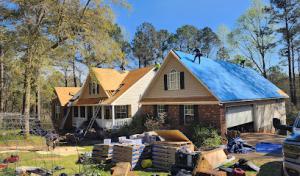
Black Dog Roofing
(706) 342-6285 www.blackdogroofingandgutters.com
2205 W Broad St, Athens, Georgia
5.0 from 263 reviews
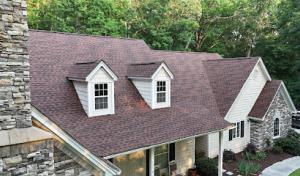
Concept Roofing & Gutters
(706) 612-4386 www.conceptroofingllc.com
190 Epps Bridge Ln, Athens, Georgia
5.0 from 33 reviews
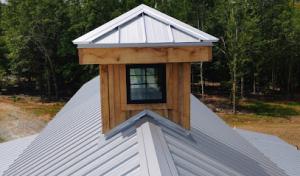
Asphalt shingles remain the dominant choice for the broad mix of pitched residential roofs found in this region. The familiar sawtooth profile and straightforward replacement options make them a practical fit for the traditional, in-town homes and newer suburban builds alike. In Athens, the climate's humid conditions and spring-to-fall thunderstorm activity test shingles with frequent rain-driven wind. A well-sealed shingle roof provides reliable leak resistance, and the material's forgiving nature when a storm punches a few granules loose is a tangible advantage for homeowners navigating storm aftermath. Regular maintenance-checking for lifted tabs after heavy storms and ensuring flashing around chimneys and vent stacks stays watertight-helps keep asphalt shingle systems performing through multiple seasons. For homes with existing insulation gaps or older roof decks, consider upgrades to underlayment and attic ventilation as part of a storm-response plan, since these components influence how quickly leaks become noticeable after a downpour.
Metal roofing has a meaningful local specialty presence, reflecting demand for longer-lived systems that handle heavy rain and heat well. In Athens, metal panels can offer superior hail and wind resistance and superior shedding of bulk rain during severe spring storms. For homes with steep pitches or limited attic space, metal can simplify long-term maintenance because the material is less prone to rapid wear from moisture intrusion. However, metal roofs can be noisier during heavy rain and may require careful consideration of fastener corrosion in coastal-influenced air if your lot sits close to areas with higher mineral content in the atmosphere. When storms disrupt service or cause branch impact, metal's rapid shedding of water helps keep exposed decking drier, but it's essential to inspect fasteners and sealants after significant wind events to prevent slow leaks around edges and joints.
Clay tile, concrete tile, wood shakes, and slate appear in the local material mix but are less common and can create structural and repair complexity on older homes. Clay and concrete tiles offer distinctive aesthetics and excellent longevity, yet their weight requires a properly assessed structure and sometimes reinforcement. In Athens, older houses may not have been originally framed for tile loads, so conversions or retrofits are a common consideration when upgrading from a more conventional roof. Wood shakes bring rustic character but require proactive fire resistance treatments and more frequent maintenance if mildew or moss establishes on shaded sections. Slate delivers unmatched durability and a classic look, yet its high weight and brittle nature demand precise framing, careful roof plan revisions, and specialized repairs if damage occurs. Storms can reveal weaknesses in older structures, so when a tile or slate roof sustains impact, prompt professional evaluation is essential to identify cracked tiles, underlayment gaps, and potential deck damage before ice or rain complicates repairs.
Local average pricing runs about $350-$550 per square for asphalt shingles, $600-$1000 for metal, $1000-$2000 for clay tile, $900-$1800 for concrete tile, $450-$900 for wood shingles or shakes, and $1600-$3000 for slate. In practice, the choice of material sets a solid base for budgeting, but the Athens climate and housing mix push the numbers beyond sticker price when work slows down or a project demands more coordination. For a typical in-town or suburban home, expect asphalt to be the most common entry point, with premium options showing up where long-term durability or historic appearances matter.
Athens storm seasons can create short-term demand spikes after hail and wind events, which can affect contractor availability and reroof timing. After a significant storm, you may see more earliest open slots but tighter schedules once roofers swing back toward those emergency jobs. If your roof is compromised by wind-driven debris, you may need urgent temporary measures while awaiting a firm start date, and scheduling can shift by a few weeks depending on nearby storm activity. Plan ahead by identifying a preferred contractor before storms hit, so you're not competing for the same crew.
Costs in Athens can rise when a project involves structural changes that trigger plan review, or when inspection coordination requires added attention to ventilation and flashing details. That means if a retrofit calls for rafter work, new attic venting, or upgraded underlayment, the price climbs beyond simple replacement. Expect modest increases for enhanced flashing around chimneys, skylights, and the deck edge, especially where neighboring homes crowd lines and roof planes. In older neighborhoods, where decking may show signs of wear or rot, the budget should include potential deck repair or reinforcement.
To land a reliable number, obtain two or three written estimates that itemize materials, underlayment, fasteners, ventilation, flashing, waste disposal, and any required structural work. Ask for a calendar window that aligns with the local storm calendar, so you're not left waiting through peak season. When you're documenting damage for insurance, keep clear photos of hail marks, wind uplift, and any compromised decking; these visuals help keep the process efficient and remove guesswork from the price conversation.
Athens-Clarke County typically requires a building permit for a full re-roof rather than treating it as informal maintenance work. That means the project should be planned with permit timelines in mind, because a permit check is not an afterthought. If the work includes removing and replacing sheathing or any structural work, expect documentation requests and potential review of framing changes. Skipping the permit creates real risk: unpermitted upgrades can complicate future resale, trigger insurance or lender questions after a storm, and may put you in a bind if a later inspection reveals noncompliant work.
The local Building Department commonly inspects at key milestones including underlayment and final installation. Plan for inspections to occur during the critical sequence of the project: once the roof deck and underlayment are in place, and again after all finishing work is complete. Delays can stall weather-tightness, which matters in a climate with rapid spring-to-fall storm activity. Make sure the contractor coordinates inspection windows in advance and has ready documentation, including approved plans and any required wind uplift calculations. A smooth inspection process reduces the risk of post-storm leaks lingering after heavy rains.
Projects involving structural changes may require plan review in Athens-Clarke County, and inspection attention often includes ventilation and flashing details. If upgrading attic ventilation or altering rafter spacing, expect a plan review that focuses on airflow, moisture control, and roof-to-wall transitions. Flashing around chimneys, vents, and skylights should be specified in the plans and executed with corrosion-resistant materials suited to our humid climate. Poorly executed flashing is a common source of early leaks, so verify that flashing details align with local code expectations before sealing any roof.
Confirm permit requirements before breaking ground, and schedule timing with the Building Department early. Request a written inspection plan from the contractor that maps out milestone dates and required approvals. For storm-damage repairs, keep the documentation organized: weather reports, photos of damage, and any correspondence with your insurer, so when the permit process starts, everything is ready to move efficiently.
Georgia's wind and hail exposure influences roof claim activity in Athens, so homeowners benefit from keeping dated photos and repair records before storm season. The spring through fall pattern brings quick shifts in weather, and a few hours of heavy hail can leave unseen damage that turns costly if not tracked. When a storm rolls through, those records become your first line of defense in a smooth, accurate claim process and in coordinating repairs around other weather events that may follow.
Documenting prior roof condition is especially important when multiple storm events occur across the same warm season. Start a simple, organized archive: dated exterior photos of each plane, vent, and edge detail; interior signs of past leaks or attic moisture; and notes on early repairs or patches. In Athens, the mix of older in-town homes and newer subdivisions means you'll see a wide range of roofing types and dormer setups, so tailor your notes to your specific roof geometry. A clear map of roof sections and a short history of any prior wind or hail incidents helps when an adjuster visits.
State insurance markets have remained relatively stable, but some carriers adjust premiums after major storms, which can affect replacement timing decisions. If a large storm hits, contact your insurer quickly to understand how your records influence depreciation, coverage, and scheduling. A well-organized file not only speeds up the claim but also strengthens the case for timely repairs, reducing the risk of secondary damage from leaks or trapped moisture.
Start a simple photo timeline focused on the last few seasons, capturing eave lines, fasteners, and any visible wear. Check attic spaces for signs of past leaks and note moisture patterns. Create a one-page roof map labeling each section, then keep a small, weatherproof binder with photos, repair receipts, and contractor contact notes. When uncertain, reach out to a local, reputable contractor who understands Athens storm patterns and can help you document the roof condition before the next storm season.
Athens sees repeated heavy rains, and flashing performance becomes a practical local concern during inspections and leak diagnosis. The most common trouble spots are around chimneys, skylights, vent pipes, and transitions where roof planes meet walls. In-town homes with older flashing layers and newer subdivisions with newer flashing materials both reveal failures after quick, intense storm bursts.
Chimney flashings deserve particular attention because clay and concrete tile or asphalt-curb systems can shift with temperature cycles and moisture saturation. In many Athens homes, chimney-to-roof transitions leak first after a storm, especially if cresting mortar or step flashing has degraded. Skylight openings are another frequent source; tight seals can fail as plastic domes age or deck framing settles. Local contractors report steady demand for resealing, flashing re-flashing, and, when needed, re-flashing with counter-flashing that ties into surrounding shingles or tiles.
When a leak is suspected after a heavy rain, start by mapping interior water trails to their nearest penetrations. Check flashing seams at chimneys and skylights, as well as vent penetrations and roof-to-wall transitions. Inspect exposed metal flashings for corrosion, lifting, or gaps. In Athens, repeated downpours can push moisture laterally under shingles, so look for staining along rafter tails and along ceiling joints far from the obvious drip line.
After a storm, capture exterior conditions and interior damage with timely notes and photos that show the impact around penetrations. Document any prior flashing repairs, chimney or skylight work, and signs of wind-driven moisture intrusion. Create a simple map of affected areas and date annotations to accompany an insurance claim, then coordinate temporary tarping or boarding if leaks threaten insulation or electrical components.
Find contractors experienced in skylight installation, flashing, and leak repairs to bring natural light into your home.
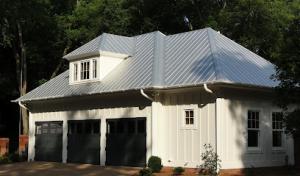
Athens Roofing
(706) 338-0472 athensroofing.com
2161 W Broad St, Athens, Georgia
4.8 from 76 reviews
Roofing Guys
(706) 670-2826 www.roofingrepairguy.com
2590 Atlanta Hwy #3, Athens, Georgia
5.0 from 4 reviews
Athens has a notable commercial roofing presence that mirrors its mix of retail, multifamily, campus-adjacent, and service buildings. Flat and low-slope roofing is a core local specialty, so owners of additions, porches, and commercial structures have access to a broad contractor pool built to handle tough, repetitive weather patterns. In this environment, a well-planned low-slope system matters as much for daily reliability as for handling sudden storms. Expect crews to emphasize substrate stability, membrane integrity, and fast-track weatherproofing when projects touch overhangs, parapets, or rooftop equipment.
Heavy rain events in Athens make drainage performance especially important on low-slope sections. When evaluating a roof, inspect channeling from parapets and scuppers, confirm proper slope toward internal drains, and verify that crickets or saddles direct water away from seams near HVAC equipment and skylights. Look for robust edge detailing to prevent wind-driven water intrusion, and ask about membrane overlaps, detailing at terminations, and the compatibility of any solar or satellite installations with drainage plans. Routine inspection should target clogged outlets, uplift at edge metal, and stray debris that can block downspouts during a thunderstorm downpour.
During a storm, quick assessment and prompt secondary containment save interior spaces. If a leak appears on a flat or low-slope roof, map its origin by tracing from interior water marks to the closest roof penetration, seams, or flashings. After a storm, document the damage with dated photos from multiple angles, noting penetrations, ponding, and fastener corrosion. This documentation supports timely coordination with contractors and insurers, and helps prioritize sections that feed common areas or critical equipment.
A robust contractor pool for flat roofs supports faster triage when storm damage occurs. Build a short list of preferred professionals who routinely handle low-slope systems, parapet flashing, and roof penetrations. When coordinating after a storm, establish a clear sequence: immediate tarping if leaks are active, followed by an assessment of substrate and flashing, then a scheduled repair path. Having ready-to-access project notes and a concise damage log helps streamline insurance documentation and keeps the process moving in months with high storm activity.
Find specialists in TPO, EPDM, and built-up flat roofing systems for residential and commercial properties.
MLW All Phase Construction & Roofing
(706) 353-7151 www.mlwallphase.com
1991 Jimmy Daniel Rd, Athens, Georgia
4.9 from 91 reviews
In Athens, quick response has become a defining market trait due to frequent spring-to-fall thunderstorms and active leaks. When a storm hits, you should expect a contractor to evaluate the roof within 24 to 48 hours and begin a rapid triage plan. The goal is to stop ongoing water intrusion, stabilize any loose materials, and secure the interior before a full diagnosis. If a crew can't respond promptly, set a firm follow-up window and document all attempts to reach you. This approach minimizes interior damage and reduces the chance of secondary issues from lingering leaks.
Athens contractor signals strongly emphasize cleanup included, which matters for homes with landscaped lots and occupied properties during full tear-offs. Expect crews to cordon off work areas to protect plants and driveways, remove debris daily, and manage rainwater runoff so mulch beds aren't swept into gutters. For full tear-offs, insist on a dedicated cleanup plan that covers tarps, bagged waste, and a final clean sweep before project wrap. This attention prevents downstream damage to gardens and reduces nuisance for residents, especially in older neighborhoods with mature landscaping.
Warranty offerings are present but not universal in Athens, so homeowners should compare workmanship coverage rather than assume every roofer provides the same protection. When evaluating proposals, request a written warranty that details coverage period, what is included (labor, materials, workmanship), and any exclusions. Keep a project diary: note dates of storm events, inspection findings, and communications with the contractor. This documentation will support insurance discussions and help ensure clarity if leaks recur or if post-storm repairs are needed.
After a severe storm, focus on a clear plan for leak response and insurance documentation. The contractor should provide a concise scope of work, photos of preexisting conditions, and a detailed record of repairs. You'll want a consistent point of contact for weather-related adjustments, progress updates, and any required on-site visits. This approach streamlines claims and reduces downtime between rain events and repair completion.