
Last updated: Apr 19, 2026
Hendersonville sits in the Blue Ridge foothills, and spring storms can bring heavy rain and hail that bruise shingles and trigger sudden leak calls. In a neighborhood with steep, tree-lined lots, even a small hail hit can start a chain of roof problems that quietly worsen until the next rain. The window between damage and interior exposure can close quickly when wet patterns linger. When a storm rolls through, acting fast is not just about avoiding a leak-it's about preventing core roof structure damage that can cascade into costly interior restoration.
After a storm, document the roof while the weather is still fresh. Take clear photos of all visible bruising, missing granules, lifted edges, and any staining or water marks inside attic spaces. Keep a simple repair history: date, what was observed, and any temporary measures you applied to manage moisture. These records matter when an adjuster arrives, because North Carolina's wind and hail claim environment relies on solid, dated evidence to determine fault and scope. If you have a trusted local contractor, arrange a preliminary inspection within 24 to 48 hours of clear skies. Quick, targeted assessments can separate what can be patched from what needs full replacement, reducing the chance of a prolonged leak cycle.
Prolonged wet periods are common in western North Carolina, and that pattern can turn a repairable roof into an interior leak problem during the next rain cycle. If the storm-damaged area shows widespread granule loss, curling or cupping shingles, or sustained measured moisture intrusion into attic spaces, delaying replacement becomes a higher risk. Standing water in gutters or roof valleys after a storm is a warning sign that a repair may be temporary at best. In these cases, a proactive replacement plan-timed to finish before the next wet season-helps avoid repeated calls for emergency tarping and temporary fixes that never fully stop leaks.
Insurance adjustments in this region hinge on timely documentation and response. Contact your insurer promptly after the storm and share the photo record and repair history. If the adjuster schedules a visit, have your contractor available to accompany them or to provide a professional scope. Delays in this coordination can stretch a repair into a prolonged exposure window, especially with steep slopes and the dense tree cover that characterize many Hendersonville roofs. Be prepared to discuss the sequence of events: onset of damage, temporary measures taken, and the recommended course-whether it's sealing and patching now with a larger replacement later, or moving straight to full replacement depending on the extent.
In this part of the Blue Ridge foothills, rain moves through the mountains with a rhythm that can surprise a homeowner. Tear-off and dry-in work on a roof are already stressful, but when the same storms bring wind and heavy rains, a window replacement during the wet season becomes a tight schedule. The goal is to complete weather-tight exterior work before a front drags in another round of moisture, because returning to the house to reseal and dry-in after each rain event adds cost and risk. Plan windows and sills so that flashing and waterproofing can be installed in a single, well-sequenced sequence rather than chasing moisture between showers.
Fall leaf drop from the city's mature canopy can hide problem areas in valleys and gutters, which means issues may only become obvious after leaves accumulate. Inspect exterior openings during a dry stretch and before leaves start to shed in earnest. Look closely at how window flashing meets siding, how drip edges direct water away from the wall, and whether gutters and downspouts are clear enough to prevent backed-up moisture from seeping behind trim. In valleys and lower elevations where shade pockets trap damp air, small leaks can bleed through the siding and show up as staining or soft spots only after several wet days. The more you catch early, the less damage accumulates behind saturated walls.
When planning a wet-season window project, set up a robust temporary weather plan. This means tarping exposed openings and ensuring there is a clear path for water to shed away from the house while work is underway. The typical Hendersonville home sits on sloped lots or with mature shade trees that funnel runoff onto lower facades, so a proactive approach to exterior drainage is essential. Keep the work area clear of leaves and debris that could clog temporary barriers and trap moisture around the opening. Have interior protection ready-drip cloths, plastic sheeting, and floor coverings-to minimize interior moisture intrusion during installations.
Efficient sequencing matters. The window crew should aim to complete flashing, caulking, and exterior trim so the opening is fully sealed on the day the install is finished. Conduct a thorough water test (without flooding the interior) to confirm all joints shed water away from the wall before leaving. In a mountain climate, a single testing blow from a late-season storm can reveal weaknesses that a dry-in alone would miss. If leaks appear, address them promptly rather than delaying further work, because repeated wet episodes increase the risk of rot and interior damage.
Storm damage claims often hinge on documenting the condition prior to the wet season and showing the scope of repair. If a window replacement is needed due to wind-driven leaks or hail impact, coordinate with the insurer to align shutter or replacing components with the dry-season schedule when possible. Initiate documentation early, photograph the affected areas after a rainfall event, and keep records of the exterior conditions to support a timely, accurate claim. In a drought gap between storms, scheduling a measured replacement helps reduce the chance of weather-related delays.
Get a clear picture of your project costs upfront - no commitment required.
WNC Roofing - Commercial & Industrial Roofing Contractors
Serving
4.8 from 99 reviews
Anner's Roofing & Renovations
(828) 335-2070 www.instagram.com
930 Maple St, Hendersonville, North Carolina
4.7 from 87 reviews
Instagram: Annersroofing_renovations Please take a look at our page for quality & jobs we've completed. At Anner’s Roofing & Renovations, we specialize in roofing and renovation services in Asheville and the surrounding communities. As a customer-centered business, we take the time to understand your goals, budget, and other requirements before we recommend you the best options. To learn more about the full scope of our services and how we can best assist you, get in touch with us today. One of our friendly representatives will be more than happy to answer any questions you may have and schedule you an in-person consultation. We look forward to assisting you with all of your roofing and renovation needs.
Roofing by Joe
(828) 685-2463 roofingbyjoe.com
1311 Pinecrest Dr, Hendersonville, North Carolina
5.0 from 14 reviews
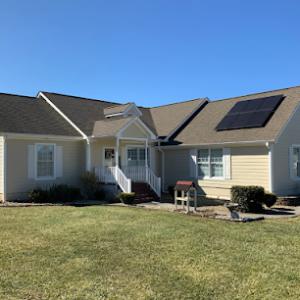
Roofing by Joe is a family owned and operated business and has been serving Western North Carolina for over 16 years. We pride ourselves on the relationships we form with our customers and the reputation we have held in our community for years.
Wilson Roofing
(828) 712-3065 www.wilsonroofinginc.com
75 Francis Rd, Hendersonville, North Carolina
5.0 from 8 reviews
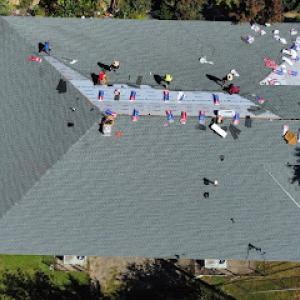
At Wilson Roofing, serving since 2009, we provide expert roofing solutions for commercial, industrial, and residential properties. We proudly serve businesses and homeowners in Western North Carolina, Eastern Tennessee, and Upstate South Carolina. For commercial and industrial clients, our coverage extends across the Southeast, including NC, TN, VA, GA, FL, SC, and AL. From roof installations to ongoing maintenance, we deliver reliable, high-quality workmanship that protects your property and adds value. Choose Wilson Roofing for trusted service backed by over 15 years of experience.
Blue Creek Construction
(828) 290-2396 www.bluecreekconstructionjr.com
530 Chestnut Stump Rd, Hendersonville, North Carolina
5.0 from 3 reviews
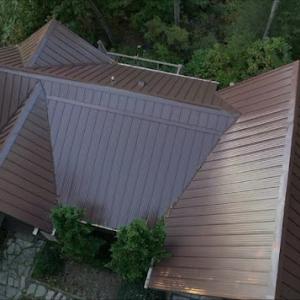
Blue Creek Construction Is a company dedicated to providing the highest quality construction services. We proudly offer shingle, metal, TPO, and EPDM roof replacements, ensuring durability and excellence in every project. With years of experience in the industry, our commitment to customer satisfaction is unmatched. We always strive to exceed expectations and provide solutions tailored to your specific needs. Let us be your first choice in construction.

Benton Roofing
(828) 693-3362 www.bentonroofing.com
Serving
4.9 from 119 reviews
Benton Roofing provides premium roof protection specializing in commercial, residential, industrial, repairs and maintenance throughout the southeast. We're located just outside of Asheville, North Carolina and constantly look for ways to exceed our customer's expectations. We'd love to partner with you on your next roofing project - big or small - we've got you covered.
DLV Roofing Systems
Serving
4.7 from 166 reviews
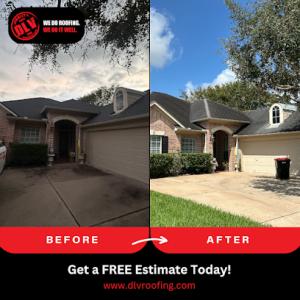
DLV Roofing Systems, Inc., is the premier roofing company for Asheville NC and its surrounding areas. Our President, Pete De La Vega, a third generation roofer, established DLV Roofing in 1999. We are a fully licensed and insured general contractor happily serving both residential and commercial customers out of our Asheville office. We use only top-rated, premium, quality products while offering competitive prices and a guarantee on all of the work. Our courteous, professional staff provides superior, dependable service with an attention to detail that sets us apart from industry affiliates. Call or email us today for a free estimate!
Baker Home Exteriors
(828) 630-0246 bakerhomeexteriors.com
Serving
4.9 from 214 reviews
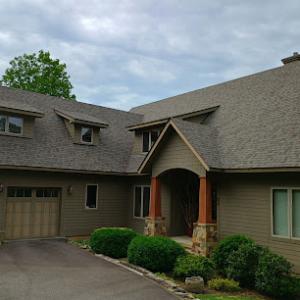
Since 1915, Baker Home Exteriors has been the trusted choice for residential roofing and exterior services. As an employee-owned company, we are dedicated to providing the Asheville area with top-tier craftsmanship and reliable service. Our skilled contractors specialize in durable roofing solutions, expert repairs, and storm damage services designed to withstand Western North Carolina's weather. Beyond roofing, we offer comprehensive siding, window, and gutter installations to ensure your home's complete exterior protection. Trust our century-long reputation for quality and dependable service for your next project.
Summit Home Improvement
Serving
5.0 from 20 reviews
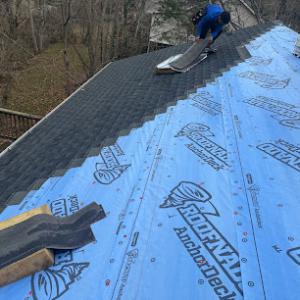
Summit Home Improvement is a local, family-owned roofing contractor specializing in roof repairs and damage solutions. We take a repair-first approach, fixing leaks, wind damage, flashing issues, and shingle problems whenever possible, and recommending replacement only when truly necessary. Homeowners choose us for honest assessments, clear communication, and quality workmanship.
Ridge Roofing
(828) 335-7663 ridge-roofing.com
Serving
5.0 from 238 reviews
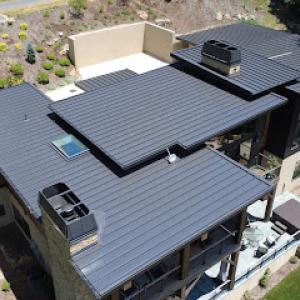
Ridge Roofing specializes in providing exceptional roofing services tailored to meet the unique needs of each client. With a team of experienced professionals, we prioritize quality, safety, and customer satisfaction. Whether it's installation, repair, or maintenance, our solutions are designed to be durable and efficient. We are committed to using premium materials that guarantee long-lasting results. Ridge Roofing stands out for its dedication to excellence, transparency in communication, and a customer-first approach. Trust us to protect your home with the care and expertise it deserves.
WNC Roofing - Commercial & Industrial Roofing Contractors
Serving
4.8 from 99 reviews
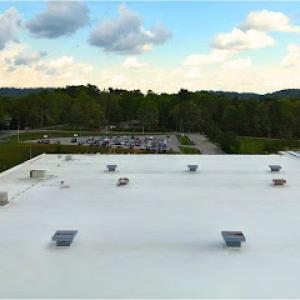
Stop leaks and protect your operations with WNC Roofing's trusted commercial roofing services. We specialize in commercial and industrial roofing and have helped thousands of business in our 10+ years in business. Our Services include: Commercial Roof & Industrial Inspections, Repairs, Replacements, and Maintenance We do this for Gutters, Wall Panels, and on commercial roof systems like EPDM, PVC, TPO, Metal, & More. Fully licensed, insured, and bonded in North Carolina and South Carolina, we have installed thousands of systems to manufacturer specifications and provided quality warranties that we stand behind. Stop managing buckets and get your free quote today.
RainDance Roofing
(828) 808-8482 www.raindancenc.com
Serving
4.5 from 68 reviews
Founded in 2008, Independent Construction, now "RainDance Roofing", is a family-owned and operated business serving the greater Asheville area. Along with being licensed, bonded and fully insured, RainDance Roofing holds many other credentials in the construction industry which include : GAF Master Elite Designation, allowing us to provide special product and warranties to homeowners A+ rating with the BBB Angie's List Certified Certified S.C. Safe-home Hurricane Retrofit Company Proud member of the Asheville Home Builders Association RainDance Roofing prides themselves on business ethics and affordability so customers have the assurance "Independent is the Best and Safest Choice."
RJ Roofing of WNC
(828) 702-2768 rjroofingwnc.com
Serving
4.9 from 29 reviews
At RJ Roofing, we are committed to providing top-notch roofing services to the residents of Brevard, NC. Our experienced team takes pride in delivering high-quality roof installations, repairs, and maintenance. Trust us with your roofing needs for reliable craftsmanship and exceptional customer service every time.
Asphalt shingles remain a dominant choice in Hendersonville because they fit the area's large re-roof market and lower replacement cost range compared with metal and tile. The steep, tree-lined lots and frequent spring rains make quick, reliable installation important, and asphalt shingles deliver straightforward, predictable performance when properly installed over solid underlayment. For most homes in the medium-slope range common to the area, modern fiberglass-backed shingles provide good hail resistance and a decent wind rating, while still being repair-friendly after seasonal cycles. When selecting asphalt, pay attention to shingle warranty length, manufacturer granule adhesion, and the roof system's ventilation. Good ventilation helps manage freeze-thaw cycles that can stress decking and shorten shingle life.
Metal roofing has strong local traction in Hendersonville, reflecting homeowner interest in durability under heavy rain and long-term performance in a mountain climate. Metal panels or shingles resist wind uplift, shedding heavy rain efficiently, which translates to fewer leaks on exposed ridges and steep pitches. A metal roof also benefits from a well-sealed attic, since condensation can form in cool months if ventilation is lacking. The key considerations are the roof's slope, fastener configuration, and flashings around chimneys and skylights. For homes with taller trees nearby, a reflective, lighter-colored metal can help reduce heat absorption during the hot shoulder seasons, preserving interior comfort without too much temperature swing. Inspections after major storms should focus on panel seams and edge flashing, especially where trees drop winter debris.
Clay and concrete tile appear in the local material mix but are a more specialized fit in Hendersonville, where roof structure, slope, and installation expertise matter more than on standard shingle replacements. Tile adds long-term durability and a distinctive look, yet requires a strong deck and proper substrate to resist movement from freeze-thaw cycles. Roofs that weren't designed for heavy tile loads or that lack appropriate underlayment can develop cracked tiles and intermittent leaks after storms. If tile is on your shortlist, verify existing framing supports the weight, confirm proper attic ventilation, and ensure flashing details around penetrations are engineered for hillside exposure and the region's rainfall patterns.
In this mountain climate, preventive maintenance matters as much as material choice. Regular inspections after heavy rains or melting snows help catch edge failures, flashing gaps, and worn sealants before leaks develop. When a leak risk is detected, address it promptly to minimize interior damage and preserve insulation performance through the wet season. For homeowners facing a storm event, documenting damage and coordinating with a trusted local roofer who understands Hendersonville's seasonal patterns can smooth insurance timing and repair sequencing.
Sloped lots in this mountain town demand awareness of how fast runoff can race to eaves, valleys, and transitions during heavy downpours. On steep roof planes, a quick path from ridge to gutter can overwhelm gutters, causing overflows that seep into soffits and fascia. Plan for increased drainage at eaves and in valleys, and keep downspouts directed away from foundations. Correct placement of splash blocks and extensions matters more when soil is thin and gravelly on hillside lots.
The wooded setting and established neighborhoods bring leaf and branch debris that clog drains and conceal flashing failures. Regular cleanings in late fall and after storms prevent damp pockets that invite moss and wood rot. When debris sits, moisture lingers against roof edges and in transitions, accelerating wear. Inspect flashing at chimney, vent pipes, and transitions after major wind events, because the debris can mask subtle shifts in sealant.
Repeated wetting from shade and debris is a practical concern because roofs may stay damp longer here than in flatter Piedmont areas. Damp conditions slow drying between storms, which can promote algae, mold, and rot behind shingles, even when the surface looks sound. Use a moisture check along eave line during routine inspections, and test for any soft spots that hint at hidden leaks.
Storm season planning focuses on leak prevention and timing. If a storm is imminent, clear gutters and a few feet of overhanging branches to prevent gutter backflow and tree-induced damage. After heavy rain, look for staining, loose flashing, or warped shingles near valleys and transitions, especially on hillside sections where water travels faster and leaks can appear suddenly.
Maintenance cadence matters because the canopy traps moisture against roof surfaces for longer stretches. In late winter and early spring, when blue Ridge moisture cycles peak, inspect at least twice after storms, watching for small gaps around vents and flashing where dampness hides. Consider trimming overhanging limbs that repeatedly brush the roof during storms, since each contact can loosen shingles and lift fasteners. When leaves accumulate, rake and bag them far from drainage paths to prevent organic matter from decaying on the roof deck and inviting rot under shingles. A cautious approach now reduces costly repairs after the next heavy rain.
Find contractors experienced in skylight installation, flashing, and leak repairs to bring natural light into your home.
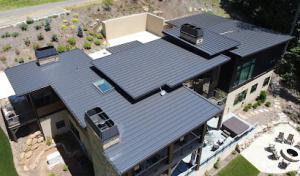
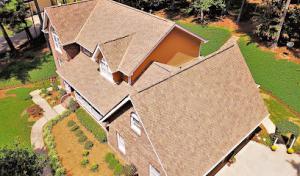
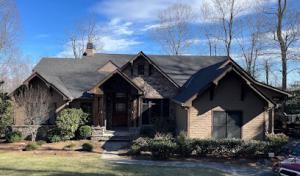
In this mountain town, roof restorations sit between straightforward suburban reroofs and more intricate jobs that require careful staging and access around trees and steep slopes. Local pricing reflects that mix: asphalt shingles sit at the lower end of the range, while metal, tile, and wood products demand more specialized labor and equipment. When you're planning, expect material costs to track with the type chosen, but also factor in the added labor for navigating hills, limited ground access, and the need to protect landscaping and driveways on steeper lots.
Hail and high-wind events in western North Carolina can tighten contractor availability quickly. After a storm, the window to schedule replacement often narrows, and pricing pressure can rise as crews shift to prioritized repairs and storm-damaged homes. If you can time a replacement before the next wet season, you reduce the risk of leaks during heavy rains and potentially lock in steadier crew availability. For steep, tree-lined lots, weather windows matter even more, since delays can compound access challenges and staging costs.
Asphalt shingles remain the most economical option, aligning with the lower end of the provided price range per square. However, the Mountain terrain and recurrent freeze-thaw cycles mean many homeowners weigh longer-lasting options. Metal roofing performs well against wind and rain but requires specialized installation and equipment, pushing pricing higher per square. Tile products (clay or concrete) bring durability and a distinct look, yet depend on structural readiness and roof slope to avoid cracking or breakage; they sit at the upper end of the cost spectrum due to heavier weight and complex installation.
Begin with a roof assessment that notes slope, tree cover, and access constraints, then compare three material paths: asphalt, metal, and tile. Use the square-foot cost ranges to estimate a ballpark, but add a contingency for staging and potential wind or hail-related delays. If a replacement is timed around a dry spell before the wet season, you can reduce leak risk and help crews complete work before rain-heavy months. Finally, ask for phased scheduling options if access is particularly tight, so material delivery and installation can occur without double-handling or excessive disruption to landscaping.
Don't let upfront costs delay a critical repair - these contractors offer payment plans to fit your budget.
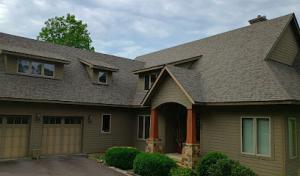
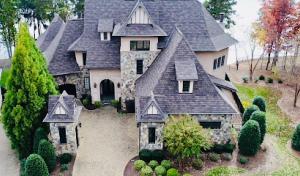
Residential full roof replacements in Hendersonville generally require a building permit through the City of Hendersonville Building Department. The process is straightforward but real, and most projects run smoother when the permit is in hand before the first shingle is removed. In this market, where storm-repair work is common, making sure the permit is secured early helps prevent delays if a late-season shower hits before completion. Either the contractor or the homeowner can pull the permit for a full replacement project, so you can choose the path that best fits how you prefer to manage paperwork and coordination with your crew.
Local inspections are typically scheduled after framing or underlayment work and again at final. This cadence matters in a wet mountain climate where you want to confirm proper venting and flashing before closing up. The first inspection focuses on structural steps and underlayment layout, including how ridge and soffit vents are integrated to handle the cool, humid air that crawls through the canopy after a storm. The final inspection zeroes in on code compliance, ensuring the roof edge details, drip edge, and flashing around chimneys and valleys meet the district's expectations, which helps minimize leak risk once the first heavy downpour arrives.
Coordinate with your contractor to align the framing/underlayment phase with the inspection window so stay-ahead scheduling isn't derailed by weather. If a storm redraws plans, keep the Building Department notified about tentative dates to avoid holds. For steep, tree-lined lots common in this area, confirm adequate temporary protection and debris containment during inspections to demonstrate you're addressing wind-driven debris and water intrusion proactively. Always have ventilation and flashing details clearly visible on site so inspectors can verify they meet local code.
In this North Carolina market, wind and hail losses are common enough that adjusters routinely scrutinize roof age and prior condition. After severe weather, the claim review can feel more like a forensic exam than a simple repair authorization. The weather patterns-the steep slopes, dense trees, and the wet season looming after a dry spell-mean roof performance across town varies a lot from home to home. Expect questions about when the last roof work was done, who performed it, and what kind of materials were used. The more documentation you can provide about the roof's history, the smoother the discussion is likely to go.
After a storm event, insurers may request detailed photo documentation and prior repair records before confirming scope. Photos should capture overall condition, any prior patches, and vulnerable areas like hips, valleys, and edge details. If prior work exists, gather receipts, contractor notes, and permits if applicable. Store these records in a readily accessible place, because the adjustment process can stretch as the region recovers. Having a clear, time-stamped dossier helps prevent delays that can leave a leaky roof sitting through a wet spell on a steep, tree-lined lot.
Because claim timelines can stretch after regional storm events, homeowners often need temporary leak protection while waiting on adjustment decisions. Use plastic sheeting or tarps secured with heavy shingles or weighted barriers to cover exposed vents, flashings, and drainage paths. Check for daylight through attic access or soffit gaps and seal with appropriate sealants or temporary flashing if you are comfortable doing so. Schedule a cautious interim assessment with a trusted local roofer to identify clearly which areas are potential fail points, so when the adjuster arrives, the conversation can focus on scope rather than guesswork. This approach reduces the risk of additional interior damage and buys you time to coordinate a solid, code-respecting repair or replacement when the weather finally stabilizes.